I remember the moment clearly—sipping on my favorite flavored sparkling water after a long day, only to realize later that my teeth felt different, slightly sticky and oddly sensitive. It was a small discomfort, but it prompted a bigger question: could those seemingly healthy drinks be hiding something that’s sneaking into my body and harming my teeth? If you’ve ever wondered about the real contents of your sparkling waters, you’re not alone.
Unmasking the Hidden Sweetness in Your Favorite Beverage
Many of us turn to flavored sparkling waters as a refreshing alternative to sugary sodas and juices. They’re marketed as healthy, hydrating, and full of flavor without the calories. But behind the enticing labels and vibrant colors, there’s often a secret ingredient—artificial sweeteners or added sugars—that can do more harm than we realize.
Surprisingly, studies have shown that some flavored waters contain as much sugar as a regular soda. For example, a report from the American Heart Association highlights how consumption of sweetened beverages contributes significantly to sugar intake, even among those who believe they’re making healthier choices. This hidden sugar is especially concerning for dental health, as it feeds bacteria in your mouth, leading to cavities, plaque buildup, and even enamel erosion.
Have you ever noticed that after drinking a flavored sparkling water, your teeth seem to feel a little off? You’re not imagining things. Besides impacting dental health, excess sugar consumption can also influence your overall wellness, including increased risk for metabolic issues and weight gain.
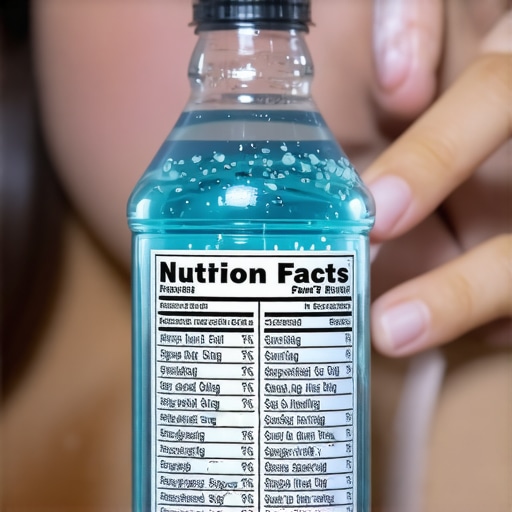
Throughout my early years of exploring healthier lifestyles, I made the mistake of assuming all sparkling waters were free from hidden sugars. I often chose flavor varieties based on taste alone, neglecting the ingredient labels. It wasn’t until I started paying closer attention and reading the nutrition facts that I realized how much sugar was lurking in some brands.
To truly enjoy these drinks without compromising oral health, understanding what’s in your sparkling water is crucial. We will explore effective ways to identify hidden sugars, and more importantly, how to make smarter choices that benefit your teeth and overall well-being.
Do you find yourself reaching for flavored sparkling waters often, without knowing what’s really inside? If so, stay tuned, because the next sections will give you practical tips to decode the labels and healthier habits to adopt. After all, a bright smile depends on more than just brushing—it starts with informed choices about what we put into our bodies.
How to Decode Ingredient Labels Accurately
The first step I took was to become a detective—reading every nutrition label on my flavored sparkling waters. I learned to identify hidden sugars, which often hide under terms like “dextrose,” “glucose,” or “cane syrup.” To make this process easier, I always kept a list of common sneaky ingredients and cross-checked labels diligently. Just as in understanding crowns, knowing what to look for ensures longer-lasting, healthier results in your oral health.
Spotting Artificial Sweeteners and Hidden Sugars
Next, I paid close attention to the ingredients section, searching for artificial sweeteners like aspartame or sucralose, which may seem harmless but can influence oral bacteria growth. I also looked for added sugars despite zero-calorie claims, because these can be just as damaging—feeding harmful bacteria and causing cavities. Remember, reading labels is a step similar to effective home teeth cleaning; it’s all about being proactive to maintain your oral health.
Switching to Healthier Drink Choices
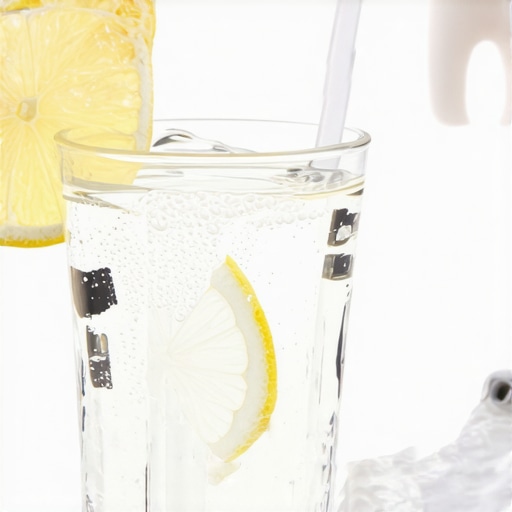
Once I identified which brands were hidden offenders, I started choosing sparkling waters without added sugars or artificial sweeteners. Natural flavor options or plain sparkling water with a splash of lemon became my go-to choices. To ensure I made smarter decisions, I bookmarked brands with transparent ingredient lists and avoided those with lengthy, complex terms. This is akin to caring for crowns—knowing what’s in your product empowers you for longer-lasting oral health and a brighter smile.
Enhancing Oral Hygiene Routines
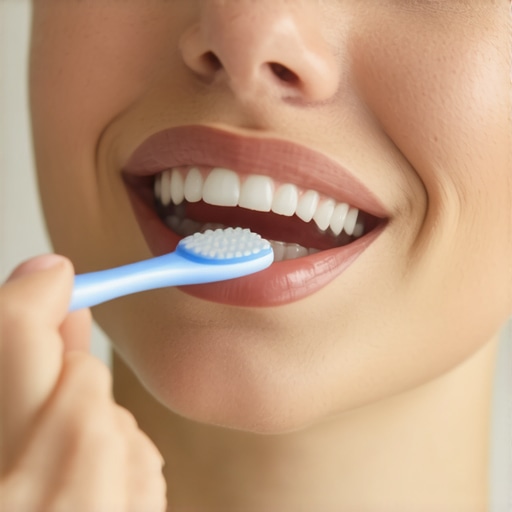
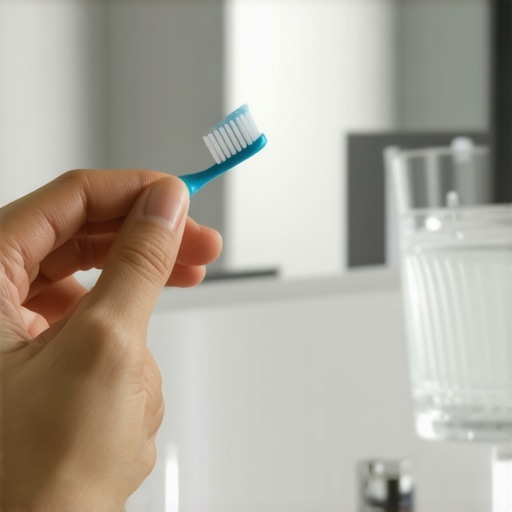
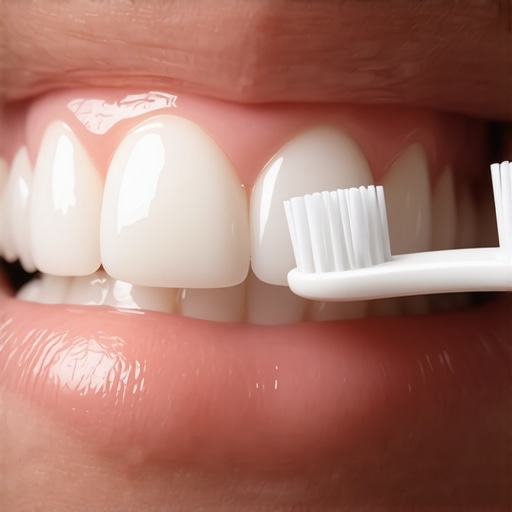
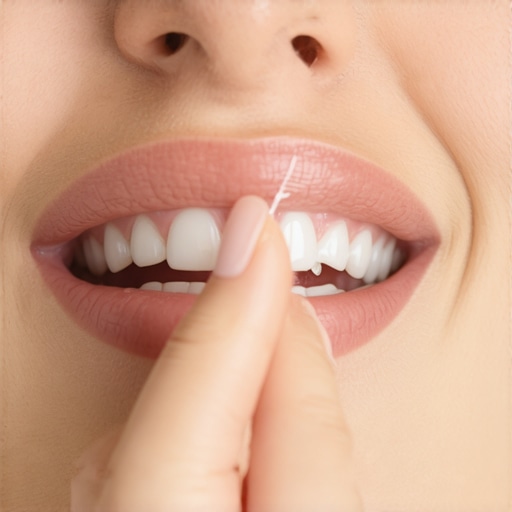
In addition to choosing better beverages, I amplified my oral hygiene practices. Regularly scheduled professional cleanings are vital, especially for removing plaque buildup fed by sugars—much like regular cleanings impact overall health. I committed to brushing twice daily with a soft-bristled toothbrush, using fluoride toothpaste, and flossing to dislodge any trapped sugars and bacteria. Using a timer helped me perfect my brushing duration, ensuring I didn’t rush and miss areas prone to sugar deposits. You can see why effective home practices are critical for maintaining a healthy smile.
Protecting Your Smile with Smart Habits
Finally, I adopted habits that minimized sugar exposure—such as drinking sparkling waters during meals or rinsing my mouth afterward. I avoided sipping on flavored waters throughout the day, which prolongs sugar contact with teeth. For added protection, I incorporated xylitol gum into my routine—xylitol helps neutralize acids and inhibits bacterial growth. Just as maintaining crowns requires consistent care, so does nurturing a cavity-free smile.
 When it comes to crowns and teeth cleaning, many believe that following the basic rules guarantees a healthy smile, but in reality, there’s more complexity than most realize. A common misconception is that once a crown is placed, no further attention is needed; however, the nuanced care required for long-term success involves understanding material differences and the importance of customized maintenance. For example, porcelain crowns require different cleaning approaches compared to zirconia ones, and neglecting these differences can lead to premature wear or discoloration. Additionally, the myth that regular brushing alone suffices often leads to overlooked areas, especially around crowns and restorations where plaque accumulates differently. Research has shown that improper cleaning techniques can compromise the longevity of dental work, as highlighted in studies published by the American Dental Association.
Another often-overlooked aspect is the significance of skillful family dentistry that addresses age-specific needs—children, adults, seniors—each demands tailored strategies. For instance, children’s developing enamel is more vulnerable, and overly aggressive cleaning might cause damage rather than prevent issues. Conversely, seniors might require specialized tools to manage receding gums and exposed roots. Many assume a one-size-fits-all approach is sufficient, but personalized care plans can dramatically improve outcomes.
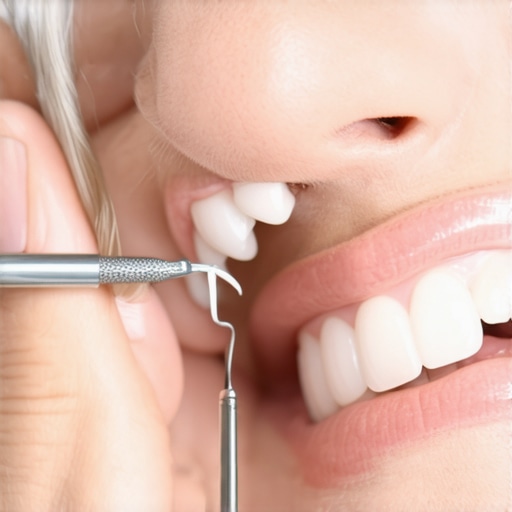
The real mistake lies in neglecting the subtle signs of early deterioration around crowns or misjudging the importance of professional maintenance. Many patients wait until discomfort or visible damage appears, but preventive visits and expert advice are essential in catching microscopic issues before they escalate. Regular professional cleanings play a crucial role here—see how consistent cleanings impact overall health by exploring the impact of regular teeth cleaning.
What about the advanced mistakes like underestimating the importance of occlusion—the way your bite fits together? Improper alignment can cause undue stress on crowns, leading to fractures or loosening. It’s vital that dentists evaluate bite patterns regularly and make adjustments as needed—something many overlook until it’s too late.
For those curious about material choices, some studies suggest that newer ceramics provide enhanced durability and translucency, offering more natural aesthetics—yet many get their crowns based solely on cost, ignoring these advanced benefits. Choosing the right material and understanding the nuances can save money and extend the lifespan of your dental work.
So, the next time you consider a crown or routine cleaning, remember that the devil is in the details. Your oral health is a complex ecosystem that benefits from personalized care, advanced knowledge, and proactive maintenance. Have you ever fallen into this trap? Let me know in the comments. For more expert insights, check the detailed guide on how crowns can transform your confidence or explore effective advice on crowns and cleaning to ensure lasting results.Maintaining your dental crowns, teeth cleaning routines, and overall oral health requires more than just good habits; it demands the right tools and practices to ensure longevity and effectiveness. I personally rely on a few specialized items that have made a noticeable difference in my dental care routine. One tool I highly recommend is an electric interdental cleaner, such as the Waterpik Sonic Fusion. Unlike manual flossing, this device combines water and flossing action, providing a thorough cleaning around crowns and along gum lines, which are often neglected. I’ve found it particularly helpful in preventing plaque buildup that can compromise restorations, aligning with expert advice found at this article on effective cleaning techniques. A digital microscope like the Dentalview USB Logger can also be a game-changer for visualizing hard-to-see plaque and tartar in real-time, motivating me to improve my brushing accuracy and reach tricky areas.
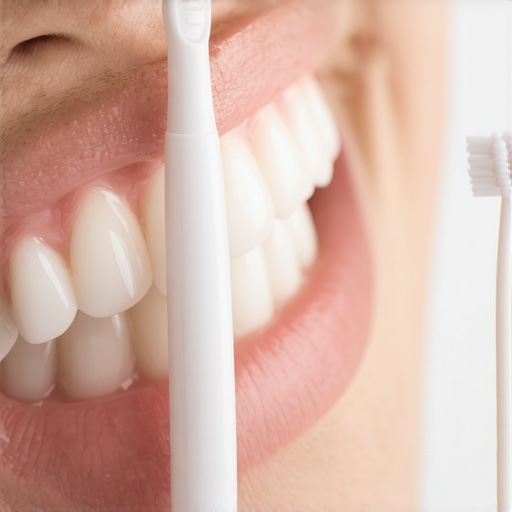
For maintaining crowns specifically, I use a specialized brush with ultra-soft, tapered bristles designed to clean around restorations without damaging them. Regular use of fluoride rinses and elevated fluoride toothpaste enhances the enamel’s resistance around crowns and natural teeth, which I incorporate into my nightly routine.
Looking ahead, the trend in dental maintenance tools points toward smarter, AI-integrated devices that analyze your brushing patterns and offer personalized advice. These innovations promise to help us catch issues early, reducing long-term dental costs and enhancing the lifespan of dental restorations.
**How do I keep my crowns — and my dental routine — working smoothly over time?** My approach involves consistent use of these specialized tools, scheduling regular professional check-ups, and staying informed about new technology developments. For example, exploring advanced tools like CAD/CAM systems used in crown fabrication can inspire you to ask your dentist about the latest options that ensure perfect fit and durability.
To get the most out of your dental tools, I recommend trying a water flosser with jet tip accessories, which can reach deeper into gum pockets and around crowns, providing a level of cleanliness manual tools can’t match. Regularly updating your routine with these practices could dramatically extend the longevity of your dental work, making each dental visit a preventive measure rather than a reactive one. Want to experience firsthand how these tools can reinforce your oral health? Start by incorporating an electric interdental cleaner today and notice the difference after just a few uses.
The Hardest Lesson I Learned About crowns,teeth cleaning,oral health,family dentistry
One of my most eye-opening moments was realizing that not all dental care practices are one-size-fits-all. Over time, I discovered that understanding the specific materials used in crowns and their care requirements drastically impacts their longevity. Neglecting these nuances could lead to premature wear or failure, which was a tough, yet invaluable, lesson for me.
3 Myths About crowns,teeth cleaning,oral health,family dentistry That Held Me Back
I used to believe that once a crown was placed, it was maintenance-free. Another misconception was that brushing harder ensures better cleaning, which is false and harmful. Lastly, I thought that professional cleanings could be skipped if I felt no discomfort. Busting these myths changed my approach and improved my dental health immensely.
What Experts Won’t Tell You About crowns,teeth cleaning,oral health,family dentistry
Many dental professionals emphasize routine check-ups, but what often remains unsaid is the importance of tailored care—considering the material of your crowns, your bite, and your specific oral environment. Personalizing your oral hygiene routine, including innovative tools like electric interdental cleaners, can make a significant difference, a lesson I learned through experience.
My Essential Toolkit for Crown and Family Dental Maintenance
I swear by an electric interdental cleaner, such as a Waterpik, because it effectively reaches around crowns and along gum lines where plaque hides. A soft, tapered-bristle toothbrush for restorations, fluoride rinses, and a portable dental mirror for at-home inspections are also critical. These tools have empowered me to maintain my oral health between visits.
Where to Go from Here
If you’re serious about preserving your crowns and overall oral health, consider scheduling regular professional cleanings, asking your dentist about material-specific care, and investing in high-quality tools. Staying informed through trusted sources like expert advice on crowns and teeth cleaning can guide you toward smarter choices that extend the lifespan of your dental work and enhance your smile.
Your Next Steps for a Confident Smile
Empower yourself by learning about the specifics of your dental materials and adopting proactive habits. Small changes, like using an electric interdental cleaner or selecting the right toothpaste, can make a surprising difference over time. Remember, your smile’s health depends on detailed attention and personalized care.
What’s one dental routine you’ve been curious about improving? Share your thoughts below, and let’s continue this journey toward healthier smiles together!
 Many patients believe that getting a dental crown is a straightforward fix, but in my experience, there’s a complex web of nuances most people overlook. One common myth is that crowns are permanent and require no further care; in reality, their longevity heavily depends on proper maintenance and understanding their limitations. For instance, neglecting the importance of regular check-ups can lead to unnoticed issues, like decay developing underneath the crown, which can compromise the entire restoration [source: https://periodontistcare.com/expert-advice-on-crowns-and-teeth-cleaning-for-lasting-results].