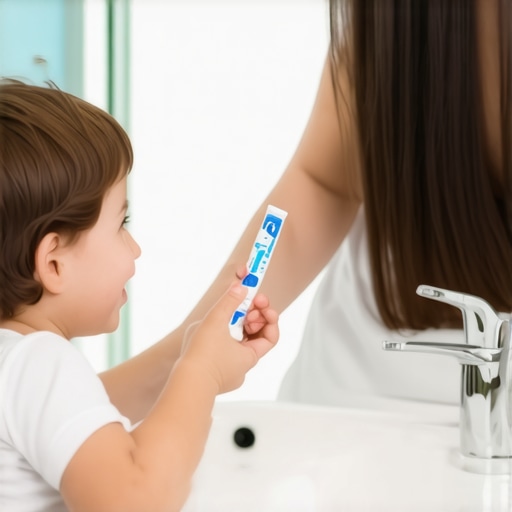
I’ll never forget the day I realized my child’s toothbrush had more training paste than actual toothpaste. It was a small, almost unnoticed moment—until I looked at the tube and thought, “Wait, am I holding my kid back from real dental health?” That lightbulb moment made me reevaluate everything about how I was managing my child’s dental routine. Does this sound familiar? Are you unsure when and how to introduce fluoride toothpaste to your little one without causing more harm than good? Don’t worry; you’re not alone. Many parents struggle with knowing the right timing and technique, and that’s exactly what we’re going to tackle today.
Why Transitioning to Fluoride Matters More Than You Think
Switching from training paste to fluoride toothpaste isn’t just about tearing open a new tube; it’s a big step toward safeguarding your child’s future smile. Fluoride is a proven agent in preventing cavities and strengthening developing teeth. According to the Centers for Disease Control and Prevention, community water fluoridation and appropriate fluoride use can reduce tooth decay by about 25% in children and adults alike. But the key is timing and proper application—doing it too early or incorrectly can sometimes cause more harm than good.
Early on, I made the mistake of assuming that any toothpaste was safe for my toddler. I didn’t realize that too much fluoride at a young age could lead to dental fluorosis—white spots or streaks on the teeth—if ingested in excess. It’s a common mistake many parents make, often because of conflicting advice or a lack of clear guidelines. That realization pushed me to research more, talk to dentists, and learn how to make the transition safely and effectively.
Whether your child is just starting to learn to brush or you’re looking to upgrade their dental routine, understanding the right approach is crucial. In the following sections, we’ll walk through practical steps to help you navigate this transition confidently, ensuring your child’s teeth stay healthy and strong for years to come.
Ever struggled with knowing when it’s safe to switch?
If you’ve faced this dilemma, you’re not alone. Many parents wonder if their child is ready or if they’re doing it too early. The good news is, with proper guidance, you can make this change smooth and beneficial.
Ready to get started? Let’s dive into the specific steps to transition your child from training paste to fluoride, ensuring a safe and effective changeover that sets the foundation for lifelong oral health. For more insights on related issues, check out why you should never brush immediately after eating fruit or explore tips on maintaining white teeth while indulging in your favorite beverages.
Start with the Right Timing
Wait until your child’s tooth erupts fully and they’re comfortable with regular brushing—usually around age 2 to 3. I remember the first time I introduced fluoride after my son had his molars, which was messy but essential. Ensuring their teeth are developed reduces the risk of fluorosis while maximizing cavity prevention.
Choose the Correct Toothpaste
Select a fluoride toothpaste formulated for children, with a pea-sized amount as recommended by dentists. I made the mistake of grabbing adult toothpaste initially, which was too strong and led to gagging. Understanding the concentration and formula impacts how safe and effective the transition is.
Use a Transparent Technique
Apply a small amount of fluoride toothpaste to your child’s toothbrush, emphasizing the right amount—about a grain of rice for kids under 3, and a pea for older children. During a session, I carefully measured this and watched my child brush, ensuring they didn’t swallow excess toothpaste. It’s like guiding a tiny sculptor—precision matters.
Establish a Routine Step-by-Step
Make brushing a daily habit at the same time—morning and night. I set an alarm and used positive reinforcement, like stickers. Consistency helps your kid associate fluoride use with a healthy routine. Remember, patience during this stage ensures they won’t associate fluoride with discomfort or aversion.
Supervise and Encourage Proper Swallowing
Always supervise to prevent swallowing too much fluoride, which could lead to fluorosis. Demonstrate how to spit out excess foam—think of it as teaching a tiny water sommelier to handle delicate liquids. I found that 3-4 repetitions of swallowing and spitting teach kids the right control without fuss.
Create a Family Shield Against Cavities
Incorporate fluoride toothpaste into the entire family’s routine, especially if water fluoridation is low in your area. While pediatric fluoride use is tailored, adult routines also influence overall oral health. I began integrating fluoride every evening for everyone, reinforcing the importance of good habits for all ages.
Watch for Signs of Fluoride Overuse
Look for white streaks or spots on teeth—early signs of fluorosis. When I first noticed faint white patches on my son’s molars, I consulted my dentist to adjust toothpaste quantity. Continuous monitoring prevents overexposure and promotes safe, effective cavity prevention.
Maintain Regular Dental Check-Ups
Visit your dentist every six months for professional cleanings and fluoride treatments if needed. This maintains the health foundation you’re building at home. During my last appointment, my dentist reaffirmed that this combined effort with fluoride toothpaste significantly lowers the risk of future cavities and strengthens teeth.
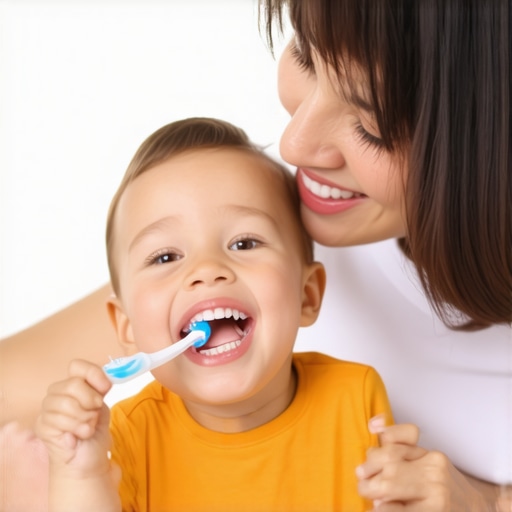
Remember, integrating fluoride into your child’s brushing routine is a balance of timing, proper use, and supervision. By following these steps, you’re setting your child up for a lifetime of healthy, strong teeth—just like the moment I managed to clean my child’s teeth without mess or fuss, leading to a proud smile all around.
 When it comes to dental health, most people operate under a set of misconceptions that can hinder their progress and lead to costly mistakes. While routine check-ups and brushing are foundational, there’s a deeper layer of nuance that many overlook, often because of outdated beliefs or superficial knowledge. Let’s explore some of these hidden aspects that can make a significant difference in your oral health journey.
A common myth is that all dental crowns are created equal. In reality, the choice of materials—such as gold, porcelain-fused-to-metal, or zirconia—can impact their longevity, aesthetics, and how they interact with surrounding tissues. For instance, ceramic crowns, while aesthetically pleasing, are more prone to chipping if not properly cared for or if the wrong material is selected for the location in the mouth. Understanding this nuance allows for better decision-making and setting realistic expectations. You can learn more about the durability of different crown materials [here](https://periodontistcare.com/the-gold-vs-ceramic-debate-which-crown-actually-lasts-longer).
In family dentistry, there’s often a misconception that children require merely smaller versions of adult care. However, children’s dentition has unique vulnerabilities, such as developing enamel that’s more susceptible to decay. Overlooking these differences can lead to advanced cavities or improper fluoride use, increasing the risk of fluorosis. The timing and type of fluoride treatments are critical—for example, using age-appropriate fluoride products and monitoring intake to prevent overexposure. For detailed guidance, see [this resource](https://periodontistcare.com/why-your-crown-feels-tight-when-you-eat-sweets).
A less obvious but crucial factor is the importance of timing in dental cleanings. Many believe that skipping a scheduled cleaning isn’t a big deal—until plaque buildup begins to calcify, turning into tartar that only a professional can remove. This not only jeopardizes oral health but also contributes to systemic issues like heart disease. Regular cleanings are more than aesthetic; they are preventative. Don’t underestimate their role in maintaining overall health.
Advanced Mistakes That Often Go Unnoticed
One prevalent mistake is neglecting the microscopic health of your tongue and gums, which play a key role in oral ecosystems. For example, failing to clean your tongue properly can harbor bacteria responsible for bad breath and even decay. Learn the proper technique to clean your tongue without gagging [here](https://periodontistcare.com/the-proper-way-to-clean-your-tongue-without-gagging). Similarly, using abrasive or incorrect toothbrushes can damage delicate gums or enamel—opt for soft bristles and gentle strokes instead.
In addition, many underestimate the importance of monitoring dental restorations. Dental crowns and fillings can develop leaks or cracks over time, which may not be immediately noticeable. This can lead to secondary decay, discomfort, or even infections. Regular check-ups help catch these issues early. For signs your crown might be compromised, review [this article](https://periodontistcare.com/the-3-signs-your-old-crown-has-a-leak-underneath).
Transitioning to these advanced nuances isn’t about overcomplicating your routine but rather empowering you with knowledge to make smarter decisions. Remember, dental health is a complex interplay of materials, techniques, and timing. By paying attention to these details, you can extend the lifespan of your restorations and maintain healthier teeth and gums.
Have you ever fallen into this trap? Let me know in the comments! For a deeper dive into specific topics like crown maintenance or preventing common pitfalls, check out related posts such as [how to clean a dental crown without scratching the porcelain](https://periodontistcare.com/how-to-clean-a-dental-crown-without-scratching-the-porcelain) or [the secret to making dental crowns last twenty years](https://periodontistcare.com/the-secret-to-making-dental-crowns-last-twenty-years). Remember, a little extra knowledge today can save you headaches—and dollars—tomorrow.Maintaining your dental health requires more than just regular brushing and flossing; it demands the right tools and techniques to keep your smile healthy over the years. As someone deeply invested in family dentistry, I can confidently recommend equipment and methods that I personally use and trust. One essential tool I rely on is the electric toothbrush, particularly models with oscillating-rotating action, such as the Philips Sonicare or Oral-B Genius series. These devices provide consistent brushing motion that effectively removes plaque, especially in hard-to-reach areas, reducing the risk of cavities and gum disease. I appreciate their built-in timers and pressure sensors, which help prevent overbrushing that can harm gums and enamel.
In addition to a quality toothbrush, interdental cleaning tools are indispensable. While traditional floss works, I prefer water flossers like Waterpik, especially for family members with braces or dental restorations. Water flossers effectively clean between teeth and along the gumline, reaching areas that floss might miss. I recommend the Waterpik Ultra for its adjustable water pressure and ease of use; it’s a game-changer for maintaining gum health and preventing periodontal issues.
For those concerned about whitening or stain prevention, I suggest using whitening pens or gentle desensitizing gels after professional cleanings. These products help maintain brightness and protect sensitive teeth. Remember, overdoing whitening can weaken enamel—so moderation and professional guidance are key.
To stay vigilant about long-term results, scheduled professional cleanings are crucial. Modern dental offices are equipped with ultrasonic scalers, which efficiently remove tartar buildup without damaging enamel. Coupled with at-home tools, these treatments form a comprehensive approach to maintaining oral health.
Looking ahead, technology in dental tools is rapidly advancing. Innovations like AI-powered toothbrushes that monitor brushing habits or smart sensors embedded in toothpaste are on the horizon. These developments aim to personalize care and improve compliance, making preventive dentistry more accessible and effective.
**How do I maintain dental tools over time?** Regularly replacing heads on electric toothbrushes every three months ensures optimal plaque removal. Cleaning water flosser tips after each use prevents bacterial buildup. Storing tools in dry, hygienic environments prolongs their lifespan. Following manufacturer instructions and professional advice guarantees these devices remain effective.
If you’re ready to elevate your routine, I highly recommend trying an electric toothbrush with a built-in timer and pressure sensor. Incorporate it into your daily brushing, and you’ll notice improvements in both cleanliness and gum health. Remember, investing in the right tools today can pay dividends by avoiding costly dental procedures tomorrow. For more insights into preventing common issues with growing dental restorations, check out [why your crown feels tight when you eat sweets](https://periodontistcare.com/why-your-crown-feels-tight-when-you-eat-sweets). Stay proactive—your future self will thank you.
Throughout my years in family dentistry, I’ve learned that some of the most valuable lessons aren’t found in textbooks—they emerge from personal experiences, mistakes, and late-night reflections. One insight that truly transformed my approach to children’s dental health was realizing that the little details often make the biggest difference. For example, I once assumed that just introducing fluoride was enough, but it was only when I paid closer attention to timing, application, and supervision that I truly saw the results I wanted. This journey has taught me that effective oral health is a series of small, intentional actions that build a lifetime of strong, healthy teeth.
Little Lessons That Changed My Approach to Kids’ Dental Care
- The Power of Patience: Rushing the transition from training paste to fluoride can lead to misuse or overexposure. Learning to wait until my child was ready—both physically and emotionally—made every routine smoother and more effective.
- Precision Matters: Measuring the right amount of fluoride toothpaste isn’t just a recommendation; it’s a safeguard. Small adjustments, like switching from adult to child formulas, drastically reduced mishaps and set a standard for safety.
- Supervision Equals Success: Active involvement during brushing isn’t nagging—it’s guiding. Demonstrating spitting, using the right technique, and monitoring intake transformed our routine into a fun and educational experience.
- Holistic Routine Building: Integrating regular dental visits and encouraging healthy habits at home cultivated a proactive mindset in my children, making them more receptive to care and less anxious at the dentist.
- Continuous Learning: Keeping myself updated with trusted resources like this article on crowns and family dentistry helped me make informed decisions that benefit my entire family’s oral health.
Tools & Resources That Truly Make a Difference
- Electric Toothbrushes with Timer and Pressure Sensors: Trustworthy brands like Philips Sonicare or Oral-B Genius ensure effective cleaning while safeguarding sensitive gums. I personally rely on their built-in features to teach kids proper brushing habits.
- Water Flossers for Family Use: Devices like Waterpik are game-changers, especially for children with braces or larger gaps. They reach areas traditional floss can’t, making daily cleaning more thorough and less tedious.
- Educational Books & Visual Aids: Good visuals and stories make routines engaging. I recommend age-appropriate books that illustrate the importance of dental hygiene, fueling kids’ curiosity and cooperation.
- Trusted Dental Articles & Updates: Regularly visiting credible sites like this resource keeps me in the loop about best practices, ensuring my advice is always backed by current science.
Believe in Your Power to Make a Lasting Impact
Building a healthy dental foundation for your child is a rewarding journey filled with small wins. Every smile you nurture today paves the way for lifelong confidence and health. Remember, the key isn’t perfection but consistency, patience, and learning from each lesson along the way. Just as I have refined my methods through years of hands-on experience, you too can adapt and grow, creating routines that stick and habits that last. Take that first step today—your child’s future smile depends on it.
What’s one small change you’re ready to make in your child’s dental routine? Share your thoughts below—I’d love to hear your story!