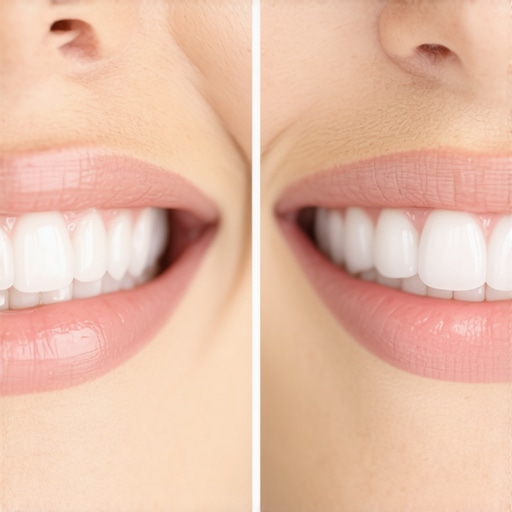
It was a typical Tuesday morning when I looked in the mirror and realized my smile had seen better days. A broken molar, my own fault after too many chewy candies, made me feel self-conscious every time I smiled or chewed. I’d had crowns before, but this time, I started wondering if I was settling for the right kind. That moment was my lightbulb moment, leading me to explore the real benefits of choosing zirconia crowns over traditional porcelain options.
What Makes Zirconia Crowns a Game-Changer for Your Smile
Traditional porcelain crowns have been the standard for years. They look nice and work well—most of the time. But for me, and many others I’ve spoken with, they also come with issues like chipping, staining over time, and sometimes feeling less natural. Zirconia crowns, on the other hand, are known for their durability, biocompatibility, and a beautiful, natural appearance that closely mimics real teeth. I was surprised to learn that zirconia can withstand the biting forces of even the toughest foods—something I never experienced with porcelain.
A key benefit I found compelling is zirconia’s resistance to cracking and chipping. Since I tend to grind my teeth at night, I needed a crown that could handle a little extra stress. The dentist told me zirconia crowns are nearly indestructible compared to porcelain. Additionally, because zirconia is accepted as a biocompatible material, it’s less likely to cause allergic reactions or sensitivities. This meant fewer worries about unwanted side effects or discomfort.
If you’re like me, you might wonder about the process of choosing the best material. Well, doing some research and discussing options with your dentist can really help. For example, understanding why professional crowns are better than cheap, over-the-counter fixes can make a big difference. Also, considering how a crown fits with the rest of your oral health—like your gum health and teeth alignment—is crucial.
Before I made my decision, I also checked out how zirconia compares to other options. Turns out, zirconia’s strength doesn’t sacrifice aesthetics, either. It can be layered to match the color of your natural teeth, giving a seamless look. That’s a huge plus when you don’t want your crown to stand out.
So, if you’ve ever faced a similar dilemma—considering the durability, appearance, and compatibility of your dental restorations—you’re not alone. I’m here to tell you that exploring zirconia crowns might just be your best move for a long-lasting, natural-looking smile. And don’t forget, regular check-ups and good oral hygiene are still key to maintaining your dental work and overall health.
Ready to learn how to choose the right crown for your needs? Let’s dive into the practical steps to make an informed decision that benefits your smile and confidence.
Assess Your Dental Needs Clearly
Start by evaluating the condition of your teeth with your dentist. If you grind your teeth or need a durable solution, zirconia crowns are often the best choice due to their strength. Schedule a comprehensive exam to determine if a zirconia crown fits your specific situation. During my consult, I brought up my nighttime teeth grinding, which helped my dentist recommend zirconia over porcelain crowns for long-lasting durability.
Research and Discuss Material Options
Learn about different crown materials like porcelain, zirconia, and metal-fused options. Think of it as choosing the right tires for your car—each has advantages depending on your driving needs. While researching, I read articles about zirconia’s resistance to chipping, similar to how a well-built bike frame withstands rough terrains. Bringing this knowledge to my appointment empowered me to ask targeted questions about durability and aesthetics.
Plan Your Procedure Step by Step
Consult with Your Dentist About Preparation
Before the procedure, your dentist will prepare your tooth by removing a thin layer of enamel, akin to resizing a key so it fits perfectly into a lock. Ensure they explain every step, so you’re prepared. I requested details about anesthesia and post-op care, which minimized my anxiety and ensured clarity during the process.
Consider Temporary Restorations
While your permanent crown is being fabricated, your dentist might fit a temporary one. Think of this as wearing a protective cover while customizing a new suit—important for protecting your tooth and maintaining appearance. I kept my temporary crown clean and avoided sticky foods to prevent dislodgment, following my dentist’s instructions carefully.
Ensure Precise Fit and Function
When receiving your zirconia crown, the dentist will check the fit meticulously. It’s similar to fine-tuning a musical instrument—every detail matters. I experienced a high spot that caused discomfort, and my dentist adjusted it promptly. This step ensures your bite feels natural and prevents future issues. For persistent problems, understanding that a crown feeling high is common can save you worry; simply request an adjustment.
Implement Daily Care for Longevity
Proper maintenance extends your crown’s lifespan. Brush twice daily with a soft-bristled brush, similar to gently polishing a delicate sculpture. Floss carefully—avoid using toothpicks or sharp objects that could damage the crown—think of it as cleaning behind a fragile picture frame. Regular dental checkups are essential; professional cleanings target areas that your electric toothbrush might miss, helping prevent tartar buildup that can compromise your crown’s integrity. I also read that consistent flossing and avoiding sticky or hard foods—like caramel candies—are critical, much like how regular oil changes keep a car running smoothly.
Be Vigilant for Any Changes
Monitor your crown for signs of problems, such as discomfort, a loose fit, or a change in color. If you notice an issue, don’t wait—address it promptly, similar to noticing a leak in a boat before it worsens. Remember, addressing minor concerns early saves time and money later. As part of my routine, I perform self-checks and schedule bi-annual visits, ensuring my zirconia crowns remain in top condition.
Many people believe they understand oral health, but in reality, common misconceptions often lead to costly mistakes. For instance, the widespread idea that brushing harder results in cleaner teeth is false; instead, applying excessive force can harm your gums and enamel, potentially accelerating issues like gum recession or enamel erosion. According to a study in the Journal of Periodontology, aggressive brushing can cause irreversible damage and increase sensitivity. To improve your routine, focus on gentle yet thorough brushing and consider using a soft-bristled toothbrush for optimal protection.
Another misconception is that professional teeth whitening is only effective if done in-office. While in-office treatments can deliver immediate results, at-home whitening strips or kits often fall short because they lack the professional supervision needed to ensure safety and efficacy. If overused or improperly applied, whitening products can cause enamel damage or uneven coloration. For more insights, check out how professional whitening can outperform DIY methods, especially when strips fail to meet expectations.
Many believe that dental crowns are permanent and unchangeable. In reality, crowns can chip, crack, or become loose over time—particularly if patients neglect proper care. A common oversight is failing to recognize why some crowns feel high when you bite down, which can lead to bite misalignment and discomfort. Regular checkups help identify these issues early, preserving both function and aesthetics.
Teeth cleaning is often viewed as a simple chore, but without proper technique, it can do more harm than good. For example, using toothpicks as a primary cleaning tool can damage gums and cause bleeding, especially if used aggressively. Instead, consider professional cleanings, which reach areas you might miss with your electric toothbrush. Regular deep cleanings are essential to remove tartar buildup that even the best home care can’t handle, greatly reducing risks of cavities and periodontal disease.
The ‘oops’ factor in oral health often involves neglecting early signs of dental problems. A tiny white spot might be dismissed as harmless, but it could indicate early cavity development. Being vigilant allows you to address issues before they escalate, saving time, money, and discomfort. Routine self-examinations combined with periodic professional evaluations can catch these subtleties early.
So, why do so many fall for these pitfalls? Often, it’s due to outdated advice or misinformation spreading through social media. Remember, not all tips are backed by science—something especially true for at-home remedies like DIY teeth whitening or over-the-counter solutions that lack personalized guidance. The key is to consult your dentist regularly and stay informed about the latest evidence-backed practices.
Curious about how specific habits may be secretly damaging your teeth? For example, habitual snacking on sugary or acidic foods can erode enamel silently. Incorporate habits like rinsing with water after such snacks and maintaining a 30-second brushing window to prevent tartar buildup and decay—small changes that make a big difference. For more techniques, explore how the 30-second habit can prevent tartar formation.
Remember, effective oral health isn’t just about brushing twice daily; it involves understanding the nuances, avoiding common traps, and continuously updating your habits based on current dental science. Have you ever fallen into this trap? Let me know in the comments!Maintaining your oral health over the years requires a combination of the right tools and consistent routines. Personally, I swear by a few specific items that have significantly improved my dental care routine and helped preserve the longevity of my crowns and overall smile. An electric toothbrush with sonic technology, for example, provides a thorough clean that manual brushing simply can’t match—I’ve noticed fewer plaque buildup and less gum irritation since switching. I prefer models with timers, like the Philips Sonicare FlexCare, to ensure I brush for the recommended two minutes without thinking about it; proper brushing duration is crucial for effective plaque removal. Additionally, integrated app tracking features motivate me to stay consistent and improve my technique, which directly impacts long-term results.
For between-teeth cleaning, I recommend using water flossers such as Waterpik. They’re gentle on gums yet powerful enough to dislodge food particles and plaque without the damage that aggressive flossing can sometimes cause. I use mine daily, particularly after meals with sticky foods, to prevent tartar buildup, which is vital for maintaining my crowns and natural teeth alike. To complement these, a high-quality interdental brush can reach tight spaces that regular floss might miss, especially around crowns and bridges.
In the realm of professional tools, regular dental checkups and cleanings play an irreplaceable role. I schedule bi-annual visits with my dentist who uses advanced equipment like ultrasonic scalers and air polishing devices. These tools remove stubborn tartar and stains more effectively than home care alone, preserving the integrity of restorations and preventing future issues. Getting professional cleanings on a steady schedule is like giving your mouth a tune-up—preventing small problems from escalating.
Looking ahead, the trend in dental technology points toward smart tools integrated with AI diagnostics, which can monitor your oral health and flag issues early—much like how continuous glucose monitors revolutionized diabetes management. As these innovations become more accessible, investing in smart toothbrushes with real-time feedback will become even more beneficial.
So, how do I maintain dental tools over time to ensure they stay effective? Regularly replacing brush heads—every three months for electric toothbrushes—and cleaning water flosser nozzles according to manufacturer instructions prevent bacteria buildup and preserve their efficacy. Remember, using tools that are in peak condition maximizes their benefits and contributes to the long-term health of your crowns and natural teeth.
If you’re interested in elevating your at-home care, try upgrading to a sonic toothbrush with app integration and a water flosser tailored for your dental needs. These investments pay off by reducing plaque, preventing cavities, and extending the life of your restorations. For more insights on maintaining your smile, check out how professional cleanings reach what home-care tools might miss. Regular and proper care is your best strategy for a healthy, confident smile for years to come.
Over the years, I’ve learned that choosing the right dental restoration isn’t just about aesthetics—it’s about investing in your confidence and long-term oral health. Zirconia crowns have profoundly changed my approach, teaching me that durability, biocompatibility, and natural appearance can go hand in hand if you pick wisely. My journey showed me that personal experience, combined with informed decisions, can make all the difference in restoring and maintaining a healthy, radiant smile.
Lessons That Changed My Perspective on Dental Choices
- Not all crowns are created equal: I used to think porcelain was the only option, but discovering zirconia’s strength revealed how a seemingly small material difference can extend the lifespan of your smile.
- Durability over vanity isn’t compromise: I believed a crown had to look perfect at any cost, yet I found that zirconia balances beauty and strength seamlessly, especially for back molars exposed to heavy chewing.
- Knowledge empowers your dental decisions: Doing my own research and discussing openly with my dentist helped me avoid shortcuts and select long-lasting solutions tailored to my habits, like teeth grinding.
- Heart and health are connected: I realized that biocompatible materials like zirconia reduce sensitivities, fostering better overall health—something I now prioritize in all my healthcare choices.
- Preventing issues is better than fixing: Regular checkups and proper care protect your crowns, and understanding early signs helps prevent costly repairs or replacements down the line.
Tools and Resources That Guided My Path
- Professional whitening insights: Understanding professional treatments helped me appreciate their advantages over DIY methods, which can sometimes cause damage.
- Emergency dental care tips: Knowing when to seek immediate help saved me from unnecessary worry and prevented further damage.
- Deep cleaning knowledge: Regular professional cleanings are essential—they reach areas home tools can’t.
- Tartar prevention routines: Incorporating simple habits can dramatically extend your crown’s life and overall oral health.
Your Smile Deserves More Than Average Care
Choosing zirconia crowns was a game-changer for my confidence and comfort, and I believe it can be for you too. By staying proactive in your oral health, making informed choices, and embracing technology and expert advice, you can enjoy a smile that’s not only beautiful but built to last. Every dental decision is a step toward a brighter, healthier future—so why not start with the best options today?
What has been your biggest challenge in maintaining your crowns or overall dental health? Share your experiences below—I’d love to hear your story and help you make informed choices for your smile’s future.