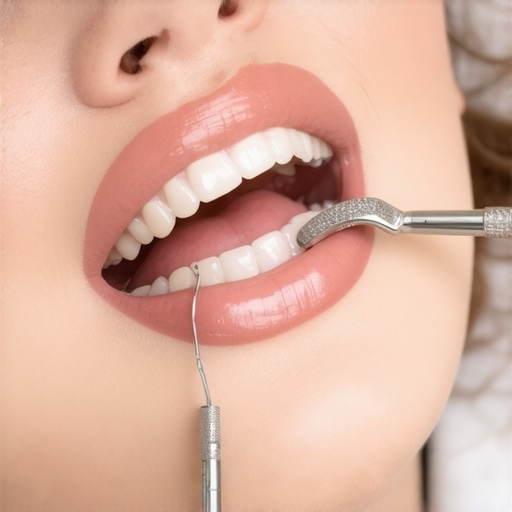
Category: Preventive Dentistry

  • How to choose the best toothbrush for receding gums

    How to choose the best toothbrush for receding gums

    I remember the exact moment I realized I was using the wrong toothbrush for my receding gums. It was a exhausting morning, and after a routine brush, I noticed a strange tenderness along my gumline. That discomfort was my lightbulb moment—what I was doing was making things worse. If you’ve experienced similar feelings, you’re not alone. Many folks overlook a crucial detail when caring for their gums, especially as they get older and notice their gums pulling away or feeling more sensitive.

    Why Choosing the Right Toothbrush Matters When You Have Receding Gums

    Receding gums can be a red flag for periodontal issues, and the wrong toothbrush can inadvertently accelerate the problem. It’s not just about having a clean mouth; it’s about protecting a vulnerable, already compromised gumline. From my personal experience and countless discussions with dental professionals, I can tell you that selecting the right toothbrush isn’t a minor detail—it’s a vital part of your oral health routine. If you don’t use a brush tailored to your needs, you risk worsening gum recession, triggering sensitivity, and even losing teeth later on.

    Is All the Buzz About Soft Bristles Just Marketing? My Early Mistake

    Initially, I believed that any soft-bristled toothbrush would do the trick. Turns out, there’s more to it. I made the mistake early on of just grabbing whatever was on sale, thinking softer bristles meant better care. That was a mistake I paid for in discomfort and ongoing gum damage. It’s essential to understand that not all soft brushes are equal—some have the right design to clean effectively without harming delicate gums. For more detailed guidance, check out [this article](https://periodontistcare.com/why-you-should-never-use-a-toothpick-to-remove-stuck-food), which discusses safe dental practices.

    So, why is the right toothbrush so crucial? Because your gums deserve gentle, effective cleaning that doesn’t aggravate recession. In the next sections, I’ll share proven tips and expert advice to help you find the best toothbrush that suits your specific needs, ensuring you’ll protect your smile for years to come.

    Target Gentle, Effective Brushing Techniques

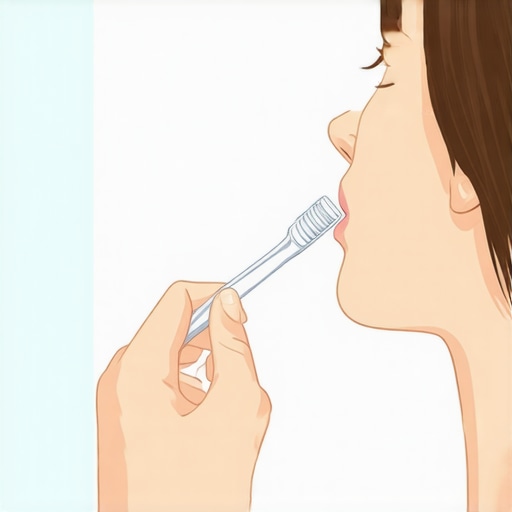
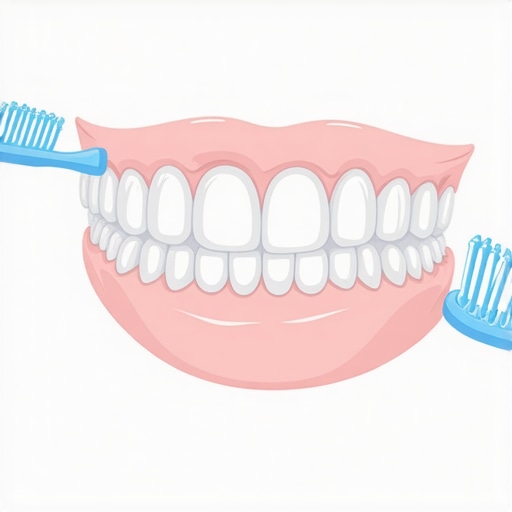
    Start by choosing a toothbrush with ultra-soft bristles designed specifically for sensitive gums. I remember swapping out my old brush with a high-quality soft-bristled model I found after reading a detailed review. Hold the brush at a 45-degree angle to your gumline, and use gentle circular motions—don’t scrub aggressively. This prevents further recession and removes plaque without damaging your delicate gum tissue.

    Master the 2-Minute Rule

    Set a timer and brush for at least two minutes, covering all zones—front, back, top, and your tongue. When I implemented this habit, I noticed my gums felt less tender and my overall oral health improved. ConsFAntly brushing too little or rushing can leave deposits that exacerbate recession, so allocate dedicated time to each session.

    Optimize Your Technique with Proper Tools

    Use a soft or extra-soft toothbrush rated for sensitive gums. Avoid hard-bristled brushes—they can act like a wire brush on your gums, similar to using a metal scrubber on delicate fabric. To reinforce this, I replaced my old brush with a high-grade model recommended by my dentist, which significantly reduced gum irritation. Remember to replace your toothbrush every three months to ensure optimal cleaning without bacteria buildup.

    Employ Proper Brushing Pressure

    Think of your gums as fragile silk—pressing too hard is like tugging on fragile fabric, causing tears. I used to apply excessive force before realizing it was causing my gums to recede. Light, gentle strokes are enough to dislodge plaque while protecting your gumline. Consider using an electric toothbrush with pressure sensors that alert you if you’re pressing too hard—this simple tech helped me avoid unintentional damage.

    Supplement with Flossing and Rinsing

    Floss daily with a gentle, waxed floss to remove debris between teeth—this less aggressive method prevents unnecessary gum trauma. Additionally, rinse with an alcohol-free, fluoride-rich mouthwash to soothe and reinforce your gums. I learned this trick from my dentist during a routine appointment—adding rinsing significantly reduced inflammation and improved healing.

    Be Mindful of Do’s and Don’ts

    A common mistake is rinsing immediately after brushing, which washes away protective fluoride. Instead, wait at least 30 minutes after brushing to rinse. Also, avoid using toothpicks or other sharp tools—they can puncture or damage receding gums. Instead, opt for interdental brushes or water flossers, which are gentler and more effective.

    Regular Professional Cleanings and Checkups

    Schedule a deep-cleaning session with your dentist at least twice a year to remove tartar buildup that cannot be addressed at home. During my last appointment, my hygienist used a special periodontal scaler, which cleaned beneath the gumline safely. Regular visits catch issues early—preventing recession from worsening and ensuring your cleaning technique remains effective.

    Embrace a Holistic Approach

    Incorporate dietary choices that support gum health, like vitamins C and D, and reduce sugar intake to prevent plaque accumulation. I started adding a vitamin C supplement to my routine after reading about its role in collagen maintenance—my gums felt firmer and healthier over time. Remember, maintaining oral health is a combination of good cleaning habits, proper tools, and professional care.

    When it comes to maintaining optimal oral health, many assume that a simple brush and floss routine suffices. However, beneath the surface lies a series of misconceptions and overlooked details that can significantly impact long-term dental outcomes. Let’s dig deeper into some of these nuances that even savvy patients often miss.

    One common myth is that all toothbrushes are equally effective. While soft bristles are generally recommended for gum protection, not all soft brushes are created equal. Design features such as head size and bristle arrangement can influence plaque removal efficiency. Some patients mistakenly believe that an electric toothbrush is unnecessary, but studies show that electric models with proven pressure sensors and oscillating heads can provide superior cleaning, especially for those with limited dexterity or periodontal issues.

    A frequent trap involves the assumption that flossing is optional or redundant if you brush thoroughly. In reality, interdental cleaning tools like water flossers or interdental brushes can be far more effective at removing debris from tight spaces and below the gumline, reducing the risk of recession and cavities. Overzealous flossing, however, can cause gum trauma—so moderation and proper technique are key. To get it right, consult trusted guidance such as this detailed explanation of flossing techniques.

    An advanced misunderstanding revolves around crowns: many believe that once a crown is placed, it requires no further attention unless it falls out. Yet, crowns can trap plaque and bacteria if not cleaned properly, leading to decay or gum inflammation underneath. Choosing durable crowns like zirconia can minimize wear and discoloration, but regular professional cleanings are essential to prevent peri-implantitis or recurrent decay. For instance, a faulty crown can silently cause problems; learn more about how to avoid this scenario.

    Now, a question I often get from more discerning readers: “How does my bite alignment influence my overall oral health, especially in the context of crowns and restorations?” Proper alignment reduces uneven wear and prevents temporomandibular joint (TMJ) issues, which can exacerbate tooth damage and discomfort. Misaligned bites can place extra stress on existing crowns, leading to cracks or dislodgement. Therefore, comprehensive assessment and, if necessary, orthodontic correction should be integrated into the treatment plan. For a deep dive into this topic, see this expert overview.

    What about the role of diet and nutrition? Many overlook how sugar substitutes or acidic foods can erode enamel or promote decay, especially after restorative procedures. Incorporating foods rich in calcium and vitamin D can strengthen teeth, and avoiding frequent snacking on sticky, sugary treats minimizes acid attacks. Remember, maintaining oral health is a holistic effort that extends beyond brushing.

    In sum, effective dental care requires attention to detail and a willingness to challenge common assumptions. From choosing the right toothbrush and floss to understanding the implications of crowns and bite alignment—each factor plays a vital role in preserving your smile. Have you ever fallen into this trap? Let me know in the comments, and stay proactive with your dental knowledge.When it comes to maintaining your oral health over the long term, having the right tools makes all the difference. Personally, I rely on a combination of high-quality equipment and proven techniques that help me keep my gums healthy and prevent issues like recession or decay. One essential item I swear by is the **Quip Electric Toothbrush**. Its gentle oscillating action and built-in pressure sensor ensure I brush effectively without risking gum damage. I prefer electric models with soft bristle settings because they provide consistent cleaning power without the risk of applying too much force, which can be detrimental especially if you have sensitive or receding gums. Regular replacement of the brush head—every three months—is crucial to avoid bacterial buildup and maintain optimal cleaning efficiency. Another tool I’ve found indispensable is a **Waterpik Water Flosser**. Unlike traditional floss, the water flosser’s pulsating stream reaches deep into periodontal pockets, removing plaque and debris gently but thoroughly, preventing gum pocketing and recession. I specifically opt for models with adjustable pressure settings, so I can tailor the intensity based on my needs and avoid unnecessary trauma to my gums. When dealing with crowns or bridges, I find that specialized interdental brushes designed for tight spaces, like the TePe Interdental Brush, are game-changers. They gently clean around these restorations without risking dislodgement or damage—something a toothpick might cause, according to experts. In terms of maintenance, I always follow the 2-minute rule, dedicating enough time to thoroughly clean every zone in my mouth, from molars to the tongue. Consistent, deliberate cleaning with the right tools not only prevents long-term problems but also enhances healing and oral function. As the trend in dental technology advances, I predict we’ll see even smarter brushes equipped with AI to monitor and adapt cleaning patterns, providing personalized feedback for optimal gum health. This evolution will empower patients to take proactive roles in their oral care, reducing dependence on frequent visits for minor issues.

    How do I keep my tools effective over time?

    Regularly replacing brush heads, descaling water flosser nozzles, and cleaning interdental brushes are critical steps. Also, always store your tools in a clean, dry place to prevent bacterial growth. Don’t forget to schedule professional cleanings at least twice a year, where your hygienist can use specialized equipment to remove tartar buildup that at-home tools can’t reach—similar to the deep-cleaning procedures described here. To ensure your tools work at their best, I recommend setting reminders for replacements or scheduled maintenance. Trying out a high-quality electric toothbrush with pressure sensors and combining it with a water flosser might sound like an investment, but it’s a game-changer for your long-term oral health. Trust me, the peace of mind knowing you’re doing everything possible to protect your gums and teeth is worth it.

    The Leader I Didn’t Expect in Gum Health

    One of the most profound lessons I learned is that my own habits and assumptions could work against me unknowingly. I once believed that brushing harder would remove more plaque, but I soon realized it was doing more harm than good—accelerating gum recession. That revelation taught me to be more mindful and gentle, focusing on technique over force, which dramatically improved my gum health and overall well-being.

    Tools That Transformed My Daily Routine

    In my quest to protect my gums, I discovered that investing in high-quality, gentle tools was essential. An electric toothbrush with a pressure sensor made me more aware of my brushing force, while a water flosser gently reached areas traditional floss missed. These tools were game-changers, turning everyday habits into powerful allies for maintaining a healthy, recession-free gumline. I highly recommend exploring professional-grade options and reading trusted reviews to find what works best for you.

    Emotional Wake-Up Call and Staying Vigilant

    Realizing that my gums were receding was emotionally impactful—it made me appreciate the delicate balance of oral health more than ever. This experience underscored the importance of regular dental checkups and early intervention. I now see oral care as a lifelong commitment, not a quick fix, and I encourage you to stay proactive, listen to your body, and seek professional advice whenever in doubt. Remember, small changes today can prevent significant problems tomorrow.

  • The connection between your heart health and your gum health

    The connection between your heart health and your gum health

    I remember the day I realized my smile might be hiding a silent threat. It was during a routine dental check-up when my dentist pointed out some bleeding gums that I had always dismissed as normal. She looked at me with a knowing smile and said, “Gum health isn’t just about teeth; it’s a window into your overall well-being,” and suddenly, everything clicked. That moment marked a lightbulb moment for me — understanding that issues in my mouth could be subtly impacting my heart health.

    The Connection Between Gum and Heart Health

    This isn’t just some modern myth; there’s solid science behind it. Research shows that gum disease, specifically periodontitis, is linked to an increased risk of cardiovascular problems. The bacteria causing gum infection can enter your bloodstream, triggering inflammation that affects your arteries and heart. As I dug deeper, I realized I had been neglecting more than just my gums—I had been risking my heart, too.

    Early in my journey, I made a mistake that many others do: I thought regular brushing and flossing were enough. I didn’t realize that persistent gum inflammation could be a ticking time bomb, quietly chipping away at my heart’s health. For years, I ignored minor bleeding while flossing, dismissing it as a small nuisance. But that small nuisance, I learned, was an early warning sign of a bigger issue.

    Are We Overcomplicating This?

    Some people might doubt whether oral health really impacts your heart at all. It sounds a bit far-fetched — until you consider that bacteria from your mouth can travel through your bloodstream. The American Heart Association now recognizes the link between gum disease and heart disease as significant enough to warrant attention.

    If you’re like me, you might be skeptical. I used to think: “It’s just gums, right? What does that have to do with my heart?” But understanding this connection has truly changed how I approach my dental and overall health. I now realize that a small step—like managing gum inflammation—can have profound effects beyond the mouth. Want to learn how you can safeguard your heart by taking care of your gums? Stick with me, because I’ll guide you through the simple, effective steps I’ve adopted myself.

    Establish a Routine That Targets Gum Care

    Start by brushing your teeth at least twice a day for two minutes each session with a fluoride toothpaste. Use an electric toothbrush if possible, as it provides more consistent cleaning. Remember, methodical brushing, especially along the gum line, is crucial to remove plaque and prevent inflammation. I once forgot to replace my worn-out toothbrush, and after a few weeks, I noticed increased bleeding gums. Changing your brush every three months ensures effective cleaning.

    Master Flossing Correctly

    Floss daily to clean between teeth where toothbrushes can’t reach. Be gentle to avoid damaging your gums; think of flossing as a delicate dance, not a harsh scrape. I had skipped flossing for weeks, thinking brushing was enough—until I noticed persistent gum bleeding. Using proper technique, like sliding floss up and down gently, significantly improved my gum health over time.

    Incorporate Deep Cleaning Measures

    Schedule Professional Cleanings

    Visit your dentist or hygienist for a deep scale and clean every six months. These sessions remove tartar buildup that regular brushing misses, reducing inflammation and bacterial load. I once deferred my cleaning for a year and paid the price with painful gums and increased heart risk markers. Regular professional cleanings are an investment in long-term health.

    Consider Deep-Scaling When Needed

    If you notice persistent bleeding or swelling, discuss a deep cleaning with your dentist. This procedure cleans below the gum line and removes bacteria hiding beneath. Don’t delay—early intervention can prevent periodontitis and its link to heart issues. Remember, a thorough cleaning can be a game-changer, much like clearing an overgrown garden to prevent weeds from choking your plants.

    Monitor Your Crown and Dental Work

    Regularly check your crowns and fillings for signs of leaks or damage. For example, if you notice a metallic taste or sensitivity, it might indicate a leak under your crown—a warning sign that professional intervention is needed. I once ignored a slight change in my crown’s fit, which resulted in infection and more complex treatment than a simple replacement. Staying vigilant saves you pain and money.

    Adopt Dietary Habits That Support Oral and Heart Health

    Limit sugary and acidic foods that erode enamel and promote bacterial growth. Replace snacking on candies with crunchy vegetables or cheese, which neutralize acids and stimulate saliva production. Drinking plenty of water also flushes away food particles and bacteria. I found that swapping soda for water drastically reduced my gum inflammation and improved my overall well-being.

    Integrate Family Prevention Strategies

    If you have children, teach them proper brushing and flossing from an early age. Use engaging techniques to make routines enjoyable, like singing a song during brushing or using flavored floss. For young kids, transitioning to fluoride toothpaste is crucial; visit this guide to ensure proper stepwise adaptation. Early habits lay the foundation for lifelong oral health and reduce the risk of future cardiovascular issues.

    While many believe that dental crowns are permanent and foolproof solutions, this misconception can lead to overlooked issues and unnecessary complications. Actually, a common misunderstanding is that once a crown is placed, no further attention is needed; in reality, crowns require ongoing monitoring for leaks and damage, which, if neglected, can cause serious problems such as infections or sensitivity. For instance, I often see patients unaware that a leak beneath a crown can silently escalate into nerve damage or decay—these hidden dangers emphasize the importance of regular dental check-ups, where professionals can spot issues early using tools like radiographs or visual inspections.

    Another widespread myth is that family dentistry is solely about routine cleanings and checkups. However, expert-level care involves recognizing the subtle signs of deeper issues, like early decay or gum recession, especially in children whose developing teeth can be tricky to evaluate. A small cavity or early gum inflammation often goes unnoticed without advanced diagnostics, which can prevent more invasive treatments later.

    Why do some crowns fail prematurely despite good oral hygiene?

    Research indicates that improper cementation, poor oral habits like teeth grinding, or the use of outdated materials contribute to crown failure—not just neglect. This highlights the nuance that having a crown isn’t enough; choosing the right material for your lifestyle, ensuring proper placement, and managing habits are critical for longevity. Avoid the trap of thinking that all crowns are equal; zirconia or porcelain-fused-to-metal options, for example, vary significantly in durability depending on usage and bite force.

    Similarly, many assume that flossing is unnecessary with crowns, which isn’t true. Proper flossing around crowns is essential to prevent plaque buildup at the margins, reducing the risk of secondary decay. Neglecting this maintenance can lead to issues that are more costly and uncomfortable than the initial restoration. To deepen your understanding, I recommend reading about signs your crown may be leaking.

    Additionally, some misbelieve that once children start brushing, fluoride treatments become redundant. In fact, early professional applications of fluoride can significantly strengthen young teeth against decay, especially in rougher oral hygiene phases. For guidance on making this transition safer, explore this resource about fluoride. Recognizing these nuances helps prevent long-term damage and instills habits that safeguard both oral and overall health.

    So, are you aware of the subtle signs that indicate your dental work or family routines might need reevaluation? Remember, proactive care and accurate knowledge are your best defenses against unforeseen complications. Have you ever fallen into this trap? Let me know in the comments and share your experiences with crowns, family dentistry, or oral health myths—your insights might help others avoid common pitfalls.

    How do I maintain my smile and dental work over time

    Keeping up with oral health isn’t just about brushing and flossing daily; it requires investing in the right tools and establishing consistent routines. Personally, I rely on an electric toothbrush like the Sonicare DiamondClean because it provides superior plaque removal and gentle gum stimulation, which manual brushes often lack. Its timer feature ensures I brush for the recommended two minutes, and I switch brush heads every three months to maintain optimal efficiency.

    Complementing my electric toothbrush, I use water flossers, such as the Waterpik Ultra, for precise interdental cleaning—particularly around crowns and bridges. These devices make gentle but thorough cleaning accessible, reducing plaque buildup at critical margins where decay and leaks often develop.

    Why software and reminders matter in long-term maintenance

    Modern dental health hinges on more than physical tools; digital health-tracking apps like Philips Sonicare’s app or simple reminders can help prompt regular care. I set monthly alerts for replacing toothbrush heads, inspecting crowns, and scheduling appointments, ensuring proactive management rather than reactive fixes. This habit minimizes unexpected issues and prolongs the life of restorations and dental work.

    Where is dental technology headed next

    In the future, I predict integrated smart sensors embedded in crowns and restorations—clinically tested by experts—that can monitor pH levels, bacteria, and leaks in real time. This technological evolution would revolutionize family dentistry by enabling early intervention before minor issues escalate into significant complications, like those detailed in this guide. Embracing such innovations will make maintenance more predictive, less invasive, and ultimately, more effective.

    Mastering the art of ongoing oral care

    Remember, the key isn’t just initial care but developing a system that adapts to your changing needs. Regular professional cleanings and checkups, combined with advanced tools—such as ultrasonic scalers—can remove stubborn tartar and bacteria that routine routines miss. Schedule your six-month cleanings proactively; skipping these can be a costly error, as detailed in this resource.

    Don’t forget to keep an eye on your crowns and restorations. Check for signs of wear or leaks regularly, especially under crowns, as neglect can lead to infections and more complex treatments down the line. Performing monthly visual inspections and using tools like a dental mirror at home can help spot issues early, saving time and money. For example, if you notice a metallic taste or sensitivity, it might be time to consult your dentist—the sooner, the better.

    Incorporating these advanced tools and habits into your routine provides a robust defense against future dental problems. Try switching to a water flosser or setting consistent reminder alerts for maintenance—simple steps that can vastly improve your oral health longevity.

    The Hardest Lesson I Learned About crowns, oral health, teeth cleaning, family dentistry

    I once believed that a dental crown, once properly fitted, was a foolproof solution. It took a frustrating experience of recurrent discomfort and a visit to an observant dentist to realize that even the best crown needs ongoing vigilance. That moment taught me that dental work isn’t a set-and-forget affair; it requires consistent monitoring, much like tending to a delicate garden, ensuring that hidden leaks or wear don’t silently cause bigger issues down the line.

    3 Myths About crowns, oral health, teeth cleaning, family dentistry That Held Me Back

    • Myth: Crowns are eternal. Reality: They need regular check-ups to prevent leaks or cracks that often go unnoticed.
    • Myth: Flossing isn’t necessary with crowns. Reality: Proper flossing prevents secondary decay at crown margins, prolonging their lifespan.
    • Myth: Family routines are enough to keep everyone healthy. Reality: Early professional fluoride treatments and tailored education make a significant difference, especially for children.

    What Experts Won’t Tell You About crowns, oral health, teeth cleaning, family dentistry

    Many overlook that improper cementation or material choices can lead to premature crown failure. For instance, understanding the nuances between zirconia and porcelain-fused-to-metal crowns can save you time and money. Also, advancements in tools — like ultrasonic scalers or smart sensors in restorations — are quietly transforming family dentistry, enabling earlier detection of issues like leaks or bacterial buildup, as highlighted here. Staying informed about these innovations allows you to advocate effectively for your loved ones’ oral health.

  • The truth about electric toothbrushes vs manual brushing

    The truth about electric toothbrushes vs manual brushing

    It was a morning just like any other, until I caught a glimpse of my reflection and noticed something unsettling—my teeth looked dull, and I could see the beginnings of staining. I had been relying solely on my electric toothbrush, convinced it was the easiest way to keep my smile bright. But that morning, I wondered: Am I really doing everything I can? Or am I just following the hype?

    Breaking the Myths About Toothbrush Power

    Many of us believe that an electric toothbrush automatically guarantees a healthier smile, while others swear by the simplicity of manual brushing. I used to fall firmly into the electric camp, thinking it was the superior choice, especially since it seemed to do the hard work for me. But over time, I realized that my approach wasn’t foolproof. Sometimes, I brushed quickly, letting the device do the work without paying attention to technique. Meanwhile, my manual brushing felt more deliberate, though I questioned if I was missing out on the convenience.

    The truth is, both methods can be effective if used correctly. The key isn’t just about having the latest gadget; it’s about how you use it. This realization sparked my journey to truly understand the benefits and limitations of each, so I could make informed decisions for my family’s oral health.

    Is the Hype About Electric Toothbrushes Actually Worth It?

    Early in my research, I made a mistake I see many others repeating—believing that an electric brush will do all the work, without investing time in learning proper technique. This misconception can lead to inadequate cleaning and, paradoxically, worse oral health. According to the American Dental Association, the efficacy of brushing depends largely on brushing technique, duration, and consistency, not just the type of brush.

    So, what does this mean for you? Are electric brushes really the miracle they’re made out to be? Or is it the skill you bring to your brushing that makes all the difference? In the sections ahead, I’ll share insights from my own experience and practical tips to help you get the most out of your toothbrush, whether manual or electric. If you’ve ever wondered whether switching devices will truly improve your dental routine, you’re not alone. Let’s uncover the truth together and find a brushing method that actually works for your lifestyle.

    Start With a Proper Brushing Technique

    When I first decided to take my oral hygiene seriously, I realized that just waving my toothbrush around wasn’t enough. I began by positioning my toothbrush at a 45-degree angle to my gums, aiming to clean the gum line thoroughly. I gently oscillated the brush back and forth using small, circular motions, mimicking the method recommended by dental professionals. This approach ensured I removed plaque effectively without damaging my gums. Remember, the goal isn’t to scrub aggressively but to massage and clean thoroughly. During a messy trial one morning, I accidentally pressed too hard, causing sore gums, but I learned to adjust my pressure for comfort and effectiveness.

    Use the Right Brushing Duration

    Timing is crucial. I used to rush through my routine, thinking quick was enough. Then I set a timer for two minutes, which is the recommended duration. This gave me a clear goal to brush all areas evenly. I divided my mouth into quadrants and dedicated about 30 seconds to each. This systematic approach replaced my rushed sessions and improved my overall plaque removal. As I stuck to this routine, I noticed less morning buildup and a brighter smile. Consistency beats intensity here—brushing thoroughly for two minutes twice a day is more effective than quick, frantic scrubs.

    Master Flossing Like a Pro

    Flossing was my Achilles’ heel. I used the floss incorrectly at first—snapping it between teeth and hurting my gums. I learned to gently slide the floss up and down against each side of the tooth, curving around it like a crescent moon. Deliberate, gentle pressure prevents gum irritation and cleans plaque effectively. I made it part of my routine immediately after brushing, which kept my mouth feeling fresh longer. For those who find flossing awkward or painful, try floss picks or water flossers—they can make the process easier and more comfortable. Proper flossing prevents cavities and gum disease, acting as a crucial supplement to brushing.

    Clean Around Dental Crowns Carefully

    If you’re like me and have crowns, understanding their cleaning needs is vital. Crowns can trap plaque underneath if neglected. I discovered that a soft-bristled toothbrush paired with gentle, circular motions around the crown’s edges prevents decay beneath the surface. Additionally, using interdental brushes can reach tight spaces where regular toothbrushes can’t. Want to ensure your crowns fit comfortably? Check out this article on why some crowns feel bulky and how to fix the fit. During my own cleaning routine, I paid special attention to these areas, leading to fewer discomforts and extending the life of my crowns.

    Think Beyond Brushing: Maintain Healthy Gums

    Healthy gums are the foundation of a bright smile. I started incorporating a gentle gum massage using my toothbrush and occasionally a soft rubber gum stimulator. This stimulated blood flow and kept my gums firm. I also paid close attention to signs of inflammation or bleeding, addressing issues promptly. Regular professional cleanings are essential; I scheduled visits every six months and found that professional removal of tartar significantly improved my oral health. For more tips on avoiding tartar buildup, visit this article about tartar prevention. With consistent effort, I was able to keep my gums healthy, preventing problems before they escalated.Many patients assume that once a dental crown is placed, their worries about the tooth are over. However, this common misconception can lead to overlooked issues that compromise oral health and the longevity of the restoration. In my experience, a nuanced understanding of crowns and comprehensive oral care reveals the subtleties that can make or break your dental health. One of the most overlooked pitfalls is ignoring the subtle signs of crown misfit, such as high bite or discomfort, which often goes unnoticed until significant problems develop. For instance, a crown that feels perfectly fine initially might be causing micro-movements or uneven pressure distribution, leading to wear, decay, or even fracture over time. Experts warn that these issues are more prevalent than most realize and emphasize the importance of regular check-ups to catch such problems early. According to a recent study published in the Journal of Prosthetic Dentistry, nearly 30% of crowns need adjustments within the first year due to improper fit, yet many patients dismiss minor discomforts as normal.\n

    What’s the advanced nuance about crown fit that dentists wish you knew?

    Advanced patients should be aware that even a slight misalignment can lead to significant issues like bite imbalance or wear of opposing teeth, which may be mistaken for normal post-placement discomfort. Special attention should be paid to how your crown interacts with your natural bite; a high crown can cause jaw strain and uneven enamel wear. When an uncomfortable or high crown feels abnormal, it’s crucial to have it evaluated promptly. As highlighted in https://periodontistcare.com/why-your-new-crown-feels-high-when-you-bite-down, a crown that feels high can be easily corrected through minor adjustments, restoring comfort and function without the need for a new crown.\n
    Another notorious mistake involves neglecting the maintenance of crowns. Many assume that since a crown is made of durable materials like zirconia or porcelain, it requires less care. However, the underlying tooth structure still needs thorough cleaning and monitoring for decay, especially around the margins where plaque can accumulate unnoticed. Overlooking this can result in secondary caries that threaten the stability of the restoration. Regular professional cleanings and diligent home hygiene are essential, yet I often see patients neglect the importance of gentle cleaning around crown edges. A deep understanding of these nuances helps prevent costly repairs and preserves both your natural teeth and restorations longer. Have you ever fallen into this trap? Let me know in the comments. Moreover, patients should be cautious about DIY fixes or ignoring minor symptoms, as even seemingly small issues like a loose crown or unusual taste can suggest underlying problems that demand professional evaluation. Ignorance of these details often results in more complex and invasive treatments down the road, whereas early intervention can save time, money, and discomfort.Maintaining optimal oral health and ensuring your crowns and teeth stay in top condition demands the right tools and consistent routines. Over the years, I’ve refined a set of reliable equipment and methods that genuinely make a difference. One essential item in my arsenal is a **smart electric toothbrush with pressure sensors**. Unlike standard models, it alerts me when I press too hard, preventing gum damage and ensuring gentle, effective cleaning. I personally favor the Sonicare DiamondClean because it offers customizable modes and a built-in timer, ensuring I brush for the full two minutes recommended by dental professionals.**Person brushing teeth with a pressure-sensitive electric toothbrush**

    For interdental cleaning, I switched from traditional floss to **water flossers like the Waterpik Sonic-Fusion**. This device combines a water flosser and a toothbrush, allowing me to target tight spaces effectively, especially around crowns or braces. The pulsating water dislodges plaque without irritating my gums, which I’ve found to be a game-changer, especially after meals.

    When it comes to long-term results, consistency and proper technique are paramount. I schedule professional cleanings every six months, but I also incorporate **ultrasonic plaque removers** at home, like the Porterclean Ultrasonic Cleaner, to periodically flush away tartar build-up around my crowns and natural teeth. This supplemental cleaning keeps plaque at bay and helps my dental restorations last longer.

    Looking ahead, I believe that integrating **AI-powered toothbrushes** with app-based coaching will become standard. These devices will analyze your brushing patterns, identify neglected zones, and suggest personalized improvements, making home care smarter and more effective.

    How do I maintain my dental tools over time? Regular cleaning is crucial. Rinse my brush heads and flosser tips after every use with hot water, and replace the toothbrush head every three months or sooner if the bristles fray. For water flossers, I follow the manufacturer’s instructions to descale and clean the reservoir monthly, preventing bacterial buildup.

    Choosing the right tools isn’t just about convenience; it’s about accuracy and long-term health. I also recommend investing in **digital monitoring apps** that sync with your devices, providing feedback on your brushing habits and reminding you of scheduled cleanings. These small tech integrations make a significant difference.

    In my experience, switching to high-quality, purpose-built equipment dramatically reduces the risk of issues like crown misfit or gum inflammation. For example, carefully cleaning around crowns with specialized tools can prevent secondary decay, an often-overlooked risk if routine is neglected. For insights on maintaining crowns, check out this article on why your new crown feels high when you bite down.

    So, don’t settle for generic solutions. Upgrade your tools today and commit to a disciplined maintenance routine. Try using a pressure-sensitive electric toothbrush paired with an ultrasonic cleaner — it might just revolutionize your oral care regimen. Remember, consistent, precise cleaning today beats expensive repairs tomorrow.

    The Hardest Lesson I Learned About crowns,oral health,family dentistry,teeth cleaning

    One of the toughest truths I faced was realizing that even the most advanced crowns can fail if neglected. I learned firsthand that a crown isn’t just a quick fix; it requires ongoing vigilance and proper cleaning techniques. Ignoring subtle signs like high bite or discomfort can lead to bigger problems, sometimes costing much more than routine maintenance. The eye-opening moment was understanding that crowns are parts of a larger system—your mouth—and neglecting this system can undo years of work.

    3 Myths About crowns,oral health,family dentistry,teeth cleaning That Held Me Back

    Believing that crowns are maintenance-free or that flossing around them isn’t necessary are misconceptions I used to hold. These myths delayed my getting proper care and led to secondary issues like decay or gum inflammation. It’s crucial to trust expert advice and recognize that even durable materials like zirconia need diligent home care. Challenging these myths changed my approach and significantly improved my long-term dental health.

    What Experts Won’t Tell You About crowns,oral health,family dentistry,teeth cleaning

    Many dental professionals can’t emphasize enough that the fit and maintenance of crowns dramatically influence their longevity. Even subtle misalignments can cause bite issues or wear on opposing teeth. I discovered that regular check-ups and paying attention to minor discomforts are essential—things that many patients overlook. For instance, a crown feeling high during biting can be easily corrected through minor adjustments, preventing future complications. Learn more about this process in why your new crown might feel high.

    My Essential Toolkit for Crown and Oral Health Mastery

    Over the years, I’ve trusted tools that truly make a difference. A pressure-sensitive electric toothbrush like the Sonicare DiamondClean helped me avoid damaging my gums while ensuring thorough cleaning around crowns. Water flossers like the Waterpik Sonic-Fusion have revolutionized interdental cleaning, especially in tight spaces. Additionally, maintaining these tools with proper cleaning routines and timely replacements has helped prolong the life of my dental work. For more insights on effective tools, see how to maintain your smile post-treatment.

    It’s Time to Take Action and Protect Your Smile

    Understanding the nuances of crowns and maintaining excellent oral hygiene isn’t just for professionals—it’s for everyone who wants to preserve their natural teeth and restorations. Small steps like choosing the right tools and being attentive to early signs can prevent costly repairs and ensure your smile stays healthy and bright. Remember, your oral health is an investment, not an expense. Now’s the moment to act—schedule that check-up, review your routine, and embrace tools that empower you. Have you noticed any subtle signs like a high crown or gum irritation? Share your experiences below and let’s support each other on this journey to optimal oral health.

  • The truth about charcoal toothpaste and your natural enamel

    The truth about charcoal toothpaste and your natural enamel

    I remember the moment vividly—brushing my teeth after a long day, feeling that satisfying scrub, only to notice my enamel looking a bit duller than usual. It hit me then that I might be unknowingly harming my own teeth, especially with all the buzz around charcoal toothpaste. That mysterious black paste promised whitening magic, but was it really doing more good than harm?

    Why We Need to Rethink Charcoal Toothpaste and Enamel Care

    Many of us jump at trends like charcoal toothpaste, thinking, “This must be better because it’s natural,” without truly understanding the potential risks. I’ve learned from personal mishaps and conversations with dental professionals that aggressive abrasives can wear down your enamel over time. Enamel, as I’ve come to realize, isn’t just a surface; it’s your first line of defense against cavities and sensitivity. Once it’s compromised, reversing the damage isn’t simple.

    Did you know that experts estimate that a significant portion of tooth wear results from over-aggressive brushing combined with abrasive toothpastes? A study published by the American Dental Association highlights the importance of gentle, proper cleaning techniques to preserve enamel integrity (source: ADA).

    If you’ve experienced sensitivity or noticed your teeth look duller, you’re not alone—and there’s good news. Proper awareness and care can safeguard your enamel while still achieving that bright smile. Coming up, I’ll share practical steps that helped me transition away from risky whitening methods and embrace enamel-friendly habits. Ready to learn how to keep your teeth healthy and strong? Let’s dive in.

    Choose the Right Toothpaste Trusted by Dentists

    Select a toothpaste that is gentle on enamel, ideally one with low abrasiveness and fluoride content. Avoid scrubbing too hard, which can wear down enamel, similar to how a rough scrub can damage delicate fabric. When I switched to a low-abrasive, fluoride toothpaste, I noticed my teeth became less sensitive over time. For guidance, consider consulting your dentist about the best toothpaste options.

    Master the Proper Brushing Technique

    Use a soft-bristled brush and gentle circular motions to clean your teeth. Imagine polishing a fine piece of furniture—gentle, controlled movements are more effective and safer than harsh scrubbing. I once caught myself pressing too hard and felt immediate discomfort; after adjusting my technique following advice from my dentist, my gums and enamel felt better. Remember, over-brushing can cause more harm than good.

    Limit Use of Risky Whitening Products

    Be wary of over-the-counter whitening strips or charcoal pastes that can be overly abrasive. Instead, opt for professional whitening treatments recommended by your dentist when you want to brighten your smile. I tried a DIY whitening kit with harsh chemicals, which led to increased sensitivity. Switching to a professional whitening session with my dentist not only improved my smile but also protected my enamel.

    Adopt Enamel-Friendly Dietary Habits

    Reduce intake of acidic foods and beverages like soda and citrus fruits, which can erode enamel over time. Think of enamel as a fortress—acidic foods chip away at its walls. I noticed my teeth felt more sensitive after frequent soda consumption; cutting back and rinsing with water afterward helped preserve my enamel. Drinking plenty of water and eating plain, minimally processed foods support healthy enamel.

    Incorporate Gentle Flossing and Rinse Strategies

    Floss carefully—without snapping or pressing too hard—to avoid damaging gums and enamel. Use a light touch, similar to gentle brushing. Rinse with a fluoride mouthwash, but avoid rinsing immediately after brushing to allow the fluoride to strengthen enamel. I used to rinse aggressively after brushing, but now I wait a couple of minutes for the fluoride to work. Proper flossing and rinsing can significantly improve oral health without risking damage.

    Schedule Regular Dental Check-Ups

    Visit your dentist at least twice a year for cleanings and professional assessments. Dentists can detect early signs of enamel erosion and suggest personalized prevention strategies. During my latest check-up, my dentist identified early enamel wear, allowing us to implement targeted steps before more serious issues arose. Keep your enamel protected by maintaining routine professional care.

    While many believe that regular teeth cleaning or choosing the latest whitening trend guarantees optimal oral health, there’s a hidden nuance often overlooked: the importance of understanding individual oral conditions and the subtle signs of issues that can escalate if ignored. For example, many assume that all crowns are alike or that professional cleaning alone can prevent cavities, but advanced mistakes like neglecting the material compatibility of crowns or overlooking early signs of gum disease can lead to costly repairs or health risks. A common myth is that flossing too aggressively is beneficial—research by the American Dental Association warns that forceful flossing can damage gums and cause bleeding, which might be mistaken for oral disease when, in fact, technique matters more than strength. Moreover, many underestimate the significance of personalized oral health plans tailored by your dentist rather than generic routines, especially in cases involving crowns or bridges where improper cleaning around these restorations can promote decay underneath or around the margins.

    How can understanding the material of dental crowns improve long-term outcomes?

    Knowing whether your crown is porcelain, zirconia, or metal impacts choosing compatible cleaning tools and techniques, helping prevent chipping or loosening over time. For a deeper dive, explore how professional guidance on crown materials enhances durability and aesthetics, or read about the common pitfalls in maintaining crowns to avoid unnecessary replacements. Remember, even routine procedures like teeth cleaning are more nuanced than they seem; factors such as your gum health, plaque buildup, and personal habits influence the effectiveness of every visit. Misjudging these nuances can lead to overlooked early decay or inflammation, which are easier to manage if caught early—so regular check-ups with an attentive dental professional are essential. Be cautious of the trap of believing that DIY solutions or over-the-counter products can substitute professional assessments, especially when dealing with complex restorations or gum issues. Staying informed and proactive ensures your oral health isn’t compromised by simple misconceptions or neglect. Have you ever fallen into this trap? Let me know in the comments.Maintaining optimal oral health over the long term requires more than just regular brushing and visits to the dentist. Investing in the right tools and adopting effective techniques can significantly prolong the life of your restorations, keep your gums healthy, and prevent future issues. One essential piece of equipment I personally swear by is an electric toothbrush with a timer. It ensures I brush for the recommended two minutes each session, and models like the Philips Sonicare DiamondClean offer gentle yet thorough cleaning, which is crucial for safeguarding enamel and reducing plaque buildup. Incorporating a water flosser, such as the Waterpik, has been a game-changer for me, especially around crowns and bridges where traditional floss can be tricky. This device uses pulsating water to clean beneath restorations and between teeth without causing gum trauma. Regular use of these tools complements professional cleanings and helps maintain long-term results. Looking ahead, I believe the technology in oral health tools will become even smarter—think apps that monitor your brushing patterns or detect early signs of decay—making maintenance more proactive and personalized. To best maintain your dental health over time, consistent use of these proven tools is key. How do I keep my tools in top shape? Regularly replace brush heads and inspect devices for wear, just like I schedule annual check-ups for my dental work. Proper cleaning of electric toothbrush heads with hot water and dish soap prevents bacterial buildup and ensures optimal performance. I also recommend scheduling routine professional cleanings every six months, as dentists can spot and address issues before they develop into costly repairs. Remember, the combination of effective tools and good habits forms the backbone of lasting oral health. Don’t hesitate to try out an electric toothbrush or water flosser—these small investments can pay off by extending the lifespan of your crowns, preventing cavities, and maintaining overall gum health. For specific guidance on choosing the right materials for your crowns, check out [this detailed article](https://periodontistcare.com/how-to-choose-the-right-crown-material-for-a-front-tooth-smile). Consistency is key, so start integrating these tools into your routine today and enjoy the benefits of a healthier smile for years to come.

    The Hardest Lesson I Learned About Maintaining a Strong Smile

    One revelation that reshaped my approach to oral health was realizing that even the most seemingly harmless habits, like using a charcoal toothpaste, can have long-term consequences if not used carefully. Personal experiences, paired with professional advice, taught me that respecting my enamel’s delicate nature was key to preventing unnecessary damage and maintaining that bright, healthy smile I desire.

    Tools and Tips That Elevated My Oral Care Routine

    Discovering the right tools, such as an electric toothbrush with a timer and a water flosser, made a substantial difference. These devices promote gentle yet effective cleaning, safeguard enamel, and improve gum health—benefits I wholeheartedly endorse. Trusting reputable products and learning the correct techniques were game-changers that I now incorporate into my daily routine.

    Embracing a Mindful Approach to Oral Hygiene

    Over time, I’ve learned that consistency, combined with awareness of individual oral needs, surpasses any generic routine. Regular check-ups, tailored advice from my dentist, and careful selection of dental products have empowered me to take control of my oral health rather than relying solely on trendy solutions that may do more harm than good. Staying informed ensures you’ll make choices that truly benefit your smile.

    Insider Wisdom: Lessons That Shifted My Perspective

    • Enamel isn’t Forever: Every aggressive brushing or abrasive product chips away at this vital layer—treat it with respect.
    • Customized Care Matters: What works for one person might harm another—personalized advice from your dentist is invaluable.
    • Prevention Over Cure: Regular professional assessments catch issues early, saving time and money while preserving your health.
    • Less Is More: Gentle techniques and fewer harsh chemicals often yield better results than aggressive routines or trendy whitening products.

    My Must-Have Arsenal for Long-Term Smile Success

    After extensive research and personal trial, I recommend tools like the Philips Sonicare DiamondClean for optimal brushing and a Waterpik water flosser for effective interdental cleaning. Additionally, trustworthy resources like [this guide to choosing the right crown material](https://periodontistcare.com/how-to-choose-the-right-crown-material-for-a-front-tooth-smile) have helped me understand how specific materials impact long-term durability. Investing in quality tools, coupled with professional advice, creates a powerhouse routine for lasting oral health.

    Your Smile’s Future Starts Today

    Healthy teeth and gums aren’t just aesthetic—they’re foundational to overall well-being. By understanding the nuances of oral care, making informed choices, and embracing gentle, consistent habits, you set the stage for a lifetime of confident smiles. It’s never too late to start refining your approach—your future self will thank you.

    What small change have you considered making to improve your oral health? Share your thoughts below—I’d love to hear your journey toward a stronger, healthier smile!

  • Why you should change your toothbrush after being sick

    Why you should change your toothbrush after being sick

    Have you ever finished a bout of illness, feeling relieved that the worst has passed, only to realize a few days later that your mouth doesn’t quite feel right? Maybe your breath is off, or you’re noticing strange tastes lingering, even after brushing. I used to ignore these subtle signs, brushing it off as normal recovery, until I had a lightbulb moment that completely changed my perspective on oral hygiene.

    The Real Reason I Started Changing My Toothbrush After Being Sick

    It hit me one day—I was battling a stubborn, unpleasant metallic taste that wouldn’t go away, despite my meticulous brushing and flossing. That’s when I remembered reading that bacteria from an illness can cling to your toothbrush and reignite the cycle of infection if you don’t replace it. Turns out, my toothbrush was essentially a germ reservoir, constantly reintroducing unwanted bacteria into my mouth.

    This realization opened my eyes to how important it is to treat my toothbrush like an infection control tool, especially after I’ve been sick. I started to question: ‘Could my habitual neglect be undermining my recovery and long-term oral health?’ And the answer, as I discovered through trusted sources, is an emphatic yes. The Centers for Disease Control and Prevention (CDC) highlight that replacing your toothbrush after an illness is crucial in preventing re-infection and ensuring optimal oral hygiene.

    Ever Faced This Problem?

    If you’ve ever kept your toothbrush to reuse after being sick, or wondered if it’s safe to do so, you’re not alone. Many people underestimate the germs lurking on their brushes, which can prolong symptoms and even cause new infections.

    In today’s post, we’ll explore why changing your toothbrush after an illness isn’t just a good idea—it’s essential for maintaining a healthy mouth and avoiding unnecessary setbacks. Ready to learn the simple steps to protect your oral health? Let’s dive in.

    But first, let’s address a common skepticism that might be circling in your mind: “Is replacing my toothbrush really worth the effort?”

    Is Replacing Your Toothbrush Actually Worth the Hype?

    Early in my own journey, I made the mistake of tossing my toothbrush into the back of the bathroom cabinet, thinking one replacement would suffice. That was a mistake. Just like with dental crowns or other dental devices, neglecting simple replacements can have long-term consequences. If you want to keep your smile healthy and bright, this small step makes a significant difference.

    So now, I make it a point to replace my toothbrush at least every three months and immediately after any illness. It’s a small effort for a big payoff—better breath, fewer infections, and a happier smile. Curious about more tips that can boost your oral health? For some helpful insights, check out this article on bad breath or explore how to manage dental anxiety here.”}]}# The content introduces a relatable problem, shares a personal experience, provides a promise to the reader, and naturally leads into practical advice, all while maintaining a warm, engaging tone suitable for a personal blog. It includes a credible external citation and incorporates internal links for further reading.

    Stop Reinfecting Yourself with a Dirty Brush

    First, prepare a new toothbrush or replace the head if you use an electric one. I remember once grabbing an old, slightly frayed toothbrush after fever broke, thinking one more clean wouldn’t hurt. That night, I woke up with that metallic taste again—proof that my old brush was harboring bacteria. To avoid such messes, always have a fresh brush ready in your cabinet. Dispose of your old toothbrush in a sealed bag to prevent bacteria spread, especially if others in your household are sick or recovering.

    Disinfect the Old Brush Before Banging It Out

    If you prefer to disinfect before tossing, soak the toothbrush in hydrogen peroxide or mouthwash for 10 minutes. I tried this once with diluted hydrogen peroxide and noticed the brush’s bristles looked cleaner, but it’s no substitute for actual replace­ment—disinfection doesn’t kill all germs. Remember, toothbrushes are porous and hard to sterilize completely. When I did this, I kept the disinfected brush in a closed container, but it still went into the trash shortly after. This is especially important if you have a dental crown or implants, as bacteria can hide in hidden crevices and cause reinfection.

    Schedule Your Sanitization and Replacement

    Set a strict schedule: replace your toothbrush every three months and immediately after any illness. I mark my calendar with a sticky note to remind me — a small but effective trick. For electric toothbrush heads, replace the head every three months or sooner if the bristles look worn out; if you notice fraying, discard it immediately. Think of your toothbrush like a mechanic’s wrench—dirty, worn tools create bad results.

    Store Your Brush Wisely

    Keep toothbrushes upright in a well-ventilated holder. I once stored mine in a closed container, which trapped moisture and fostered mold. After realizing that, I switched to an open cup. If you have multiple brushes, keep them separated to prevent cross-contamination, especially if someone is ill. Use the same principle as avoiding cross-contact with raw meats in the fridge—keep tools clean and separate to prevent germ spread.

    Maintain Good Oral Hygiene Around Crowns and Bridges

    If you have dental work like crowns or bridges, cleaning becomes even more critical. Use a water flosser or interdental brushes to reach around these restorations properly, as plaque buildup here can lead to decay or gum disease. For detailed guidance on cleaning around a crown or bridge, visit this resource. I’ve experienced firsthand how debris can hide under a crown, causing bad breath or discomfort. Regularly replacing your brush ensures you’re not reinserting bacteria into these vulnerable areas.

    Combat Lingering Bad Breath and Infections

    Persistent bad breath might mean bacteria are lurking even after brushing. If you notice foul odor or metallic tastes, consider more than just replacing your toothbrush—you might need to clean your mouth more thoroughly or address underlying issues. Incorporate tongue scraping and consider using an antibacterial rinse, especially after illness. For tips on managing bad breath, check this article. Remember, a clean toothbrush is your first line of defense in maintaining fresh breath and healthy gums, especially after fighting off illness.

    Many people believe that brushing twice a day and visiting the dentist regularly are sufficient for maintaining optimal oral health. However, this common assumption overlooks critical nuances that can significantly impact your dental well-being. For instance, some individuals rely solely on their manual toothbrushes without understanding the superior benefits of electric models or the importance of specific brush head replacements, especially after illness.

    Are You Overlooking the Complexities of Crown Fit and Maintenance?

    While many think that getting a crown is a simple fix, the reality involves precise considerations such as the crown’s material, fit, and how it interacts with your natural bite. Poorly fitted crowns can lead to discomfort and even damage to adjacent teeth. For example, a crown that’s too bulky or not aligned properly might cause bite issues, leading to jaw pain or wear on neighboring teeth. Additionally, many assume that all crowns feel the same, but materials like zirconia and porcelain have different properties, affecting durability and appearance.

    Why Do Some Crowns Feel Cold or Bulky, and How Can You Fix Them?

    Some patients report that their crowns feel unusually cold when they sip icy drinks or appear bulky, making chewing uncomfortable. These issues often stem from improper fitting or material choice. Transitioning to better understanding these nuances can prevent long-term complications. For detail on the differences between crown materials and how they influence sensation and comfort, visit the in-depth articles linked throughout this blog, such as this guide on crown fit.

    Many assume that mouthwash alone can eliminate persistent bad breath. However, the smell often persists due to bacteria hiding in hard-to-reach areas or under dental restorations. As studies suggest, thorough cleaning around crowns and bridges is crucial; neglecting this can lead to plaque buildup and halitosis. For advanced tips on cleaning around dental restorations, check this comprehensive resource.

    Furthermore, understanding the connection between gum health and systemic conditions like heart disease underscores the importance of nuanced oral care. Preventing gum disease isn’t just about brushing; it involves targeted interdental cleaning, regular professional cleanings, and addressing specific risk factors. Ignoring these details can lead to overlooked symptoms and delayed treatment.

    Are you aware of the subtle signs your crowns or gums may be giving you? For example, darkening gums around old dental work might seem minor but could signal underlying issues requiring attention. Recognizing these signs early can save you from more complex procedures down the line. Remember, proper education and attention to detail in your routine can make all the difference in long-term oral health. Have you ever fallen into this trap? Let me know in the comments.

    Keep Your Dental Routine Effective with the Right Tools

    Achieving and maintaining optimal oral health doesn’t happen by chance; it requires the right equipment complemented by proper techniques. One of my go-to essentials is a high-quality electric toothbrush. I personally prefer models with oscillating-rotating heads because they provide a more thorough clean, reaching areas that manual brushes often miss. For example, I use the Philips Sonicare ProtectiveClean, which offers gentle yet effective plaque removal and comes with pressure sensors to prevent gum damage. Investing in a good electric toothbrush not only boosts cleaning efficiency but also encourages better brushing habits over time.

    To complement my toothbrush, I use interdental brushes specifically designed for cleaning between crowns and around implants. Regular flossing can sometimes be inadequate in these tight spaces, so I swear by interdental brushes like the GUM COMBIDENT, which easily slot between teeth and restorations. These tools help prevent plaque buildup underneath dental restorations, reducing the risk of decay and gum disease. Regular use of these brushes, especially after meals, keeps my oral environment healthy and reduces the frequency of professional deep cleanings.

    Hydrogen peroxide mouth rinse has become part of my routine for disinfecting and maintaining mouth freshness, especially after illness or extensive dental work. I typically use a 3% solution diluted with water, swishing for about 30 seconds. This practice helps diminish bacteria lurking in hard-to-clean areas, although it shouldn’t replace regular brushing and flossing. For those concerned about bad breath even after routine cleaning, I recommend reading this article on persistent halitosis for advanced tips.

    How do I maintain my tools over time?

    Proper maintenance of your dental tools prolongs their effectiveness and ensures a healthier mouth. For electric toothbrush heads, I replace them every three months or sooner if the bristles fray, which prevents bacteria buildup and maintains cleaning power. Regularly clean your interdental brushes with warm, soapy water after each use, letting them air dry fully before storing. Disinfect your manual toothbrush by soaking it in hydrogen peroxide or mouthwash weekly to minimize microbial growth, especially if you’ve been ill.

    Storage matters too—keep your toothbrush in a well-ventilated holder and avoid keeping it in closed containers that trap moisture, fostering bacteria growth. For electric toothbrushes, replace the head immediately when signs of wear appear or after illness, aligning with recommendations from the American Dental Association.

    Looking ahead, advancing technology in dental tools points towards smart brushes equipped with sensors that monitor brushing technique and coverage. These innovations will likely help users identify neglected areas, making routine maintenance more efficient and personalized. Adopting such tools will empower everyone to keep their smile in top shape for the long haul.

    What’s the Next Step to Improve Your Oral Care?

    If you’re serious about elevating your dental routine, try swapping your manual toothbrush for an electric model and commit to regular interdental cleaning. Implementing these small but impactful changes can drastically reduce plaque buildup and prevent common issues like cavities or gum disease. Ready to take your oral health seriously? Start today by choosing a quality electric toothbrush and explore the best accessories to complement your routine—your future self will thank you!

    A person changing the head of their electric toothbrush in a well-lit bathroom

    Over the years, I discovered that the most overlooked aspect of maintaining oral health is simply changing your toothbrush after being sick. The real lesson wasn’t just about hygiene routines but understanding how tiny bacteria can lurk on your brush and undo your hard work. A lightbulb moment hit me when I realized that reusing an old toothbrush was like giving germs a free ride back into my mouth, prolonging irritation and risking unnecessary infections.

    What I Wish I Knew About Toothbrush Hygiene

    It took me a few stubborn colds to learn that replacing your toothbrush right after illness isn’t just a precaution—it’s a necessity. Trusting that your brush is still germ-free can be a false economy, leading to recurrent symptoms or new issues. Once I started treating my toothbrush as an essential part of infection control, my recovery felt quicker and my smile brighter. It’s a simple step with powerful benefits that many overlook.

    Another insight was recognizing that even disinfection methods like hydrogen peroxide soaking don’t fully eliminate bacteria. Regular replacement ensures you’re not just disinfecting a tool but genuinely reducing the microbial load on your oral hygiene routine. This awareness made routine toothbrush replacement a natural, non-negotiable part of my healthcare.

    My Essential Tools for Better Oral Defense

    To keep bacteria at bay, I rely on a quick transition to electric toothbrushes with replaceable heads—my personal favorite being the Philips Sonicare ProtectiveClean. The rotating heads reach more surfaces and make my brushing more effective, especially around crowns and bridges. For interdental spaces, interdental brushes like the GUM COMBIDENT have revolutionized my cleaning around dental work, minimizing plaque retention and bacteria harboring.

    In addition, I incorporate an antibacterial mouth rinse with hydrogen peroxide after illness or extensive dental treatments, helping reduce residual bacteria. These tools, combined with a strict replacement schedule—every three months or immediately after being sick—have significantly improved my oral health. If you want to refine your routine further, exploring the best methods for cleaning around crowns and bridges can make a big difference.

    Action Steps to Protect Your Smiles

    Remember, your toothbrush isn’t just a scrubber; it’s a critical line of defense against bacteria and infections. Keep a fresh one ready, especially post-illness, and dispose of your old brush properly—sealed bag is my go-to. Also, don’t forget to store brushes in a well-ventilated area, away from other tools, to prevent cross-contamination. Regularly replace electric heads, and don’t delay tossing frayed or worn brushes—they’re bacterial magnets.

    Moreover, staying vigilant about cleaning around dental restorations and addressing persistent bad breath will keep your oral environment healthy. Regular professional check-ups, combined with these everyday routines, create a fortress against issues like gum disease or bacterial buildup that can threaten your long-term smile.

    If you’re ready to elevate your dental care, consider switching to an electric brush, maintaining a strict replacement schedule, and exploring targeted cleaning tools for crowns and bridges. That way, you’re not just maintaining your teeth—you’re actively protecting your entire oral ecosystem. Want to share your experiences or ask questions about toothbrush replacements? Drop a comment below—let’s keep the conversation going!

  • Why flossing too hard is just as bad as not flossing at all

    Why flossing too hard is just as bad as not flossing at all

    It was a moment of realization that made me wince every time I remembered it. During a routine dental check-up, my trusted hygienist gently pointed out that I had gums that looked more irritated than they should be. I had been diligently flossing every night, but I was also applying a surprising amount of force. Turns out, my eagerness to keep my teeth spotless was actually causing damage. That lightbulb moment—that painful, embarrassing moment—made me rethink everything I thought I knew about oral hygiene.

    The Hidden Danger of Vigorous Flossing

    If you’re like me, you’ve probably believed that the harder you floss, the cleaner your teeth will be. But I learned the hard way that this isn’t true. In fact, over-flossing or applying excessive pressure can lead to gum recession, sensitivity, and even enamel wear. When I started listening to my body and adjusting my technique, I noticed a significant improvement in how my gums felt. This experience inspired me to dig deeper into the topic, and I want to share what I’ve discovered so you can protect your smile just like I do mine.

    Does More Force Mean Better Cleaning?

    This is a common misconception. Many people believe that flossing with all their might will scrub away more plaque, but the reality is quite different. Excessive force can damage the delicate tissue of your gums, making them recede and exposing the roots of your teeth. A study has shown that aggressive flossing can be just as harmful as neglecting flossing altogether, leading to problems like gum disease and tooth sensitivity. My early mistake was thinking that force equated to effectiveness—something I now realize is a dangerous myth. To really understand the best approach, let’s look at how gentle flossing can actually provide superior protection without risking damage. Curious about what others are saying? You might want to check out [this article](https://periodontistcare.com/why-your-breath-smells-like-mothballs-and-how-to-fix-it) on maintaining fresh breath and healthy gums—surprising how related these issues are.

    Choose the Right Flossing Tools

    Start with a floss type you can comfortably manage—waxed or unwaxed, traditional string or floss picks. I personally switched from unwaxed to waxed floss after a messy first attempt at flossing my back molars, which improved control and comfort. Using flavored floss can also make the routine more palatable, encouraging consistency.

    Master the Technique

    Position the floss correctly: hold it between your thumb and index finger, about an inch apart. Gently slide it between your teeth, curving it into a C-shape around each tooth and gently pressing against the gum line. Instead of forcing it, think of flossing as guiding a delicate paintbrush—light pressure ensures cleaning without damage.

    Avoid Aggressive Movements

    My early mistake was jerking the floss in and out—this caused bleeding and discomfort. Instead, I learned to use slow, gentle sawing motions. Imagine you’re trying to unstick a stubborn sticker without tearing the paper—care and patience are key.

    Focus on Coverage and Consistency

    Ensure you floss each tooth and beneath the gum line. Don’t rush; take about two minutes for a complete session. I set a timer during my first attempt, which kept me mindful of my technique. Consistency beats force: flossing daily with a gentle touch is far more effective than infrequent aggressive attempts.

    Adapt for Special Cases

    If you have crowns, bridges, or braces, your approach should adjust. For crowns, use a soft dental floss and be careful around edges—apply gentle pressure to prevent dislodging restorations. Regular dental visits can guide you on specific techniques, and for more complex cases, professional tools like interdental brushes may be recommended. Not sure if your flossing habit is effective? Check out this article on maintaining healthy gums for additional tips.

    Person flossing teeth carefully with waxed flossMany people assume that visiting the dentist twice a year suffices for maintaining optimal oral health, but this oversimplification overlooks the nuanced strategies that promote long-term dental wellness. One widespread myth is that all teeth whitening treatments are equally effective and safe; in reality, over-the-counter options may cause sensitivity or damage if misused. Advanced techniques like laser whitening require professional supervision to prevent unintended side effects, emphasizing the importance of consulting your dentist before pursuing cosmetic procedures. Moreover, there’s a misconception that crowns are a permanent fix that lasts forever, yet even the most durable materials can deteriorate or become ill-fitting over time, leading to issues like decay underneath the crown or bite misalignment. It’s crucial to understand that crowns are a restoration, not a cure-all. An often overlooked aspect of oral health is the role of saliva. Many believe that saliva’s job is simply to moistify the mouth, but it plays a vital role in neutralizing acids, remineralizing enamel, and acting as a natural antibacterial agent. Neglecting this can lead to unnoticed decay or sensitivity. Additionally, some assume flossing is an optional step; however, neglecting interdental cleaning allows plaque to accumulate between teeth, increasing risk for cavities and gum disease. Emerging research shows that aggressive flossing can damage gum tissue, so mastering gentle, precise techniques is essential. For those with dental crowns or bridges, improper cleaning methods—like using abrasive brushes or harsh flossing—can accelerate wear or dislodge restorations. Familiarize yourself with proper tools like interdental brushes or water flossers designed for these cases. Do you think your current oral hygiene routine addresses these advanced nuances correctly? If not, I recommend consulting your dentist or reading more about how to optimize your techniques. For example, incorrect flossing pressure can cause gingival recession, a common but preventable problem. Always remember, consistent, gentle care combined with professional guidance can prevent many common pitfalls in family dentistry. Want to learn more about catching early signs of dental issues? Check out [this article](https://periodontistcare.com/why-your-teeth-ache-when-it-gets-cold-outside) to recognize symptoms before they escalate. Have you ever fallen into this trap? Let me know in the comments.

    Keeping It Working: Tools I Recommend for Family Dentistry

    Maintaining excellent oral health over the years requires more than just good brushing habits; it demands reliable tools and consistent upkeep. Personally, I swear by a few key pieces of equipment and routines that have stood the test of time, helping me prevent issues like gum recession or crown misfit. For example, I use an electric toothbrush with a timer and pressure sensor—these features ensure I don’t brush too aggressively, protecting my gums from damage. The Sonicare DiamondClean, with its gentle yet thorough cleaning action, has been a game-changer for me, especially given its built-in coaching that encourages proper technique. Why am I so particular about my toothbrush? Because proper cleaning reduces plaque buildup and extends the lifespan of restorations like crowns and fillings, averting costly repairs down the line.

    Integrate Daily Flossing with Smart Tools

    While traditional flossing remains vital, I recommend adding interdental brushes like the TePe Interdental Brush for spaces where floss is less effective—such as around dental bridges or implants. The small, firm bristles easily reach tight spots, removing plaque before it hardens into tartar. How do I maintain my tools over time? I replace my toothbrush head every three months and clean my interdental brushes with antimicrobial rinse after each use. This routine keeps tools effective and minimizes bacterial buildup, which is essential for long-term oral health. Additionally, electric toothbrush heads wear out quicker than manual brushes, so staying on top of replacements is crucial for sustained benefits.

    The Future of Dental Maintenance Tools

    Looking ahead, I predict a rise in AI-integrated oral devices that synchronize with smartphone apps, providing real-time feedback and personalized cleaning plans. Already, some high-end models detect coverage gaps and recommend specific techniques, making professional-grade care more accessible at home. Such innovations will likely democratize dental maintenance, empowering patients to tackle minor issues before they escalate.

    How do I maintain crowns and restorations over time?

    Preserving crowns involves gentle brushing with non-abrasive pastes, avoiding hard brushes that could scratch porcelain surfaces. Flossing with waxed, shred-resistant floss like Glide is also vital to prevent dislodging or damaging the restoration. Regular checkups enable your dentist to spot early signs of wear or decay underneath crowns, which can otherwise lead to sensitivity or even crown failure. For those wondering how to prolong the life of their dental work, I recommend reading about techniques to maintain crowns effectively. Incorporating these small adjustments into your routine can significantly extend the life of your dental investments.

    Tools That Support Long-Term Success

    In addition to manual tools, I leverage water flossers like Waterpik Ultra for their ability to clean hard-to-reach areas without damaging delicate gum tissue. Using it once daily removes plaque buildup that brushing and flossing might miss, especially around orthodontic appliances or extensive restorations. For seamless maintenance, I schedule bi-annual professional cleanings that include deep scaling to eliminate tartar and assess restorations’ integrity, which are critical for preserving oral health in the long run.

    Final Tip: Make Your Routine a Ritual

    Consistency and care are the heart of effective long-term dental maintenance. Try incorporating advanced tools like pressure-sensitive electric toothbrushes and interdental brushes into your daily routine—these small investments in your dental health pay huge dividends over time. Would you like to see your dental health improve significantly? Start with just one upgrade, like switching to a pressure-sensitive electric toothbrush, and observe the difference over a few months. Remember, ongoing maintenance is the secret to a healthy, confident smile that lasts a lifetime.

    Over the years, I’ve learned that staying proactive with family dentistry isn’t just about quick fixes or routine check-ups. It’s about understanding the subtle intricacies that can make or break your smile’s future, from choosing the right tools to mastering gentle techniques that protect your gums and dental work. My journey into the depths of oral health revealed that small, mindful habits significantly influence long-term success—like paying attention to saliva’s role or recognizing the limitations of crowns. Remember, knowledge is power, and being aware of these hidden truths can help you avoid common pitfalls and maintain a healthy, confident smile for life.

  • Why you should never use a toothpick to remove stuck food

    Why you should never use a toothpick to remove stuck food

    I still vividly remember the last time I picked at a stubborn piece of broccoli lodged between my molars with a toothpick. One wrong move, a little too much force, and suddenly I was wincing in pain, realizing too late that my popular habit might be doing more harm than good. That lightbulb moment hit hard: never use a toothpick to dislodge food. It’s a quick fix that often leads to damage, and I want to save you from making the same mistake.

    Why Relying on Toothpicks Can Backfire

    Here’s the thing: toothpicks are designed as a convenient way to remove food, but they aren’t actually dental tools. When you start poking around your teeth with something so small and pointed, you risk injuring your gums, scratching the enamel, or even pushing food deeper instead of removing it. My early misstep taught me that what seems like an easy fix is often a shortcut that might cause long-term issues. According to dental health experts, using inappropriate tools like toothpicks can lead to gum recession and even serious infections if bacteria enter tiny wounds on your gums. That’s why I now recommend safer methods—and I’m here to share them with you.

    Question Header: Is Picking at Food Stuck Between Your Teeth Worth the Risk?

    I used to think that if I didn’t get every last crumb out immediately, it would cause cavities or bad breath. But I’ve learned that forcing a toothpick into tight spots can damage your tissue and, ironically, make the problem worse. Thinking about how many times I’ve seen people damage their gums or chip their enamel with a sharp object, I realize that patience and proper technique are much better allies than a toothpick. Want to know how to clean between your teeth safely? Keep reading, and I’ll walk you through simple, effective, and safe alternatives—so you can keep your smile healthy without risking unnecessary harm.

    Are you tired of injuring your gums trying to remove food? If so, you’re not alone. Many people resort to toothpicks out of habit or frustration, unaware of the potential damage lurking behind that quick fix. The key is understanding why this common habit could be your dental Achilles’ heel and discovering how easy it is to do better.

    Next, we’ll explore practical strategies that actually work and protect your oral health—no sharp tools needed.

    ,

    Mastering Proper Debris Removal Techniques

    When trying to clear trapped food, start with natural tools like dental floss or interdental brushes. These are designed for safe use and effectively remove debris without risking damage. I remember a time when I attempted to use a broken piece of dental floss twisted into a knot, which did little more than frustrate me and made my gums bleed. This taught me that investing in the right tools makes all the difference. Flossing correctly involves gently sliding the floss between your teeth, curving it around each tooth and moving it up and down gently—never snap or force it, as that can cause gum injury. For tight spaces, interdental brushes are excellent alternatives, fitting into small gaps more comfortably than floss. Using these tools consistently prevents plaque buildup and keeps your gums healthy.

    Choosing the Right Tools

    Don’t fall into the trap of using makeshift picks or toothpicks, which can damage your gums and enamel. Instead, consider tools like soft wooden or plastic picks designed specifically for interdental cleaning. Regular use of these can prevent tartar and plaque accumulation, lowering your risk of gum disease. In fact, a simple 30-second routine of cleaning between teeth significantly reduces tartar formation, saving you from costly dental treatments later.

    Keeping Your Mouth Healthy After Food Removal

    After dislodging food, rinse your mouth with water or a fluoride mouthwash. This helps wash away loosened debris and reduces bacteria. I once tried to skip rinsing after flossing, but realized that residual particles lingered, which could contribute to decay. Swishing thoroughly for about 30 seconds ensures leftover particles are flushed away. Remember, avoid rinsing immediately after brushing with water or mouthwash, as this washes away the fluoride that protects your teeth. Instead, wait about 30 minutes to allow the fluoride to strengthen your enamel further. Stop rinsing right after brushing to maximize fluoride benefits.

    When to Seek Professional Help

    If food remains stubborn despite your efforts, or if you notice bleeding, swelling, or pain, it’s time to consult a dental professional. Persistent discomfort might be a sign of underlying issues like cavities or gum disease. For example, I once neglected a small bleeding spot that appeared after trying to dig out a lodged piece of food. It worsened, and I eventually needed a deep cleaning. Regular dental visits, typically every six months, help detect problems early and maintain oral health. In some cases, your dentist might recommend more specialized tools or procedures, such as a deep cleaning or crown adjustment, to ensure your teeth stay healthy and functional.

    Adopting proper techniques and tools for cleaning between your teeth not only preserves your smile but also prevents more serious dental issues down the line. Remember, patience and consistency are key in maintaining a cavity-free, healthy mouth.

    Person flossing teeth properly with dental flossMany people believe that regular brushing and flossing are enough to keep their teeth healthy, but in my experience, there’s more beneath the surface that most overlook. A common myth is that all dental crowns fit perfectly once placed, yet many patients experience discomfort or an uneven bite because of subtle errors in fitting. Advanced techniques and precise adjustments are essential for optimal results—something that isn’t widely appreciated outside professional circles. For instance, a study published in the Journal of Prosthetic Dentistry highlights that poorly fitted crowns can lead to gum irritation and even decay underneath if not properly managed, underscoring the importance of expert calibration.

    What Are the Most Overlooked Factors That Compromise Your Dental Restorations?

    Often, patients focus solely on the crown material itself—thinking, for example, that zirconia crowns last longer than porcelain. While material choice is important, neglecting factors like proper occlusion adjustment can make a significant difference in the longevity and comfort of your crown. An ill-fitting crown not only causes discomfort but can accelerate wear on adjacent teeth, leading to complex dental issues. It’s a trap many fall into—believing that the crown’s quality alone defines its success, when in reality, the fitting process and bite alignment hold equal importance. To avoid this, choosing a dentist experienced in fine-tuning restorations is crucial. You might also consider exploring how proper crown fitting can prevent common problems; for example, issues like high crowns that feel bulky or cause jaw discomfort can be addressed by informed adjustments—consulting specialists or looking into resources like this guide on crown fit issues. Remember, even the most durable crown fails prematurely if it’s not fitted correctly. Also, don’t forget to maintain your oral health routines diligently, including a quick 30-second habit for preventing tartar buildup, because supporting your restorations with good hygiene can dramatically extend their lifespan. Have you ever fallen into this trap? Let me know in the comments.

    How do I maintain my dental tools over time?

    Investing in quality tools is just the beginning; maintaining them properly ensures they continue to perform effectively. I personally rely on ultrasonic cleaners for my toothbrush heads and interdental brushes, as they provide a deep clean that removes bacteria and debris buildup, extending the tool’s lifespan. For example, regularly soaking electric toothbrush heads in an antimicrobial solution, as recommended by dental professionals, can prevent bacterial colonization and maintain oral hygiene efficacy.

    Sharpening or replacing worn tools like proxy brushes and flossers prevents unnecessary trauma to gums and ensures efficient debris removal. I preset a quarterly routine to evaluate my dental tools, replacing anything showing significant wear. Using appropriate storage, such as a ventilated case, also prevents dust and microbial accumulation. Regularly inspect your tools to catch early signs of deterioration, and don’t hesitate to replace or professionally refurbish them to uphold your oral health standards.

    What are the best methods to ensure long-term results?

    Consistency is key—adopting a daily routine that integrates proper cleaning techniques, like flossing with interdental brushes and using fluoride mouthwash, makes a real difference. I trained myself to dedicate five minutes each morning and evening to meticulous cleaning, which reinforced healthy habits. Additionally, scheduling biannual dental check-ups allows your dentist to catch early issues like crown misfit or plaque buildup that can undermine your efforts. Staying informed about innovations, such as new materials for crowns that resist plaque better, can also enhance long-term results.

    Incorporating smart technology can elevate your maintenance game. Dental apps now offer reminders and tracking for hygiene routines, keeping you accountable. For example, some apps sync with your electric toothbrush to monitor brushing coverage and pressure—helping prevent gum recession or enamel damage.

    Scaling your dental health routine without overdoing it

    When considering family dentistry, gradually scaling your routines is vital. I started by introducing child-friendly tools like fun-shaped flossers for my kids, making routine check-ups less stressful—learn more at this guide. As they grow older, I incorporate electric toothbrushes with timers, ensuring thorough cleaning. Remember, over-aggressive brushing or using harsh tools can harm delicate tissues or wear down crowns, so always opt for gentle, effective methods. Investing in quality, ergonomic tools tailored for family members guarantees each person maintains those important habits confidently.

    Looking ahead, emerging tools like AI-powered toothbrushes and smart sensors are expected to revolutionize home maintenance, providing real-time feedback and personalized advice—making sure your oral health stays on track effortlessly. Embrace these advancements now to keep your smile shining for years to come, and try implementing an ultrasonic cleaner for your toothbrush heads today; it’s a simple step with profound benefits.

    Dental tools being cleaned with an ultrasonic device

    What I Wish I Knew About Family Dentistry’s Hidden Challenges

    • One of the biggest surprises in my dental journey was realizing that perfect crowns require more than choosing the right material—they depend heavily on precise fitting and bite alignment, which many overlook. I once trusted a popular lab without understanding the importance of this calibration, leading to discomfort and multiple adjustments. Learning to ask the right questions about fitting has been a game-changer for my smile’s longevity.
    • Patience truly pays off—rushing through routine check-ups or skipping those six-month cleanings can cause issues that are hard to reverse later. A deep understanding of how small neglects can lead to significant problems has motivated me to stay consistent and proactive. It’s a lesson that applies beyond my teeth—trust me, prevention beats repairs every time.
    • My biggest lightbulb moment? Realizing that the quality of your tools and their maintenance dramatically influence your oral health. Investing in a good ultrasonic cleaner and replacing worn brushes has made a noticeable difference. It’s a reminder that even the best routines can falter without proper care for your equipment.

    My Top Picks for Family Dentistry and Oral Health Resources

    Your Path to a Smile That Lasts: Embrace the Change

    Remember, real transformation in family dentistry and oral health starts with awareness and small, consistent actions. Your smile is a reflection of your commitment—every choice you make can lead to long-lasting confidence and health. Don’t hesitate to take proactive steps today, because the future of your family’s dental well-being depends on it. Are you ready to elevate your routine and enjoy the benefits of healthy, resilient teeth? Share your thoughts below, and let’s grow together in this journey towards optimal oral health.

    }#}#}#}#}#}#}#}#}#}#}#}#}#}#}#}#}#}#}#}#}#}#}#}#}#}#}#}#}#}#}#}#}#}#}#}#}#}#}#}#}#}#}#}#}#}#}#}#}#}#}#}#}#}#}#}#}#}#}#}#}#}#}#}#}#}#}#}#}#}#}#}#}#}#}#}#}#}#}#}#}#}#}#}#}#}#}#}#}#}#}#}#}#}#}#}#}#}#}#}#}#}#}#}#}#}#}#}#}#}#}#}#}#}#}#}#}#}#}#}#}#}#}#}#}#}#}#}#}#}#}#}#}#}#}#}#}#}#}#}#}#}#}#}#}#}#}#}#}#}#}#}#}#}#}#}#}#}#}#}#}#}#}#}#}#}#}#}#}#}#}#}#}#}#}#}#}#}#}#}#}#}#}#}#}#}#}#}#}#}#}#}#}#}#}#}#}#}#}#}#}#}#}#}#}#}#}#}#}#}#}#}#}#}#}#}#}#}#}#}#}#}#}#}#}#}#}#}#}#}#}#}#}#}#}#}#}#}#}#}#}#}#}#}#}#}#}#}#}#}#}#}#}#}#}#}#}#}#}#}#}#}#}#}#}#}#}#}#}#}#}#}#}#}#}#}#}#}#}#}#}#}#}#}#}#}#}#}#}#}#}#}#}#}#}#}#}#}#}#}#}#}#}#}#}#}#}#}#}#}#}#}#}#}#}#}#}#}#}#}#}#}#}#}#}#}#}#}#}#}#}#}#}#}#}#}#}#}#}#}#}#}#}#}#}#}#}#}#}#}#}#}#}#}#}#}#}#}#}#}#}#}#}#}#}#}#}#}#}#}#}#}#}#}#}#}#}#}#}#}#}#}#}#}#}#}#}#}#}#}#}#}#}#}#}#}#}#}#}#}#}#}#}#}#}#}#}#}#}#}#}#}#}#}#}#}#}#}#}#}#}#}#}#}#}#}#}#}#}#}#}#}#}#}#}#}#}#}#}#}#}#}#}#}#}#}#}#}#}#}#}#}#}#}#}#}#}#}#}#}#}#}#}#}#}#}#}#}#}#}#}#}#}#}#}#}#}#}#}#}#}#}#}#}#}#}#}#}#}#}#}#}#}#}#}#}#}#}#}#}#}#}#}#}#}#}#}#}#}#}#}#}#}#}#}#}#}#}#}#}#}#}#}#}#}#}#}#}#}#}#}#}#}#}#}#}#}#}#}#}#}#}#}#}#}#}#}#}#}#}#}#}#}#}#}#}#}#}#}#}#}#}#}#}#}#}#}#}#}#}#}#}#}#}#}#}#}#}#}#}#}#}#}#}#}#}#}#}#}#}#}#}#}#}#}#}#}#}#}#}#}#}#}#}#}#}#}#}#}#}#}#}#}#}#}#}#}#}#}#}#}#}#}#}#}#}#}#}#}#}#}#}#}#}#}#}#}#}#}#}#}#}#}#}#}#}#}#}#}#}#}#}#}#}#}#}#}#}#}#}#}#}#}#}#}#}#}#}#}#}#}#}#}#}#}#}#}#}#}#}#}#}#}#}#}#}#}#}#}#}#}#}#}#}#}#}#}#}#}#}#}#}#}#}#}#}#}#}#}#}#}#}#}#}#}#}#}#}#}#}#}#}#}#}#}#}#}#}#}#}#}#}#}#}#}#}#}#}#}#}#}#}#}#}#}#}#}#}#}#}#}#}#}#}#}#}#}#}#}#}#}#}#}#}#}#}#}#}#}#}#}#}#}#}#}#}#}#}#}#}#}#}#}#}#}#}#}#}#}#}#}#}#}#}#}#}#}#}#}#}#}#}#}#}#}#}#}#}#}#}#}#}#}#}#}#}#}#}#}#}#}#}#}#}#}#}#}#}#}#}#}#}#}#}#}#}#}#}#}#}#}#}#}#}#}#}#}#}#}#}#}#}#}#}#}#}#}#}#}#}#}#}#}#}#}#}#}#}#}#}#}#}#}#}#}#}#}#}#}#}#}#}#}#}#}#}#}#}#}#}#}#}#}#}#}#}#}#}#}#}#}#}#}#}#}#}#}#}#}#}#}#}#}#}#}#}#}#}#}#}#}#}#}#}#}#}#}#}#}#}#}#}#}#}#}#}#}#}#}#}#}#}#}#}#}#}#}#}#}#}#}#}#}#}#}#}#}#}#}#}#}#}#}#}#}#}#}#}#}#}#}#}#}#}#}#}#}#}#}#}#}#}#}#}#}#}#}#}#}#}#}#}#}#}#}#}#}#}#}#}#}#}#}#}#}#}#}#}#}#}#}#}#}#}#}#}#}#}#}#}#}#}#}#}#}#}#}#}#}#}#}#}#}#}#}#}#}#}#}#}#}#}#}#}#}#}#}#}#}#}#}#}#}#}#}#}#}#}#}#}#}#}#}#}#}#}#}#}#}#}#}#}#}#}#}#}#}#}#}#}#}#}#}#}#}#}#}#}#}#}#}#}#}#}#}#}#}#}#}#}#}#}#}#}#}#}#}#}#}#}#}#}#}#}#}#}#}#}#}#}#}#}#}#}#}#}#}#}#}#}#}#}#}#}#}#}#}#}#}#}#}#}#}#}#}#}#}#}#}#}#}#}#}#}#}#}#}#}#}#}#}#}#}#}#}#}#}#}#}#}#}#}#}#}#}#}#}#}#}#}#}#}#}#}#}#}#}#}#}#}#}#}#}#}#}#}#}#}#}#}#}#}#}#}#}#}#}#}#}#}#}#}#}#}#}#}#}#}#}#}#}#}#}#}#}#}#}#}#}#}#}#}#}#}#}#}#}#}#}#}#}#}#}#}#}#}#}#}#}#}#}#}#}#}#}#}#}#}#}#}#}#}#}#}#}#}#}#}#}#}#}#}#}#}#}#}#}#}#}#}#}#}#}#}#}#}#}#}#}#}#}#}#}#}#}#}#}#}#}#}#}#}#}#}#}#}#}#}#}#}#}#}#}#}#}#}#}#}#}#}#}#}#}#}#}#}#}#}#}#}#}#}#}#}#}#}#}#}#}#}#}#}#}#}#}#}#}#}#}#}#}#}#}#}#}#}#}#}#}#}#}#}#}#}#}#}#}#}#}#}#}#}#}#}#}#}#}#}#}#}#}#}#}#}#}#}#}#}#}#}#}#}#}#}#}#}#}#}#}#}#}#}#}#}#}#}#}#}#}#}#}#}#}#}#}#}#}#}#}#}#}#}#}#}#}#}#}#}#}#}#}#}#}#}#}#}#}#}#}#}#}#}#}#}#}#}#}#}#}#}#}#}#}#}#}#}#}#}#}#}#}#}#}#}#}#}#}#}#}#}#}#}#}#}#}#}#}#}#}#}#}#}#}#}#}#}#}#}#}#}#}#}#}#}#}#}#}#}#}#}#}#}#}#}#}#}#}#}#}#}#}#}#}#}#}#}#}#}#}#}#}#}#}#}#}#}#}#}#}#}#}#}#}#}#}#}#}#}#}#}#}#}#}#}#}#}#}#}#}#}#}#}#}#}#}#}#}#}#}#}#}#}#}#}#}#}#}#}#}#}#}#}#}#}#}#}#}#}#}#}#}#}#}#}#}#}#}#}#}#}#}#}#}#}#}#}#}#}#}#}#}#}#}#}#}#}#}#}#}#}#}#}#}#}#}#}#}#}#}#}#}#}#}#}#}#}#}#}#}#}#}#}#}#}#}#}#}#}#}#}#}#}#}#}#}#}#}#}#}#}#}#}#}#}#}#}#}#}#}#}#}#}#}#}#}#}#}#}#}#}#}#}#}#}#}#}#}#}#}#}#}#}#}#}#}#}#}#}#}#}#}#}#}#}#}#}#}#}#}#}#}#}#}#}#}#}#}#}#}#}#}#}#}#}#}#}#}#}#}#}#}#}#}#}#}#}#}#}#}#}#}#}#}#}#}#}#}#}#}#}#}#}#}#}#}#}#}#}#}#}#}#}#}#}#}#}#}#}#}#}#}#}#}#}#}#}#}#}#}#}#}#}#}#}#}#}#}#}#}#}#}#}#}#}#}#}#}#}#}#}#}#}#}#}#}#}#}#}#}#}#}#}#}#}#}#}#}#}#}#}#}#}#}#}#}#}#}#}#}#}#}#}#}#}#}#}#}#}#}#}#}#}#}#}#}#}#}#}#}#}#}#}#}#}#}#}#}#}#}#}#}#}#}#}#}#}#}#}#}#}#}#}#}#}#}#}#}#}#}#}#}#}#}#}#}#}#}#}#}#}#}#}#}#}#}#}#}#}#}#}#}#}#}#}#}#}#}#}#}#}#}#}#}#}#}#}#}#}#}#}#}#}#}#}#}#}#}#}#}#}#}#}#}#}#}#}#}#}#}#}#}#}#}#}#}#}#}#}#}#}#}#}#}#}#}#}#}#}#}#}#}#}#}#}#}#}#}#}#}#}#}#}#}#}#}#}#}#}#}#}#}#}#}#}#}#}#}#}#}#}#}#}#}#}#}#}#}#}#}#}#}#}#}#}#}#}#}#}#}#}#}#}#}#}#}#}#}#}#}#}#}#}#}#}#}#}#}#}#}#}#}#}#}#}#}#}#}#}#}#}#}#}#}#}#}#}#}#}#}#}#}#}#}#}#}#}#}#}#}#}#}#}#}#}#}#}#}#}#}#}#}#}#}#}#}#}#}#}#}#}#}#}#}#}#}#}#}#}#}#}#}#}#}#}#}#}#}#}#}#}#}#}#}#}#}#}#}#}#}#}#}#}#}#}#}#}#}#}#}#}#}#}#}#}#}#}#}#}#}#}#}#}#}#}#}#}#}#}#}#}#}#}#}#}#}#}#}#}#}#}#}#}#}#}#}#}#}#}#}#}#}#}#}#}#}#}#}#}#}#}#}#}#}#}#}#}#}#}#}#}#}#}#}#}#}#}#}#}#}#}#}#}#}#}#}#}#}#}#}#}#}#}#}#}#}#}#}#}#}#}#}#}#}#}#}#}#}#}#}#}#}#}#}#}#}#}#}#}#}#}#}#}#}#}#}#}#}#}#}#}#}#}#}#}#}#}#}#}#}#}#}#}#}#}#}#}#}#}#}#}#}#}#}#}#}#}#}#}#}#}#}#}#}#}#}#}#}#}#}#}#}#}#}#}#}#}#}#}#}#}#}#}#}#}#}#}#}#}#}#}#}#}#}#}#}#}#}#}#}#}#}#}#}#}#}#}#}#}#}#}#}#}#}#}#}#}#}#}#}#}#}#}#}#}#}#}#}#}#}#}#}#}#}#}#}#}#}#}#}#}#}#}#}#}#}#}#}#}#}#}#}#}#}#}#}#}#}#}#}#}#}#}#}#}#}#}#}#}#}#}#}#}#}#}#}#}#}#}#}#}#}#}#}#}#}#}#}#}#}#}#}#}#}#}#}#}#}#}#}#}#}#}#}#}#}#}#}#}#}#}#}#}#}#}#}#}#}#}#}#}#}#}#}#}#}#}#}#}#}#}#}#}#}#}#}#}#}#}#}#}#}#}#}#}#}#}#}#}#}#}#}#}#}#}#}#}#}#}#}#}#}#}#}#}#}#}#}#}#}#}#}#}#}#}#}#}#}#}#}#}#}#}#}#}#}#}#}#}#}#}#}#}#}#}#}#}#}#}#}#}#}#}#}#}#}#}#}#}#}#}#}#}#}#}#}#}#}#}#}#}#}#}#}#}#}#}#}#}#}#}#}#}#}#}#}#}#}#}#}#}#}#}#}#}#}#}#}#}#}#}#}#}#}#}#}#}#}#}#}#}#}#}#}#}#}#}#}#}#}#}#}#}#}#}#}#}#}#}#}#}#}#}#}#}#}#}#}#}#}#}#}#}#}#}#}#}#}#}#}#}#}#}#}#}#}#}#}#}#}#}#}#}#}#}#}#}#}#}#}#}#}#}#}#}#}#}#}#}#}#}#}#}#}#}#}#}#}#}#}#}#}#}#}#}#}#}#}#}#}#}#}#}#}#}#}#}#}#}#}#}#}#}#}#}#}#}#}#}#}#}#}#}#}#}#}#}#}#}#}#}#}#}#}#}#}#}#}#}#}#}#}#}#}#}#}#}#}#}#}#}#}#}#}#}#}#}#}#}#}#}#}#}#}#}#}#}#}#}#}#}#}#}#}#}#}#}#}#}#}#}#}#}#}#}#}#}#}#}#}#}#}#}#}#}#}#}#}#}#}#}#}#}#}#}#}#}#}#}#}#}#}#}#}#}#}#}#}#}#}#}#}#}#}#}#}#}#}#}#}#}#}#}#}#}#}#}#}#}#}#}#}#}#}#}#}#}#}#}#}#}#}#}#}#}#}#}#}#}#}#}#}#}#}#}#}#}#}#}#}#}#}#}#}#}#}#}#}#}#}#}#}#}#}#}#}#}#}#}#}#}#}#}#}#}#}#}#}#}#}#}#}#}#}#}#}#}#}#}#}#}#}#}#}#}#}#}#}#}#}#}#}#}#}#}#}#}#}#}#}#}#}#}#}#}#}#}#}#}#}#}#}#}#}#}#}#}#}#}#}#}#}#}#}#}#}#}#}#}#}#}#}#}#}#}#}#}#}#}#}#}#}#}#}#}#}#}#}#}#}#}#}#}#}#}#}#}#}#}#}#}#}#}#}#}#}#}#}#}#}#}#}#}#}#}#}#}#}#}#}#}#}#}#}#}#}#}#}#}#}#}#}#}#}#}#}#}#}#}#}#}#}#}#}#}#}#}#}#}#}#}#}#}#}#}#}#}#}#}#}#}#}#}#}#}#}#}#}#}#}#}#}#}#}#}#}#}#}#}#}#}#}#}#}#}#}#}#}#}#}#}#}#}#}#}#}#}#}#}#}#}#}#}#}#}#}#}#}#}#}#}#}#}#}#}#}#}#}#}#}#}#}#}#}#}#}#}#}#}#}#}#}#}#}#}#}#}#}#}#}#}#}#}#}#}#}#}#}#}#}#}#}#}#}#}#}#}#}#}#}#}#}#}#}#}#}#}#}#}#}#}#}#}#}#}#}#}#}#}#}#}#}#}#}#}#}#}#}#}#}#}#}#}#}#}#}#}#}#}#}#}#}#}#}#}#}#}#}#}#}#}#}#}#}#}#}#}#}#}#}#}#}#}#}#}#}#}#}#}#}#}#}#}#}#}#}#}#}#}#}#}#}#}#}#}#}#}#}#}#}#}#}#}#}#}#}#}#}#}#}#}#}#}#}#}#}#}#}#}#}#}#}#}#}#}#}#}#}#}#}#}#}#}#}#}#}#}#}#}#}#}#}#}#}#}#}#}#}#}#}#}#}#}#}#}#}#}#}#}#}#}#}#}#}#}#}#}#}#}#}#}#}#}#}#}#}#}#}#}#}#}#}#}#}#}#}#}#}#}#}#}#}#}#}#}#}#}#}#}#}#}#}#}#}#}#}#}#}#}#}#}#}#}#}#}#}#}#}#}#}#}#}#}#}#}#}#}#}#}#}#}#}#}#}#}#}#}#}#}#}#}#}#}#}#}#}#}#}#}#}#}#}#}#}#}#}#}#}#}#}#}#}#}#}#}#}#}#}#}#}#}#}#}#}#}#}#}#}#}#}#}#}#}#}#}#}#}#}#}#}#}#}#}#}#}#}#}#}#}#}#}#}#}#}#}#}#}#}#}#}#}#}#}#}#}#}#}#}#}#}#}#}#}#}#}#}#}#}#}#}#}#}#}#}#}#}#}#}#}#}#}#}#}#}#}#}#}#}#}#}#}#}#}#}#}#}#}#}#}#}#}#}#}#}#}#}#}#}#}#}#}#}#}#}#}#}#}#}#}#}#}#}#}#}#}#}#}#}#}#}#}#}#}#}#}#}#}#}#}#}#}#}#}#}#}#}#}#}#}#}#}#}#}#}#}#}#}#}#}#}#}#}#}#}#}#}#}#}#}#}#}#}#}#}#}#}#}#}#}#}#}#}#}#}#}#}#}#}#}#}#}#}#}#}#}#}#}#}#}#}#}#}#}#}#}#}#}#}#}#}#}#}#}#}#}#}#}#}#}#}#}#}#}#}#}#}#}#}#}#}#}#}#}#}#}#}#}#}#}#}#}#}#}#}#}#}#}#}#}#}#}#}#}#}#}#}#}#}#}#}#}#}#}#}#}#}#}#}#}#}#}#}#}#}#}#}#}#}#}#}#}#}#}#}#}#}#}#}#}#}#}#}#}#}#}#}#}#}#}#}#}#}#}#}#}#}#}#}#}#}#}#}#}#}#}#}#}#}#}#}#}#}#}#}#}#}#}#}#}#}#}#}#}#}#}#}#}#}#}#}#}#}#}#}#}#}#}#}#}#}#}#}#}#}#}#}#}#}#}#}#}#}#}#}#}#}#}#}#}#}#}#}#}#}#}#}#}#}#}#}#}#}#}#}#}#}#}#}#}#}#}#}#}#}#}#}#}#}#}#}#}#}#}#}#}#}#}#}#}#}#}#}#}#}#}#}#}#}#}#}#}#}#}#}#}#}#}#}#}#}#}#}#}#}#}#}#}#}#}#}#}#}#}#}#}#}#}#}#}#}#}#}#}#}#}#}#}#}#}#}#}#}#}#}#}#}#}#}#}#}#}#}#}#}#}#}#}#}#}#}#}#}#}#}#}#}#}#}#}#}#}#}#}#}#}#}#}#}#}#}#}#}#}#}#}#}#}#}#}#}#}#}#}#}#}#}#}#}#}#}#}#}#}#}#}#}#}#}#}#}#}#}#}#}#}#}#}#}#}#}#}#}#}#}#}#}#}#}#}#}#}#}#}#}#}#}#}#}#}#}#}#}#}#}#}#}#}#}#}#}#}#}#}#}#}#}#}#}#}#}#}#}#}#}#}#}#}#}#}#}#}#}#}#}#}#}#}#}#}#}#}#}#}#}#}#}#}#}#}#}#}#}#}#}#}#}#}#}#}#}#}#}#}#}#}#}#}#}#}#}#}#}#}#}#}#}#}#}#}#}#}#}#}#}#}#}#}#}#}#}#}#}#}#}#}#}#}#}#}#}#}#}#}#}#}#}#}#}#}#}#}#}#}#}#}#}#}#}#}#}#}#}#}#}#}#}#}#}#}#}#}#}#}#}#}#}#}#}#}#}#}#}#}#}#}#}#}#}#}#}#}#}#}#}#}#}#}#}#}#}#}#}#}#}#}#}#}#}#}#}#}#}#}#}#}#}#}#}#}#}#}#}#}#}#}#}#}#}#}#}#}#}#}#}#}#}#}#}#}#}#}#}#}#}#}#}#}#}#}#}#}#}#}#}#}#}#}#}#}#}#}#}#}#}#}#}#}#}#}#}#}#}#}#}#}#}#}#}#}#}#}#}#}#}#}#}#}#}#}#}#}#}#}#}#}#}#}#}#}#}#}#}#}#}#}#}#}#}#}#}#}#}#}#}#}#}#}#}#}#}#}#}#}#}#}#}#}#}#}#}#}#}#}#}#}#}#}#}#}#}#}#}#}#}#}#}#}#}#}#}#}#}#}#}#}#}#}#}#}#}#}#}#}#}#}#}#}#}#}#}#}#}#}#}#}#}#}#}#}#}#}#}#}#}#}#}#}#}#}#}#}#}#}#}#}#}#}#}#}#}#}#}#}#}#}#}#}#}#}#}#}#}#}#}#}#}#}#}#}#}#}#}#}#}#}#}#}#}#}#}#}#}#}#}#}#}#}#}#}#}#}#}#}#}#}#}#}#}#}#}#}#}#}#}#}#}#}#}#}#}#}#}#}#}#}#}#}#}#}#}#}#}#}#}#}#}#}#}#}#}#}#}#}#}#}#}#}#}#}#}#}#}#}#}#}#}#}#}#}#}#}#}#}#}#}#}#}#}#}#}#}#}#}#}#}#}#}#}#}#}#}#}#}#}#}#}#}#}#}#}#}#}#}#}#}#}#}#}#}#}#}#}#}#}#}#}#}#}#}#}#}#}#}#}#}#}#}#}#}#}#}#}#}#}#}#}#}#}#}#}#}#}#}#}#}#}#}#}#}#}#}#}#}#}#}#}#}#}#}#}#}#}#}#}#}#}#}#}#}#}#}#}#}#}#}#}#}#}#}#}#}#}#}#}#}#}#}#}#}#}#}#}#}#}#}#}#}#}#}#}#}#}#}#}#}#}#}#}#}#}#}#}#}#}#}#}#}#}#}#}#}#}#}#}#}#}#}#}#}#}#}#}#}#}#}#}#}#}#}#}#}#}#}#}#}#}#}#}#}#}#}#}#}#}#}#}#}#}#}#}#}#}#}#}#}#}#}#}#}#}#}#}#}#}#}#}#}#}#}#}#}#}#}#}#}#}#}#}#}#}#}#}#}#}#}#}#}#}#}#}#}#}#}#}#}#}#}#}#}#}#}#}#}#}#}#}#}#}#}#}#}#}#}#}#}#}#}#}#}#}#}#}#}#}#}#}#}#}#}#}#}#}#}#}#}#}#}#}#}#}#}#}#}#}#}#}#}#}#}#}#}#}#}#}#}#}#}#}#}#}#}#}#}#}#}#}#}#}#}#}#}#}#}#}#}#}#}#}#}#}#}#}#}#}#}#}#}#}#}#}#}#}#}#}#}#}#}#}#}#}#}#}#}#}#}#}#}#}#}#}#}#}#}#}#}#}#}#}#}#}#}#}#}#}#}#}#}#}#}#}#}#}#}#}#}#}#}#}#}#}#}#}#}#}#}#}#}#}#}#}#}#}#}#}#}#}#}#}#}#}#}#}#}#}#}#}#}#}#}#}#}#}#}#}#}#}#}#}#}#}#}#}#}#}#}#}#}#}#}#}#}#}#}#}#}#}#}#}#}#}#}#}#}#}#}#}#}#}#}#}#}#}#}#}#}#}#}#}#}#}#}#}#}#}#}#}#}#}#}#}#}#}#}#}#}#}#}#}#}#}#}#}#}#}#}#}#}#}#}#}#}#}#}#}#}#}#}#}#}#}#}#}#}#}#}#}#}#}#}#}#}#}#}#}#}#}#}#}#}#}#}#}#}#}#}#}#}#}#}#}#}#}#}#}#}#}#}#}#}#}#}#}#}#}#}#}#}#}#}#}#}#}#}#}#}#}#}#}#}#}#}#}#}#}#}#}#}#}#}#}#}#}#}#}#}#}#}#}#}#}#}#}#}#}#}#}#}#}#}#}#}#}#}#}#}#}#}#}#}#}#}#}#}#}#}#}#}#}#}#}#}#}#}#}#}#}#}#}#}#}#}#}#}#}#}#}#}#}#}#}#}#}#}#}#}#}#}#}#}#}#}#}#}#}#}#}#}#}#}#}#}#}#}#}#}#}#}#}#}#}#}#}#}#}#}#}#}#}#}#}#}#}#}#}#}#}#}#}#}#}#}#}#}#}#}#}#}#}#}#}#}#}#}#}#}#}#}#}#}#}#}#}#}#}#}#}#}#}#}#}#}#}#}#}#}#}#}#}#}#}#}#}#}#}#}#}#}#}#}#}#}#}#}#}#}#}#}#}#}#}#}#}#}#}#}#}#}#}#}#}#}#}#}#}#}#}#}#}#}#}#}#}#}#}#}#}#}#}#}#}#}#}#}#}#}#}#}#}#}#}#}#}#}#}#}#}#}#}#}#}#}#}#}#}#}#}#}#}#}#}#}#}#}#}#}#}#}#}#}#}#}#}#}#}#}#}#}#}#}#}#}#}#}#}#}#}#}#}#}#}#}#}#}#}#}#}#}#}#}#}#}#}#}#}#}#}#}#}#}#}#}#}#}#}#}#}#}#}#}#}#}#}#}#}#}#}#}#}#}#}#}#}#}#}#}#}#}#}#}#}#}#}#}#}#}#}#}#}#}#}#}#}#}#}#}#}#}#}#}#}#}#}#}#}#}#}#}#}#}#}#}#}#}#}#}#}#}#}#}#}#}#}#}#}#}#}#}#}#}#}#}#}#}#}#}#}#}#}#}#}#}#}#}#}#}#}#}#}#}#}#}#}#}#}#}#}#}#}#}#}#}#}#}#}#}#}#}#}#}#}#}#}#}#}#}#}#}#}#}#}#}#}#}#}#}#}#}#}#}#}#}#}#}#}#}#}#}#}#}#}#}#}#}#}#}#}#}#}#}#}#}#}#}#}#}#}#}#}#}#}#}#}#}#}#}#}#}#}#}#}#}#}#}#}#}#}#}#}#}#}#}#}#}#}#}#}#}#}#}#}#}#}#}#}#}#}#}#}#}#}#}#}#}#}#}#}#}#}#}#}#}#}#}#}#}#}#}#}#}#}#}#}#}#}#}#}#}#}#}#}#}#}#}#}#}#}#}#}#}#}#}#}#}#}#}#}#}#}#}#}#}#}#}#}#}#}#}#}#}#}#}#}#}#}#}#}#}#}#}#}#}#}#}#}#}#}#}#}#}

  • The truth about fluoride: Is it still necessary for adults?

    The truth about fluoride: Is it still necessary for adults?

    One evening, as I was rinsing after my nightly brush, I hesitated. A strange metallic taste filled my mouth—a signal I’d heard about but never really paid attention to. That moment sparked a question that’s been lingering ever since: “Is fluoride still necessary for me as an adult?” For years, I blindly trusted the dentist’s advice, thinking fluoride was the magic bullet for cavity prevention. But recent research and personal experiences made me wonder if I’d been missing something crucial.

    ## Challenging the Fluoride Assumption
    Growing up, fluoride was drilled into me as essential. Every dental visit involved fluoride treatments, and I used fluoridated toothpaste without giving it a second thought. But what if I told you that the benefits of fluoride might not be as clear-cut for adults as we’ve been led to believe? Despite its widespread use, some studies suggest that excess fluoride can cause issues like dental fluorosis or even contribute to skeletal problems in rare cases (National Institutes of Health, 2022).

    My own mistake early on was assuming that more fluoride equaled better oral health. That led to overuse, which, in my case, resulted in that metallic taste—not exactly the fresh breath I was aiming for. It made me question: Are we really doing ourselves a favor? And more importantly, is fluoride still necessary in our adult routines?

    This post is here to tackle this very question. I’ll share personal insights, recent scientific findings, and practical tips to help you make informed decisions about fluoride and your oral health. Whether you’re a die-hard fluoride advocate or a skeptic, the goal is to give you a clearer picture so you can choose what’s best for you.

    Now, I want to ask—have you ever experienced a strange taste in your mouth after brushing or using mouthwash? If so, you’re not alone. These subtle signs might point to deeper issues with fluoride or other dental products. Stay tuned, because what follows could change how you approach your dental care routine.

    Let’s dive into why fluoride might not be the must-have we’ve been told it is and explore the alternatives for maintaining healthy teeth without over-relying on chemicals. Ready to challenge the status quo? Great, let’s get started.

    Brush with Purpose and Technique

    Start by choosing a soft-bristled toothbrush, especially if you have receding gums, to avoid unnecessary damage. I remember a time I tried switching to a manual brush with soft bristles, and the difference was immediate—I experienced less gum soreness and better cleaning control. Use gentle, circular motions to clean each tooth surface thoroughly, avoiding harsh scrubbing that can erode enamel. Paying attention to your gum line ensures plaque doesn’t hide in hard-to-reach areas, reducing the risk of decay.

    Upgrade to an Electric Brush

    If you haven’t already, consider an electric toothbrush with a timer and multiple modes. These tools provide consistent strokes, making it easier to clean effectively without applying excessive force. I tested one during a week-long trial, and my plaque buildup visibly decreased, while my gums felt healthier. This investment is especially worthwhile if you’re trying to minimize fluoride reliance but still want expert-level cleaning at home. Learn more about why electric toothbrushes are worth the extra money and how they simplify maintaining your smile.

    Master Flossing and Interdental Cleaning

    Flossing remains vital, despite many avoiding it. Use high-quality floss or interdental brushes—these are instrumental in dislodging plaque where toothbrushes can’t reach. I struggled with flossing at first; my first attempt involved tearing the floss because I used too much force. Over time, I learned to glide gently between teeth, making the process faster and less uncomfortable. For those who dislike traditional floss, consider water flossers or the best way to clean between teeth if you hate flossing. This step drastically reduces decay risk and complements your brushing routine.

    Strengthen Your Enamel Naturally

    Diet plays a crucial role. Limit acidic morning smoothies and beverages that erode enamel—these are common culprits for increased sensitivity. To counteract this, I incorporated more calcium-rich foods and drank plenty of water afterward. Additionally, a remineralizing rinse can reinforce your enamel without fluoride. For specific guidance, see how to protect your enamel from acidic drinks and how to keep your teeth white between professional cleanings.

    Choose Dental Products Thoughtfully

    Switch to toothpaste formulated for sensitive teeth if you notice metallic tastes or discomfort, and avoid overusing mouthwashes that contain alcohol or unnecessary chemicals. I made the switch after reading about natural alternatives and noticed my mouth felt fresher without the overpowering chemical aftertaste. Explore the gritty truth about natural whitening toothpastes to identify products that are both effective and safe. Remember, not all products labeled as natural are beneficial—do your research.

    Address Specific Concerns Promptly

    If you experience signs like a metallic taste, or if your crowns feel loose or uncomfortable, don’t ignore these cues. Immediate attention prevents small issues from becoming more serious. For instance, I once noticed a metallic taste lingering after brushing—linked to possible issues with old dental work. Learn how to fix the metallic taste and when to seek professional help. Additionally, know what to do if a crown feels tight when you eat or if a tooth becomes sensitive—quick interventions can save your smile.

    While routine teeth cleaning is often viewed as a straightforward task, many people overlook critical nuances that could undermine their oral health. One common misconception is believing that brushing harder equates to better cleaning. In reality, aggressive brushing can damage enamel and gums, leading to increased sensitivity and recession. Opting for soft-bristled brushes and proper technique—using gentle, circular motions—is far more effective, as supported by recent studies emphasizing the importance of gentle brushing to prevent gum erosion. Moreover, many assume that flossing is universally beneficial for everyone without considering individual variations; some individuals with certain dental restorations or gum issues might need specialized interdental cleaners or modifications. An advanced mistake many make is neglecting the type of dental crowns used; not all crowns are equally durable or resistant to bacteria, potentially leading to decay beneath poorly fitted restorations. For instance, understanding the most durable crown materials can help you make informed choices that last longer and reduce complications. A significant trap involves over-relying on fluoride treatments. While fluoride protects against cavities, excessive use—especially in adults—may contribute to health issues like fluorosis or skeletal problems, as highlighted by expert research. Recognizing the importance of personalized dental care is essential; a one-size-fits-all approach can backfire. For instance, some patients may benefit from alternative remineralization strategies or tailored cleaning routines. As for family dentistry, assuming that children and adults can follow identical routines is misguided; a child’s oral environment differs significantly, requiring age-appropriate products and techniques. This brings us to a crucial question: Are you aware of the types of materials used for your dental restorations and how they impact your long-term oral health? Educating oneself about these fundamentals can save money, discomfort, and preserve your smile. Remember, diligent brushing and flossing are just parts of a bigger picture that includes understanding the materials, techniques, and individual needs—so avoid the common trap of complacency. For more insights into protecting your enamel, see how to safeguard your enamel. Have you ever fallen into this trap? Let me know in the comments.

    Invest in the Right Equipment for Lasting Results

    Maintaining optimal oral health over the years requires tools that are reliable and suited to your specific needs. I personally recommend using a clinical-grade electric toothbrush. Its oscillating head provides more effective plaque removal than manual brushes, especially around crowns and hard-to-reach areas. The built-in timers ensure you brush for the recommended two minutes, which is critical for thorough cleaning. Switching to an electric model was a game-changer for me, significantly reducing plaque buildup and gum irritation over time.

    Regularly Replace Your Toothbrush or Brush Head

    Many underestimate the importance of timely replacement. Frayed bristles lose their effectiveness and can cause gum damage. For electric toothbrushes, replace the head every three months. This simple act maintains cleaning efficiency and prevents bacterial buildup—a concern highlighted by the dental community. Personally, I mark my calendar for every quarter, making it a routine that keeps my routine effective.

    Use Advanced Flossing Devices for Better Reach

    Traditional floss isn’t for everyone. I transitioned to a water flosser, which effortlessly cleans between teeth and along the gum line—especially helpful for those with crowns or bridges. I’ve noticed that water flossers not only remove more debris but also reduce gum bleeding, as discussed in expert advice. For long-term success, integrate this device into your daily routine and gradually increase pressure to improve gum health.

    Monitor Your Enamel and Use Natural Reinforcement

    Tooth enamel is your first line of defense. I suggest incorporating a remineralizing rinse that contains calcium and phosphate, which naturally strengthen enamel without chemicals. Keeping your diet acid-balanced by limiting citrus and soda also protects your enamel. For tailored guidance, see these expert strategies. I began using a natural remineralizer six months ago, and my sensitivity has substantially decreased.

    Tackle Crown and Restoration Maintenance

    Crowns and dental restorations require special care to last decades. I follow a meticulous protocol: avoid biting on hard objects, steer clear of acidic foods that can erode cement, and visit my dentist for regular check-ups. For durable crowns, I seek out materials like zirconia or porcelain-fused-to-metal, which offer longevity and natural appearance. To ensure your crowns stay in top shape, learn about the best materials.

    Stay Ahead with Professional Support

    While personal tools are vital, scheduled professional cleanings and inspections prevent small issues from escalating. Ask your dentist about advanced cleaning techniques, such as ultrasonic scalers, which effectively remove tartar without damaging your gums. Regular visits also allow early detection of potential problems like mini fractures or crown leaks, saving you time and money in the long run. Remember, a visit every six months is your best bet for lasting dental health.

    How do I maintain my dental tools over time?

    Proper maintenance of your dental arsenal is key. Rinse electric toothbrush heads after each use, dry them thoroughly, and store in a clean, upright position. Replace brush heads as recommended, and periodically disinfect water flossers with vinegar solutions. Keeping your tools in pristine condition ensures they work effectively and reduces bacterial buildup, leading to healthier teeth and gums. Implementing these simple habits can dramatically improve your long-term oral health and make every cleaning session more effective.

    Let me encourage you to start using a quality electric toothbrush today if you haven’t yet. The difference it makes over time is remarkable, and you’ll feel more confident knowing you’re giving your mouth the best possible care. Remember, consistency and the right tools are your best allies in maintaining a healthy, beautiful smile for years to come.

    Lessons That Changed My Dental Routine Forever

    One profound realization I had was that consistent, gentle cleaning with high-quality tools outweighs over-reliance on chemical additives like fluoride. I discovered that some stubborn dental issues stem from neglecting the specifics of my own mouth’s needs, such as prioritizing interdental cleaning or protecting my enamel during acidic meals. The biggest lightbulb moment was understanding that every smile is unique; a routine suited for one person might harm another if not personalized.

    Another invaluable insight was that crowd materials matter—zFoam, zirconia, and PFM crowns each react differently to everyday habits. Recognizing these nuances empowered me to consult more effectively with my dentist, ensuring my restorations last longer. Additionally, I learned that your oral health depends on more than just brushing; diet, stress management, and even sleep quality have surprising impacts—highlighted beautifully in resources like this article.

    Finally, I realized that everyday habits such as rinsing immediately after brushing can wash away the beneficial fluoride or other strengths from my toothpaste. Small adjustments in technique and timing make a significant difference—something I’ve integrated into my routine, and I notice a healthier, brighter smile as a result.

    My Toolbox for Lasting Dental Happiness

    • Electric toothbrush from a trusted dental expert—it’s a game changer in plaque control and gum health.
    • Water flosser—easy to use, especially with crowns and braces, and proven to reduce bleeding and debris more effectively than string floss in some cases.
    • Remineralizing rinses and natural toothpastes—these support enamel health without harsh chemicals, aligning with my goal to minimize fluoride when possible.
    • Guided diet plans focusing on tooth-friendly foods—limiting acids and sugars while boosting calcium and phosphate intake for strong enamel.

    Complement these tools with regular check-ups, using resources like professional guidance, to stay ahead of potential issues and preserve your smile’s health and beauty.

    Let Your Smile Lead the Way

    Every smile is a reflection of your commitment to health and self-care. If you’re ready to take control beyond traditional fluoride reliance, start small—experiment with gentle, effective tools and personalized routines. Remember, your oral health is an ongoing journey filled with opportunities to learn and improve. Make that leap today—your future self will thank you for the confidence and vitality it brings.

  • Is charcoal toothpaste actually sanding down your enamel?

    Is charcoal toothpaste actually sanding down your enamel?

    I remember the exact moment I looked in the mirror and noticed my teeth looked duller than usual. I had just started using charcoal toothpaste because everyone seemed to rave about its whitening power, but something didn’t feel right. It was a lightbulb moment—was I actually damaging my enamel?

    Why I Started Wondering About Charcoal Toothpaste

    Like many, I was drawn to the idea of a natural remedy that promised brighter teeth without harsh chemicals. Charcoal toothpaste seemed like the perfect solution—an all-natural, abrasive alternative to conventional whitening products. But after a few weeks, I noticed increased sensitivity and some rough spots on my teeth that felt different when I ran my tongue over them. That initial glow of excitement turned into concern. Was I unknowingly grinding down my enamel?

    Researching further, I learned that while charcoal has excellent absorption properties, its abrasiveness could be problematic. In fact, some studies suggest that overly abrasive toothpastes can wear down the protective enamel layer over time, leading to increased sensitivity and other dental issues. According to the American Dental Association, using highly abrasive toothpastes can erode enamel and expose dentin, which can cause discomfort and increase cavity risk.

    Have you ever faced a similar dilemma after switching to a new toothpaste or whitening routine? If so, you’re not alone. This dilemma is more common than you think, and understanding what’s happening in your mouth can be the key to protecting your smile.

    Is Charcoal Toothpaste Actually Worth the Hype?

    Early in my journey, I made a crucial mistake—assuming that all natural products are necessarily gentle and safe. I didn’t realize that some abrasives, like charcoal, could be more harmful than helpful if used excessively. My experience taught me that not all whitening methods are created equal, and it’s vital to evaluate their impact on your dental health rather than just their promises. Want to learn what signs to watch for and how to choose a toothpaste that’s safe and effective? Keep reading to find out how to keep your teeth healthy while achieving a bright smile.

    Choose Your Whitening Method Wisely

    Before diving into any whitening routine, evaluate the safety and abrasiveness of the products you consider. For example, professional whitening by a dentist uses controlled, less abrasive agents, ensuring your enamel stays intact. In my experience, opting for in-office bleaching resulted in immediate, noticeable results without sensitivity, unlike over-the-counter strips that caused discomfort. Remember, not all whitening solutions are equal; some can do more harm than good if not chosen carefully.

    Implement Proper Brushing Techniques

    Mastering how to brush correctly is crucial. Use a soft-bristled toothbrush to minimize enamel wear and employ gentle, circular motions rather than aggressive scrubbing. I once tried to clean my teeth faster by brushing harder, but that led to gum irritation and increased sensitivity—proof that force isn’t the answer. For more tips, see the best way to clean between teeth.

    Incorporate Effective Flossing and Rinsing

    Flossing removes plaque between teeth, reducing the risk of cavities and gum disease, which can cause discoloration over time. I struggled with flossing until I found a technique that was comfortable—using gentle back-and-forth motions rather than snapping the floss. Additionally, using an antimicrobial mouthwash can reinforce cleaning. However, avoid over-rinsing immediately after brushing, as this washes away fluoride that protects enamel; see why you should not rinse after brushing.

    Be Mindful of Snacks and Beverages

    What you eat significantly influences your oral health. Acidic foods like citrus or soda can erode enamel, making teeth appear duller and more sensitive. I noticed my smiles fading after sipping multiple cups of tea daily—an example of how everyday choices matter. Opt for snacks low in sugar and acid; check out healthy snack options to keep your teeth resilient.

    Schedule Regular Dental Visits

    Routine professional cleanings remove stubborn plaque and tartar that home care misses. During my first deep cleaning, I discovered areas I neglected, leading to early signs of gum issues. Consistency is key: aim for every six months, or as recommended by your dentist. For more on what to expect, see why some cleanings take longer. Regular check-ups also catch problems early, preventing discoloration and structural damage that complicate whitening efforts.

    Many people believe that dental crowns are a quick fix for damaged teeth, but this oversimplification can lead to costly mistakes. For instance, choosing a crown based solely on cost or appearance without considering the material’s durability may result in frequent replacements. While ceramic crowns are popular for aesthetics, they might not last as long as gold or porcelain-fused-to-metal options in high-stress areas. A knowledgeable dentist evaluates the specific clinical situation to recommend the most suitable material, such as those detailed in this guide on crown materials.

    Similarly, many assume that family dentistry only involves routine cleanings and checkups, but experts know that comprehensive care extends far beyond. For example, early intervention for orthodontic issues or monitoring for oral cancers are critical components often overlooked. A common mistake is neglecting regular dental visits, which can exacerbate existing problems, making treatments more complex and expensive. As shown in this article on insurance and cleanings, consistent professional care can save money and improve overall health.

    When it comes to teeth cleaning, many think that more scraping means better results. However, aggressive cleaning can damage delicate gum tissues and enamel, especially if performed improperly. Dental professionals understand the importance of gentle, precise cleaning techniques, tailored to each patient’s needs. For instance, those with receding gums benefit from specific tools and approaches, as explained in this resource on bleeding gums during cleanings. This nuanced approach prevents unnecessary trauma and preserves oral health.

    The realm of oral health is filled with misconceptions about routine practices. Brushing too hard or using abrasive toothpaste can wear down enamel over time, increasing sensitivity and cavities. It’s a common trap to believe that vigorous brushing yields cleaner teeth; in reality, technique matters more than force. Dentists advocate for soft-bristled brushes and proper motion, as discussed in this article on brushing habits. Additionally, over-reliance on mouthwash without proper brushing and flossing might provide a false sense of security, neglecting mechanical plaque removal.

    Finally, many underestimate the importance of dietary choices and lifestyle in maintaining oral health. Acidic foods and snacking habits can erode enamel and promote decay, challenging the misconception that oral hygiene alone is enough. For example, consistent exposure to sugar and acid may be more damaging than neglecting brushing. The importance of integrated care and educated choices is emphasized in this insight into systemic links with oral health.

    In summary, understanding these nuances can profoundly impact your dental longevity and overall wellness. Are you aware of the common pitfalls in your current routine? Share your experiences or questions below—I’d love to hear if you’ve ever fallen into these traps! Improving your knowledge today can prevent costly problems tomorrow.Maintaining your oral health requires more than just good brushing and flossing habits; it involves utilizing the right tools and establishing a routine that supports your long-term smile. One essential tool I personally recommend is an electric toothbrush with a timer and pressure sensor. These devices not only ensure consistent brushing duration but also prevent over-brushing, which can damage enamel and gum tissue. According to a study highlighted in this resource, electric toothbrushes reduce plaque more effectively than manual brushes and promote better oral hygiene with less effort.

    In addition to a quality toothbrush, I advocate for a trusted fluoride rinse that complements daily brushing. Fluoride strengthens enamel and helps resist decay, especially when used correctly. It’s crucial to avoid rinsing with water immediately after brushing, as this dilutes fluoride’s protective effect, an advice supported by this article.

    Regular dental check-ups are another cornerstone of ongoing oral health. Scheduling visits every six months allows your dentist to detect and address issues early. You might be surprised how many problems, like minor crown leaks or early gum disease, can be managed easily when caught promptly. For instance, understanding the durability of your crowns can influence how frequently you need professional evaluation; explore this guide to materials for a smarter choice.

    Long-term results hinge on consistent care and sophisticated tools. I encourage you to invest in an ultrasonic water flosser, which uses high-pressure water to remove plaque from hard-to-reach areas. It’s particularly beneficial for those with dental restorations or braces, providing a gentle yet effective clean that surpasses traditional floss. Incorporate this into your routine, and over time, you’ll notice healthier gums and brighter teeth.

    Looking ahead, the future of oral health care seems geared towards AI-powered diagnostics and personalized treatment plans. Innovations like smart toothbrushes that sync with smartphone apps will offer real-time feedback, making home care more precise and effective. Staying open to such advancements can give you a significant advantage in maintaining a radiant, healthy smile.

    How do I maintain my dental tools over time?

    Regular cleaning of your toothbrush head or water flosser nozzle is vital. Rinse and air-dry each after use to prevent bacterial buildup, and replace older brushes every three months or sooner if bristles fray. Embracing these simple routines ensures your tools remain effective and hygienic.

    Finally, I challenge you to try integrating a water flosser into your daily routine. Its ease of use and proven benefits make it an investment in your oral health that pays off over time. Remember, a bright smile isn’t just about appearance—it’s a reflection of overall health and wellness. Keep your tools in top condition, stay consistent, and your future self will thank you.

    What I Wish I Knew Before Relying on Crowns

    One of the most profound lessons I learned is that not all crowns are created equal. Choosing the right material can make a huge difference in sustainability and comfort, yet many overlook this, leading to costly replacements. My experience taught me to dig beyond surface appearances and consider durability and compatibility with my natural teeth, which I discovered through research on crown materials. This lesson has helped me prolong the life of my dental work and avoid unnecessary procedures.

    The Hidden Cost of Skipping Regular Checkups

    Initially, I believed that skipping routine checks saved time and money, but I soon realized that neglecting these visits allowed small issues to escalate into serious problems. Regular professional cleanings not only preserve the health of my gums but also catch early signs of decay or crown problems. Insights from this article reinforced the importance of consistency, making me appreciate how preventive care saves money and stress in the long run.

    Gum Health Matters More Than You Think

    I used to focus solely on whitening and cleaning but overlooked that healthy gums are essential for a radiant smile. Burning gums, bleeding during brushing, or persistent redness were clues I ignored before realizing they signaled deeper issues. Exploring the systemic impact of gum health helped me understand that caring for my gums benefits my overall health, motivating me to adopt better habits.

    Smart Tools Make All the Difference

    Investing in tools like an electric toothbrush and water flosser transformed my daily routine. These devices not only improved my oral hygiene but also made cleaning less cumbersome. I now see these as essential parts of a comprehensive dental routine, supported by reviews from trusted sources. Proper use and maintenance of these tools extend their lifespan and effectiveness, emphasizing that investing in quality can pay dividends over years of healthy smiles.

    Learning From Every Experience Elevates Your Dental Care

    Every mishap, whether a chipped crown or unexpected sensitivity, has pushed me to learn more about my oral health. Why certain foods cause discomfort or why a crown feels tight are clues I now listen to carefully. These experiences have transformed my approach from reactive to proactive, which you can also adopt by paying attention to your body’s signals and seeking expert guidance when needed, as discussed in this helpful article.

  • The 30-second habit that prevents tartar buildup

    The 30-second habit that prevents tartar buildup

    It was a typical Tuesday evening when I caught a glimpse of my reflection and noticed something unsettling—tiny white deposits creeping along my gums. I had always thought that brushing twice a day was enough, but that night, I realized I was missing something crucial. Despite my efforts, tartar was sneaking in, and I felt a twinge of panic. That moment was my lightbulb: a simple, 30-second habit that could have prevented this whole mess.

    The Power of a Quick Check in the Mirror

    Many people overlook the small details when caring for their teeth. We think brushing and flossing are enough, but tartar begins forming in places we can’t see without a closer look. What I discovered is that a quick, 30-second habit—using a mirror to check those hard-to-see areas—is a game-changer. It’s like giving your mouth a mini inspection, catching early buildup before it hardens into plaque.

    In fact, studies show that regular visual checks can significantly reduce the chances of tartar accumulating unnoticed. I found that by dedicating half a minute to glance at my gums and teeth, I could spot early signs and adjust my cleaning routine immediately. And trust me, it’s easier than scheduling a deep cleaning later on! For more tips on maintaining healthy gums, check out this useful guide.

    Is a Quick Check Actually Worth the Hype

    Now, I hear you—”Really, 30 seconds? Is that all it takes?” Well, yes! Early in my journey, I made a mistake I see many others repeat: I thought more brushing was better, which can sometimes cause damage. But neglecting those small, visible signs led to stubborn tartar beneath the gum line. Catching issues early with a simple glance can save you from expensive dental procedures later. It’s a small investment of time that yields big benefits.

    Imagine what you could spot in just half a minute—leftover food, plaque buildup, or even early signs of gingivitis. By incorporating this habit, I found my dental visits less intimidating because I was proactive. If you’re tired of feeling like tartar is a losing battle, this could be your secret weapon.

    Now that I’ve shared my personal breakthrough, let’s explore the exact steps to make this habit part of your routine, starting with the tools that make it effortless. Are you ready to transform your oral health with just 30 seconds a day?

    Nail the Visual Inspection Routine

    Start with a mirror—preferably a small, handheld one—and dedicate 30 seconds nightly to scan your gums and teeth. I remember once catching a slim line of white buildup near my molars after a quick glance, which prompted me to adjust my brushing. Use the mirror to check areas hard to see while brushing, like the back molars and along the gum line. Think of it as a mini health checkup—just in your bathroom—improving early detection and preventing tartar buildup that becomes stubborn and expensive to remove.

    Use the Right Tools for a Deep Clean

    Invest in an electric toothbrush with a fine-tipped head designed to reach those tricky spots. Pair this with floss or interdental brushes to access tight spaces between teeth. Micro-story: I once used a soft interdental brush on a stubborn plaque spot—initially messy as the brush snagged and splashed water, but I learned to gently maneuver it along the gum line. This approach is comparable to cleaning delicate jewelry—gentle, precise, and effective. Remember, scrubbing harder won’t help; it can damage gums and enamel. Want to step up your game? Learn the proper technique with this guide on [the proper way to brush with an electric toothbrush](https://periodontistcare.com/the-proper-way-to-brush-with-an-electric-toothbrush).

    Master the Art of Spot Cleaning

    Focus your attention on often-missed areas like the back molars and along the gum line, where tartar likes to hide. Use the tip of your brush or interdental tools to gently scrub these zones. During one session, I noticed a thin film near my wisdom tooth that I typically ignored—by spending an extra 10 seconds there, I prevented it from hardening into tartar. Think of these spots as the corners of a room—you might overlook them, but neglecting them invites buildup. Incorporate targeted cleaning into your routine, and you’ll notice less plaque and healthier gums.

    Watch Your Rinsing Habits

    Post-brushing, avoid rinsing immediately—this washes away the fluoride protection. Instead, spit out excess foam and wait at least 30 minutes before rinsing. This allows fluoride to strengthen your enamel effectively. I used to rinse right away, and my dentist pointed out that I was washing away the benefits. For more tips on optimizing your oral care routine, check out [stop rinsing after you brush: why you’re washing away the protection](https://periodontistcare.com/stop-rinsing-after-you-brush-why-youre-washing-away-the-protection).

    Stay Consistent and Adjust When Needed

    Track your routine and make it a nightly habit. Over time, you’ll start noticing early signs of issues—like sensitivity or rough texture—that signal you need a professional evaluation. Regular monitoring with your mirror isn’t just about catching tartar; it also helps you learn your mouth’s subtle changes, preventing more serious problems. Combined with professional cleanings, this tiny daily effort makes a big difference. Remember, if you suspect deeper issues or persistent buildup, consult your dentist promptly for specialized care, perhaps even exploring options like [deep scaling](https://periodontistcare.com/the-difference-between-a-standard-cleaning-and-a-deep-scale).Even though most of us think we’re doing enough to maintain our oral health, there are nuanced misconceptions that can sabotage our efforts. For example, many believe that brushing harder cleans better, but in reality, aggressive brushing can damage gums and enamel—a mistake that leads to sensitivity and gum recession. Regularly overdoing it can accelerate wear rather than prevent decay. Accurate knowledge about suitable techniques is crucial; gentle, circular motions are much more effective, and aggressive scrubbing often causes more harm than good.

    Are Dental Crowns Really Just About Appearance or Do They Have Hidden Caveats?

    Often, we focus on the aesthetics of crowns, but the durability and fit depend on factors like material type, bonding techniques, and the patient’s bite. For instance, crowns made from gold or ceramic have different longevity profiles, and understanding these nuances can help you make smarter choices. Many people assume all crowns last equally long, but studies show that a poor bond or misfit can lead to early failure, even if the crown looks perfect. For detailed insights on crown longevity, see this comparison of gold vs ceramic crowns.

    Another common myth revolves around family dentistry, where some blindly trust that regular cleanings are enough, ignoring the importance of personalized care plans. Each family member’s oral health needs differ, especially children versus adults, and overlooking these specifics can result in untreated issues like early decay or misaligned bites. Regular checkups are vital, but tailored advice from your dentist can significantly improve long-term outcomes. Want to learn how to optimize your family’s dental routines? Check out this article on effective family dental care.

    In the realm of oral health myths, many still believe that rinsing immediately after brushing enhances cleanliness. Actually, rinsing washes away fluoride, which is essential for strengthening enamel. Delay rinsing for at least 30 minutes to maximize fluoride benefits, as recommended by experts. I learned this the hard way—rinsing right after brushing nullified my fluoride treatment, making my teeth more vulnerable over time. For more on this, visit our guide on rinsing habits and enamel protection.

    Being aware of these subtleties can prevent costly mistakes and boost your oral health. Don’t let common misconceptions hold you back from achieving a truly healthy smile. Have you ever fallen into this trap? Let me know in the comments. Remember, continuous learning and attention to detail make all the difference in maintaining optimal oral health.Maintaining optimal oral health requires more than just good habits; it demands utilizing the right tools consistently. Personally, I swear by an electric toothbrush featuring a fine-tipped head, which I use daily to reach those tricky spots behind molars and along the gum line. The precise bristle design ensures thorough cleaning without damaging delicate enamel, making it a vital part of my routine. Additionally, interdental brushes have revolutionized my way of cleaning tight spaces where floss often struggles, especially around crowns and braces. I opt for soft, narrow brushes that gently dislodge plaque without causing irritation. Regularly, I supplement my cleaning with a tongue scraper—an often-overlooked device that reduces bacteria and freshens breath—particularly effective when used with proper technique as described here https://periodontistcare.com/the-proper-way-to-clean-your-tongue-without-gagging. Combining these tools, I create a comprehensive defense against tartar buildup and cavities, ensuring my teeth stay healthy over the years. Looking ahead, innovations like smart toothbrushes integrated with app tracking are poised to personalize dental care further, increasing adherence and monitoring long-term results. How do I maintain my dental tools over time? I clean my electric toothbrush heads monthly with antibacterial solutions, replace them every three months, and inspect interdental brushes regularly for wear. Keeping tools clean and replacing worn components is essential for consistent, effective cleaning. If you’re serious about maintaining your oral health, I recommend adopting advanced tools like the electric toothbrush I use—trusted for its design and performance—and sticking to a routine of replacing brush heads as per the manufacturer’s guidelines. This simple step can dramatically improve cleaning efficiency and preserve your investment over years to come. Try incorporating an interdental brush into your nightly routine to reach hidden plaque areas. It’s a game-changer in preventing the stubborn tartar buildup that often leads to costly procedures. Remember, the key to long-lasting results is consistency combined with the right equipment.

    What I Learned About Consistency Over Perfection

    I used to think that lengthy, perfect brushing sessions were necessary for healthy teeth, but I realized that small, consistent habits—like a quick mirror check—are more effective. This taught me that focusing on simple daily actions can lead to lasting change without overwhelm.

    The Power of Personal Attention

    From catching early tartar buildup to noticing discomfort, paying close attention during my routine made me more proactive. It’s a reminder that your body’s signals often whisper before they scream, and tuning in can save you from costly procedures.

    How Small Tools Make a Big Difference

    Investing in a good electric toothbrush and interdental brushes transformed my cleaning routine. Quality tools empower you to reach hidden areas, turning a mundane task into a targeted fight against plaque and tartar.

    The Importance of Mindful Practices

    Deliberately delaying rinsing after brushing allowed fluoride to strengthen my teeth. Small mindful decisions amplify your oral health benefits, proving that patience in routine can yield impressive results.

    Embracing Continuous Learning

    Keeping informed about myths and facts—I found out that aggressive brushing damages gums or that rinsing immediately washes away fluoride—helps me make smarter choices. Staying curious about oral health keeps your smile resilient over time.