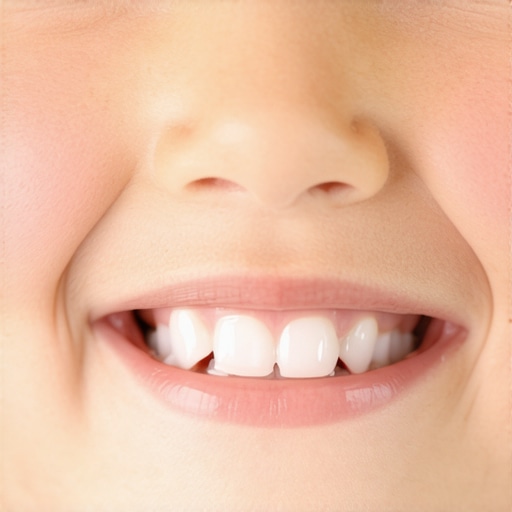
Picture this: I’m in the bathroom, trying to brush my toddler’s teeth before bedtime. Suddenly, I notice these tiny white spots shimmering oddly on her young teeth. My heart skips a beat. Was it just a harmless stain, or something more sinister? That lightbulb moment hit me hard—those few white spots made me realize I wasn’t alone in my confusion or worry. Every parent, sooner or later, faces the mystery of those white patches and wonders what they reveal about their child’s dental health.
Why Are Tiny White Spots on Toddler Teeth Such a Big Deal?
Those little white spots can seem like minor imperfections, but they often tell a bigger story about your child’s oral health. Sometimes, they’re just a sign of remineralization, a natural process where minerals are redepositing on enamel. Other times, they may be early indicators of dental decay or fluorosis, a condition caused by excessive fluoride intake. Recognizing and understanding these spots early can make a significant difference in preventing more serious dental issues down the line.
Is the hype about white spots exaggerated?
I’ll admit, in my early days as a parent, I underestimated these tiny marks. I thought they were just superficial blemishes that would fade with time. My mistake was assuming all white spots were harmless—until I learned that some could worsen without intervention. According to research published in the Journal of Clinical Pediatric Dentistry, early detection and intervention can prevent cavities and preserve your child’s enamel integrity. It’s a lesson I want to share: don’t dismiss those visible signs on your toddler’s teeth.
If you’re like me, you’ve probably wondered whether these spots are something to worry about or just a passing phase. Rest assured, with a bit of knowledge and vigilance, you can navigate this common concern confidently. Now, let’s explore the root causes of these white marks and, more importantly, what steps you can take to protect your little one’s smile from potential damage.
Start with a Thorough Visual Check
Begin by gently inspecting your child’s teeth in good lighting, using a mirror if necessary. Look for white spots, pits, or changes in texture. Remember, a small, chalky white patch could be remineralization, but a larger, fuzzy area might indicate early decay. Keep calm—early identification sets the foundation for effective action. I remember once noticing a white spot after my son finished his snack. I took a deep breath and prepared for the next step.
Establish a Precise Oral Hygiene Routine
Ensuring your toddler’s teeth are properly cleaned is crucial. Use a soft-bristled toothbrush and a smear of fluoride toothpaste to gently brush all surfaces. Implement the proper brushing technique for electric toothbrushes to maximize plaque removal without damaging enamel. Consistency is key—make brushing a calming, enjoyable activity. I once struggled with my reluctant toddler during brushing, but turning it into a game helped us both relax.
Address Biting and Resistance During Brushing
If your child tends to bite or resist the toothbrush, try distraction techniques or use a specialized strategy to stop biting. Make brushing fun by singing or letting them hold a favorite toy. Overcoming this hurdle encourages thorough cleaning and prevents white spots from worsening due to plaque buildup.
Limit Fluoride Intake Wisely
While fluoride strengthens enamel, excess can lead to fluorosis, causing white streaks or spots. Consult with your dentist about appropriate fluoride use, especially if your water source is fluoridated. Consider offering your child fluoride supplements only if recommended. For more about fluoride and tooth health, check this resource on fluoride importance. I learned the hard way to avoid overusing fluoride products to prevent unintended spotting.
Implement Dietary Changes
Minimize sugary snacks and drinks, which feed cavity-causing bacteria. Instead, offer crunchy fruits and vegetables that naturally clean teeth. Be cautious with fruit juices—they can be as harmful as soda in promoting decay, especially if sipped throughout the day. I replaced the afternoon juice with sliced apple pieces; it made a noticeable difference in my child’s oral health. Regularly rinsing after meals with water also reduces acid and sugar residue.
Schedule Pediatric Dental Visits
Book a dental appointment before your child’s first birthday or at the appearance of white spots. A professional exam allows the dentist to evaluate enamel health, identify early issues, and apply preventive treatments like sealants. Don’t wait until problems escalate. Regular visits—every six months—help catch white spots early and keep teeth healthy. I once delayed a visit, and what seemed minor later required more invasive intervention.
Consider Professional Treatments When Necessary
If white spots persist or worsen, ask your dentist about remineralization therapies, fluoride varnishes, or even cosmetic options like microabrasion that can blend spots with surrounding enamel. For cases needing advanced care, dental crowns such as ceramic crowns can offer durable solutions. Remember, early prevention is always easier and less costly than restorative procedures.
Even seasoned patients and some dentists can fall into misconceptions about dental crowns and proper oral hygiene. Many assume that once a crown is placed, it’s a set-it-and-forget-it solution, but the reality is more nuanced. For example, some believe that crowns are invincible and don’t require ongoing care—this is a dangerous myth. Crowns, especially ceramic ones, require the same diligent maintenance as natural teeth, including consistent brushing and flossing, to prevent issues like decay at the margins. Neglect can lead to secondary cavities, compromising both the crown and underlying tooth. Additionally, a common misunderstanding is that crowns will perfectly match existing teeth without specialized care; however, factors like material choice and shade matching demand expert attention to ensure a seamless smile.
Another overlooked aspect is the proper fit of crowns. A crown that feels high or causes discomfort might seem minor but can lead to bite issues, jaw pain, or uneven wear over time. Choosing the right material, such as zirconia for durability and aesthetics, is critical, but so is the skill of the dentist in contouring and fitting the crown accurately. For those curious about material choices, zirconia crowns typically outperform traditional porcelain-fused-to-metal options in durability, especially for grinders. Yet, even the best materials need proper placement to prevent future problems.
Many people also overlook the importance of regular professional examinations post-crown placement. Routine check-ups allow the dentist to detect early signs of issues like cement failure, microleakage, or decay that can develop unnoticed. Skipping these visits might lead to costly repairs or replacements down the line.
So, what are some advanced pitfalls you should avoid? One often missed nuance is the subtle wear pattern that could indicate bite misalignment, which can accelerate crown failure or damage neighboring teeth. Using technologies like digital bite analysis can pinpoint such issues early. Moreover, the myth that crowns cause sensitivity is outdated; actual sensitivity usually results from underlying issues like gum recession or nerve nerve exposure, and should be evaluated by a professional.
In short, understanding the complexities behind crowns — from material selection to fitting, maintenance, and addressing underlying problems — helps you make informed decisions and prolong your oral health. Remember, the details matter more than most realize.
Have you ever fallen into this trap? Let me know in the comments.
Keeping Crowns in Top Shape: Tools and Techniques for Longevity
Maintaining dental crowns isn’t just about brushing once in a while; it requires a strategic approach using the right tools and methods to ensure they last for years. I personally rely on specific equipment that has proven effective in my practice and daily routine. One of my go-to tools is the sonic toothbrush. Unlike traditional brushes, a quality sonic toothbrush, such as the Oral-B Genius, provides superior plaque removal, especially around crowns and along the gumline. Its high-frequency vibrations help disrupt biofilm, preventing decay at the margins where crowns meet the natural tooth.
Alongside a sonic brush, I recommend using interdental cleaning aids like water flossers. Devices such as the Waterpik are excellent for cleaning around crowns because they can dislodge debris that traditional floss might miss. Regular use prevents plaque buildup that can lead to secondary decay, which is a common issue with crowns if not managed properly.
Precision tools like weighted dental picks have also become part of my routine. They allow for targeted plaque removal in tight spaces without damaging the crown surface. The key is gentle, consistent cleaning—forceful scraping can damage the crown’s glaze or lead to microfractures, compromising its integrity over time.
Why Do These Tools Matter for Long-Term Results?
Implementing these specialized tools consistently forms the backbone of effective maintenance. In the future, I believe technology will progress towards smart toothbrushes with integrated sensors that can detect the health of crown margins in real-time. For instance, upcoming devices might monitor for microleakage or early signs of decay, alerting you instantly and thereby preventing costly repairs.
How do I maintain crowns over time?
Maintaining your crowns over time depends heavily on daily habits paired with professional care. Regular professional cleanings are essential since they remove hardened plaque and tartar that even superb home tools might miss. Scheduling visits every six months ensures tiny issues like marginal decay or microfractures are caught early, extending the life of your restoration.
It’s equally important not to neglect the connection between oral health and overall systemic health; habits that protect crowns, like avoiding excessive force during cleaning, preserve not just your smile but your health. In the coming years, I predict that dental monitoring apps integrated with bacterial analysis will become routine, offering tailored advice for crown care and maintenance.
To start upgrading your crown care routine today, I suggest trying a water flosser combined with a sonic toothbrush. This combo can significantly reduce plaque accumulation and keep your crown margins intact. Remember, investing in the right tools now saves money and discomfort down the line. Want to learn more about durable crown materials that resist wear? Check this guide on crown durability for insights.
What I Wish I Knew About Crowns and Oral Care Early On
One of the most profound lessons I learned is that even the most durable crowns require consistent maintenance and awareness. I used to believe that once a crown was placed, it was a set-it-and-forget-it situation. However, through my own experiences and ongoing learning, I realized that proper care, like regular check-ups and mindful cleaning, significantly extends their lifespan and preserves overall oral health.
Another insight I gained is the importance of understanding material choices for crowns. Selecting zirconia over traditional porcelain-fused-to-metal options made a noticeable difference in durability and appearance. It taught me that being informed about the latest materials can empower you to make better decisions for long-term dental health.
Lastly, I discovered that misconceptions about crowns—such as thinking they are invincible—can lead to neglecting vital maintenance routines. Recognizing that crowns require the same diligent care as natural teeth is crucial. This shift in perspective has helped me develop habits that protect not only my crowns but my entire family’s dental well-being.
Tools That Transformed My Dental Routine
Over time, I curated a set of reliable tools that made caring for crowns much easier. A high-quality sonic toothbrush, like the Oral-B Genius, provides superior plaque removal around crowns and appliances. Coupled with a water flosser, these tools help me reach difficult spots and prevent decay at the margins.
Using interdental picks and specialized microbrushes has also made a difference, allowing me to gently clean tight spaces without damaging the crown surface. These tools, combined with regular professional cleanings, give me peace of mind and save me from costly repairs down the line.
Inspiration to Protect Your Smile
Your dental health journey is unique, but it’s never too late to start refining your habits for better results. Whether you’re considering crowns or just aiming to improve your daily oral hygiene, remember that proactive care pays off. Small adjustments today can lead to happier, healthier smiles tomorrow. If you’re curious about which crown materials offer the best longevity or how to optimize your cleaning routine, explore our other articles or schedule a consultation with your dentist.
What’s one dental habit you think could make a big difference in your oral health? Share your thoughts below and let’s keep the conversation going!