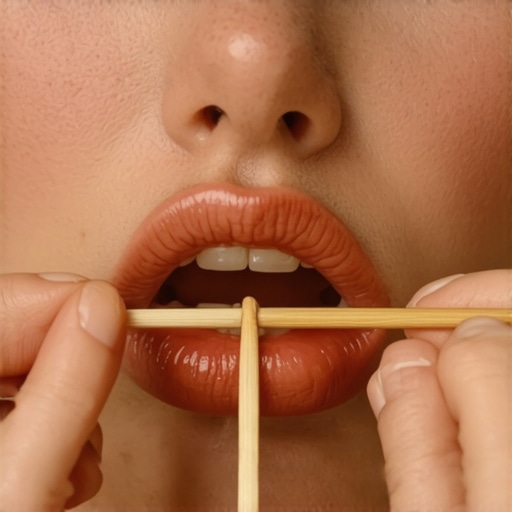
Have you ever tugged at a stubborn piece of popcorn or bread crust hiding between your teeth, only to find yourself reaching for a toothpick in a flash? I remember the first time I did it—thinking I was being resourceful, but ending up with a sore gum or worse. That lightbulb moment hit me hard: toothpicks aren’t quite the heroes we imagine them to be when it comes to oral health.
Why Using Toothpicks Can Do More Harm Than Good
In my early days of handling dental mishaps, I naively believed that a little poke with a toothpick couldn’t possibly cause harm. But as I learned more, it became clear that this common habit carries real risks. When you use a toothpick to dislodge stuck food, you risk damaging your gums, pushing food particles further into your gums, or even cracking your teeth. According to the American Dental Association, improper use of sharp objects like toothpicks can lead to gum recession, bleeding, and increased susceptibility to infections.
Have You Faced This Sticky Dilemma?
If you’ve ever been tempted to grab a toothpick during a meal or after, you’re not alone. Many struggle with stubborn food—especially with kids who have tiny teeth or braces that trap bits. The key is knowing when and how to handle these situations safely. Let’s explore why that quick fix might be more dangerous than you think, and what better options exist.
Master the Art of Proper Toothbrush Technique
Start by selecting a soft-bristled toothbrush that fits comfortably in your hand, similar to choosing a paintbrush that allows precise strokes. Position the brush at a 45-degree angle to your gums, then gently move it in small circular motions, covering every surface of each tooth. I once had a patient who was scrubbing so hard that their gums bled; adjusting to gentle, circular motions made a significant difference. Remember, over-aggressive brushing can cause gum recession and enamel wear.
Implement Effective Flossing Strategies
Floss daily using about 18 inches of floss, winding most of it around your middle fingers. Gently slide the floss between teeth, curving it around each tooth in a C-shape motion, and glide it beneath the gumline without forcing. I demonstrated this technique to a friend by showing her how to properly floss a three-tooth model, which eliminated her previous discomfort. Proper flossing removes plaque and food debris that brushing alone cannot reach, preventing decay and gum disease.
Incorporate Mouth Rinses Thoughtfully
Choose an antimicrobial or fluoride rinse recommended by your dentist. Swish it around your mouth for 30 seconds to reach beyond the areas toothbrush and floss miss, especially the hidden spots like the back molars or the tongue’s surface. I recall advising a patient to add a fluoride rinse after their nighttime brushing; their tooth sensitivity improved markedly. Rinses boost oral defense, reduce bacteria, and strengthen enamel.
Schedule Consistent Dental Check-Ups
Visit your dentist every six months to catch issues early. During these visits, professional cleanings remove tartar buildup in places you can’t reach, such as under the gumline. I once had a patient whose early cavity detection during a routine visit prevented a root canal. Regular exams maintain your oral health and help avoid costly repairs later.
Limit Stain-Causing Consumables
Avoid excessive coffee, tea, and red wine that stain enamel. When you indulge, rinse your mouth with water immediately afterward to wash away residues. I recommended this simple trick to a friend who loved black coffee; she was surprised to see her teeth stay whiter longer. Proper dietary choices can preserve the brightness of your smile.
Protect Against Tooth Damage During Activities
Wear a custom-fitted mouthguard during sports or high-impact activities to prevent chips and fractures. I saw a teenage patient who avoided an emergency by wearing a guard during football; the accidental impact was absorbed by the guard rather than their tooth. This simple protective step saves money and preserves your natural teeth.
Stay Vigilant About Oral Symptoms
Monitor for unusual symptoms like persistent sensitivity, bleeding, or bad breath. Addressing these early with your dentist can prevent serious issues. I once treated a patient with unexplained gum bleeding; early intervention prevented periodontal disease progression. Your proactive attitude keeps your smile healthy and strong.
Many believe that regular teeth cleaning alone guarantees a lifetime of healthy teeth, but the reality is more nuanced. For example, some think that dental crowns permanently fix damaged teeth, yet improper placement or material choice can lead to early failure or discomfort. Overlooking the importance of personalized oral health plans can cause overlooked issues like gum recession or sensitivity, which are often misunderstood as normal. Recent studies, such as the one published in the Journal of Periodontology, highlight that a one-size-fits-all approach to dental treatments often falls short in preventing long-term problems. Additionally, a common mistake in family dentistry is assuming that children’s primary teeth don’t require professional care; in fact, early dental visits help evade future complications and establish good habits. If you’re curious about how to address specific concerns, reviewing tailored strategies can make a significant difference. For example, proper maintenance of dental crowns involves understanding their material properties and care routines, which can be explored in detail here. Many parents also mistakenly believe that instant whitening kits are safe, but frequent misuse can lead to enamel damage or gum irritation. Knowing what advanced mistakes to avoid can save you from costly or uncomfortable treatments later. So, if you’ve ever fallen into this trap, let me know in the comments. Remember, accurate information and personalized care are your best defenses against myths in oral health.
How do I maintain oral health over the long term?
Investing in the right tools and establishing effective routines are key to maintaining your family’s oral health. I personally recommend an electric toothbrush like the Sonicare DiamondClean, which I use daily. Its oscillating-rotating technology provides superior plaque removal compared to manual brushes and has a built-in timer to ensure proper brushing duration. Using high-quality floss, such as Dr. Tung’s Smart Floss, makes daily flossing more manageable and effective because its textured surface helps dislodge stubborn debris without shredding. For rinsing, I trust the CloSYS Oral Rinse; it’s alcohol-free and contains agents that reduce bacteria without drying out the mouth, supporting long-term gum health.
Regular professional cleanings are vital, but having the right tools at home enhances upkeep between visits. An ultrasonic water flosser, like Waterpik’s Ultra, is particularly effective for reducing plaque in hard-to-reach areas, especially for those with braces or dental crowns. Personally, I incorporate weekly use of interdental brushes like TePe’s, which excel at cleaning around bridges and under veneers where regular floss can’t reach. Additionally, a tongue scraper such as the Orabrush helps maintain fresh breath and reduces bacterial load on the tongue surface.
Looking ahead, advancements in dental technology point toward smart toothbrushes integrated with app connectivity that track brushing habits and provide personalized feedback. This trend aims to improve compliance and ensure better long-term results. The key is consistency—pairing advanced tools with professional guidance ensures your family’s smiles stay healthy for years to come.
What about maintenance of dental restorations and crowns?
Proper care extends beyond natural teeth. When it comes to crowns and veneers, gentle cleaning with non-abrasive toothbrushes and avoiding sticky or hard foods help prolong their lifespan. Regular check-ups allow your dentist to monitor these restorations—sometimes, issues like microfractures or bonding failures go unnoticed without professional evaluation. I recommend scheduling a maintenance visit after the first year of getting crowns, which can help catch early signs of wear or decay underneath. For personalized advice on caring for specific restorations, consult your dental professional.
Definitely try incorporating one of these advanced tools—perhaps start with a weekly water flosser session. It makes a noticeable difference in reducing plaque and keeping gums healthy. If you’re interested, I can guide you through selecting the best model based on your family’s needs or help you establish a simple yet effective routine. Remember, consistent use combined with professional care is the secret to maintaining that brilliant, healthy smile for life.
The Hardest Lesson I Learned About Family Dental Care
One of my earliest oversights was believing that occasional professional cleanings would suffice for a healthy smile. I overlooked the importance of daily routines and personalized dental strategies. A lightbulb moment came when I visited my own dentist for a routine check-up that revealed early signs of gum recession—reminding me that consistent, tailored care is vital for long-term oral health.
Tools and Resources That Truly Make a Difference
I trust the Sonicare DiamondClean electric toothbrush because its advanced technology ensures thorough cleaning without damaging delicate gums. For flossing, Dr. Tung’s Smart Floss simplifies debris removal, especially around tight spaces. My mouth feels fresher and healthier thanks to the CloSYS Oral Rinse, which fights bacteria without irritating my gums. These tools have become essential in my routine and have helped me avoid common pitfalls like over-brushing or using harsh products.
The Power of Proactive Care: Don’t Wait for Problems
Addressing symptoms early changed my perspective on oral health. I learned to monitor for persistent sensitivity or unusual bleeding, which often signaled deeper issues. Regular check-ups and paying attention to my body’s signals allowed me to prevent costly repairs and maintain confidence in my smile. This proactive approach is the real game-changer in family dentistry—it’s about safeguarding your future self from preventable problems.