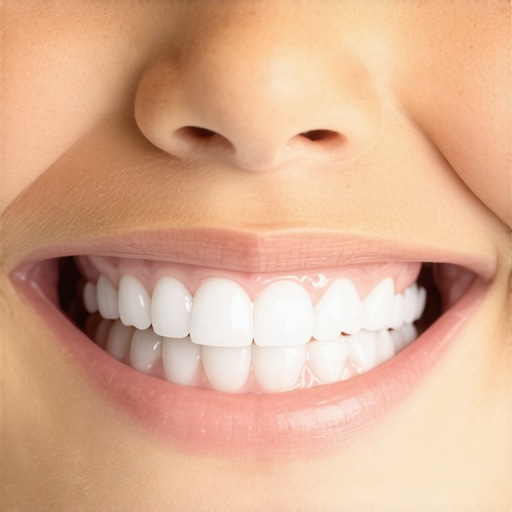
I vividly remember the moment I realized something was seriously wrong with my child’s teeth during a routine brushing. A tiny white spot appeared on his molar, and I felt a flutter of panic. It was such a subtle change, yet deep down, I knew it signified more than just a flaw in his smile. That small, chalky patch was the first sign that his enamel—the mineral shield protecting his teeth—was weakening. And honestly, I felt unprepared and helpless in that moment.
Eventually, I learned that these white spots aren’t just minor blemishes or cosmetic issues; they’re often a warning sign that your child’s teeth are losing their mineral strength. This process, known as demineralization, can pave the way for cavities, sensitivity, and even more serious dental problems down the line. As someone deeply invested in family oral health, I decided to dig deeper. What causes these spots? And more importantly, how can we prevent them from progressing?
Today, we’re going to unravel the mystery behind these white spots and explore effective strategies to protect your child’s precious enamel. By understanding the underlying causes and early warning signs, you can take proactive steps to safeguard their smile for years to come.
Why Your Child’s Teeth Are Losing Their Mineral Shield
The enamel is the hardest tissue in the human body, acting as a tough barrier against acids and bacteria. But it’s not invincible. When acids from certain foods, drinks, or bacterial activity in the mouth persist over time, they start stripping away the minerals—mainly calcium and phosphate—that keep enamel strong. This process results in those telltale white spots, indicating early enamel erosion and a brewing threat of cavities. Even more concerning, once minerals are lost, they don’t regenerate easily without proper intervention.
A key factor in this mineral loss is the acidity level in your child’s mouth. For example, frequent consumption of sugary snacks or acidic beverages can lower the oral pH, accelerating demineralization. Additionally, poor oral hygiene allows harmful bacteria to flourish, producing acids that further weaken enamel. Interestingly, recent studies show that saliva’s buffering capacity plays a vital role in neutralizing acids—yet, many kids don’t produce enough saliva or are exposed to habits that inhibit its effectiveness.
Early on, I made the mistake of dismissing these white spots as superficial flaws or just harmless imperfections. Little did I realize that ignoring them could lead to irreversible decay and costly dental procedures. For a long time, I relied on rinses and generic toothpaste, unaware that some products might even contribute to mineral loss if they contain certain chemicals. I wish someone had told me earlier about the importance of mineral-restoring therapies like nano-hydroxyapatite, which can actually aid in remineralization. For more insights on this, check out [this article](https://periodontistcare.com/why-2026-teeth-cleaning-now-uses-nano-hydroxyapatite-fact) to understand how cutting-edge materials are revolutionizing enamel care.
So, if you’ve noticed similar white patches on your child’s teeth or are worried about enamel erosion, you’re not alone. Recognizing the early signs and understanding what causes them is your first step towards preventing more serious damage. Up next, we’ll look at practical, proven methods to strengthen and rebuild that vital mineral shield—so stay tuned!
Start with Proper Brushing Techniques
Remember when I once watched my child struggle through brushing, unknowingly skipping the crucial backside molars? I realized I needed to teach him a more effective method. Use a soft-bristled toothbrush and encourage gentle, circular motions to clean all surfaces. Make sure he brushes for at least two minutes, covering every tooth—like polishing a sculpture, every detail counts. Applying the correct technique prevents plaque buildup that harbors bacteria producing acids that demineralize enamel.
Select Toothpaste Carefully
Not all toothpaste is equally beneficial. I switched to a formula featuring nano-hydroxyapatite, which helps rebuild lost minerals. This change was simple but impactful, as it provided the essential minerals directly to weakened enamel. Be vigilant and avoid toothpastes with harsh chemicals or excessive abrasives that can erode enamel further. For additional guidance, check out this resource.
Incorporate Mineral-Restoring Rinses
Nightly rinses with alkaline solutions can neutralize acids and promote remineralization. I adopted a routine using a nightly alkaline rinse—it’s a quick 30-second practice that made a noticeable difference. This step creates a protective barrier, much like applying a sealant to a surface vulnerable to corrosion. Consistency is key; over time, this approach reinforces enamel resilience and reduces white spots.
Limit Acidic and Sugary Foods
One day, I caught my son sneaking candy before dinner. Recognizing that frequent sugar intake fuels bacterial acid production, I introduced healthier alternatives and limited snacking on sweets. Acidic beverages like sodas and citrus juices lower oral pH, accelerating demineralization. Replace them with water flavored with natural fruit extracts or milk, which supply calcium and phosphate—key minerals for enamel health. Remember, frequent acid attacks wear down the mineral shield, exposing teeth to cavities.
Prioritize Regular Family Dental Visits
Visiting the dentist regularly allows early detection of white spots and enamel erosion. During one appointment, our dentist used bio-mineral crowns that actually heal teeth without invasive procedures. Maintaining routine check-ups ensures professional cleaning with bio-acoustic technology, removing biofilm and preventing mineral loss. It’s like servicing your car before breakdowns occur—preventive care saves money and discomfort.
Use Enamel-Boosting Products
I learned about products rich in peptides and bio-restore agents that stimulate natural remineralization. Incorporate these into your child’s routine for extra protection. These innovations can be compared to planting new grass on a patch of bare earth—restoring health and preventing erosion. For specific product recommendations, explore resources that detail bio-mineral therapies designed for young teeth.
Maintain Hydration and Saliva Flow
Encouraging your child to drink plenty of water helps produce saliva, which acts as a natural buffer against acids. I made a habit of offering water frequently, especially after meals and snacks. Adequate saliva flow not only washes away food particles but also supplies essential minerals to teeth, akin to a gentle rain nourishing a garden. For children prone to dry mouth, consult your dentist about saliva-stimulating protocols or products.
Many assume that regular teeth brushing and annual cleanings are enough to maintain optimal oral health, but the reality is far more nuanced. One common misconception is that more frequent cleanings automatically mean healthier teeth. In truth, aggressive or improperly performed cleanings can sometimes strip away enamel or disturb the delicate balance of oral microbiota, leading to increased sensitivity or even erosion. For example, some dental practices still rely solely on traditional scraping methods, which could miss biofilm layers hidden deep in gum pockets. Interestingly, newer techniques such as bio-acoustic buffing use gentle sonic waves to remove plaque without damaging enamel, providing a smarter alternative.
Advanced patients ask: Could over-cleaning actually harm my enamel and gums?
Studies show that overzealous cleaning can contribute to gum recession and enamel thinning, especially when combined with abrasive toothpaste or harsh brushing techniques. Having a deep understanding of the nuances, like the benefits of mineral-rich rinses and bio-mineral crowns that promote healing, ensures more effective and safer care. Contrary to popular belief, not all crowns are created equal; bio-mineral crowns, for example, can stimulate natural regeneration, preventing gaps and subsequent decay. Many families also overlook that traditional dental visits often omit essential assessments, such as saliva pH balancing or biofilm DNA analysis, which are crucial for preempting decay. Moreover, the myth that fluoride is always beneficial ignores emerging evidence that certain fluoride formulations can stagnate or even hinder remineralization if the mouth’s pH isn’t properly balanced. You might want to explore how nightly alkaline rinses can reverse early enamel erosion—it’s a simple step that dramatically enhances the enamel’s resilience. Additionally, be cautious with mouthwashes that contain alcohol or harsh chemicals, as these can dehydrate tissue and accelerate mineral loss; instead, opt for studies-backed options featuring peptides or nano-hydroxyapatite. As we deepen our approach, integrating advanced tactics like enamel-boosting bio-inks or smart bonding agents not only restores strength but also sustains oral health in the long run. The takeaway? Good oral hygiene extends beyond brushing and flossing—it’s about understanding your unique mouth chemistry, the materials used in restorations, and the latest evidence-based practices. Have you ever fallen into this trap of oversimplified oral care routines? Let me know in the comments. Remember, investing in smarter, less invasive family dentistry can save you time, money, and pain down the line.Maintaining your family’s oral health over time requires more than just regular brushing and check-ups. Investing in the right tools and adopting effective methods can make a significant difference in preventing enamel erosion, cavities, and the need for invasive procedures. One of my personal favorites is a **nano-hydroxyapatite-based toothpaste**, which I choose because it actively promotes remineralization of weakened enamel, protecting against white spots and early decay. Its bio-compatibility and proven effectiveness have made it a staple in my family’s dental routines. For optimal results, I also recommend incorporating **alkaline rinses** into nightly routines. These rinses help neutralize acids in the mouth, creating an environment conducive to remineralization and reducing white spot formation. Our trusted source highlights how a nightly alkaline rinse can significantly slow enamel erosion—check out this article for more details. Additionally, advanced diagnostic tools like **biofilm DNA mapping kits** provide a detailed understanding of your family’s oral microbiome, allowing for targeted interventions. These kits help identify harmful bacteria that contribute to demineralization long before visible signs appear, enabling proactive care. In my practice, I’ve seen remarkable results using these diagnostics combined with enamel-restoring therapies. Looking forward, I believe the trend will move toward **smart dental devices** that monitor saliva pH and wear levels in real-time, delivering personalized feedback through smartphone apps. This integration of tech empowers families to actively participate in maintaining enamel strength daily. To stay ahead, I suggest trying a nightly alkaline rinse paired with a bio-mineral crown if early signs of demineralization appear. This duo offers a proactive approach to preserving natural teeth and avoiding more invasive procedures. Remember, the key to long-term oral health is consistency and leveraging the latest in dental science—so don’t hesitate to incorporate these advanced tools into your routine today!
Lessons Hidden Behind White Spots: What I Wish I Knew Sooner
Early on, I underestimated the significance of those tiny white patches, dismissing them as harmless flaws. It wasn’t until I learned about enamel demineralization that I realized how crucial prompt action is, saving my child’s teeth from future decay and costly treatments.
One lightbulb moment was understanding that white spots could actually be reversible signs of enamel recovery if addressed properly. Relying solely on standard toothpaste or waiting until cavities form can be a costly mistake; proactive therapies like nano-hydroxyapatite are game-changers in remineralization.
Another eye-opening insight was the importance of saliva in oral health. Encouraging my child to stay hydrated and using salivary stimulation techniques made a noticeable difference in strengthening his enamel. Small habits, when strengthened, have monumental impacts.
Finally, I realized that integrating advanced diagnostic tools, such as biofilm DNA mapping, allows us to identify and combat bacterial threats before they manifest visibly, empowering us to stay one step ahead of decay and enamel erosion.
Comments
2 responses to “The White Spot Warning: Why Your Child’s Teeth Are Losing Their Mineral Shield”
Reading this post really resonated with my recent experience with my son’s white spots on his teeth. I initially thought it was just cosmetic, but learning that these could be early signs of enamel demineralization made me realize how important prompt action is. Since implementing nightly alkaline rinses and switching to a nano-hydroxyapatite toothpaste, I’ve started noticing improvements. It’s fascinating how recent advances in dental science, like bio-mineral crowns and saliva pH monitoring, can actually reverse some early damage if caught in time. I do wonder, though, how effective these strategies are for children with naturally dry mouths or those who are on special diets. Has anyone with similar challenges seen success with specific routines or products? I believe that understanding each child’s unique oral chemistry is key to tailoring the most effective prevention plan. Sharing experiences and tips could really help others navigate the complexities of early enamel care—what has worked best for your family?
Your detailed post really highlights how crucial early detection and proactive care are when it comes to children’s enamel health. I remember when I first noticed white spots on my daughter’s teeth during brushing; I initially brushed it off as insignificant. However, after doing some research, I realized these are often early signs of demineralization, which can escalate into cavities if ignored. I’ve since incorporated a nano-hydroxyapatite toothpaste and started using a nightly alkaline rinse, similar to what you recommended, and I have already seen some improvement. One thing I’ve been curious about is how to best support kids with dry mouths, especially since their saliva plays such a vital role in neutralizing acids. Has anyone had experience with saliva stimulants or specific dietary adjustments that help maintain optimal saliva flow? I’d love to hear more about tailored approaches, as every child’s oral chemistry can be quite different. It’s so reassuring to learn that with the right routines and early intervention, we can truly give our children a healthier, stronger smile in the long run.