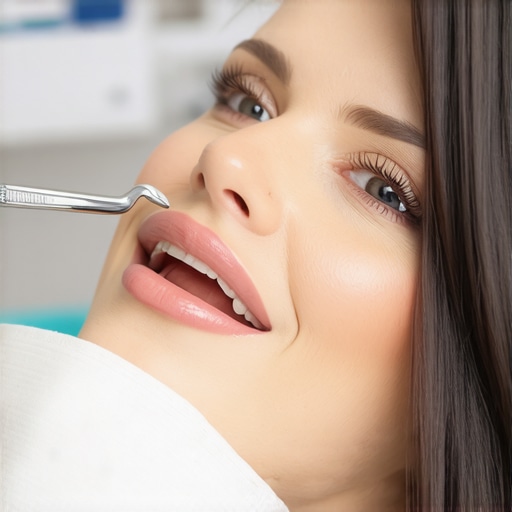
I remember the moment vividly—waking up after trying yet another online DIY teeth whitening trick, my gums felt tender and my smile looked duller than ever. It was a lightbulb moment for me: no YouTube tutorial or homemade remedy could replace the expertise and thoroughness of a professional cleaning. Many of us fall into the trap of believing we can handle our dental health at home, especially with all those DIY tips floating around. But here’s the truth: when it comes to genuine oral health, nothing beats the care provided by a trained dental professional.
The Value of Expert Care Beyond the Toothpaste Label
While brushing and flossing are essential, they often don’t suffice for a truly clean and healthy mouth. I learned this firsthand early in my dental journey, when I made the mistake of skipping regular professional cleanings for a few years, thinking I could maintain everything with at-home hacks. The result? Plaque and bacteria accumulated beyond what I could see or feel, risking inflammation and cavities. It was only after a visit to my dentist that I realized these hidden issues could lead to more serious problems—like gum disease, which according to the CDC affects nearly half of adults over 30.
If you’ve ever wondered whether a professional cleaning is worth it, especially when DIY methods seem cheaper or more convenient, I want to share some insights that might change your perspective. The truth is, professional cleanings remove tartar buildup and biofilm in places you can’t reach with a brush or floss, significantly reducing the risk of gum disease and decay. It’s not about replacing your routine at home but supplementing it with expert care.
Is DIY Teeth Cleaning Actually Worth the Hype?
One thing I needed to learn the hard way was that misjudging your own dental health can be risky. Early on, I overlooked the signs of developing gum issues, mistaking them for minor irritation. It wasn’t until my dentist pointed out hidden plaque and biofilm—those sticky layers that harbor bacteria—that I understood the importance of professional tools and training. Remember, homemade remedies can’t replicate the sterilization and precision of a dental office. You might think you’re saving money, but in the long run, neglecting professional cleanings can lead to more costly dental problems.
For further reading, check out [this article on signs that your teeth cleaning might have missed biofilm](https://periodontistcare.com/3-signs-your-2026-teeth-cleaning-missed-hidden-biofilm-fix-2). It’s eye-opening to see how unseen plaque can cause significant damage over time.
So, if you’re still on the fence about booking that dental appointment or have been tempted to try DIY hacks, I encourage you to weigh the risks and benefits carefully. My own experience taught me that professional care isn’t just about aesthetics; it’s about protecting your overall health. Up next, I’ll share some practical tips on how to maximize your dental visits and maintain that fresh, clean feeling every day.
Targeted Brushing Can Uncover Hidden Plaque
During my first attempt at deep cleaning at home, I used a soft-bristle toothbrush combined with a time-tested method: brushing in gentle circular motions for at least two minutes. I paid particular attention to the gum line, where plaque often hides—think of it like scouring the corners of a room to find dust bunnies hiding behind furniture. This approach helped me spot areas where plaque was stubborn, which could have been overlooked otherwise. Remember, gentle pressure is key: pressing too hard can damage gums, leading to recession and sensitivity. Learn how to tell if you’re brushing too hard with this guide and adjust accordingly.
Smart Brushing Techniques Make a Difference
To elevate your routine, incorporate the latest brushing rules: use a soft or ultra-soft brush, replace it every three months, and brush at least twice daily. For tricky spots, use a powered toothbrush with oscillating technology—these do the heavy lifting, covering more surface area efficiently. I once shared a toothbrush with my family, and we each replaced ours promptly; it reduced plaque buildup dramatically. Also, don’t forget your tongue—bacteria love to cling there—so gently clean it with a tongue scraper or the back of your brush. This simple step can significantly decrease bad breath and improve your overall oral health, as discussed in my bio-mineral crown blog.
Removing Biofilm Effectively
One evening, after meticulously brushing, I noticed some stubborn film along my gum line that didn’t wipe away easily. That’s biofilm—an invisible layer of bacteria and dead cells that bio-acoustic buffing can eliminate during professional cleanings. To prep at home, I started using a bio-acoustic device once a week to disrupt early plaque formations. This step, combined with regular flossing, acts like peeling layers of an onion—a necessary part of the structural cleaning process. Making this a habit reduces the burden on your dentist and ensures your appointment focuses on areas that need professional tools or techniques beyond your reach.
Enhance Your Flossing Technique
Many people miss areas between their teeth, leading to plaque accumulation and eventual decay. I experimented with different flossing methods—like the traditional zig-zag motion and the gentle ‘C’ shape around each tooth—to find what fit comfortably and cleaned most effectively. I also discovered the importance of choosing the right floss—waxed or unwaxed, pre-cut or spool—to suit your teeth and gums. As I started flossing daily, I noticed fewer inflamed gums and less bleeding during professional cleanings, which are common signs of plaque buildup left untouched. Check out this flossing guide for more tips to perfect your technique.
Maintain Vital Oral Hygiene Habits Daily
To keep your mouth health in top shape, integrate habits like rinsing with alkaline solutions at night to prevent enamel erosion (see how) and using mouthwash that balances your oral pH. I once forgot to rinse after a sugary snack, which led to a quick build-up of acids on my teeth—an easy mistake to make but difficult to reverse if uncorrected. Developing a consistent routine, including regular tongue care, helps prevent the buildup of bacteria and reduces dependency on more invasive procedures. Focus on these steps daily, and your professional cleanings will be easier and more effective.When it comes to oral health, many believe that brushing twice daily and visiting the dentist regularly are the keys to lifelong dental well-being. However, even seasoned patients often overlook subtle nuances that can make or break their oral health over time. One common misconception is that all dental cleanings are created equal; in reality, treatments vary significantly based on the technique used and the understanding of biofilm dynamics. For example, many assume that scraping away plaque during a dental visit is sufficient, but recent advances highlight the importance of bio-acoustic buffing, which can effectively disrupt biofilm layers invisible to the naked eye, preventing long-term issues like gum disease. This is supported by studies indicating that traditional mechanical cleaning might miss hidden biofilms, which are a primary cause of periodontal problems—more detailed insights are available in the article on missed biofilms.
A further misconception revolves around crowns, particularly the idea that they are static solutions. Many assume that once a crown is fitted, it won’t require attention unless discomfort arises. But in my experience, crowns can create complex challenges such as metal allergies or gum sensitivity if bio-static seals are not used properly, leading to decay underneath and surrounding tissues. Choosing the appropriate sealing technology, like the latest bio-static seals, can significantly extend crown longevity and prevent secondary decay, as explained in this advanced guide. Identifying these nuanced factors requires an expert eye beyond the routine; otherwise, minor issues may escalate unnoticed.
Within family dentistry, a prevalent trap is underestimating the importance of targeted habits to prevent decay and erosion. Many parents believe that standard brushing and flossing suffice, yet research shows that specific techniques—such as proper tongue cleaning or night-time rinsing with pH-balancing solutions—can have profound effects. For instance, improper tongue cleaning can leave bacterial reservoirs that promote bad breath and plaque buildup. The proper technique not only enhances oral hygiene but also reduces reliance on invasive procedures, as discussed in this detailed method. By recognizing these nuances, families can foster healthier habits and avoid the often unseen pitfalls of complacency.
Another critical area is the misconception about the effectiveness of DIY methods versus professional interventions. Many individuals believe that over-the-counter whitening kits or at-home remedies are entirely safe and effective, but in fact, they can sometimes trigger advanced erosion or sensitivity if misused. For example, excessive use of charcoal-based products may thin enamel, increasing vulnerability. It’s vital to understand that professional cleaning and treatment methods incorporate enzyme solutions and bio-mineral restoration that safeguard enamel integrity—details of which can be explored in this article on enamel preservation techniques. This knowledge can prevent unintentional damage caused by well-meaning but uninformed practices.
Finally, sophisticated patients often question whether new technological advances truly make a difference. High-frequency ultrasound and bio-acoustic buffing, for instance, have revolutionized biofilm removal strategies, offering a less invasive and more thorough approach. These innovations exemplify how understanding nuanced scientific developments can substantially improve results, especially for those with complex dental histories. As research from leading dental science studies emphasizes, staying ahead in oral health involves integrating cutting-edge, evidence-based techniques—rather than relying solely on traditional methods. If you’re curious about how these sophisticated approaches can benefit you or your family, it’s worth consulting with an expert who understands the latest advancements.
Have you ever fallen into this trap? Let me know in the comments.Maintaining optimal oral health requires more than just good daily habits; it involves the right tools and understanding how to use them effectively. Personally, I swear by my electric toothbrush outfitted with oscillating-rotating technology, such as the Sonicare DiamondClean. Its advanced bristle movement provides a more thorough clean, especially for hard-to-reach areas like the back molars. I replace the brush head every three months to ensure maximum plaque removal, aligning with the latest brushing guidelines. Another essential tool in my routine is a water flosser, like the Waterpik Ultra. Its pulsating stream effortlessly dislodges biofilm from beneath the gum line, a crucial step since many professional cleanings can miss those stubborn biofilms, as discussed in [this article](https://periodontistcare.com/3-signs-your-2026-teeth-cleaning-missed-hidden-biofilm-fix-2). I use it daily to supplement traditional flossing, especially around crowns and braces.
For tongue cleaning, I prefer the stainless-steel scraper recommended in my tongue hygiene guide. Proper tongue cleaning significantly reduces bacteria reservoirs that contribute to bad breath and plaque buildup. A tip I’ve adopted is gentle scraping from the back of the tongue forward, avoiding gag reflex triggers. Consistent use of these tools has notably improved my oral health and minimized visits for issues like gum irritation or sensitivity.
On the software side, I utilize a tracking app like Philips Sonicare’s app platform, which reminds me when to replace brush heads, schedule routine check-ins, and monitor my brushing behavior. These apps often connect via Bluetooth, giving real-time feedback, which helps reinforce good habits. As technology advances, I predict a rise in AI-powered dental tools that analyze your brushing technique and suggest personalized improvements—something I see becoming standard within the next few years.
A question I often get is, “How do I maintain my dental tools over time?” Regular cleaning of your electric toothbrush head with hydrogen peroxide or alcohol-based solutions prevents bacterial buildup. Similarly, replacing brush heads and flossing picks every three months ensures peak performance, preventing the buildup of biofilms and plaque. Also, sterilizing water flosser tips with UV solutions can extend their lifespan and hygiene quality.
Remember, investing in the right tools isn’t just about hygiene—it’s about proactive maintenance. By integrating these with your daily routine, you’re setting yourself up for long-term results and fewer dental issues. For instance, using a bio-acoustic device periodically during home care can disrupt early plaque formations, reducing the burden on your dentist and possibly extending your crown’s lifespan—details discussed in this article. Try incorporating a water flosser into your regimen this week and notice the difference it makes in your gum health. Stay consistent, and your future self will thank you for the investment in your oral well-being.
Lessons That Challenged My Assumptions
One of the biggest surprises I faced was realizing how much unseen biofilm can hide beneath the surface, making professional cleanings indispensable. I used to think that vigorous brushing meant I was doing enough, but a lightbulb moment came when my dentist pointed out persistent plaque in hard-to-reach areas—a reminder that home care has its limits.
Another revelation was understanding the true power of technology in maintaining oral health. Features like bio-acoustic buffing and smart bonding agents are game-changers, and adopting these insights has helped me prevent avoidable issues like gum sensitivity and crown decay.
Finally, I learned that the real secret isn’t just in tools and techniques but in developing a genuine appreciation for lifelong habits that protect not just your teeth but your overall well-being. If I could do it over, I’d prioritize integrating expert advice with daily routines much earlier, avoiding costly problems down the line.
Tools and Resources That Made a Difference
My go-to resource has become the comprehensive articles on this site, especially those explaining how bio-mineral crowns heal teeth without invasive procedures. They helped me appreciate the science behind modern treatments and choose smarter options. I also trust the detailed guides on tongue cleaning and bio-acoustic devices, which have become integral to my daily routine. Books like “The Oral Health Revolution” offer in-depth insights that changed my perspective on preventive dental care. Lastly, the app recommended for tracking brushing habits keeps me accountable and motivated to maintain consistent, effective habits each day.
Your Next Step Towards Confident Smiles
Remember, improving your oral health isn’t about quick fixes but about embracing a mindful, informed approach. Small ongoing changes, like upgrading your toothbrush or scheduling regular professional cleanings, can lead to lifelong benefits. Take action today—your future self will thank you for the commitment to your smile. Are you ready to prioritize expert care and modern techniques to protect your dental health? The choice is yours—start now, and enjoy the confident smile you deserve.