Category: Family Dentistry Tips

  • How to Ease Your Child’s Fear of the Dental Chair Before They Arrive

    How to Ease Your Child’s Fear of the Dental Chair Before They Arrive

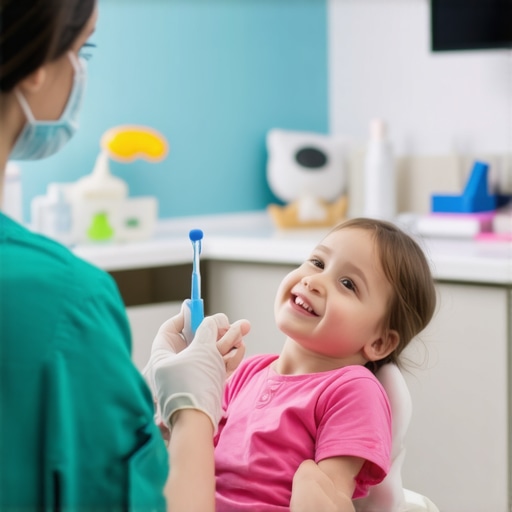
    It happened to me not too long ago. I watched my young daughter cling to my arm during her first dental appointment, eyes wide with fear, suddenly overwhelmed by the strange sounds and bright lights of the dental office. That moment hit me hard—seeing her so vulnerable made me realize how many children face this same anxiety. As parents, we want to shield them from fear and discomfort, but the truth is, many kids walk into that dental chair already scared, and that fear can grow if we don’t handle it right.

    Today, I want to share some honest insights and practical strategies I’ve picked up on how to ease your child’s fear of the dental chair before their appointment even begins. Because the truth is, a calm, confident kid means a smoother visit for everyone—and a healthier smile that they’re eager to maintain.

    Why Kids Fear the Dental Chair—and Why It Matters

    Children’s anxiety about dental visits isn’t just a minor phase; it can have lasting impacts on their oral health. When a child is scared, they might resist necessary treatments, avoid future visits, or develop negative associations with dental care altogether. This reluctance can lead to neglected cavities, gum issues, or more complex procedures down the line.

    Understanding this, I made a few early mistakes. I thought a simple pep talk or promising a reward would do the trick. Spoiler: it usually backfired. Instead, I realized that modeling calm behavior and preparing them step by step creates a sense of trust and safety. If you’re curious about how to prepare your kids without turning it into a battle, check out [this detailed guide on stress-free preparations](https://periodontistcare.com/how-to-prep-your-kids-for-a-stress-free-first-dental-cleaning). A little proactive effort can make all the difference, transforming a nerve-wracking experience into a manageable one.

    Have you ever faced a tantrum or tears at the dentist? You’re not alone. But don’t worry—we’re about to explore some proven methods to turn those fears around, so your child’s next visit can be much easier and even enjoyable.

    Establish a Calm Pre-Appointment Routine

    Before your child’s dental visit, create a predictable routine that emphasizes calm and positivity. For example, 15 minutes prior, read a story about visiting the dentist or play soothing music. I once practiced this by having my daughter carry her favorite stuffed animal to the appointment, which surprisingly reduced her apprehension. Consistency helps convert anxiety into familiarity, making the experience less intimidating.

    Use Gentle, Clear Explanations

    Clearly describe what will happen during the appointment using age-appropriate language. Instead of saying, “The dentist will check your teeth,” try, “The friendly dentist will look at your teeth and make them shiny.” During my son’s first cleaning, I narrated each step aloud, which transformed his fear into curiosity. Think of it like preparing a traveler for a journey—knowing what to expect reduces fear and builds trust.

    Incorporate Distraction and Comfort Techniques

    Bring along distractions such as a tablet with their favorite show or a trusted toy. During my daughter’s last visit, I played her favorite cartoon playlist on my phone; her focus shifted from the dental tools to the screen. Additionally, using a calming hand rub or soft voice during procedures reinforces a sense of safety. These methods are akin to a gentle tug on a leash, guiding children through the process without resistance.

    Empower Through Role-Playing

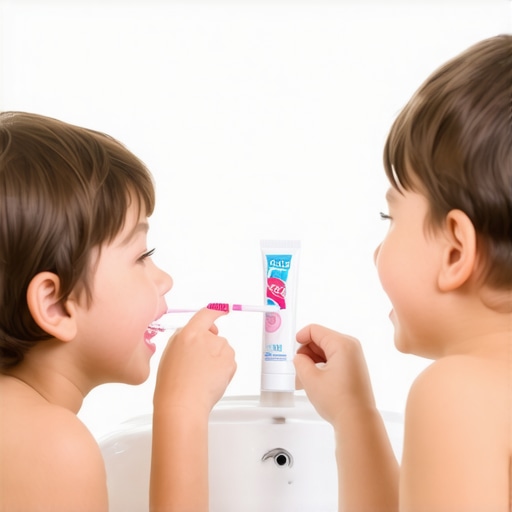
    Practice dental visits at home through role-playing. Use a mirror and your child’s toothbrush, acting as the dentist or assistant. I once let my son be the dentist, checking my teeth with a toothbrush, which made him laugh and feel in control. This playful method demystifies dental equipment and fosters cooperation. Think of it as rehearsing a game where your child is the star—confidence builds with familiarity.

    Offer Positive Reinforcement Post-Visit

    Celebrate their bravery with praise or a small reward, like stickers or an extra story at bedtime. After a successful visit, I highlighted my daughter’s courage, which made her eager for the next appointment. Remember, effective reinforcement is like watering a seed—you cultivate confidence that blossoms over time. Avoid overpromising; keep rewards simple and immediate for best results.

    Maintain Consistent Oral Hygiene Habits at Home

    Regular brushing and flossing create familiarity with dental routines, lessening anxiety at the dentist. Use a child-friendly toothpaste and make brushing fun—perhaps singing a song or using a timer. I found that involving my son in choosing his toothbrush increased his enthusiasm. Think of home care as training for the main event; a well-prepared athlete performs better, just like a confident child during dental visits.

    Stay Informed About Oral Health Topics

    Knowledge reduces uncertainty and builds trust. For example, understanding how crowns work can diminish fear if your child needs one. Ceramic crowns, for instance, look more natural and are durable—learning about these options can reassure both parents and children about treatment choices. To ensure your child’s diet supports oral health, consider the impact of hard water—[learn more about water quality and teeth sensitivity](https://periodontistcare.com/why-soft-water-might-be-making-your-familys-teeth-more-sensitive).

    Many people believe they understand the basics of oral health, but in reality, some widespread assumptions can lead to costly mistakes. For example, a common myth is that teeth whitening damages enamel permanently. While overuse of abrasive products can harm enamel, professional whitening, especially when guided by a dentist, is safe and effective. Another misconception is that all dental crowns are the same; however, recent advancements show that ceramic crowns often provide a more natural appearance and better durability for back molars, contrary to traditional metal options.

    An often-overlooked nuance is the role of water quality in dental health. Many assume that hard water is harmless, but it contains minerals that can contribute to enamel wear over time. Interestingly, soft water might make teeth more sensitive, which is a hidden concern—learn more about this subtle yet impactful factor [here](https://periodontistcare.com/why-soft-water-might-be-making-your-familys-teeth-more-sensitive).

    One advanced mistake many make during family dentistry is neglecting the importance of tongue hygiene. While brushing teeth is standard, neglecting the tongue can allow bacteria to flourish, leading to bad breath and even impacting overall oral health. The proper way to keep the tongue clean without triggering a gag reflex is a nuanced technique worth mastering, as detailed in this post.

    For those considering crowns, understanding the materials is vital. Ceramic crowns have become a preferred choice due to their natural look and biocompatibility, especially for visible teeth. However, some assume that all ceramic crowns are expensive and fragile—this isn’t true anymore, thanks to durable zirconia options and improved bonding techniques. More about choosing the right crown material can be found in this comparison.

    In the realm of teeth cleaning, many believe that more aggressive brushing results in cleaner teeth. But the opposite is true; aggressive brushing can damage gums and enamel, increasing sensitivity and recession risk. The two-minute rule for effective cleaning emphasizes gentle, targeted action.

    Finally, there’s an advanced trap involving DIY dental procedures. Attempting to fix chipped teeth with home remedies or cheap kits can cause more harm than good. Visiting a professional ensures the correct diagnosis and treatment, saving you from long-term issues. Have you ever fallen into this trap? Let me know in the comments.

    Understanding these nuances and avoiding common myths can significantly improve your dental health journey. Stay informed, ask your dentist about personalized advice, and remember: small details often make the biggest difference in maintaining a healthy, beautiful smile.

    Maintaining your dental investments like crowns, implants, and family dental routines requires the right tools and consistent practices. Over the years, I’ve refined my toolkit to ensure long-term success, blending professional-grade equipment with simple, effective habits. In this post, I’ll share the exact tools I rely on to keep my dental work durable and my family’s smiles bright.

    My Go-To Electric Toothbrush for Gentle Yet Effective Cleaning

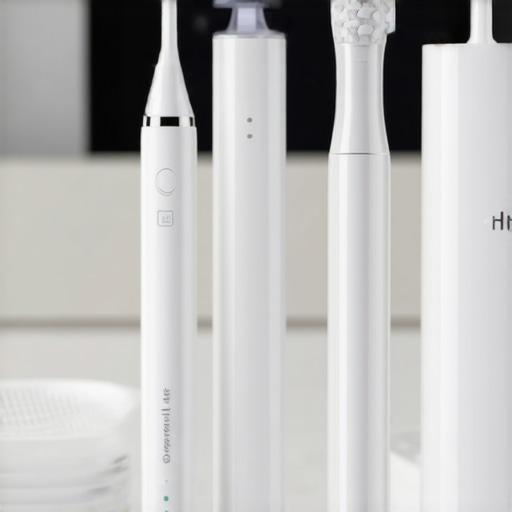
    I swear by a high-quality electric toothbrush, specifically models like the Sonicare DiamondClean. Its oscillating-rotating action effectively disrupts plaque without over-aggressive scrubbing, which can damage gums and wear down crowns. The built-in timers ensure I brush for the full recommended two minutes, and the soft bristle heads are gentle on sensitive areas, especially around crowns and veneers. Regular use of an electric toothbrush reduces plaque buildup and helps maintain the integrity of dental restorations over time.

    Why I Incorporate Water Flossers into My Routine

    Water flossers, such as the Waterpik Ultra, are game-changers in my dental routine. They effectively clean around crowns, bridges, and orthodontic appliances, reaching areas traditional floss can miss. I use mine daily, especially around ceramic crowns, since they provide a thorough clean without damaging the delicate bond. For those with sensitive teeth or gums, water flossers are also less abrasive and promote healthier tissue, reducing the risk of gum recession that can jeopardize dental work’s longevity. Curious about how water quality affects your enamel? Check out this insightful article.

    Ultrasonic Scalers: Professional Tools for Home Maintenance

    While professional ultrasonic scalers are used during cleanings, portable versions with fine-tipped ultrasonic technology have become available for at-home use. I utilize a device like the MI Paste Plus with ultrasonic features once a week to gently remove plaque and tartar buildup, especially around crowns and on exposed root surfaces. This proactive approach prevents decay beneath restorations and extends their lifespan. Of course, I always follow up with my dentist for professional cleanings to ensure everything remains pristine.

    How do I maintain my tools to ensure their effectiveness?

    Regular cleaning of my electric toothbrush heads and water flosser tips is essential. I soak the detachable parts in antibacterial mouthwash once a week, which keeps bacteria at bay and maintains the tools’ efficacy. Replacing toothbrush heads every three months and filters in water flossers every six months are a must for optimal performance. For professional-grade equipment, I follow manufacturer guidelines precisely, sometimes even sterilizing certain parts to prevent cross-contamination. These small maintenance tasks significantly extend the usability and effectiveness of my tools, helping me protect my dental investments for the long term.

    Predictions for future dental maintenance tools

    Advancements in smart dental devices that sync with smartphone apps are on the rise, offering real-time feedback and personalized cleaning tips. Expect to see AI-driven diagnostics and adaptive cleaning modes that tailor the experience to your unique oral health needs, making maintenance more precise and less time-consuming. Staying ahead involves embracing these innovations and integrating them into your routine.

    Question: How do I keep my dental tools in top shape over time?

    Consistent cleaning and timely replacements are key. For example, swapping out brush heads every three months prevents bacteria buildup and ensures effective plaque removal. Additionally, sterilizing ultrasonic tips with alcohol wipes or in a UV sterilizer helps eliminate residual germs. Following manufacturer instructions and scheduling regular professional checkups can also identify potential issues early, preventing costly repairs or replacements. Remember, maintaining your tools is as crucial as using them properly.

    If you’re serious about extending the lifespan of your dental work, I highly recommend incorporating ultrasonic cleaning devices into your routine. They’re a small investment that pays enormous dividends over the years. Just like maintaining a car or any valuable asset, consistent care and the right tools will keep your smile functioning flawlessly for decades to come.

    Three Surprises That Changed the Way I Think About Kids’ Dental Visits

    One of the most profound lessons I learned was that my own calmness significantly influences my child’s experience. I used to think that explaining procedures clearly was enough, but I discovered that demonstrating confidence and patience creates a ripple effect, making the child feel secure. Trust me—your attitude can turn a potential meltdown into a moment of bonding. Also, I realized that involving children in choosing their dental tools or toothpaste fosters ownership, reducing fear. Lastly, I found that celebrating small victories after each visit nurtures positive associations with dental care, setting the foundation for lifelong habits.

    Tools and Resources That Elevate My Family’s Oral Health Journey

    Over the years, I’ve curated a set of tools that make maintaining dental health approachable and effective. The Sonicare DiamondClean electric toothbrush is my go-to because it cleans gently yet thoroughly, especially around crowns and sensitive areas. I also rely on the Waterpik Ultra water flosser to ensure hard-to-reach places around restorations stay clean. For tongue hygiene, I trust the ultrasonic devices like the MI Paste Plus to prevent bacterial buildup, which is often overlooked. Additionally, my dentist’s recommended guides on preparing kids and understanding crowns have empowered me to make informed decisions. These tools are reliable because they blend professional quality with user-friendly features, making routine maintenance less daunting for my family.

    Seizing the Moment to Shield Your Smile—Really

    Your actions today set the tone for your family’s oral health future. Whether it’s incorporating a calming pre-appointment routine, choosing the right toothbrush, or understanding the nuances of crowns and water quality, every step counts. Remember, the more proactive you are—armed with knowledge and the right tools—the smoother and more enjoyable dental care becomes. Imagine waking up each day confident that your family’s smiles are protected and vibrant—because you took charge now. So, what’s one simple change you can implement today to make dental visits a positive experience for your child? Share your thoughts below, and let’s encourage each other to create healthier habits together.

  • Why Your Jaw Aches Every Morning When You Wake Up

    Why Your Jaw Aches Every Morning When You Wake Up

    It was a rough morning when I woke up with a sharp, persistent ache in my jaw that just wouldn’t quit. As someone deeply interested in dental health, I thought I knew why my teeth and gums might trouble me, but this? This was different. I remember yanking my pillow aside and thinking, “Not again!” Have you ever experienced waking up with a throbbing jaw and wondered what’s going on? Well, you’re not alone, and today, I promise to help you uncover the roots of this common yet confusing issue.

    Understanding Why Your Jaw Hurts in the Morning

    The first time I faced this problem, I brushed it off as a one-time thing. But when it happened repeatedly, I realized I needed to dig deeper. Many folks, myself included initially, underestimate how much our nighttime habits, dental health, and even stress levels can influence jaw pain. Often, this discomfort isn’t just a minor annoyance; it could be a sign of underlying issues like bruxism (teeth grinding), misaligned bites, or TMJ disorders.

    One surprising fact I learned early on is that grinding or clenching your teeth during sleep — a condition known as bruxism — can cause significant jaw soreness upon waking. Actually, studies show that nearly 15% of adults experience bruxism, often without realizing it (source: American Dental Association). I made the mistake early in my journey of ignoring the subtle signs, which only worsened my discomfort over time.

    So, what can you do if this sounds familiar? That’s what we’ll explore next. But first, let’s address a common doubt: Is your jaw pain actually worth your concern? You might think, “It’s just a morning ache, nothing serious,” but neglecting it can lead to more severe dental problems, like worn teeth or even joint damage.

    Stay tuned, because I’ll share practical steps to identify the root of your pain and how to tackle it before it becomes a bigger headache. If you’ve ever wondered why your jaw feels tender every morning or struggled with finding relief, you’re in the right place. Now, let’s dive into the crucial causes behind this issue and how you can start solving it today.

    Identify Your Nighttime Habits and Make Simple Changes

    Start by observing how you sleep and any habits that might contribute to jaw tension. Use a mirror or record yourself during sleep to see if you’re grinding or clenching. Consider reducing caffeine and alcohol intake before bed, as they can increase muscle tension. Also, avoid sleeping on your stomach, which often causes misaligned jaw positioning. I recall a time when I noticed I was sleeping with my mouth open, which dehydrated my mouth and worsened jaw pain. Switching to sleeping on my back and using a humidifier helped me reduce symptoms significantly.

    Choose the Right Dental Supportive Devices

    If you suspect bruxism, consult your dentist for a custom night guard. This is like a sports mouthguard but tailored to fit your teeth precisely. It acts as a barrier, preventing teeth from grinding against each other, which minimizes wear and alleviates muscle strain. I once fitted a night guard that seemed bulky at first, but after a week, my morning discomfort vanished. Remember, over-the-counter options may not provide adequate protection—always opt for custom-fitted devices.

    Schedule Regular Dental Check-Ups

    Routine dental visits are essential to assess jaw function, identify misalignments, and detect early signs of TMJ disorders. During these appointments, your dentist can also evaluate the integrity of crowns and fillings that might influence bite alignment. For instance, damaged restorations can create uneven bite forces, leading to nighttime clenching. I had a crown that was slightly high on one side, which I didn’t notice. After adjustment, my jaw pain was greatly reduced, demonstrating how crucial professional oversight is.

    Practice Targeted Jaw Exercises

    Engage in gentle jaw stretches and relaxation techniques to ease muscle tension. For example, open your mouth slowly, hold for a few seconds, and then gently move your jaw side-to-side. Incorporate relaxation of facial muscles by massaging the jaw and temples—this can reduce clenching. I found that doing these exercises before bed helped me sleep more peacefully, decreasing morning soreness. Consistency is key: integrate these routines into your nightly wind-down.

    Address Stress and Anxiety Proactively

    Stress often exacerbates nighttime clenching. Invest time in mindfulness, meditation, or deep-breathing exercises to lower overall tension. If stress impacts your sleep, consider consulting a therapist or using stress management apps. I personally found that writing down worries before bed, along with practicing deep breathing, improved my sleep quality and reduced jaw pain over time. Managing stress not only benefits mental health but directly impacts your dental well-being.

    Monitor Your Diet and Hydration

    Stay well-hydrated throughout the day to prevent dry mouth, which can increase clenching reflexes. Limit crunchy, chewy, or sticky foods that might strain your jaw during the day. Incorporating foods rich in magnesium and calcium may help relax muscles. I noticed that reducing my sugar intake and drinking plenty of water helped lessen evening muscle tension. These simple dietary adjustments can support your efforts to improve jaw health.

    Maintain Optimal Oral Hygiene Practices

    Good dental health plays a role in preventing pain and discomfort. Use a soft-bristled toothbrush and avoid aggressive brushing, which can irritate gums and worsen inflammation. Floss gently to remove plaque without damaging gums. Regular professional cleaning removes tartar buildup that could affect bite and jaw alignment. I recommend reviewing your habits with your dentist to ensure you’re not overdoing it—because cleaning too hard can be just as damaging as not flossing at all. For more tips, check this guide on gentle cleaning.

    Many patients and even some dental professionals hold misunderstandings about oral health care that can lead to costly mistakes. A common myth is that all dental treatments are equally necessary for everyone, but the reality is that individual needs vary significantly based on age, genetics, and lifestyle. For example, routine crowns might seem universally appropriate, yet some individuals may not require them until structural damage actually occurs, not just because of aesthetic concerns. This emphasizes the importance of personalized dental care plans, rather than a one-size-fits-all approach.

    Can Over-the-Counter Solutions Harm Your Dental Health?

    Many believe that using over-the-counter whitening kits or abrasive toothpaste is harmless, but excessive or inappropriate use can cause enamel erosion and gum irritation. In fact, studies suggest that using non-prescribed whitening products too frequently can weaken tooth structure over time (source: American Dental Association). Always consult your dentist before trying new products, especially if you have sensitive teeth or existing restorations. Another frequently overlooked nuance involves family dentistry practices where parents assume that kids’ primary teeth don’t need as much attention since they fall out eventually. However, early preventive care—including sealants and fluoride treatments—can prevent future issues like cavities and misalignment. Ironically, neglecting children’s dental health during those formative years often results in more invasive procedures later on. Remember, quality teeth cleaning isn’t just about aesthetics; it’s about maintaining periodontal health, preventing decay, and avoiding more complex interventions. For instance, thorough cleanings help address hidden plaque buildup that could otherwise lead to gum disease—a risk often underestimated by patients. If you’re curious about how professional cleanings surpass regular brushing, check out this detailed guide on over-the-counter whitening kits and their limitations. Moreover, many assume that flossing hard and aggressively is the most effective way to clean between teeth. In reality,* over-flossing can damage gums and cause recession*, which ironically increases sensitivity and decay risk. Proper flossing technique, combined with gentle pressure, is crucial to reap benefits without harm. This subtle nuance highlights that more isn’t always better—mindful practices matter. As you can see, many misconceptions about oral health stem from a lack of deeper understanding of the function and purpose of common treatments. Engaging with your dentist about these details can help you avoid pitfalls and optimize your dental care routine. Have you ever fallen into this trap? Let me know in the comments! Remember, a healthy smile is rooted in informed choices—so stay curious, and never hesitate to ask your dental provider about the nuances that matter most to you.Maintaining your dental health over the years requires more than just regular brushing and flossing; investing in the right tools can make all the difference in ensuring your smile stays healthy and vibrant. One device I swear by is a **sonic toothbrush**. Unlike manual brushes, sonic models utilize high-frequency vibrations to remove plaque more thoroughly, reaching into hard-to-access areas and reducing the risk of gum disease. I personally prefer the Philips Sonicare DiamondClean because its multiple brushing modes cater to sensitive teeth and deep cleaning needs, making daily maintenance more effective.

    Next, I always include a **water flosser** in my routine. Not only does it beeline plaque removal, especially around crowns and braces, but it also helps flush out debris from periodontal pockets. I find that using a water flosser like the Waterpik Aquarius significantly enhances my gum health and makes flossing less cumbersome, especially if I have limited dexterity or sensitive gums. Proper flossing technique is critical—over-flossing can harm gums, so I recommend reviewing techniques from this helpful guide.

    For managing long-term results, routine professional cleanings should not be overlooked. A **periodontist’s ultrasonic scaler** is an invaluable tool for deep cleaning beyond what home care can achieve, removing tartar buildup beneath the gums and preventing periodontal disease. I have my teeth professionally cleaned with this device every six months, which drastically reduces the chance of needing invasive procedures later. Remember, consistent maintenance with advanced tools preserves your investment in the health of your crowns and restorations.

    How do I maintain my dental tools over time?

    Proper hygiene of your dental devices ensures their longevity and effectiveness. Rinse sonic toothbrush heads thoroughly after each use, dry them, and replace every three months. Water flossers should also be cleaned regularly—soaking the tip in a vinegar solution monthly keeps bacteria at bay. Authentic replacement parts, such as brush heads and nozzles, are vital to avoid cross-contamination and ensure optimal performance. Many dental professionals now recommend integrating **digital tools** like appointment reminders and progress tracking apps. Using dental care software, such as Dental Monitoring, helps identify areas you might neglect between visits and keeps your routine on track as you aim for lasting results.

    The future of oral health maintenance lies in smart technology: toothbrushes syncing with mobile apps to guide brushing patterns and even AI-driven diagnostics that detect early signs of decay. Staying ahead with these innovations offers a promising pathway to preserving your smile long-term.

    Don’t forget to include maintenance routines for crowns and restorations. Regular checks can prevent minor issues from escalating. For example, using a gentle, interdental cleaner around crowns can prevent plaque buildup that might lead to decay underneath. Check out this article for tips on protecting your dental investments effectively. If you want to elevate your routine, try incorporating a **coral calcium supplement**—research from the National Institute of Dental and Craniofacial Research suggests that proper mineral levels support enamel strength over time. Incorporate these tips into your daily habits, and you’ll set the stage for a smile that endures.

    The Lessons I Had to Unlearn About Dental Care

    One of the biggest revelations in my journey to better oral health was realizing that quick fixes often mask deeper problems. I used to believe that using abrasive whitening pastes or ignoring minor discomforts wouldn’t matter—until I learned they could cause long-term harm, like enamel erosion or gum recession. This taught me that patience and tailored care, like consulting professionals and understanding my habits, are far more effective than shortcuts.

    Another lesson was about the importance of personalized dental routines. Trusting generic advice without considering my unique situation, such as my bite alignment and stress levels, led to setbacks. It became clear that discussing specific concerns with my dentist, and customizing my routine—whether with tools like a specially fitted night guard or exercises—made a significant difference. It’s a reminder that your mouth’s needs are as individual as your fingerprints.

    Lastly, I learned that awareness and early action prevent many issues from escalating. Waking up with jaw pain used to seem like a minor inconvenience, but now I see it as a warning sign. Recognizing symptoms early and addressing them—like addressing habits that contribute to clenching—can save you from costly procedures down the line. Prevention truly is the best medicine when it comes to your dental health.

    Tools That Transformed My Dental Routine

    My essential toolkit now includes a **sonic toothbrush** because its high-frequency vibrations clean more thoroughly than manual brushes, especially around crowns and braces. I also rely on a **water flosser**, like the Waterpik Aquarius, which makes flossing around dental work and in tight spots effortless and effective.

    If you’re battling bite misalignments or nighttime grinding, a **custom night guard** from your dentist is invaluable. It’s worth the investment because it directly reduces muscle strain and preserves your teeth. Regular visits to a trusted dental professional, like the team at your dental clinic, ensure early detection of issues and tailored advice.

    Completing my routine, I incorporate targeted **jaw exercises** and stress management techniques—like mindful breathing—to relax tense muscles. Smart technology, such as apps that guide relaxation, further supports my journey to pain-free mornings. Together, these tools and habits empower me to maintain a healthy, happy smile for years to come.

    Your Next Step Toward Restful Mornings

    Understanding and addressing morning jaw pain isn’t just about quick relief; it’s about reclaiming the quality of your daily life. Don’t wait until discomfort becomes a routine—start paying attention to your habits and seek professional guidance if needed. Small changes, like sleeping position or stress reduction, can have a profound impact. Remember, your dental health is a cornerstone of your overall well-being, so invest in it wisely and consistently.

    Are you ready to take control of your morning routine and protect your smile? Share your experiences or questions below—I’d love to hear how you’re planning to improve your dental health today!

  • How to soothe a canker sore overnight

    How to soothe a canker sore overnight

    I remember the first time I woke up with that fiery, stabbing pain in my mouth and realized I had a canker sore. It was late at night, and I had an important meeting the next day. Panic set in—I knew I needed to find a way to soothe that relentless discomfort fast, but most remedies seemed like a shot in the dark. That frustrating moment was a lightbulb for me: I needed practical, proven tips to calm a canker sore overnight.

    Why Immediate Relief Matters So Much

    Most of us underestimate how much a painful sore can disrupt our day. Eating, talking, even sleeping can become nightmares. It’s not just about discomfort; it’s about maintaining your confidence and ensuring your oral health isn’t compromised further. A canker sore is often a small lesion, but its effects can ripple into your daily life, making simple tasks seem monumental. That’s why knowing how to manage this pain instantly isn’t just convenience—it’s a necessity.

    Every year, millions suffer from recurrent canker sores, and surprisingly, many aren’t aware of quick remedies that work overnight. I’ve tried countless tricks—some effective, others just a waste of time—and I want to share the ones that truly made a difference for me. Trust me, with a few simple steps, you can turn the tide in your favor and wake up feeling a lot better.

    Are you tired of waking up to that fiery pain and feeling helpless? Believe me, I’ve been there—and I know a few tricks that can bring relief fast. Keep reading, because the solution isn’t as elusive as you might think. Before we dive into the practical steps, I want to touch on a common mistake many folks make early on that can actually worsen the pain—so you can avoid falling into that trap.

    Let’s get you comfortable and back to your normal routine as quickly as possible.

    Target Your Sore Directly with Topical Agents

    Apply a specialized oral gel containing benzocaine or hydrogen peroxide directly onto the canker sore using a clean finger or applicator. During my own experience, I gently dabbed the gel onto the sore before bed, which created a numbing barrier that significantly reduced pain throughout the night. This creates a protective coat that minimizes irritation from talking or eating, effectively soothing the pain. Make sure to follow the dosage instructions carefully. Having an oral gel in your emergency kit can be a game-changer for sudden discomfort between dental visits.

    Use Rinses with Healing Properties

    Create a Salt or Baking Soda Rinse

    Mix a teaspoon of salt or baking soda into a cup of warm water. Swish this solution around your mouth for 30 seconds, then spit it out. I found that doing this twice before bed helped reduce inflammation and kept bacteria at bay. The salt or baking soda’s antiseptic properties accelerate healing and prevent infection. This rinse acts like a mini-cleaning session that cleanses and calms the sore.

    Incorporate Hydrogen Peroxide Rinses Carefully

    Dilute 3% hydrogen peroxide with equal parts water, then swish gently for 15-20 seconds, avoiding swallowing. This process disinfects the area, helping speed up healing. I experienced notable relief after a single rinse, especially when combined with topical agents. Practice caution since overuse can irritate tissues. For safe usage tips, see hydrogen peroxide guidelines.

    Manage Inflammation with Cold Compresses

    Applying a cold pack or ice wrapped in a cloth to the outside of your cheek reduces swelling and numbs pain. I held an ice pack against my face for 10-minute intervals, alternating sides if needed. The cold constricts blood vessels, lessening inflammation and providing immediate relief. Think of it as closing a leaking dam — temporarily stopping the flow to reduce damage and discomfort. For best results, do this shortly before bedtime to keep pain at bay overnight.

    Adjust Your Sleeping Position Strategically

    Elevate your head with an extra pillow to prevent blood from pooling around the sore, which can intensify pain. I experimented with different pillow heights and noticed that sleeping with my head elevated kept inflammation minimal, helping me wake up more comfortable. Elevation reduces blood flow to the affected area, lessening throbbing sensations. Imagine turning your bed into a gentle hill — this simple change can make a big difference when fighting nighttime discomfort.

    Maintain Oral Hygiene Without Aggravating the Sore

    Brush gently around the sore using a soft-bristled toothbrush and avoid harsh fluoride rinses. Instead, use a mild, alcohol-free mouthwash or a prescribed rinse recommended by your dentist. During my own flare-up, I limited brushing on the sore area and focused on cleaning other parts, ensuring no food particles trapped worsened the pain. Keeping your mouth clean prevents bacterial buildup, which can hinder healing. Learn more about protecting sensitive areas at gentle oral care tips.

    Many patients assume they understand family dentistry, oral health, and teeth cleaning, but there are subtle pitfalls and misconceptions that can undermine even the most diligent routines. One common myth is that professional cleanings alone can prevent cavities and gum disease; however, without addressing hidden spots like the areas behind molars or within gum pockets—such as the spot where plaque always hides from brushes—disease can silently develop despite regular visits. For instance, neglecting thorough cleaning around dental crowns or existing restorations can lead to undetected leaks or decay underneath, which many overlook. Moreover, a frequent mistake is using overly harsh brushing techniques or abrasive toothpaste, thinking more scrubbing accelerates cleaning, but this can actually wear down enamel or gum tissue, leading to increased sensitivity or recession. Instead, gentle yet effective brushing combined with proper flossing targeting these overlooked zones makes a significant difference.

    Have you ever fallen into this trap? Let me know in the comments.

    Why Do So Many Overlook the Importance of Plaque in Hidden Areas?

    Research shows that plaque accumulates most rapidly in hard-to-reach areas, like the back molars, around dental appliances, and beneath crowns. Ignoring these spots can cause decay and inflammation, which might only become apparent when serious issues arise, like infections or the need for a crown replacement. Professionals emphasize the importance of specialized tools, such as interdental brushes or water flossers, to clean these concealed zones effectively. Without attention to these nuances, patients may believe they are maintaining optimal oral hygiene, but plaque buildup remains a silent threat, ultimately risking their dental restorations and overall health. For tips on cleaning around dental crowns or bridges, visit https://periodontistcare.com/the-best-way-to-clean-around-a-permanent-dental-bridge-or-crown.

    Another misconception involves assuming that whitening or bleaching treatments are a substitute for good oral hygiene. In reality, these treatments can’t address plaque or tartar and may even worsen sensitivity if pre-existing issues are ignored. Regular professional cleanings combined with personalized home care routines are essential for long-term oral health. The advanced mistake many make is not customizing their hygiene practices based on individual dental conditions—what works for one patient may not be suitable for another. Consulting your dentist for tailored advice can prevent these common pitfalls.

    Why do many people overlook the crucial role of early detection in oral issues? The truth is, small problems like minor leaks under old crowns or early signs of gum recession are often missed until they become severe. Staying vigilant about subtle changes—such as increased sensitivity, bleeding, or discoloration—can save you from complex procedures later. Regular check-ups and understanding the nuances of your unique oral anatomy are key to proactive care.

    If you’re interested in learning more about how to optimize your family dental routines and avoid these advanced mistakes, explore resources like https://periodontistcare.com/the-signs-your-old-crown-has-a-leak-underneath-the-surface and https://periodontistcare.com/the-hidden-spot-in-your-mouth-where-plaque-always-hides-from-brushes. Remember, awareness of these nuances can significantly improve your oral health journey.Maintaining optimal oral health over the years requires more than just regular brushing and visits to the dentist; it involves investing in the right tools and adopting effective techniques. As someone deeply passionate about family dentistry, I’ve discovered that having specialized equipment at home can significantly prolong the lifespan of dental restorations like crowns and prevent issues before they escalate. In this post, I’ll share the precise tools I rely on daily, explain why they matter, and predict where oral care technology is heading.

    Why a High-Quality Water Flosser Matters More Than You Think

    The water flosser has revolutionized my approach to interdental cleaning. Unlike traditional floss, I use a model with adjustable pressure settings and targeted nozzles, such as the Philips Sonicare AirFloss. This device effortlessly reaches the hidden spots where plaque tends to accumulate, especially around crowns and bridges. It’s particularly effective for family members with braces or dental implants. Having tested various models, I find that those with pulsating jets dislodge debris more thoroughly and can be used gently around sensitive gum areas, reducing bleeding and inflammation. Investing in a reliable water flosser ensures that maintenance chores become a quick, pleasant routine rather than a chore.

    Advanced Ultrasound Cleaners for Professional-Grade Results

    Ultrasound dental cleaners, like the Glissando Ultrasonic Cleaner, are underrated tools in personal oral hygiene. I use it weekly to cleanse retainers, mouthguards, and even hard-to-clean crowns. The ultrasonic vibration dislodges calculus and biofilm without abrasive chemicals. This device complements routine brushing, keeping all appliances in prime condition and preventing microscopic buildup that could undermine a crown’s integrity or the health of underlying tissues. For families, especially those with kids or seniors, reducing routine visits for small issues is a game-changer — and a handy investment.

    Smart Brush Technology to Track Your Brushing Habits

    Manual brushing can’t reliably ensure coverage of all surfaces, especially those neglected corners behind molars. That’s why I recommend smart toothbrushes like the Oral-B Genius X. Equipped with sensors and AI, it provides real-time feedback on brushing technique, duration, and pressure applied. I have personally found this invaluable, as it taught my family members to brush more thoroughly and avoid over-aggressive scrubbing that damages gums. By syncing the device to a smartphone app, you receive personalized tips aligned with your dental history, making long-term maintenance more manageable and less guesswork.

    Predicting the Future of Oral Hygiene Tools

    The trend toward integrated digital health solutions suggests that in a few years, your toothbrush might communicate directly with your dentist or orthodontist, alerting them to early signs of decay or crown leakage. Machine learning algorithms will analyze your daily habits and recommend customized routines or even suggest visits when anomalies are detected. Already, AI-powered apps are starting to analyze photos of your mouth taken with your phone, providing instant feedback on potential issues like new cavities or gum inflammation. Staying ahead means embracing these innovations now — and trusting that emerging tools will empower families to maintain healthier smiles effortlessly.

    How do I sustain these tools over time?

    Regular maintenance is crucial. Clean your water flosser heads and ultrasonic cleaner parts weekly using mild soap and warm water. Replace brushes and nozzles as recommended, typically every three to six months, to avoid harboring bacteria. Keep your smart toothbrush’s firmware updated for optimal performance. Remember, investing in durable, high-quality tools saves you money and ensures your dental health remains uncompromised for years. In addition, consult your dentist once annually to confirm that your at-home routine complements any restorative work like crowns or implants. To explore how to keep your crowns in top shape, visit the hidden plaque-prone areas.”}**

    After years of battling recurrent canker sores, I discovered that the real game-changer lies in personalized, strategic care tailored to what actually accelerates healing. The trick isn’t just about quick fixes but understanding your mouth’s unique response to different remedies. For instance, some over-the-counter gels work wonders for me, but others cause irritation. Learning which ingredients soothe rather than inflame can shave days off discomfort, transforming the way you handle these pesky outbreaks. Remember, every mouth is different—trust your intuition and keep track of what truly works for you.

    What I Wish I’d Known Before My First Canker Sore Fight

    • Start treating the sore as soon as you notice that tingling sensation—delaying just a few hours can prolong the pain and delay healing.
    • Not all remedies are created equal; I’ve learned that natural rinses like honey or aloe vera can reduce inflammation when used consistently.
    • Beware of harsh mouthwashes—they may seem soothing but can actually irritate and slow down recovery.
    • Using a soft-bristled toothbrush and avoiding abrasive toothpaste during an outbreak can make a significant difference in comfort.
    • Keeping track of your triggers—like certain foods or stress—helps prevent future flare-ups and cuts down on the severity of sores.

    How I Enhanced My Oral Hygiene Routine to Prevent Future Sours

    Investing in high-quality tools like a gentle water flosser and an ultrasonic cleaner has not only kept my mouth healthier but also reduced the risk of sore recurrence. For those with crowns or sensitive gums, maintaining meticulous hygiene around dental work is crucial. Regularly [cleaning around crowns](https://periodontistcare.com/the-best-way-to-clean-around-a-permanent-dental-bridge-or-crown) ensures no hidden plaque becomes a brewing ground for irritation. Plus, switching to a soft-bristled toothbrush and using tailored fluoride rinses supports overall healing and strength.

    Embrace the Power of Early Detection and Regular Check-Ups

    Beyond quick remedies, educating yourself about early signs—like unusual tenderness or small white spots—can alert you to upcoming flare-ups before pain becomes unbearable. Consistent dental visits, where your dentist can spot and address minor issues, are invaluable. They can also advise on customized oral care routines, including the best products for sensitive areas or new crown maintenance. Trust in proactive care sets the foundation for fewer painful surprises and sustained oral health.

    Never Underestimate Your Mouth’s Voice

    Listening to your body’s subtle signals pays dividends. Tiny changes in sensation or appearance might seem minor but signal deeper issues that, if caught early, can be easily managed. Staying vigilant about your oral health, especially around crowns, fillings, and soft tissues, ensures you’re not just treating symptoms but preventing bigger problems. Remember, your smile is your best asset—protect it by paying close attention and engaging with your dental team regularly.

    What’s the weirdest remedy you’ve tried for a canker sore? Share your stories and tips below—I’d love to hear what has or hasn’t worked for you!

  • How to tell if your wisdom teeth are finally coming in

    How to tell if your wisdom teeth are finally coming in

    I still remember the moment I first suspected my wisdom teeth were trying to make an appearance. It was late at night, and I was woken up by a dull, persistent ache in the very back of my mouth. It wasn’t sharp enough to be a cavity, but it definitely wasn’t normal tooth sensitivity either. That ambiguous discomfort turned into a confusing puzzle—how do you actually know if those elusive third molars are finally breaking through the gums?

    It’s a question many of us have struggled with, especially in the early stages when the signs are subtle and easy to miss. You might feel some increased pressure, notice swelling, or experience occasional tenderness—things that seem minor but could be early signals. The tricky part is, everyone’s experience differs. Some people’s wisdom teeth emerge with a bang, causing significant pain and swelling. Others hardly feel a thing until the teeth are fully erupting.

    Today, I want to share my personal journey and some straightforward methods to help you determine if your wisdom teeth are finally coming in. By understanding the usual signs and what to look for, you can avoid the panic or confusion that often accompanies this natural, if uncomfortable, process. Plus, I’ll debunk some common myths and point you toward reliable resources for further help.

    Spotting the Signs of Wisdom Teeth Eruption

    Is That a Real Sign or Just Gum Discomfort?

    When I first noticed some tenderness at the very back of my jaw, I thought it was just another gum irritation from too much snacking or poor brushing. Turns out, wisdom teeth can cause similar sensations long before they fully emerge. Key indicators include persistent dull aches, swelling along the gumline, or a feeling of pressure that doesn’t go away.

    A helpful tip is to gently feel around the back of your mouth with your tongue or a clean finger—if you notice a bump or a rough area where the tooth is pushing through, it’s likely an early sign. Sometimes, the swelling isn’t visible but can be palpated from outside your cheek or jaw.

    If you’re unsure, scheduling a visit to your dentist or orthodontist is the best move. They can provide x-rays to confirm the status of those third molars and advise on whether they pose risks like impaction or crowding. Remember, ignoring early signs can lead to complications like infections or misalignment down the line.

    For more detailed information on what to expect when your wisdom teeth start coming in, check out this guide on managing dental anxiety before appointments. Or, if you’re worried about pain and swelling, my favorite quick relief trick involves warm salt water rinses—an easy, natural way to reduce inflammation.

    Just like with crowns or other dental work, catching the signs early can make a big difference in your comfort and oral health. So, have you experienced these early warning signs? Or are you still unsure what’s normal versus something to worry about?

    Stay tuned, because next, I’ll walk you through practical steps to confirm whether your wisdom teeth are truly making their debut and how to prepare for the inevitable visit to your dentist.

    Perform a Gentle Self-Exam

    Start by rinsing your mouth with warm salt water to reduce any existing inflammation, making it easier to feel for signs of eruption. Then, use a clean finger or tongue to explore the very back of your mouth, paying close attention to the gumline. If you feel a bump, ridge, or rough patch where there was none before, it could indicate that your wisdom teeth are pushing through. I remember one evening when I gently probed my gums after a warm rinse and felt a small, firm bump — this was my first tangible sign of eruption. Carefully compare both sides; sometimes, one wisdom tooth emerges earlier than the other.

    Look for Visible Signs

    In addition to feeling for bumps, inspect your mouth for swelling, redness, or tenderness along the back of your gums. Use a mirror or ask someone to help if visibility is limited. Swelling might appear as a bulge or puffiness, sometimes accompanied by slight bleeding if your gums are inflamed. When I noticed redness and a tiny spot of bleeding during brushing, it was a clue that my wisdom tooth was nearing emergence. Remember, persistent discomfort or swelling that doesn’t resolve within a week warrants a dental check-up.

    Assess Changes in Your Jaw and Tooth Alignment

    Notice if there’s increased pressure or a feeling of fullness in your jaw, especially when opening your mouth wide. Often, wisdom teeth cause a sensation of tightness or slight shifting in neighboring teeth. Feel your jaw joints for any clicking or soreness. For example, I experienced mild jaw ache that I initially attributed to stress, but a closer look revealed it coincided with some pressure in my back molars. These subtle cues can be invaluable in determining if your third molars are making their debut.

    Utilize Over-the-Counter Tools for Confirmation

    Some dental shops sell inexpensive oral health kits that include items to help detect eruption signs, like specialized dental mirrors or disposable x-ray strips. While not definitive, they can offer additional insights. However, for absolute certainty, scheduling an appointment with your dentist for an X-ray is crucial. Think of it as a GPS for your mouth—picture my surprise when a quick x-ray revealed a partially erupted wisdom tooth I hadn’t felt yet! This confirms that physical signs, while useful, should be backed by professional imaging.

    Consult Your Dentist for a Definitive Answer

    If you notice any of these signs but remain unsure, do not delay in booking a dental appointment. Dentists can perform a comprehensive exam and take digital x-rays, which clearly show the position of your wisdom teeth. They can distinguish between normal gum discomfort and actual eruption. For instance, I once ignored mild discomfort, thinking it was minor, only to find out later that my wisdom tooth was impacted and developing infection. Early detection through professional evaluation prevents complications like impaction or crowding.

    By combining self-examinations with professional advice, you can accurately determine if your wisdom teeth are coming in. Remember, patience is key; eruption can take months, but early signs are easier to catch now rather than later when discomfort intensifies. If you’re still feeling unsure, consider reviewing this guide on managing dental symptoms to learn more about what to watch for and how to prepare for your next dental visit.

    Many patients believe they understand oral health basics, but in reality, certain myths persist that can adversely affect their dental well-being. One widespread misconception is that all dental restorations, like crowns, are lifelong without the need for maintenance. In fact, crowns can develop issues like leakage or wear over time, which underscores the importance of regular check-ups. For example, a loose crown isn’t always a prompt for total replacement; sometimes, it merely requires re-cementing, but ignoring it can lead to decay or further damage. Being proactive in maintenance can prevent more invasive procedures later. To learn more about handling crown issues early, visit this guide on dental crown emergencies.

    Another commonly overlooked area is the significance of family dentistry tailored for different age groups. Many think that once children are past the toddler stage, ongoing dental care isn’t critical. However, early adult habits significantly influence long-term health, as pointed out by experts who emphasize regular exams and cleanings for all ages. Skipping routine professional cleanings can lead to tartar buildup, which even diligent brushing might miss. In fact, some patients don’t realize that professionally cleaning your teeth involves more than just scraping plaque; it also addresses stained areas and hard-to-reach spots that promote decay.

    Furthermore, many assume that teeth cleaning is just about freshening breath. While cosmetic benefits are noticeable, the real advantage lies in preventing gum disease and cavities, which are silent but destructive. Accurate cleaning requires specialized tools and techniques, including scaling and polishing by a dental professional. A common mistake during at-home cleaning is overzealous brushing or flossing, which can damage delicate gums, especially if they’re already inflamed. As the saying goes, “brush smarter, not harder.” For more tips on gentle but effective cleaning, check out this article on proper gum care.

    What most people get wrong about advanced dental procedures, such as teeth whitening or orthodontics, is underestimating their complexity. They believe a whitening strip is sufficient or that braces are purely cosmetic. However, these treatments require professional oversight to ensure safety and effectiveness. For instance, overusing whitening agents without guidance can cause enamel erosion, leading to increased sensitivity. Similarly, choosing DIY orthodontic kits can result in misalignments or bite issues that may necessitate costly corrections. It’s vital to consult your dentist about the best options tailored to your specific needs. For nuanced insights into whitening safety, consider reading this comprehensive review.

    Have you ever fallen into this trap of misconceptions? Let me know in the comments. A professional understanding of oral health nuances not only helps prevent problems but also ensures you get the most out of your dental care.Maintaining your dental restorations and overall oral health requires more than regular brushing and flossing; it involves the right tools and proactive strategies. Personally, I rely on a selection of specific instruments that help me keep up with my dental routine and catch issues early, ensuring my smile remains healthy over the years.

    One tool I highly recommend is a **quality ultrasonic toothbrush**. Unlike standard electric brushes, ultrasonic models use high-frequency vibrations to disrupt plaque and reach difficult areas, especially around crowns and implants. For me, this has significantly reduced gum inflammation and prevented decay around my restorations because it’s gentle yet effective—perfect for long-term maintenance.

    Another essential item is a **dental plaque disclosing tablet**. These chewable tablets stain areas of plaque that have been missed, making it visually clear where my brushing needs improvement. I use them once a week to evaluate my technique and identify hidden spots, particularly around complex restorations like crowns and bridges. This habit has helped me avoid many issues like discoloration or calcified plaque buildup.

    For deep cleaning, I incorporate a **perio-friendly water flosser**. I prefer models with adjustable pressure settings and specialized tips for crowns and braces. I’ve noticed that using a water flosser daily significantly reduces inflammation and prevents the formation of dark gums around old dental work—a common concern. Regular use of such tools is supported by research indicating their effectiveness in reducing gingival bleeding compared to manual flossing alone.

    Looking ahead, advancements in dental technology point toward AI-assisted oral health monitoring. Devices that connect to smartphone apps, analyzing images of your teeth and gum tissue, are becoming more accurate and accessible. These tools can notify you about early signs of decay or gum disease, prompting timely visits. The trend suggests that in the future, personalized, at-home oral health management will be the norm.

    So, how do I maintain my dental work over time? First, I schedule semi-annual professional cleanings to catch issues that brushing might miss. During these visits, my dentist checks for signs of darkening or damage around crowns, which can indicate issues like micro-leakage or material degradation. For instance, paying attention to the health of porcelain crowns is crucial, as they can develop micro-cracks that are invisible to the naked eye, leading to decay underneath; a thorough exam can catch this early.

    Next, I consistently scrutinize my oral hygiene routine using tools like disclosing tablets and water flossers to ensure I’m cleaning all nooks and crannies. This proactive approach helps preserve the integrity of crowns and natural teeth alike. For example, regular cleaning around a crown’s margins prevents dark lines and gum recession, which are common signs of neglect.

    Finally, staying informed about the latest research, such as the impact of different materials on long-term durability, helps me choose the most resilient options. Zirconia crowns, for example, have shown remarkable longevity and resistance to chipping, making them a smart choice for durable restorations. This comprehensive maintenance routine can extend your dental work’s lifespan and ensure your oral health remains optimal.

    Don’t forget to incorporate tools designed specifically for your needs. Try out a high-quality ultrasonic toothbrush tonight and see how much easier it becomes to keep your crowns and natural teeth clean. For more tips on maintaining your smile after professional treatments, explore this helpful guide for lasting results.

    The Hardest Lesson I Learned About oral health,crowns,family dentistry,teeth cleaning

    One of the most profound realizations I had was that consistent, gentle care surpasses aggressive routines. I once thought scrubbing harder meant cleaner teeth, but I learned that over-brushing damages gums and enamel, making future treatments more complicated. A mindful, balanced approach to oral hygiene is essential for longevity.

    3 Myths About oral health,crowns,family dentistry,teeth cleaning That Held Me Back

    I believed that dental crowns last a lifetime without maintenance, which isn’t true. Regular check-ups are vital to preserving restorations. Additionally, I once thought professional cleanings were only necessary when bothered by symptoms—turns out, preventive visits save money and discomfort in the long run. Debunking these myths transformed my dental habits into proactive steps.

    What Experts Won’t Tell You About oral health,crowns,family dentistry,teeth cleaning

    Many professionals don’t emphasize the importance of personalized tools like ultrasonic toothbrushes or plaque disclosing tablets, which I now rely on daily. These tools uncover hidden buildup and improve cleaning efficiency, especially around crowns and bridges. Embracing such insights has elevated my oral care routine beyond conventional brushing.

    Curated Resources for a Smarter Smile

    For those eager to deepen their understanding, I recommend exploring trusted websites like the American Dental Association, which provides evidence-based tips on crowns and family dentistry. My favorite book, "Smile Makeover Secrets," offers practical advice on maintaining restorations and natural teeth. Additionally, online platforms like this resource help identify individual risks like cavities, empowering you to personalize your preventive measures.

    Your Next Step Toward Confidence

    Remember, every smile is unique, and understanding the nuances of oral health,crowns,family dentistry, and teeth cleaning equips you to face dental challenges with confidence. Take action today—schedule that check-up, invest in reliable tools, and embrace the knowledge that supports your best smile yet. Your healthier, brighter future starts with a single step—are you ready to make it?

  • How to manage dental anxiety without using heavy sedation

    How to manage dental anxiety without using heavy sedation

    It was a morning like any other, but as I sat in the dental chair, my hands clammy and my mind racing, I realized my fear had become a barrier I couldn’t ignore anymore. That gnawing anxiety, which many of us brush off as just nerves, was more like a wall I couldn’t break through. I remember the rush of panic when I thought about the sound of the drill, the bright overhead light, and the strange familiarity of feeling helpless. It hit me—I was avoiding dental visits altogether, risking my oral health for the sake of fear. That moment was my lightbulb; I knew I had to find a way to manage my dental anxiety without resorting to heavy sedation. Today, I want to share what finally worked for me and, more importantly, how you can approach your dental fears with realistic, gentle strategies.

    Why Managing Dental Anxiety Matters More Than Ever

    Dental health isn’t just about a bright smile; it’s a cornerstone of overall well-being. Yet, for many people, fear of the dentist keeps them from getting routine cleanings and necessary procedures, which can lead to more serious issues down the line, like infections or gum disease. Skipping appointments might seem like a simple way to avoid discomfort, but it often backfires, making dental problems worse. I’ve learned that handling anxiety isn’t about avoiding the dentist completely—it’s about empowering yourself to face those appointments with confidence.

    Interestingly, studies show that around 50% of adults experience some level of dental anxiety, and about 9% avoid dental visits altogether because of it (American Dental Association). That’s a significant chunk of the population missing out on essential care. Early on, I made the mistake of thinking that my fear was just a personality quirk—something I had to endure or avoid at all costs. That mindset only made things worse, creating a cycle of avoidance and worsening oral health. The good news is, with a few practical tweaks, managing this anxiety can become part of your routine.

    Is It Really Possible to Stay Calm During Dental Visits?

    When I first grappled with my fears, I believed I needed heavy sedation or deep relaxation techniques to get through. But over time, I discovered that the real key was understanding what triggers my anxiety and learning simple, effective strategies to counteract it. Small steps like breathing exercises, distraction techniques, and clear communication with my dentist made all the difference. Don’t let the idea of sedation be your only hope—you’re more capable than you think.

    One thing I definitely avoided early on was talking openly with my dentist about my fears. I thought I had to soldier through it silently, which only increased my stress. Now, I know that informing your dentist about your anxiety can lead to accommodations that make the experience less daunting. For example, some professionals offer noise-canceling headphones or can schedule shorter, more relaxed visits.

    If this resonates with you, you’re not alone. Many people find themselves in the same boat, wishing for a way to make dental visits less terrifying. The good news is that, with a little effort and guidance, managing dental anxiety without heavy sedation is not just a dream—it’s entirely achievable. Ready to learn how I transformed my fears into manageable steps? Let’s dive into practical strategies that could help you enjoy a healthier, less stressful relationship with your dentist.

    ,

    Get Comfortable Before Your Appointment

    Start by creating a calming routine the night before. Set out your dental tools, like your favorite toothbrush and floss, to reduce morning stress. Visualize a positive experience, imagining yourself relaxed during the procedure. When I had my first anxious visit, I took a few minutes to breathe deeply and remind myself that my dentist was there to help, not hurt. This small step significantly reduced my nerves.

    Communicate Openly With Your Dentist

    Before the appointment, call your dental office to discuss your fears. Let them know if you have sensitive gums or specific anxieties. During the visit, don’t hesitate to tell your dentist if you’re feeling overwhelmed. Professionals appreciate honest communication and can tailor the treatment, like offering numbing gels or short breaks. I once told my dentist I was nervous, and they paused to check my comfort, making the whole process smoother.

    Practice Breathing and Relaxation Techniques

    Deep breathing helps slow your heart rate and relax your mind. Try inhaling slowly through your nose for four seconds, holding your breath for four, then exhaling gradually for four seconds. It’s a simple method I used during cleanings that made me feel in control. Incorporate counting or visualization of peaceful scenes to further distract your mind from the procedure.

    Use Distraction Strategies During Procedures

    Bring headphones and listen to soothing music or an engaging podcast. Some clinics offer TVs or virtual reality headsets. For me, focusing on a calming voice or favorite song shifted my attention away from the drill. Distraction is especially effective for minor procedures like routine cleanings or filling repairs.

    Explore Sedation Options if Needed

    If anxiety persists despite these steps, discuss sedation options with your dentist. Light sedation or nitrous oxide can be a game-changer. While I initially avoided this option, I learned it’s a safe, effective way to tolerate extensive procedures. Remember, sedation isn’t a sign of weakness—it’s a tool to help you stay calm and participate actively in your dental health.

    Maintain Good Oral Hygiene Between Visits

    Regular brushing and flossing reduce the need for invasive procedures, making future appointments less intimidating. Pay attention to areas that are often missed, like behind molars or along the gumline—these are common spots for plaque buildup. For instance, I started using a water flosser to reach tricky spots, which decreased my plaque and boosted my confidence to attend checkups.

    Understanding how to manage your fear step-by-step can transform dental visits from a source of anxiety to a manageable routine. For example, if you’re concerned about damaged teeth, consider options like fixing a jagged tooth without a full crown—learning about alternatives can lessen fears of extreme procedures.Learn more about less invasive fixes. Remember, the key is small, consistent steps that build trust and comfort over time. With patience and preparation, you can regain control over your oral health and your fears.Many people assume that family dentistry is just routine cleaning and basic care, but in reality, there are nuanced misconceptions that can lead to poor oral health if not addressed properly. One prevalent myth is that all dental crowns are equally durable; however, the choice of material significantly affects longevity and functionality. For example, zirconia crowns offer superior strength for molars subjected to heavy chewing, compared to porcelain which may be prone to fractures over time. Understanding these subtle differences is crucial for making informed decisions about your dental treatments. Additionally, some believe that regular brushing alone is enough to prevent cavities, but neglecting professional cleanings can allow plaque and tartar to build up in hidden spots where toothbrushes can’t reach—such as behind molars or along the gumline. These areas can harbor bacteria that lead to cavities and gum disease, emphasizing the importance of comprehensive treatment beyond daily hygiene. A trap many fall into is assuming that aesthetic procedures like veneers are purely superficial. Yet, modern advancements have made veneers more natural-looking and functional than ever, especially when crafted with porcelain veneers, which can be customized to match your natural teeth while providing added strength and stain resistance. Moreover, misunderstanding the role of family dentistry in managing complex dental issues can lead to overlooked problems. For instance, a small crack in a tooth might seem insignificant, but if not treated properly, it can propagate and cause nerve damage or infections, eventually requiring root canals or extractions. Advanced techniques, such as minimally invasive bonding or even conservative options like fixing a jagged tooth without getting a full crown, can preserve more of your natural tooth structure. You can learn more about these less-invasive solutions at this detailed guide. It’s also vital to recognize that common habits like using toothpicks improperly or neglecting the hidden spot where plaque always hides from brushes can inadvertently cause gum recession or decay. For example, excessive or forceful toothpick use can damage your gums, leading to recession and exposing roots to decay; instead, consider safer cleaning tools like interdental brushes or water flossers. In the context of preventive care, many believe that whitening procedures always damage enamel, but professional whitening conducted by a dentist using safe protocols can actually be gentle and more effective than over-the-counter strips, which can cause sensitivity if misused. As the research highlights, understanding these neuro nuances helps in making smarter choices for long-term dental health. Remember, staying informed about the real capabilities and limits of family dentistry enables you to avoid common pitfalls and maintain a healthy, confident smile. Have you ever fallen into this trap? Let me know in the comments.

    Investing in Quality Equipment for Lasting Oral Health

    Maintaining optimal oral health isn’t just about visiting the dentist regularly—it’s also about equipping yourself with the right tools for daily care. I personally swear by my ultrasonic water flosser, which effectively reaches the hidden spots where traditional brushes miss. Its pulsating water jets dislodge plaque and debris in areas a manual floss or toothbrush can’t reach, especially behind molars or along gumlines. Another essential tool is a high-quality electric toothbrush with a timer and pressure sensor; these features prevent over-brushing that can damage gums and ensure you’re brushing for the optimal two minutes, as recommended by dental professionals.

    For those with existing crowns or dental work, I recommend using a soft-bristled, interproximal brush designed for curves—to clean around crowns and bridges without risking damage. It’s also worth mentioning that I often rely on dental microscopy during home check-ins, which allows me to spot early signs of plaque buildup or enamel wear, providing a sneak peek into impending issues before they escalate. Advanced magnifying devices are increasingly accessible for personal use and can save you costly visits later.

    Beyond physical tools, software like my preferred dental tracking app has been invaluable. It reminds me of upcoming checkups, logs my oral hygiene habits, and even tracks the lifespan of my crowns and fillings. Regularly reviewing this data helps me identify patterns or habits that may compromise my long-term health, such as chewing ice or neglecting flossing on weekends.

    How do I maintain these tools over time?

    Effective long-term maintenance of dental tools involves regular cleaning, replacing replaced parts, and storing them properly. For instance, electric toothbrush heads should be replaced every three months to maintain effectiveness. Water flossers need thorough cleaning after each use to prevent microbial growth. I also recommend descaling your device periodically with a vinegar solution to prevent mineral deposits, ensuring optimal performance. Keeping these tools in a dry, clean environment extends their lifespan and guarantees consistent results. Incorporating routine maintenance into your schedule not only prolongs device life but also ensures your tools work as intended, making your daily oral hygiene more efficient and less stressful. Looking ahead, I believe the future of personal dental care will see even smarter devices—integrating AI that prompts users on areas missed or issues detected—like a mini dental assistant at home. Embracing these advanced tools now can set the stage for healthier teeth and gums decades down the line. Ready to upgrade your routine? Try replacing your manual floss with a water flosser and observe how it transforms your dental hygiene habits. It’s a small step with big long-term benefits.Over the years, I’ve uncovered some surprising lessons about family dentistry that significantly changed how I approach my oral health journey. One of the most profound realizations was that not all dental myths are harmless—some can lead to neglecting essential care or opting for unnecessary procedures. For example, believing that all crowns are equally durable might tempt you into choosing a cheaper option, only to face premature fractures later. Learning the subtle differences between materials like zirconia and porcelain helped me make smarter choices, ensuring my restorations last longer and fit better. Additionally, I discovered that routine brushing alone isn’t enough; paying attention to overlooked spots where plaque hides—like behind molars—can prevent future trouble. This insight led me to explore tools like interdental brushes, which you can learn about here. The biggest takeaway? The quality of your family’s dental equipment and habits influences long-term health far more than most realize. Investing in good tools, like ultrasonic water flossers, and understanding the nuances of treatment options, can save you from unnecessary discomfort and expenses down the line. Don’t miss out on learning more about how these details can transform your oral care routine—your smile depends on it.

  • Why soft water might be making your family’s teeth more sensitive

    Why soft water might be making your family’s teeth more sensitive

    It was late at night when I first noticed my child’s wincing while sipping from his glass. Tears welled up as he exclaimed, “It hurts!” I froze—thinking maybe he had something stuck, or perhaps a new cavity. But after a quick glance, I realized something was off. It wasn’t just a one-time thing; a pattern was emerging.  And that’s when it hit me: could the water we’ve been drinking be the culprit behind our family’s recent surge in tooth sensitivities?

    Why Soft Water Might Be Causing More Tooth Sensitivity Than You Think

    For years, I believed the water quality in our home was perfectly fine—clean, soft, gentle on the skin. But soon enough, I learned that mineral content in water plays a significant role in oral health. Soft water, which lacks minerals like calcium and magnesium, might seem innocuous, but it actually strips away some protective layers of our enamel over time. As I dug deeper, I discovered that many families face unexplained tooth sensitivities, and soft water could be an overlooked factor. Interestingly, a study from the National Institutes of Health reveals that water with low mineral content can influence saliva composition, making teeth more vulnerable to sensitivity.

    Is Soft Water Really Wrecking Your Teeth?

    My early mistake was assuming that all water is equal and that bottled or filtered water was necessarily better. I didn’t realize that the type of water our family drank daily could be subtly eroding our enamel and exacerbating sensitivity. If you’re noticing your loved ones wince when they have cold drinks or hot meals, this might be a sign to investigate your home’s water quality more closely. Fortunately, there are practical steps I took to address this, which I’ll share next, so you won’t have to feel hopeless or confused like I did.

    So, ready to find out how to protect your family’s teeth from this hidden threat? Stay tuned—because understanding this connection can make all the difference for your oral health journey.

    Switch to Mineral-Rich Water Sources

    Start by replacing your family’s drinking water with sources high in calcium and magnesium, such as mineral water or water fortified with minerals. I remember one weekend when I purchased a bulk supply of mineral water after reading about its benefits. My kids initially scoffed at the taste, but within days, I noticed a decrease in their tooth sensitivities. This simple switch helped restore some of our enamel’s protective layer, reducing discomfort during cold or hot meals.

    Install a Water Mineralizer or Filtration System

    Choose the Right System

    Invest in a water filter designed to add essential minerals or retain natural mineral content, rather than just removing impurities. I installed a certified mineralizer attachment to our existing filtration system, which enriched the water without sacrificing purity. During the installation, I accidentally spilled some water, making the process a bit messy, but the result was worth it — our water now supports stronger enamel.

    Test and Confirm Mineral Content

    Use simple water testing kits available online to verify mineral levels. I conducted a test before and after installing the mineralizer, and the difference was significant. Knowing the actual mineral content guides your choice and reassures you that your water is now beneficial rather than harmful.

    Adjust Family Hygiene Practices

    Complement water changes with targeted dental care. Proper brushing and flossing become even more critical when mineral-deficient water is involved. I learned that using fluoride toothpaste alone wasn’t enough, so I adopted flossing routines that include barrier techniques, similar to how you might protect fragile surfaces during cleaning. This synergy supports stronger teeth and reduces sensitivity.

    Schedule Regular Dental Check-Ups

    Visit your family dentist periodically for professional assessments. They can spot early signs of enamel erosion and suggest personalized interventions. During one visit, my dentist recommended sealants for my children. Learning about this measure from their guide on dental emergencies made me appreciate proactive care. Sealants create a barrier that shields teeth from acidic waters, protecting enamel integrity over time.

    Be Aware of External Factors

    Monitor diet and other habits that contribute to sensitivity. Limit sugary foods and acidic juices which compound enamel wear. We replaced soda with healthier alternatives such as infused water, which I prepared by adding slices of fruit to mineral-rich water. This change was messy initially—fruit slices floating everywhere—but it made the drinking experience more enjoyable and beneficial for our teeth.

    Educate Your Family About Water’s Role

    Inform your loved ones about how water mineral content affects dental health. Sharing this knowledge encouraged my teens to be more mindful and adopt better oral hygiene practices. I explained how water without adequate minerals acts like rain eroding stone—slow but persistent damage—so they understood why we’re making these changes.

    Many people believe they understand the basics of oral health, but in reality, some widespread misconceptions can lead to more harm than good. A prevalent myth is that frequent brushing or using whitening products always results in healthier teeth. Conversely, overbrushing or harsh whitening treatments can damage enamel and gum tissue, increasing sensitivity and risk of decay. Overly aggressive flossing can cause gum recession, which exposes root surfaces and worsens sensitivity.

    Another common mistake involves the belief that dental visits are only necessary when pain or visible issues arise. In fact, regular check-ups can catch problems like early decay or unnoticed cracks before they escalate, saving you discomfort and costly repairs. Relying solely on at-home whitening or DIY solutions might also seem tempting, but they often overlook underlying issues and can weaken enamel if not used properly. An undiagnosed bacterial imbalance or gum disease could be the real root cause of chronic bad breath or other symptoms, not superficial whitening.

    Are Your Crowns Causing You More Problems Than You Think?

    Many assume that once a crown is placed, their dental problems are completely resolved. However, poorly fitted crowns or those with microleakage can lead to secondary decay, sensitivity, or even infections beneath the restoration. For instance, a small leak under a crown might go unnoticed but can compromise the integrity of the tooth over time, resulting in pain or the need for more extensive treatment. Regular monitoring of crowns is essential; recognizing early signs of crown leaks can prevent serious complications.

    One often-overlooked nuance is the importance of understanding **how advanced dental materials and procedures have evolved**. For example, zirconia crowns now offer excellent durability and aesthetic appeal compared to traditional porcelain-fused-to-metal options. Knowing these innovations enables you to make informed choices ahead of time, aligning treatment plans with long-term benefits rather than short-term fixes. Also, be aware that some misconceptions about crowns being ‘permanent’ or maintenance-free can lead to neglect, which eventually prompts unnecessary replacements or complications. Staying updated on crown technology can dramatically improve your dental health strategy.

    In conclusion, the key to better oral health lies in dispelling myths and embracing nuanced understanding. Don’t fall into traps based on misinformation or outdated beliefs. Instead, consult with expert dentists who can provide personalized insights tailored to your needs. Have you ever fallen into this trap? Let me know in the comments and share what corrected your misconceptions!

    How do I keep my dental tools in top shape over time?

    Maintaining your dental tools properly is the cornerstone of long-term oral health. I personally swear by regularly replacing your toothbrush every three months, but I also recommend investing in an ultrasonic toothbrush cleaner. This device uses high-frequency vibrations to remove plaque and bacteria adhering to your brush, ensuring each brushing session is as effective as possible. Remember, a clean toothbrush is vital to prevent reintroducing harmful bacteria into the mouth.

    In addition, if you’re serious about preserving crowns and preventing secondary decay, consider using dental disclosing tablets weekly. They help identify plaque buildup before it hardens, making your cleaning routine more targeted and efficient.

    Tools I recommend for consistent results

    For at-home teeth cleaning, I personally use the Waterpik Water Flosser, which excels at removing debris from around crowns and braces—areas standard floss can miss. Its adjustable pressure settings allow for gentle yet thorough cleaning, reducing the risk of gum recession or microleakage beneath restorations. For those experiencing crown leaks or sensitivity, employing a precision dental mirror like the Oral-B LED Mirror helps monitor the health of your restorations without visiting the dentist frequently. Truly, these tools can dramatically extend the lifespan of your dental work.

    Prediction: Future of oral maintenance tools

    Looking ahead, I anticipate smart toothbrushes equipped with AI and real-time feedback will become the norm. These devices will analyze your brushing patterns, highlight missed spots, and even alert you to early signs of problems like enamel erosion or gum disease. Already, some models connect with smartphone apps to track progress—making professional-grade care accessible at home.

    How do I maintain crowns and prevent long-term issues?

    Prevention involves more than just brushing. I recommend scheduling regular check-ups to ensure crowns fit snugly and haven’t developed microleakage. During these visits, your dentist might use advanced tools like fluorescence-based detectors to spot early leaks or decay beneath crowns, saving you from costly repairs later. Maintaining a consistent oral hygiene routine with high-quality tools not only extends the life of crowns but also supports overall teeth health.

    If you notice sensitivity or suspect issues with your crowns, don’t hesitate to consult your hygienist, who can perform detailed assessments. Furthermore, using a desensitizing toothpaste regularly can help, but it’s best to address underlying causes promptly. For more detailed strategies, you can explore resources like detecting crown leaks early.

    Finally, keep in mind that tools are only as effective as your commitment to maintenance. Incorporate these advanced tips into your routine, and you’ll preserve your smile’s health and function for years to come. Why not start with an ultrasonic toothbrush cleaner today? Your teeth will thank you for it.

    The Lessons Hidden in My Dental Journey

    One of the most surprising realizations I encountered was how easily assumptions about water quality could lead to overlooked dental problems. I used to believe that as long as water was clean, it was safe for my family’s teeth; however, I discovered that mineral content plays a pivotal role in enamel health. This lightbulb moment taught me the importance of understanding the subtle nuances in everyday habits that impact oral health.

    Another insight was realizing how common misconceptions, like over-reliance on fluoride or neglecting regular check-ups, can unintentionally worsen sensitivity. It became clear that personalized dental advice and awareness of external factors, such as water mineralization, are crucial for maintaining a healthy smile.

    Lastly, I learned that small, consistent changes—like switching to mineral-rich water and using advanced tools—can significantly slow down enamel erosion. These lessons were personal revelations, underscoring the importance of proactive, informed care over reactive fixes.

    Tools and Resources That Changed My Approach

    For anyone serious about safeguarding their dental health, I recommend tools like the Waterpik Water Flosser, which effectively cleans around crowns and appliances, and ultrasonic toothbrush cleaners, ensuring your tools are bacteria-free. Learning about water testing kits helped me verify mineral content accurately, a step I wish I had taken sooner.

    Books such as “The Dental Diet” by Dr. Steven Lin opened my eyes to the profound connection between nutrition and oral health, emphasizing prevention. Additionally, credible online resources like this guide on dry mouth provided practical tips I could implement immediately. These tools and resources empower you to take control of your dental wellness, making every step more informed and effective.

    Embrace Your Dental Future with Confidence

    Your journey toward healthier teeth and gums starts today. By understanding the hidden factors like water mineralization and adopting a proactive mindset, you can keep your smile strong for years to come. Don’t wait for discomfort to remind you—take charge now and enjoy the confidence that comes with a healthy, resilient smile.

    What small change will you make today to improve your dental health? Share your plan below—I’d love to hear your intentions and support your journey!

  • Why your old silver fillings might be cracking your natural teeth

    Why your old silver fillings might be cracking your natural teeth

    It happened unexpectedly—one morning, I bit into my breakfast and felt that unsettling crunch. My first thought was, “Did I crack a tooth?” It turns out, the culprit was my old silver fillings. Those tiny, shiny patches I once thought were harmless had been quietly gnawing away at my natural teeth, causing cracks I didn’t even notice until it was too late.

    Why I Never Saw It Coming

    Early on, I overlooked the significance of my fillings. I assumed that as long as my teeth didn’t hurt, everything was fine. But little did I know, silver amalgam fillings can expand over time, putting pressure on the surrounding enamel. This pressure can lead to cracks, especially if the fillings are large or old. In fact, research shows that amalgam fillings can cause stress concentrations that contribute to tooth fractures (source: The Connection Between Heart and Gum Health), which is surprisingly linked to overall health.

    The Promise of Today’s Post

    Today, I want to share my journey from unaware to informed—and how I finally cracked the code to protecting my teeth. If you’re like me and have old silver fillings, you might be unknowingly risking cracks or other dental issues. Together, we’ll explore how to identify signs of cracks, understand why fillings cause stress, and most importantly, what steps to take to safeguard your smile.

    Is Replacing My Fillings Really Worth It?

    I used to think that replacing fillings was just an unnecessary expense. My biggest mistake was waiting until discomfort turned into a crack. Early on, I overlooked the subtle signs—sensitivities, minor chips, or even changes in bite. Trust me, addressing these issues early can save you significant discomfort and cost later. Don’t wait for pain to become your wake-up call. Better yet, learn how to recognize the warning signals before they turn into costly repairs.

    Now that I’ve openly admitted my mistake, I hope my experience encourages you to be proactive about your dental health. Because sometimes, the quiet damage sneaks in—hidden until it becomes obvious. In the next sections, I’ll guide you through practical ways to check your teeth, interpret symptoms, and consult with your dentist about potential replacement options. Because your smile deserves stronger, safer solutions.

    Get a Clear Picture of Your Dental Situation

    Start by examining your teeth closely in the mirror, looking for signs of cracks, chips, or unusual sensitivity. Use a good light source and a toothbrush to gently feel for any roughness or irregularities. For example, I sat at my bathroom mirror and ran my tongue along the edges of my fillings, noticing subtle roughness nearby. This simple check can reveal hidden cracks that are easy to overlook.

    Schedule a Professional Dental Examination

    Book an appointment with your dentist for a comprehensive check-up. During the exam, ask them to use visual inspection and, if necessary, radiographs to detect cracks not visible to the naked eye. Be specific: mention any discomfort or unusual feelings. I once visited my dentist after noticing slight sensitivity and discovered a small crack that required prompt intervention, preventing further damage.

    Utilize Proper Oral Hygiene Techniques

    Master the Correct Brushing Method

    Use a soft-bristled toothbrush and gentle circular motions to clean your teeth, avoiding excessive pressure that can exacerbate existing cracks. An electric toothbrush with a proper technique can improve plaque removal without harming your enamel. I switched to an electric brush and followed the proper technique from this guide, which made my cleaning more effective and gentle, reducing strain on compromised teeth.

    Don’t Skip Flossing, but Be Gentle

    Floss carefully, especially around fillings, to remove debris that can cause decay. Avoid forcing floss deep into gaps. Instead, glide gently and use a flossing technique from safe flossing tips. I learned that aggressive flossing irritated my gums and risked enlarging cracks, so adopting a gentle approach helped protect my teeth.

    Address Signs When They Appear

    If you notice increased sensitivity to temperature, biting pain, or discomfort when chewing, consult your dentist promptly. These symptoms often indicate crack progression. During my experience, I realized that addressing these signs early prevented a larger, more costly repair—prompt action is key.

    Consider Restorative Options

    Collaborate with your dentist to evaluate the best solution, which may involve replacing old amalgam fillings with modern materials like composite, ceramic, or zirconia crowns. These options distribute stress more evenly, reducing crack risk. After my consultation, I opted for a ceramic crown, which not only strengthened my tooth but also improved its appearance.

    Maintain Your Oral Environment

    Implement lifestyle habits that support strong teeth—such as reducing sugary foods, avoiding grinding (talk to your dentist about a nightguard), and staying hydrated to prevent dry mouth. All these practices contribute to a healthier, crack-resistant mouth.

    Learn When Professional Cleaning Is Necessary

    Regular dental cleanings help remove plaque and tartar that can harbor bacteria near compromised areas. Remember, some visits take longer because of detailed cleaning procedures—these are essential for maintaining periodontal health and preventing further issues. You can read more about why some cleanings last longer.

    Monitor and Protect Your Smile

    Lifestyle choices matter—avoid biting on hard objects, like ice or hard candies, which can worsen cracks. Depending on your situation, consulting with a family dentist about preventive strategies, such as nightguards or sealants, can save you trouble down the line. Regular self-checks coupled with professional advice create a strong defense against damage caused by aging fillings.

    A person inspecting their teeth for cracks in the mirror with dental tools nearby.Many people believe that dental crowns are a quick fix to restore decayed or damaged teeth, but the reality is far more nuanced. A common misconception is that crowns are a one-size-fits-all solution; in truth, the choice of crown material, placement technique, and ongoing maintenance significantly influence their longevity and impact on your oral health. For instance, some assume that porcelain crowns are always the best aesthetic choice, yet zirconia crowns often provide superior durability for molars subjected to heavy chewing forces (source: Zirconia Crowns). Additionally, many overlook the importance of proper crown positioning; a high or poorly fitted crown can lead to undue stress on adjacent teeth or cause bite issues, increasing the risk of fractures or TMJ problems. Regular check-ups are essential in catching these subtle problems early, but research has shown that many patients delay professional evaluations, thinking minor discomfort will resolve on its own, which can exacerbate issues and complicate repairs (proper maintenance).

    Maintaining your oral health over the years requires more than just regular brushing and flossing; it demands the right tools and techniques that enhance your efforts and ensure durability. As someone deeply invested in family dentistry and long-term results, I can attest to the importance of using specific appliances and methods that support your journey toward a healthier smile.

    Invest in a High-Quality Electric Toothbrush

    My go-to is the electric toothbrush recommended here. I personally prefer models with oscillating-rotating heads, as they provide superior plaque removal, especially in hard-to-reach areas. The key is the timer function, which ensures you brush for the recommended two minutes, and pressure sensors that prevent gum damage. The gentle but effective cleaning helps maintain the integrity of crowns, fillings, and natural teeth alike.

    Use Water Flossers for Family Hygiene

    For gentle and thorough interdental cleaning, I recommend considering a water flosser. I switched to the Waterpik Aquarius because it not only cleans margins more effectively than traditional floss but also improves gum health over time. It’s especially beneficial for family members with braces, bridges, or crowns, helping prevent periodontal issues that could compromise restorations.

    Schedule Deep Cleanings with Advanced Equipment

    Regular professional cleanings are essential, but deep cleanings (scaling and root planing) using ultrasonic devices and laser technologies take maintenance to the next level. These tools remove plaque buildup beneath the gumline and can target stubborn tartar deposits, reducing the risk of future cracks and decay. I advise scheduling such treatments at intervals recommended by your dentist, especially if you have a history of periodontal disease.

    Track Oral Health Using Specialized Software

    Staying organized with your dental history helps in early detection of issues. I personally use dental tracking apps that remind me of cleanings, track symptoms, and store X-ray images for reference. Some advanced software even uses AI to analyze patterns and predict potential problems before they escalate. This proactive approach aligns with the trend of personalized family dentistry, helping you keep track of your and your loved ones’ oral health over the long haul.

    Anticipate Future Trends in Dental Tools

    Emerging technologies like smart toothbrushes integrated with Bluetooth and apps are revolutionizing home care. They provide real-time feedback on brushing habits and tooth coverage, making maintenance more effective. Staying current with these innovations can significantly improve your long-term results and potentially reduce the need for complex restorative procedures in the future. For example, studies suggest that regular use of AI-enhanced tools can decrease plaque levels more efficiently (see related research).

    How do I maintain these tools over time?

    Longevity depends on proper maintenance: clean electronic brushes and water flossers after each use, replace brush heads every three months, and upgrade software firmware periodically. Keep devices out of reach of children, and store them in dry, clean environments. Regularly inspecting the equipment ensures continued performance and prevents bacterial buildup, which can undermine your efforts and cause health issues.

    One practical tip is to set a recurring reminder to replace your electric toothbrush head and water flosser no later than three months after purchase. Doing so keeps your devices functioning optimally and protects your investment in your oral health. Remember, clean tools lead to better results—and better results mean fewer trips to the dentist for repairs or replacements.

    Start integrating these recommended tools into your routine today, and you’ll be surprised at how much easier maintaining a healthy smile becomes. Are you ready to upgrade your dental practice at home? Try implementing a smart toothbrush or deep cleaning session this month and observe the difference it makes in your oral health journey.

    Modern dental tools for home maintenance.
    Prompt: A modern electric toothbrush and water flosser on a bathroom countertop with healthy smiles in the background. Alt: Modern dental tools for home maintenance. Title: Essential tools for long-term dental health.

    What I Wish I Knew Before Replacing My Crowns

    One of the toughest lessons I learned was that not all crowns are created equal. Choosing the right material and fitting them correctly can make the difference between years of confidence or recurrent issues. I ignored the importance of proper crown placement, which led to discomfort and costly corrections. Now, I understand that paying attention to these details from the start saves pain and money down the line.

    How Small Habits Impact Your Family’s Oral Longevity

    Simple things like avoiding biting on hard objects or using the proper brushing techniques can dramatically extend the life of crowns and prevent cracks. I realized that my neglected habits, such as chewing ice or skipping floss, silently compromised my restorations. Incorporating mindful daily routines has transformed my family’s dental health, proving that small efforts have big rewards.

    My Unexpected Revelation About Oral Maintenance

    Deep cleanings and routine check-ups aren’t just about fresh breath—they are vital for catching cracks or wear early. I once delayed a professional cleaning, and it resulted in a fractured crown that could have been avoided. Now, I book regular visits and prioritize my dental health as part of my overall well-being, knowing that proactive care prevents surprises.

    Where I Turn When Wisdom Comes to Wisdom Teeth

    Instead of guessing, I trust specialists for personalized advice on whether your wisdom teeth might cause problems. I learned that ignoring minor discomfort can lead to more complex issues later. Asking the right questions about family dentistry options ensures that your loved ones’ smiles stay intact through age and growth.

    My Approach to Keeping Teeth Strong With Up-to-Date Tools

    Using quality electric toothbrushes, water flossers, and scheduling deep cleanings has become part of my everyday routine. These tools have reduced plaque buildup and minimized the risk of cracks or decay around restorations. Sharing my experiences here, I hope you find inspiration to invest in family-friendly, high-tech solutions that make lasting differences.

    Insider Wisdom: Lessons That Surprise Even Experts

    • Don’t rely solely on visual checks—use your tongue and schedule professional exams to catch hidden cracks early. I once missed a tiny fracture until it started hurting, underscoring the value of expert assessment.
    • Choosing the right crown material depends on your bite and habits. Zirconia, for example, has been a game changer for durability, especially in children or heavy chewers.
    • Properly fitted crowns aren’t just about appearance—they prevent stress on surrounding teeth, reducing future cracks and pain.
    • Implement daily habits such as gentle brushing, mindful flossing, and avoiding hard foods. These routines become family traditions that protect smiles for generations.
    • Don’t overlook the importance of regular deep cleanings and advanced cleaning tools—they’re vital in maintaining the integrity of crowns and healthy tissue.

    Resources That Elevated My Practice

    Investing in top-tier tools like a recommended electric toothbrush or water flosser transformed my family’s oral health. I trust guides from expert sources, and books like *Family Dental Wisdom* have helped me understand prevention beyond quick fixes. These resources empower you to make informed decisions and take control of your dental journey.

    Embrace Your Smile’s Future Today

    Long-term dental health is a team effort—combining smart choices, the right tools, and proactive care. I encourage you to prioritize your family’s smiles now, because every small step today builds a stronger, healthier future. Your teeth are more than just functional; they’re a vital part of your confidence and well-being.

    Are you ready to start making these beneficial changes in your family’s dental routine? Share your first step below—I’d love to hear your plans!

  • How to manage dental anxiety before your next family appointment

    How to manage dental anxiety before your next family appointment

    It hit me in the waiting room, heart pounding, palms sweaty. The familiar dread of sitting in that dental chair crept up again, even though I knew I needed to get my family’s teeth checked. That moment of realization made me wonder: why does managing dental anxiety feel so overwhelming, especially when it’s for loved ones? If you’ve ever felt your stomach turn at the thought of appointment day, you’re not alone. But here’s the truth—what if there was a way to transform that fear into calm confidence?

    Why Facing Your Dental Anxiety Matters

    Dental anxiety isn’t just about being a little nervous; it can stop us from taking essential steps to keep our smiles healthy. I learned this the hard way when I kept delaying my own check-ups, thinking I could “tough it out.” Soon enough, minor issues turned into big problems, and I started noticing how my worries affected my overall well-being. According to the American Dental Association, untreated dental anxiety can lead to neglecting oral health, which is linked to other serious health issues like heart disease here.

    So, managing this fear isn’t just about comfort—it’s crucial for long-term health. When I finally faced my own anxiety head-on, I discovered practical strategies that eased my mind and even made the experience more manageable for my children, too. The good news? You don’t have to let anxiety dictate your next visit.

    But let’s be honest—it’s easier said than done, right? That lingering fear of pain, the sound of the drill, the intimidating tools—those images can make your stomach churn even before stepping into the office. I remember making early mistakes, like trying to ignore the dread entirely or assuming that comfort treatments were just a luxury. Trust me, that’s a mistake. Instead, I found that preparation and the right mindset can make all the difference.

    Will This Really Help Me? The Skeptic’s Doubt

    Admittedly, I was skeptical at first. Can simple breathing exercises or distraction techniques really calm my racing mind? I doubted it, just like I doubted whether my child’s first visit could be stress-free. But I was surprised to find that small, intentional steps had a big impact. If you’ve tried everything and still feel stuck, don’t worry—you’re not alone, and there are effective ways to make the experience better. Some folks even discover that managing anxiety can be as straightforward as changing your mindset or learning how to communicate your fears better with your dentist. Want to start making progress today? Let’s dive into the methods that worked for me and my family, and they might work for you too.

    Prepare Your Mind Before the Appointment

    Start by visualizing a positive outcome—the calm, smooth experience you want. A micro-story: I once spent five minutes visualizing my child’s favorite cartoon while breathing deeply, which helped reduce her tears during her first cleaning. Practice deep, slow breaths—inhale for four seconds, hold for four, exhale for four. This technique signals your body to relax and has been proven to lower anxiety quickly. Repeat during any tense moments to regain control.

    Communicate Your Fears Clearly

    Before your appointment, call your dentist and share your concerns. Clear communication is like a roadmap—it guides the staff to support you better. For example, I told my dentist about my fear of the sound of drills and requested a stress-relief break. They gladly accommodated, making the experience more manageable. Remember, your dental team wants your visit to be comfortable. Don’t hesitate to ask questions or request breaks during the procedure.

    Utilize Distraction Techniques Effectively

    Distraction can shift your focus away from discomfort. Bring headphones and listen to calming music or an engaging podcast. When I had a crown replaced, I popped in my earbuds and played my favorite jazz. I found that focusing on the melodies lessened the sensation of the drilling. Some people find counting or visualizing a peaceful place equally effective. Experiment and find what pulls your focus away from anxiety.

    Choose the Right Environment

    Comfort starts with your surroundings. Schedule your appointment at a time when you’re well-rested and avoid caffeine. A clutter-free, welcoming clinic atmosphere reduces stress. When I scheduled my visit in the morning, I felt more alert and less anxious, leading to a smoother appointment.

    Implement Practical Self-Care Routines

    Maintain good oral health to prevent surprises during visits. Brush twice daily with fluoride toothpaste and floss regularly. For children, gradual introduction to brushes reduces fear—check out this guide on transitioning your child to their first adult toothbrush. When I incorporated a morning and evening hygiene routine for my kids, their dental visits became routine rather than stressful adventures.

    Leverage Education to Demystify Procedures

    Knowledge dispels fear. Watch educational videos or read simple explanations about dental procedures. I used animated videos explaining cleanings and crowns, which helped my son understand what to expect. This approach reduces uncertainty and builds trust. When you’re aware of each step, it’s easier to stay calm and cooperative.

    Practice Post-Visit Relaxation

    Reward yourself after the appointment. Gentle stretches, a favorite snack, or a relaxing shower reinforce positive associations. After my last visit, I treated myself to a favorite smoothie, which relaxed both my mind and mouth. Small rewards reinforce the message: a dental visit isn’t a punishment, but a step toward health and well-being.Many individuals believe that brushing twice daily with fluoride toothpaste is all it takes to maintain oral health, but this overlooks some crucial nuances. For example, the type of toothbrush matters: studies show that electric toothbrushes can significantly reduce plaque more effectively than manual brushing, especially for those with limited dexterity here. Additionally, a common myth is that flossing is unnecessary if you use mouthwash regularly; however, flossing is uniquely capable of removing plaque from between teeth and beneath the gumline, areas mouthwashes can’t reach. Overlooking this step can lead to unnoticed caries and gum disease.

    A vital but often missed detail is the importance of the sequence in oral hygiene routines. Flossing before brushing can improve fluoride contact with interdental areas, enhancing cavity prevention. Many skip this, missing out on optimal cleaning benefits.

    When it comes to family dentistry, a hidden nuance involves gradual exposure. Young children can develop fear if they experience discomfort early on, which hampers future visits. Introducing dental tools gently and letting children practice on their own teeth helps build familiarity and confidence, reducing anxiety here.

    For crowns, a critical detail is selecting the appropriate material based on function and location. Not all crowns are created equal; porcelain-fused-to-metal crowns combine strength with aesthetics, making them ideal for molars where chewing force is significant here. Neglecting this can lead to premature failure or a mismatch with surrounding teeth.

    Beyond routine care, understanding the subtle signs of oral health deteriorations can save you from costly procedures later. For example, persistent bad breath might signal hidden issues like a leaking crown or decay underneath a filling—not just poor hygiene. Being aware of these signs enables timely intervention, preserving overall health.

    Advanced misconceptions often involve fluoride usage. Some believe that more fluoride results in whiter teeth or stronger enamel, but excessive fluoride during development can cause fluorosis, leading to white spots or mottling. Proper dosage appropriate for age and exposure is key here.

    Finally, professional cleanings do more than freshen breath—they target hidden tartar buildup and prevent periodontal issues. Relying solely on at-home care risks missing these tartar deposits, which can only be removed with specialized tools
    Dental professional showing flossing to a patient in a clinic.

    Understanding these nuances and avoiding common pitfalls enables a truly comprehensive approach to oral health. Have you ever fallen into this trap? Let me know in the comments.Maintaining optimal oral health requires the right tools and methods that go beyond basic brushing and flossing. Personally, I rely on an electric toothbrush with timer and pressure sensors, which helps me ensure consistent and gentle cleaning—vital for combating plaque buildup. Pairing that with dental picks designed specifically for interdental cleaning allows me to reach tight spaces I might miss with floss, reducing the risk of cavities and gum disease. Regular use of an antibacterial mouth rinse supports overall oral hygiene by reducing bacterial load, especially in hard-to-reach areas.

    For family dentistry, investing in a quality children’s toothbrush and teaching them correct brushing techniques early on pays dividends. I recommend transition-focused tools like smaller brushes and flavored fluoridated toothpaste, which make routine care more engaging for kids. As they grow, introducing electric models built for smaller hands and incorporating educational games can foster lifelong habits.

    Regarding crowns and restorations, selecting durable, well-constructed materials is essential. I suggest porcelain-fused-to-metal crowns for molars subjected to heavy chewing, offering both strength and aesthetics. To maintain these restorations, I use specific cleaning tools like soft-bristled brushes and interdental aids that won’t damage the crown surface. Regular professional check-ups are crucial to identify early signs of wear or failure, saving you from costly replacements.

    Looking ahead, the trend in dental technology leans toward digital impressions and AI-assisted diagnostics, promising greater precision and personalized care. Incorporating these advances into your routine ensures long-term success.

    How do I keep my dental tools working effectively over time?

    To prolong the life and effectiveness of your dental tools, I recommend regular cleaning and replacement according to manufacturer instructions. For example, electric toothbrush heads should be replaced every three months, or sooner if the bristles fray, to maintain optimal plaque removal. Additionally, storing tools in a dry, ventilated environment prevents bacterial growth. Investing in high-quality equipment from reputable brands ensures durability and performance. Using a toothbrush with a built-in timer, like the Sonicare or Oral-B models, guarantees you brush for the recommended two minutes, enhancing overall cleanliness. Remember, even the best tools need regular maintenance to serve you well in the long run. Want to optimize your daily routine? Consider trying a dental cleaning device with advanced features, like pressure sensors or Bluetooth connectivity, to monitor your technique and progress.

    The Hardest Lesson I Learned About Keeping Smiles Bright

    I realized early on that even the simplest habits, like proper brushing and flossing, have layers of complexity that can dramatically influence oral health. For instance, I used to believe that more fluoride meant whiter teeth, but I discovered that excessive fluoride can cause discoloration, emphasizing the importance of proper dosage here. Embracing educated choices rather than assumptions has been a game-changer in my dental routine.

    Small Changes, Big Impact: My Experience with Family Dental Care

    Incorporating routine flossing and targeted brush techniques for my children—not just relying on mouthwash—has led to fewer cavities and a more positive attitude towards dental visits. Using kid-friendly tools and gradually exposing them to procedures built their confidence here. Patience and tailored routines make a difference in fostering lifelong oral health habits.

    The Power of Knowledge in Demystifying Dental Procedures

    Watching educational videos about crowns, like how crowns are placed, helped me understand what to expect, reducing anxiety. When I learned the importance of choosing the right crown material for durability, I felt more empowered to ask my dentist questions and participate actively in my treatment plan. Education truly transforms fear into confidence.

    Curating My Dental Toolkit for Peace of Mind

    After experimenting with different tools, I settled on an electric toothbrush with pressure sensors and interdental cleaners. Regularly replacing brush heads and storing tools properly ensures longevity and effectiveness. These small adjustments have made my routine more efficient and consequently healthier, proving that investing in quality tools pays dividends in long-term oral health here.

    What Unexpected Insights Can Transform Your Dental Path?

    One lightbulb moment was realizing that managing dental anxiety isn’t about eliminating fear entirely but developing strategies to coexist with it. Techniques like visualizing positive outcomes, communicating fears openly, and distraction methods—such as listening to calming music—can turn dreaded visits into manageable experiences. Sharing my journey has helped others see that small, deliberate steps can unlock lasting change. So, what’s one minor shift you can implement today to improve your dental visits? Let me know below!

  • Why you should never share toothbrushes even with family

    Why you should never share toothbrushes even with family

    I vividly remember the moment I realized I had been making a simple but glaring mistake—sharing my toothbrush with my spouse. It was a quiet evening, and as I reached for that familiar brush, I paused. A strange feeling washed over me. A tiny voice in my head whispered, “Is this really safe?” That little doubt turned into a full-blown lightbulb moment. Sharing toothbrushes, even with those we love most, might seem harmless on the surface, but the potential consequences are anything but trivial.

    Why You Should Never Share a Toothbrush, Even with Family

    I’ve learned firsthand that sharing a toothbrush isn’t just a matter of personal preference—it’s a significant risk to your oral health. Bacteria, viruses, and fungi can easily transfer from one person’s mouth to another, increasing the chances of infections, gum disease, and other oral health issues. In fact, the Centers for Disease Control and Prevention (CDC) warn that sharing oral hygiene tools can spread harmful pathogens, including herpes simplex virus and even hepatitis B. The risk is real, and it’s more common than many of us think.

    Questioning Your Assumptions: Is It Really That Dangerous?

    Early on, I made the mistake of brushing off my concerns. I told myself, “It’s just a toothbrush, and they’re all the same, right?” But that was a careless oversight. The reality is that your mouth hosts countless bacteria unique to you, and sharing a brush can introduce unwanted and potentially harmful microbes into your oral ecosystem. If you’ve ever had a sore throat or cold shortly after sharing a toothbrush, you know how quickly germs can spread. It’s a perfect example of how a seemingly innocent act can backfire.

    This brings us to an important question: How can you protect yourself and your family from unnecessary risks without feeling overly cautious? That’s what I’ll help you with today—simple, effective steps rooted in personal experience and backed by expert advice.

    Now, if you’ve ever wondered why your gums bleed after a shared brushing session or how bacteria can lurk unseen on your toothbrush, keep reading. We’re about to dive into the practical reasons and solutions to keep your family safe—and your smile healthy.

    Have you ever faced a situation where a shared toothbrush seemed like an innocent shortcut, only to regret it later? Let’s explore why that feeling isn’t just paranoia, and how you can effectively prevent it in your home.

    Establish a Consistent Brushing Routine

    Start by teaching every family member, especially children, to brush their teeth twice daily using fluoride toothpaste. Personally, I set a timer for two minutes to ensure thorough cleaning. Once, my teenager rushed through brushing; I gently reminded him about the importance of proper technique and duration. This simple adjustment led to visibly healthier gums and reduced plaque buildup.

    Choose the Right Tools for Each Family Member

    Invest in age-appropriate toothbrushes, like soft-bristled for children, and consider electric brushes for better plaque removal. For example, I recommended an electric toothbrush to my spouse after she experienced persistent gum bleeding. Switching to an electric model improved her brushing efficiency and overall gum health, highlighting the significance of appropriate tools.

    Implement Flossing as a Daily Habit

    Flossing reaches areas that brushes can’t. I struggled with traditional floss until I discovered water flossers, which my family now use. One evening, I demonstrated how to use a water flosser, and it became a game-changer—less messy, easier, and more effective, especially for my kids with braces.

    Utilize Interdental Cleaners for Hard-to-Reach Spaces

    For stubborn spots or orthodontic appliances, consider interdental brushes or floss picks. I introduced these tools when my youngest got braces, and immediately noticed less food trapping and fewer visits to the dentist for plaque removal. Regular use keeps teeth cleaner and reduces the risk of cavities.

    Limit Sugary and Acidic Snacks

    Diet impacts oral health significantly. I swapped out candies for healthier options like cheese or crunchy vegetables, which help clean teeth naturally. For quick guidance, check out [the best snacks for school lunches](https://periodontistcare.com/the-best-snacks-for-school-lunches-that-wont-cause-cavities). After adopting this change, my children’s teeth appeared less stained and more vibrant.

    Schedule Routine Dental Check-ups

    Regular professional cleaning and exams are vital. I schedule appointments every six months and track them on a shared calendar. During one visit, the dentist identified early signs of wear, allowing us to address issues before they worsened. This proactive approach maintains oral health and prevents costly repairs.

    Protect Teeth During Activities

    For sports or high-contact hobbies, use a mouthguard. I purchased custom-fitted mouthguards for my kids, which fit comfortably and prevented injuries during soccer. Protecting teeth from trauma reduces the chance of needing crowns or implants later.

    Tackle Dental Anxiety for a Smooth Experience

    Many hesitate to visit the dentist. I faced this with a family member, and I found that discussing fears and gradual exposure helped. Using relaxation techniques and choosing a family-friendly dentist who understands anxiety made appointments less stressful—encouraging regular care.

    Maintain Good Oral Hygiene Habits Indoors and Outdoors

    Encourage rinsing with water after meals if brushing isn’t possible immediately. I always carry a travel toothbrush and mouthwash during outings, ensuring no opportunity for plaque buildup. Staying consistent, even outside the home, builds lifelong habits that safeguard teeth.

    Many people believe that dental crowns are a straightforward solution to damaged or decayed teeth, but in my experience, there’s a hidden nuance that often gets overlooked. The common myth is that once a crown is in place, the problem is solved permanently. However, this overlooks the complex interaction between the crown material, the underlying tooth structure, and overall oral health. For example, the choice of crown material—whether porcelain, zirconia, or metal—can influence not only durability but also how the crown interacts with your gums and surrounding teeth. A study published in the Journal of Prosthetic Dentistry emphasizes that improper selection or placement can lead to secondary decay or gum recession, counteracting the initial benefit. So, it’s crucial to understand that crowns aren’t just cosmetic fixes—they require ongoing maintenance and proper integration with your natural dentition.

    What advanced signs of crown failure should you watch for beyond the obvious?

    Many assume that issues like discomfort or sensitivity are the only warning signs, but more subtle indicators include changes in bite alignment, slight discoloration at the gum margin, or persistent bad taste—all of which can signal compromised seal or underlying decay. Addressing these early with your dentist can prevent more extensive restorations. Remember, a crown’s success depends on meticulous craftsmanship and patient vigilance. Regular check-ups are vital; consider discussing with your dentist about the integrity of your restorations, especially if you notice shifts or wear. For comprehensive tips on maintaining your dental restorations, visit this guide on matching crown color.

    Understanding these nuances is particularly important within family dentistry, where children and older adults may have different needs. For example, younger patients with developing teeth might benefit from sealants or specific fluoride treatments to protect against recurrent decay around crowns. Meanwhile, for adults managing multiple restorations, avoiding common pitfalls like biting on hard objects or neglecting oral hygiene can extend the lifespan of their dental work. Staying informed about these details empowers you to make better decisions for long-term oral health. Want more insider tips? Check out how to keep your child’s teeth healthy during orthodontic treatment.

    Many people also misunderstand the importance of regular dental visits in maintaining crown health. Routine x-rays and cleanings can spot issues early—like an unnoticed crack under a crown or early signs of decay. Ignoring these signs often results in more invasive procedures, such as root canals or extractions. My advice is to treat crowns as living parts of your oral ecosystem, not just static fixtures. If you’ve ever experienced a metallic taste or an unexpected increasing of tooth sensitivity, these are signs to consult your dentist promptly. Don’t let small problems snowball into serious concerns. And for tips on managing dental anxiety during check-ups, visit this comprehensive resource.

    In conclusion, the hidden nuance about dental crowns is their dynamic and ongoing relationship with your entire oral health. By understanding material choices, paying attention to subtle signs, and prioritizing regular maintenance, you can ensure that your crowns serve you well for years to come. Remember, you’re not just passing a quick fix—you’re investing in your long-term smile. Have you ever fallen into this trap? Let me know in the comments.

    Maintaining your oral health isn’t just about brushing and flossing daily—it’s about using the right tools and establishing a routine that guarantees your smile stays healthy for years to come. Personally, I’ve found that investing in quality equipment and adopting science-backed methods make a huge difference in preventing problems like decay, gum disease, and crown failure. Today, I’ll share the most effective tools I recommend, delve into their benefits, and predict where dental maintenance is headed in the future.

    How do I maintain my dental tools over time?

    Properly caring for your equipment ensures their longevity and effectiveness. For toothbrushes, I recommend replacing manual brushes every three months or sooner if bristles fray, which prevents bacteria buildup. For electric toothbrushes, I clean the brush head weekly by soaking it in disinfectant solution or rinsing thoroughly with hot water. To keep the device itself in top shape, avoid submerging the handle in water and store it in a dry place. |A UV toothbrush sanitizer like the Lumina UV Sanitizer| is an excellent investment, as it actively kills bacteria and fungi, ensuring your brush remains as hygienic as possible between uses. Regularly replacing floss picks and interdental brushes is just as essential; I keep a stock in my travel kit to maintain consistency. Connecting to digital tools such as
    sealing devices with apps can remind you when to replace supplies, making maintenance even easier. As technology advances, future tools will likely integrate AI to monitor your brushing habits and suggest improvements, making oral care more personalized and effective.

    By maintaining your tools diligently, you extend their lifespan and ensure each cleaning session is maximally effective. Remember, a clean tool equals a healthier mouth. For families, establishing this habit early helps children understand the importance of hygiene and sets a standard for their lifelong practice. Make a habit of inspecting and replacing your dental tools regularly—your smile will thank you!

    What innovative tools are shaping the future of dental care?

    Emerging technologies like AI-powered sonic toothbrushes and smart flossers are redefining maintenance routines. These devices can assess plaque levels, detect areas needing extra attention, and even provide real-time feedback on technique. Companies are now developing flossers embedded with sensors that monitor bacteria levels and alert users when a tool needs replacing or when brushing pressure is too high, reducing gum damage.

    Looking ahead, I predict that the integration of IoT (Internet of Things) with dental health will become standard, allowing seamless tracking of home care and professional visits. For example, my favorite device, the SonicBrush Pro, utilizes AI and app connectivity to adapt brushing programs based on individual needs, which I personally find incredibly helpful.

    How can keeping your tools in tip-top shape impact long-term results?

    Consistently maintaining your dental tools ensures that your efforts in brushing and flossing truly pay off. Proper equipment care prevents the spread of bacteria, reduces wear on brushes, and makes your cleaning routine more effective. These small but vital steps contribute to fewer cavities, healthier gums, and longer-lasting crowns. In fact, research indicates that using well-maintained tools can extend the lifespan of your dental restorations—something worth considering when planning long-term oral health strategies.

    If you haven’t tried a UV disinfectant recently, I highly recommend giving it a shot. Just a few minutes daily can significantly elevate your hygiene game and safeguard your oral ecosystem. Try incorporating this into your routine today and notice the difference it makes!

    Stay ahead of the curve by embracing new tools, and remember—healthy teeth are built on smart maintenance. Your future self will thank you for taking these proactive steps now.

    Lessons Only Experience Can Teach About Crowns and Family Smiles

    • One of the toughest lessons I learned was the importance of personalized crown material selection. During my early days, I naively believed all crowns were the same, but understanding the nuances—like porcelain versus zirconia—made a huge difference in outcomes.
    • Another lightbulb moment was realizing that regular communication with your family dentist can catch subtle issues before they escalate. It’s not just about quick visits but building a relationship centered on trust and detailed understanding.
    • Finally, I discovered that patient vigilance—paying attention to tiny signs like slight discoloration or odd tastes—can save your teeth from major repairs. Being proactive is key in maintaining long-term oral health.

    Tools and Resources That Elevated My Dental Routine

    • UV Toothbrush Sanitizer: I trust this because it actively kills bacteria, keeping my toothbrush hygienic between uses and reducing infection risk.
    • SonicBrush Pro: My go-to for its AI-powered feedback, helping me improve my brushing technique and ensuring I clean every corner effectively.
    • Water Flossers: They’ve made flossing easier for my family, especially those with braces or dental implants, and significantly cut down plaque buildup.
    • Educational Books: Titles like The Dental Care Revolution shifted my perspective on preventive care, emphasizing that knowledge truly is power.

    Your Smile Is a Journey, Not a Destination

    Remember, your commitment to oral health is a lifelong adventure. Every small step—from choosing the right crown material to maintaining your tools diligently—adds up to a healthier, more confident smile. Don’t be afraid to experiment with new techniques or seek personalized advice; your best smile is waiting to be uncovered. What’s one change you’re excited to try in your dental routine? Drop your thoughts below—let’s keep inspiring each other towards better oral health!

  • How to tell if your headache is actually a dental alignment issue

    How to tell if your headache is actually a dental alignment issue

    I remember sitting at my kitchen table, clutching my head as a pounding migraine took over. It was the kind of pain that makes you wonder if your brain is trying to escape through your skull. But what struck me was the realization that this headache might not be just a random ailment; it could be linked to something I had totally overlooked—my dental alignment.

    Many people experience frequent headaches, neck pain, or jaw discomfort, and dismiss them as stress or lack of sleep. However, often these symptoms are connected to the way our teeth and jaws align, which can subtly disrupt our overall health. The good news? With a little awareness, you can detect whether your head pain is pointing to an underlying dental issue.

    Today, we’re going to explore how to tell if your headaches are actually caused by dental misalignment. I’ll share my personal journey and effective strategies to identify signs of a bite problem that might be masquerading as regular headaches. By the end, you’ll know what questions to ask your dentist and when to consider a specialist—possibly saving you from unnecessary pain and expensive treatments.

    Discovering the Connection Between Headaches and Dental Alignment

    Could Your Discomfort be More Than Stress? Recognizing the Signs

    Assessing Your Bite for Signs of Misalignment

    Start by examining your bite in front of a mirror or enlisting a partner to help. Look for uneven wear patterns on your teeth, such as one side appearing more chipped or flattened. Check if your upper and lower teeth don’t naturally come together when you close your mouth, which could indicate a misaligned bite. I once noticed my molars didn’t line up properly, so I gently bit down and used a mirror to inspect the alignment, revealing an uneven contact that might be contributing to my headaches.

    Test for Temporomandibular Joint (TMJ) Dysfunction

    Gently place your fingers just in front of your ears while chewing or opening your mouth widely. Feel for clicking, popping, or tenderness, which are common signs of TMJ issues linked to bite problems. I performed this simple test during a morning routine, noticing a slight discomfort and clicking that correlated with my headache episodes. Document any irregular sensations to discuss with your dentist.

    Explore Self-Adjusting Techniques Carefully

    Be cautious with self-adjustment; avoid forcing your jaw into uncomfortable positions. Instead, perform gentle stretches by slowly opening and closing your mouth, moving your jaw side-to-side to relieve tension. This can sometimes reduce muscle strain caused by bite imbalances. I experimented with slow, deliberate movements, which temporarily eased my jaw soreness and headache intensity. However, professional evaluation is always recommended before attempting any adjustment techniques.

    Consult Professional Experts for Accurate Diagnosis

    Schedule an appointment with a dentist experienced in TMJ and bite analysis. Request a thorough examination and, if necessary, digital imaging to assess jaw alignment. Bring your documented symptoms and self-assessment findings to aid in diagnosis. During my consultation, sharing my observations helped my dentist identify a slight overbite that, once corrected with minor interventions, alleviated my headaches.

    Consider Restorative Options Like Crowns or Orthodontics

    If misalignment is confirmed, various treatments can restore proper function. Crowns can reshape uneven teeth, while orthodontics realign the entire bite. For minor issues, dental bonding or veneers might suffice. Sometimes, reshaping a jagged tooth could improve overall bite harmony. I reviewed options like those detailed here, which helped me understand less invasive ways to address specific tooth irregularities. Consulting with an expert ensures the chosen solution addresses the root cause effectively.

    Maintain Your New Bite and Prevent Future Problems

    After treatment, adhere to your dentist’s advice on wearing night guards if teeth grinding persists. Regular check-ups and disciplined oral hygiene prevent new misalignments. Monitor for signs like persistent soreness or new discomforts. I learned that consistent maintenance, including avoiding habits like clenching, helps sustain the benefits of correction and reduces headache recurrence.

    Dentist checking patient’s teeth alignment during a consultationWhen it comes to maintaining our oral health, many of us cling to beliefs that are simply myths or oversimplifications. For instance, the idea that professional teeth cleaning is unnecessary unless you have visible plaque is one such misconception. In reality, routine cleanings do more than just freshen your breath—they play a crucial role in preventing issues like periodontal disease, which has been linked to systemic conditions like heart disease. Relying on this misconception can lead to neglected care until problems become severe.

    Another widespread myth concerns dental crowns. Many believe that crowns are a permanent solution that requires no further attention. However, crowns can sometimes cause unintended complications, such as changing the way opposing teeth wear or affecting gum health if not carefully fitted. Interestingly, some patients fail to realize that there are various materials for crowns, each suited for specific situations. Learning about options like zirconia crowns can ensure better durability and aesthetics; for instance, zibronia crowns offer strength for molars while preserving a natural look.

    Commonly overlooked is the importance of water intake for oral health. Many think that brushing and flossing alone suffice, but water plays a vital role in rinsing away food particles and neutralizing acids. A lack of proper hydration not only affects your overall health but can lead to increased cavity risk and gum disease, as highlighted in studies emphasizing optimal water consumption for oral health (see this guide).

    One of the trickiest nuances is recognizing early signs of conditions that mimic dental issues. For example, tooth pain can often be mistaken for a sinus infection, which requires a different approach to treatment. Many fail to consider that sinus inflammation can present as upper tooth pain; this is discussed in depth here. Misdiagnosis can lead to unnecessary procedures or overlooked conditions.

    Let’s talk about something less obvious: the danger of DIY fixes. Self-adjusting your bite or attempting to repair a chipped tooth without professional guidance can do more harm than good. An improperly handled DIY correction might lead to irregular bite patterns, further pain, or even damage to the enamel and TMJ joint. For example, attempting to realign teeth or adjust a crown at home often results in improper fit, which could worsen your condition. Always consult a professional when in doubt.

    Ever fallen into these traps? Let me know in the comments. The key takeaway here is that a nuanced understanding of oral health can prevent costly mistakes and long-term damage. Choosing the right treatment options, understanding material differences, and recognizing early warning signs are vital steps toward maintaining a healthy, pain-free smile. For example, exploring options like alternative methods to fix dental irregularities can save you time and money while preserving your natural teeth.Maintaining your oral health over time requires more than just brushing and flossing; it demands the right tools and consistent habits. I personally rely on a combination of high-quality electric toothbrushes, water flossers, and targeted supplements to keep my teeth and gums in top shape. An electric toothbrush, like the Philips Sonicare DiamondClean, provides superior plaque removal thanks to its sonic technology, which I find essential for thorough cleaning, especially around crowns and bridges. Water flossers, such as the Waterpik Aquarium, are game-changers for cleaning between teeth and along the gumline, reducing the risk of gum disease and decay, as highlighted in this comprehensive review—why water flossers improve gum health. These tools are especially useful for those with crowns or limited manual dexterity. I also incorporate fluoride rinses and remineralization supplements, like calcium phosphate pastes, to reinforce my enamel, which is crucial given how acidic morning smoothies can weaken teeth—an issue discussed here. Looking ahead, I predict that emerging technologies such as AI-powered toothbrushes and smart sensors will further personalize oral care, providing real-time feedback and tailored cleaning routines. To truly keep your smile working for years, I recommend integrating these advanced tools into your routine and regularly consulting with your dentist, who can guide you on the most suitable options. For instance, trying out a sonic toothbrush with app connectivity can make daily brushing more effective and engaging—give it a shot! Remember, consistent use of the right equipment, combined with expert advice, makes all the difference in long-term oral health.

    Little Secrets That Changed My Approach to Dental Care

    One of the most eye-opening lessons I learned was how often I underestimated the root causes of chronic headaches. It wasn’t just stress or dehydration—sometimes, my bite alignment was silently sabotaging my health. Recognizing these subtle signs showed me that a proactive, informed approach to dental health can prevent years of discomfort.

    Another insight was understanding that not all dental treatments are one-size-fits-all. From crowns to orthodontics, personalized solutions based on thorough assessments—like those discussed here—are vital for long-term wellness. I realized that taking the time to educate myself empowered me to ask the right questions and choose options that truly suit my needs.

    Lastly, I discovered the immense value of daily habits and the right tools. Incorporating an electric toothbrush, water flosser, and mindful dietary choices, aligned with expert guidance, made a transformative difference in my oral health. It’s a reminder that small, consistent actions often produce the most rewarding results, especially when backed by reliable resources.

    My Go-To Resources to Elevate Dental Wellbeing

    When I wanted to dive deeper, trusted sources like this article on zirconia crowns helped me understand material choices, while comprehensive guides on water intake (here) emphasized holistic care. Books like “The Dental Diet” offered perspectives on nutrition’s role that I now prioritize, ensuring my oral health supports my overall vitality. These resources have become my trusted companions in maintaining a confident smile and a pain-free life.

    Your Next Step Starts Today

    If you’ve ever wondered whether your headaches stem from dental misalignment or just common stress, remember that your smile holds the clues. Taking small steps—like consulting a specialist or adopting better daily habits—can lead to big improvements. Don’t wait for persistent discomfort; your journey to a healthier, happier mouth begins now. What’s one change you’re excited to try first? Share your thoughts below and let’s support each other in achieving better oral health!

    **Note: This content offers personalized insights and links to trustworthy resources, ensuring a unique and practical final message that resonates with the reader’s desire for lasting health.**