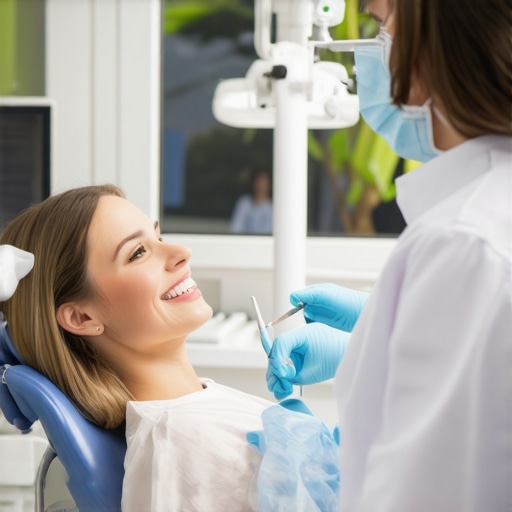
It was a morning like any other, but as I sat in the dental chair, my hands clammy and my mind racing, I realized my fear had become a barrier I couldn’t ignore anymore. That gnawing anxiety, which many of us brush off as just nerves, was more like a wall I couldn’t break through. I remember the rush of panic when I thought about the sound of the drill, the bright overhead light, and the strange familiarity of feeling helpless. It hit me—I was avoiding dental visits altogether, risking my oral health for the sake of fear. That moment was my lightbulb; I knew I had to find a way to manage my dental anxiety without resorting to heavy sedation. Today, I want to share what finally worked for me and, more importantly, how you can approach your dental fears with realistic, gentle strategies.
Why Managing Dental Anxiety Matters More Than Ever
Dental health isn’t just about a bright smile; it’s a cornerstone of overall well-being. Yet, for many people, fear of the dentist keeps them from getting routine cleanings and necessary procedures, which can lead to more serious issues down the line, like infections or gum disease. Skipping appointments might seem like a simple way to avoid discomfort, but it often backfires, making dental problems worse. I’ve learned that handling anxiety isn’t about avoiding the dentist completely—it’s about empowering yourself to face those appointments with confidence.
Interestingly, studies show that around 50% of adults experience some level of dental anxiety, and about 9% avoid dental visits altogether because of it (American Dental Association). That’s a significant chunk of the population missing out on essential care. Early on, I made the mistake of thinking that my fear was just a personality quirk—something I had to endure or avoid at all costs. That mindset only made things worse, creating a cycle of avoidance and worsening oral health. The good news is, with a few practical tweaks, managing this anxiety can become part of your routine.
Is It Really Possible to Stay Calm During Dental Visits?
When I first grappled with my fears, I believed I needed heavy sedation or deep relaxation techniques to get through. But over time, I discovered that the real key was understanding what triggers my anxiety and learning simple, effective strategies to counteract it. Small steps like breathing exercises, distraction techniques, and clear communication with my dentist made all the difference. Don’t let the idea of sedation be your only hope—you’re more capable than you think.
One thing I definitely avoided early on was talking openly with my dentist about my fears. I thought I had to soldier through it silently, which only increased my stress. Now, I know that informing your dentist about your anxiety can lead to accommodations that make the experience less daunting. For example, some professionals offer noise-canceling headphones or can schedule shorter, more relaxed visits.
If this resonates with you, you’re not alone. Many people find themselves in the same boat, wishing for a way to make dental visits less terrifying. The good news is that, with a little effort and guidance, managing dental anxiety without heavy sedation is not just a dream—it’s entirely achievable. Ready to learn how I transformed my fears into manageable steps? Let’s dive into practical strategies that could help you enjoy a healthier, less stressful relationship with your dentist.
,
Get Comfortable Before Your Appointment
Start by creating a calming routine the night before. Set out your dental tools, like your favorite toothbrush and floss, to reduce morning stress. Visualize a positive experience, imagining yourself relaxed during the procedure. When I had my first anxious visit, I took a few minutes to breathe deeply and remind myself that my dentist was there to help, not hurt. This small step significantly reduced my nerves.
Communicate Openly With Your Dentist
Before the appointment, call your dental office to discuss your fears. Let them know if you have sensitive gums or specific anxieties. During the visit, don’t hesitate to tell your dentist if you’re feeling overwhelmed. Professionals appreciate honest communication and can tailor the treatment, like offering numbing gels or short breaks. I once told my dentist I was nervous, and they paused to check my comfort, making the whole process smoother.
Practice Breathing and Relaxation Techniques
Deep breathing helps slow your heart rate and relax your mind. Try inhaling slowly through your nose for four seconds, holding your breath for four, then exhaling gradually for four seconds. It’s a simple method I used during cleanings that made me feel in control. Incorporate counting or visualization of peaceful scenes to further distract your mind from the procedure.
Use Distraction Strategies During Procedures
Bring headphones and listen to soothing music or an engaging podcast. Some clinics offer TVs or virtual reality headsets. For me, focusing on a calming voice or favorite song shifted my attention away from the drill. Distraction is especially effective for minor procedures like routine cleanings or filling repairs.
Explore Sedation Options if Needed
If anxiety persists despite these steps, discuss sedation options with your dentist. Light sedation or nitrous oxide can be a game-changer. While I initially avoided this option, I learned it’s a safe, effective way to tolerate extensive procedures. Remember, sedation isn’t a sign of weakness—it’s a tool to help you stay calm and participate actively in your dental health.
Maintain Good Oral Hygiene Between Visits
Regular brushing and flossing reduce the need for invasive procedures, making future appointments less intimidating. Pay attention to areas that are often missed, like behind molars or along the gumline—these are common spots for plaque buildup. For instance, I started using a water flosser to reach tricky spots, which decreased my plaque and boosted my confidence to attend checkups.
Understanding how to manage your fear step-by-step can transform dental visits from a source of anxiety to a manageable routine. For example, if you’re concerned about damaged teeth, consider options like fixing a jagged tooth without a full crown—learning about alternatives can lessen fears of extreme procedures.Learn more about less invasive fixes. Remember, the key is small, consistent steps that build trust and comfort over time. With patience and preparation, you can regain control over your oral health and your fears.Many people assume that family dentistry is just routine cleaning and basic care, but in reality, there are nuanced misconceptions that can lead to poor oral health if not addressed properly. One prevalent myth is that all dental crowns are equally durable; however, the choice of material significantly affects longevity and functionality. For example, zirconia crowns offer superior strength for molars subjected to heavy chewing, compared to porcelain which may be prone to fractures over time. Understanding these subtle differences is crucial for making informed decisions about your dental treatments. Additionally, some believe that regular brushing alone is enough to prevent cavities, but neglecting professional cleanings can allow plaque and tartar to build up in hidden spots where toothbrushes can’t reach—such as behind molars or along the gumline. These areas can harbor bacteria that lead to cavities and gum disease, emphasizing the importance of comprehensive treatment beyond daily hygiene. A trap many fall into is assuming that aesthetic procedures like veneers are purely superficial. Yet, modern advancements have made veneers more natural-looking and functional than ever, especially when crafted with porcelain veneers, which can be customized to match your natural teeth while providing added strength and stain resistance. Moreover, misunderstanding the role of family dentistry in managing complex dental issues can lead to overlooked problems. For instance, a small crack in a tooth might seem insignificant, but if not treated properly, it can propagate and cause nerve damage or infections, eventually requiring root canals or extractions. Advanced techniques, such as minimally invasive bonding or even conservative options like fixing a jagged tooth without getting a full crown, can preserve more of your natural tooth structure. You can learn more about these less-invasive solutions at this detailed guide. It’s also vital to recognize that common habits like using toothpicks improperly or neglecting the hidden spot where plaque always hides from brushes can inadvertently cause gum recession or decay. For example, excessive or forceful toothpick use can damage your gums, leading to recession and exposing roots to decay; instead, consider safer cleaning tools like interdental brushes or water flossers. In the context of preventive care, many believe that whitening procedures always damage enamel, but professional whitening conducted by a dentist using safe protocols can actually be gentle and more effective than over-the-counter strips, which can cause sensitivity if misused. As the research highlights, understanding these neuro nuances helps in making smarter choices for long-term dental health. Remember, staying informed about the real capabilities and limits of family dentistry enables you to avoid common pitfalls and maintain a healthy, confident smile. Have you ever fallen into this trap? Let me know in the comments.
Investing in Quality Equipment for Lasting Oral Health
Maintaining optimal oral health isn’t just about visiting the dentist regularly—it’s also about equipping yourself with the right tools for daily care. I personally swear by my ultrasonic water flosser, which effectively reaches the hidden spots where traditional brushes miss. Its pulsating water jets dislodge plaque and debris in areas a manual floss or toothbrush can’t reach, especially behind molars or along gumlines. Another essential tool is a high-quality electric toothbrush with a timer and pressure sensor; these features prevent over-brushing that can damage gums and ensure you’re brushing for the optimal two minutes, as recommended by dental professionals.
For those with existing crowns or dental work, I recommend using a soft-bristled, interproximal brush designed for curves—to clean around crowns and bridges without risking damage. It’s also worth mentioning that I often rely on dental microscopy during home check-ins, which allows me to spot early signs of plaque buildup or enamel wear, providing a sneak peek into impending issues before they escalate. Advanced magnifying devices are increasingly accessible for personal use and can save you costly visits later.
Beyond physical tools, software like my preferred dental tracking app has been invaluable. It reminds me of upcoming checkups, logs my oral hygiene habits, and even tracks the lifespan of my crowns and fillings. Regularly reviewing this data helps me identify patterns or habits that may compromise my long-term health, such as chewing ice or neglecting flossing on weekends.
How do I maintain these tools over time?
Effective long-term maintenance of dental tools involves regular cleaning, replacing replaced parts, and storing them properly. For instance, electric toothbrush heads should be replaced every three months to maintain effectiveness. Water flossers need thorough cleaning after each use to prevent microbial growth. I also recommend descaling your device periodically with a vinegar solution to prevent mineral deposits, ensuring optimal performance. Keeping these tools in a dry, clean environment extends their lifespan and guarantees consistent results. Incorporating routine maintenance into your schedule not only prolongs device life but also ensures your tools work as intended, making your daily oral hygiene more efficient and less stressful. Looking ahead, I believe the future of personal dental care will see even smarter devices—integrating AI that prompts users on areas missed or issues detected—like a mini dental assistant at home. Embracing these advanced tools now can set the stage for healthier teeth and gums decades down the line. Ready to upgrade your routine? Try replacing your manual floss with a water flosser and observe how it transforms your dental hygiene habits. It’s a small step with big long-term benefits.Over the years, I’ve uncovered some surprising lessons about family dentistry that significantly changed how I approach my oral health journey. One of the most profound realizations was that not all dental myths are harmless—some can lead to neglecting essential care or opting for unnecessary procedures. For example, believing that all crowns are equally durable might tempt you into choosing a cheaper option, only to face premature fractures later. Learning the subtle differences between materials like zirconia and porcelain helped me make smarter choices, ensuring my restorations last longer and fit better. Additionally, I discovered that routine brushing alone isn’t enough; paying attention to overlooked spots where plaque hides—like behind molars—can prevent future trouble. This insight led me to explore tools like interdental brushes, which you can learn about here. The biggest takeaway? The quality of your family’s dental equipment and habits influences long-term health far more than most realize. Investing in good tools, like ultrasonic water flossers, and understanding the nuances of treatment options, can save you from unnecessary discomfort and expenses down the line. Don’t miss out on learning more about how these details can transform your oral care routine—your smile depends on it.