Category: Family Dentistry Tips

  • The reason your teeth might feel slightly loose during pregnancy

    The reason your teeth might feel slightly loose during pregnancy

    It hit me one morning—the way my teeth felt was different. Not painful, exactly, but a strange looseness that made me pause in front of the mirror. I remember thinking, “Is this normal?” My mind raced, recalling vaguely that hormones could affect oral health, but I didn’t realize how common or concerning this could be for pregnant women. That lightbulb moment sparked my journey to understand what’s happening inside my smile during pregnancy and how to navigate it.

    Understanding Pregnancy and Tooth Stability

    Many women experience changes in their oral health during pregnancy, with some noticing their teeth feeling more mobile than usual. Hormonal fluctuations, especially increased levels of progesterone and estrogen, can influence the gum tissues and the supporting structures around teeth. These changes can lead to increased blood flow and gum swelling, sometimes making teeth feel slightly loose. While this might sound alarming, it’s often a temporary situation if managed properly.

    Have you ever wondered if this sensation is something to worry about? You’re not alone. Early in my pregnancy, I made the mistake of ignoring the mild looseness, brushing it off as normal. But that oversight only made me more anxious when the feeling persisted. Trust me when I say, understanding the reason behind this can help you feel more in control and prevent unnecessary worry.

    Research confirms that pregnancy-related hormonal shifts can temporarily loosen periodontal ligaments, which are responsible for holding teeth firmly in place. Knowing the difference between normal changes and warning signs is crucial. For a comprehensive approach to maintaining your oral health during pregnancy, check out the impact of regular teeth cleaning.

    In the next sections, I’ll share practical strategies to protect your teeth and keep that loose feeling at bay. So, if you’ve ever felt anxious or frustrated about this temporary wobble, stay tuned—help is on the way.

    Prioritize Professional Cleanings for Lasting Health

    Start by scheduling a professional cleaning with your dentist to remove plaque and tartar that brushing alone cannot handle. These cleanings not only maintain oral health but also reduce inflammation that hormonal changes can exacerbate. During my second trimester, I visited my dentist for a deep cleaning, which significantly improved my gum health and reduced sensitivity. Regular visits, such as those detailed in the impact of regular teeth cleaning, are key to sustaining this benefit.

    Establish a Consistent, Effective Home Care Routine

    Adopt a daily routine incorporating brushing twice and flossing once, but do so with proper technique akin to cleaning delicate fabric—gentle yet thorough. Use a soft-bristled brush to avoid unnecessary gum trauma. When I first attempted to clean more gently, I found my gums bled less, and my teeth felt cleaner. For tips on effective home practices, see teeth cleaning secrets for family dental health. Making this a daily habit fortifies your defenses against pregnancy-related oral issues.

    Choose the Right Dental Products for Sensitive Gums

    Select toothpaste formulated for sensitive teeth and gums to minimize irritation. I swapped to a mild, fluoride-rich toothpaste recommended by my dentist, which helped me avoid discomfort during brushing. This small change, supported by advice in oral health routine tips, can make a crucial difference in maintaining comfort and cleanliness.

    Incorporate Worm-Friendly Dietary Habits

    Limit sugary and acidic foods that can weaken enamel and promote decay. Instead, opt for crunchy vegetables, dairy, and water—like me, when I started snacking on celery sticks with yogurt, my teeth felt stronger and cleaner. Proper nutrition supports overall oral integrity, reducing sensitivity and loose teeth sensations. For comprehensive dietary advice, visit family oral health tips.

    Use Specialized Tools for Gentle Care

    Consider tools such as interdental brushes or rubber-tipped gum stimulators to gently clean hard-to-reach areas without traumatizing gums. During my routine, I introduced a silicone interdental brush, which effectively cleaned between my teeth, preventing plaque buildup that hormonal shifts can cause. This practice aligns with effective cleaning methods outlined at home cleaning practices.

    Monitor and Recognize Warning Signs

    Stay alert for persistent symptoms like bleeding, swelling, or increased looseness. These signs may indicate inflammation or periodontal issues requiring prompt professional attention. I learned to pay close attention to my gums’ response after every cleaning or brushing session, which helped me catch issues early. For more on managing indicators, see gums irritation management.

    Schedule Regular Dental Check-Ups

    Maintain consistent dental visits, ideally every three to six months, to monitor your oral health status during pregnancy. These check-ups allow the dentist to early detect problems like loose teeth or gum disease before they worsen. During my pregnancy, adhering to scheduled appointments kept me confident that my smile remained stable and healthy. Learn about the importance of routine in family dentistry.

    Many individuals assume that maintaining good oral hygiene is straightforward: brush twice daily, floss regularly, and visit the dentist periodically. However, beneath these basic practices lie common misconceptions and advanced pitfalls that can undermine your dental health. Let’s dig deeper to uncover the nuances that often go unnoticed and how you can avoid expensive mistakes.

    Are All Dental Cleanings Created Equal?

    Contrary to popular belief, not all professional teeth cleanings provide the same level of benefit. Many think that semi-annual visits are sufficient for everyone, but recent research emphasizes personalized care. For instance, individuals with specific risk factors for gum disease or decay may need more frequent cleanings tailored to their unique needs. Additionally, the technique employed during cleaning—such as the use of ultrasonic scalers versus hand scaling—can impact the effectiveness, especially in removing stubborn calculus that contributes to periodontal issues. For optimal results, discuss your specific risk factors with your dentist, and consider scheduling cleanings based on personalized recommendations, which is covered extensively at this resource.

    Beware of the Overconfidence in Home Care

    Many assume that brushing and flossing are universally effective without considering quality and technique. Using a soft-bristled brush with proper motion, for example, is vital. Aggressive brushing can cause gum recession and enamel wear, while too gentle a brush may leave plaque behind. Moreover, neglecting interdental cleaning tools like rubber-tipped stimulators or interdental brushes can result in overlooked plaque accumulation. An often-missed nuance is the importance of regular tool replacement; worn-out brushes and floss lose efficacy quickly. Remember, effective home care combines proper technique, quality tools, and consistent routine. For advanced tips on home practices, see this guide.

    Family Dentistry: More Than Just Routine Checks

    Many individuals underestimate the advanced role of family dentistry. It’s not only about routine cleanings but also about identifying early signs of complex conditions such as bite issues, bruxism, or early decay in children. For example, children can develop habits that impact future dental health, like thumb-sucking or tongue thrusting, which need early intervention. Moreover, family dentists often provide custom solutions like sealants or space maintainers to prevent future problems. Engaging with a family dentist who understands these nuances can save you from invasive procedures later. To explore how family dentistry can truly safeguard lifelong oral health, visit this resource.

    Common Myth About Crowns That Could Cost You

    A prevalent misconception is that crowns are permanent and require no special care once placed. In reality, crowns, especially porcelain or zirconia, can last decades when properly maintained, but neglecting routine care can lead to early failure. For example, using abrasive toothpaste or biting into hard foods can cause chipping or damage, necessitating replacement. Furthermore, some believe crowns don’t need any special attention beyond brushing, but consistent cleaning around the crown margins is essential to prevent decay at the interface—a common culprit of crown failure. Your crown is an investment in your smile, and proactive maintenance can extend its lifespan significantly. For expert advice on crown care, see this comprehensive guide.

    In understanding these nuances, remember that good oral health extends beyond basic routines. By debunking myths, paying attention to advanced care, and tailoring treatments, you can prevent more serious issues and save money in the long run. Have you ever fallen into this trap? Let me know in the comments, and share your experiences!

    How do I maintain my dental health over time?

    Maintaining a healthy smile requires more than regular brushing and occasional dentist visits; it involves mastering the right tools and methods that support long-term results. I personally rely on specific equipment that has proven effective in my routine, such as electric toothbrushes with advanced oscillation technology. Devices like the Oral-B Genius series not only remove plaque more efficiently but also track brushing habits, ensuring thorough cleaning. Additionally, I incorporate flossing with high-quality silicone interdental brushes, which my dentist recommended for gentle yet effective debris removal between teeth—especially crucial when using crowns or with sensitive gums.

    When it comes to preserving the integrity of crowns, I use specialized interdental cleaners designed to reach around the margins without damaging the restorative material. Regular updates on my dental care tools from reputable sources like this expert advice guide me to replace tools at appropriate intervals, preventing bacterial buildup. For watching my oral health’s progress over time, I track my routines and results with apps that sync with my device, giving me data-driven insights—an approach that’s becoming increasingly popular in modern dentistry.

    Looking ahead, I predict that digital and AI-enhanced dental tools will become commonplace, providing personalized care and real-time feedback to users. These innovations will further empower individuals to maintain their oral health proactively, reducing reliance solely on clinical interventions. If you want to try an advanced tip today, start by adopting an electric toothbrush with app integration, and monitor your brushing patterns for improvements. Refresh your routine with these specialized instruments, and take a step closer to a more resilient smile.

    Remember, consistent use of high-quality tools combined with proper technique is key. Explore how best practices for crown maintenance can extend your restorations’ lifespan. Incorporate these tools into your daily routine, and you’ll be investing in your long-term oral wellness.

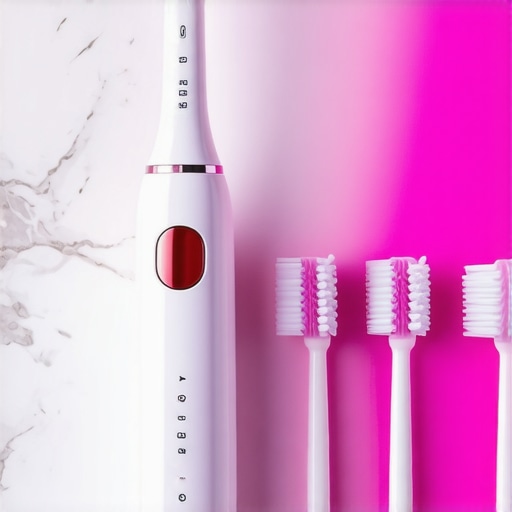
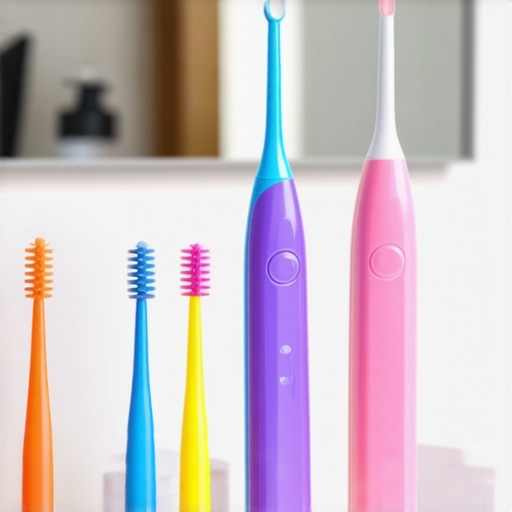
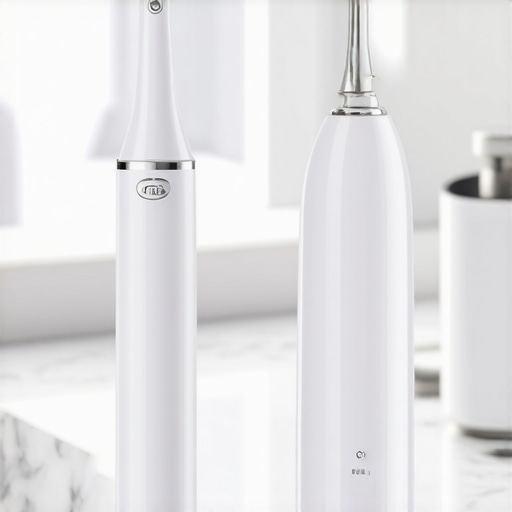
    A collection of high-tech toothbrush and interdental cleaning tools used for maintaining oral health

    Lessons Life Taught Me About Staying Smile-Ready During Pregnancy

    • One of my most eye-opening moments was realizing that my loose teeth during pregnancy were a sign, not a setback. It made me prioritize gentle care and professional advice over panic, transforming my approach to oral health.
    • Investing in personalized dental care routines and tools—like choosing the right toothbrush and interdental cleaners—has made a world of difference in maintaining my smile through hormonal waves.
    • I learned that proactive communication with my dentist about my unique pregnancy-related changes allowed me to prevent minor issues from becoming major worries, a lesson I wish I’d embraced sooner.

    Tools and Insights That Changed How I Maintain My Dental Well-being

    • Trusted professional sources, such as regular teeth cleaning, helped me understand that personalized care is key to lasting oral health, especially during pregnancy.
    • Advanced tools like electric toothbrushes with app support and silicone interdental brushes became my allies in daily maintenance, turning routine into an effective self-care ritual.
    • Reading detailed guides on crown maintenance and proper brushing techniques, available at this resource, empowered me to prolong the life of my restorations and protect my smile.

    Your Turn to Shine Bright

    Remember, your smile during pregnancy is a reflection of your overall well-being. Embrace personalized care, stay informed, and don’t hesitate to seek professional advice when needed. These small steps can make a significant difference in your oral health journey.

    What’s the biggest challenge you’ve faced keeping your smile healthy during pregnancy? Share your experience below and let’s support each other on this journey!

  • How to get your teenager to take gum health seriously

    How to get your teenager to take gum health seriously

    I remember the exact moment I realized I was losing the battle over my teenager’s gum health. It wasn’t a dramatic scene—no yelling, no tears—but a quiet, uncomfortable truth hit me while I was brushing my own teeth. I looked up in the mirror and caught my reflection, spotting my son’s unbrushed, slightly bleeding gums. That simple sight sparked a lightbulb moment: I had been doing everything wrong, and I needed a new, effective approach. If you’ve faced the frustration of trying to get your teen to care about their gum health, you’re not alone. It feels like trying to teach a brick wall—silent resistance and eye rolls included. But here’s the good news: I’ve discovered strategies that actually work, and I’m here to share them with you.

    Why Do Teens Push Back on Gum Care? Understanding the Teen Mindset

    Many parents assume that teenagers simply don’t care. They think it’s a phase, a rebellion, or a distraction. But the truth is, teens often lack the motivation because gum health doesn’t feel urgent or relevant to their fast-paced, image-conscious lives. Plus, their understanding of long-term health consequences isn’t fully developed, which makes immediate rewards or concerns much more compelling. Early on, I made the mistake of nagging and issuing stern commands, expecting compliance. Spoiler: it backfired. Instead of fostering cooperation, I created resentment. That’s when I realized I needed approach that builds trust and makes gum health personally meaningful. For more insight into how to make oral health appealing, check out [family dentistry focus](https://periodontistcare.com/family-dentistry-focus-building-a-lifetime-of-healthy-smiles). When you understand what’s going on inside your teen’s mindset, you’ll be better equipped to guide them positively. Now, let’s talk about the practical steps that turned things around in my own home—and can help you do the same.

    Set Clear, Relatable Expectations

    Begin by having a straightforward conversation with your teen about why gum health matters, connecting it to their personal goals like fresh breath or maintaining a bright smile. Use simple language and avoid sounding like a lecture. I once sat down with my son and explained how untreated gum issues can cause discomfort and impact confidence, much like a sports injury affects performance. This approach meant more than generic warnings; it gave him a tangible reason to care.

    Use Visual Demonstrations

    Show your teen how plaque buildup looks with a disclosing tablet or by inspecting their gums in the mirror. Visual cues are powerful — they make invisible problems visible. I handed my son a mirror and a disclosing agent, which temporarily stained plaque red, making the buildup unmistakably clear. Witnessing the difference motivated him to brush more thoroughly and regularly.

    Incorporate a Fun, Rewarding Routine

    Gamify their oral hygiene—set challenges, track streaks, or earn small rewards for consistent brushing. Think of it like training for a sport: small wins lead to bigger habits. When my daughter hit her third consecutive day of diligent brushing, she earned a badge on our family chart, sparking a friendly competition that increased her enthusiasm and compliance.

    Choose Engaging Tools and Products

    Select an electric toothbrush with a timer or a mouthwash with flavors they enjoy. The right tools turn routine care into something they look forward to. I introduced my teen to a rechargeable brush with different brushing modes and fun colors, which made the process feel less like a chore and more like a gadget adventure.

    Make Oral Hygiene Part of Their Social Identity

    Encourage pride in their appearance by emphasizing how good gum health contributes to their overall look and social confidence. Teens often respond well to peer influences and trends. I suggested that maintaining fresh breath and healthy gums helps them make a positive impression, which resonated with my son’s desire to feel confident with his friends and during dates.

    Leverage Trusted Resources and Expert Advice

    Share age-appropriate educational content from trusted sources, or consider a professional consult. Sometimes hearing it from a dentist reinforces the importance. I scheduled a casual visit to the dentist who explained in relatable terms how gum health impacts their smile, which helped my teen develop a sense of ownership. For more detailed insights, check out expert advice on crowns and teeth cleaning.

    Stay Consistent and Lead by Example

    Demonstrate good habits yourself—brush together, share tips, and show that you prioritize oral health. Consistency models behavior. I made it a family affair; mornings and evenings included everyone brushing, flossing, and sharing a laughs-over-mistakes, reinforcing that oral care is a regular family ritual.

    Seek Professional Support When Needed

    If resistance persists, consult your family dentist for tailored strategies or minimally invasive interventions. Sometimes, a professional cleaning or advice on crowns can significantly improve comfort and motivation. Remember, a dental visit isn’t just about check-ups but also about reinforcing habits and correcting issues early. To understand how crowns can boost confidence, explore how crowns can transform your smile.

    Many people assume that simply brushing and flossing are enough to maintain optimal oral health, but this oversimplifies a complex system. For instance, widespread beliefs about teeth whitening often lead individuals to pursue aggressive treatments or use harmful over-the-counter products without professional guidance, which can damage enamel or cause sensitivity. Studies published in the Journal of Clinical Dentistry emphasize that improper whitening methods can erode tooth structure if not supervised by a dental professional. Moreover, a prevalent myth is that dental visits are only necessary when experiencing pain, but regular professional cleaning and exams are crucial for early detection of issues like gum disease and caries, which often develop silently. An overlooked nuance involves the significance of crown maintenance; many believe that crowns are permanent and require no special care, but neglecting proper cleaning of crowns and underlying tooth structures can lead to decay or crown failure. To avoid common pitfalls, I recommend consulting trusted resources and professional guidance, as outlined on our expert advice page. Remember, genuine understanding and routine care are essential—don’t fall for shortcuts that compromise your dental health. Regular checkups and personalized advice help prevent advanced problems and preserve your smile’s longevity. Have you ever fallen into this trap? Let me know in the comments.Maintaining your dental health over the long term requires more than just brushing and flossing; it demands reliable, quality tools that support your routines and help prevent issues down the line. One essential device I personally swear by is the Oral-B Genius X electric toothbrush. Its AI technology tracks your brushing habits, ensuring thorough cleaning and reducing plaque buildup, especially around crowns and hard-to-reach areas. Additionally, I highly recommend using a water flosser like the Philips Sonicare AirFloss Pro because it effectively removes debris and bacteria from spaces traditional floss may miss, preserving your gums and dental restorations. To keep your crowns shining and intact, I suggest regular use of a dedicated crown cleaning brush, which gently reaches beneath the crown margin without causing damage—this proactive approach can significantly extend the integrity of your dental work. For monitoring and maintaining your oral health, an app like Hive Smart Dental Tracker enables you to log daily routines, set reminders, and track progress, making compliance easier and habits more consistent. Looking ahead, the trend toward integrating smart technology into dental care is set to grow, offering more personalized and data-driven maintenance routines that will make preserving your smile even more effective.

    How do I maintain my dental tools over time?

    Proper cleaning of your electric toothbrush and water flosser is crucial for their longevity and effectiveness. Rinse toothbrush heads thoroughly after each use and replace them every three months or sooner if bristles fray. Clean your water flosser’s reservoir weekly with a mixture of white vinegar and water to prevent mold. Regularly inspecting your crown cleaning brushes for wear ensures they remain gentle yet effective. Using high-quality tools combined with consistent maintenance helps guarantee consistent results, reducing failures and minimizing the need for costly repairs or replacements. For more insider tips on maintaining crowns, explore our comprehensive guide. As you build your toolkit, don’t forget to schedule regular checkups with your family dentist to catch potential issues early and customize your maintenance plan. Remember, the key is consistency and diligent cleaning, making your tools work harder for you to keep that bright, healthy smile for years to come. Ready to upgrade your routine? Try incorporating a smart timer with your electric toothbrush today and notice the difference in your daily cleaning effectiveness.

    The Unexpected Lessons That Changed My Approach to Teen Oral Health

    One of the most impactful insights I gained was realizing that nagging or forcing compliance rarely works with teenagers. Instead, building trust and making gum health personally relevant turned things around. For example, connecting gum care to their desire for fresh breath or a confident smile made a significant difference, as highlighted in family dentistry focus. Also, I learned that visual cues like disclosing tablets are powerful motivators—they make invisible plaque visible, transforming routine brushing into a tangible challenge.

    My Go-To Tools and Resources That Keep Me Steady

    Over time, I found that having the right gadgets keeps my family on track. The Oral-B Genius X electric toothbrush, with its smart tracking, ensures a thorough clean, especially around crowns and restorations. I also rely on a water flosser like the Philips Sonicare AirFloss, which reaches places traditional floss might miss, helping prevent gum disease. For ongoing motivation, using apps such as Hive Smart Dental Tracker helps us log routines and celebrate consistency. These tools, combined with expert advice from trusted sources, make a real difference.

    Why Making Consensus Inspired Me to Protect Our Smiles for Life

    The biggest motivation to stick with my oral health routine is knowing the long-term benefits—like keeping crowns shiny and avoiding future dental procedures. Taking proactive steps, such as regular professional cleanings found in maintaining crowns, helps preserve my family’s smiles. It’s a journey that requires consistency, education, and a little patience, but the payoff is priceless. Remember, small daily choices compound into lifelong confidence and health.

    Now It’s Your Turn to Elevate Your Dental Game

    Understanding that long-term dental health extends beyond brushing and flossing can be transformative. Through personal experience, I’ve seen how tailored habits and reliable tools lead to better outcomes. If you’re ready to enhance your routine or tackle persistent challenges, explore reputable resources and consider professional guidance. The journey to healthier gums—and a more radiant smile—starts with you. How will you implement these insights into your daily routine today?

  • The best snack to pack for your kids dental health during school

    The best snack to pack for your kids dental health during school

    I remember the sinking feeling I had when my child’s grown smile started showing signs of cavities despite our efforts to keep her teeth healthy. It was a wake-up call that even with regular brushing, there are sneaky factors at play—especially during those busy school mornings. One lightbulb moment struck me hard: what she was packing in her lunchbox might be undoing all our dental work. Have you ever wondered if the snacks your kids bring to school are inadvertently harming their teeth? You’re not alone, and today, I promise we’ll explore effective snack strategies that support their dental wellness, based on real family experiences and expert advice.

    No More Guesswork: Quick Fixes for Smarter Snack Choices

    Choosing the right snacks isn’t just about convenience; it’s about safeguarding your child’s bright smile and preventing future dental issues. As a parent, I found myself caught in a maze of marketing claims and confusing advice, often resorting to easy options that aren’t the best for teeth. But I’ve learned that small changes can make a big difference. Incorporating tooth-friendly snacks can be simple and nutritious, offering your kids energy while keeping their oral health in check. For more practical tips, check out home-based dental care secrets that are easy to implement at home.

    Is ‘Healthy Snack’ Actually Good for Teeth?

    One common mistake I made early on was assuming all “healthy” snacks were safe for teeth. I didn’t realize that many snacks labeled as low-fat or organic could still be high in sugars or carbs that promote decay. Research shows that even natural sugars in fruits, if consumed excessively or not paired with good oral hygiene, can contribute to cavities. So, the key is choosing snacks that are low in fermentable carbs and high in beneficial fibers, like crunchy vegetables or cheese sticks. This insight helped me refine our snack list and reduce trips to the dentist. Want to learn more? Visit expert advice on crowns and teeth cleaning for long-lasting results.

    Understanding which snacks support dental health is just the beginning. Next, we’ll uncover the specific foods that can help protect your child’s teeth, making that school lunch both nutritious and smile-friendly. Ready to turn your snack game around? Stay tuned for practical tips that truly work in real families like yours.

    ,

    Master Your Brushing Technique

    Start by demonstrating the proper way to brush, using a soft-bristled toothbrush and fluoride toothpaste. Hold the brush at a 45-degree angle to the gums, and use gentle, circular motions. This prevents gum irritation and ensures thorough cleaning. A personal story: I once spent an evening guiding my child through a fun, playful brushing session, which made her eager to brush correctly every morning. This hands-on approach not only improved her technique but also turned into a bonding moment.

    Implement Daily Flossing Routines

    Introduce flossing as an essential step after brushing. Use gentle sawing motions to slide the floss between teeth, curving it around each tooth in a C-shape. Consistency is key—set a reminder for your family to floss at the same time each day. When I first started flossing my kids’ teeth, I found it helpful to use floss picks for children, which are easier for tiny hands. Over time, I noticed less bleeding and better gum health, boosting their confidence in daily oral care.

    Use Mouthwash Strategically

    Incorporate an alcohol-free, fluoride mouthwash to reach areas brushing and flossing might miss. Swish for 30 seconds to a minute, ensuring the liquid contacts all surfaces. This step reduces bacteria and strengthens enamel. Remember, mouthwash isn’t a substitute for brushing or flossing; it’s an enhancer. I learned this lesson the hard way when my teen skipped flossing but relied heavily on mouthwash. The imbalance led to some lingering plaque, highlighting the importance of comprehensive routines. For tips on selecting the right mouthwash, visit oral health tips.

    Prioritize Tongue Cleaning

    Gently brushing or scraping the tongue removes bacteria responsible for bad breath and plaque buildup. Use a tongue scraper or the back of your toothbrush for this task. Incorporate this into your morning routine. I tried a tongue scraper myself—it was a bit messy at first, but I noticed an immediate freshness in my breath and a cleaner feeling overall. Educate your family about this simple, yet effective step to support overall oral health.

    Schedule Regular Dental Checkups

    Plan visits to the dentist at least twice a year, or more if recommended. Regular checkups allow professionals to catch early signs of decay or gum disease. During my initial visits, I was surprised to learn about underlying issues hidden under old fillings. A dentist examined my child’s teeth and recommended a protective sealant, which greatly reduced cavity risk. Routine professional cleanings complement your home care, reinforcing their importance in maintaining healthy smiles. Learn more about how crowns and dental confidence fit into long-term oral health.

    Replace Toothbrushes Regularly

    Change toothbrushes every three to four months or sooner if bristles fray. Worn brushes are less effective at cleaning and can harbor bacteria. I remember once delaying a replacement and noticing my child’s gum irritation increase—lesson learned! Setting a calendar reminder helps establish this habit. Encourage family members to choose toothbrushes with comfortable handles and appealing designs to promote routine use.

    Monitor Dietary Habits

    Limit sugary snacks and acidic drinks, which erode enamel and promote bacteria growth. Instead, offer crunchy vegetables, cheese sticks, and nuts, which neutralize acids and provide essential nutrients. I adopted this approach after noticing my kids’ enthusiasm for fruit snacks, and replaced them with apple slices and cheese. The result was fresher breath and fewer cavities during dental visits. For more insights, check home-based dental care secrets.

    Use Proper Equipment and Storage

    Store toothbrushes upright and air-dried, in a clean area away from toilets to prevent contamination. Use a toothbrush cover only during travel, as it can trap moisture. When traveling with my kids, I found that carrying a small, ventilated container kept brushes dry and clean. Additionally, ensure the toothpaste contains fluoride for added protection against decay. These small steps ensure your tools remain effective, supporting better oral hygiene routines.

    Stay Informed on Family Dental Trends

    Keep updated with latest family dentistry practices and preventive strategies. Visiting family dentistry insights provides reliable guidance to refine your routines. This continuous learning helps you adapt and improve your family’s dental health, ensuring smiles stay bright and healthy for years to come.

    While most of us think we understand the basics of good oral hygiene, there are subtle misconceptions that can sabotage long-term dental health. One widespread myth is that frequent brushing alone suffices — but experts like the American Dental Association emphasize that brushing is just part of the story. Over-brushing or using improper technique can actually damage gums and enamel, leading to sensitivity and recession. A common oversight is neglecting the cleaning of interdental spaces; flossing isn’t just an optional extra but an essential step often undervalued. Many assume that any flossing method will do, but properly curving the floss in a C-shape around each tooth ensures plaque removal without irritating gums.

    Another critical nuance involves the placement and maintenance of dental restorations like crowns. Many patients believe crowns are permanent fixes that require minimal attention, but ignoring proper care can shorten their lifespan significantly. According to research in clinical dentistry, inadequate cleaning around crowns can lead to secondary decay or gum inflammation, ultimately compromising the restoration. For instance, improper flossing techniques can trap food debris underneath crowns, causing discomfort and increasing the risk of infection. To ensure longevity, regular professional checkups and correct home care routines are vital. Visit caring for crowns for detailed guidance on maintenance.

    What Do We Miss About the Role of the Family Dentist in Preventive Care?

    A recurring blind spot is underestimating the importance of comprehensive family dental visits. Many families focus on fixing problems as they surface, but expert consensus highlights that early detection during routine exams can prevent costly treatments down the line. For example, some assume that cavities won’t develop without noticeable pain, which isn’t true; decay can be silently progressing. Skilled family dentists perform detailed screenings, applying sealants and fluoride treatments proactively. Ignoring these preventative measures is a costly mistake that can compromise the entire family’s oral health. For insights on building a foundation for lifelong healthy smiles, see family dentistry expertise.

    Furthermore, many overlook how emerging technologies impact routine care. Digital radiography reduces radiation exposure and offers clearer images, enabling early spot of issues invisible to the naked eye. Incorporating these innovations into your family’s dental visits ensures you’re ahead of potential problems, ultimately saving time and expenses. Have you ever fallen into this trap? Let me know in the comments.

    Lastly, the role of patient education cannot be overstated. Proper brushing and flossing techniques, understanding when to replace toothbrushes, and knowing the signs of trouble are fundamental yet often neglected aspects of dental health. The small nuances, like avoiding brushing immediately after acidic foods or beverages, can prevent erosion and sensitivity, turning ordinary routines into powerful protective measures. To dive deeper into daily habits that support teeth longevity, visit oral health tips. Remember, mastering these intricacies makes a visible difference in your family’s smile quality over time.”}Dentist demonstrating correct flossing to a patient in a dental office.

    Maintaining excellent oral health requires more than just good habits; it involves utilizing the right tools and systems designed for durability and efficiency. Over the years, I’ve experimented with various equipment to ensure my family’s dental routines are both effective and sustainable. Today, I want to share the specific tools I rely on for long-term success, along with insights into how they can help you keep your smile in top shape for years to come.

    Precision Electric Toothbrushes for Superior Cleaning

    In my experience, a high-quality electric toothbrush is indispensable. I recommend the Oral-B Genius X because of its advanced oscillating-rotating technology, which consistently delivers superior plaque removal compared to manual brushing. Its built-in sensors alert me if I’m applying too much pressure, protecting gums from damage. I’ve found that switching to an electric brush, combined with smart tracking via a dedicated app, can significantly reduce plaque buildup and improve gum health—especially important for crowns and sensitive areas.

    interdental cleaning with intelligent flossers

    Flossing remains a crucial step, but traditional floss can be tricky to use correctly. That’s why I personally prefer the Quip Electric Floss, which guides me through proper technique and ensures thorough cleaning. Its small, gentle motor vibrates to help dislodge food and plaque from tight spaces—an area where many overlook or struggle. Regular use of such devices not only improves oral hygiene but also extends the lifespan of restorations like crowns, which can trap debris otherwise missed.

    Sonicate Water Flossers for the Family

    For my entire family, I recommend the WaterPik Water Flosser. Its pulsating water streams reach deep between teeth and beneath crowns, removing bacteria and preventing secondary decay. I often advise patients to incorporate water flossers into their routine, especially if manual dexterity is an issue or if you’re dealing with braces or implants. Continuous use over time enhances gum health and reduces the need for invasive procedures, aligning with advice from clinical research on preventive care.

    Keeping Tools Sharp and Clean for Maximum Effectiveness

    No matter how good your tools are, neglecting maintenance can render them ineffective. I always replace my electric toothbrush heads every three months—as recommended by the manufacturer—and clean water flosser nozzles weekly to prevent bacterial buildup. Proper storage in a ventilated, dry space ensures longevity. Staying diligent with tool maintenance is key to consistent results and avoiding issues like gum irritation or incomplete cleaning.

    Emerging Trends in Dental Tools

    The future of dental maintenance is bright, with innovations like AI-powered toothbrushes and remotely monitored oral hygiene systems becoming more accessible. These advancements promise personalized care and real-time feedback, potentially transforming routine cleanings into smarter, more effective practices. According to a recent study by Zahid et al. in Dental Materials, integrating smart technology into daily routines can improve compliance and outcomes, especially in busy or forgetful households.

    How do I keep my tools effective over time?

    Proper maintenance is essential for the longevity and performance of your dental tools. Regularly replacing brush heads, cleaning water nozzles, and storing equipment appropriately ensure they stay hygienic and effective. Don’t forget to monitor for signs of wear—frayed toothbrush bristles or clogged floss nozzles are red flags indicating it’s time for replacements. Additionally, keeping an eye on technological updates and firmware (when applicable) can enhance functionalities and extend your investment’s lifespan.

    Investing in reliable dental tools and maintaining them diligently is a cornerstone of long-term oral health. I encourage readers to try the advanced tip of using a smart electric flosser and to stay updated on emerging technologies that could further enhance their routines. Remember, consistent quality maintenance today translates into healthier smiles tomorrow. For tailored recommendations, don’t hesitate to contact us via our contact page.

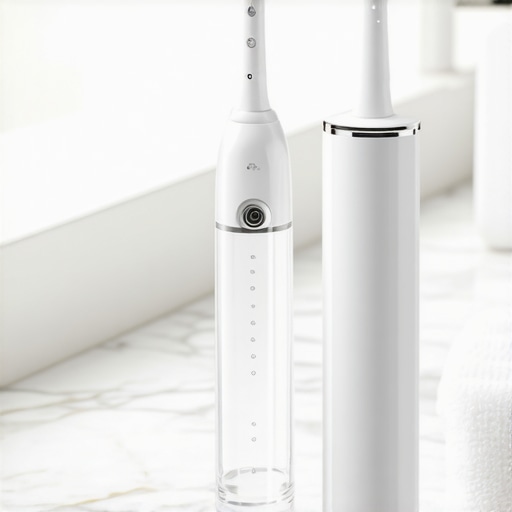
    Collection of contemporary toothbrushes, flossers, and water flossers demonstrating advanced oral hygiene equipment.

    Lessons That Changed My Approach to Family Dental Care

    • One of the hardest lessons I learned was that over-sanitizing can sometimes backfire, stripping away beneficial bacteria and affecting overall mouth health. Finding the right balance is key to avoiding sensitivity issues and encouraging natural defenses.
    • I realized that neglecting the importance of regular family dental visits could lead to missed opportunities for early detection of potential problems—saving us from costly treatments down the line. Consistency truly pays off in long-term oral health.
    • Discovering that some seemingly healthy snacks hide hidden sugars or acids was a game-changer—prompting me to scrutinize labels and opt for more tooth-friendly options like crunchy vegetables and cheese, which support both nutrition and dental wellness.
    • Understanding that crowns require specific maintenance routines, such as proper flossing techniques and regular checkups, prevented us from accidentally compromising their longevity. Attention to detail in care routines makes all the difference.

    My Go-To Resources for Smarter Dental Choices

    • Insights on crowns and teeth cleaning—Trusted because they combine evidence-based advice with real-world applications, helping me fine-tune our routines.
    • Home dental care tips—A staple in our household, guiding us with practical, easy-to-implement practices that reinforce professional care.
    • Family dentistry expertise—Provides a comprehensive perspective on integrating preventive measures into everyday life, emphasizing the significance of routine visits and education.

    Your Next Step Toward Brighter Smiles

    Taking charge of your family’s oral health is an ongoing journey filled with learning and adaptation. Remember, small consistent steps—like choosing the right snacks or mastering proper brushing—have the power to transform smiles and boost confidence. Every effort you make today lays the foundation for healthier, happier tomorrows. Don’t wait—start implementing these mindful habits now, and watch your family’s smiles flourish over time.

    What’s one change you’re planning to make to improve your family’s dental routine? Share your thoughts below—I’d love to hear your story!

  • The reason your dental insurance covers cleanings twice a year

    The reason your dental insurance covers cleanings twice a year

    It was a chilly Tuesday morning when I finally faced the mirror and realized my smile looked dull and a bit… troubled. I’d skipped my last couple of cleanings, thinking I was too busy or that brushing well was enough. But then I noticed that stubborn plaque buildup and a faint smell I couldn’t quite ignore. That lightbulb moment hit me hard: I needed to get back to regular dental visits.

    Why Does Your Dental Insurance Cover Two Cleanings a Year?

    If you’re like me at first, you might wonder why your dental insurance is so eager to pay for cleanings twice annually. It’s not just about checkups; it’s a vital part of maintaining oral health. Regular cleanings help prevent the buildup of plaque and tartar, which are responsible for cavities, gum disease, and even bad breath. And believe it or not, these problems often develop silently, only showing their true colors when it’s too late.

    My mistake early on was dismissing the importance of consistent professional care. I thought diligent brushing and flossing at home could do all the heavy lifting. But I learned that no matter how thoroughly you brush, some buildup is stubborn enough to hide beneath the gum line. That’s where the expertise of a dental hygienist shines. Plus, routine cleanings allow your dentist to detect early warning signs of issues before they escalate.

    Research shows that individuals who stick to twice-a-year cleanings are significantly less likely to develop severe gum disease and tooth decay. The American Dental Association supports this, emphasizing that regular professional cleanings can be a game-changer for long-term oral health.

    So, what can we expect from today’s discussion? We’ll explore how these biannual visits serve as your secret weapon against dental disasters and how to maximize their benefits. Whether you have crowns, braces, or simply want to keep your smile shiny and healthy — this is your invitation to reclaim your dental confidence.

    Have you ever skipped a dental cleaning and regretted it later? If so, you’re not alone. Many people underestimate the power of regular care until a minor issue turns into a costly problem. But don’t worry. Together, we’ll uncover exactly why your insurance is on your side with those biannual visits. Ready to learn how to turn routine cleanings into your ultimate smile armor? Let’s dive into it!

    Is Routine Cleaning Overhyped Or a Must?

    I must admit, I once thought that skipped cleanings wouldn’t make much difference. That was a mistake. Early in my dental journey, I ignored the importance of scheduling those regular visits, which led to gum inflammation and an unexpected dental repair bill. The truth is, neglecting routine cleanings can make even the sturdiest teeth vulnerable over time. Experts warn that neglecting professional care can accelerate oral health issues, interfering with your overall wellness. Want to avoid becoming a cautionary tale? Let’s explore how consistent cleanings and good habits work together to keep your smile radiant and healthy for years to come. For more insights on building a foundation for lifelong oral health, check out [family dentistry tips](https://periodontistcare.com/family-dentistry-focus-building-a-lifetime-of-healthy-smiles).

    Master Your Brushing Technique

    Begin by using a soft-bristled toothbrush and fluoride toothpaste. Place your toothbrush at a 45-degree angle to your gums and use gentle circular motions. During my last visit, I realized that aggressive brushing can damage gums; adopting a gentle technique improved my gum health within weeks. Focus on each tooth surface, including hard-to-reach areas, to remove plaque effectively. Remember, consistent brushing prevents plaque accumulation that leads to tartar buildup, which hosts bacteria responsible for cavities and gum disease. For detailed guidance, check out [teeth cleaning secrets](https://periodontistcare.com/teeth-cleaning-secrets-effective-home-practices-for-family-dental-health).

    Implement Flossing with Precision

    Hold the floss tightly and curve it around each tooth in a C-shape. Slide gently beneath the gum line, then move up and down to dislodge debris. Once, I struggled with flossing and experienced bleeding; learning proper flossing technique through instructional videos made a significant difference. Flossing reaches areas that toothbrushes miss, especially between teeth and under the gum line, preventing plaque buildup that fuels gum inflammation. Use about 18 inches of floss, winding most around your middle fingers for control. This habit complements brushing to maintain comprehensive oral hygiene. Explore expert advice on flossing at [oral health tips](https://periodontistcare.com/oral-health-tips-every-family-should-follow-in-2025).

    Schedule Regular Dental Checkups

    Set reminders to see your dentist twice a year for professional cleaning and examination. I once delayed a cleaning, which allowed a small cavity to grow unnoticed until it became painful. Regular visits act as early warning stations, detecting issues like cavities, gum disease, or even mouth cancer early on. During your appointment, the hygienist will remove tartar and plaque, much like a mechanic fine-tuning a car’s engine to run smoothly. Plus, your dentist can provide personalized advice based on your oral health status. Maintaining this routine reduces the risk of serious problems down the line. For tips on selecting a family dentist, visit [family dentistry tips](https://periodontistcare.com/family-dentistry-focus-building-a-lifetime-of-healthy-smiles).

    Use Appropriate Oral Care Products

    Select toothpaste formulated for your needs, such as sensitivity or whitening. Consider adding an antimicrobial mouthwash to reduce bacteria. During my last switch to a fluoride toothpaste with added antioxidants, I noticed fresher breath and fewer sensitivity episodes. Avoid abrasive whitening products that can erode enamel; instead, opt for professional whitening treatments if desired. Replacing your toothbrush every three months ensures bristles stay effective. Incorporate interdental brushes or water flossers if you have braces or crowns for better cleaning. For advanced product choices, see [expert advice on crowns](https://periodontistcare.com/expert-advice-on-crowns-and-teeth-cleaning-for-lasting-results).

    Maintain a Healthy Diet

    Limit sugary and acidic foods that can erode enamel and promote decay. Snack on crunchy vegetables and cheese, which stimulate saliva flow and neutralize acids. I experimented with replacing sugary treats with apple slices and nuts, noticing a marked improvement in my enamel’s appearance. Saliva acts as a natural cleanser, washing away food particles and bacteria. Drinking plenty of water throughout the day also helps rinse debris and maintain moisture in your mouth. Incorporating foods high in calcium and vitamin D supports strong teeth. To optimize your diet for oral health, visit [oral health routine](https://periodontistcare.com/oral-health-routine-strengthening-your-smile-every-day).

    Many assume that a dental crown is just a quick fix for a damaged tooth, but there’s more nuance to longevity and proper care than most realize. For example, a common myth is that crowns are invincible once placed, but neglecting proper maintenance, such as avoiding certain foods or improper flossing techniques, can significantly shorten their lifespan. According to experts, the quality of your oral hygiene practices directly impacts how well your crown performs over time. Additionally, some believe that routine cleanings are simply cosmetic, yet they play a critical role in preventing gum disease that can threaten even well-placed restorations. An overlooked detail is how family dentistry isn’t just about checkups; it’s about understanding each member’s unique needs and preventing issues before they escalate. Advanced mistakes include using abrasive toothpaste on crowns or neglecting the importance of fluoride treatments, which can lead to secondary decay around restorations. To master your oral health, explore tips on caring for crowns [here](https://periodontistcare.com/caring-for-crowns-essential-tips-for-longevity-and-shine) and learn how regular cleanings influence overall wellness [here](https://periodontistcare.com/the-impact-of-regular-teeth-cleaning-on-overall-oral-wellness). Remember, your smile is a complex system that benefits from tailored strategies, not just generic habits. Have you ever fallen into this trap? Let me know in the comments.

    How do I maintain my dental tools and techniques for lasting results?

    Consistency is key when it comes to maintaining oral health, and investing in the right equipment can make all the difference. Personally, I swear by using a Sonicare DiamondClean toothbrush. Its sonic technology provides a more thorough clean by disrupting plaque bacteria that traditional brushes might miss, especially around crowns and tight spaces. Additionally, I rely on interdental brushes like the Plackers Micro Mint, which effortlessly reach between teeth and around restorations, helping me prevent tartar buildup without damaging delicate gum tissue. Regularly replacing these tools—every three months for toothbrushes and every two weeks for interdental brushes—ensures maximum effectiveness, a tip supported by credible research indicating that worn bristles diminish cleaning performance.

    In the future, I predict that smart oral care devices with AI-driven feedback will become standard, offering real-time guidance to improve brushing and flossing techniques. This technological evolution could significantly enhance long-term outcomes, minimizing human error and fostering habits that last a lifetime.

    What advanced methods can boost your oral maintenance efforts?

    One technique I recommend is incorporating a water flosser like the Waterpik Aquarius. It provides gentle yet effective cleaning between teeth and along the gum line, reducing plaque and inflammation—especially beneficial if you have crowns or sensitive gums. When used consistently, it complements your regular flossing routine, ensuring no debris is left behind. Moreover, using an antibacterial mouth rinse with chlorhexidine (as recommended by dental professionals) can help control bacterial growth, particularly in areas hard to reach with brushes or floss.

    Don’t underestimate the power of these tools. By combining high-quality equipment with proper technique, you set yourself up for success. For more tips on caring for crowns, check out this dedicated guide.

    Dive into structured routines for sustained health

    Establishing a daily regimen that includes brushing with an electric brush, flossing with interdental brushes or water flossers, and finishing with an antimicrobial rinse creates a comprehensive barrier against decay and gum disease. Remember, consistency here is crucial. As experts like the American Dental Association endorse, these habits collectively help preserve your restorations and natural teeth for years to come.

    If you’re curious about integrating smart tech into your routine, consult dental professionals or trusted resources to choose devices that suit your specific needs. Regular maintenance, backed by the right tools and knowledge, ensures your oral health remains resilient over time.

    Want to take your oral care further? Try adding a UV sanitizing case for your toothbrush, which kills 99.9% of bacteria and fungi—an excellent step beyond simple rinsing. This small investment can significantly reduce microbial recontamination, especially during travel or flu season.

    Continuing to refine your maintenance strategies now will payoff with a brighter, healthier smile well into the future. Digital innovations and proven methods show promise for even better outcomes, so stay informed and proactive. For personalized advice tailored to your family’s needs, consider consulting a family dentistry specialist here.

    Three Surprising Truths I Discovered About Family Dentistry

    One of my biggest revelations was realizing that family dentistry isn’t just about quick checkups; it’s about forming a partnership to protect your smile for a lifetime. I learned that personalized care and understanding each family member’s unique needs make all the difference in building resilience against oral health issues.

    The Myths About Mouthwash That Nearly Had Me Living in Denial

    I used to think mouthwash was a quick fix, but I discovered that choosing the right product and using it correctly can significantly boost your oral health. My lightbulb moment was understanding that not all mouthwashes are created equal—some help prevent gum disease and cavities when used properly as part of a routine.

    Why I Stopped Overlooking the Power of Diet in Oral Care

    Adjusting my eating habits transformed my dental health more than any brush or floss ever could. Incorporating foods that strengthen teeth and boost saliva production made me realize that diet is a non-negotiable component of oral wellness. It’s incredible how simple tweaks in what we eat can lead to brighter, healthier smiles.

    My Essential Toolkit for Long-Lasting Crowns and Cleanings

    I swear by a Sonicare DiamondClean electric toothbrush for its superior plaque removal, especially around crowns and restorations. Water flossers like the Waterpik Aquarius help me reach tricky areas, ensuring nothing is missed between visits. For maintenance of crowns, I rely on a gentle interdental brush, recommended by experts for longevity and shine. Trustworthy books like “Caring for Crowns” offered me insights that extended the lifespan of my dental work, while expert advice from trusted dental sources keeps me informed about best practices.

    Keep Your Smile Bright: Your Next Best Step Starts Now

    Your commitment to consistent dental routines and informed decisions today creates a foundation for a future where confidence radiates from every smile. Remember, each small step adds up—so why not start today? Your healthier, happier smile is just a decision away.

  • How to tell if your wisdom teeth are coming in crooked

    How to tell if your wisdom teeth are coming in crooked

    I vividly remember the moment I first felt that strange, nagging sensation at the very back of my mouth, right where my wisdom teeth are supposed to emerge. It was late at night, and I had just finished a hearty meal. Suddenly, I noticed a dull ache along my jawline, and my gums felt a little swollen. For a second, I wondered, “Is this normal? Should I be worried?” That little episode was my lightbulb moment—realizing that not every twinge or bump is harmless, especially when it comes to those elusive wisdom teeth.

    Why Recognizing Crooked Wisdom Teeth Matters More Than You Think

    Wisdom teeth, or third molars, are notorious for causing complications when they don’t come in straight. If they grow crooked, they can push against neighboring teeth, leading to misalignment, discomfort, and even infections. Early detection can make all the difference in preventing more serious oral health issues down the line. But here’s the thing: many folks overlook the early signs, dismissing them as minor annoyances. I made this mistake myself, assuming that a little soreness was just part of the normal process. Trust me, I wish I had paid closer attention sooner.

    Is It Really Worth Panic Over Slight Discomfort?

    Seeing a dentist early can help you figure out whether your wisdom teeth threaten to cause more trouble. Honestly, catching crooked growth early can save you from complex procedures later. I remember ignoring the symptoms, thinking they’d settle down. Instead, I ended up with a more invasive extraction than I’d hoped for. My advice? Don’t wait until pain becomes unbearable. Take a proactive approach—your future self will thank you. If you’re curious about what to look for, I recommend checking out this in-depth resource on dental health essentials.

    Are you currently facing uncertainty about how your wisdom teeth are developing? Well, you’re not alone. Let’s walk through some telltale signs that your crooked wisdom teeth might be making their debut, and how to handle them effectively—so you can keep that smile bright and pain-free.

    But first, it’s vital to recognize why ignoring these signs isn’t the answer. Misaligned wisdom teeth can cause a cascade of issues, from crowding teeth to dangerous infections. An article published by the American Journal of Orthodontics emphasizes that early intervention can prevent severe oral health problems (source: American Association of Orthodontists). By the end of this guide, you’ll be equipped with practical steps to identify and address crooked wisdom teeth before they cause unnecessary trouble. Ready to dive in? Let’s get started—your future self will thank you for taking action today.

    Schedule a Professional Evaluation Immediately

    First and foremost, book an appointment with your dentist or orthodontist. During this visit, they will examine your mouth, possibly take X-rays, and assess the development and positioning of your wisdom teeth. I once ignored a slight swelling for weeks, thinking it was minor, only to discover a severely impacted wisdom tooth that required surgery. Acting early can prevent such complications and costly procedures down the line.

    Monitor Your Oral Changes Diligently

    Keep a detailed record of any discomfort, swelling, or shifting teeth. Use a mirror to observe the back of your mouth monthly. For example, I noticed my gums around a wisdom tooth looked slightly more inflamed over several weeks. Recognizing gradual changes prompted me to consult my dentist sooner, leading to a less invasive solution.

    Implement a Strict Oral Hygiene Routine

    Careful cleaning is vital, especially around the back molars. Use floss designed for tight spaces and consider an oral irrigator for thorough cleaning. Think of your mouth as a garden; neglecting the corners allows weeds (bacteria) to take over. Regular brushing and cleaning can slow down the growth of plaque around crooked teeth, reducing infection risks.

    Use Mouthwash to Reduce Inflammation

    An antibacterial mouthwash can help diminish bacteria harboring in hard-to-reach areas. In my experience, rinsing twice daily with an antiseptic rinse kept my gums from inflaming further as I prepared to see the dentist. This step is a simple addition to your routine that boosts overall oral health when dealing with potential crooked teeth issues.

    Seek Conservative Treatments When Possible

    If early signs of misalignment are detected, options like orthodontic braces or aligners may be viable to guide teeth into better positions. I once discussed this with my orthodontist about slight tilting in my wisdom region, which could have been corrected with minor adjustments. Early intervention can sometimes prevent surgical extraction or extensive corrections later.

    Prepare for Potential Extraction Before Crisis Hits

    If extraction becomes inevitable, understanding the process can ease anxiety. Your dentist might recommend options such as local anesthesia or sedation. In my case, I opted for sedation-assisted removal, which made a stressful experience much more comfortable. Scheduling the procedure early allows you to plan recovery and minimize disruption.

    Prioritize Preventative Maintenance

    Adopt daily practices to strengthen your teeth and gums. Regular cleanings, avoiding excessive sugar, and maintaining good hydration keep your mouth resilient. For example, I now incorporate cleaning routines recommended by this resource, which has drastically reduced my risk of complications stemming from crooked wisdom teeth.

    Stay Informed on Symptoms of Trouble

    Know what signs demand prompt dental attention—persistent pain, pus, bleeding, or difficulty opening your jaw. When I experienced persistent dull pain, I visited my dentist without delay, avoiding serious infections and additional damage. Early recognition can prevent the escalation of issues associated with misaligned wisdom teeth.

    Coordinate with Dental Specialists When Necessary

    Sometimes, general dentists may recommend referral to oral surgeons or orthodontists for advanced intervention. I was referred to a specialist after initial assessments indicated impacted teeth. Working closely with experts ensures tailored solutions to prevent future problems and preserve your oral health.

    Many individuals assume that dental crowns are merely cosmetic fixes or that regular family dentistry concerns are straightforward routines, but let’s dig deeper into common misconceptions and hidden nuances that can impact your oral health long-term.

    Are All Crowns Created Equal? Myths About Durability and Material Choices

    Contrary to popular belief, not all crowns are the same in durability or suitability. Many think porcelain crowns are the strongest, but in reality, material selection depends on the tooth’s location and function. For example, metal or zirconia crowns often prove more durable for molars exposed to heavy chewing forces. Moreover, the process of placing a crown involves more than just aesthetics; proper preparation and bonding techniques are critical for longevity. The misconception that crowns are permanent or invincible can lead to neglecting maintenance. To ensure your crowns last, follow evidence-based care practices outlined in this trusted guide.

    Investing in Your Smile: The Tools I Personally Recommend

    Keeping your dental restorations, such as crowns, in tip-top shape requires more than just good brushing. I rely on a few specialized tools that have made a significant difference in my long-term oral health. One of my favorites is the ultra-thin interdental brushes. Unlike regular floss, these help me clean around the edges of crowns and bridges with precision, preventing plaque buildup that can lead to decay or gum disease. I personally use the TePe Interdental Brushes because of their size options and durability.

    Another device I swear by is the sonic powered toothbrush. Unlike manual brushes, a good electric toothbrush ensures thorough cleaning, especially in hard-to-reach areas around crowns. My top pick is the Oral-B Genius series. The oscillating-rotating motion combined with smart timer technology helps me maintain proper brushing duration, improving crown longevity.

    Beyond mechanical tools, I incorporate antimicrobial rinses and fluoride gels into my routine. These additives fortify enamel and reduce bacterial load, which is crucial for preserving restorations. For instance, using the prescribed fluoride gel twice daily has helped me prevent sensitivity around my crowns and natural teeth alike.

    Fine-Tuning Your Routine for Long-Term Success

    Regular maintenance of crowns and overall oral health isn’t just about quick fixes. It involves understanding how to leverage advanced techniques and tools effectively. I highly recommend scheduling periodic professional cleanings, where your dental hygienist can evaluate the state of your restorations and perform targeted cleaning. These visits complement your daily routine and can catch issues before they become costly problems.

    Looking ahead, advancements in dental technology are poised to make maintenance even easier. Innovations like AI-powered toothbrushes and personalized dental monitoring apps are emerging, promising smarter, more tailored care. For now, integrating tried-and-true tools like interdental brushes and electric toothbrushes into your routine can dramatically improve your crown’s lifespan and your overall oral health. For a step-by-step guide on maintaining your crowns effectively, check out this comprehensive resource.

    How do I sustain my oral health with crowns over time? A simple yet effective tip is to incorporate a dedicated cleaning cycle with an electric toothbrush paired with daily floss alternatives. Give it a try today, and watch your smile stay healthy and bright for years to come!

    Person cleaning around dental crowns with interdental brushes and an electric toothbrush.

    Lessons I Learned From Overlooking Dental Signs

    One of the most valuable lessons I discovered was that early recognition of crooked wisdom teeth isn’t just about avoiding discomfort; it can save you from complex surgeries. I once ignored mild gum swelling, thinking it was a normal part of aging, only to face a more invasive procedure later. Trust your instincts — your mouth has a language, and paying attention can make all the difference.

    Secondly, I realized that the choice of dental tools and routine plays a critical role in maintaining oral health. Using an electric toothbrush and interdental brushes consistently kept my crowns and natural teeth in better shape, proving that investing in proper tools is an investment in your smile.

    Finally, I learned that understanding your anatomy and the nuances of dental materials empowers you. Not all crowns are created equal—knowing when to opt for zirconia over porcelain can extend their lifespan. Being proactive and informed transformed my approach from reactive to preventive care, saving me time, money, and unnecessary discomfort.

    My Top Tools and Resources for Lasting Dental Health

    I heavily rely on the comprehensive guide on caring for crowns because it offers practical, evidence-based advice that I trust. For maintaining excellent oral hygiene, I use the electric toothbrush from Oral-B Genius series, which ensures my crowns stay clean and plaque-free. To reach tricky spots, I swear by the ultra-thin interdental brushes, allowing me to prevent decay around my restorations. Lastly, I keep informed with expert advice on crowns and cleaning, which guides my routine and helps me stay ahead of potential issues.

    Embrace Your Power to Maintain and Improve Your Smile

    Your journey toward a healthier, brighter smile is uniquely yours. Remember, the smallest proactive steps, like noticing early signs of crooked wisdom teeth or choosing the right tools for crowns, can have profound long-term benefits. Don’t wait for discomfort to escalate—your future self will thank you for taking charge today. Stay curious, stay informed, and keep smiling with confidence!

  • The best foods to pack for kids with loose baby teeth

    The best foods to pack for kids with loose baby teeth

    One evening, I watched my little one awkwardly try to bite into an apple, only to grimace and declare, “It hurts my loose tooth!” That moment was my lightbulb moment. I realized how tricky mealtime can be for kids with loose baby teeth—every bite feels like a mini adventure, often ending with frustration or hesitation. As parents, we want to keep mealtime enjoyable and nourishing, but managing loose teeth adds a whole new layer of concern. Wouldn’t it be wonderful to pack foods that are gentle on those wobbly teeth but still packed with nutrients? Well, I’ve been there, and I want to share what I’ve learned about choosing the best foods for these tricky times.

    Why Picking the Right Foods Matters More Than Ever

    Loose teeth might seem like a minor stage in your child’s dental journey, but ignoring the nuances of their diet can lead to discomfort or accidental injury. Soft, nutritious foods can help your child feel confident during meals and prevent damage to their delicate, wobbly teeth. Interestingly, according to the American Dental Association, proper nutrition supports not only oral health but also overall immunity and development in children. Ensuring the foods we pack are both safe and nourishing becomes a vital step in nurturing healthy smiles.

    Are foods like smoothies and yogurt enough to keep my child satisfied?

    Early on, I made the mistake of assuming soft foods without considering their nutritional balance. Sure, mashed potatoes and pudding are easy, but missing out on vital vitamins and minerals can hinder growth. It’s about finding a balance—delicious, soft options that provide calcium, vitamin D, and protein. Believe me, with a little creativity, snacks like smoothies made with Greek yogurt, mashed avocado, or soft-cooked veggies can be nutritious and fun. Want to know more about maintaining a comprehensive oral health routine? Check out this guide for daily tips to strengthen those radiant smiles.

    Now, let’s dive into some specific foods and strategies that will make both you and your child feel more confident about their snacks and meals during this delicate phase. But first, have you ever faced the challenge of convincing your child to eat soft but nutritious foods? Or worried about causing more damage? If yes, stay tuned—I’ve got practical solutions to share that will turn mealtime into a stress-free experience for everyone involved.

    Choose Soft, Nutritious Foods That Support Growth

    Start by incorporating foods that are gentle on your child’s wobbly teeth but still rich in essential nutrients. Think of it as creating a protective cushion—just like padding in a shock absorber—that prevents further damage while providing nourishment. During my own experience, I learned to prepare smoothies with Greek yogurt, mashed bananas, and soft-cooked vegetables, which my child loved and benefited from. Blend ingredients thoroughly to ensure no chunks cause discomfort, and experiment with flavor combinations so meals remain appealing. Regularly check their diet to ensure calcium, vitamin D, and protein are adequately supplied, aiding both dental and overall health.

    Modify Consistency with Proper Preparation Techniques

    Softening Techniques for Better Comfort

    Transform tougher foods into easily manageable textures. For example, steam carrots until they’re tender enough to mash with a fork, or peel and cook fruits thoroughly. Grains like rice and pasta should be cooked until very soft—think of them as the ‘sponges’ of nutrition, soaking up healthy flavors without risking irritation. When I first tried this, I found that steaming carrots for an extra 10 minutes made them so soft my toddler could almost suck them from the spoon, significantly reducing their hesitation at mealtime. This approach minimizes the risk of sudden discomfort or injury from hard bites.

    Creating Uniform Food Pieces

    Cut foods into small, manageable sizes—roughly the size of your child’s fingertip—to avoid unintentional bites that could jeopardize loose teeth. Use a sharp knife or food processor for even chopping. For instance, I learned to dice cooked sweet potatoes into tiny cubes that my child could chew easily, fostering independence and confidence. Uniform pieces also promote safer eating, preventing frustration or accidental injury.

    Implement Strategic Serving Methods

    Layer Flavors and Textures for Engagement

    Arrange meals so that textures change gradually—starting with purees and moving towards slightly firmer foods as comfort increases. Think of it as a journey from velvet to suede, easing your child’s palate. While preparing a lunchtime bowl, I layered mashed avocado with soft-cooked rice and shredded cheese, gradually easing my child into more textured bites over days. This method encourages adaptability without overwhelming their sensitive teeth.

    Encourage Slow, Mindful Eating

    Teach your child to take small bites and chew slowly, reducing the chance of accidental damage. Demonstrate by modeling slow eating yourself, making it a fun and calm activity. When I was nervous about my child’s eating pace, I found that setting a timer helped them focus on each bite. This not only protects their teeth but also instills good habits for future dental care routines.

    Maintain Consistent Oral Hygiene Routines

    Integrate gentle cleaning techniques suitable for wobbly teeth—think of it as guiding a delicate flower without damaging its petals. Use a soft-bristled toothbrush and gentle strokes, especially around the loose tooth area. For more tailored advice, I refer to this routine that emphasizes daily, caring oral hygiene practices. Regular cleaning prevents plaque buildup, which can complicate the healing process and promote further dental issues.

    Monitor and Adjust as Needed

    Observe your child’s response to different foods and techniques, making adjustments to optimize comfort and nutrition. Keep an open dialogue—ask what feels good and what doesn’t. I found that early in the process, my child preferred colder foods, which helped numb discomfort. This adaptability ensures mealtime remains a positive experience, reducing anxiety around eating with loose teeth.

    By applying these concrete steps—selecting soft, nutritious meals, preparing foods thoughtfully, serving in manageable sizes, encouraging mindful eating, and maintaining gentle oral hygiene—you turn a challenging phase into an opportunity for healthier habits. Remember, patience and responsiveness are key, and each small victory builds confidence for your child’s ongoing dental journey. Want more insights on preserving your family’s dental health? Explore family dentistry tips to keep everyone’s smile shining bright.Many assume that brushing regularly and visiting the dentist twice a year are enough to maintain optimal oral health, but the truth is far more complex. A common misconception is that all dental restorations, like crowns, are lifetime fixes—yet, many overlook the importance of proper maintenance to ensure longevity. For example, neglecting the specific care instructions post-crown placement, such as avoiding sticky or hard foods, can significantly shorten their lifespan. According to expert insights, understanding the nuances of your dental restoration is crucial for long-term success. Similarly, many underestimate how critical it is to tailor teeth cleaning routines to individual needs; what works for one patient might be ineffective or even harmful for another. For instance, someone with sensitive gums might need a special soft-bristled brush or specific techniques, which are often overlooked. Moreover, there’s a widespread myth that professional cleanings alone suffice for complete oral health, but in reality, effective home care practices are equally vital. Integrating routine flossing with proper technique reduces plaque accumulation more efficiently and prevents gingivitis, especially around crowns and bridges where bacteria tend to hide. Curious about how family dentistry can go beyond basic checkups? Explore this detailed guide to comprehensive care tailored for all ages. Another overlooked aspect is the subtle difference between routine cleaning procedures and targeted plaque removal; the latter is key in preventing periodontal disease. Many think that a quick polish is sufficient, but specialists emphasize the importance of thorough scaling which can be compromised during rushed visits. Did you know that improper technique during teeth cleaning can cause micro-abrasions that make enamel more susceptible to decay? It’s a fine line that many don’t realize. Additionally, some patients believe that crowns do not require special attention, yet they are just as vulnerable to decay if oral hygiene isn’t adjusted accordingly. Regular professional advice can guide the best practices specific to crowns, including using interdental brushes or water flossers effectively. Overlooking these details can lead to costly repairs or replacements down the line. Keep in mind that each aspect of dental care, from choosing the right toothpaste for sensitive teeth to scheduling professional cleanings, plays a role in your overall health. Do you want to explore more about avoiding common pitfalls with crowns or family dentistry? Visit this article for in-depth insights. Remember, mastering the subtle nuances in your dental routine not only preserves your smile but also prevents major issues. Have you ever fallen into this trap? Let me know in the comments.

    How do I maintain my dental tools and routines for lasting results?

    Maintaining your oral health routine and tools is essential for long-term success, especially with crowns, implants, or regular family checkups. I personally swear by using a water flosser like the Waterpik Water Flosser. Unlike traditional floss, it reaches deep into periodontal pockets and around crowns, flushing away plaque and preventing gum disease. I incorporate it into my daily routine after brushing, which ensures no hidden plaque lingers in hard-to-reach spots. As dental technology advances, I also recommend using an ultrasonic toothbrush such as the Sonicare DiamondClean, known for its superior plaque removal capabilities and gentle cleaning action, particularly vital around restorations. In this way, I uphold effective cleaning without risking damage to delicate crowns or fillings.

    Another key aspect is regularly replacing your toothbrush or brush head. Dentists suggest every three months or sooner if bristles appear frayed. This not only guarantees optimal cleaning but also prevents bacteria buildup. For individuals with sensitive gums or worn restorations, I suggest trying a soft-bristled brush, which I personally find gentler yet effective. Additionally, using customized toothpaste for your specific needs—like those formulated for sensitivity or whitening—can enhance long-term results. I favor this approach for its targeted benefits and use it alongside routine professional cleanings.

    What future trends will shape effective long-term dental maintenance?

    Looking ahead, I see the integration of AI-driven diagnostics and smart devices transforming oral care. Biometric sensors embedded in toothbrushes or flossers could monitor plaque levels and alert you when to replace tools or schedule appointments, making maintenance more personalized and proactive. For example, apps connected to these devices might suggest adjusted techniques based on your unique oral microbiome, as evidenced by recent studies on digital health integration. This evolution emphasizes the importance of embracing cutting-edge technology to optimize our routines and prevent issues before they escalate.

    To enjoy the maximum benefit, I recommend adopting advanced tools like ultrasonic toothbrushes or water flossers now and pairing them with daily habits reinforced by professional guidance. Regularly reviewing your maintenance plan ensures it adapts to your evolving needs, keeping your smile healthy for years to come. For more comprehensive tips on routine care and professional recommendations, check out this detailed guide. Try incorporating a water flosser into your daily routine today, and experience firsthand how it makes a difference.

    What No One Tells You About Caring for Loose Teeth

    One of the biggest realizations I had was that patience truly is a virtue when managing loose teeth. I learned that rushing the process or ignoring minor discomfort can lead to setbacks. The delicate balance between encouraging independence and providing safety requires intuition and experience—something that only comes with navigating these moments firsthand. Embracing a gentle approach, from soft foods to careful cleaning, turned what I once saw as a challenge into an opportunity for bonding and education.

    Tools and Resources That Transformed My Approach

    Over time, I discovered that having the right tools makes all the difference. A soft-bristled toothbrush tailored for sensitive gums, a water flosser for thorough yet gentle cleaning, and a trusted guide to understanding dental development created a solid foundation. I swear by this comprehensive resource for maintaining crowns, which surprisingly shares many practical tips applicable during the loose tooth phase. It helped me see the bigger picture—how everyday routines influence long-term success.

    Feeling Empowered to Keep Smiles Healthy

    The most profound lesson is that proactive care and informed choices can turn fears into confidence. Knowing that I was actively supporting my child’s budding smile, even during uncomfortable phases, inspired me. The journey taught me that every small step—like adjusting food textures, gentle brushing, and patience—adds up to a healthy, resilient smile. If you’re wondering where to start or how to make mealtime less stressful, I encourage you to explore this article for actionable tips that genuinely make a difference.

    Remember, the lessons learned through these experiences aren’t just about dental health—they’re about nurturing trust and confidence in your child’s ability to care for themselves. Do you have a story about managing your child’s loose teeth that taught you something unexpected? Share your insights below—I’d love to hear your journey of discovery and growth.

  • How to choose the best toothpaste for chronic sensitivity

    How to choose the best toothpaste for chronic sensitivity

    I remember the moment vividly: I was brushing my teeth, and a sharp, almost fiery pain shot through my mouth. It was as if my teeth were protesting every stroke. That lightbulb moment hit me hard—I was suffering from chronic tooth sensitivity, and my usual toothpaste just wasn’t cutting it anymore. Maybe you’ve faced something similar, where regular brushing becomes a painful chore rather than a routine. Trust me, I spent months walking that tightrope, trying every toothpaste on the shelf, hoping one would bring relief. The truth is, choosing the right toothpaste for sensitive teeth isn’t just about buying the advertised brand; it’s about understanding what your teeth actually need.

    Why Finding the Right Toothpaste Matters When You Have Sensitive Teeth

    When your teeth are constantly sensitive, normal activities like eating ice cream, sipping hot coffee, or even brushing can feel like torture. It’s more than just an inconvenience; it impacts your quality of life. The good news? Picking the right toothpaste can make a dramatic difference. As per a 2024 review in the Journal of Dental Research, the use of desensitizing toothpaste has been shown to reduce sensitivity in over 80% of users within just a few weeks. That’s life-changing, right? But not all toothpastes are created equal.

    The challenge lies in distinguishing the products that truly help from those that just promise the moon. An early mistake I made was assuming all sensitive toothpastes were the same—spoiler: they aren’t. Some contain ingredients that don’t actually address the root cause of sensitivity, leaving many frustrated after trying them. That’s why understanding the key components and how they work is essential.

    If you’re tired of hiding from your reflection or avoiding your favorite foods, this post is here to help. We’re going to dive into the specifics of what to look for, how to avoid common pitfalls, and how even small changes can significantly improve your oral comfort. Ready to say goodbye to that shooting pain and hello to a more confident smile? Let’s get started.

    Is the Hype About Special Toothpastes for Sensitivity Actually Worth It?

    It’s natural to be skeptical. After all, the shelves are flooded with products claiming to cure sensitive teeth. Believe me, I was cautious too. One mistake I made early on was believing every glowing review online without checking the ingredients list, which led to disappointment. Relying solely on marketing rather than science can cost you time, money, and continued discomfort. But the truth is, with the right knowledge, you can make an informed choice that genuinely alleviates pain. Curious about how to spot the best products? I’ll show you, step by step.

    Identify Your Specific Needs Before Shopping

    Start by assessing the level of sensitivity you experience. Do you react to hot, cold, sweet, or acidic foods? For instance, I once realized my sensitivity worsened after a particularly sugary snack, prompting me to focus on products targeting sugar-induced sensitivity. Knowing your triggers helps select a toothpaste formulated for your specific issues. Look for labels indicating relief from your particular sensitivities.

    Read and Understand Ingredient Labels Carefully

    Next, scrutinize the active ingredients. Ingredients like potassium nitrate and stannous fluoride are key players in reducing nerve sensitivity. Think of these as the ingredients that ‘calm’ your nerves. For example, I avoided products with SLS (sodium lauryl sulfate) as it can irritate gums and worsen sensitivity. Familiarity with these components empowers you to pick effective options. When shopping online or in-store, compare labels to identify proven desensitizing agents.

    Test New Toothpaste on a Small Area First

    Before committing, try the new toothpaste on a small tooth area for a few days. I remember testing a promising brand on my front tooth; initial relief was promising, but after two weeks, I experienced minimal improvement. This trial helps determine if the product actually works for you. Keep an eye on any irritation or discomfort—a sign to reconsider your choice.

    Adopt Proper Brushing Techniques for Sensitivity

    Effective brushing is crucial. Use a soft-bristled brush and gentle, circular motions to avoid aggravating enamel or gums. I initially brushed aggressively, which intensified my pain; switching to gentle strokes made a significant difference. Combine your new toothpaste with these techniques to maximize relief. Consistency in brushing method enhances your chances of long-term sensitivity reduction.

    Maintain Oral Hygiene Routine that Supports Sensitivity Goals

    Complement your toothpaste with a dedicated oral routine. Floss daily, use a water flosser for gentle cleaning, and avoid acidic snacks. Regular professional cleanings also matter; inform your dentist about your sensitivity. For instance, I scheduled bi-annual cleanings and discussed my sensitivity, which helped tailor my treatment plan. This holistic approach accelerates progress and sustains results.

    Seek Professional Advice When Necessary

    If after following these steps your sensitivity persists, consult a dental professional. Sometimes, underlying issues like receding gums or enamel erosion require specialized treatment or prescriptions. I once thought my sensitivity was purely cosmetic, but a quick consultation revealed early stages of gum recession, leading to targeted periodontal care. Don’t hesitate to reach out at [dentist contact page](https://periodontistcare.com/contact-us) for personalized guidance.

    Many people are under the misconception that regular brushing and flossing alone suffice for lifelong dental health, but let’s dig deeper into what most overlook. A common myth is that professional cleanings aren’t necessary if you’re diligent at home; however, studies indicate that routine visits can significantly reduce periodontal disease risk, especially when combined with proper home care, as detailed in [this expert advice](https://periodontistcare.com/expert-advice-on-crowns-and-teeth-cleaning-for-lasting-results). Over-brushing is another trap—using a hard-bristled toothbrush or scrubbing aggressively can damage enamel and gums, ironically increasing sensitivity and recession. Nuance often lost in common advice is that personalized treatment plans, including crown placements or deep cleaning, address specific issues overlooked by generic routines. For example, applying a one-size-fits-all approach to crowns can lead to their early failure; understanding the importance of selecting the right type tailored to your bite and wear patterns is crucial, as covered [here](https://periodontistcare.com/why-your-dentist-recommends-a-crown-after-a-large-composite-filling). An advanced mistake many make is neglecting the role of occlusion—the way upper and lower teeth meet—which can cause uneven wear and even jaw problems if untreated. Recognizing subtle misalignments requires a keen eye and sometimes the intervention of advanced techniques like digital smile design. Moreover, believing that whitening alone fixes oral health overlooks the deeper issues such as enamel erosion or hidden decay, which must be managed proactively. The key is a comprehensive, nuanced approach that combines prevention, personalized treatments, and awareness of individual risk factors.Maintaining optimal oral health requires the right tools and techniques that support your daily routine and professional care. Over the years, I’ve experimented with various equipment, and some standout products have made a significant impact on my dental longevity. First, a high-quality electric toothbrush like the Philips Sonicare DiamondClean has been invaluable. Its sonic technology provides superior plaque removal and gentle yet effective cleaning, especially important for those with crowns or sensitive gums. I personally prefer the timer and pressure sensor features, which prevent overbrushing—an often overlooked mistake that can lead to enamel erosion and recession. For flossing, I advocate for water flossers such as the Waterpik Sonic-Fusion. Unlike traditional floss, these devices remove debris more effectively in hard-to-reach areas and are gentle on restorations. I use it daily to maintain gum health and prolong the life of my crowns, aligning with advice from periodontal specialists on maintaining dental restorations long-term.

    To monitor my oral health more comprehensively, I rely on digital intraoral cameras like the MouthWatch Camera. This device allows me or my dental provider to examine hard-to-see areas and catch potential problems early, such as decay around crowns or early signs of gum disease. It’s a game-changer for proactive care and spot-on cleaning—saving time and preventing costly repairs down the line. In terms of software, I’ve integrated apps like Dental Monitoring, which connect me with my dentist remotely. This way, I can share pictures of problem areas, receive feedback, and adjust my routine before issues escalate.

    Predictions for the future indicate an increasing shift toward AI-powered dental diagnostics that can analyze images and predict potential complications months ahead. This technology could revolutionize how we approach maintenance, making visits more about fine-tuning rather than fixing crises. I encourage you to try integrating one advanced tool into your routine—such as a digital intraoral camera or a smart toothbrush—to experience firsthand how technology can support your long-term dental health.

    How do I maintain my dental tools over time? Regular cleaning of your electric toothbrush head, replacing flossers every three months, and professional calibration of digital devices ensure they remain effective. Additionally, always follow manufacturer instructions and schedule routine professional checkups for calibration and deep cleaning. Staying vigilant about your tools’ condition is vital for sustained success.

    Remember, consistent use of effective equipment, combined with proper technique, lays a durable foundation for your smile’s health. For more detailed guidance on maintaining crowns and restorations, check out [tips for crown longevity](https://periodontistcare.com/caring-for-crowns-essential-tips-for-longevity-and-shine). Invest in the right tools today, and your future self will thank you with a confident, healthy smile.

    Lessons I Didn’t Expect to Learn About Sensitive Teeth

    One of the most eye-opening lessons I discovered was how crucial personalized care is. What works wonders for one person might not for another, especially when it comes to desensitizing ingredients. I found that solely relying on popular brands without understanding their formulations often delayed real progress.

    Another realization was that the way I brushed mattered more than I thought. Gentle, precise techniques combined with the right tools prevented escalation of sensitivity. A hard-bristled brush or aggressive scrubbing was unknowingly causing more harm, highlighting the importance of technique over equipment.

    Lastly, I learned that my diet played a significant role. Acidic foods and drinks could undo the benefits of my new routine, teaching me that oral health is a holistic journey. Small adjustments in eating habits integrated with targeted oral hygiene made the biggest difference in my comfort level.

    My Go-To Resources for Confident, Healthy Smiles

    For starters, I highly recommend [the guide on caring for crowns and longevity](https://periodontistcare.com/caring-for-crowns-essential-tips-for-longevity-and-shine). It helped me understand how to maintain restorations effectively. Also, trustworthy toothpaste with proven ingredients like potassium nitrate became my daily essential. My favorite water flosser, the Waterpik Sonic-Fusion, seamlessly fits into my routine, giving me peace of mind between dental visits.

    Finally, I consult expert advice regularly, especially from reliable sources like [family dentistry tips](https://periodontistcare.com/teeth-cleaning-secrets-effective-home-practices-for-family-dental-health), ensuring I stay aligned with the latest in oral health best practices. These tools and resources have empowered me to take control and enjoy a pain-free, confident smile.

    Your Next Step Toward Comfort and Confidence

    Remember, every healthy smile begins with a simple step—choosing the right products and techniques tailored to your needs. Stay curious, proactive, and don’t hesitate to seek personalized advice from your dentist. Your journey toward pain-free, resilient teeth is possible—start today with the confidence that comes from informed choices. Have you tried any new products or routines that made a difference? Share your experiences below!

  • At what age should siblings share a toothpaste tube?

    At what age should siblings share a toothpaste tube?

    It’s midnight, I hear the dreaded squeak of the toothpaste cap as my youngest sneaks into the bathroom. Moments later, I find her giggling with our nearly-empty tube, having squeezed out every last drop. That’s when it hit me—this simple act of sharing toothpaste isn’t as straightforward as I thought. It made me wonder: at what age should siblings start sharing a toothpaste tube without risking their oral health?

    The Real Reason I Started Questioning Sharing Teethpaste

    Like many parents, I used to think that sharing a toothbrush or toothpaste was harmless, a sign of sibling closeness. But after a few uneasy dental visits, I discovered that this common habit could be a hidden threat to kids’ health. Early on, I made the mistake of assuming that a shared tube wouldn’t matter—until our dentist explained the risks of cross-contamination, especially with cavities or gum infections lurking around the corner. That realization changed everything for me.

    Have You Ever Wondered If Sharing Is Truly Safe?

    I remember the first time I questioned whether our shared toothpaste could be spreading more than just fluoride. Was I unknowingly facilitating bacteria transfer among my children? The truth is, sharing a tube isn’t just about germs; it’s about establishing healthy habits early on. Shielding my children’s smiles became my mission, and I learned that age plays a crucial role in when it’s safe for them to share without worry.

    According to a study by the American Dental Association, sharing utensils or toothpaste can increase the transmission of harmful bacteria, leading to cavities and gum disease. So, if you’re like me and want your kids to grow up with healthy teeth, it’s vital to understand the right time to allow sharing—and when to set firm boundaries.

    Let’s explore the practical steps and expert advice that can help you decide the perfect age for siblings to share a toothpaste tube. Are you ready to safeguard your children’s oral health while fostering sibling bonding? Keep reading, because the right timing can make all the difference.

    Set Clear Age Recommendations for Sharing

    Begin by understanding that most children under age 6 have developing immune systems, making sharing a risky habit. I remember a morning when I observed my 4-year-old happily sharing a tube with her older brother. Afterwards, I realized I needed concrete guidelines. Based on pediatric dental advice, discourage sharing until children are around age 6, when their oral immune defenses strengthen. Implement this by creating a household rule: “No sharing of toothbrushes or toothpaste before age 6.” This clarity helps avoid confusion and reduces contamination risks.

    Introduce Individual Dental Supplies Early

    Make each child responsible for their own toothbrush and toothpaste from the outset. I once bought personalized toothbrushes for my kids, which they kept in separate holders. This micro-commitment fostered independence and minimized cross-contamination. Using different colored brushes or labeling helps reinforce ownership. When shopping, choose age-appropriate toothbrushes and fluoride toothpaste tailored to each child’s needs. For example, [your dentist recommends using a child’s specific toothbrush size](https://periodontistcare.com/why-your-child-needs-a-different-toothbrush-than-you), ensuring effective cleaning and comfort.

    Demonstrate Proper Oral Hygiene Techniques

    Show your children how to brush effectively, emphasizing that sharing a tube isn’t necessary for good oral health. I demonstrated the circular motion needed to clean all surfaces of the teeth. This visual instruction helps prevent reliance on shared products. Use fun, interactive videos or visual aids to keep them engaged. Lay emphasis on brushing twice daily and replacing toothbrushes every three months to maintain hygiene. Also, model these habits yourself to instill a routine that doesn’t involve sharing.

    Use Distraction, Not Sharing, During Bedtime Routines

    Transform sharing moments into personalized routines. During bedtime, I let each child pick their favorite floss or mouthwash flavor—never sharing the same bottle. This personalizes their experience and encourages ownership. If children insist on sharing, remind them that it can transfer bacteria, increasing the risk of cavities or gum disease, which can be explained using simple analogies like “germs are like tiny invaders that we want to keep out of our mouths.” Consistent reinforcement, combined with positive encouragement, helps solidify this habit.

    Introduce Age-Appropriate Conversations About Germs

    Make explainable health lessons a regular part of your routine. I once told my 5-year-old that sharing toothpaste is like sharing germs—tiny, invisible enemies—so we keep our own supplies to stay healthy. Use simple language and engaging illustrations, like [an image of germs hiding in shared objects](Smiling children brushing teeth separately with individual toothbrushes), to make abstract concepts concrete. This approach fosters understanding and acceptance, making the idea of not sharing seem natural rather than restrictive.

    Plan Regular Dental Check-ups and Reinforce Safe Habits

    Schedule dental visits at least twice a year to monitor oral health and correct habits. At my last visit, the dentist emphasized the importance of individual supplies and demonstrated proper brushing techniques, which I then practiced daily with my kids. Consistent professional reinforcement helps internalize good habits. Additionally, use routine reminders about not sharing to prevent regressions, especially during visits or social activities outside the home.

    Implementing these steps requires consistency but significantly reduces health risks while fostering independence. Remember, establishing boundaries early on sets the foundation for lifelong dental health, and shared habits can be a cultural norm—when done safely and appropriately. For more detailed tips, explore [family dentistry techniques](https://periodontistcare.com/family-dentistry-focus-building-a-lifetime-of-healthy-smiles) or consult your dental professional for personalized advice.

    Many people believe that simply brushing twice a day and using mouthwash are enough for optimal oral health. However, this oversimplification overlooks critical nuances that can impact dental outcomes. For instance, the misconception that all toothbrushes are equally effective can lead to inadequate cleaning; choosing a soft-bristled brush suited for your gum health is vital, as hard bristles may cause recession or damage enamel [see expert advice](https://periodontistcare.com/caring-for-crowns-essential-tips-for-longevity-and-shine). Additionally, a prevalent myth is that whitening treatments or veneers are a quick fix for stained teeth, but neglecting routine cleanings and addressing underlying issues like decay can compromise the longevity of cosmetic procedures. Advanced mistakes often involve improper flossing techniques; many push floss indiscriminately, risking gum trauma rather than cleaning effectively. Proper flossing should follow a gentle curve and reach below the gum line to prevent periodontal disease, a detail overlooked by many.

    A hidden nuance that many miss pertains to crowns and restorations. Some assume crowns are impervious to issues, but poor hygiene or neglecting post-placement care can lead to secondary decay around the margins. Regular check-ups are essential to monitor these areas, as failure to do so can result in costly replacements or root canals. On a broader scale, people underestimate how systemic health influences oral health. Conditions such as diabetes and heart disease have a proven link with periodontal health, highlighting the importance of an integrated healthcare approach.

    For those interested in the deeper technical aspects, the role of saliva in protecting enamel is often undervalued. Saliva acts as a natural buffer against acids produced by plaque bacteria; however, dry mouth conditions significantly elevate decay risk. Managing salivary flow through hydration and certain therapies can therefore make a substantial difference in oral health maintenance [learning more here](https://periodontistcare.com/why-your-saliva-is-the-most-important-defense-against-decay). Furthermore, many overlook the significance of proper crown maintenance routines. Regular cleaning around crowns with interdental brushes and avoiding superglue for repairs can prolong crown life and prevent infections.

    Recall that preventive care is more than just routine; it involves understanding advanced nuances like the proper application of sealants, the importance of avoiding abrasive whitening pastes, and recognizing early signs of gum disease. These details can make the difference between a healthy smile and ongoing dental crises. Consulting with your dentist about personalized strategies is always recommended, especially since professional guidance can reveal overlooked issues or misconceptions.

    Have you ever fallen into this trap? Let me know in the comments. For more insights on how to optimize your dental regimen or address complex concerns, visit our [Family Dentistry focus](https://periodontistcare.com/family-dentistry-focus-building-a-lifetime-of-healthy-smiles) page to build a lifetime of healthy smiles.

    How do I maintain my oral health tools over time?

    Investing in quality dental tools makes a significant difference in your long-term oral health. I personally rely on a high-frequency sonic toothbrush, like the Philips Sonicare DiamondClean, which offers advanced plaque removal and gum stimulation. Its ultrasonic vibrations break down stubborn tartar and debris, making daily cleaning more effective. Additionally, an ergonomic, slim-profile interdental brush such as TePe’s Supreme Compact is invaluable for cleaning hard-to-reach areas around crowns and braces. These tools help maintain the integrity of restorations and prevent plaque buildup that can lead to decay or gum issues.

    I also use a water flosser, specifically the Waterpik Ultra, which delivers a pulsating stream that dislodges debris from between teeth and under crowns. Regular use reduces the risk of periodontal disease and extends the longevity of restorations, saving money and discomfort in the long run. The key here is consistent, proper technique—dipping the flossers or brushes at a 45-degree angle to the gum line and moving gently to avoid trauma. Having the right tools, combined with routine replacement (like toothbrush heads every three months), ensures sustained effectiveness over time.

    Looking ahead: Where is dental tech headed?

    Emerging trends point toward smart toothbrushes integrated with AI and app tracking, providing real-time feedback on brushing habits. These devices can analyze pressure, duration, and coverage, helping users improve techniques continuously. In the future, personalized oral health plans driven by AI might recommend specific tools or routines based on individual biofeedback, leading to more tailored care. Staying proactive with these innovations can help you maintain your smile’s health and appearance for decades to come.

    What’s the best way to keep my crowns and restorations in top shape?

    Regular maintenance involves specialized cleaning routines—using interdental brushes and floss picks designed for crown edges. I recommend trying a soft, narrow-end interdental brush like GUM Proxabrush to sweep around crown margins without damaging the cement seal. Additionally, professional check-ups include specific assessments of crowns’ integrity; your dentist might suggest sealant coatings to prevent plaque adhesion or guide you on the proper cleaning techniques. Remember, neglecting your restorations can lead to secondary decay and even the need for replacement. For comprehensive advice, see our detailed guide on crown maintenance.

    To maximize the benefits of your tools, I encourage you to try incorporating a powered water flosser into your daily routine. It’s a game-changer for maintaining sealed crowns and preventing gum disease. Regular tool maintenance, including sterilizing toothbrush heads and replacing worn brushes, sustains their efficacy and your overall oral health.

    Surprising Truths That Transformed My Dental Routine

    One of the biggest lightbulb moments in my journey was discovering that not all toothbrushes are created equal—some are designed specifically for gum health and restorations, which can make a significant difference. Another lesson was realizing that systemic health conditions, like diabetes, have a direct impact on how well my family’s teeth respond to cleaning routines. Finally, I learned that regular professional check-ups aren’t just about cleaning but about catching issues early—saving everyone time, money, and discomfort.

    My Go-To Tools for Family Dental Success

    I’ve come to trust a few specific tools that truly make a difference: a high-quality sonic toothbrush, interdental brushes suited for crowns, and an effective water flosser. These tools have helped me maintain my family’s oral health efficiently. For personalized recommendations, I often consult resources like expert advice on crowns and teeth cleaning to ensure I’m using the best equipment.

    Embracing Change and Celebrating Smiles

    Taking on oral health as a family has been a rewarding experience. It’s about more than just avoiding cavities—it’s about empowering my children to take ownership of their health and build lifelong habits. Seeing their confident smiles and knowing I’ve laid a strong foundation motivates me every day to be better and stay informed. Remember, small consistent steps can lead to extraordinary results—trust me, your future self will thank you.

    What’s the most unexpected lesson you’ve learned about family oral health? Share your story below and join the conversation on building healthy smiles that last a lifetime!

  • How to choose a dentist that specializes in pediatric anxiety

    How to choose a dentist that specializes in pediatric anxiety

    I remember the early mornings when my child would cling to me, trembling, as we approached the dental office. The sights, sounds, and unfamiliar faces seemed to amplify her anxiety, making what should have been a routine cleaning feel like an insurmountable challenge. That lightbulb moment hit me hard: not all dentists are equipped—or even willing—to handle children who experience intense fear or anxiety, especially when it’s specific to dental visits.

    Why Choosing the Right Dentist for Anxious Kids Matters

    Navigating dental care for children with anxiety isn’t just about finding someone who can examine teeth; it’s about creating a safe space where your child feels understood and protected. A mismatch here can lead to years of skipped check-ups, worsening oral health, and a lifetime of dental fears. According to the American Academy of Pediatric Dentistry, about 20% of children experience dental anxiety or phobia, which can significantly impact their oral health and overall well-being.

    Are you tired of seeing your child fight tears, or worse, refuse to step into the dental office altogether? If so, you’re not alone. Many parents grapple with this challenge, longing for a solution that won’t make dental visits a source of trauma.

    Can Any Dentist Handle Pediatric Anxiety Effectively?

    In my early days, I made the mistake of trusting a family dentist just because they accepted children. Unfortunately, that meant little to no specialized training in pediatric anxiety. The result? A visit that only intensified my child’s fears, leading me to realize that expertise in handling anxious kids isn’t a luxury—it’s essential. It’s worth exploring dentists who specifically focus on pediatric patients and employ techniques like distraction, gentle communication, and sometimes sedation, to make the experience less intimidating.

    So, how do you find such a dentist? And what should you look for to ensure your child’s dental visits become less frightening and more positive? That’s what we’re going to explore next.

    Prepare Your Child With Clear Expectations

    Start by explaining what will happen during the appointment in simple language, emphasizing that the dentist will make their teeth shiny and healthy. Use analogy to everyday experiences, like comparing the dentist to a ‘teeth mechanic’ who ‘fixes’ and ‘cleans’ teeth just like a car mechanic works on cars. This frames the visit positively and reduces fear. For example, I once told my daughter that the dentist is like a superhero who helps keep her smile bright and strong, which she loved and made her curious instead of anxious.

    Choose a Pediatric Dentist Skilled in Anxiety Management

    Research and visit clinics that specialize in children’s dental care with a focus on anxious patients. Look for dentists trained in distraction techniques, gentle communication, and, if necessary, sedation options. Call ahead and ask how they handle nervous kids—some employ video glasses, music, or toys to distract during procedures. I called a few offices, and when I spoke with the staff about my daughter’s fear, one recommended a special comfort menu, which turned out to be hugely effective in calming her during her first visit.

    Use Distraction and Comfort Techniques During Visits

    Implement distraction strategies such as playing their favorite music or showing them a video on a tablet. Bring along a trusted toy or blanket for comfort. Position yourself in a way that your child feels supported. For instance, during my child’s next appointment, I held her hand and talked to her softly while the dentist used a gentle, quiet approach. It’s like steering a boat; you need to keep the course steady and reassuring, making the experience less intimidating.

    Develop a Consistent, Positive Routine for Dental Care

    Establish daily oral health habits that empower your child. Make brushing fun by using matching toothbrushes or flavored toothpaste. Practice at home by role-playing dentist visits, which helps desensitize them. For example, I turned brushing into a game where she pretended to be a superhero fighting plaque monsters, which built her confidence and made the real visits smoother. Regular visits without trauma reinforce good habits and diminish anxiety over time.

    Leverage Visuals and Social Stories to Normalize Dental Visits

    Use pictures, storybooks, or videos that depict children happily visiting the dentist. Visual aids help your child understand what to expect and associate it with positive feelings. When my son was scared, I showed him a storybook about a friendly dental garden with smiling characters, which made him more willing to sit in the chair. This approach simplifies complex procedures and reduces the fear of the unknown.

    Seek Professional Guidance for Severe Anxiety

    If your child’s fear is overwhelming, consult a pediatric dentist experienced in handling severe cases. They may suggest behavioral therapy or mild sedation, which can be a game-changer. I once had to consider sedation for my daughter’s extraction, and the dentist coordinated with a child psychologist to develop a comprehensive plan, ensuring a safe and positive experience. Understanding that professional support exists can alleviate parental stress and improve your child’s dental journey.

    Many people assume that regular brushing and professional cleanings are enough to maintain optimal oral health, but the reality is far more nuanced. One common misconception is that more frequent teeth whitening treatments automatically lead to brighter, healthier teeth; however, overuse of whitening agents can weaken enamel and increase sensitivity, especially if the products contain harsh abrasives. This underscores the importance of consulting with a professional before starting any bleaching regimen, as detailed in [expert advice on crowns and teeth cleaning](https://periodontistcare.com/expert-advice-on-crowns-and-teeth-cleaning-for-lasting-results). Another prevalent myth is that dental floss alone prevents gum disease; while flossing is beneficial, it must be complemented by proper brushing techniques and regular check-ups to truly reduce plaque buildup and prevent periodontal issues. Think of flossing as a useful tool, but not a standalone solution.

    A less obvious but critical detail often overlooked is the impact of untreated crowns on long-term oral health. Many believe that once a crown is placed, ongoing maintenance isn’t essential, but neglecting proper care can lead to decay underneath the crown or even crown failure. Discover more about maintaining your dental crowns with [dos and don’ts for longevity and shine](https://periodontistcare.com/caring-for-crowns-essential-tips-for-longevity-and-shine). It’s easy to fall into the trap of neglecting routine check-ups after restorative procedures, but this routine is vital to catch issues early.

    For those focused on overall wellness, understanding the subtle effects of oral health on systemic conditions is key. Chronic gum inflammation might seem benign but has been linked to heart disease, diabetes, and respiratory illnesses. A study in the *Journal of Clinical Periodontology* emphasizes that maintaining periodontal health can significantly reduce inflammatory markers in the body, highlighting that oral health isn’t just about teeth—it’s a cornerstone of general well-being. More about the impact of regular teeth cleaning on overall health can be explored [here](https://periodontistcare.com/the-impact-of-regular-teeth-cleaning-on-overall-oral-wellness).

    The ‘oops’ factor? Oftentimes, patients procrastinate on replacing worn crowns or ignore minor discomforts, thinking these are insignificant. But small issues can escalate into costly repairs or infections. Delay in addressing these signs might compromise your entire oral system. Always stay vigilant and consult your dentist at the first sign of trouble.

    Have you ever fallen into this trap? Let me know in the comments. Maintaining an advanced understanding of how meticulous care and avoiding pitfalls contribute to long-lasting oral health is crucial. By challenging misconceptions and paying attention to the nuanced details, you can make smarter choices for your smile’s longevity.Maintaining your oral health and ensuring your dental work lasts require the right tools and disciplined routines. Personally, I recommend investing in a high-quality water flosser, such as the Waterpik Ultra, because it efficiently cleans around crowns and under bridges, which traditional floss can’t always reach. I use it daily as part of my routine to dislodge plaque and debris, especially around restorations, enhancing longevity and preventing decay.

    Another essential is a nuanced electric toothbrush—I’d suggest the Oral-B Genius X. Its oscillating-rotating technology coupled with real-time pressure sensors ensures gentle yet thorough cleaning, protecting sensitive crowns and natural teeth alike. Regular use of such advanced tools significantly reduces the risk of gum disease and prolongs the lifespan of dental restorations.

    In addition to hardware, software plays a role. I personally utilize the practice of tracking my oral hygiene with apps like ‘MyOralHealth,’ which sync with my toothbrush via Bluetooth. This helps me maintain consistency and receive real-time feedback on my brushing habits, making sure I meet my cleaning goals every day. Over time, this approach improves my overall oral health and ensures my crowns and fillings stay in optimal condition.

    Looking ahead, I predict that future trends will incorporate AI-driven diagnostics within home devices, providing personalized feedback and even early warning signs for decay or gum issues. Companies are already exploring smart sensors embedded in toothbrushes and flossers, which could revolutionize at-home dental maintenance.

    How do I keep my dental tools effective over time?

    Regular replacement of brush heads and floss tips is crucial, as worn-out bristles and fibers won’t clean effectively. Follow manufacturer instructions, typically replacing toothbrush heads every three months and flossing devices biannually. Also, routinely disinfect your electric toothbrush and water flosser with a vinegar solution to eliminate bacteria buildup, ensuring each use is hygienic.

    To maximize results, incorporate professional cleanings and check-ups into your schedule. These visits help identify issues early and allow your dentist to calibrate your tools and routines optimally. For example, I schedule my professional cleaning twice a year, and I always discuss my home routine to fine-tune my approach.

    Incorporating these advanced tools and disciplined habits can dramatically improve your long-term oral health. If you’re interested in exploring more about maintaining your crowns specifically, check out [caring for crowns](https://periodontistcare.com/caring-for-crowns-essential-tips-for-longevity-and-shine) to discover specialized tips.

    Start today by trialing a water flosser with adjustable pressure settings. Its effectiveness in maintaining crown longevity is well-documented, and your smile will thank you over the years! For comprehensive maintenance strategies, consulting with your dentist is always recommended, especially when integrating new tools into your routine. If you’re unsure where to begin, reach out through our [contact page](https://periodontistcare.com/contact-us) for personalized advice.

    Hidden Lessons from a Lifelong Journey with Crowns and Comfort

    One of the most eye-opening realizations I had was how crucial it is to view crowns not just as quick fixes but as long-term commitments requiring meticulous care. I once believed that a crown was a set-it-and-forget-it solution, only to learn that neglecting routine maintenance can lead to issues like decay underneath or even crown failure. The lightbulb moment came when a small discomfort turned into a costly repair, teaching me the importance of proactive monitoring and regular check-ups. This experience underscored that even the most durable restorations need love and attention, just like natural teeth.

    Another lesson I deeply valued was understanding that not all dental tools are created equal. Using high-quality, dentist-recommended cleaning devices—like a water flosser or an advanced electric toothbrush—has transformed my oral health routine. These tools aren’t just gadgets; they’re vital allies in maintaining crown longevity and overall gum health. I’ve realized that investing in the right tools makes a tangible difference, reducing the need for future procedures and keeping my smile vibrant.

    Patience and persistence emerged as my unexpected heroes. Achieving a healthy, confident smile isn’t about quick fixes but about consistent habits. Regular appointments, proper brushing techniques, and using visual aids or social stories to desensitize fears have built my confidence and resilience. The journey taught me that progress might be slow at times, but every small step adds up to a lifetime of healthy smiles and personal confidence.

    Tools and Insights That Changed My Approach

    • Aquality Water Flosser: I trust models like the Waterpik Ultra for their effectiveness in cleaning around crowns and under bridges. It’s a game-changer in preventing plaque buildup and ensuring my restorations last.
    • Smart Electric Toothbrush: My favorite is the Oral-B Genius X, offering gentle yet comprehensive cleaning. It perfectly complements my routine of crown care and enhances overall oral health.
    • Educational Resources: Websites such as caring for crowns provide invaluable tips on maintenance, helping me stay ahead of potential issues and prolong the life of my dental work.
    • Professional Guidance: Regular dental visits and open communication with my dentist help identify early signs of trouble. I’ve learned the importance of trusting experts for personalized advice and specialized treatments when needed.

    Keep Smiling—Your Best Years Are Still Ahead

    If there’s one thing I want you to take away, it’s that your teeth—and especially your crowns—deserve ongoing attention and care. Building habits that prioritize regular check-ups, proper tools, and education can truly change your dental story. Remember, your smile isn’t just about aesthetics; it’s about confidence, health, and the joy of sharing it with others. Start today, and watch how small efforts lead to big, lasting results. Your future self will thank you for making your oral health a priority.

    Have you ever been surprised by a hidden dental issue? Share your experience below—I’d love to hear your story and help you find the best path forward.

    ,

  • Tips for managing a family’s dental schedule without the stress

    Tips for managing a family’s dental schedule without the stress

    Ever found yourself scrambling last minute, trying to fit another dental appointment into a busy family schedule, only to realize you’ve double-booked or forgotten altogether? I remember one stressful morning when I realized I’d scheduled my child’s cleaning on the same day as a crucial meeting. The chaos that ensued even made me question if I could ever manage our dental routines without losing my mind. That moment was a lightbulb—there had to be a better way.

    Why Managing Family Dental Appointments Feels Like a Constant Tug-of-War

    Juggling multiple schedules, each with their own dentist visits, school events, work commitments, and extracurriculars—it’s enough to make even the most organized parent want to throw in the towel. And let’s face it, dental appointments are often late on the priority list, viewed as necessary but easily postponed until an emergency arises. But neglecting regular teeth cleaning or check-ups can lead to bigger issues down the line, like cavities or gum disease, which can be far more disruptive—and costly—to fix.

    According to the American Dental Association, regular dental visits every six months are crucial for maintaining oral health, especially for families where everyone’s busy life makes consistent scheduling a challenge (source). Prioritizing these visits isn’t just about cavity prevention; it’s about ensuring everyone stays healthy and stress doesn’t spiral out of control over missed appointments. Trust me, I’ve learned the hard way that having a solid plan can turn dental scheduling from a dreaded chore into a manageable routine.

    So, how do we get to that point? That’s exactly what I’ll be sharing—simple, practical strategies rooted in my own experience that can help you coordinate your family’s dental care effortlessly. Before we dive into the step-by-step tips, let me ask—have you ever felt overwhelmed by managing everyone’s appointments and felt like it was impossible to keep everything on track? If so, you’re definitely not alone. Let’s get started on changing that today.

    Is It Really Worth the Hassle? My Mistake That Almost Cost My Family

    Early on, I thought I could handle each appointment by reacting last minute or juggling multiple calendars. Big mistake. I missed a crucial cleaning for my youngest because I underestimated how chaotic things could get, and the repercussions weren’t pretty. That experience taught me a vital lesson—organization is everything. To learn effective strategies, you might want to explore how to schedule dental visits seamlessly and keep everyone in sync. Now I’ll share exactly how I turned my scheduling chaos into calm, starting with simple but powerful tips that you can implement right away.

    Synchronize Calendars to Keep Everyone on the Same Page

    Start by consolidating all family members’ schedules into a single digital calendar, like Google Calendar. Use color-coding for each person to quickly identify who needs to see the dentist and when. When I first attempted this, I assigned specific colors to each family member, which visually clarified overlapping appointments. This simple step prevented double-booking and made planning a breeze.

    Establish a Routine Check-In System

    Set weekly or bi-weekly family meetings—whether in person or virtual—to review upcoming appointments, remind children about oral hygiene, and discuss any changes in schedules. I found that a quick family huddle every Sunday evening helped my kids remember their next dental visits and fostered a culture of proactive care. Consistency here prevents last-minute scrambles and reduces forgotten appointments.

    Leverage Technology for Reminders and Bookings

    Utilize appointment reminder apps or your dental office’s online portal to receive alerts. When I booked my teenager’s braces appointment through my dentist’s portal, I set automated reminders for both myself and my child. This significantly decreased missed visits and last-minute cancellations, especially during hectic weeks.

    Opt for Preventive Care to Minimize Emergency Visits

    Encourage regular at-home practices such as effective brushing, flossing, and avoiding sugary snacks. Regular professional cleanings, as highlighted in teeth cleaning tips, help catch issues early. When I prioritized my family’s preventive visits, we experienced fewer urgent appointments for cavities or gum issues, simplifying scheduling overall.

    Schedule Appointments During Slow Hours

    Talk to your dental provider about scheduling treatments during less busy times—early mornings or late afternoons. I discovered this strategy reduces wait times and makes it easier to coordinate around school and work hours. A specific example was booking my child’s dental cleaning at 7:30 am, allowing us to start the day stress-free and leaving the rest of the day open for family plans.

    Implement a Centralized Family Calendar System

    Use shared digital calendars with alerts linked to your devices. Incorporate appointment details, reminders for routine care, and notes about special instructions. Once, I integrated my family’s appointments with my smartphone calendar, setting alarms to prepare everyone in advance. This system helped prevent last-minute surprises, especially when juggling multiple kids’ needs.

    Practice Flexibility and Back-Up Plans

    Have contingency plans for unexpected schedule conflicts—rescheduling appointments promptly or assigning backup caregivers when necessary. I once had to reschedule a dental check-up due to an illness, but having a flexible plan meant I could quickly secure a new slot without chaos. Building this adaptability into your routine reduces stress and keeps dental health on track.

    Remember, the goal isn’t perfection but creating a manageable system. Techniques like using a shared calendar, setting reminders, and prioritizing preventive care turn what once felt overwhelming into a streamlined process—allowing your family to maintain healthy smiles effortlessly.

    Many people think any routine cleaning suffices for lifelong oral health, but the reality is more nuanced. One widespread myth is that brushing twice daily alone guarantees cavity-free teeth—which isn’t necessarily true. Effective oral hygiene involves not just frequency but technique, duration, and supplementary care like flossing or mouth rinses tailored to your needs. Experts emphasize that regular professional cleanings remove plaque and tartar that brushing alone can’t eliminate, preventing issues like gum disease and decay (source). Moreover, relying solely on over-the-counter products without professional guidance can lead to overuse or misuse, sometimes accelerating enamel erosion or disturbing the natural oral microbiome. Avoid falling into the trap of believing all dental crowns are the same; many assume that any crown can last forever. But in fact, crown materials like zirconia and porcelain have distinct advantages and lifespan considerations. Misconceptions here can lead to premature failure or aesthetic issues. A common mistake is neglecting the importance of proper aftercare; crowns require specific maintenance like avoiding certain foods or using specialized cleaning tools (more info). For families, misunderstandings about how early to introduce children to dental care can cause anxiety or misapplication of techniques. Some believe that primary teeth aren’t important because they fall out anyway, but this thinking overlooks their role in guiding permanent teeth and speech development. Overlooking the significance of routine checkups can allow small issues to escalate into complex problems, ultimately increasing costs and discomfort. To ensure you’re not falling for these errors, keep informed and consult your dental professional for personalized advice. Remember, questions or uncertainties are common—don’t hesitate to ask your dentist for guidance tailored to your family’s unique needs. Have you ever fallen into this trap? Let me know in the comments.

    Keep Your Smile Healthy with the Right Tools

    When it comes to maintaining your family’s oral health over the long haul, having the right equipment and systems in place is essential. I’ve personally found that investing in quality tools not only makes daily routines more effective but also helps catch potential issues early, saving time and money. One tool I swear by is the Water Flosser. Unlike traditional floss, it uses a gentle stream of water to clean between teeth and around crowns, which I’ve noticed significantly reduces plaque buildup, especially in hard-to-reach areas. For families with crowns or orthodontics, this is a game-changer; regular use can extend the lifespan of restorations and prevent inflammation (source).

    Another must-have is a Vibrating Electric Toothbrush. I prefer models with timers because they ensure you brush for the recommended two minutes. The pulsating motion effectively disrupts plaque and is gentler on gums—crucial for children and adults alike. Over time, this tool improves brushing uniformity and overall cleanliness, which is vital for preventing decay and gum disease.

    Furthermore, I suggest a UV-C Sanitizing Device for toothbrushes. This ensures your brush remains free from bacteria after use, especially helpful during cold and flu season or if anyone in your family is immunocompromised. Regular sterilization of hygiene tools can mitigate the risk of infections and promote healthier mouths over the years.

    Digital appointment management apps, like Google Calendar combined with dental office portals, are operational tools that keep everyone on track. They send automatic reminders and help coordinate busy family schedules, reducing missed visits and last-minute cancellations. In my experience, syncing these tools with alarm alerts on your smartphone ensures you never forget a routine check-up or cleaning.

    What’s exciting about the future is the integration of smart technology into dental tools. As wearables and IoT devices become more common, we can expect real-time oral health monitoring, prompting immediate action if issues are detected. Imagine a toothbrush that detects early cavities and alerts your dentist automatically. This trend will likely make long-term family dental health more proactive and personalized.

    So, how do you maintain the effectiveness of these tools over time? Regular replacement of brush heads and water flosser nozzles is critical. I recommend changing brush heads every three months and water flosser tips every six, as per professional guidelines (source). Additionally, periodic professional assessments can help fine-tune your routine and ensure your tools are functioning optimally.

    Start by trying out a high-quality water flosser for your family’s crowns and braces—you’ll be surprised at the difference it makes. Incorporate a UV sterilizer and a smart brushing system into your daily routine, and watch how your family’s dental health stays resilient over the years. With these targeted tools and habits, long-term oral health becomes a manageable and even enjoyable part of your family’s lifestyle. Remember, regular professional checkups combined with effective at-home tools form the backbone of lasting dental wellness, as outlined in this comprehensive guide.

    What I Wish I Had Known About Family Dental Chaos

    One of the biggest lessons I’ve learned in navigating family dental care is the importance of proactive planning over reactive scrambling. Trying to juggle appointments without a system led me to overlook critical cleanings, causing more stress and repair costs. From that experience, I discovered that establishing consistent routines and smart scheduling techniques can save time, money, and frustration—allowing your family to enjoy healthier smiles with less hassle.

    Tools and Tips That Changed My Dental Routine

    Over time, I curated a set of reliable tools and approaches that keep our dental health on track. A sturdy water flosser became essential for crowns and braces, making daily cleaning more effective. I also found that using shared digital calendars with built-in reminders helps coordinate busy schedules effortlessly. Combining these with periodic professional checkups, like those detailed in expert advice on crowns and cleaning, creates a powerhouse system for long-term oral wellness.

    Why Small Changes Make Big Differences in Family Dental Well-being

    One misconception I encountered was the idea that occasional brushing was enough. In reality, consistent, targeted care using the right tools and professional guidance, such as regular cleanings outlined in regular teeth cleaning’s impact, is vital. Incorporating minor adjustments—like scheduling during off-peak hours or introducing fun hygiene routines for kids—can dramatically improve compliance and results over time. These small steps compound into a healthier, more confident family smile.

    My Insiders’ Take on Breaking Old Dental Myths

    A hard-earned insight is recognizing and discarding common misconceptions. For example, many believe that once teeth are crowned, they need no further attention—when in fact, crowns require ongoing care and monitoring. Similarly, thinking that primary teeth are unimportant overlooks their role in guiding permanent teeth. My advice? Consult your trusted dental professional regularly and keep informed through reliable sources for advice tailored specifically to your family’s needs. For insights on longevity and maintenance, explore tips for caring for crowns.

    Gear Up for Success with the Right Family Dental Arsenal

    Equipping your family with the best tools genuinely impacts long-term oral health. From high-quality electric toothbrushes with timers to UV sterilizers for toothbrush hygiene, these investments make daily routines more effective and enjoyable. As I’ve learned, replacing brush heads and water flosser tips regularly and utilizing smart scheduling apps keep everyone aligned. Embracing innovation, such as upcoming smart toothbrushes that monitor your brushing technique, can take your family’s dental care to the next level—making prevention both easy and engaging. Regular assessment by your dentist ensures your tools and habits remain optimized, reinforcing healthy smiles for years to come. For more on smart dental tools, see why mouthwash matters.

    Seize Your Dental Care Destiny Today

    Your family’s dental health is a journey best traveled with intention and the right knowledge. Remember, consistent appointment scheduling, leveraging effective tools, and dispelling myths are keys to lifelong oral wellness. Every small, deliberate step you take today builds resilience for tomorrow’s confident, radiant smiles. Don’t wait for a dental emergency—start implementing these insights now and watch your family transform their dental routine into a source of pride and joy.

    What’s the one change you’re excited to try first in managing your family’s dental health? Share your thoughts below—I’d love to hear about your journey!