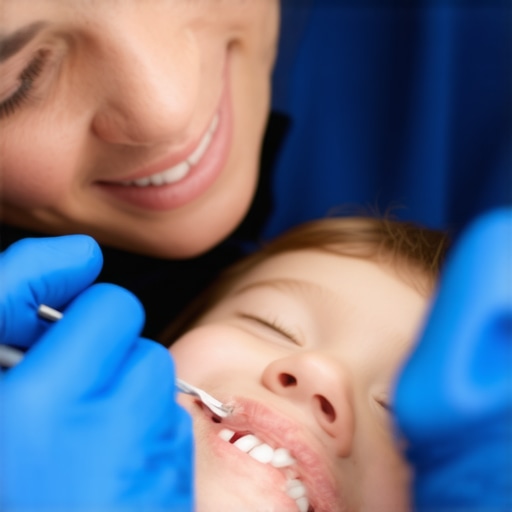
I stood in the bathroom, watching the morning light bounce off a little tube of “all-natural” toothpaste, feeling like an absolute gold-star parent. It was fluoride-free, berry-flavored, and, as it turned out, protection-free. A few months later, that “natural” approach led to a tearful visit to the clinic and a heart-sinking lecture on enamel density. I made the classic mistake of equating “chemical-free” with “effective dental care,” and my daughter paid the price in two uncomfortable fillings. If you’re like me, you want the absolute safest environment for your family, but sometimes the modern “clean” movement ignores the hard science of oral health tips every family should follow. I felt like I had failed her. It was visceral—the sound of the drill and the look of confusion on her face—all because I thought I was being “healthier.” [image_placeholder_1]
Stop trusting the label more than the science
We’re bombarded with marketing that makes fluoride sound like a scary additive, but for a child’s developing teeth, it is the primary hero. Without it, the enamel just doesn’t have the “armor” it needs to fight off the relentless acid attacks from juice and snacks. I learned this the hard way when I realized why fruit snacks are often worse for kids than chocolate bars; the sticky residue sat on their teeth without any fluoride to buffer the acid and rebuild the surface. The American Academy of Pediatrics (AAP) confirms that fluoride is a crucial tool in preventing dental caries in children, citing its safety and effectiveness when used in the correct, age-appropriate amounts. It’s not about using a gallon of it; it’s about that tiny smear that facilitates remineralization. When we skip it, we’re essentially sending our kids into a rainstorm without an umbrella and wondering why they’re getting soaked.
Is skipping fluoride actually worth the risk of cavities?
Many parents worry about systemic toxicity, and I get it—I really do. We want to minimize every possible risk. But the real, immediate danger is the decay that creeps in the moment the remineralization process stops. Have you ever felt like you were doing everything right, brushing twice a day and avoiding soda, only to find a cavity at the next checkup? It’s incredibly frustrating. Sometimes we even find that the reason your child might need a sealants on their molars is because the toothpaste simply wasn’t robust enough to protect those deep, narrow grooves where bacteria love to hide. We’re going to dive into how to balance your desire for holistic products with the absolute necessity of keeping those tiny smiles strong. If the battle at the sink is getting too much, you might also find success in learning how to transition your child to an electric toothbrush without a fight to ensure they’re at least getting a thorough mechanical clean. Have you ever switched to a natural brand only to regret it when the dentist started counting “soft spots”?
Master the tiny smear technique
Instead of guessing, I started using the ‘grain of rice’ rule for my toddler and the ‘pea-sized’ dollop for my eldest. It sounds like such a small thing, but it’s the difference between therapeutic benefit and unnecessary ingestion. This simple adjustment is the foundation of an oral health routine strengthening your smile every day. I remember the first time I actually measured it out; I realized I had been using nearly three times the recommended amount on my own brush! By scaling back, we focus the fluoride exactly where it belongs—on the enamel—rather than in their bellies. 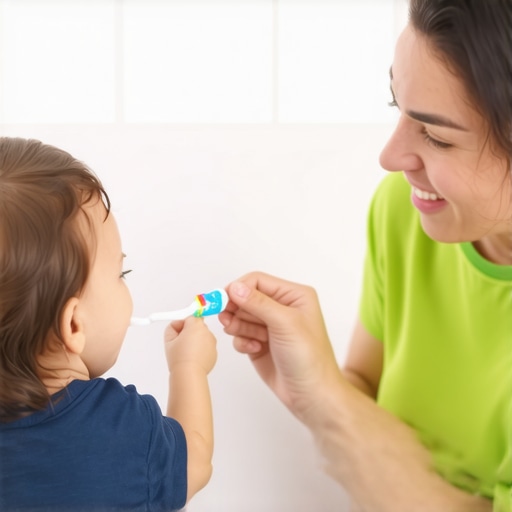
Make brushing a non-negotiable ritual
Think of plaque like sticky, invisible mud. If you just splash water on it, it stays put. You need the right mechanical agitation to break that bond. I found that teeth cleaning secrets effective home practices for family dental health often come down to the angle of the brush—45 degrees toward the gum line—rather than just scrubbing back and forth. We started using a ‘red disclosure tablet’ once a week. Seeing the bright pink spots where they missed plaque turned a boring chore into a scavenger hunt, and suddenly, they were scrubbing the ‘hidden’ zones behind their molars without me hovering.
Trust the professionals to reach the hidden spots
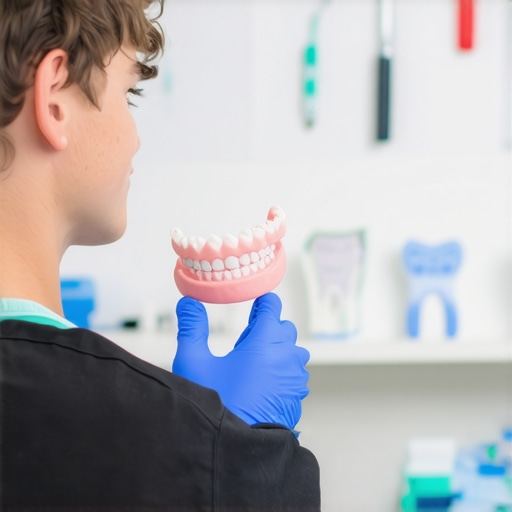
Even with the best home habits, some areas are just fortresses for bacteria. When my son finally sat in the big chair, he was terrified of the noise. I had to explain that what that high pitched water tool is actually doing to your plaque is essentially power-washing the ‘stones’ or tartar that a regular toothbrush can’t budge. Understanding why we use different tools for childrens dental cleanings helped de-mystify the experience for him. It’s not about ‘scraping’ the tooth; it’s about a gentle, high-frequency vibration that protects the gums while clearing the debris that leads to inflammation.
Protect vulnerable teeth with armor
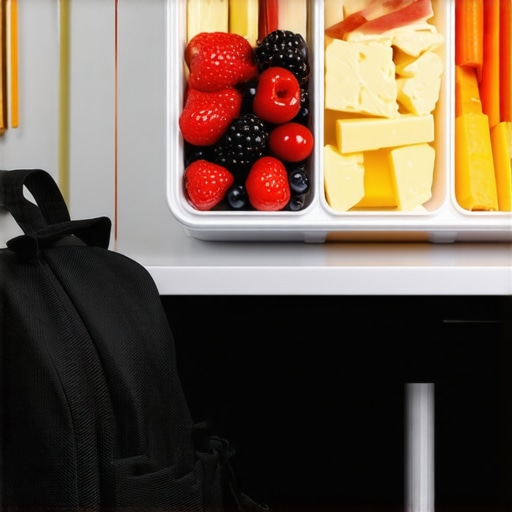
For my daughter, whose enamel was already thinning in certain spots, we had to move past simple prevention into restoration. If a tooth is significantly weakened, a crown becomes a necessity—think of it as a custom-fitted helmet for a tooth that’s lost its structural integrity. We learned that caring for crowns essential tips for longevity and shine include being extra mindful of ‘sticky’ foods that can tug at the margins. It’s about maintaining that seal so bacteria can’t get underneath the restoration. To help the process, we also started eating more fibrous snacks. I was surprised to find that certain raw veggies are actually among the 5 foods that act as natural toothbrushes for your family, providing a mechanical scrub during the school day when a toothbrush isn’t handy. Integrating these habits doesn’t just fix one cavity; it creates a family dentistry focus building a lifetime of healthy smiles through consistent, science-backed action.I used to think that the more my gums tingled or the harder I scrubbed, the better the job I was doing. It’s a common trap: equating friction with cleanliness. But here is the nuance most people miss: your teeth aren’t dirty dishes, and your gums are incredibly delicate. If you’re using a medium or hard-bristled brush, you’re likely participating in slow-motion self-destruction. I’ve seen so many people confused about why your gums might recede even if you never had a cavity, only to find out they’ve been ‘scrubbing’ their gum line into submission. Prioritizing why soft-bristled brushes are the only ones that should touch your gums is the first step in stopping that recession and protecting the sensitive root surfaces.
Wait an hour before you reach for the brush
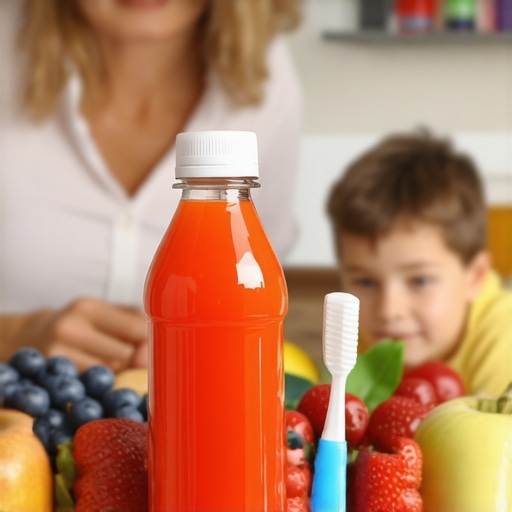
Here’s another ‘oops’ factor that almost everyone gets wrong. Most of us were taught to brush immediately after eating. However, if you’ve just had a glass of orange juice, a bowl of fruit, or a soda, your enamel is currently in a softened, vulnerable state. According to research cited by the American Dental Association (ADA), brushing immediately after consuming acidic foods can actually sand away your enamel. You are essentially brushing the acid deeper into the tooth structure. This is exactly why you should never brush your teeth immediately after eating citrus fruits. Instead, rinse your mouth with plain water and wait about 30 to 60 minutes for your saliva to naturally remineralize the surface and neutralize the pH levels.
Why does your dental crown feel like it has a click when you bite?
If you have restorative work, the nuances get even more complex. A lot of patients think a crown is a ‘set and forget’ solution, but restorations have their own set of quiet warning signs. Have you ever noticed a tiny, sharp sound or a slight movement when you chew? Learning why your dental crown feels like it has a click when you bite is vital because it often signals that the cement seal has been breached. If that seal is compromised, bacteria can sneak underneath and cause decay on the tooth stub before you even feel a twinge of pain. I always tell my friends to look for the ‘hidden leak.’ Knowing how to tell if your dental crown has a small leak can save you from a full extraction or a root canal later on. 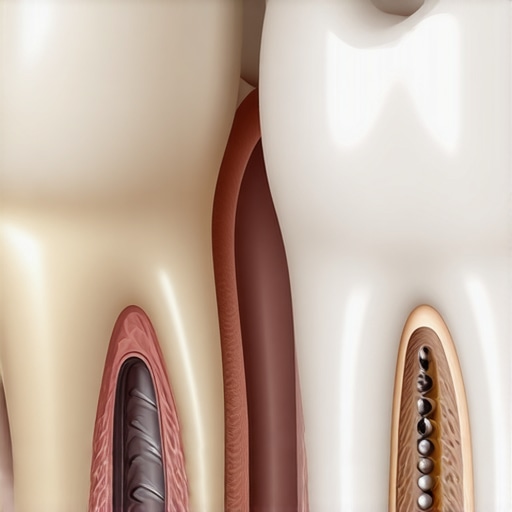
Stop treating back molars like front teeth
We all want that Hollywood white smile, but for the teeth that do the heavy lifting—your back molars—aesthetics should often take a backseat to structural durability. Many people insist on all-ceramic crowns for every tooth because they want them to look ‘natural.’ However, why gold crowns are still the gold standard for back molars comes down to how they interact with your bite. Gold expands and contracts at a rate similar to natural enamel and is far less abrasive to the opposing teeth. If you are a heavy clencher or grinder, you might find why we recommend zirconia for patients who grind their teeth is a better middle ground for strength and looks. Following the maintaining your dental crowns dos and donts for best results will ensure that your investment lasts for decades rather than just a few years. Have you ever fallen into the trap of thinking all crowns are created equal or that harder brushing equals cleaner teeth? Let me know in the comments.
Upgrade your toolkit for the long haul
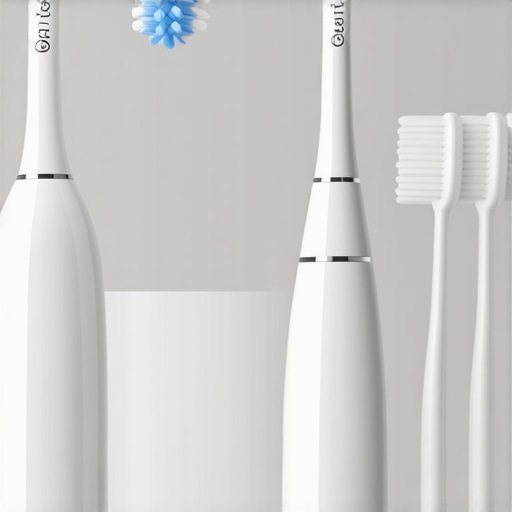
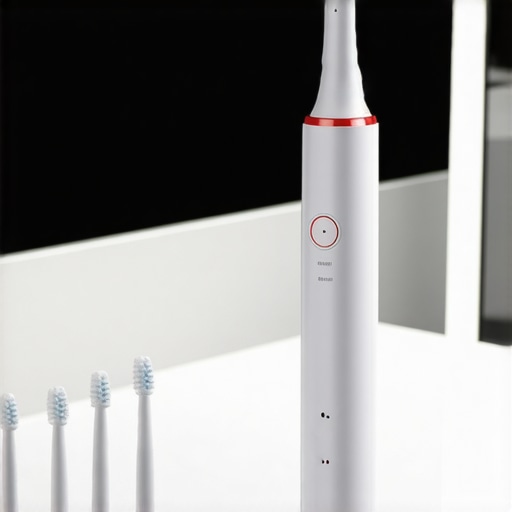
For years, I thought a standard toothbrush and a bit of string floss were enough to keep my expensive dental work in check. I was wrong. If you have restorations, you need to think like a precision engineer. I personally switched to a high-end sonic toothbrush because it’s not just about the vibrations; it’s about the pressure sensor that stops me from destroying my gums. When you have a mix of natural enamel and ceramics, maintaining an oral health routine strengthening your smile every day requires tools that can adapt. I also swear by my water flosser. Many people buy them and let them collect dust, but the common mistake you are making with your water flosser is usually using the wrong tip or too much pressure. I use the ‘orthodontic’ tip specifically for the margins around my crowns to flush out the bacteria that manual floss simply can’t reach. 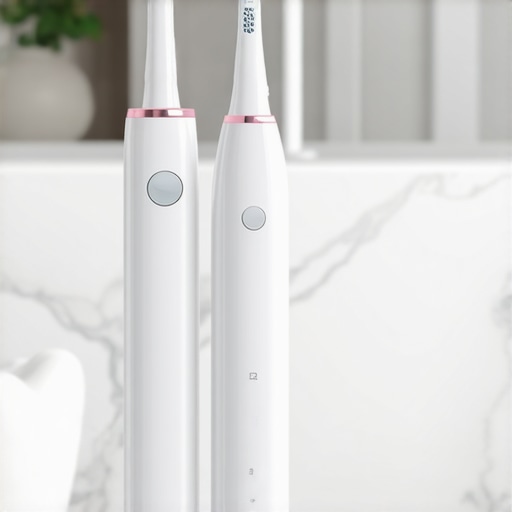
How do I keep my dental work from failing over time?
Consistency is the obvious answer, but the technical reality is more nuanced. Dr. Gordon Christensen, a world-renowned expert in restorative dentistry, has often noted in his Clinicians Report that the success of a crown depends heavily on the ‘ferrule effect’ and the patient’s ability to keep the margin clean. This is where expert advice on crowns and teeth cleaning for lasting results becomes vital. You aren’t just cleaning a tooth; you are protecting a seam. If you notice your gums look red or puffy only around one tooth, that’s your signal to act. I’ve found that teeth cleaning secrets effective home practices for family dental health include using an interdental brush dipped in a tiny bit of alcohol-free mouthwash for those tight spaces.
Stop ignoring the silent threat of the night grind
I never realized how much damage I was doing until my dentist pointed out the ‘craze lines’ in my new porcelain. If you are investing in a family dentistry focus building a lifetime of healthy smiles, you have to address the mechanical wear of bruxism. There is a direct connection between your nightly snoring and your worn-down teeth that most people overlook. I now wear a custom-fitted night guard every single night. It’s not the most glamorous part of my routine, but it’s the only way to ensure I’m not literally grinding away my investment while I sleep. Looking ahead, I predict we will soon see bio-active toothpastes that don’t just clean, but actually ‘heal’ micro-fissures in real-time using lab-grown hydroxyapatite.
Take the disclosure tablet challenge
If you want to truly level up your oral health today, I challenge you to use a plaque-disclosing tablet tonight. Don’t just brush; actually see where the ‘invisible’ film is hiding. It will likely be right at the gum line where you’ve been too timid to scrub. Once you see it, you can’t unsee it, and it will change how you approach your impact of regular teeth cleaning on overall oral wellness forever.
The Shifts That Finally Saved My Kids’ Smiles
After years of trial and error, I realized that oral health isn’t about being ‘perfect’—it’s about being consistent with what actually works. Here are the lightbulb moments that changed everything for us:
- The ‘Wait and Rinse’ Rule: I stopped brushing my kids’ teeth immediately after they ate fruit or drank juice. Letting saliva do its job is the best way to protect your enamel from acid erosion during those vulnerable minutes.
- Seams are Vulnerable: If you have a restoration, you have to be a detective. I learned to watch for sensitivity because knowing how to tell if your dental crown has a small leak is often just a subtle change in how your tooth reacts to cold or pressure.
- Grinding is Real: Most ‘unexplained’ tooth pain in adults is just stress manifesting at night. Finding out how to stop grinding your teeth while you sleep saved my own back molars from micro-cracking and eventual failure.
- Mechanical Beats Manual: A toothbrush can only do so much. Understanding what a professional prophy cleaning removes that your toothbrush cant touch helped me appreciate why we never skip our six-month professional checkups.
The Essentials in My Family’s Bathroom Cabinet
I don’t buy into every new dental fad, but these three tools have fundamentally changed our outcomes. First, a sonic toothbrush with a pressure sensor is non-negotiable for anyone worried about why soft-bristled brushes are the only ones that should touch your gums. It prevents the ‘scrubbing’ habit that leads to painful recession. Second, a water flosser is the only way I can truly manage maintaining your dental crowns dos and donts for best results. Finally, we keep a pack of plaque-disclosing tablets. It’s the ultimate truth-teller for kids who claim they ‘already brushed’ for two minutes—if it’s pink, they missed a spot.
Start Building Your Family’s Forever Smiles Today
Transitioning from a ‘fear-based’ approach to a ‘science-backed’ one was the best thing I ever did for my children’s long-term confidence. It’s not about being afraid of the dentist; it’s about empowering yourself with the right tools and a family dentistry focus building a lifetime of healthy smiles. You don’t have to change everything overnight. Just start with one small shift—maybe it’s the ‘grain of rice’ fluoride smear or waiting 30 minutes after breakfast to brush. Your future self (and your wallet) will thank you. Have you ever felt like you were doing everything ‘right’ only to end up with a surprise cavity? Let me know your story in the comments below!



 Many believe that visiting the dentist for a cleaning is purely about removing plaque, but in my experience, there’s much more beneath the surface. A common misconception is that once you’ve had a cavity filled or a crown placed, your dental care is complete. However, neglecting the long-term maintenance of restorations and understanding their intricacies can lead to avoidable complications. For instance, many assume crowns are permanent solutions that require no further attention, but they are susceptible to issues like micro-leakage if not properly cared for, which can result in secondary decay. Regular check-ups and proper at-home care are essential to prolong their lifespan, as detailed in https://periodontistcare.com/maintaining-your-dental-crowns-dos-and-donts-for-best-results.