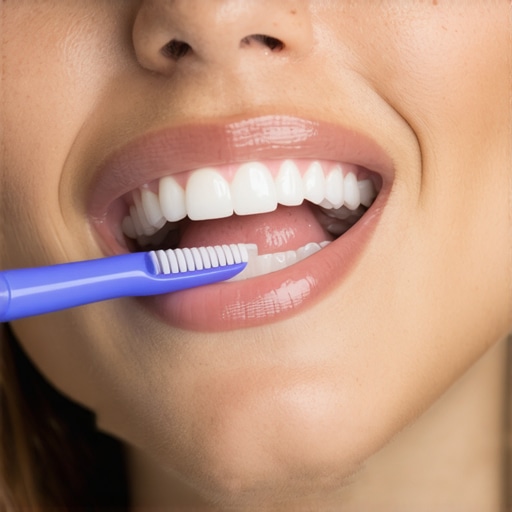
I remember the first time I tried to really scrub my gums hard during a brushing routine. It was like I was trying to sand down a rough surface—vigorous, intense, driven by the belief that more pressure equals better cleaning. But that moment quickly turned into a painful realization: I was actually damaging my gums rather than helping them. Have you ever felt the need to scrub harder because your gums still felt ‘dirty,’ only to find yourself with soreness or bleeding? You’re not alone, and surprisingly, this common mistake can do more harm than good.
Why Our Instinct Tells Us to Press Hard
It’s natural to think that if gentle brushing isn’t enough, then applying more force should do the trick. After all, isn’t scrubbing more deeply better at removing plaque and preventing cavities? Well, not quite. In fact, excessive pressure can cause gum recession, increase sensitivity, and even accelerate the breakdown of the tissue that holds your teeth in place. My early mistake was believing that tough scrubbing meant a thorough clean, but I eventually learned that gentle, consistent brushing is far more effective—especially when paired with proper technique.
And here’s a surprising fact: studies have shown that most people tend to brush with too much force without realizing it. The American Dental Association notes that excessive brushing can lead to gum erosion and damage to the enamel, which is exactly the opposite of what we want for healthy teeth and gums. Want to find out more about how to brush properly? Check out [this guide on brushing techniques](https://periodontistcare.com/what-to-do-when-your-crown-pops-off-at-dinner).
So, what’s the secret to a genuinely healthy smile? It’s not about scrubbing harder; it’s about brushing smarter. But before we get into the how-tos, let’s address a common skepticism you might have.
Master Your Brushing Routine with Precision
Start by selecting a soft-bristled toothbrush suited for your mouth size. Hold the brush at a 45-degree angle to your gums and use gentle, circular motions, focusing on one small section at a time. My first attempt involved massaging my gums vigorously, but I quickly noticed irritation. Instead, I kept my movements light yet thorough, covering all surfaces without pressing hard.
Learn the Correct Technique for Effective Cleaning
Use the tip of your toothbrush to clean the inner surfaces of your front teeth with gentle vertical strokes. For the chewing surfaces, adopt a light scrubbing motion rather than aggressive slashing. Remember, the goal is to dislodge plaque without damaging your gums. When I applied this method during my routine, I felt my gums become healthier and less sensitive over time.
Incorporate Proper Timing and Frequency
Brush twice daily for at least two minutes each session. Use a timer or a music playlist to ensure adequate duration. I used to rush through brushing, which left plaque behind, but now I focus on each quadrant, giving my teeth the attention they need. This consistent practice significantly reduces the risk of cavities and gum disease.
Be Mindful of Your Toothbrush Maintenance
Replace your toothbrush every three to four months or sooner if the bristles fray. A worn toothbrush loses its effectiveness and can harbor bacteria. After a bout of illness, change your toothbrush promptly. Properly cleaning and storing your brush ensures it remains a safe and effective tool for oral health.
Complement Brushing with Flossing and Tongue Cleaning
Floss daily to remove debris stuck between teeth, and gently scrape your tongue to eliminate bacteria that cause bad breath. I found that neglecting these steps nullified the benefits of good brushing. For deeper insight, check out why your tongue needs cleaning. Integrating these habits creates a comprehensive approach to oral hygiene.
Utilize Appropriate Tools and Products
Consider using fluoridated toothpaste recommended by dental professionals to strengthen enamel. An electric toothbrush can also enhance cleaning efficiency if used correctly. However, avoid applying excessive pressure, especially with manual brushes, to prevent gum recession. If you’re unsure about your method, consult your dentist for personalized advice, such as how to choose the best toothbrush for receding gums.
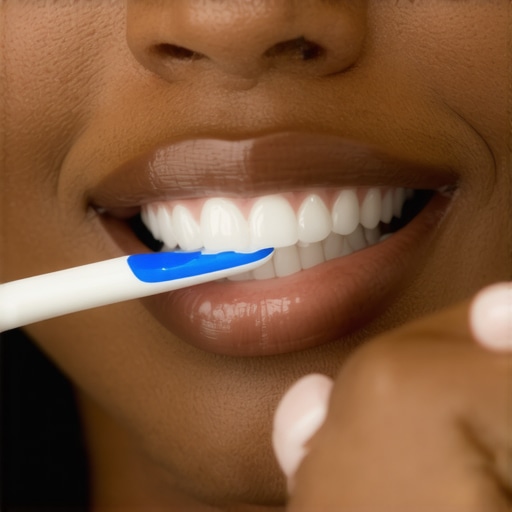 Many people think they know everything about oral health, but even experienced individuals often fall prey to misconceptions that can harm their teeth and gums. For example, a widespread belief is that more frequent or aggressive brushing cleans better. However, overbrushing or using excessive force during brushing can lead to gum recession and enamel erosion. It’s a common trap to think that brushing harder compensates for imperfect technique, but gentle, thorough brushing with proper tools is far more effective. This nuance is often overlooked, and ignoring it can result in long-term damage.
In the realm of dental restorations, many assume that crowns are simply cosmetic, but their technical nuances are critical. For instance, many believe all crowns are equal in durability; however, zirconia crowns stand out due to their strength and longevity, especially in back teeth where chewing forces are greatest. Choosing the right crown material isn’t just about aesthetics—it’s about function and avoiding future complications. Read more about this advanced choice in [why zirconia crowns are the new standard for back teeth](https://periodontistcare.com/why-zirconia-crowns-are-the-new-standard-for-back-teeth).
A common misconception is that oral health problems are only about cavities and toothaches. In reality, issues like gum disease are often silent and require proactive detection. What’s worse, some believe only dental visits can catch these problems, but regular self-assessment and understanding subtle signs can save you from expensive treatments later. For example, persistent bad breath or gums that look darker around dental work could signal underlying issues. Incorporating tongue cleaning, as suggested [here](https://periodontistcare.com/why-your-tongue-needs-cleaning-as-much-as-your-teeth-do), enhances your self-care routine.
Many underestimate how complex family dentistry truly is. Even with perfect brushing, some children develop cavities due to factors beyond simple habits. Root causes include diet, saliva composition, and genetics. Discover why some children get cavities despite excellent hygiene at [this link](https://periodontistcare.com/why-some-children-get-cavities-despite-perfect-brushing-habits). Recognizing these advanced nuances allows for a personalized approach, preventing unnecessary procedures and promoting lifelong oral health.
A significant trap is sharing personal hygiene tools like toothbrushes among family members. While it might seem harmless, this practice increases the risk of cross-contamination and disease transmission. Always use individual toothbrushes, and better yet, replace them after illnesses or every three to four months. For more on proper hygiene habits, see [why you should never share toothbrushes even with family](https://periodontistcare.com/why-you-should-never-share-toothbrushes-even-with-family).
Are you aware of the subtle signs that your dental restorations might be failing? For example, a crown feeling high when biting or a metallic taste could indicate underlying issues. These aren’t obvious and often require an experienced eye to diagnose accurately. Learn how to identify early warning signs and protect your investments in your smile by reading [how to deal with a chipped tooth until you see a dentist](https://periodontistcare.com/how-to-deal-with-a-chipped-tooth-until-you-can-see-a-dentist). Underestimating these signs can lead to more complex problems later.
Finally, pay attention to advanced misconceptions around oral health maintenance. For example, neglecting the importance of tongue cleaning or improper flossing techniques can undermine your routine. Proper flossing isn’t about force but about finesse and patience, preventing gum damage. Incorporate tongue scraping regularly, which can significantly improve breath and reduce bacterial buildup, as explored [here](https://periodontistcare.com/why-your-tongue-needs-cleaning-as-much-as-your-teeth-do).
In essence, understanding the nuanced realities behind family dentistry, teeth cleaning, crowns, and overall oral health empowers you to make informed choices. Don’t fall into common traps—your teeth deserve smarter, tailored care. Have you ever fallen into this trap? Let me know in the comments.When it comes to maintaining optimal oral health, the right tools and meticulous methods are essential for ensuring your efforts last and your smile stays bright. Personally, I rely on a combination of advanced equipment and proven routines to stay on top of my dental game. One tool I highly recommend is the **Sonicare ProtectiveClean electric toothbrush** because its sonic technology provides 31,000 brush strokes per minute, effectively dislodging plaque without risking gum recession, which can happen with manual brushes if pressed too hard. I prefer this over traditional brushes because it maintains consistent pressure and reaches hard-to-access areas, making my routine both effective and comfortable.
Alongside a quality toothbrush, I utilize an **ultrasonic water flosser**—specifically the Waterpik Sonic-Fusion. It’s remarkable at cleaning between teeth and along the gumline, especially for those with crowns or implants. I’ve found that using it daily significantly reduces plaque buildup and enhances gum health, preventing issues like gingivitis or crown decay. Its water-based cleaning mechanism ensures gentle yet thorough removal of debris and bacteria.
For routine checks and long-term monitoring, I leverage **dental tracking apps** such as *MySmileMate*, which help me log my brushing time, remind me to replace my brush head every three months, and record any sensitivity or bleeding. These digital tools enable me to be proactive rather than reactive, catching potential problems early.
Thinking ahead, the future of dental maintenance points toward **smart toothbrushes** equipped with AI sensors that analyze brushing patterns and pressure in real-time, providing instant feedback. As technology advances, I predict personalized oral health management will become more accessible, making preventive care even more effective.
How do I keep my dental tools effective over time?
Regular maintenance is key. I replace my electric brush heads every three months and sterilize my water flosser tips weekly with antimicrobial solutions. Proper cleaning prevents bacteria buildup and ensures the tools function optimally, directly impacting my long-term oral health. For crowns, I schedule periodic check-ups to assess their integrity, especially in the back teeth where chewing forces are greatest—this is crucial for the durability of zirconia crowns, which I consider the gold standard for longevity and strength, particularly in molars (more on zirconia crowns here).
A personal tip: don’t forget tongue cleaning. Using a scraper daily removes bacteria that cause bad breath and reduces bacteria colonization around crowns and implants. For the best results, incorporate this into your routine along with habitual flossing and brushing.
In conclusion, paying attention to the tools you select and how you maintain them can make a considerable difference in your oral health journey. I challenge you to try upgrading your toothbrush to a smart model and commit to replacing your brush head every three months—it’s a small change that yields big results. Would you like more insights into advanced oral hygiene routines? Drop a comment below or schedule a consultation with your dentist to personalize your maintenance plan.
Turning Mistakes into Confidence: Hidden Truths About Oral Hygiene
One of the biggest lessons I uncovered is that aggressive brushing isn’t the answer; gentle, consistent technique leads to healthier gums and teeth. I used to think scrubbing harder was better, but this only caused gum irritation and enamel erosion. Embracing better tools like soft-bristled brushes and electric models with pressure sensors made a world of difference, allowing me to protect my smile effectively.
Unexpected Discoveries That Changed My Routine Forever
Learning about zirconia crowns’s durability shifted my perspective on restorative choices. I realized that not all crowns are created equal—materials like zirconia provide strength without sacrificing aesthetics, especially for molars subjected to heavy chewing. Regular check-ups and proper maintenance are essential to ensure these restorations serve you well over time.
How Self-Awareness Transformed My Oral Care Perspective
Paying attention to subtle signs like lingering bad breath or gum darkening revealed issues before they became serious. Practicing tongue cleaning daily, reading about proper flossing techniques, and avoiding shared toothbrushes helped me prevent problems that seemed minor but could escalate. These small habits empower me daily and keep my family healthy.
Key Tools That Keep My Smile Bright
My trusted toolkit includes a Sonicare electric toothbrush, an ultrasonic water flosser, and digital tracking apps to monitor my habits. Using these tools has made my routine efficient and enjoyable, reinforcing the importance of investing in quality equipment and staying consistent. Remember, replacing toothbrush heads regularly and maintaining tools properly prolongs their effectiveness, protecting your long-term oral health.
Embracing Continuous Learning and Personal Growth in Dental Care
Staying informed through credible resources like detailed guides on [brushing techniques](https://periodontistcare.com/what-to-do-when-your-crown-pops-off-at-dinner) or understanding the nuances of crown materials has been instrumental. The field evolves, and so should our knowledge. Don’t hesitate to ask your dentist about personalized strategies, such as choosing the best crown material for your needs or addressing specific concerns like gum recession.
What I Wish I Knew from the Start
- Gum recession isn’t just aesthetic—it exposes roots and increases sensitivity. Learning about early signs helped me address issues before they worsened.
- Using a water flosser daily can significantly reduce plaque and prevent gum disease, especially around crowns and implants.
- Regular tongue cleaning enhances overall oral health and freshens breath, something I neglected for too long.
- Understanding your unique risk factors, such as genetics or diet, allows for tailored preventive measures rather than a one-size-fits-all approach.
My Personal Recommendations for Smarter Dental Care
- Invest in a high-quality electric toothbrush with pressure sensors—it’s an investment in your future smile.
- Replace your toothbrush or brush head every three to four months, especially after illness, to prevent bacterial buildup.
- Incorporate tongue scraping into your daily routine to reduce bacteria and improve breath.
- Consult a dentist regularly to personalize your care plan—your mouth deserves tailored attention.
Keep Moving Forward with Confidence
Making small, informed adjustments to your oral care routine can lead to lasting improvements. Remember, your smile is a reflection of your overall health and confidence. Don’t let misconceptions hold you back from achieving the best version of your oral wellness. Embrace learning, keep your tools sharp, and trust your journey toward a healthier, happier smile.
What’s one change you’ve been meaning to make in your dental routine? Share your thoughts below—I’d love to hear your story!
,