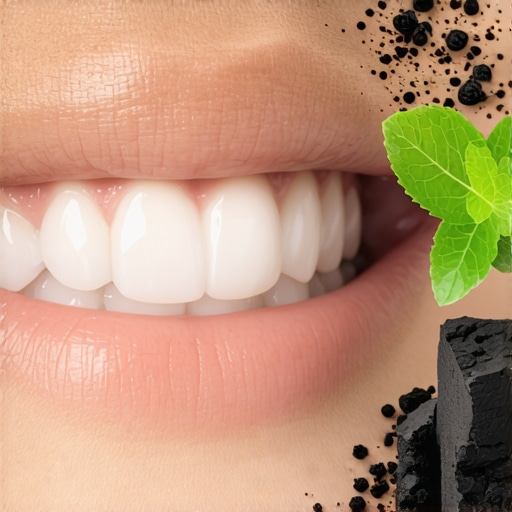
I remember the moment vividly—brushing my teeth after a long day, feeling that satisfying scrub, only to notice my enamel looking a bit duller than usual. It hit me then that I might be unknowingly harming my own teeth, especially with all the buzz around charcoal toothpaste. That mysterious black paste promised whitening magic, but was it really doing more good than harm?
Why We Need to Rethink Charcoal Toothpaste and Enamel Care
Many of us jump at trends like charcoal toothpaste, thinking, “This must be better because it’s natural,” without truly understanding the potential risks. I’ve learned from personal mishaps and conversations with dental professionals that aggressive abrasives can wear down your enamel over time. Enamel, as I’ve come to realize, isn’t just a surface; it’s your first line of defense against cavities and sensitivity. Once it’s compromised, reversing the damage isn’t simple.
Did you know that experts estimate that a significant portion of tooth wear results from over-aggressive brushing combined with abrasive toothpastes? A study published by the American Dental Association highlights the importance of gentle, proper cleaning techniques to preserve enamel integrity (source: ADA).
If you’ve experienced sensitivity or noticed your teeth look duller, you’re not alone—and there’s good news. Proper awareness and care can safeguard your enamel while still achieving that bright smile. Coming up, I’ll share practical steps that helped me transition away from risky whitening methods and embrace enamel-friendly habits. Ready to learn how to keep your teeth healthy and strong? Let’s dive in.
Choose the Right Toothpaste Trusted by Dentists
Select a toothpaste that is gentle on enamel, ideally one with low abrasiveness and fluoride content. Avoid scrubbing too hard, which can wear down enamel, similar to how a rough scrub can damage delicate fabric. When I switched to a low-abrasive, fluoride toothpaste, I noticed my teeth became less sensitive over time. For guidance, consider consulting your dentist about the best toothpaste options.
Master the Proper Brushing Technique
Use a soft-bristled brush and gentle circular motions to clean your teeth. Imagine polishing a fine piece of furniture—gentle, controlled movements are more effective and safer than harsh scrubbing. I once caught myself pressing too hard and felt immediate discomfort; after adjusting my technique following advice from my dentist, my gums and enamel felt better. Remember, over-brushing can cause more harm than good.
Limit Use of Risky Whitening Products
Be wary of over-the-counter whitening strips or charcoal pastes that can be overly abrasive. Instead, opt for professional whitening treatments recommended by your dentist when you want to brighten your smile. I tried a DIY whitening kit with harsh chemicals, which led to increased sensitivity. Switching to a professional whitening session with my dentist not only improved my smile but also protected my enamel.
Adopt Enamel-Friendly Dietary Habits
Reduce intake of acidic foods and beverages like soda and citrus fruits, which can erode enamel over time. Think of enamel as a fortress—acidic foods chip away at its walls. I noticed my teeth felt more sensitive after frequent soda consumption; cutting back and rinsing with water afterward helped preserve my enamel. Drinking plenty of water and eating plain, minimally processed foods support healthy enamel.
Incorporate Gentle Flossing and Rinse Strategies
Floss carefully—without snapping or pressing too hard—to avoid damaging gums and enamel. Use a light touch, similar to gentle brushing. Rinse with a fluoride mouthwash, but avoid rinsing immediately after brushing to allow the fluoride to strengthen enamel. I used to rinse aggressively after brushing, but now I wait a couple of minutes for the fluoride to work. Proper flossing and rinsing can significantly improve oral health without risking damage.
Schedule Regular Dental Check-Ups
Visit your dentist at least twice a year for cleanings and professional assessments. Dentists can detect early signs of enamel erosion and suggest personalized prevention strategies. During my latest check-up, my dentist identified early enamel wear, allowing us to implement targeted steps before more serious issues arose. Keep your enamel protected by maintaining routine professional care.
While many believe that regular teeth cleaning or choosing the latest whitening trend guarantees optimal oral health, there’s a hidden nuance often overlooked: the importance of understanding individual oral conditions and the subtle signs of issues that can escalate if ignored. For example, many assume that all crowns are alike or that professional cleaning alone can prevent cavities, but advanced mistakes like neglecting the material compatibility of crowns or overlooking early signs of gum disease can lead to costly repairs or health risks. A common myth is that flossing too aggressively is beneficial—research by the American Dental Association warns that forceful flossing can damage gums and cause bleeding, which might be mistaken for oral disease when, in fact, technique matters more than strength. Moreover, many underestimate the significance of personalized oral health plans tailored by your dentist rather than generic routines, especially in cases involving crowns or bridges where improper cleaning around these restorations can promote decay underneath or around the margins.
How can understanding the material of dental crowns improve long-term outcomes?
Knowing whether your crown is porcelain, zirconia, or metal impacts choosing compatible cleaning tools and techniques, helping prevent chipping or loosening over time. For a deeper dive, explore how professional guidance on crown materials enhances durability and aesthetics, or read about the common pitfalls in maintaining crowns to avoid unnecessary replacements. Remember, even routine procedures like teeth cleaning are more nuanced than they seem; factors such as your gum health, plaque buildup, and personal habits influence the effectiveness of every visit. Misjudging these nuances can lead to overlooked early decay or inflammation, which are easier to manage if caught early—so regular check-ups with an attentive dental professional are essential. Be cautious of the trap of believing that DIY solutions or over-the-counter products can substitute professional assessments, especially when dealing with complex restorations or gum issues. Staying informed and proactive ensures your oral health isn’t compromised by simple misconceptions or neglect. Have you ever fallen into this trap? Let me know in the comments.Maintaining optimal oral health over the long term requires more than just regular brushing and visits to the dentist. Investing in the right tools and adopting effective techniques can significantly prolong the life of your restorations, keep your gums healthy, and prevent future issues. One essential piece of equipment I personally swear by is an electric toothbrush with a timer. It ensures I brush for the recommended two minutes each session, and models like the Philips Sonicare DiamondClean offer gentle yet thorough cleaning, which is crucial for safeguarding enamel and reducing plaque buildup. Incorporating a water flosser, such as the Waterpik, has been a game-changer for me, especially around crowns and bridges where traditional floss can be tricky. This device uses pulsating water to clean beneath restorations and between teeth without causing gum trauma. Regular use of these tools complements professional cleanings and helps maintain long-term results. Looking ahead, I believe the technology in oral health tools will become even smarter—think apps that monitor your brushing patterns or detect early signs of decay—making maintenance more proactive and personalized. To best maintain your dental health over time, consistent use of these proven tools is key. How do I keep my tools in top shape? Regularly replace brush heads and inspect devices for wear, just like I schedule annual check-ups for my dental work. Proper cleaning of electric toothbrush heads with hot water and dish soap prevents bacterial buildup and ensures optimal performance. I also recommend scheduling routine professional cleanings every six months, as dentists can spot and address issues before they develop into costly repairs. Remember, the combination of effective tools and good habits forms the backbone of lasting oral health. Don’t hesitate to try out an electric toothbrush or water flosser—these small investments can pay off by extending the lifespan of your crowns, preventing cavities, and maintaining overall gum health. For specific guidance on choosing the right materials for your crowns, check out [this detailed article](https://periodontistcare.com/how-to-choose-the-right-crown-material-for-a-front-tooth-smile). Consistency is key, so start integrating these tools into your routine today and enjoy the benefits of a healthier smile for years to come.
The Hardest Lesson I Learned About Maintaining a Strong Smile
One revelation that reshaped my approach to oral health was realizing that even the most seemingly harmless habits, like using a charcoal toothpaste, can have long-term consequences if not used carefully. Personal experiences, paired with professional advice, taught me that respecting my enamel’s delicate nature was key to preventing unnecessary damage and maintaining that bright, healthy smile I desire.
Tools and Tips That Elevated My Oral Care Routine
Discovering the right tools, such as an electric toothbrush with a timer and a water flosser, made a substantial difference. These devices promote gentle yet effective cleaning, safeguard enamel, and improve gum health—benefits I wholeheartedly endorse. Trusting reputable products and learning the correct techniques were game-changers that I now incorporate into my daily routine.
Embracing a Mindful Approach to Oral Hygiene
Over time, I’ve learned that consistency, combined with awareness of individual oral needs, surpasses any generic routine. Regular check-ups, tailored advice from my dentist, and careful selection of dental products have empowered me to take control of my oral health rather than relying solely on trendy solutions that may do more harm than good. Staying informed ensures you’ll make choices that truly benefit your smile.
Insider Wisdom: Lessons That Shifted My Perspective
- Enamel isn’t Forever: Every aggressive brushing or abrasive product chips away at this vital layer—treat it with respect.
- Customized Care Matters: What works for one person might harm another—personalized advice from your dentist is invaluable.
- Prevention Over Cure: Regular professional assessments catch issues early, saving time and money while preserving your health.
- Less Is More: Gentle techniques and fewer harsh chemicals often yield better results than aggressive routines or trendy whitening products.
My Must-Have Arsenal for Long-Term Smile Success
After extensive research and personal trial, I recommend tools like the Philips Sonicare DiamondClean for optimal brushing and a Waterpik water flosser for effective interdental cleaning. Additionally, trustworthy resources like [this guide to choosing the right crown material](https://periodontistcare.com/how-to-choose-the-right-crown-material-for-a-front-tooth-smile) have helped me understand how specific materials impact long-term durability. Investing in quality tools, coupled with professional advice, creates a powerhouse routine for lasting oral health.
Your Smile’s Future Starts Today
Healthy teeth and gums aren’t just aesthetic—they’re foundational to overall well-being. By understanding the nuances of oral care, making informed choices, and embracing gentle, consistent habits, you set the stage for a lifetime of confident smiles. It’s never too late to start refining your approach—your future self will thank you.
What small change have you considered making to improve your oral health? Share your thoughts below—I’d love to hear your journey toward a stronger, healthier smile!