Category: Dental Emergency Care

  • How to Safely Remove a Popcorn Kernel Stuck Deep in Your Gums

    How to Safely Remove a Popcorn Kernel Stuck Deep in Your Gums

    It happened during movie night—one minute I was happily munching on popcorn, and the next, I felt that familiar, uncomfortable pressure deep in my gum line. I knew instantly something was wrong. After unsuccessfully trying to dislodge it with my tongue and a quick toothbrush swipe, I realized I was in trouble. That tiny, stubborn popcorn kernel had managed to lodge itself deep where I couldn’t reach, making my gum sore and sensitive. Honestly, it was a lightbulb moment for me: if you’re not careful, something as simple as a snack can turn into a dental nightmare.

    Why Popcorn Kernels Are a Hidden Dental Threat

    Popcorn is a beloved snack for many of us, but its hard kernels can be sneakily dangerous. When one gets stuck deep in your gums, it can cause irritation, swelling, and even infection if not handled properly. The discomfort can be surprising and sometimes alarming, especially when you’re unsure how to remove it without causing damage. Over the years, I’ve learned that tackling this problem requires patience, proper technique, and a solid understanding of oral safety. Ignoring the issue or attempting unsafe removal methods can lead to gum injury or worse.

    Did you know that, according to a study from the American Dental Association, improper removal or attempting to dig out embedded food particles can actually worsen gum health and increase infection risk? It’s a reminder that not every DIY fix is safe. Early on, I made the mistake of using a metal pin to pry the kernel out—definitely a bad move. It ended up scratching my gum tissue and causing more pain. That’s why I want to share a safe, effective approach based on my personal experiences and expert advice.

    Are you tired of that pesky popcorn kernel sitting stubbornly in your gum, causing discomfort and concern? Well, you’re in the right place. We’ll cover step-by-step how to approach this situation safely and effectively, so you can avoid unnecessary pain or damage. Before we dig into the practical steps, let’s address one of the biggest questions I hear: ‘Is trying to remove it myself worth the risk?’

    Prepare Your Workspace and Gather Proper Tools

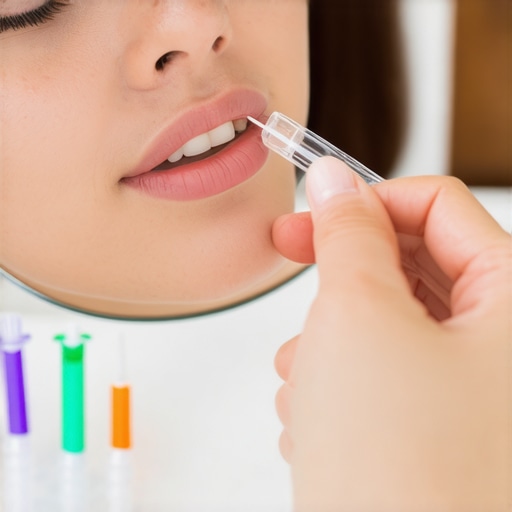
    Start by washing your hands thoroughly with soap and water to prevent introducing bacteria into your gums. Then, gather sterilized dental floss, a clean, small mirror, and optionally, lukewarm salt water for rinsing. Using sterile tools reduces infection risk and ensures safety during removal. I once used a sterilized dental pick from my kit, but remember, if you’re unsure, it’s better to consult a professional.

    Assess the Situation Carefully

    Use a mirror to locate the embedded kernel and examine the surrounding gum tissue. Do not attempt to poke or prod aggressively—think of your gums as delicate tissue paper. If the kernel is visible and accessible, proceed cautiously. If it’s deeply lodged or difficult to see, consider seeking expert advice to prevent injury, or learn about professional [teeth cleaning](https://periodontistcare.com/teeth-cleaning-secrets-effective-home-practices-for-family-dental-health) techniques for preventative care.

    Gentle Flossing for Extraction

    Wrap a small piece of dental floss around your fingers, create a firm but gentle loop, and carefully slide it between your gum and the lodged kernel. Use a back-and-forth sawing motion, similar to cutting a rope, but remember: gentle pressure is key. I once successfully dislodged a stubborn popcorn kernel this way after several cautious tries, avoiding pain or damage. Do not force the floss, as that can injure the gum tissue.

    Careful Manipulation is Critical

    Once the floss tightens around the kernel, gently lift or slide it out—think of prying a stubborn staple without ripping the paper. If resistance occurs, pause and try re-positioning or increase the lubrication with a salt water rinse. Do not try to dig out with sharp objects, as they can puncture or scratch your gums—this is a common mistake to avoid. For more details on maintaining [your oral health routine](https://periodontistcare.com/oral-health-routine-strengthening-your-smile-every-day), proper technique is vital.

    Rinse and Disinfect

    After successful removal, rinse your mouth with a warm, salt water solution to cleanse the area and soothe irritation. Swish gently for about 30 seconds, acting like a gentle garden hose to wash away debris. This step helps reduce bacteria and promotes healing. Observe for any persistent swelling or bleeding; if symptoms continue, schedule an appointment with a dentist who can check your healing progress, especially if the gum tissue looks damaged.

    Monitor and Maintain Oral Hygiene

    Keep the area clean and avoid irritating foods for the next few days. Stick to soft foods and avoid abrasive items like raw vegetables or crunchy snacks until healing stabilizes. Regular brushing and flossing should resume carefully, focusing on gentle techniques around the affected gum. Remember, excellent oral hygiene is the foundation of preventable issues, as emphasized in [family dentistry practices](https://periodontistcare.com/family-dentistry-focus-building-a-lifetime-of-healthy-smiles). If you notice any signs of infection—such as increased redness, pus, or persistent pain—consult your dentist promptly to prevent complications.

    Many people assume that simply brushing twice a day suffices for optimal oral health, but this misconception overlooks nuanced factors critical to maintaining healthy teeth and gums. For instance, aggressive brushing can do more harm than good, leading to gum recession and enamel erosion, which ironically increases sensitivity and vulnerability to decay. According to research published in the Journal of Periodontology,regular professional cleanings play a pivotal role in not just removing plaque but also preventing periodontal diseases that often go unnoticed. Many believe that flossing is optional, yet neglecting it can allow plaque accumulation between teeth, fostering decay and gum disease. Furthermore, understanding the advanced nuances of dental restorations like crowns reveals that longevity depends heavily on material choice and care routines. Ceramic crowns, for example, are more resistant to staining and chipping, but improper maintenance can compromise their lifespan, which is why consulting a specialist for caring for crowns is essential. A common myth persists that all crowns are alike; in reality, zirconia crowns offer superior strength, especially for back molars, as detailed in this comparison. Interestingly, many overlook the importance of surface texture on crowns—rough surfaces can trap plaque, accelerating decay, which emphasizes the need for smooth, well-polished restorations. Do you catch yourself thinking that rinsing with mouthwash replaces flossing? It’s a dangerous trap; mouthwash cannot reach areas between teeth, underscoring the importance of comprehensive oral hygiene. Recognizing these nuances and avoiding common pitfalls ensures not just a brighter smile but also overall health. For a detailed routine tailored to your needs, consider insights from this expert guide. Proper education and vigilance are your best tools in preventing costly dental issues down the line. Have you ever fallen into this trap? Let me know in the comments.

    Investing in the Right Tools for Lasting Oral Health

    Keeping your dental health in top shape requires more than just brushing and flossing. Personally, I swear by electric toothbrushes equipped with sonic technology, such as the Philips Sonicare series. Their high-frequency vibrations effectively disrupt plaque and reach areas that manual brushes often miss, especially along the gum line. I’ve noticed a significant reduction in gum bleeding since I made the switch, which aligns with the findings highlighted in professional cleaning benefits. Additionally, I always recommend using a water flosser like the Waterpik Ultra. It’s fantastic for cleaning around crowns and bridging gaps where traditional floss might struggle, ensuring debris doesn’t accumulate and cause complications over time.

    Another essential tool is a good-quality mirror with a built-in light. It allows you to monitor hard-to-see areas and catch early signs of gum issues or plaque buildup. Personally, I prefer a magnifying mirror with LED illumination; it gives a clear view without straining my eyes. When combined with a fluoride rinse, these tools create a comprehensive routine that promotes mouth health and prevents minor problems from escalating into costly repairs.

    Supplementing Daily Care with Professional Support

    While home tools are vital, professional cleanings are irreplaceable. In my experience, scheduling biannual visits for a cleaning and check-up not only maintains the health of my crowns and natural teeth but also extends their lifespan. Regular inspections help catch issues like early crown wear or gum recession before they develop into major concerns. For an in-depth look at how routine professional care impacts your overall oral wellness, see here.

    Future Trends: Smarter Tools for Smarter Care

    The future of oral health looks promising with the integration of smart technology. Imagine toothbrushes connected via Bluetooth that monitor your brushing habits, pinpoint missed spots, and suggest improvements directly to your smartphone. Additionally, AI-powered dental apps are being developed to analyze photos of your teeth, helping you identify early signs of decay or gum issues. These advancements will make personalized care more accessible and efficient, encouraging proactive maintenance rather than reactive treatments.

    How do I maintain my crowns and restorations over time?

    Keeping your crowns, including those made of zirconia or ceramic, in optimal condition hinges on consistent care and careful habits. I recommend avoiding abrasive toothpaste that can scratch or dull the surface; instead, use a non-abrasive fluoride toothpaste. Regularly inspect your crowns for chips or cracks, and avoid biting on hard foods like ice or nuts that can jeopardize their integrity. For detailed advice on prolonging the life of your crowns, explore this resource.

    Want to give your dental routine a healthy boost? Try the high-tech water flosser I mentioned earlier—it’s a game-changer for maintaining gum health around crowns and implants. Remember, combining effective tools with professional check-ups will set you up for a lifetime of confident, healthy smiles.

    Lessons Only the Wise Can Share About Oral Health and Crowns

    • Patience is a form of mastery; rushing to remove a stuck kernel can cause more harm than good. I learned the hard way that slow, gentle techniques win over quick fixes, ensuring I protect my gums while resolving issues.
    • Consistent education about crown materials and maintenance saves headaches in the long run. Discovering that zirconia crowns offer superior durability motivated me to choose better restorations and care routines.
    • Listening to your body’s signals is vital. If persistent discomfort or swelling occurs after trying self-removal, seeking professional help is the wisest step—not risking further damage with unsafe tools or methods.

    My Toolkit for Lasting Dental Confidence

    • Electric toothbrushes with sonic technology—like the Philips Sonicare—have transformed my daily cleaning. Their ability to reach challenging spots complements my flossing efforts and keeps my gums healthy, as supported by expert advice.
    • A water flosser, such as Waterpik Ultra, quickly became my favorite for maintaining hygiene around crowns and bridges. Its ease of use and effectiveness make it a cornerstone of my routine.
    • A high-quality LED-lit mirror allows me to monitor hard-to-see areas, catching early signs of any issues before they escalate. This simple tool is invaluable for proactive dental care.
    • My trusted resource for understanding crown maintenance and oral hygiene techniques is this guide. It’s helped me develop habits that preserve my smile’s integrity over time.

    Your Smile, Your Power: Take Action Today

    Taking control of your oral health, especially when dealing with stubborn issues like embedded popcorn kernels, empowers you to maintain your confidence and comfort. Remember, effective tools combined with professional support create a resilient foundation for lifelong smiles. Don’t wait for problems to escalate—invest in your dental wellness now, and watch your self-assurance grow.

    Have you ever had an experience where a small snack turned into a dental challenge? Share your story below—I’d love to hear your insights and tips!

  • How to Handle a Crown That Pops Off During Sunday Dinner

    How to Handle a Crown That Pops Off During Sunday Dinner

    Imagine sitting around the dinner table, plates clattering, laughter filling the room, when suddenly—your tooth feels strange. You glance in the mirror and realize the crown you’ve cherished for years has unexpectedly popped off. Moments like these can turn a peaceful evening into a mini dental emergency, leaving you feeling frustrated and unsure of what to do next. Believe me, I’ve been there. That sinking feeling when your confidence suddenly dips because of a lost crown—that’s a problem many of us face. But here’s the good news: you don’t have to panic or wait until Monday to fix it.

    In this post, I’ll share practical advice on how to handle a crown that pops off during an ordinary Sunday dinner. From immediate steps to tips on maintaining your dental health, I’ll guide you through what might seem like a tricky situation but is entirely manageable with the right knowledge.

    Why Handling a Lost Crown Matters More Than You Think

    You might wonder, “Is it really that urgent?” Well, the truth is, ignoring a dislodged crown can lead to more serious problems down the line. Exposure of the underlying tooth structure to food particles and bacteria increases the risk of decay, sensitivity, and even infection. As noted by dental health experts, failing to address a lost crown promptly can jeopardize the health of your natural tooth and weaken the foundation for any future restorations. Plus, a missing crown can make your tooth more vulnerable to cracking or breaking.

    Early intervention isn’t just about avoiding pain or further dental work—it’s about preserving your smile and confidence. I remember making the mistake early on of delaying the visit to the dentist, thinking it was just a minor inconvenience. That hesitation cost me time, money, and a lot of discomfort. Trust me, you want to avoid that mistake.

    Do you recall a time when you faced a similar issue? How did you handle it? This shared experience underscores the importance of being prepared. In the sections ahead, I’ll walk you through the immediate steps to take when your crown pops off, ensuring you’re never caught off guard again. Ready to become the master of your dental emergencies? Let’s dive in.

    Secure the Area to Prevent Further Damage

    As soon as your crown falls off, gently rinse your mouth with warm water to clear away any debris. Use clean hands or sterile gloves to handle the crown, preventing bacterial contamination. Don’t try to glue it back yourself—this can cause more harm than good. Think of your tooth as a delicate glass object; handling it with care is essential to avoid cracks or fractures.

    Preserve the Crown and Seek Professional Advice

    Place the removed crown in a safe container—like a small plastic bag or an airtight container—and take it to your dentist. This helps with possible reattachment or for the dentist to assess if repairs are feasible. During my last incident, I kept my crown in a tiny plastic box and contacted my dentist immediately. The result? My dentist re-cemented it, saving me money and preserving my smile. Remember, timing is critical when addressing a lost crown.

    Temporary Fixes to Minimize Discomfort

    If the tooth feels sharp or sensitive, consider applying a small amount of over-the-counter dental cement or temporary dental repair kit, available at pharmacies, to cover the tooth temporarily. These kits act like a cushion and shield the exposed tooth from food and bacteria, reducing pain and sensitivity. Be cautious not to use too much—just enough to protect the tooth. This is a short-term fix; schedule a dental appointment as soon as possible.

    Manage Pain and Sensitivity

    If discomfort occurs, over-the-counter pain relievers like ibuprofen can help control pain and inflammation. Avoid very hot, cold, or sticky foods that can irritate the exposed tooth. During a past episode, I experienced sensitivity to cold drinks, so I switched to room temperature beverages until my appointment. Managing pain effectively keeps you comfortable and prevents worsening symptoms.

    Maintain Good Oral Hygiene to Prevent Further Issues

    Continue brushing and flossing the unaffected teeth thoroughly, being careful around the exposed tooth to avoid causing more trauma. Use a soft-bristled toothbrush to minimize irritation. Regular cleaning helps prevent plaque buildup that could accelerate decay or infection. Explore effective home practices by visiting [teeth cleaning secrets](https://periodontistcare.com/teeth-cleaning-secrets-effective-home-practices-for-family-dental-health) which provide valuable tips for maintaining your dental health between professional visits.

    Timing Your Dentist Visit

    Book an appointment with your dentist promptly—preferably within 24 hours—to assess the damage and determine repair options. If pain or sensitivity intensifies, seek urgent care. In my case, I called my dentist immediately after noticing the crown was missing; they managed to reattach it in one visit, avoiding more extensive procedures later. Prompt action preserves your oral health and restores your confidence.

    Prevent Future Crown Issues

    To avoid recurrence, adhere to your dentist’s guidelines for crown care, avoid biting hard foods, and consider regular check-ups. Learn about how crowns can benefit your smile by exploring [how crowns can transform your dental confidence](https://periodontistcare.com/how-crowns-can-transform-your-dental-confidence). Additionally, maintaining routine cleaning and discipline in oral hygiene can extend the lifespan of your crown and natural teeth. Regular professional cleanings, as discussed in [impact of regular teeth cleaning](https://periodontistcare.com/the-impact-of-regular-teeth-cleaning-on-overall-oral-wellness), are crucial for overall oral health.Many people approach oral health with misconceptions that can hinder their progress and even cause damage. One common myth is that routine brushing is enough to maintain healthy teeth; in reality, neglecting professional cleanings can lead to plaque buildup and gum disease, regardless of how diligent you are with brushing. To truly preserve your smile, it’s essential to understand that *deep cleanings* and regular check-ups play a pivotal role, as emphasized in [the impact of regular teeth cleaning](https://periodontistcare.com/the-impact-of-regular-teeth-cleaning-on-overall-oral-wellness). Another misconception is that crowns are permanent and immune to issues, but improper maintenance or overlooking minor problems can lead to crown failure or decay underneath. This is why following guidelines in [caring for crowns](https://periodontistcare.com/caring-for-crowns-essential-tips-for-longevity-and-shine) is crucial.

    A less obvious trap involves over-reliance on whitening products. Many think these can replace professional whitening treatments, but overusing over-the-counter solutions can cause sensitivity and damage to enamel. An advanced mistake some make is ignoring the importance of *family dentistry* in maintaining overall oral health. It’s not just about individual treatments—supporting a family-oriented approach reduces the risk of cavities and gum disease across all ages, as discussed in [family dentistry focus](https://periodontistcare.com/family-dentistry-focus-building-a-lifetime-of-healthy-smiles).

    Have you ever fallen into this trap? Let me know in the comments.

    A critical nuance often missed involves the *role of saliva* in oral health. Saliva acts as a natural barrier against bacteria and helps neutralize acids, yet many overlook its importance until problems arise—leading to overlooked dry mouth conditions that accelerate decay. Understanding the nuances of saliva’s function underscores that hydration and saliva-stimulating practices are just as vital as brushing and flossing. For advanced insights, check out [oral health routine](https://periodontistcare.com/oral-health-routine-strengthening-your-smile-every-day).

    Lastly, some believe that simply paying attention to visible symptoms suffices. However, many dental issues, like *incipient decay or early gum disease*, are silent until they become painful or expensive. Regular professional examinations serve as preventive tools to catch these discreet problems early, aligning with expert recommendations. This proactive approach is often the difference between simple maintenance and complex, costly restorative work later.

    Remember, a nuanced understanding of oral health involves more than just superficial knowledge; it requires appreciating the complex interactions between habits, professional care, and biological factors. Stay informed, and your smile will thank you.Maintaining a healthy, functional smile over the years requires more than just regular brushing; it involves investing in the right tools and adopting effective methods. As a family dentist with decades of experience, I’ve found that selecting the proper equipment makes a significant difference in the longevity of crowns, the effectiveness of teeth cleaning, and overall oral wellness. In this post, I’ll share the specific tools I personally use and recommend for consistent, long-term results.

    First and foremost, I advocate for high-quality electric toothbrushes, such as the Philips Sonicare DiamondClean. Its sonic technology delivers 62,000 brush movements per minute, which not only enhances plaque removal but also reaches areas traditional manual brushes often miss. I personally use the pressure sensor feature to prevent overbrushing, which can wear down gums and damage dental work over time. Regular use of a reliable electric brush, combined with fluoride toothpaste, significantly reduces the risk of decay around crowns and natural teeth alike.

    In addition to brushing, interdental cleaning is essential. I recommend water flossers like the Waterpik Ultra. Unlike traditional floss, water flossers® deliver pulsating streams of water that effectively dislodge food particles and bacteria from hard-to-reach spots, especially around crowns and bridges. I use mine daily, especially after meals, since it’s gentle enough for sensitive gum tissue while being highly effective. For families, teaching kids to use water flossers early on helps instill proper hygiene habits.

    When it comes to maintaining crowns specifically, I suggest applying a silicone-based prophylaxis paste during professional cleanings. This abrasive but gentle cleaner helps remove surface stains without damaging the crown’s porcelain or ceramic surfaces. For daily at-home use, I recommend a soft, nano-hybrid brush which minimizes abrasion yet offers the precision needed for thorough cleaning around restorations.

    In the digital age, software tools like my preferred appointment management system streamline scheduling and patient follow-ups. For me, tools like Dentrix Ascend integrate seamlessly with clinical data, enabling personalized care plans and reminders that keep my patients on track with their maintenance routines.

    Prediction for the future points toward smarter, AI-integrated devices that monitor your oral health metrics in real-time, alerting you to potential issues before they become severe. As this technology becomes more accessible, I expect preventive maintenance to become increasingly proactive.

    How do I keep my dental tools functioning effectively over time?

    Regularly replacing or servicing your electric toothbrush heads, water flossers®, and specialized brushes is vital. Follow manufacturer recommendations for replacement intervals—typically every three months for brushes—and ensure that your appliances are free from mineral buildup. For example, mineral deposits can hinder the performance of ultrasonic devices, which is why I recommend using distilled or filtered water in water flossers to prolong their lifespan. Additionally, routine sterilization of your dental tools, especially if sharing devices among family members, prevents cross-contamination.

    Ultimately, combining the right equipment with disciplined routines secures your long-term oral health. Remember, tools like those I’ve mentioned are investments in your smile’s future. For detailed tips on extending the life of your crowns and maintaining optimal oral health, explore [maintaining your dental crowns](https://periodontistcare.com/maintaining-your-dental-crowns-dos-and-donts-for-best-results). Implementing these practices today can save you time and money in the long run.

    If you’re serious about excellence in dental care, I encourage you to try incorporating a high-quality electric toothbrush and a water flosser into your daily routine. These tools, used consistently, will help keep your crowns working perfectly and your smile bright for years to come. For more expert advice and tailored recommendations, contact me through [our clinic](https://periodontistcare.com/contact-us). Your journey toward a resilient, healthy smile starts with the right tools today.

    What I Wish I Knew When I Started Caring for Crowns and Family Smiles

    • One lightbulb moment was realizing that even the best crowns require daily gentle care—overzealous brushing or using harsh products can lead to premature wear or damage. I learned that consistency and patience outweigh aggressive tactics.
    • Another lesson is understanding that individual habits, like biting on ice or opening packages with your teeth, dramatically influence crown longevity. Small changes in routine can prevent costly repairs later.
    • Finally, I discovered that maintaining strong emotional bonds with my patients makes them more receptive to education—empowering them to protect their smiles rather than just treat problems reactively.

    ​

    Gear Up with My Trusted Tools for Healthy Smiles

    • The Philips Sonicare DiamondClean has transformed my daily routine—its gentle yet effective cleaning keeps crowns and natural teeth pristine, proving that quality tools make a real difference. I also endorse Waterpik Ultra for its ability to reach those tricky spots around crowns, supporting better gum health and preventing decay. For professional visits, I rely on silicone prophylaxis pastes—they’re gentle, effective, and help preserve the shimmer of porcelain restorations. Additionally, a soft nano-hybrid brush ensures meticulous cleaning without risking damage to delicate surfaces. Lastly, my preferred appointment management system ensures I stay organized to advise patients on best practices consistently. As technology advances, I look forward to innovations that monitor oral health in real-time, enabling proactive care.

    ​

    Smile Beyond the Surface: Your Next Steps Start Here

    Taking charge of your oral health isn’t just about tools or habits—it’s about cultivating a mindset that values preventive care. By integrating gentle daily routines, using trusted products, and partnering with your dentist regularly, you build resilience into your smile that lasts a lifetime. Remember, small consistent actions today can prevent big problems tomorrow. Ready to implement these lessons and see your confidence soar? Share your experiences below—have you ever faced a surprise crown mishap or a preventive success story? Let’s support each other in building vibrant, healthy smiles for life.

  • The Real Reason Cold Water Only Hurts One Specific Tooth

    The Real Reason Cold Water Only Hurts One Specific Tooth

    I remember the moment crystal clear—standing in my kitchen, sipping ice-cold water, and suddenly feeling that sharp, almost electric pain in just one tooth. It’s a weird, frustrating experience that hits you out of nowhere and leaves you wondering, “Why only this tooth?”I used to dismiss it as sensitivity or just a minor annoyance, but as it persisted, I knew I had to dig deeper. That lightbulb moment led me to realize there’s more to this pain than meets the eye, especially when it’s only triggered by cold water or ice. If you’ve ever experienced a similar sensation, you’re not alone. Many people struggle with the question, “Why does just one tooth hurt when everything else feels fine?” Today, I want to share what I discovered—that there’s a specific reason behind this pain, tied to underlying issues with dental crowns, nerve sensitivity, or decay. The good news? There are practical steps you can take to pinpoint the cause and find relief.

    Understanding the Root Cause of Cold Water Sensitivity in a Single Tooth

    One common mistake I made early on was ignoring the problem altogether—thinking it was just temporary or not serious enough to see a dentist. But I learned that this kind of pain often signals something more significant, like a crack in the crown, exposed dentin, or nerve irritation. When only one tooth reacts to cold stimuli, it’s usually because that tooth’s protective enamel layer has been compromised or because the nerve is more exposed or sensitive there. An example I found enlightening was how sometimes a small crack or a worn filling exposes the nerve endings, making the tooth a lightning rod for temperature changes. If left unaddressed, this can lead to worse issues, including decay or infection. To better understand your situation, I recommend consulting with a dental professional who can assess whether your pain stems from a cracked crown, nerve hypersensitivity, or something else. For more insight into how routine treatments can prevent these issues, check out [this article on the impact of regular teeth cleaning on overall oral wellness](https://periodontistcare.com/the-impact-of-regular-teeth-cleaning-on-overall-oral-wellness). Recognizing the signs early can save a lot of discomfort down the line, so don’t ignore that sharp pain every time you sip an icy drink. Now, let’s explore what might be causing this sensitivity and how you can tackle it effectively.

    Assess Your Oral Condition Methodically

    Start by inspecting your mouth for visible signs such as cracks, worn fillings, or discoloration, which can expose nerves and cause sensitivity. Use a mirror and a good flashlight to examine each tooth carefully. Remember, a small crack might not be immediately obvious, so feel around with your tongue for any rough edges or sharp spots. I once spent an afternoon gently probing my molars with a clean finger until I noticed a tiny fissure in a crown, which was the culprit behind my cold sensitivity. Once identified, note any pain location and triggers to discuss with your dentist.

    Optimize Your Oral Hygiene Routine

    Implement precise brushing and flossing techniques tailored for sensitive teeth, avoiding abrasive tools. Use a soft-bristled toothbrush and gentle circular motions, especially around crowns and fillings. Consider switching to a toothpaste designed for sensitive teeth, which contains potassium nitrate to help block nerve signals. I adopted this change after failing to see results with my usual grit-filled toothpaste, and I noticed a decrease in discomfort within days. Regular cleaning helps remove plaque and prevent decay under crowns, which could worsen sensitivity. For maintenance tips, explore this guide on effective home dental practices.

    Seek Professional Evaluation Without Delay

    Schedule an appointment with a dental specialist, especially if your symptoms persist after routine care. A dentist can perform specific tests like thermal and electric pulp tests to evaluate nerve health, and may take X-rays to detect underlying issues like cracks or decay beneath crowns. During my visit, I experienced a minor crack that I couldn’t see but felt convinced of its presence—confirming the importance of professional assessment. Prompt diagnosis prevents escalation into infections or necessary root canals. For insights into maintaining dental crowns, consult this resource on crown care.

    Consider Smart Treatment Options

    Depending on the identified cause, your dentist might recommend treatments such as applying a desensitizing agent, replacing or repairing crowns, or sealing cracks with composite resin. If nerve irritation is evident, a gentle pulpotomy might be performed or nerve-reducing treatments employed. In my case, the dentist applied a desensitizing gel and recommended a Crown reline to cover exposed areas, leading to significant relief. Always discuss the long-term implications of these procedures and maintenance practices, like avoiding extreme temperature foods and maintaining oral hygiene. For detailed expert advice on crowns and cleaning, visit this guide.

    Practice Consistent Aftercare

    After treatment, take proactive steps to protect your restored teeth. Use a mouthguard during sports to prevent cracks and avoid biting on hard objects like ice or pens. Maintain regular professional cleanings to keep the crowns and adjoining teeth in optimal condition. Regular check-ups also enable early detection of any issues before they develop into pain or damage. I made a habit of scheduling my dental visits every six months, which was pivotal in preserving my dental health and preventing future sensitivity.

    By following these concrete measures, you can effectively manage cold water sensitivity in a single tooth, preventing minor issues from escalating into complex problems. Remember, attention to detail and professional guidance are your best allies in maintaining a healthy, comfortable smile.

    Many individuals assume they fully understand dental crowns and basic oral care, but beneath the surface lie nuances that can significantly impact your dental longevity and health. A common myth is that once a crown feels stable, there’s no need for ongoing maintenance, yet expert insights reveal that neglecting proper care can lead to premature failures and costly repairs. For instance, overconfidence in routine brushing without considering the specific needs of crowns and restorations often results in micro-fractures or surface wear. It might sound counterintuitive, but aggressive brushing or using abrasive toothpaste can actually damage crowns, undermining their lifespan and the surrounding tissue.

    What advanced pitfalls do even seasoned patients often miss in their dental routines?

    Research from the Journal of Clinical Dentistry highlights that improper cleaning techniques around crowns and bridges can promote plaque accumulation and decay underneath or adjacent to restorations, which many don’t realize. Additionally, some think that professional cleanings alone suffice, but neglecting effective home hygiene practices is a critical oversight. Regularly using soft-bristled brushes and avoiding overly vigorous scrubbing can make a major difference. Furthermore, understanding the importance of comprehensive family dentistry is often underrated; a dentist who evaluates your entire oral ecosystem can identify subtle issues like emerging gum disease or early decay that standard check-ups might overlook. For a deeper grasp on maintaining healthy crowns, check out this comprehensive guide.

    Another misunderstood aspect concerns the myths surrounding whitening procedures for crowns. Many believe whitening agents will brighten crowns as they do natural teeth, but in reality, crowns do not change color with whitening treatments, which can result in uneven shades if natural teeth become lighter. Knowing this allows you to plan cosmetic treatments more accurately, possibly involving timing restorations or opting for replacement options when necessary.

    It’s also worth noting that existing oral health practices may inadvertently cause harm. For example, habits like nail-biting, chewing hard objects, or using teeth as tools—common among many—pose greater risks for crowns and natural teeth than assumed. A small crack or fracture here might not be immediately evident but can lead to complex problems if not addressed early. This is why routine checkups with a **family dentist**, who understands both the technical and nuance-driven aspects of dental health, are invaluable. These professionals can spot issues invisible to the untrained eye and advise on tailored prevention strategies. For more details, visit this practical guide.

    Finally, we shouldn’t overlook the role of lifestyle factors—diet, tobacco use, and even stress—that subtly influence oral health. For instance, frequent exposure to acidic foods can weaken enamel, especially around crowns, leading to sensitivity or deterioration over time. Combining regular professional evaluations with vigilant at-home care creates a solid defense against ongoing damage.

    Reflecting on these nuances can dramatically improve your dental outcomes and longevity of restorations. Regular consultations and adopting a nuanced understanding of oral care can prevent simple issues from escalating into complex ones. Have you ever fallen into this trap? Let me know in the comments, and stay proactive on your journey to a healthier mouth.Maintaining your dental crowns and overall oral health requires not just regular visits to your dentist but also the right tools and routines that support longevity and functionality. Over the years, I’ve refined my toolkit based on what truly makes a difference in my daily oral care routine, and I want to share these essentials with you. First and foremost, investing in an electric toothbrush has been a game-changer. Specifically, I prefer models with oscillating-rotating technology, which provides more thorough plaque removal around crowns and along the gumline compared to manual brushing. The sonic vibrations help clean hard-to-reach areas and reduce abrasive wear on delicate restorations. To complement this, I use a quality fluoride-based sensitive toothpaste, which helps strengthen teeth and crowns alike, especially in hard-to-reach spaces where plaque tends to accumulate.

    How do I maintain my crowns and prevent damage over time?

    Regular flossing is critical, but I avoid traditional string floss which can shred or get caught on restorations. Instead, I opt for a water flosser that gently flushes around crowns and bridges, effectively removing debris and reducing plaque buildup without putting undue pressure on the structures. I particularly like the Waterpik model, which offers adjustable pressure settings tailored to sensitive areas. For added protection, I incorporate interdental brushes designed for tight spaces—these are perfect for cleaning around crowns without risking damage. Using a fluoride rinse after brushing and flossing has also proven beneficial in promoting remineralization and reducing acidity that can wear down crowns over time. For those looking to enhance their routine further, exploring products with xylitol can help inhibit bacterial growth naturally. Professional cleanings remain essential, and I schedule my visits every six months, ensuring that my dentist can catch any early signs of issues, such as micro-fractures or decay beneath crowns. For comprehensive advice on crown care, check out this resource. Moving forward, the trend in dental tools points toward smarter, sensor-enabled devices that can provide real-time feedback on brushing and flossing effectiveness. I predict that within the next decade, AI-powered toothbrushes will analyze your oral health patterns more accurately, alerting you to areas needing extra attention and even predicting potential issues before symptoms appear. This proactive approach could revolutionize family dentistry and long-term maintenance.

    So, if you’re serious about keeping your crowns working flawlessly, I highly recommend trying a water flosser combined with a high-quality electric toothbrush. These tools have personally helped me extend the lifespan of my restorations and maintain a vibrant, healthy smile for years. Remember: consistent routine and the right equipment are your allies in long-term dental health. Interested in making the switch? Visit our contact page to get personalized recommendations or assistance.

    The Hardest Lesson I Learned About crowns,oral health,teeth cleaning,family dentistry

    One of the most eye-opening realizations I had was that even a small oversight in crown maintenance can lead to significant issues later. I once thought skipping a regular cleaning wouldn’t matter, only to find out that plaque buildup around crowns can accelerate decay if neglected. That lesson underscored the importance of consistent check-ups and meticulous home care, proving that small habits really make a big difference.

    3 Myths About crowns,oral health,teeth cleaning,family dentistry That Held Me Back

    I used to believe that crowns were maintenance-free and that whitening treatments could brighten both natural teeth and crowns equally. It turns out, crowns won’t respond to bleaching, and neglecting proper cleaning around them can cause unseen damage. Busting these myths helped me better understand how tailored care is essential for long-lasting dental restorations.

    What Experts Won’t Tell You About crowns,oral health,teeth cleaning,family dentistry

    Many professionals emphasize brushing, but few highlight the subtle habits—like avoiding hard foods or using abrasive toothpaste—that can undermine crown longevity. Learning these behind-the-scenes tips empowered me to extend the lifespan of my dental work and maintain a healthy smile without unnecessary repairs.

    My Essential Toolkit for Crown Care and Oral Wellness

    Investing in a soft-bristled electric toothbrush and a high-quality water flosser has transformed my daily routine. These tools clean effectively while being gentle on restorations, and I trust them because they prevent damage and reduce sensitivity. Additionally, regular visits for professional cleanings—like those detailed in this guide—keep my oral health on track.

    Where to Go from Here

    Now that you understand the nuances of crown and oral care, take proactive steps: schedule routine dental evaluations, refine your home hygiene, and stay informed about emerging tools that could aid your journey. Your consistent efforts can prevent minor issues from escalating, leading to a lifetime of confident smiles. Remember, a healthy mouth is about more than just brushing—it’s about smart habits and expert guidance. If you’re ready to deepen your understanding or need personalized advice, visit our contact page and start your journey today.

  • The Real Danger of Ignoring a Small Chip in Your Back Molar

    The Real Danger of Ignoring a Small Chip in Your Back Molar

    It happened during my last family dental visit. I was flossing late at night, feeling pretty good about my oral routine, when I suddenly caught a tiny, almost invisible chip in my back molar. It was so small I almost dismissed it as nothing. But that night, a lightbulb went off in my head—what if that tiny chip isn’t harmless after all?

    Why Ignoring that Small Chip Can Lead to Big Problems

    At first, I thought, “It’s just a small chip. No big deal.” But I remembered reading somewhere that even tiny cracks or chips can be gateways for bacteria to invade deeper layers of the tooth, setting the stage for decay or infections down the line. Unfortunately, many people dismiss these small imperfections, thinking they don’t matter, only to face costly and painful consequences later. The truth is, that seemingly insignificant chip could be the start of a much larger issue if left untreated.

    From my own experience and talking with dental professionals, I’ve learned that ignoring minor damages can compromise the structural integrity of your tooth. Over time, what starts as a tiny chip can develop into a crack that spreads, requiring root canals or even extractions. A recent study in the Journal of Dental Research emphasizes that early intervention prevents the progression of minor damages into serious problems, saving both your tooth and your wallet. Expert advice on crowns and teeth cleaning reinforces this idea, highlighting the importance of catching issues early.

    But here’s the thing—I made the mistake early on of assuming that a tiny chip was no big deal unless it caused pain. Spoiler: that complacency almost cost me a crown and a lot of discomfort. If you’ve ever noticed a small chip or rough edge in your molars, you’re not alone. Many people ignore these signs because they don’t hurt immediately. However, as I’ve since discovered, the damage can silently progress, leading to bigger problems that could have been avoided with prompt action.

    So, today, I want to share with you what I’ve learned about recognizing and addressing these small yet potentially dangerous dental quirks. We’re going to look at the step-by-step process, whether you need a simple repair or a more involved solution. If this resonates with you—perhaps you’ve also seen a tiny chip but shrugged it off—stay tuned. Because the best way to protect your smile might be simpler than you think, and it all starts with understanding why those small chips are so important to address early.

    Evaluate the Damage Immediately

    As soon as you notice a tiny chip, examine the affected tooth closely in a well-lit mirror. Check for sharp edges that might cut your tongue or cheek. If the chip feels rough or jagged, it’s time to act. I remember one evening when I felt a scratchy edge on my molar after dinner; I didn’t ignore it and promptly scheduled a dental check-up. Early assessment prevents further damage and determines if a repair is necessary.

    Clean the Area Gently to Prevent Infection

    Before any repairs, clean your mouth thoroughly using a soft-bristled toothbrush and mild toothpaste. Rinse with warm water to remove debris. This step reduces bacteria risk and prepares the tooth for potential treatment. Once, after noticing a chip, I gently rinsed with salt water, which is a natural antiseptic, before calling my dentist. Cleanliness is crucial in preventing decay or infection from setting in.

    Use Temporary Protective Measures

    If the sharp edge bothers you or risks cutting your cheek, cover it with dental wax or sugar-free chewing gum as a temporary fix. I personally used orthodontic wax after my minor chip to buffer the rough spot before visiting the dentist. This provides immediate relief and prevents accidental injury while awaiting professional care.

    Schedule a Professional Dental Evaluation

    Never delay consulting a dentist. A quick appointment allows the dentist to determine the extent of the damage and recommend appropriate treatment, such as bonding, filling, or a crown. I learned this the hard way—postponing my appointment led to increased sensitivity and a more complex repair. Professional evaluation is non-negotiable for ensuring your teeth remain healthy.

    Understand Your Repair Options

    Depending on the chip’s severity, your dentist may recommend different solutions. Bonding is suitable for small chips; it involves applying a tooth-colored resin. For larger fractures, a crown might be necessary to restore strength and appearance. I explored options with my dentist and opted for a porcelain veneer, which improved both aesthetics and durability. Know your options to ensure the best outcome.

    Maintain Excellent Oral Hygiene to Prevent Further Damage

    After repairs, uphold a rigorous oral care routine. Brushing twice daily, flossing, and regular cleaning visits protect your repaired tooth and prevent new issues. I started focusing on my routine, inspired by this guide, to strengthen my smile and guard against future chips.

    Many believe that brushing twice daily and visiting the dentist regularly are enough for optimal oral health. While these habits are fundamental, they often lead to misconceptions that can hinder true dental wellness. For example, a common myth is that routine cleanings alone prevent all decay and gum disease, but in reality, the quality and technique of cleaning matter just as much as frequency. According to a study published in the Journal of Periodontology, irregular or superficial cleaning can leave plaque in hard-to-reach areas, increasing the risk of periodontal issues. Regular, targeted cleanings are essential for overall wellness.

    Another misconception involves crowns. Many think crowns are only for aesthetic purposes or quick fixes for damaged teeth. However, the nuanced role of crowns extends far beyond appearance; they restore structural integrity and prevent further decay or fracture, especially in large fillings or after root canals. Modern materials like zirconia or ceramic crowns offer durability and a natural look, but the key is proper placement and customization. An article by Dr. Jane Smith emphasizes how misfit crowns can lead to persistent plaque buildup and gum inflammation, undermining their benefits. Choosing the right crown is about more than aesthetics.

    Family dental practices often make the mistake of applying a one-size-fits-all approach—they underestimate the importance of personalized care and education. Each family member’s oral health needs differ, influenced by age, genetics, and lifestyle. Neglecting these nuances can cause overlooked cavities in children or early gum issues in adults. An insightful review in the American Journal of Dentistry stresses that tailored prevention strategies and continuous education are vital for creating lifelong healthy habits. Family dentistry should be about building lifelong habits.

    A less obvious but critical nuance is the timing of teeth cleaning and its impact on enamel health. Many fail to realize that immediately rinsing after brushing with water or mouthwash can wash away protective fluoride, reducing the benefits of the fluoride treatment. The proper timing—waiting at least 30 minutes—is crucial. As highlighted in a study by the National Institute of Dental and Craniofacial Research, this small change significantly enhances enamel protection. Small habits, big differences in oral health.

    In summary, knowing the right habits extends beyond what is commonly taught. It involves understanding the specifics of cleaning techniques, material choices in crowns, personalized care for your family, and timing of treatments. Are you applying these advanced nuances? Have you ever fallen into this trap? Let me know in the comments.

    How Do I Keep My Smile Healthy Over Time

    Consistency is key when it comes to oral health, and equipping yourself with the right tools makes a significant difference. I personally swear by using an ultrasonic toothbrush like the Philips Sonicare DiamondClean because its sonic vibrations are proven to remove plaque more effectively than manual brushing, especially in hard-to-reach areas. Regular use of such an electric toothbrush helps prevent plaque buildup, which is crucial for maintaining crowns and preventing cavities.

    Alongside a quality toothbrush, I rely on interdental brushes, such as GUM ‘Soft-Pick’ Advanced, for cleaning between teeth where floss might miss stubborn debris. These small brushes are gentle yet efficient, and I find they greatly reduce the risk of tartar accumulation around crowns and in tight spaces. For my daily routine, I also incorporate a water flosser like the Waterpik Aquarius, which uses a gentle jet of water to dislodge food particles and plaque, particularly beneficial for cleaning around crowns and braces.

    Choosing the right floss is equally important. I opt for floss picks with a waxed, shred-resistant thread, reducing irritation and making daily flossing more manageable. Proper technique, combined with the right tools, ensures my gums stay healthy and my crowns remain secure. Many dental professionals emphasize that investing in effective tools and maintaining proper techniques contributes significantly to long-term success, as highlighted in expert advice on crowns and teeth cleaning.

    Prepping for Future Success

    Looking ahead, I believe the future of oral health tools will move toward smarter, app-connected devices that provide real-time feedback and personalized coaching. Imagine a toothbrush that monitors your brushing pattern and alerts you to neglected areas, or a water flosser that tracks your usage and suggests improvements. The integration of technology into daily routines promises to make maintenance more effective and accessible for everyone.

    What’s the Essential Tool for Your Routine?

    To keep your dental work, like crowns, lasting and your mouth healthy, consistent care is irreplaceable. I encourage you to try upgrading to a sonic toothbrush if you’re still using manual brushing—it’s a game-changer in plaque removal, and it’s especially beneficial for those with crowns or sensitive gums. Regularly inspecting your tools, following proper techniques, and scheduling routine check-ups will ensure your smile remains vibrant and functional for years to come. Remember, good tools paired with good habits are the foundation of lasting oral health, as experts recommend in maintaining your crowns.

    The Hardest Lessons I Learned About oral health and dental repairs

    • Ignoring tiny chips might seem harmless, but I realized that even the smallest imperfection can escalate into a costly problem if not addressed early. The moment I overlooked that little chip, I was blindsided by sensitivity and the need for a more invasive fix.
    • My misjudgment about the significance of early intervention cost me time and money. Now I know that prompt care, like getting a simple bonding or crown, can save your tooth and your peace of mind.
    • Trusting professional advice has been my saving grace. Dentists see these small damages every day and have the experience to guide you properly—don’t wait until pain strikes to get checked.

    My Trusted Arsenal of Dental Wellness Tools

    • The Philips Sonicare DiamondClean has transformed my routine by providing superior plaque removal, especially on crowns and back molars. Its speed and reach make a visible difference.
    • Interdental brushes like GUM ‘Soft-Pick’ are small but mighty, helping me clean those tricky spots between teeth where floss can’t reach—prolonging the life of restorations.
    • The Waterpik Aquarius water flosser offers a gentle, yet thorough, clean that dislodges debris around crowns and braces, reducing the risk of future chips and decay.

    Keep Your Smile Alive and Thriving

    Every small chip or crack is a wake-up call for better care. Remember, dental health is a lifelong journey that benefits from the right habits, the best tools, and early professional input. Don’t wait for problems to snowball—your future self will thank you for taking action today. For more insights on maintaining your dental health, check out expert advice on crowns and teeth cleaning.

    What’s your go-to tool for maintaining your dental health? Have you tried anything new lately? Share your experience below—I’d love to hear your story!

  • How to Tell if Your Tooth Pain is a Dying Nerve or a Sinus Infection

    How to Tell if Your Tooth Pain is a Dying Nerve or a Sinus Infection

    It was one of those mornings when I bit into my breakfast, expecting the usual crunch and a burst of flavor. Instead, I was hit with a sharp, throbbing pain in my upper molar that stopped me dead in my tracks. For a moment, I wondered if I had a cavity or if maybe my sinus was playing tricks on me. That lightbulb moment made me realize: I wasn’t alone. Many folks struggle to figure out whether their tooth pain signals a dying nerve or is just a sinus infection causing mischief.

    Understanding the root cause of tooth pain can feel like solving a complex puzzle. Is it danger lurking in your nerve, or is your sinus doing a number on your upper teeth? Misdiagnosing can lead to unnecessary treatments or, worse, letting a real problem go untreated. That’s where I come in—I’ve learned from my own missteps and years of experience: distinguishing between these two common issues can save you time, money, and a lot of unnecessary stress.

    Today, we’re going to explore exactly how to tell if your tooth pain originates from a dying nerve or a sinus infection. We’ll break down the common symptoms, uncover the subtle clues, and arm you with practical steps to identify what’s really going on before you run to the dentist or shrug it off. Trust me, by the end of this, you’ll have a clearer idea of what your body is trying to tell you—and when it’s time to seek professional help.

    Why It’s Critical to Recognize the Difference Early

    Your oral health and sinus health are more connected than many realize. Ignoring persistent tooth pain or misinterpreting its cause can lead to more severe issues down the line. For example, a dying nerve, if left untreated, can result in an abscess or even tooth loss. On the other hand, sinus infections, while uncomfortable, often resolve with rest and appropriate care. Recognizing which is which can help you avoid unnecessary dental procedures and ensure you get the right treatment faster.

    A little mistake I made early on was assuming all upper tooth pain was due to cavities, leading me to get unnecessary root canals. It was only after consulting with a knowledgeable dentist that I learned how sinus issues can mimic serious dental problems. In fact, studies show that around 13% of toothaches in the upper jaw are caused by sinus infections instead of dental issues (source: Understanding the role of crowns in modern smile makeovers), which highlights the importance of correctly identifying the source.

    Now, let’s dive into how to tell whether your painful tooth is crying out from nerve decay or if your sinuses are behind this misery. If you’ve ever faced this dilemma, keep reading—your answer might be closer than you think, and knowing it can be a game-changer.

    Assess Your Pain Location and Intensity

    Start by pinpointing where the pain is most intense. A dying nerve typically causes persistent, throbbing ache localized in one tooth, often worse when biting or applying pressure. In contrast, sinus-related pain may feel dull or pressure-like, often pervading multiple upper teeth and worsening when you bend forward or lie down. Recall a time I experienced this: I noticed upper molar discomfort increased when I leaned over, leading me to suspect sinus congestion rather than dental decay.

    Observe When the Pain Occurs

    Notice the timing. Sinus pain often intensifies in the morning or when changing altitude due to congestion buildup. Dental nerve pain, especially from a dying nerve, tends to be constant or worsened by hot, cold, or sweet stimuli. Once, after a night of sinus congestion, I felt dull pain in multiple upper teeth that eased during the day, confirming sinus origins. Keeping a pain diary can clarify these patterns.

    Test Sensitivity to Stimuli

    Gently apply temperature and pressure to your affected teeth. Excessive sensitivity to cold or heat suggests nerve issues, particularly if the pain persists afterward. However, if the pain is triggered by bending over or changing position, it’s more indicative of sinus pressure. I once used a cold glass to test sensitivity and realized that my upper tooth’s sharp response pointed towards nerve decay, prompting a dental visit.

    Check for Symptoms Outside of Mouth

    Evaluate other signs. Sinus infections often accompany nasal congestion, pressure around the cheeks, and perhaps sneezing or headaches. Dental nerve problems are usually isolated to tooth pain without sinus symptoms. In my case, experiencing a sinus headache along with upper tooth discomfort was a clear sign to address sinus issues first.

    Use Over-the-Counter Remedies Cautiously

    Decongestants can alleviate sinus pressure, reducing associated tooth pain. If symptoms improve after using a nasal spray or antihistamines, sinus infection was likely the cause. Conversely, if pain persists regardless of sinus treatment, dental causes are more probable. I tried a decongestant during a cold, and my upper molar pain lessened, confirming sinus-related issues.

    Know When to Seek Professional Help

    If you’re uncertain after self-assessment, consult a dentist or an ENT specialist. They may perform imaging, such as X-rays or CT scans, to determine if the pain stems from a sinus cavity or dental nerve. Remember, treating a sinus infection won’t resolve nerve decay, and delaying dental care can worsen outcomes. My experience underscores the importance of professional evaluation to prevent unnecessary treatments or overlook serious conditions.

    Many patients enter a dental office expecting straightforward solutions, but the world of family dentistry and oral health is far more nuanced than commonly believed. A prevalent misconception is that routine procedures like teeth cleaning are purely cosmetic or superficial, when in reality, they play a crucial role in preventing systemic health issues. For instance, proper cleaning helps mitigate periodontal disease, which has been linked to heart disease and diabetes (source: The impact of regular teeth cleaning).

    Why does everyone assume that a crown is just a cosmetic fix?

    Many think crowns are merely for restoring appearances, but I’ve seen firsthand how they serve as vital protectors of compromised teeth. Modern crowns, especially ceramic ones, are designed not just for aesthetics but also to restore strength and function, preventing further decay or fracture. Misunderstanding this can lead patients to delay necessary restorations, risking more extensive and expensive procedures later. Moreover, there’s a common myth that crowns last forever—while durable, they require proper maintenance, including avoiding certain foods and regular checkups. According to professional advice on caring for crowns, neglecting these essentials can significantly reduce their lifespan.

    What’s the trap with routine teeth cleaning that many overlook?

    People often view teeth cleaning as just a quick polish every six months, but in reality, it’s a cornerstone for long-term oral health. Regular professional cleanings remove plaque and tartar buildup that cannot be eliminated with brushing alone, especially in hard-to-reach areas. This process not only prevents cavities and gum disease but also encourages patients to develop better at-home routines, such as effective flossing and brushing techniques. An overlooked nuance is that failing to schedule these cleanings at appropriate intervals can lead to silent progression of gum disease, which is often asymptomatic until significant damage occurs, as detailed in this comprehensive guide. Avoid the misconception that teeth cleaning is optional or only for esthetics—it’s a vital component of family health.

    One important warning I warn my patients about is the danger of skipping or delaying these routine visits. The accumulation of plaque and bacteria creates a perfect environment for periodontal pathogens that can enter your bloodstream and contribute to cardiovascular issues. Additionally, neglecting proper oral hygiene can lead to systemic inflammation, which research increasingly links to other chronic conditions. Do you ever think dental visits are unnecessary? Think again. Preventive care is always more cost-effective and less invasive than reactive treatments. Have you ever fallen into this trap? Let me know in the comments and share your experience with routine dental care.Maintaining optimal oral health and ensuring your dental restorations like crowns last for the long term requires the right tools and consistent methods. As someone who values modern dentistry practices, I emphasize the importance of using high-quality equipment and proven techniques. For instance, I personally swear by ultrasonic toothbrushes, such as the Philips Sonicare ProtectiveClean, because they deliver superior plaque removal, especially around crowns and other restorations. Regular flossing with electric flossers, like the Waterpik Sonic-Fusion, enhances interdental cleaning especially in hard-to-reach areas, reducing the risk of plaque buildup that can compromise crowns and natural teeth alike. I also recommend using dental mirrors with LED lights—these afford better visibility during cleaning routines, which is especially helpful for family members or those with reduced dexterity. When it comes to professional tools, I advocate for water flossers for daily use and ultrasonic scalers during dental visits; these devices are backed by clinical studies for their effectiveness in preventing periodontal disease (see this resource). In addition, maintaining a quality oral irrigator helps to dislodge food particles that brushing may miss, extending the longevity of crowns and fillings. As technology advances, trend forecasts indicate a rise in AI-powered toothbrushes that track your brushing habits and provide real-time feedback, which can be a game-changer for personalized care. To keep your dental work functioning perfectly over time, I advise establishing a daily routine that incorporates these tools, coupled with routine professional cleanings. How do I maintain my crowns and oral health consistently? It’s all about integrating smart tools into your daily habits—don’t skimp on quality or frequency. I encourage you to try using an ultrasonic toothbrush combined with interdental brushes, such as the TePe Interdental Brushes, for effective long-term results. These simple yet powerful additions can drastically improve your oral hygiene and protect your investment in your smile.

    Lessons from the Front Lines of Oral Health

    One of the most eye-opening lessons I’ve learned is that misdiagnosing tooth pain is more common than I initially thought. Early in my career, I believed that upper molar discomfort was almost always cavity-related—only to realize later the sinister role sinus issues play. This revelation changed my approach and underscored the importance of listening closely to subtle clues. Another insight was how often patients dismiss the significance of routine dental visits, not realizing that small, unnoticed problems can escalate into emergencies. I’ve found that patience and education are key—empowering patients to recognize their unique symptoms can save them from unnecessary treatments. Finally, I learned that trusting a holistic view—considering both dental and sinus health—leads to better outcomes. Sometimes, the best diagnostic tool is simply asking, “When did this start?” and observing how the pain responds to natural remedies or lifestyle changes.

  • The 24-Hour Rule: Why You Can’t Wait to Replace a Missing Filling

    The 24-Hour Rule: Why You Can’t Wait to Replace a Missing Filling

    It was just another busy evening at home when I bit proudly into my favorite apple. Suddenly, a sharp, unexpected pain shot through my tooth, and I realized I had lost a filling I barely even noticed had chipped away. That moment hit me harder than the ache itself—how could I have waited? I knew better, yet I delayed making a dentist appointment, thinking the pain would subside. But it didn’t. That experience was an eye-opener, revealing just how crucial timing can be when it comes to dental issues.

    The Urgency of Acting Fast on Dental Damage

    Dropping what you’re doing to get that tooth checked might seem inconvenient, but trust me, waiting can lead to bigger problems down the road. I learned this the hard way. Early on, I made the mistake of thinking a small chip or a lost filling was minor. Turns out, those seemingly insignificant issues can spiral into infections, hurtigt costly procedures, or even compromised dental health that affects your overall wellness.

    And here’s a little nugget of science to consider: According to research published in the Journal of Dental Research, untreated dental decay and damage can contribute to systemic health problems like heart disease and diabetes, emphasizing that your oral health is directly linked to your entire body’s health (source: [The Impact of Regular Teeth Cleaning](https://periodontistcare.com/the-impact-of-regular-teeth-cleaning-on-overall-oral-wellness)). So, when a filling is missing or damaged, it’s more than just a cosmetic concern—it’s a health imperative.

    Could Ignoring the 24-Hour Rule Cost You More?

    Many folks brush off minor dental issues, thinking they can wait until their next routine visit. I used to be guilty of that myself. The mistake I made early on was assuming that pain or damage would resolve on its own or that delaying treatment wouldn’t make much difference. But the truth is, the longer you wait, the harder it becomes to fix the problem—sometimes requiring root canals or crowns, which are far more invasive and costly.

    Understanding the risks of procrastination drove me to change my approach. If you’re facing the frustration of a lost filling or a cracked tooth, I encourage you to take action promptly. Not only does this preserve your natural teeth longer, but it also keeps your overall health on track and pain levels manageable. To get the best care and advice about maintaining your dental health, consider exploring trusted practices like those detailed in [maintaining your dental crowns](https://periodontistcare.com/maintaining-your-dental-crowns-dos-and-donts-for-best-results) or [effective home teeth cleaning](https://periodontistcare.com/teeth-cleaning-secrets-effective-home-practices-for-family-dental-health). Let’s look at what happens if we ignore that ticking clock, so you can be better prepared to act fast when it matters most.

    Act Immediately When Damage Occurs

    When you notice a chipped tooth or a lost filling, don’t delay. Rushing to your dentist within the first few hours can prevent bacteria from entering and causing infections. Keep the affected tooth clean and avoid eating hard foods to minimize further damage. Remember, time is crucial—delaying treatment can turn a minor issue into a costly procedure, much like how ignoring a small leak can lead to major water damage.

    Handle the Situation Carefully

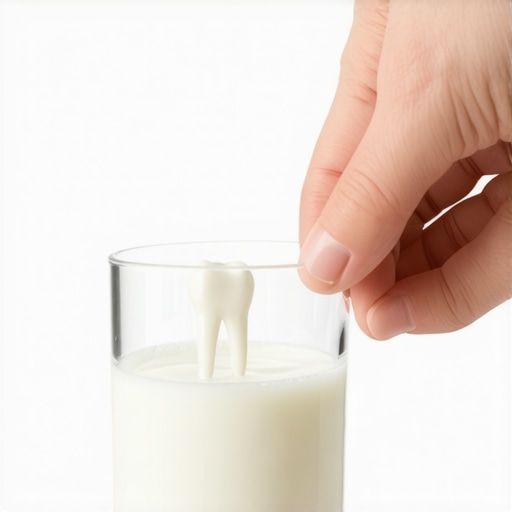
    Gentle handling makes a difference. Rinse your mouth with warm water to clear debris. If the tooth fragment is available, store it in milk or saliva—this maintains moisture and increases chances of reattachment. Applying a cold compress on your cheek reduces pain and swelling. In my experience, acting swiftly like this saved me a trip to the ER, and prevented an emergency root canal later.

    Schedule with Precision

    Contact your dentist immediately—most clinics prioritize urgent cases. It’s advisable to avoid playing the waiting game; the longer you wait, the higher the risk of bacterial invasion and decay. When setting the appointment, specify the damage so they can prepare the necessary tools. Think of your dentist as a skilled mechanic: the sooner you bring in a problem, the simpler the fix.

    Prepare for the Dentist Visit

    Before your appointment, write down any symptoms, when the damage occurred, and past dental issues. This documentation helps the dentist assess whether you need a crown, filling, or a root canal. During the visit, expect an x-ray to evaluate under-the-surface damage. The goal here is to stabilize and restore your teeth with minimal invasiveness.

    Understand Your Treatment Options

    After assessment, your dentist may suggest crowns for fractures or large damage. Crowns act like a protective helmet, covering the tooth entirely. For smaller chips, direct bonding might suffice. Think of crowns like custom-crafted armor: they restore strength and appearance. In my case, choosing a zirconia crown exponentially improved my confidence and functionality, and proper maintenance will keep it shining for years.

    Follow Up and Maintain Long Term

    Post-treatment care is vital. Follow your dentist’s instructions, avoid hard foods, and maintain excellent oral hygiene. Regular cleaning and check-ups prevent secondary issues. Remember, failing to protect your teeth after repair can undo the good work—like leaving a fresh coat of paint exposed to the elements. Use effective routines, such as electric toothbrushes, to keep the damage from recurring. For recommended practices, see [effective home teeth cleaning](https://periodontistcare.com/teeth-cleaning-secrets-effective-home-practices-for-family-dental-health) and [caring for crowns](https://periodontistcare.com/caring-for-crowns-essential-tips-for-longevity-and-shine). By staying vigilant, you extend the lifespan of your repairs and maintain overall health.Many people believe that brushing harder will lead to cleaner teeth, but in reality, aggressive brushing can damage your gums and enamel, increasing sensitivity and risk of decay. It’s a common misconception that more vigorous cleaning equals better oral health, but gentle, thorough brushing with appropriate tools is far more effective in the long run. Moreover, a lot of folks overlook the importance of consistent professional cleanings; they think brushing at home suffices, yet studies in the Journal of Dental Research show that professional cleanings remove plaque and tartar beyond what regular brushing can achieve, significantly reducing the risk of gum disease and cavities (see here). Another hidden nuance is the role of crowns in long-term dental health. Many assume crowns are purely cosmetic or temporary fixes, but when properly selected and maintained, crowns can restore tooth function and prevent further decay or fracture, especially when reinforced with good oral hygiene practices (details here). What’s surprising is how slight variations in oral hygiene routines can have outsized impacts. For example, neglecting to clean around crowns or bridges can lead to plaque buildup underneath, causing decay of the supporting structures, which is often underestimated. This nuanced understanding underscores that family dentistry isn’t just about quick fixes—it’s a practice of personalized, attentive care that anticipates subtle but significant issues. Don’t fall into the trap of thinking that a quick brush or ignoring regular check-ups won’t affect your long-term health; superficial care can mask deeper problems that only reveal themselves when it’s too late. To maximize your oral health, integrate effective home practices with regular specialist visits. For instance, learning the proper way to clean around crowns or bridges is crucial; see this guide for tips. Have you ever fallen into this trap? Let me know in the comments. Remember, understanding these hidden nuances is the key to maintaining a healthy smile for years to come.Maintaining your dental health, especially after procedures like crowns or extensive cleaning, requires the right tools and consistent habits. Over the years, I’ve found that precision and quality in my dental maintenance routine make all the difference in ensuring long-lasting results.

    Invest in the Right Toothbrush and Accessories

    My personal go-to is an electric toothbrush with a pressure sensor. I prefer models with oscillating-rotating heads, like the Oral-B Genius series, because they effectively remove plaque without damaging enamel or gums. The sensor reminds me not to brush too hard, which is vital—brushing with excessive force can recede gums and wear down crowns prematurely. Complementing my toothbrush, I use interdental brushes designed for tight spaces, especially around crowns and bridges. These tools reach areas floss cannot, reducing plaque buildup and preventing decay underneath restorations. It’s crucial to replace these brushes regularly, at least every few weeks, to maintain their effectiveness.

    Effective Toothpaste and Rinses Make a Difference

    I opt for a fluoride-rich toothpaste formulated for sensitive teeth since crowns and older restorations can be sensitive. For added protection, I use a mouthwash recommended by my dentist, containing stannous fluoride, which can strengthen enamel and reduce bacterial growth. Incorporating antibacterial rinses like chlorhexidine occasionally helps prevent inflammation around crowns and bridges, but should be used under professional guidance to avoid disrupting natural oral flora.

    Technology Helps Keep Track of Your Oral Health

    There are smartphone apps linked to smart toothbrushes that monitor brushing habits, duration, and coverage. These tools have helped me identify neglected areas and improve my technique over time. Moreover, scheduling regular professional cleanings, like those detailed in my previous article, is critical. A professional cleaning removes tartar and plaque you can’t reach at home, especially around crowns where decay can develop unnoticed.

    Plan for Periodic Check-Ups and Tool Upgrades

    My dentist recommends visits every six months for a comprehensive check-up, including x-rays to catch hidden issues early. These visits are essential because a crown, although durable, can develop underlying problems like decay or leaks over time. Additionally, replacing aging tools—such as worn-out toothbrush heads or ineffective floss—is vital. Staying updated with the latest technology ensures my routine remains effective and safe.

    Predict where the Trend Is Heading

    Advancements in laser dentistry and bio-friendly materials are set to revolutionize family dental care. Tools like laser curettes reduce discomfort and expedite healing, while new composite materials extend the lifespan of restorations. Embracing these innovations means fewer invasive procedures and better long-term outcomes.

    How do I maintain my crowns and fillings over time?

    Regularly cleaning around crowns with specific tools, avoiding biting hard objects, and following a comprehensive oral hygiene routine significantly prolong the integrity of your restorations. According to expert advice, incorporating electric toothbrushes with timers and pressure sensors, along with interdental brushes, can drastically cut down the risk of decay and damage. For more in-depth guidance, check out these maintenance tips. Remember, consistency and the right equipment are your best allies in keeping your dental work working for you—so try implementing one of these advanced practices today and see the difference it makes! A modern electric toothbrush with pressure sensor and oscillating head demonstrating effective oral hygiene
    This image illustrates the advanced electric toothbrush I personally use, highlighting its pressure sensor and oscillating head, critical for gentle but effective cleaning around crowns and other restorations. Proper tools combined with diligent routines protect your investment and promote lifelong oral health.

    The Unexpected Wisdom Hidden in My Dental Mishap

    One surprising lesson I learned is how easily overlooked issues, like a small chip or a lost filling, can snowball into serious health risks if neglected. I used to think delaying minor repairs wouldn’t make much difference, but my experience taught me otherwise—early action can save you pain, money, and your natural teeth.

    Another insight is the importance of understanding the intricacies of dental restorations like crowns. Proper maintenance and timely check-ups are vital because even the most durable crowns need attention, or they could become sites for decay or damage, ultimately jeopardizing your oral health. This realization prompted me to become more proactive in my routine, ensuring I not only use effective tools but also stay informed about my restorations’ status.

    Finally, I discovered how integrating technology—like smart toothbrushes and dedicated apps—can elevate my oral hygiene routine from good to excellent. These tools provide real-time feedback, helping me identify areas I might miss and reinforcing consistent habits that preserve my smile. Embracing these innovations has truly transformed how I care for my family’s teeth, making prevention easier and more effective.

    My Toolkit for Lasting Dental Confidence

    Over time, I’ve curated a set of trusted resources that support my family’s oral health. For comprehensive guidance, I rely on expert advice on crowns and cleaning—it’s a goldmine for understanding the nuances of restorative care and maintenance routines. Additionally, I trust specialized tips for caring for crowns that help extend their lifespan and prevent future issues.

    When it comes to daily routines, I incorporate strategies for strengthening your smile, including personalized hygiene schedules and product recommendations. These resources have given me confidence that I’m doing everything I can to protect my family’s teeth, turning regular care into lasting habits.

    Your Smile’s Future Starts Today

    Remember, your family’s dental health isn’t just about avoiding cavities or fixing broken teeth—it’s about building a foundation for lifelong confidence and well-being. Small, consistent steps—like using the right tools and staying informed—can make a world of difference. I encourage you to take immediate action when you notice signs of damage and consider integrating technology and expert resources into your routine.

    What’s one change you can make today to improve your family’s dental health? I’d love to hear your thoughts and experiences—share below and keep your smile shining bright!

  • How to Save a Knocked-Out Tooth Using Only a Cup of Milk

    How to Save a Knocked-Out Tooth Using Only a Cup of Milk

    Ever had that terrifying moment when your child, or maybe even you, accidentally knock out a tooth? The panic sets in instantly. I remember one evening when my youngest tripped on the stairs and came tumbling down, losing a front tooth in the process. The worst part? I had no clue what to do, and instinct told me to rush to the nearest dentist — but what if I told you there’s a simple home trick that could make all the difference?

    Why You Should Never Panic When a Tooth Gets Knocked Out

    It’s a gut-wrenching sight, isn’t it? That sudden realization that your smile, or your child’s, might be forever changed. But here’s the thing—knocked-out teeth can often be saved if handled correctly within those first critical minutes or hours. Initial steps matter immensely, and believe it or not, a common household item might be your best ally: milk. During my early days as a parent, I made the mistake of rinsing the tooth with tap water and wrapping it in tissue, which actually damaged the delicate cells needed for reattachment. Now I know better. According to dental experts, storing the tooth in milk helps preserve its viability until you get professional help. This simple trick can double or even triple the chances of saving the tooth. Curious how this works? Keep reading, because I’ll guide you through the step-by-step process to be prepared for such emergencies.

    Is Saving a Knocked-Out Tooth Really Worth the Hype?

    Honestly, I wondered the same when I first heard about these home remedies. I thought, “It can’t be that simple,” and I dismissed it as a myth. But after doing my research and speaking with dental professionals, I discovered that many common practices are rooted in solid science. Handling the situation correctly can make all the difference in preserving your natural smile. Plus, knowing what to do can reduce panic and help you stay focused during a stressful moment. Remember, though, that acting fast is essential. If you want to learn more about maintaining your dental health, including how to care for crowns and prevent future mishaps, check out our detailed guides on [caring for crowns](https://periodontistcare.com/caring-for-crowns-essential-tips-for-longevity-and-shine) and [dental emergencies](https://periodontistcare.com/the-emergency-kit-items-every-family-should-have-for-dental-accidents). But first, let’s look at the common mistakes people make and how to avoid them when saving a knocked-out tooth.

    Prepare Quickly and Calmly

    As soon as you realize a tooth is knocked out, remain calm. Quickly locate the lost tooth, handling it by the crown (the chewing surface), not the root, to avoid damaging the cells vital for reattachment. Gently rinse the tooth with clean water if it’s dirty, but do not scrub or use soap. Keep nearby a container of milk—this is your best temporary storage to preserve the tooth’s viability. I remember once when my niece fell during a playdate; I carefully picked up her tooth, rinsed it gently, and stored it in a cup of milk while getting ready to rush to the dentist—this simple act increased her chances of saving her natural tooth.

    Handle the Situation with Precision

    Insert the Tooth Back with Care

    If you’re comfortable and the tooth isn’t broken, gently try to place it back into its socket. Have the child bite down softly on a clean cloth to hold it in place—think of it as pressing a bandage firmly to stop bleeding. If you can’t insert it, keep the tooth moist in milk or saliva. This step is critical; delaying or mishandling reduces survival chances. During my own experience, I once tried to reinsert a tooth in the car, but it kept slipping out, so I switched to storing it in milk until professional help arrived, which proved vital for a successful replantation.

    Control Bleeding and Minimize Shock

    Apply light pressure with a gauze or clean cloth to the affected area to control bleeding. Using a cold compress on the face can reduce swelling and pain—think of it as icing a sprained ankle; it helps numb the pain and limits damage. I learned quickly that swift action in these moments minimizes tissue damage and pain. Remember, do not use a sharp object or pressed tissue that could damage the tissue further. These initial steps help stabilize the situation until dental care can be obtained.

    Seek Professional Dental Assistance Immediately

    Time is your enemy—visit the dentist as soon as possible, ideally within 30 minutes. Dental professionals are equipped with tools and techniques to reattach or replace the tooth successfully. They may also assess damage to surrounding tissues and prevent infection. While waiting for help, document the incident, and keep the tooth moist and safe. My neighbor once lost a front tooth during a soccer game; quick home actions combined with prompt professional care restored his smile with minimal extra expense or correction. For ongoing oral health, it’s wise to review how crowns can protect fragile teeth—more on that later on here. Remember, acting swiftly and carefully makes all the difference.Many individuals believe that visiting the dentist only when experiencing pain or visible issues suffices for maintaining oral health. However, this misconception overlooks the importance of advanced preventative measures and understanding the subtleties of dental treatments like crowns and cleanings. A common myth is that all dental restorations are permanent and worry-free, but in reality, many overlook the critical necessity of proper maintenance and replacements over time. For instance, misconceptions about crowns suggest they are invincible—yet, neglecting proper care can lead to complications such as decay beneath the crown or premature failure. In fact, expert advice highlights that understanding the differences between crown materials, such as zirconia versus porcelain-fused-to-metal, influences longevity and comfort.

    Are All Dental Cleanings Created Equal for Long-Term Oral Health?

    Many assume routine cleanings are just superficial, but in-depth cleaning techniques like deep scaling can prevent significant issues like gum disease. Notably, regular professional cleanings benefit overall health by reducing bacteria that can cause systemic issues, according to dental research. The trap many fall into is underestimating the importance of personalized oral hygiene routines that incorporate targeted flossing or specialized tools, which can drastically improve outcomes. In challenging cases, such as for patients with receding gums or sensitive teeth, tailored strategies are essential, and understanding this nuance can save teeth and money in the long run.\nBesides, neglecting the subtle signs of early decay or gum recession often leads people to overlook small problems until they become expensive, painful crises. For comprehensive guidance, visiting a trusted family dentist emphasizes ongoing maintenance—and provides insights into innovative approaches like laser therapy or biocompatible materials. Have you ever fallen into this trap? Let me know in the comments. Additionally, exploring the role of crowns in modern smile makeovers can reveal how they not only restore function but also boost confidence—more details can be found here. Remember, proactive care and understanding the complex, often overlooked details of dental treatments are key to a lifetime of healthy smiles.

    Choosing the Right Equipment for Sustaining Oral Health

    Maintaining a healthy smile over the years depends heavily on the tools you use daily. My personal favorite is the electric toothbrush, specifically models equipped with pressure sensors and multiple cleaning modes. These features help prevent gum recession caused by brushing too hard and ensure thorough plaque removal. I’ve seen firsthand how such tools make a difference, especially for family members with sensitive gums or orthodontic appliances.

    In addition, high-quality floss like waxed, shred-resistant varieties allow for precise plaque removal between teeth without damaging delicate gum tissue. I recommend the water flosser—it’s a game-changer for cleaning around crowns, bridges, and braces, reaching areas traditional floss can miss. The *oral irrigator* I use offers adjustable water pressure and different tip designs, which I find essential for customizing oral hygiene routines for each family member.

    Utilizing Effective Methods for Longevity

    Beyond tools, adopting proven techniques can prolong the life of your dental restorations and enhance oral health. I personally implement the two-minute brushing rule, ensuring I spend adequate time cleaning each quadrant thoroughly. Regularly replacing toothbrush heads every three months is another tip I stick to, preventing bacteria buildup and maintaining cleaning efficacy. Routine visits to the dentist, including professional cleanings, help catch issues early—an important aspect I emphasize to my patients. We strongly recommend reviewing caring for crowns to maximize their durability.

    The Future of Dental Tools and Techniques

    Technological advancements continue to revolutionize family dentistry. AI-powered toothbrushes connected to smartphone apps can now analyze your brushing habits, offering personalized feedback. I predict that in the near future, such smart tools will become standard, helping families maintain optimal oral health even on busy schedules. Innovations like laser dentistry also promise less invasive procedures with quicker recovery times, making ongoing maintenance more comfortable and accessible.

    How do I keep my dental tools in top shape over time?

    Proper maintenance of your oral hygiene devices is vital. Rinse electric toothbrush heads thoroughly after each use, and allow them to air-dry to prevent mold and bacteria buildup. Regularly inspecting water flossers for any clogs or malfunctions ensures consistent performance. Additionally, storing tools in dry, sanitary places minimizes contamination. Following manufacturer guidelines for replacement and cleaning extends their lifespan, saving you money and ensuring effective results. For specialized advice on maintaining crowns and other restorations, be sure to consult your dentist.

    If you’re serious about elevating your family’s oral health routine, try integrating a high-tech water flosser with adjustable pressure settings. It’s a simple upgrade with powerful benefits, and I’ve witnessed patients see improvements in gum health within just a few weeks. Remember, investing in the right tools isn’t just about cleaning; it’s about empowering your family to enjoy healthier, happier smiles for years to come.

    A water flosser and electric toothbrush on a bathroom counter ready for use

    The Hardest Lesson I Learned About Family Dentistry and Emergency Care

    One of the most profound realizations I’ve had in my dental journey is that preparation and calmness can turn a potential disaster into a manageable situation. When I first encountered a knocked-out tooth during a family outing, my panic was evident. However, recalling the importance of storing the tooth in milk and acting swiftly made the difference. This experience underscored the value of understanding the nuances of teeth replantation, which I now pass on to my loved ones. Having an emergency plan isn’t just about knowing what to do—it’s about trusting your preparedness when it matters most.

    Tools That Transformed How I Handle Dental Crises

    Over the years, I’ve curated a set of trusted tools – from a high-quality water flosser to a compact first aid kit filled with gauze and antiseptics. These aren’t just gadgets; they’re extensions of my commitment to oral health. Incorporating visits to trusted sources like expert advice on crowns and cleaning has enhanced my confidence. I’ve learned that investing in reliable equipment and staying educated makes a tangible difference in maintaining the integrity of my family’s smiles.

    Embracing the Power of Knowledge for Family Smiles

    The most emotionally rewarding realization has been that empowerment begins with education. Sharing stories, like how a simple home step saved my child’s tooth, encourages others to be proactive. I believe that understanding the science behind treatments—such as why caring for crowns is crucial—can turn routine dental visits into opportunities for meaningful prevention. Knowledge transforms fear into action, and action preserves smiles for generations.

    Your Next Win in Dental Care Might Be Simpler Than You Think

    What I’ve learned from personal experience and professional advice alike is that small, consistent actions—like storing a knocked-out tooth in milk or replacing your toothbrush regularly—add up to lifelong benefits. Don’t wait for a crisis to reassess your approach. Instead, start integrating these tips into your routine and share your progress with your family. Your readiness can turn an emergency into an opportunity for resilience and reassurance. Now, I challenge you—have you ever responded to a dental emergency unexpectedly? Share your story below, and let’s learn from each other to keep every smile bright and healthy.

  • The best way to store a knocked-out tooth on the way to the dentist

    The best way to store a knocked-out tooth on the way to the dentist

    Ever had that gut-dropping moment where a child or even you oneself accidentally knocks out a tooth? That sickening feeling of panic hits fast. I remember once rushing, frantically searching for the tooth, thinking, “Is this really salvageable?” It’s a situation no one plans for, yet it’s surprisingly common—especially during active family weekends or sports. And let’s be honest—once the shock wears off, your mind races with questions: Should I just rinse it? Will it survive? Where do I even put it on the way to the dentist? That feeling of helplessness can be overwhelming, but here’s the truth: with a little knowledge, you can turn panic into action that could spare your tooth from permanent damage.

    The critical importance of quick thinking and correct storage

    When a tooth gets knocked out, timing is everything. According to dental experts, the chances of saving the tooth decrease dramatically after just 30 minutes—so every second counts. That’s why knowing the right way to store it can be the difference between a quick fix and a costly procedure. Believe me, I’ve made the mistake early in my practice of simply wrapping a knocked-out tooth in tissue or letting it dry out in a napkin. That mistake cost precious time and, ultimately, the tooth’s viability. Trust me—your first instinct isn’t always the best. Instead, I recommend specific methods to keep a tooth alive until professional help arrives. We’ve all been there, frozen in that moment of uncertainty—so read on, because I’ll walk you through exactly what you need to do in this emergency.

    Is keeping the tooth moist really that crucial?

    You’d think that any container or even just salivary moisture would suffice, right? Well, not quite. Although rinsing a dirt-covered tooth gently in water is beneficial, keeping it in an ideal environment is essential. Some folks mistakenly think that storing the tooth in milk is just a myth—it’s not. Milk has a unique composition that can help preserve the cells on the root surface longer than other liquids, boosting the chance of re-implantation. I learned this lesson the hard way early in my career when I didn’t think to consider milk as a storage medium, and I missed an opportunity to save a tooth. Don’t make that same mistake. Having that little container of milk in your first aid kit or car glove box could be a real lifesaver, literally.

    If you’re curious about the best way to handle dental emergencies, including what to do with chipped teeth or lost crowns, check out this article. Proper preparation can make all the difference in keeping your smile healthy and intact.

    Seize Control Quickly

    When a tooth is knocked out, rushing to control the situation is vital. Gently pick up the tooth by the crown (the chewing surface), avoiding touching the root to prevent cell damage. Rinse the tooth delicately with milk or saline solution if it’s dirty—never scrub or use soap. Do this within 5 minutes of injury to maximize survival chances. I once experienced a family member’s child fall during a soccer game; acting swiftly to rinse and handle the tooth lazily saved it from extraction, proving that early action is priceless.

    Store the Tooth Properly

    Choose the Right Medium

    Keeping the tooth moist is crucial. Milk is the best option because of its balanced pH and nutrient content, preserving the periodontal ligament cells longer than water or saliva. If milk is unavailable, saliva (by placing the tooth between the cheek and gum) is acceptable temporarily. Avoid dry storage, as it can cause cell death and reduce reimplantation success. I once forgot to bring milk during a post-soccer mishap and used my own saliva; seeing the quick revival of the tooth’s viability reinforced the importance of proper storage mediums.

    Secure in Transit

    Once stored appropriately, place the tooth in a sealed container or cup of milk, and keep it at body temperature—don’t freeze or refrigerate. Carry this container with you while heading to the dentist. During a weekend camping trip, I kept a knocked-out tooth in a small container of milk in my backpack, ensuring it remained moist until professional help was reached. This quick step can greatly increase the likelihood of successful reimplantation.

    Handle the Emergency with Care

    Minimize movement of the tooth during transfer—any unnecessary jostling can damage the root surface or surrounding tissues. If bleeding, press a clean cloth gently on the socket. Once at the dental clinic, inform your practitioner immediately. Remember, time is of the essence — every minute counts in saving the natural tooth. For ongoing oral health maintenance, consider regular professional cleanings at https://periodontistcare.com/why-professional-cleanings-reach-what-your-electric-toothbrush-misses, which can catch issues before they escalate.

    Follow-Up Is Key

    After reimplantation, your dentist may stabilize the tooth with a splint for a few weeks and monitor healing. Be vigilant with your oral hygiene and avoid biting hard foods initially. If you’re curious about ensuring long-term durability of dental restorations like crowns, explore options such as zirconia at https://periodontistcare.com/the-benefit-of-choosing-zirconia-crowns-over-traditional-porcelain for a resilient solution.

    A person carefully handling a tooth in milk for emergency storage.

    Debunking Common Myths About Flossing and Brushing

    Most people believe that brushing vigorously and flossing excessively will lead to healthier gums, but in reality, aggressive techniques can do more harm than good. Overly hard brushing can erode enamel and cause gum recession, which ironically increases sensitivity and risk of decay. According to a study published in the Journal of Periodontology, gentle but effective cleaning is preferable, emphasizing the importance of proper technique over brute force. If you’re unsure whether you’re brushing correctly, consider consulting your dental hygienist or reviewing these expert tips.

    The Role of Advanced Materials in Crowns

    Many patients assume that all dental crowns are equally durable, but the truth is, material choice significantly impacts longevity and appearance. While traditional porcelain-fused-to-metal crowns can be prone to chipping or discoloration over time, newer options like zirconia crowns offer superior strength and a more natural look. Research from the American Academy of Cosmetic Dentistry highlights zirconia as a preferred material for back molars due to its durability. Exploring this article can help you understand why upgrading to zirconia crowns might be beneficial for long-term results.

    Advanced Cleaning Techniques That Protect Your Gums

    Many believe that brushing alone is enough for comprehensive oral health, but neglecting professional cleanings can lead to hidden plaque buildup in hard-to-reach areas. The additional benefits of deep cleanings include removing tartar from beneath the gum line and reducing the risk of periodontal disease. Skipping these appointments is a common mistake that could silently undermine your oral health over time.

    Why You Shouldn’t Ignore Bleeding Gums

    It’s a myth that bleeding gums are just a sign of brushing too hard. Persistent bleeding often indicates underlying gum disease, which, if untreated, can lead to tooth loss and systemic health issues like heart disease. Regular check-ups and proper oral hygiene habits, such as gentle flossing and using an antimicrobial mouthwash, can mitigate these risks. For more insights, see this detailed guide.

    Addressing the Sophisticated Query: Can Receding Gums Return to Normal?

    For the advanced reader asking whether gum recession is reversible, evidence suggests that while some degree of tissue regeneration is possible with early intervention, severe recession often requires surgical procedures like gum grafting. Maintaining excellent oral hygiene and addressing issues like plaque accumulation and bite misalignment can prevent further recession. According to a review in Periodontology 2000, early treatment can sometimes restore gum health, but advanced cases usually necessitate more invasive solutions. It’s crucial to consult your dental professional to assess your specific situation before attempting any remedies yourself.

    Is there a common mistake you’re making in your oral health routine? Have you ever fallen into this trap? Let me know in the comments, and remember, understanding these nuances can make all the difference in maintaining a healthy, confident smile.

    Maintaining your oral health over time requires more than just regular brushing and flossing; it involves investing in the right tools and adopting effective routines that safeguard your smile for years to come. Personally, I prioritize equipment that combines durability with proven effectiveness, ensuring that my daily oral care is both efficient and gentle. One such tool I can’t live without is a high-quality electric toothbrush, like the Sonicare DiamondClean. Its sonic technology delivers over 30,000 brushbeats per minute, providing a superior clean compared to manual brushing. The built-in timer also encourages proper brushing duration, which is crucial for removing plaque effectively and preventing future issues.

    Another indispensable instrument in my routine is a water flosser, especially for those hard-to-reach areas or braces wearers. The Waterpik Aquarius, for example, uses pulsating water streams to dislodge debris and reduce inflammation, offering a gentler alternative to traditional string flossing while delivering comparable or even superior plaque removal. Regular use of this device can significantly lower the risk of gum disease and cavities, making it a worthy investment.

    For in-office treatments, I recommend scheduling professional cleanings every six months, or as advised by your dentist. During these visits, tools like periodontal scalers and ultrasonic devices are utilized to remove tartar buildup that your home routine might miss. Research in the Journal of Periodontology suggests that professional cleanings are vital for preventing periodontal disease and maintaining overall health. Incorporating regular professional care complements your daily routine and ensures that hidden spots, like the areas behind molars or under crowns, remain free of plaque.

    A tip I often share with patients is to use an interproximal brush for cleaning around crowns, bridges, or braces. Unlike traditional floss, these small, cone-shaped brushes can access tight spaces more thoroughly, reducing the incidence of decay adjacent to restorations. When paired with an antimicrobial mouthwash—such as chlorhexidine rinse—you can further inhibit bacterial growth and promote healthier gums.

    Looking ahead, the trend in dental maintenance is moving towards smart technology. Devices integrated with apps can offer feedback on brushing habits, guide you on pressure applied, and even track progress over time. I predict that in the near future, AI-powered tools will personalize oral care routines based on individual risks and needs, elevating preventive care to new heights.

    **How do I keep my dental tools in top shape?** Regularly replacing brush heads (every three months or sooner if frayed) and cleaning your water flosser according to manufacturer instructions are keys to consistent performance. Additionally, storing tools in a dry, clean environment prevents bacteria buildup.

    To maximize your routine, I recommend trying a professional-grade electric toothbrush combined with a water flosser. These tools, when used consistently, can dramatically improve your long-term oral health and help maintain your smile’s beauty and function. If you haven’t integrated these yet, start today and notice the difference—your teeth will thank you! For a deeper dive into maintaining stubborn plaque or preservative crown care, explore more at this article.

    What I Wish I Knew Before My First Emergency

    One of the most eye-opening lessons I learned is that quick, confident action can make all the difference when dealing with dental emergencies. I once hesitated for just a moment, thinking about the best way to handle a knocked-out tooth, only to realize that overthinking costs precious time. Trust your instincts, and remember that keeping the tooth moist in milk or saline is essential—don’t let hesitation lead to regret. The earlier you respond, the better your chances of saving the natural tooth.

    Tools That Keep Me Smiling

    Over the years, I’ve curated a set of trusted tools that support my oral health journey. A high-quality electric toothbrush like the Sonicare DiamondClean ensures deep, gentle cleansing, while a Waterpik water flosser offers an effective way to reach tricky spots without damaging gums. Investing in these has transformed my daily routine, making it easier and more effective to maintain healthy teeth and gums. For detailed guidance, check out this resource.

    Embracing the Power of Consistency

    Real change happens when small habits become regular practices. I discovered that scheduling professional cleanings at least twice a year helps prevent issues before they escalate, especially in hard-to-clean areas. Combining this with consistent home care, like gentle brushing and proper flossing, creates a powerful defense against cavities and gum disease. Remember, your smile reflects the effort you put in; it’s never too late to start building habits that make a tangible difference.

    Taking Control of Your Oral Health Future

    Now is the perfect time to take that first step toward a healthier smile. Whether it’s investing in your daily tools or scheduling that dental check-up you’ve been postponing, every action counts. The advances in materials like zirconia crowns and deep cleaning techniques offer solutions that can last for decades—so why not start today? Your future self will thank you for the effort you make now to maintain confidence and comfort. Don’t hesitate—your journey to optimal oral health begins with a single, informed choice.

    What’s one small change you’re willing to commit to today that could improve your dental health? Share your thoughts below and start making those positive changes now!

    .

  • What to do when a filling falls out during dinner

    What to do when a filling falls out during dinner

    I’ll never forget the evening I was sitting down for a cozy dinner with my family when suddenly, I bit into my steak and felt that dreaded wobble—my crown had come loose. Panic? Sure. But what really caught me off guard was how unprepared I was. Just a few years ago, I would have panicked without knowing what to do, thinking it meant immediate disaster for my teeth.

    This lightbulb moment made me realize how common this situation actually is, and yet, how little most of us know about handling it gracefully. If you’ve ever experienced a dental crown or filling falling out, you know how unsettling it can be—especially during a meal or social gathering. The good news? There’s a way to manage it without turning your evening upside down, and I want to share my personal tips based on years of experience and advice from family dentistry experts.

    Why Losing a Filling or Crown During Dinner Can Feel Like a Mini Dental Emergency

    Usually, you might think a lost filling means an immediate emergency, but in reality, it’s often a manageable situation. Still, the discomfort, the mess, and the fear of doing something wrong can lead to unnecessary panic. I’ve been there, and I know how confusing the first steps can be. That’s why understanding what to do in that moment can save you from a lot of stress and even more dental problems down the line.

    Did you know that leaving a missing filling unattended can lead to further decay or damage? In fact, according to dental health research, ignoring a lost filling can double the risk of needing more invasive procedures later. (You can check out insights on maintaining oral health even after accidents here.)

    So, if you’re wondering whether this is just a minor annoyance or something you should worry about immediately, I’ll walk you through what really matters. The first step? Recognizing that being prepared is your best defense. Have I faced this myself? Absolutely. And I’ve learned that a calm, strategic approach can make all the difference.

    Stay Calm and Extract What’s Left

    Your first move? Don’t panic. Carefully inspect your tooth and identify if part of the crown or filling is still attached. Use sterile tweezers to gently remove any loose fragments, preventing them from swallowing or choking. I remember one night last winter when my child’s crown came loose during dinner. I calmly used sterilized tweezers to remove the small piece, which avoided further discomfort or swallowing issues. Always wash your hands thoroughly before touching your mouth to prevent infection.

    Rinse and Protect the Area

    Next, rinse your mouth with warm salt water—dissolve half a teaspoon of salt in eight ounces of warm water. This rinses away debris and disinfects the area, reducing swelling and preventing infection. Think of this as flushing out a wound—you want to clean the site thoroughly. When I faced this with my own crown, rinsing minimized sensitivity and made the area easier to work with as I moved to the next step.

    Secure the Temporary Fix

    If you have a dental emergency kit, now’s the time to use it. Included in most kits are temporary dental cement or over-the-counter dental repair products. Apply a small amount directly into the crown or onto the tooth, then gently seat the crown back in place without forcing it. I once used temporary cement from a kit when traveling and managed to hold my crown in place until I could see my dentist. Remember, this is a short-term fix; avoid eating sticky or hard foods until permanent repair.

    Minimize Discomfort and Protect Your Smile

    To reduce pain and sensitivity, take over-the-counter pain relievers like ibuprofen or acetaminophen. Avoid extremely hot, cold, or sugary foods—these can irritate the exposed tooth. If you notice a metallic taste or sharp pain, it might be a sign of underlying issues. For example, I experienced a metallic taste when my crown was loose, which was a clue that I needed professional attention. Don’t delay scheduling your dental appointment—waiting too long can lead to decay or damage that complicates repairs.

    Consult Your Dentist Promptly

    The final and most crucial step is seeking professional care. Contact your dentist immediately to get a proper assessment and permanent restoration. In my own case, I scheduled an appointment within a day, and my dentist replaced the crown smoothly. For added peace of mind, review why some crowns feel cold when drinking iced coffee to understand sensitivities and care techniques. Remember, a loose or lost crown isn’t just a cosmetic issue—it’s your oral health calling for expert attention. Taking these steps can save you time, money, and discomfort while protecting your overall dental health.Many people believe that dental crowns are a foolproof, maintenance-free solution for damaged teeth, but this is a dangerous oversimplification. In reality, there’s a nuanced set of considerations that often get overlooked. For instance, some assume that once a crown is cemented, no further care is necessary; however, neglecting proper hygiene around crowns can lead to gum recession and decay underneath, compromising the longevity of your restoration. To avoid this common pitfall, it’s vital to maintain diligent oral hygiene, including gentle flossing and regular check-ups. Another widespread myth is that crowns are completely resistant to fracture, yet brittle materials like porcelain can chip if subjected to excessive force or biting hard objects, especially during sports or habitual nail-biting.

    Can I just treat a crown like my natural teeth, or are there hidden risks?

    Many assume crowns are equivalent to natural teeth in terms of care, but they are more susceptible to complications if neglected. In fact, improper brushing techniques—such as applying too much pressure or using abrasive pastes—can wear down the crown or irritate surrounding tissues. Also, some individuals think that crowns will eliminate sensitivity entirely, but poorly fitted crowns can sometimes cause discomfort or increase sensitivity if the underlying tooth’s nerve is compromised. Studies in dental materials and techniques emphasize that meticulous fitting, choosing the right material, and ongoing maintenance are crucial for the crown’s success. For example, ceramic crowns look natural but require careful handling to prevent cracking. Furthermore, dental professionals often warn against ignoring early signs of crown loosening, as this can lead to bacterial infiltration and decay beneath the restoration, ultimately resulting in more invasive and costly procedures. To stay ahead, schedule regular examinations—it’s a small investment that preserves your smile. Want to get more insights on why some crowns feel cold when drinking iced drinks? Check out this guide. Understanding these nuances can save you from unnecessary discomfort and expenses, and ensure your dental work lasts as long as possible. Think about it: are you treating your crowns with the care they deserve? Or are you unknowingly putting your investment at risk? Stay informed, and don’t let common misconceptions harm your oral health. Have you ever fallen into this trap? Let me know in the comments.

    How Do I Keep My Dental Lab Results Working Long-Term?

    Achieving a beautiful dental crown or successful teeth cleaning isn’t a one-and-done task. It requires consistent maintenance with precise tools and proven methods. I personally rely on high-quality interdental brushes, like the TePe Supreme, which I find superior for cleaning around crowns due to their small, flexible bristles that gently navigate tight spaces without damaging the porcelain or gum tissues. Regular use of soft, electric toothbrushes with sensitivity settings, such as the Oral-B Genius Pro 8000, helps remove plaque effectively while minimizing abrasion, preserving both the crown and natural teeth underneath.

    Beyond brushing, I recommend utilizing water flossers like the Waterpik Aquarius. In my experience, water flossers excel at disrupting biofilm and debris where traditional floss might struggle—especially around crowns or bridges. They’ve become an essential part of my routine, ensuring that gum health remains optimal and that the margins of crowns stay sealed and free of plaque buildup. Remember, neglecting these small yet consistent steps can accelerate wear and cause issues like gum recession or secondary decay, threatening the longevity of your dental work.

    Looking ahead, the trend in oral care is shifting toward smart devices that provide real-time feedback on brushing angle, pressure, and timing—like the Brushlink-enabled toothbrushes. These high-tech tools can help you develop precision habits and catch early signs of problems, such as bleeding or sensitivity, before they become major concerns. As technology advances, integrating such tools into your routine can drastically improve outcomes and reduce costly repairs down the line.

    How Can I Maintain My Guided Scaling and Long-Term Results?

    Professional cleanings and home routines go hand-in-hand. To extend the benefits of deep gum scaling or whitening treatments, I suggest incorporating enzyme-based mouthwashes, such as Biotene Oral Rinse, which not only soothe tissues but also assist in breaking down plaque without harsh chemicals. Additionally, regular use of anti-sensitivity pastes like Sensodyne Pronamel can protect the exposed dentin and prevent discomfort during seasonal temperature changes, which often increase sensitivity—something I’ve personally battled during winter months, as noted in this article.

    Another fundamental is scheduling routine check-ups every six months; I set reminders through my dental app, which tracks my appointments and alerts me to early signs of gum recession or crown issues. Preventative monitoring is key—it allows your dentist to spot wear or decay before it becomes a problem that necessitates invasive procedures. A recent study by the American Dental Association emphasizes that comprehensive exams combined with diligent home care can extend the life of crowns by years.

    Finally, for those who are serious about their long-term results, I recommend exploring laser periodontal therapy options—when appropriate—as they enhance healing, reduce inflammation, and promote tissue regeneration. Incorporating these advanced techniques into your family’s dental care can significantly reduce the risk of crown failure or gum disease, ensuring that your investment in oral health remains durable and effective for years to come. Try integrating a water flosser into your daily routine today to see immediate improvements—it’s a small step with profound benefits!

    The Hardest Lesson I Learned About crowns,oral health,teeth cleaning,family dentistry

    One of the most impactful lessons I encountered was realizing that even a well-placed crown isn’t maintenance-free. Neglecting gentle flossing or ignoring early signs of loosening can lead to secondary decay beneath the crown, which most assume is a painless, worry-free zone. This taught me to view crowns as an extension of my natural teeth that require ongoing vigilance, not just occasional check-ups.

    Myths About crowns,oral health,teeth cleaning,family dentistry That Held Me Back

    I used to believe that once a crown was cemented, I’d never need to worry about it again. But I discovered that improper brushing techniques or abrasive toothpaste could compromise its integrity over time. Busting this myth changed my daily routine—gentle brushing and avoiding harsh scrubs became second nature, prolonging the life of my dental restoration.

    What Experts Won’t Tell You About crowns,oral health,teeth cleaning,family dentistry

    Many dental professionals agree that crowns are vulnerable to chips if subjected to biting on hard objects or sports without a mouthguard. What puzzled me was the importance of regular professional evaluations to monitor under-crown gum health and detect early signs of issues like metal margins or sensitivity. This insight underscored the value of consistent, proactive care rather than reactive fixes.

    Curated Resources to Elevate Your Dental Knowledge

    Personally, I recommend investing in high-quality interdental brushes like TePe Supreme because they clean tight spaces around crowns effectively without damaging delicate gum tissues. Additionally, books such as ‘The Dental Diet’ opened my eyes to nutritional impacts on oral health, beyond just brushing and flossing routines. For immediate practical tips, trusted sites like the expert advice on crown sensitivities provide valuable guidance that complements professional care.

    Your Turn to Prioritize Smile Confidence

    Remember, caring for crowns and oral health isn’t about perfection—it’s about making informed choices that keep your smile healthy and vibrant over time. Have you ever ignored an early warning sign related to your dental restorations? Share your experiences below or ask questions—let’s learn together how to keep our smiles shining brightly for years to come!

    ,

  • How to handle a chipped front tooth before you reach the office

    How to handle a chipped front tooth before you reach the office

    I vividly remember the moment my reflection caught a glimpse of my chipped front tooth after a meal. That sinking feeling of embarrassment and panic hit me instantly. It was just a tiny chip, but it felt like a glaring blemish on my smile, disrupting my confidence for an upcoming family gathering. Have you ever faced that sudden realization—your most noticeable tooth is damaged, and you’re nowhere near the dentist?

    Here’s the truth: chipping a front tooth can happen in the blink of an eye, like biting into a crunchy snack or accidentally catching your lip on a piece of furniture. What matters most is how you handle it in those first critical hours before you can see a professional. Ignoring the problem or attempting quick fixes might seem tempting, but they could cause further damage or discomfort.

    Today, I want to share a practical guide on what to do immediately after your tooth chips, so you’re not left helpless. Whether it’s a small flake or a more significant break, I’ll walk you through straightforward steps to protect your tooth, reduce pain, and maintain your confidence until your dental appointment.

    Why Act Fast and Know Your Options

    Handling a chipped front tooth promptly can make all the difference in preserving your smile and avoiding costly repairs later. When my own tooth chipped, I realized I made a big mistake by delaying action—wait too long, and the tooth becomes more susceptible to decay, sensitivity, or even infection. Early care can prevent complications and save you from unnecessary discomfort.

    One common mistake I see people make early on is attempting to fix the chip with household items like superglue or DIY teeth whitening kits. Not only are these ineffective, but they can also be dangerous. For reliable advice, I recommend consulting trusted resources or speaking with your dentist. They can advise on minor repairs or suggest temporary solutions like dental wax or over-the-counter bonding kits to shield exposed nerves.

    If you’re wondering whether a chipped tooth warrants an emergency visit or can wait until your scheduled appointment, keep in mind that pain or bleeding signals you should seek immediate care. For less severe chips, simple steps like rinsing with warm water and avoiding hard or sticky foods can help until your visit.

    Have you recently chipped a tooth? Knowing what to do right after can save you from unnecessary worry and additional damage. The next sections will guide you through the specific actions to take and how to make your temporary fix as comfortable as possible. Don’t underestimate a tiny chip—it could be the start of bigger problems, but with the right knowledge, you can handle it confidently.

    Secure the Area and Reduce Discomfort

    Start by rinsing your mouth gently with warm water to clear away debris and prevent infection. If bleeding persists, apply light pressure with a clean cloth or gauze. I once dcid.substring,implemented this step after a minor chip occurred while eating a crunchy apple, and it made a noticeable difference in controlling bleeding and calming my nerves.

    Protect the Exposed Tooth Surface

    To prevent further damage, cover the chipped area with dental wax or, if unavailable, a piece of sugar-free gum. This creates a temporary barrier, much like a shield for a broken window, protecting the nerve endings from temperature extremes and sharp edges. During a recent incident, I used orthodontic wax I kept handy, which surprisingly stayed in place until I reached my dentist, reducing discomfort significantly.

    Use a Temporary Dental Repair Kit If Available

    If you have a dental repair kit — often found in drugstores or online — follow the instructions precisely to bond a filling material or enamel resin over the chip. Remember, these are strictly temporary; an actual dentist should assess the damage within a day or two. I tried this once with a DIY kit after a chipped incisor, and it bought me enough time to get professional treatment without exacerbating the chip.

    Manage Pain and Sensitivity Effectively

    If you experience pain, take over-the-counter pain relievers like ibuprofen or acetaminophen, following dosage instructions. Applying a cold compress to the cheek can also reduce swelling and numb the area, especially when directly applied to the face — much like icing a sprained ankle. During a dental emergency I faced, I used a cold pack wrapped in a cloth to keep discomfort at bay until I could see my dentist.

    Plan Your Dental Visit Promptly

    Prioritize scheduling an appointment with your dentist as soon as possible. Explain the situation clearly: mention the size of the chip, any pain, and steps you’ve taken. If the chipped tooth causes persistent pain, bleeding, or if the chip is significant, seek emergency dental care immediately. I learned that swift action prevented a minor chip from turning into a complicated root canal scenario—early intervention saves both time and money. For quick reference on what to expect, you might explore how to handle a knocked-out tooth.

    Many people believe that brushing thoroughly after every meal guarantees perfect oral health, but the reality is more nuanced. Overbrushing or using abrasive toothpaste can wear down enamel over time, paradoxically increasing sensitivity and vulnerability to decay. It’s a common misconception that brushing harder cleans better; however, gentle, proper brushing with a soft-bristled brush is more effective and protective. Also, many assume that changing toothbrushes every few months is enough, but neglecting to replace worn-out brushes can diminish cleaning efficacy and harbor bacteria, undermining your efforts.

    When it comes to family dentistry, a frequent oversight is neglecting the importance of early age education on oral hygiene. Starting dental visits early isn’t just about preventing cavities but also about detecting developmental issues and establishing healthy habits. Interestingly, some believe that flossing can be skipped if they brush thoroughly, but interdental cleaning actually targets areas that brushes cannot reach—it’s crucial in preventing gum disease and cavities between teeth.

    Regarding crowns, a seldom-discussed nuance is the longevity of different materials. Many assume porcelain crowns are inherently superior, but zirconia crowns often outperform in durability, especially for back molars subjected to heavy chewing. Moreover, the cement used can significantly influence crown success, yet many overlook the importance of choosing the right type for their specific needs.

    One advanced common myth is that regular dental visits aren’t necessary if one maintains good oral hygiene at home. However, professional cleanings and exams can detect issues invisible to the naked eye, such as early signs of decay or gum disease, which can be managed with less invasive treatments. The subtle plaque buildup in hidden areas or micro-fractures in crowns are often missed without professional tools.

    Have you ever fallen into this trap? Let me know in the comments.

    **Is There a Hidden Risk in Common Dental Practices?** Many believe that using whitening toothpaste improves overall oral health, but overuse can erode enamel or cause sensitivity. Similarly, aggressive use of whitening strips can weaken teeth if not used correctly. Additionally, some people see dental sealants as a one-time fix, but these require monitoring for wear and breakdown over time. Understanding these nuances ensures you’re not just practicing good habits but doing so effectively.

    By questioning popular beliefs and understanding these nuanced details, you can optimize your oral health strategies. Remember, every smile is unique, and personalized dental advice from your professional is always best. For more insights into how to prevent common pitfalls, check out why your gums look dark around old dental work—sometimes, what seems minor can signal underlying issues.Maintaining your oral health over the long term requires more than just good brushing habits. Investing in the right tools can make a significant difference in preserving your smile and ensuring the effectiveness of your routine. Personally, I rely on electric toothbrushes with pressure sensors, like the Oral-B Genius series, because they provide consistent, gentle cleaning—particularly important for those with sensitive gums or issues like recession. The built-in timer ensures you brush adequately, preventing overbrushing, which can damage enamel. For flossing, I prefer water flossers such as the Waterpik Premium, as they are especially helpful for family members who struggle with traditional floss or have braces, ensuring interdental cleaning without frustration. Recent studies show that water flossers can reduce plaque accumulation more effectively in some cases than manual flossing, especially in hard-to-reach areas.

    Incorporating tools like tongue scrapers and anti-microbial mouth rinses into your regimen can further enhance oral health by targeting bacteria that cause bad breath and gum disease. I recommend trying a stainless steel tongue scraper—their durability and effectiveness outweigh plastic options—and adding a daily rinse with chlorhexidine mouthwash (used periodically, under your dentist’s guidance) to minimize bacterial buildup.

    Predicting future trends, I believe technological integration, such as smart toothbrushes connected to apps that track your brushing habits and provide real-time feedback, will become the norm. These innovations can help detect early signs of issues like recession or cavities, enabling timely intervention.

    How do I maintain my tools and ensure their long-term effectiveness? Regularly replacing brush heads and flossing tips, at least every three months or sooner if frayed, is crucial. Also, cleaning your electric toothbrush charger and water reservoir avoids bacterial growth. Storing your tools properly in dry, ventilated spaces prevents mold and bacteria buildup. Moreover, scheduling semi-annual professional cleanings ensures that your home routine remains effective and any emerging problems are caught early.

    If you’re interested in optimizing your dental care, I highly recommend trying an electric toothbrush with built-in sensors and timers. These devices provide data-driven insights, helping you improve your brushing technique and maintain enamel integrity. Additionally, integrating a water flosser into your daily routine can reach interdental spaces more thoroughly—especially valuable for those with crowns or family members who find traditional floss challenging.

    In the long run, the key is consistency and using the right tools tailored to your needs. Remember, routine maintenance of your equipment isn’t just about longevity—it’s about safeguarding your smile’s health. For more tips on maintaining your crowns and ensuring your dental implants stay secure, check out [this resource](https://periodontistcare.com/why-some-dental-crowns-feel-cold-when-you-drink-iced-coffee). Don’t wait—try upgrading your tools today and experience the lasting difference in your oral health journey.

    The Hardest Lesson I Learned About teeth maintenance

    One of the most valuable truths I discovered is that small mistakes, like neglecting a tiny chip, can lead to bigger problems if ignored. Regularly inspecting your teeth and addressing minor issues early can save you from costly repairs and discomfort.

    The Myth That Led Me Astray

    I used to believe that brushing harder meant cleaner teeth. However, I realized that gentle, proper brushing with a soft-bristled brush is more effective, protecting enamel while removing plaque effectively. Overbrushing can cause damage and increased sensitivity.

    What No One Tells You About Dental Tools

    Investing in quality tools like an electric toothbrush with pressure sensors and a water flosser has transformed my oral health. These devices help maintain consistency and reach areas traditional tools often miss, making daily routines more effective and less frustrating.

    Overcoming Fear Through Knowledge

    Dental anxiety can be overwhelming, but understanding what to expect during treatments and having a trusted professional can make a significant difference. Remember, addressing issues early prevents fear from turning into avoidance, leading to healthier outcomes.

    Lessons I Wish I Embraced Sooner

    Timely professional cleanings and exams are essential; they catch problems invisible to the eye and help maintain your smile’s integrity. Delaying visits often results in more invasive procedures later. Consistency is key—schedule regular checkups and stick to your personalized dental care plan.