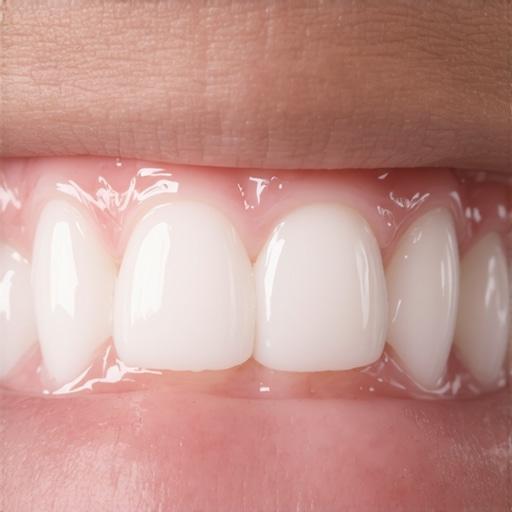
I remember the first time I noticed blood on my floss and felt a wave of panic. It was a sunny Saturday morning, and I was diligently flossing before heading out. But instead of that fresh, clean feeling, there was a strange metallic taste and a spot of blood. I thought, “Is this normal? Should I see a dentist immediately?” That lightbulb moment made me realize something was off, and I needed to get to the root of this bleeding gums mystery.
Why Does Bleeding Happen Even When You’re Flossing Regularly?
Most people assume that bleeding gums are just a sign of poor hygiene or skipping a few days of flossing. But in reality, persistent bleeding even with daily flossing can point to underlying issues that deserve attention. Sometimes, it’s an early warning sign of gum disease like gingivitis, where inflammation causes blood vessels in the gums to become more fragile. Other times, it might be due to brushing too aggressively, vitamin deficiencies, or even hormonal changes.
What’s important is not to ignore it. Bleeding gums are seldom an isolated problem—they’re often a signal that your mouth’s delicate balance needs a closer look. According to the American Dental Association, gum bleeding is one of the first signs of gum disease, which, if left untreated, can lead to more serious issues like tooth loss or even links to heart health concerns (source: MouthHealthy.org).
Is Flossing Daily Actually Enough?
Initially, I thought consistent flossing would be enough to keep my gums healthy. But I soon learned that technique matters just as much as frequency. Flossing too harshly can damage the gum tissue, causing bleeding and irritation. Also, using the wrong type of floss or neglecting areas that are hard to reach can leave plaque behind, leading to inflammation and bleeding.
Early in my experience, I made the mistake of assuming that bleeding meant I was doing something wrong, so I just kept brushing harder. Instead, I learned that gentle, thorough flossing combined with proper technique is key. Curious about how to improve your flossing skills? Check out this guide on flossing techniques for some helpful tips.
Practicing good oral hygiene is vital, but so is understanding when bleeding is a warning rather than just a minor inconvenience. In the sections ahead, I’ll share practical steps to identify the cause of bleeding and how to address it effectively. So, if you’ve been battling this problem, you’re not alone—and the good news is, help is within reach.
,
Master Your Flossing Technique to Halt Bleeding
Recall my messy first attempt at flossing where I aggressively pressed, causing more bleeding. Instead, I switched to gentle, precise movements. To do this, take a long piece of floss — about 18 inches — and wrap the ends around your middle fingers. Slide it gently between your teeth using a sawing motion, then curve it around each tooth in a C-shape, hugging the gum line, and glide it softly beneath the gum margin. Key here is minimal pressure; think of flossing like petting a delicate cat — firm enough to clean but gentle enough not to cause irritation. Practice this technique daily, focusing on tenderness, and avoid snapping or forcing the floss, which aggravates tissues and worsens bleeding.
Incorporate Proper Flossing When It Counts
Consistency matters, but technique is king. I learned that rushing through my flossing, especially when hurried in the morning, increased bleeding. To improve, I dedicated a specific time at night for flossing, creating a routine similar to a bedtime story for my gums. This habit allowed me to focus, slow down, and develop a steady hand. Using interdental brushes or water flossers can also supplement this method, especially if you notice persistent bleeding despite proper flossing. Regular, gentle cleaning is essential to prevent plaque accumulation, which triggers inflammation and bleeding. Over time, enhancing your technique diminishes bleeding and restores gum health.
Address Underlying Causes to Stop the Bleeding
Sometimes, bleeding persists even with flawless technique. This was true in my case, where I discovered that my gums were inflamed due to early-stage gingivitis. After consulting with my dentist, I learned that addressing specific causes, like vitamin deficiencies or hormonal shifts, can make a huge difference. For example, increasing vitamin C intake helps strengthen blood vessels in the gums. Additionally, using a saltwater rinse — a simple yet effective remedy — calms inflammation and promotes healing. I mixed a teaspoon of salt in a glass of warm water and swished it around for 30 seconds daily. This quick routine reduced swelling and bleeding, providing immediate relief. More severe or stubborn cases require professional treatment, so don’t hesitate to see a dentist if bleeding continues beyond a week.
Keep Your Mouth Clean and Healthy Between Appointments
Maintaining oral hygiene between flossing sessions is vital. Think of your mouth like a garden: regular watering (brushing and flossing) prevents weeds (plaque and bacteria) from taking over. Use a soft-bristled toothbrush and apply gentle pressure at a 45-degree angle to your gum line. Also, consider brushing for at least two minutes twice daily, focusing on all surfaces. An electric toothbrush can help reach difficult areas and remove more plaque efficiently. Avoid abrasive toothpaste since it can irritate delicate gums. If you wear dental restorations like crowns or bridges, special interdental brushes can help clean hard-to-reach spots. Maintaining this routine minimizes plaque buildup, reduces inflammation, and prevents bleeding from recurring.
Many patients believe they understand the basics of teeth cleaning and oral hygiene, but uncovering the hidden nuances can make a significant difference in maintaining long-term dental health. A prevalent myth is that brushing harder removes more plaque—that’s simply false and can lead to gum recession or enamel damage. Effective cleaning relies on gentle, thorough brushing combined with proper technique, like angling the brush at 45 degrees towards the gum line. Overdoing it might accelerate recession, exposing roots and increasing sensitivity, which some mistakenly interpret as needing even more aggressive brushing. To truly protect your gums and enamel, focus on technique rather than pressure. For deeper insights, check out how improper brushing habits can cause recession and what to do about it. Additionally, many assume that dental crowns perfectly mimic natural teeth—however, a subtle but common oversight is neglecting their differential thermal sensitivity, leading patients to think their crown is defective when, in fact, it’s a matter of material properties. For example, ceramic crowns can feel cold when drinking iced beverages because of their thermal conductivity, which might be misinterpreted as a problem (source: learn more about crown sensitivities).
Advanced Concerns: Are Thermal Sensitivities in Crowns Normal or Signs of Trouble?
Recognizing whether sensitivity is typical or indicates an issue can be tricky. Excessive or persistent discomfort might suggest that the crown is not properly fitted or that there’s underlying decay or cement leakage. A subtle but important detail is that some materials, like porcelain, conduct heat and cold differently than natural dentin, which can lead to transient sensations. If you notice prolonged or intense sensitivity, it might be a sign to have your dentist evaluate whether the crown needs adjustment or replacement. These nuances are often overlooked but can impact your comfort and oral health significantly. Do you think your crown is acting up? Remember, regular dental visits are essential for catching such subtleties early. Moving beyond crowns, family dentistry often hides a misconception that children’s teeth only need regular cleaning; however, early intervention, such as sealants and fluoride applications, plays a critical role in preventing future decay and alignment issues, especially as teeth begin to shift with age. For practical tips on managing your family’s oral health, see how to keep kids’ teeth healthy while they wear braces. Have you ever fallen into this trap? Let me know in the comments.
Stay Ahead with the Right Equipment
Maintaining your oral health over time requires investing in high-quality tools tailored to your needs. Personally, I swear by an electric toothbrush with a vibrating head that oscillates at 8,000 to 10,000 strokes per minute. This frequency effectively removes plaque, especially around crowns and hard-to-reach areas, without exerting excess pressure that can damage gums. I use the Oral-B iO Series 9 because of its smart pressure sensor, which alerts me if I’m brushing too hard—a common mistake that can cause gum recession. For cleaning between teeth, I prefer interdental brushes like the GUM Proxabrush. These are gentle yet effective, especially for individuals with crowns or bridges, where traditional floss might not suffice.
Leap into Water Flossing Technology
Water flossers, such as the Waterpik Sonic-Fusion, combine the benefits of flossing and rinsing. I advocate for this method because it minimizes gum irritation and removes debris from beneath crowns or around orthodontic appliances with ease. Regular use of a water flosser can reduce bleeding and inflammation, supporting healthier gums long-term. As research indicates, these devices can be particularly beneficial for patients with sensitive or receding gums, helping to maintain periodontal health without trauma. Incorporating a water flosser into your daily routine is a game-changer, especially when combined with proper brushing techniques.
Sophisticated Software for Tracking Progress
Beyond physical tools, digital apps like WeisHealth or MyTeeth help monitor brushing frequency, duration, and technique. I’ve personally found that tracking my habits elevates my commitment to oral health. These apps can send reminders and provide feedback, making it easier to maintain consistency—crucial for avoiding issues that necessitate crown replacements or more invasive procedures down the line. Predictive analytics embedded within some software even suggest when you should schedule professional cleanings or checkups, aligning with the trend of personalized dental care and maintenance.
How do I keep my tools effective early and long-term?
Proper maintenance of your dental tools extends their lifespan and preserves their effectiveness. Rinse toothbrushes thoroughly after use and replace them every three to four months, or sooner if bristles fray (which indicates diminished cleaning power). For interdental brushes and water flossers, follow manufacturer instructions: clean attachments regularly with warm, soapy water, and replace components as recommended. Additionally, store tools upright and in a dry environment to prevent bacterial buildup. Incorporating sterilization routines, especially if sharing devices or for multiple family members, ensures robust hygiene. Remember, even with the best tools, technique is king. Consider reviewing your flossing or brushing method every six months—this is something I do personally—and consult with your dentist for tailored advice, especially regarding crowns or family dental care.
Prediction: Future of Dental Maintenance Tools
Advances in AI and smart technology are shaping the future of oral health care. Expect more devices to offer real-time feedback, personalized brushing plans, and remote monitoring by dental professionals. As sensors become more sophisticated, toothbrushes and flossers will adapt their actions dynamically, promoting optimal hygiene with minimal effort. This integration will make long-term maintenance more accessible and less reliant on guesswork, ensuring better outcomes for crowns, restorations, and overall family dental health. Stay tuned to emerging innovations by engaging with your dentist regularly and exploring new tech.
How do I maintain my dental tools over time?
Consistent upkeep of your dental equipment is vital for ongoing oral health. Regularly sanitize toothbrush heads with antibacterial solutions or run them through boiling water if compatible, to eliminate bacteria. Interdental brushes should be rinsed thoroughly and stored in a dry place; replace them when bristles show wear. For water flossers, descaling with vinegar or specialized cleaning tabs prevents mineral buildup—an important step since mineral deposits can harbor bacteria (source: American Dental Association). Implementing these simple maintenance routines can dramatically extend device lifespan and keep your tools performing optimally. Try incorporating a weekly cleaning schedule for your equipment, and don’t forget: a well-maintained tool makes all the difference in preserving the integrity of your crowns, gums, and family’s oral health.
The Best Lessons My Dentist Ever Taught Me About Oral Wellness
One profound realization was that perfecting my flossing technique was more impactful than just doing it daily. I learned that gentle, precise movements prevent bleeding and promote gum health, emphasizing quality over quantity. Additionally, I discovered that crowns require more attentive care than I initially thought—materials like porcelain behave differently under temperature changes, and being mindful of these nuances keeps my smile intact. Lastly, I recognized that regular professional checkups often uncover issues that even diligent home care might miss, like early crown leakage or hidden cavities, reinforcing the importance of scheduled visits over relying solely on routine cleaning at home.
Tools and Resources I Trust for Smiling Confidently
My essential toolkit includes an electric toothbrush with pressure sensors that help prevent gum damage, interdental brushes like GUM Proxabrush for hard-to-reach spots, and a water flosser such as Waterpik Sonic-Fusion to maintain gum health without irritation. I also rely on trusted guides like the professional articles from PeriodontistCare to stay informed about best practices. These resources empower me to care for my teeth effectively and confidently.
Your Next Smile Transformation Starts Now
Don’t wait for dental problems to become urgent—take proactive steps toward optimal oral health today. Embrace gentle yet thorough flossing, proper crown maintenance, and regular dental visits as part of your lifestyle. Remember, a healthy smile isn’t just about appearance; it’s a vital part of your overall well-being. With the right tools, knowledge, and habits, you can keep your teeth bright, strong, and pain-free for years to come. Your smile is uniquely yours—nurture it, and it will reward you with confidence and health every day.