It happened during movie night—one minute I was happily munching on popcorn, and the next, I felt that familiar, uncomfortable pressure deep in my gum line. I knew instantly something was wrong. After unsuccessfully trying to dislodge it with my tongue and a quick toothbrush swipe, I realized I was in trouble. That tiny, stubborn popcorn kernel had managed to lodge itself deep where I couldn’t reach, making my gum sore and sensitive. Honestly, it was a lightbulb moment for me: if you’re not careful, something as simple as a snack can turn into a dental nightmare.
Why Popcorn Kernels Are a Hidden Dental Threat
Popcorn is a beloved snack for many of us, but its hard kernels can be sneakily dangerous. When one gets stuck deep in your gums, it can cause irritation, swelling, and even infection if not handled properly. The discomfort can be surprising and sometimes alarming, especially when you’re unsure how to remove it without causing damage. Over the years, I’ve learned that tackling this problem requires patience, proper technique, and a solid understanding of oral safety. Ignoring the issue or attempting unsafe removal methods can lead to gum injury or worse.
Did you know that, according to a study from the American Dental Association, improper removal or attempting to dig out embedded food particles can actually worsen gum health and increase infection risk? It’s a reminder that not every DIY fix is safe. Early on, I made the mistake of using a metal pin to pry the kernel out—definitely a bad move. It ended up scratching my gum tissue and causing more pain. That’s why I want to share a safe, effective approach based on my personal experiences and expert advice.
Are you tired of that pesky popcorn kernel sitting stubbornly in your gum, causing discomfort and concern? Well, you’re in the right place. We’ll cover step-by-step how to approach this situation safely and effectively, so you can avoid unnecessary pain or damage. Before we dig into the practical steps, let’s address one of the biggest questions I hear: ‘Is trying to remove it myself worth the risk?’
Prepare Your Workspace and Gather Proper Tools
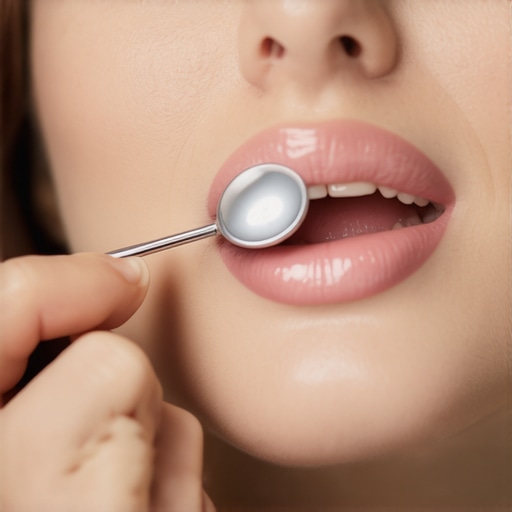
Start by washing your hands thoroughly with soap and water to prevent introducing bacteria into your gums. Then, gather sterilized dental floss, a clean, small mirror, and optionally, lukewarm salt water for rinsing. Using sterile tools reduces infection risk and ensures safety during removal. I once used a sterilized dental pick from my kit, but remember, if you’re unsure, it’s better to consult a professional.
Assess the Situation Carefully
Use a mirror to locate the embedded kernel and examine the surrounding gum tissue. Do not attempt to poke or prod aggressively—think of your gums as delicate tissue paper. If the kernel is visible and accessible, proceed cautiously. If it’s deeply lodged or difficult to see, consider seeking expert advice to prevent injury, or learn about professional [teeth cleaning](https://periodontistcare.com/teeth-cleaning-secrets-effective-home-practices-for-family-dental-health) techniques for preventative care.
Gentle Flossing for Extraction
Wrap a small piece of dental floss around your fingers, create a firm but gentle loop, and carefully slide it between your gum and the lodged kernel. Use a back-and-forth sawing motion, similar to cutting a rope, but remember: gentle pressure is key. I once successfully dislodged a stubborn popcorn kernel this way after several cautious tries, avoiding pain or damage. Do not force the floss, as that can injure the gum tissue.
Careful Manipulation is Critical
Once the floss tightens around the kernel, gently lift or slide it out—think of prying a stubborn staple without ripping the paper. If resistance occurs, pause and try re-positioning or increase the lubrication with a salt water rinse. Do not try to dig out with sharp objects, as they can puncture or scratch your gums—this is a common mistake to avoid. For more details on maintaining [your oral health routine](https://periodontistcare.com/oral-health-routine-strengthening-your-smile-every-day), proper technique is vital.
Rinse and Disinfect
After successful removal, rinse your mouth with a warm, salt water solution to cleanse the area and soothe irritation. Swish gently for about 30 seconds, acting like a gentle garden hose to wash away debris. This step helps reduce bacteria and promotes healing. Observe for any persistent swelling or bleeding; if symptoms continue, schedule an appointment with a dentist who can check your healing progress, especially if the gum tissue looks damaged.
Monitor and Maintain Oral Hygiene
Keep the area clean and avoid irritating foods for the next few days. Stick to soft foods and avoid abrasive items like raw vegetables or crunchy snacks until healing stabilizes. Regular brushing and flossing should resume carefully, focusing on gentle techniques around the affected gum. Remember, excellent oral hygiene is the foundation of preventable issues, as emphasized in [family dentistry practices](https://periodontistcare.com/family-dentistry-focus-building-a-lifetime-of-healthy-smiles). If you notice any signs of infection—such as increased redness, pus, or persistent pain—consult your dentist promptly to prevent complications.
Many people assume that simply brushing twice a day suffices for optimal oral health, but this misconception overlooks nuanced factors critical to maintaining healthy teeth and gums. For instance, aggressive brushing can do more harm than good, leading to gum recession and enamel erosion, which ironically increases sensitivity and vulnerability to decay. According to research published in the Journal of Periodontology,regular professional cleanings play a pivotal role in not just removing plaque but also preventing periodontal diseases that often go unnoticed. Many believe that flossing is optional, yet neglecting it can allow plaque accumulation between teeth, fostering decay and gum disease. Furthermore, understanding the advanced nuances of dental restorations like crowns reveals that longevity depends heavily on material choice and care routines. Ceramic crowns, for example, are more resistant to staining and chipping, but improper maintenance can compromise their lifespan, which is why consulting a specialist for caring for crowns is essential. A common myth persists that all crowns are alike; in reality, zirconia crowns offer superior strength, especially for back molars, as detailed in this comparison. Interestingly, many overlook the importance of surface texture on crowns—rough surfaces can trap plaque, accelerating decay, which emphasizes the need for smooth, well-polished restorations. Do you catch yourself thinking that rinsing with mouthwash replaces flossing? It’s a dangerous trap; mouthwash cannot reach areas between teeth, underscoring the importance of comprehensive oral hygiene. Recognizing these nuances and avoiding common pitfalls ensures not just a brighter smile but also overall health. For a detailed routine tailored to your needs, consider insights from this expert guide. Proper education and vigilance are your best tools in preventing costly dental issues down the line. Have you ever fallen into this trap? Let me know in the comments.
Investing in the Right Tools for Lasting Oral Health
Keeping your dental health in top shape requires more than just brushing and flossing. Personally, I swear by electric toothbrushes equipped with sonic technology, such as the Philips Sonicare series. Their high-frequency vibrations effectively disrupt plaque and reach areas that manual brushes often miss, especially along the gum line. I’ve noticed a significant reduction in gum bleeding since I made the switch, which aligns with the findings highlighted in professional cleaning benefits. Additionally, I always recommend using a water flosser like the Waterpik Ultra. It’s fantastic for cleaning around crowns and bridging gaps where traditional floss might struggle, ensuring debris doesn’t accumulate and cause complications over time.
Another essential tool is a good-quality mirror with a built-in light. It allows you to monitor hard-to-see areas and catch early signs of gum issues or plaque buildup. Personally, I prefer a magnifying mirror with LED illumination; it gives a clear view without straining my eyes. When combined with a fluoride rinse, these tools create a comprehensive routine that promotes mouth health and prevents minor problems from escalating into costly repairs.
Supplementing Daily Care with Professional Support
While home tools are vital, professional cleanings are irreplaceable. In my experience, scheduling biannual visits for a cleaning and check-up not only maintains the health of my crowns and natural teeth but also extends their lifespan. Regular inspections help catch issues like early crown wear or gum recession before they develop into major concerns. For an in-depth look at how routine professional care impacts your overall oral wellness, see here.
Future Trends: Smarter Tools for Smarter Care
The future of oral health looks promising with the integration of smart technology. Imagine toothbrushes connected via Bluetooth that monitor your brushing habits, pinpoint missed spots, and suggest improvements directly to your smartphone. Additionally, AI-powered dental apps are being developed to analyze photos of your teeth, helping you identify early signs of decay or gum issues. These advancements will make personalized care more accessible and efficient, encouraging proactive maintenance rather than reactive treatments.
How do I maintain my crowns and restorations over time?
Keeping your crowns, including those made of zirconia or ceramic, in optimal condition hinges on consistent care and careful habits. I recommend avoiding abrasive toothpaste that can scratch or dull the surface; instead, use a non-abrasive fluoride toothpaste. Regularly inspect your crowns for chips or cracks, and avoid biting on hard foods like ice or nuts that can jeopardize their integrity. For detailed advice on prolonging the life of your crowns, explore this resource.
Want to give your dental routine a healthy boost? Try the high-tech water flosser I mentioned earlier—it’s a game-changer for maintaining gum health around crowns and implants. Remember, combining effective tools with professional check-ups will set you up for a lifetime of confident, healthy smiles.
Lessons Only the Wise Can Share About Oral Health and Crowns
- Patience is a form of mastery; rushing to remove a stuck kernel can cause more harm than good. I learned the hard way that slow, gentle techniques win over quick fixes, ensuring I protect my gums while resolving issues.
- Consistent education about crown materials and maintenance saves headaches in the long run. Discovering that zirconia crowns offer superior durability motivated me to choose better restorations and care routines.
- Listening to your body’s signals is vital. If persistent discomfort or swelling occurs after trying self-removal, seeking professional help is the wisest step—not risking further damage with unsafe tools or methods.
My Toolkit for Lasting Dental Confidence
- Electric toothbrushes with sonic technology—like the Philips Sonicare—have transformed my daily cleaning. Their ability to reach challenging spots complements my flossing efforts and keeps my gums healthy, as supported by expert advice.
- A water flosser, such as Waterpik Ultra, quickly became my favorite for maintaining hygiene around crowns and bridges. Its ease of use and effectiveness make it a cornerstone of my routine.
- A high-quality LED-lit mirror allows me to monitor hard-to-see areas, catching early signs of any issues before they escalate. This simple tool is invaluable for proactive dental care.
- My trusted resource for understanding crown maintenance and oral hygiene techniques is this guide. It’s helped me develop habits that preserve my smile’s integrity over time.
Your Smile, Your Power: Take Action Today
Taking control of your oral health, especially when dealing with stubborn issues like embedded popcorn kernels, empowers you to maintain your confidence and comfort. Remember, effective tools combined with professional support create a resilient foundation for lifelong smiles. Don’t wait for problems to escalate—invest in your dental wellness now, and watch your self-assurance grow.
Have you ever had an experience where a small snack turned into a dental challenge? Share your story below—I’d love to hear your insights and tips!