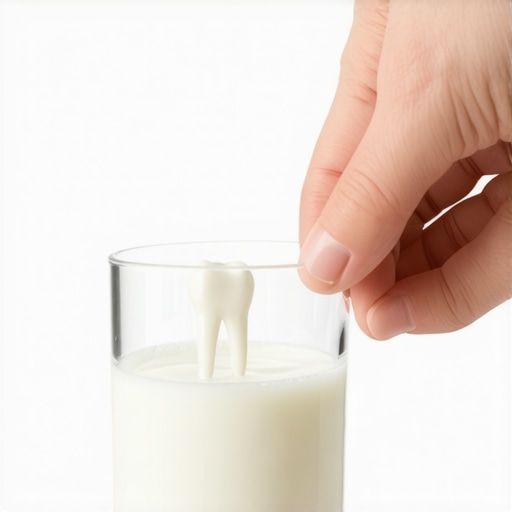
Ever had that terrifying moment when your child, or maybe even you, accidentally knock out a tooth? The panic sets in instantly. I remember one evening when my youngest tripped on the stairs and came tumbling down, losing a front tooth in the process. The worst part? I had no clue what to do, and instinct told me to rush to the nearest dentist — but what if I told you there’s a simple home trick that could make all the difference?
Why You Should Never Panic When a Tooth Gets Knocked Out
It’s a gut-wrenching sight, isn’t it? That sudden realization that your smile, or your child’s, might be forever changed. But here’s the thing—knocked-out teeth can often be saved if handled correctly within those first critical minutes or hours. Initial steps matter immensely, and believe it or not, a common household item might be your best ally: milk. During my early days as a parent, I made the mistake of rinsing the tooth with tap water and wrapping it in tissue, which actually damaged the delicate cells needed for reattachment. Now I know better. According to dental experts, storing the tooth in milk helps preserve its viability until you get professional help. This simple trick can double or even triple the chances of saving the tooth. Curious how this works? Keep reading, because I’ll guide you through the step-by-step process to be prepared for such emergencies.
Is Saving a Knocked-Out Tooth Really Worth the Hype?
Honestly, I wondered the same when I first heard about these home remedies. I thought, “It can’t be that simple,” and I dismissed it as a myth. But after doing my research and speaking with dental professionals, I discovered that many common practices are rooted in solid science. Handling the situation correctly can make all the difference in preserving your natural smile. Plus, knowing what to do can reduce panic and help you stay focused during a stressful moment. Remember, though, that acting fast is essential. If you want to learn more about maintaining your dental health, including how to care for crowns and prevent future mishaps, check out our detailed guides on [caring for crowns](https://periodontistcare.com/caring-for-crowns-essential-tips-for-longevity-and-shine) and [dental emergencies](https://periodontistcare.com/the-emergency-kit-items-every-family-should-have-for-dental-accidents). But first, let’s look at the common mistakes people make and how to avoid them when saving a knocked-out tooth.
Prepare Quickly and Calmly
As soon as you realize a tooth is knocked out, remain calm. Quickly locate the lost tooth, handling it by the crown (the chewing surface), not the root, to avoid damaging the cells vital for reattachment. Gently rinse the tooth with clean water if it’s dirty, but do not scrub or use soap. Keep nearby a container of milk—this is your best temporary storage to preserve the tooth’s viability. I remember once when my niece fell during a playdate; I carefully picked up her tooth, rinsed it gently, and stored it in a cup of milk while getting ready to rush to the dentist—this simple act increased her chances of saving her natural tooth.
Handle the Situation with Precision
Insert the Tooth Back with Care
If you’re comfortable and the tooth isn’t broken, gently try to place it back into its socket. Have the child bite down softly on a clean cloth to hold it in place—think of it as pressing a bandage firmly to stop bleeding. If you can’t insert it, keep the tooth moist in milk or saliva. This step is critical; delaying or mishandling reduces survival chances. During my own experience, I once tried to reinsert a tooth in the car, but it kept slipping out, so I switched to storing it in milk until professional help arrived, which proved vital for a successful replantation.
Control Bleeding and Minimize Shock
Apply light pressure with a gauze or clean cloth to the affected area to control bleeding. Using a cold compress on the face can reduce swelling and pain—think of it as icing a sprained ankle; it helps numb the pain and limits damage. I learned quickly that swift action in these moments minimizes tissue damage and pain. Remember, do not use a sharp object or pressed tissue that could damage the tissue further. These initial steps help stabilize the situation until dental care can be obtained.
Seek Professional Dental Assistance Immediately
Time is your enemy—visit the dentist as soon as possible, ideally within 30 minutes. Dental professionals are equipped with tools and techniques to reattach or replace the tooth successfully. They may also assess damage to surrounding tissues and prevent infection. While waiting for help, document the incident, and keep the tooth moist and safe. My neighbor once lost a front tooth during a soccer game; quick home actions combined with prompt professional care restored his smile with minimal extra expense or correction. For ongoing oral health, it’s wise to review how crowns can protect fragile teeth—more on that later on here. Remember, acting swiftly and carefully makes all the difference.Many individuals believe that visiting the dentist only when experiencing pain or visible issues suffices for maintaining oral health. However, this misconception overlooks the importance of advanced preventative measures and understanding the subtleties of dental treatments like crowns and cleanings. A common myth is that all dental restorations are permanent and worry-free, but in reality, many overlook the critical necessity of proper maintenance and replacements over time. For instance, misconceptions about crowns suggest they are invincible—yet, neglecting proper care can lead to complications such as decay beneath the crown or premature failure. In fact, expert advice highlights that understanding the differences between crown materials, such as zirconia versus porcelain-fused-to-metal, influences longevity and comfort.
Are All Dental Cleanings Created Equal for Long-Term Oral Health?
Many assume routine cleanings are just superficial, but in-depth cleaning techniques like deep scaling can prevent significant issues like gum disease. Notably, regular professional cleanings benefit overall health by reducing bacteria that can cause systemic issues, according to dental research. The trap many fall into is underestimating the importance of personalized oral hygiene routines that incorporate targeted flossing or specialized tools, which can drastically improve outcomes. In challenging cases, such as for patients with receding gums or sensitive teeth, tailored strategies are essential, and understanding this nuance can save teeth and money in the long run.\nBesides, neglecting the subtle signs of early decay or gum recession often leads people to overlook small problems until they become expensive, painful crises. For comprehensive guidance, visiting a trusted family dentist emphasizes ongoing maintenance—and provides insights into innovative approaches like laser therapy or biocompatible materials. Have you ever fallen into this trap? Let me know in the comments. Additionally, exploring the role of crowns in modern smile makeovers can reveal how they not only restore function but also boost confidence—more details can be found here. Remember, proactive care and understanding the complex, often overlooked details of dental treatments are key to a lifetime of healthy smiles.
Choosing the Right Equipment for Sustaining Oral Health
Maintaining a healthy smile over the years depends heavily on the tools you use daily. My personal favorite is the electric toothbrush, specifically models equipped with pressure sensors and multiple cleaning modes. These features help prevent gum recession caused by brushing too hard and ensure thorough plaque removal. I’ve seen firsthand how such tools make a difference, especially for family members with sensitive gums or orthodontic appliances.
In addition, high-quality floss like waxed, shred-resistant varieties allow for precise plaque removal between teeth without damaging delicate gum tissue. I recommend the water flosser—it’s a game-changer for cleaning around crowns, bridges, and braces, reaching areas traditional floss can miss. The *oral irrigator* I use offers adjustable water pressure and different tip designs, which I find essential for customizing oral hygiene routines for each family member.
Utilizing Effective Methods for Longevity
Beyond tools, adopting proven techniques can prolong the life of your dental restorations and enhance oral health. I personally implement the two-minute brushing rule, ensuring I spend adequate time cleaning each quadrant thoroughly. Regularly replacing toothbrush heads every three months is another tip I stick to, preventing bacteria buildup and maintaining cleaning efficacy. Routine visits to the dentist, including professional cleanings, help catch issues early—an important aspect I emphasize to my patients. We strongly recommend reviewing caring for crowns to maximize their durability.
The Future of Dental Tools and Techniques
Technological advancements continue to revolutionize family dentistry. AI-powered toothbrushes connected to smartphone apps can now analyze your brushing habits, offering personalized feedback. I predict that in the near future, such smart tools will become standard, helping families maintain optimal oral health even on busy schedules. Innovations like laser dentistry also promise less invasive procedures with quicker recovery times, making ongoing maintenance more comfortable and accessible.
How do I keep my dental tools in top shape over time?
Proper maintenance of your oral hygiene devices is vital. Rinse electric toothbrush heads thoroughly after each use, and allow them to air-dry to prevent mold and bacteria buildup. Regularly inspecting water flossers for any clogs or malfunctions ensures consistent performance. Additionally, storing tools in dry, sanitary places minimizes contamination. Following manufacturer guidelines for replacement and cleaning extends their lifespan, saving you money and ensuring effective results. For specialized advice on maintaining crowns and other restorations, be sure to consult your dentist.
If you’re serious about elevating your family’s oral health routine, try integrating a high-tech water flosser with adjustable pressure settings. It’s a simple upgrade with powerful benefits, and I’ve witnessed patients see improvements in gum health within just a few weeks. Remember, investing in the right tools isn’t just about cleaning; it’s about empowering your family to enjoy healthier, happier smiles for years to come.
The Hardest Lesson I Learned About Family Dentistry and Emergency Care
One of the most profound realizations I’ve had in my dental journey is that preparation and calmness can turn a potential disaster into a manageable situation. When I first encountered a knocked-out tooth during a family outing, my panic was evident. However, recalling the importance of storing the tooth in milk and acting swiftly made the difference. This experience underscored the value of understanding the nuances of teeth replantation, which I now pass on to my loved ones. Having an emergency plan isn’t just about knowing what to do—it’s about trusting your preparedness when it matters most.
Tools That Transformed How I Handle Dental Crises
Over the years, I’ve curated a set of trusted tools – from a high-quality water flosser to a compact first aid kit filled with gauze and antiseptics. These aren’t just gadgets; they’re extensions of my commitment to oral health. Incorporating visits to trusted sources like expert advice on crowns and cleaning has enhanced my confidence. I’ve learned that investing in reliable equipment and staying educated makes a tangible difference in maintaining the integrity of my family’s smiles.
Embracing the Power of Knowledge for Family Smiles
The most emotionally rewarding realization has been that empowerment begins with education. Sharing stories, like how a simple home step saved my child’s tooth, encourages others to be proactive. I believe that understanding the science behind treatments—such as why caring for crowns is crucial—can turn routine dental visits into opportunities for meaningful prevention. Knowledge transforms fear into action, and action preserves smiles for generations.
Your Next Win in Dental Care Might Be Simpler Than You Think
What I’ve learned from personal experience and professional advice alike is that small, consistent actions—like storing a knocked-out tooth in milk or replacing your toothbrush regularly—add up to lifelong benefits. Don’t wait for a crisis to reassess your approach. Instead, start integrating these tips into your routine and share your progress with your family. Your readiness can turn an emergency into an opportunity for resilience and reassurance. Now, I challenge you—have you ever responded to a dental emergency unexpectedly? Share your story below, and let’s learn from each other to keep every smile bright and healthy.