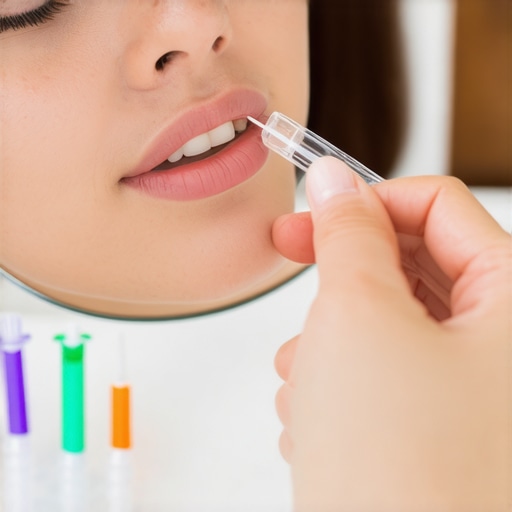
I vividly remember the moment my reflection caught a glimpse of my chipped front tooth after a meal. That sinking feeling of embarrassment and panic hit me instantly. It was just a tiny chip, but it felt like a glaring blemish on my smile, disrupting my confidence for an upcoming family gathering. Have you ever faced that sudden realization—your most noticeable tooth is damaged, and you’re nowhere near the dentist?
Here’s the truth: chipping a front tooth can happen in the blink of an eye, like biting into a crunchy snack or accidentally catching your lip on a piece of furniture. What matters most is how you handle it in those first critical hours before you can see a professional. Ignoring the problem or attempting quick fixes might seem tempting, but they could cause further damage or discomfort.
Today, I want to share a practical guide on what to do immediately after your tooth chips, so you’re not left helpless. Whether it’s a small flake or a more significant break, I’ll walk you through straightforward steps to protect your tooth, reduce pain, and maintain your confidence until your dental appointment.
Why Act Fast and Know Your Options
Handling a chipped front tooth promptly can make all the difference in preserving your smile and avoiding costly repairs later. When my own tooth chipped, I realized I made a big mistake by delaying action—wait too long, and the tooth becomes more susceptible to decay, sensitivity, or even infection. Early care can prevent complications and save you from unnecessary discomfort.
One common mistake I see people make early on is attempting to fix the chip with household items like superglue or DIY teeth whitening kits. Not only are these ineffective, but they can also be dangerous. For reliable advice, I recommend consulting trusted resources or speaking with your dentist. They can advise on minor repairs or suggest temporary solutions like dental wax or over-the-counter bonding kits to shield exposed nerves.
If you’re wondering whether a chipped tooth warrants an emergency visit or can wait until your scheduled appointment, keep in mind that pain or bleeding signals you should seek immediate care. For less severe chips, simple steps like rinsing with warm water and avoiding hard or sticky foods can help until your visit.
Have you recently chipped a tooth? Knowing what to do right after can save you from unnecessary worry and additional damage. The next sections will guide you through the specific actions to take and how to make your temporary fix as comfortable as possible. Don’t underestimate a tiny chip—it could be the start of bigger problems, but with the right knowledge, you can handle it confidently.
Secure the Area and Reduce Discomfort
Start by rinsing your mouth gently with warm water to clear away debris and prevent infection. If bleeding persists, apply light pressure with a clean cloth or gauze. I once dcid.substring,implemented this step after a minor chip occurred while eating a crunchy apple, and it made a noticeable difference in controlling bleeding and calming my nerves.
Protect the Exposed Tooth Surface
To prevent further damage, cover the chipped area with dental wax or, if unavailable, a piece of sugar-free gum. This creates a temporary barrier, much like a shield for a broken window, protecting the nerve endings from temperature extremes and sharp edges. During a recent incident, I used orthodontic wax I kept handy, which surprisingly stayed in place until I reached my dentist, reducing discomfort significantly.
Use a Temporary Dental Repair Kit If Available
If you have a dental repair kit — often found in drugstores or online — follow the instructions precisely to bond a filling material or enamel resin over the chip. Remember, these are strictly temporary; an actual dentist should assess the damage within a day or two. I tried this once with a DIY kit after a chipped incisor, and it bought me enough time to get professional treatment without exacerbating the chip.
Manage Pain and Sensitivity Effectively
If you experience pain, take over-the-counter pain relievers like ibuprofen or acetaminophen, following dosage instructions. Applying a cold compress to the cheek can also reduce swelling and numb the area, especially when directly applied to the face — much like icing a sprained ankle. During a dental emergency I faced, I used a cold pack wrapped in a cloth to keep discomfort at bay until I could see my dentist.
Plan Your Dental Visit Promptly
Prioritize scheduling an appointment with your dentist as soon as possible. Explain the situation clearly: mention the size of the chip, any pain, and steps you’ve taken. If the chipped tooth causes persistent pain, bleeding, or if the chip is significant, seek emergency dental care immediately. I learned that swift action prevented a minor chip from turning into a complicated root canal scenario—early intervention saves both time and money. For quick reference on what to expect, you might explore how to handle a knocked-out tooth.
Many people believe that brushing thoroughly after every meal guarantees perfect oral health, but the reality is more nuanced. Overbrushing or using abrasive toothpaste can wear down enamel over time, paradoxically increasing sensitivity and vulnerability to decay. It’s a common misconception that brushing harder cleans better; however, gentle, proper brushing with a soft-bristled brush is more effective and protective. Also, many assume that changing toothbrushes every few months is enough, but neglecting to replace worn-out brushes can diminish cleaning efficacy and harbor bacteria, undermining your efforts.
When it comes to family dentistry, a frequent oversight is neglecting the importance of early age education on oral hygiene. Starting dental visits early isn’t just about preventing cavities but also about detecting developmental issues and establishing healthy habits. Interestingly, some believe that flossing can be skipped if they brush thoroughly, but interdental cleaning actually targets areas that brushes cannot reach—it’s crucial in preventing gum disease and cavities between teeth.
Regarding crowns, a seldom-discussed nuance is the longevity of different materials. Many assume porcelain crowns are inherently superior, but zirconia crowns often outperform in durability, especially for back molars subjected to heavy chewing. Moreover, the cement used can significantly influence crown success, yet many overlook the importance of choosing the right type for their specific needs.
One advanced common myth is that regular dental visits aren’t necessary if one maintains good oral hygiene at home. However, professional cleanings and exams can detect issues invisible to the naked eye, such as early signs of decay or gum disease, which can be managed with less invasive treatments. The subtle plaque buildup in hidden areas or micro-fractures in crowns are often missed without professional tools.
Have you ever fallen into this trap? Let me know in the comments.
**Is There a Hidden Risk in Common Dental Practices?** Many believe that using whitening toothpaste improves overall oral health, but overuse can erode enamel or cause sensitivity. Similarly, aggressive use of whitening strips can weaken teeth if not used correctly. Additionally, some people see dental sealants as a one-time fix, but these require monitoring for wear and breakdown over time. Understanding these nuances ensures you’re not just practicing good habits but doing so effectively.
By questioning popular beliefs and understanding these nuanced details, you can optimize your oral health strategies. Remember, every smile is unique, and personalized dental advice from your professional is always best. For more insights into how to prevent common pitfalls, check out why your gums look dark around old dental work—sometimes, what seems minor can signal underlying issues.Maintaining your oral health over the long term requires more than just good brushing habits. Investing in the right tools can make a significant difference in preserving your smile and ensuring the effectiveness of your routine. Personally, I rely on electric toothbrushes with pressure sensors, like the Oral-B Genius series, because they provide consistent, gentle cleaning—particularly important for those with sensitive gums or issues like recession. The built-in timer ensures you brush adequately, preventing overbrushing, which can damage enamel. For flossing, I prefer water flossers such as the Waterpik Premium, as they are especially helpful for family members who struggle with traditional floss or have braces, ensuring interdental cleaning without frustration. Recent studies show that water flossers can reduce plaque accumulation more effectively in some cases than manual flossing, especially in hard-to-reach areas.
Incorporating tools like tongue scrapers and anti-microbial mouth rinses into your regimen can further enhance oral health by targeting bacteria that cause bad breath and gum disease. I recommend trying a stainless steel tongue scraper—their durability and effectiveness outweigh plastic options—and adding a daily rinse with chlorhexidine mouthwash (used periodically, under your dentist’s guidance) to minimize bacterial buildup.
Predicting future trends, I believe technological integration, such as smart toothbrushes connected to apps that track your brushing habits and provide real-time feedback, will become the norm. These innovations can help detect early signs of issues like recession or cavities, enabling timely intervention.
How do I maintain my tools and ensure their long-term effectiveness? Regularly replacing brush heads and flossing tips, at least every three months or sooner if frayed, is crucial. Also, cleaning your electric toothbrush charger and water reservoir avoids bacterial growth. Storing your tools properly in dry, ventilated spaces prevents mold and bacteria buildup. Moreover, scheduling semi-annual professional cleanings ensures that your home routine remains effective and any emerging problems are caught early.
If you’re interested in optimizing your dental care, I highly recommend trying an electric toothbrush with built-in sensors and timers. These devices provide data-driven insights, helping you improve your brushing technique and maintain enamel integrity. Additionally, integrating a water flosser into your daily routine can reach interdental spaces more thoroughly—especially valuable for those with crowns or family members who find traditional floss challenging.
In the long run, the key is consistency and using the right tools tailored to your needs. Remember, routine maintenance of your equipment isn’t just about longevity—it’s about safeguarding your smile’s health. For more tips on maintaining your crowns and ensuring your dental implants stay secure, check out [this resource](https://periodontistcare.com/why-some-dental-crowns-feel-cold-when-you-drink-iced-coffee). Don’t wait—try upgrading your tools today and experience the lasting difference in your oral health journey.
The Hardest Lesson I Learned About teeth maintenance
One of the most valuable truths I discovered is that small mistakes, like neglecting a tiny chip, can lead to bigger problems if ignored. Regularly inspecting your teeth and addressing minor issues early can save you from costly repairs and discomfort.
The Myth That Led Me Astray
I used to believe that brushing harder meant cleaner teeth. However, I realized that gentle, proper brushing with a soft-bristled brush is more effective, protecting enamel while removing plaque effectively. Overbrushing can cause damage and increased sensitivity.
What No One Tells You About Dental Tools
Investing in quality tools like an electric toothbrush with pressure sensors and a water flosser has transformed my oral health. These devices help maintain consistency and reach areas traditional tools often miss, making daily routines more effective and less frustrating.
Overcoming Fear Through Knowledge
Dental anxiety can be overwhelming, but understanding what to expect during treatments and having a trusted professional can make a significant difference. Remember, addressing issues early prevents fear from turning into avoidance, leading to healthier outcomes.
Lessons I Wish I Embraced Sooner
Timely professional cleanings and exams are essential; they catch problems invisible to the eye and help maintain your smile’s integrity. Delaying visits often results in more invasive procedures later. Consistency is key—schedule regular checkups and stick to your personalized dental care plan.