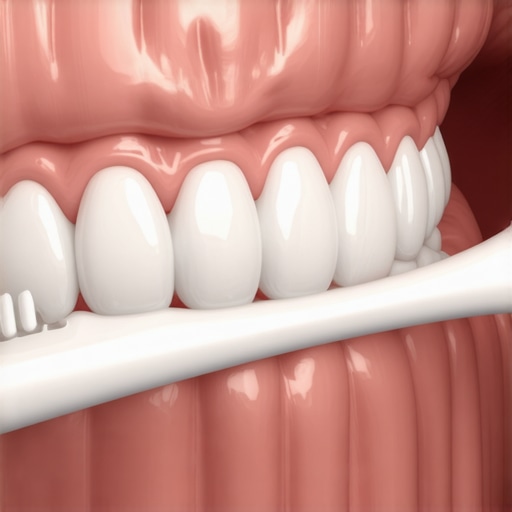
I stood over my bathroom sink last Tuesday, staring at a small pink spit of toothpaste in utter defeat. I had done everything "right." I paid top dollar for a brush with bristles so feathery they felt like a plush blanket. I brushed with gentle, delicate circles like I was polishing delicate glassware. Yet, there it was—that persistent, telltale trickle of red. It was frustrating, embarrassing, and honestly a bit scary.
The Phantom Bleeders: Why Ultra-Soft Bristles Aren’t Saving Your Gums
For years, I made the classic mistake of thinking bleeding gums were strictly a mechanical issue. I assumed I was scrubbing too hard, like sanding down a wooden deck with coarse paper. So, I downgraded my bristle firmness again and again until I was essentially wiping my mouth with soft velvet. But the bleeding didn’t stop. In fact, over time, my gums felt even tenderer, especially around an old restoration where I noticed the gap between my gum and my crown seemed to trap extra debris.
Here is the hard truth I had to learn from my dentist: a soft brush prevents surface abrasion, but it doesn’t magic away plaque that has tucked itself deep beneath the gumline. Bleeding isn’t usually a sign of physical trauma; it’s an inflammatory response. When micro-bacteria sit undisturbed along your tissue, your immune system rushes blood to the area to fight off the invaders. That tissue swells, becomes fragile, and will leak at the slightest touch—even from the softest bristles imaginable. In fact, research published by the National Institutes of Health highlights that localized vascular inflammation can persist even under gentle oral care routines if microbial biofilm isn’t systematically disrupted.
Is my extra-soft toothbrush actually making my gum health worse?
It can feel like a complete paradox. You switch to a gentler tool to protect your mouth, only to find the irritation lingering. While the soft bristles aren’t directly damaging your tissue, relying on them without tweaking the rest of your daily habits often leaves stubborn plaque behind. If you are skipping thorough cleaning between tight spots, you are fighting only half the battle. Reevaluating your entire oral health routine is usually the missing puzzle piece that finally brings relief.
We need to stop treating bleeding tissue like a mystery and start looking at what is happening underneath the surface. Have you ever swapped out your brush for a softer one, only to watch your gums keep bleeding anyway? I’d love to know if you’ve been stuck in this exact same loop.
Fixing sensitive, bleeding tissue requires moving past superficial scrubbing. You need an actionable sequence designed to dislodge stubborn bacterial biofilms while giving your gum tissue space to heal.
A Three-Step Reset for Inflamed Gum Tissue
When my own gums were at their worst, I realized I needed a methodical approach rather than random adjustments. I began testing precise techniques aimed at removing plaque safely without triggering a flood of blood.
Mastering the Angle That Removes Micro-Biofilm
Most people press their brush straight against their teeth at a ninety-degree angle. This cleans the smooth enamel surface, but completely misses the cuff of tissue where bacteria thrive. Instead, angle your bristle tips at forty-five degrees toward the gumline. Use tiny, vibrating micro-strokes rather than long sawing motions. This physical disruption loosens the plaque without dragging sharp bristle tips across fragile, swollen tissue.
Cleaning the Spaces Your Brush Completely Misses
Even the most advanced manual or electric toothbrush cannot reach into the tight spaces between your teeth. If you leave these areas untouched, localized inflammation will never clear up. You need to clear out those narrow spaces using gentle, targeted tools. Using interdental brushes or unwaxed string floss allows you to slide beneath the contact points without snapping down into the delicate papilla.
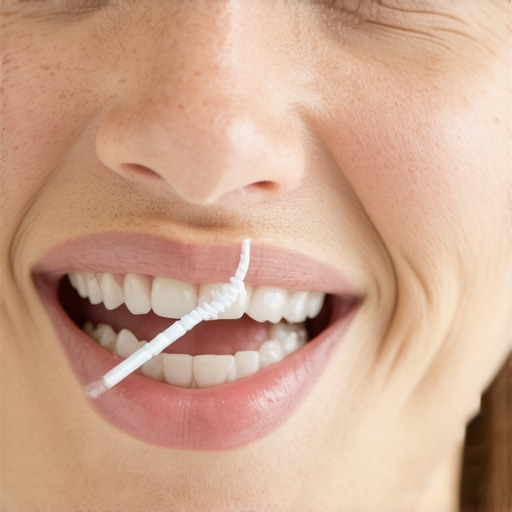
I remember the first night I committed to this technique. I was so convinced I would wake up with raw, painful gums that I almost skipped my molar area entirely. My hand shook as I guided the tiny brush between my back teeth, expecting a mess. Surprisingly, by taking it slow and angling correctly, there was barely any blood—and within three days, the persistent tenderness finally started to fade.
Protecting Restorations and Tight Margins
If you have existing dental work, standard flossing can sometimes snag or leave behind trapped debris. Taking the time to master caring for crowns and natural teeth with dedicated tools ensures that bacteria cannot compromise your dental investments. Curve your cleaning tool around each tooth in a gentle C-shape, sliding smooth movements up and down rather than pulling outward forcefully.
Building Daily Consistency Without Over-Scrubbing
Consistency trumps force every single time. Rebuilding healthy tissue is about daily disruption of bacterial colonies, not aggressive weekly cleanups. Upgrading your daily habits with a structured oral health routine gives your immune system a chance to calm down the inflammatory response, allowing your gums to firm up and return to a healthy, pale pink color.
The Flossing Myth That Is Keeping Your Gums Inflamed
For years, patient education has hammered home a single message: if your gums bleed when you clean between your teeth, you simply need to floss more. But here is the contrarian truth that most general practice literature skips—flossing harder or more frequently with standard string often worsens localized tissue trauma if your technique is slightly off. Many people believe that bleeding during cleaning means they are physically cutting their gums. In reality, aggressive flossing slices into the delicate junctional epithelium, creating micro-ulcerations that allow bacteria directly into the bloodstream.
Instead of forcing thick string into tight contacts, switching to tailored interdental tools or modifying your mechanical pressure yields far better clinical outcomes. If you have tight contact points between natural molars or prosthetic work, standard floss often snaps down violently against the interdental papilla. Learning how to clean between teeth if you have tight spacing without causing physical lacerations is crucial for allowing inflamed tissue to heal.
The Traps That Silently Ruin Restorations
One of the biggest mistakes patients make occurs around existing dental work. There is a common assumption that once a tooth is crowned, it is safe from decay and localized disease. That false sense of security leads to the ultimate trap: treating a crown like a natural tooth during daily maintenance. A restoration cannot decay, but the margin where the porcelain meets your natural root structure is highly vulnerable to micro-leakage and bacterial invasion.
If you use abrasive whitening pastes or scrub vigorously along the margin of a restoration, you risk scratching the micro-polished seal or causing recession that exposes the vulnerable root surface underneath. When that seal is compromised, bacteria thrive in the microscopic gap, leading to chronic subgingival inflammation that no soft toothbrush can resolve on its own. Understanding caring for crowns properly means focusing on gentle plaque disruption at the gumline rather than aggressive scrubbing that wears away delicate margins.
Why do my gums keep bleeding even after a professional cleaning?
It is deeply frustrating to invest in a routine prophylaxis only to notice persistent pink in the sink a week later. A standard routine prophylaxis removes surface tartar and supragingival plaque, but it does not address deep subgingival pockets if chronic inflammation has already set in. According to clinical research published in the Journal of Periodontology, bacterial biofilm can fully recolonize untreated periodontal pockets in as little as 42 days following mechanical disruption if daily home care fails to reach the base of the pocket.
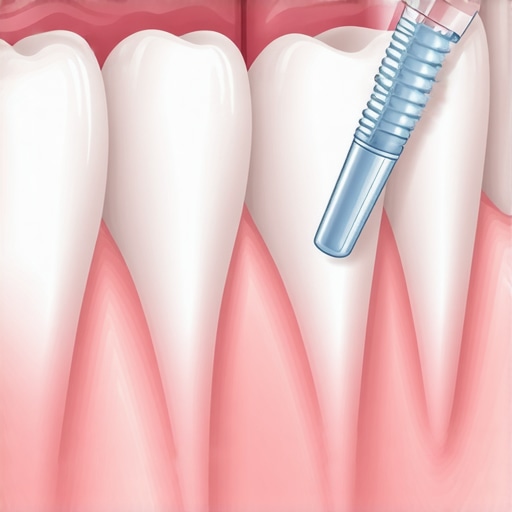
If your tissue remains swollen, you may be dealing with deeper bacterial colonies that require specialized care. Understanding the specific differences between a routine prophylaxis and a deep scale helps clarify why a basic cleaning sometimes falls short of stopping persistent bleeding. Without removing deep, calcified deposits, surface-level brushing is merely scratching the surface of a deeper biological issue.
Navigating the nuances of long-term gum health requires looking beyond generic advice and paying attention to how your tissue responds to daily micro-trauma. Have you ever fallen into this trap? Let me know in the comments below!
My Essential Toolkit for Long-Term Maintenance
Once you calm down active inflammation, keeping your mouth healthy isn’t about scrubbing harder—it’s about using precision tools that target biofilm without traumatizing your tissue. Over years of managing my own tricky spots, I’ve narrowed down my routine to three indispensable items.
First, I completely ditched manual brushes for a high-quality sonic electric toothbrush. The reason your dentist wants you to switch to an electric toothbrush comes down to consistency; the micro-vibrations shatter bacterial colonies far better than manual sweeping. When I first made the switch, I had to learn how to manage sensitivity when you switch to a high-powered electric brush by using built-in pressure sensors that alert me if I am pressing too hard.
Second, I rely on targeted interdental brushes rather than basic string. For hard-to-reach areas, especially around my back molars where why your back molars always get the most cavities remains a constant concern, these tiny brushes slide in cleanly without snapping into the gum line.
Finally, for anyone dealing with synthetic restorations, incorporating an oral irrigator or water flosser makes a massive difference. If you want to master caring for crowns and preventing bacterial buildup, flushing out subgingival pockets with daily hydro-pressure is unbeatable.
How do I maintain ideal oral health over time without causing damage?
Long-term maintenance comes down to biological respect rather than mechanical force. Your tissue needs gentle, daily disruption of bacteria, coupled with routine professional oversight to catch minor issues before they snowball into major restorations.
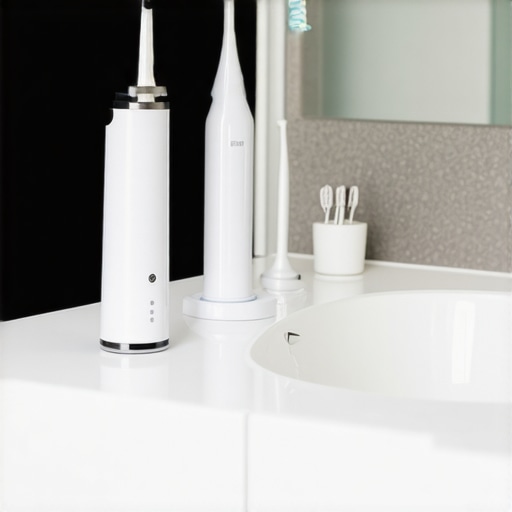
Establishing an effective oral health routine requires balancing your home habits with professional care. Unlocking the secrets to making your professional cleaning last longer means applying gentle interdental cleaning every single night so plaque never gets the chance to calcify into hard tartar.
For families managing care across multiple generations, working with a comprehensive practice focused on family dentistry focus building a lifetime of healthy smiles ensures everyone adopts correct techniques early on. Taking advantage of teeth cleaning secrets effective home practices for family dental health helps protect young enamel while preserving complex adult restorations.
Where Daily Home Care and Dentistry Are Headed
The future of oral care is shifting rapidly toward personalized micro-biome monitoring and smart diagnostic tools. We are moving away from generic broad-spectrum antimicrobial rinses toward targeted treatments that preserve beneficial oral bacteria while suppressing pathogenic species. Devices featuring real-time optical sensors are already being developed to detect localized biofilm concentration before visible inflammation even begins.
According to clinical guidelines updated by the American Dental Association, personalized preventive strategies based on individual salivary diagnostics will soon replace one-size-fits-all recall schedules. This targeted approach ensures that patients with complex crown restorations or higher periodontitis risk receive tailored interventions long before irreversible bone loss occurs.
If you take away just one thing today, try angling your brush bristles at forty-five degrees and switching to interdental brushes for forty-eight hours. Notice how much calmer your gums feel when you stop scrubbing and start targeting biofilm directly!
What Experts Won’t Tell You About Reversing Chronic Gum Inflammation
Overcoming persistent bleeding isn’t about buying more expensive products; it’s about understanding how your oral biome actually functions. Here are three critical lightbulb moments that completely transformed my approach to long-term care:
- Brushing harder never cures bleeding: Force only accelerates recession. Real healing happens when you gently break up bacterial colonies at a forty-five-degree angle rather than trying to scrub your teeth spotless like kitchen porcelain. In fact, why hard brushing actually makes your teeth look darker comes down to thinning your bright white enamel and exposing yellow dentin underneath.
- Bleeding is a biological alarm, not a mechanical injury: When your gums bleed during cleaning, it is almost always the truth about why your gums bleed only when you floss—microscopic inflammation caused by lingering biofilm, not a physical tear from your tools.
- Restorations require specialized care: A crown cannot decay, but the natural tooth margin beneath it is incredibly sensitive. Learning why your new crown smells and how to fix it boils down to removing trapped subgingival bacteria before it damages the seal.
My Essential Toolkit for Protecting Restorations and Enamel
If you want to keep your smile healthy for decades without causing accidental self-trauma, focus on quality over physical force. These are the daily tools I personally trust and recommend:
- Sonic Electric Toothbrush: The micro-vibrations shatter stubborn plaque along the gumline far better than manual sweeping, all without damaging fragile tissue.
- Size-Appropriate Interdental Brushes: Essential for reaching tight gaps between molars where standard brushes fail. Using them regularly is one of the top teeth cleaning secrets effective home practices for family dental health to stop decay between teeth.
- Targeted Hydro-Flossers: An exceptional tool for flushing out subgingival margins around existing dental work. It provides gentle pressure that protects your investment while promoting healthy, firm gums.
Take Control of Your Oral Health Routine Today
Achieving a healthy, bleed-free smile isn’t an overnight miracle—it’s the result of quiet, daily consistency. By replacing violent scrubbing with precise, angled cleaning and daily interdental care, you give your immune system the exact environment it needs to cool down inflammation and firm up fragile tissue.
Building a robust daily oral health routine gives you total confidence in your smile’s future, whether you are managing natural enamel or complex prosthetic restorations. Stop fighting your body with hard bristles and start working with your natural physiology today.
Have you tried swapping out aggressive flossing for interdental brushes or a water flosser yet? Let me know what changes you’ve noticed in the comments below!