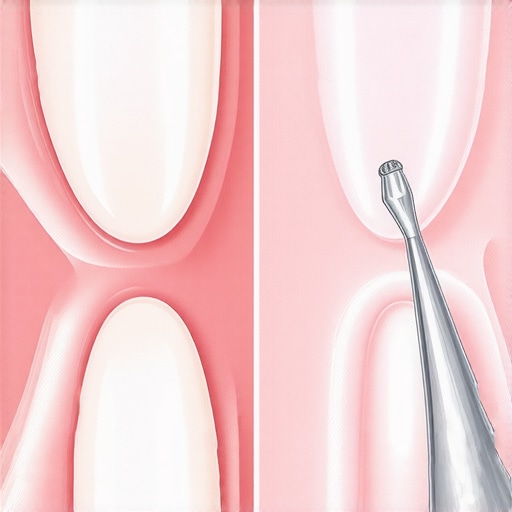
I sat there, heart hammering against my ribs, as my dental hygienist started calling out numbers. “Four, four, five… we have a six here.” I looked at her, confused. I thought I was doing everything right. I bought the fancy floss. I used the minty mouthwash. But those numbers were the sound of my gums literally pulling away from my teeth. I had spent years thinking a routine prophylaxis—that standard “buff and shine”—was the gold standard, only to realize I was headed straight for a deep scale. If you’ve ever felt that pit in your stomach when the dentist mentions ‘scaling and root planing,’ believe me, I’ve been there. Today, I’m going to break down why these two procedures are worlds apart and how you can stop the panic before it starts. I made the classic mistake of thinking that as long as my teeth looked white in the mirror, everything was fine. I was wrong. [image-placeholder]
The Difference Between a Quick Polish and the Heavy Lifting
For the longest time, I thought a “cleaning” was just a cleaning. You go in, they scrape a bit, they polish with that gritty toothpaste, and you get a free toothbrush. That’s a routine prophylaxis. It’s meant for people with healthy gums to prevent disease from starting. But my mistake was assuming that my “pretty good” home routine was enough to keep me in the clear. I ignored the occasional pink in the sink when I brushed. I didn’t realize that what actually happens if you skip your dental cleaning for too long is that plaque turns into tartar—hard, calcified “stones”—below the gumline, where no toothbrush or piece of floss can reach. According to the American Academy of Periodontology, nearly 50% of Americans over age 30 suffer from some form of gum disease, often without even knowing it until those pocket numbers start creeping up and bone loss begins. It’s a silent process that doesn’t hurt until it’s far advanced.
Is a deep scale actually worth the extra time and money?
I get it. When you hear you need a deep scale (or “scaling and root planing”), your first thought is probably your wallet or your pain tolerance. I remember asking my dentist if we could just “do the regular one and see if it gets better next time.” Spoiler alert: it doesn’t work that way. A routine prophylaxis only cleans the crown—the part of the tooth you can see. A deep scale goes deep into the pockets to remove toxic buildup from the roots themselves. It sounds intense, but the most comfortable way to get a professional deep cleaning involves modern numbing techniques that make it surprisingly manageable. Have you ever felt like your dentist was trying to “sell” you on a deeper cleaning, or have you noticed your gums bleeding when you floss? I’d love to hear your experience below because I felt exactly the same way until I saw the X-rays.
Getting a handle on the impact of regular teeth cleaning on overall oral wellness was the wake-up call I needed. I learned the hard way that once those pockets form, you’re no longer in “prevention” mode—you’re in “rescue” mode. Understanding this distinction is the first step toward saving your smile and avoiding more complex, expensive procedures like crowns in modern smile makeovers later down the line. Let’s look at what actually happens during that deep dive into your gumline and how it differs from your standard six-month checkup.
Get the Barnacles Off Your Teeth Roots
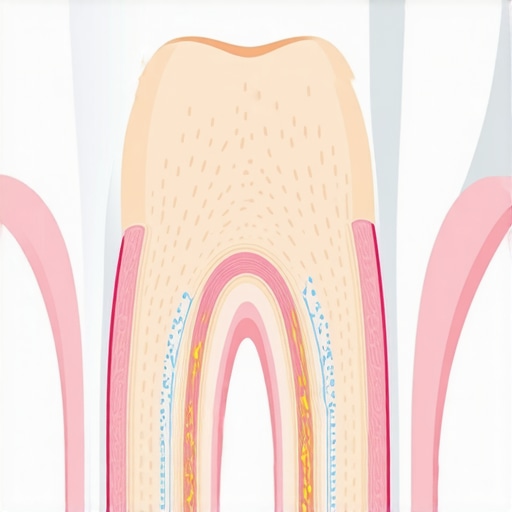
Think of a boat hull that has been sitting in the harbor for years. It collects barnacles that drag it down and eventually damage the structure. Your teeth are exactly the same. Scaling is the process where the hygienist uses ultrasonic tools—which feel like a vibrating, water-spraying wand—to blast away the “barnacles” (tartar) from the surface of your teeth and just under the gumline. I remember my first time sitting in that chair; I was bracing for pain, but the most comfortable way to get a professional deep cleaning involves these modern tools that do the heavy lifting with minimal scraping. Then comes the root planing. This is the “sanding” phase. The hygienist smooths out the rough spots on the roots of your teeth. Why? Because bacteria love to hide in little crags and pits. By making the root smooth, you are making it impossible for plaque to get a foothold, allowing your gums to actually reattach to the tooth rather than retreating in defense.
Why Your Teeth Might Feel Different Afterward
One thing no one told me before my procedure was that my mouth would feel “roomier” afterward. You might notice why your teeth feel loose right after a professional cleaning: it is often because the rock-hard tartar was actually acting like a bridge between your teeth, masking the true state of your gum recession. Once that buildup is gone, your teeth have to stand on their own again. It is a strange sensation, but it is temporary. To speed up the healing, you have to be meticulous at home. This is no longer just about basic brushing; it is about a dedicated oral health routine strengthening your smile every day. I started using the proper way to use interdental brushes for best results because a regular brush just could not get into those newly cleaned gaps. It was messy at first—I definitely saw some pink in the sink for the first three days—but by day four, the swelling had vanished, and my gums looked pink and healthy for the first time in years.
Practical Steps to Maintain the Progress
The worst thing you can do after a deep scale is slip back into your old habits. I used to think I could “cheat” a bit on the weekends, but consistency is the only way to prevent those pockets from deepening again. You need to focus on the secrets to making your professional cleaning last longer, which includes using an electric toothbrush and staying hydrated to keep your saliva flow high. If you have existing dental work, you need to be even more careful. Learning about caring for crowns essential tips for longevity and shine is vital because gum disease can actually undermine the foundation of those expensive restorations. I treat my mouth like a high-maintenance garden now—daily weeding through flossing is mandatory if I want the flowers to stay rooted. It is about moving from a mindset of fixing problems to a mindset of preserving the work your dentist just did.
Stop Scrubbing Your Enamel Away
Here is something I learned the hard way: your teeth aren’t a kitchen floor. You can’t just scrub them harder to get them cleaner. In fact, one of the biggest mistakes I see—and one I made for years—is thinking that vigorous brushing was the key to a white smile. Research in the Journal of Periodontology suggests that aggressive brushing doesn’t just hurt your gums; it actually wears down the enamel. This is exactly why hard brushing actually makes your teeth look darker over time, as the yellowish dentin underneath starts to peek through. I used to think I was being thorough, but I was actually just filing my teeth down. Have you ever noticed your teeth looking more yellow despite brushing more often? Let me know in the comments, because this trap is incredibly common.
The Hidden Rinse Trap That Steals Your Fluoride
If you are like most people, you brush, you spit, and then you immediately rinse your mouth with water. Stop. You are essentially washing away the medicine you just applied. To get the most out of your toothpaste, you need that fluoride to sit on your teeth for at least 30 minutes. This is why you should stop rinsing with water immediately after brushing. It felt ‘slimy’ to me at first, but once I realized I was literally pouring my dental health down the drain, I made the switch. It is these tiny, counterintuitive shifts that make the difference between a ‘fair’ checkup and a ‘perfect’ one.
Does a Dental Crown Mean the Tooth is Finally Safe?
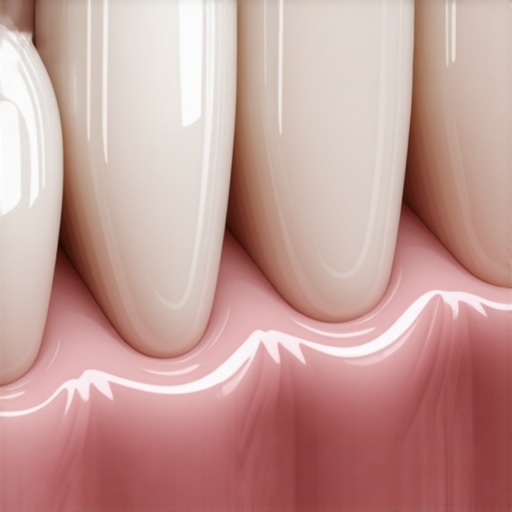
There is a massive misconception in family dentistry focus building a lifetime of healthy smiles that once a tooth is ‘crowned,’ it is invincible. I thought my back molar was safe forever once it was capped. The truth is, the tooth under that crown is still vulnerable to decay at the margin—the tiny line where the crown meets the gum. If you do not know how to fix the gap between your gum and your crown or keep it clean, bacteria will find a way in. I learned that caring for crowns essential tips for longevity and shine isn’t just about looks; it’s about preventing a root canal under a perfectly good porcelain cap. Even if you are scraping away, you might find why your breath smells bad even after using a tongue scraper is actually trapped bacteria around an aging dental restoration. It is about precision, not just effort. Have you ever fallen into this trap? Let me know in the comments.
Once you have cleared the hurdle of a deep cleaning, the real work begins. I used to think a clean slate meant I could relax, but it actually means the biological clock has been reset, and it is up to me to keep it from ticking back toward gum disease. I realized that my old tools were not cutting it. I had to upgrade my kit to match my new standards for oral health. If you are serious about family dentistry focus building a lifetime of healthy smiles, you have to look at your bathroom counter as a mini-clinic. I will be honest: I resisted the electric toothbrush for years because I thought it was a gimmick. But after seeing my pocket depths improve, I finally understood the reason your dentist wants you to switch to an electric toothbrush. The sheer number of strokes per minute—roughly 30,000 compared to the 300 you do manually—is a game changer for removing that fuzzy feeling. It is not just about speed; most modern brushes have a pressure sensor that stops you from destroying your gums. This is the ultimate tool for teeth cleaning secrets effective home practices for family dental health.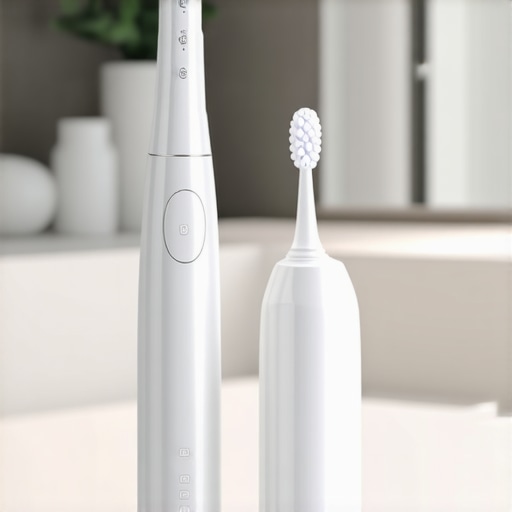 But the brush is only half the battle. If you have crowded teeth like I do, you know the struggle. I started using a water flosser because I simply could not get the string through without it shredding. Learning how to clean between teeth if you have tight spacing changed my life. According to a study published in the Journal of Clinical Dentistry, water flossers can be up to 29% more effective than traditional string flossing at removing plaque when used correctly. I use mine every single night before bed, and it is the only way I can ensure no debris is left to rot near my gumline.
How can I keep my mouth healthy for years to come?
Maintenance is not a one-size-fits-all job, especially if you have existing work. I have two crowns, and I have learned that maintaining your dental crowns dos and donts for best results involves more than just brushing. You have to be careful with sticky foods—I learned the hard way how to keep your dental crown from popping off while chewing a particularly stubborn piece of taffy. For those with restorations, expert advice on crowns and teeth cleaning for lasting results suggests using non-abrasive pastes to avoid scratching the porcelain. Looking ahead, I think we are moving toward a world where our toothbrushes will analyze our saliva in real-time to detect inflammation markers before we even feel them. Tele-dentistry is already making oral health tips every family should follow in 2025 more accessible, but for now, the gold standard remains the manual effort you put in every night. My best advice? Buy a high-quality water flosser today and use it for seven days straight. You will be surprised by what comes out, and you will never go back to just brushing alone.
I sat there, heart hammering against my ribs, as my dental hygienist started calling out numbers. “Four, four, five… we have a six here.” I looked at her, confused. I thought I was doing everything right. I bought the fancy floss. I used the minty mouthwash. But those numbers were the sound of my gums literally pulling away from my teeth. I had spent years thinking a routine prophylaxis—that standard “buff and shine”—was the gold standard, only to realize I was headed straight for a deep scale. If you’ve ever felt that pit in your stomach when the dentist mentions ‘scaling and root planing,’ believe me, I’ve been there. Today, I’m going to break down why these two procedures are worlds apart and how you can stop the panic before it starts. I made the classic mistake of thinking that as long as my teeth looked white in the mirror, everything was fine. I was wrong. [image-placeholder]
The Difference Between a Quick Polish and the Heavy Lifting
For the longest time, I thought a “cleaning” was just a cleaning. You go in, they scrape a bit, they polish with that gritty toothpaste, and you get a free toothbrush. That’s a routine prophylaxis. It’s meant for people with healthy gums to prevent disease from starting. But my mistake was assuming that my “pretty good” home routine was enough to keep me in the clear. I ignored the occasional pink in the sink when I brushed. I didn’t realize that what actually happens if you skip your dental cleaning for too long is that plaque turns into tartar—hard, calcified “stones”—below the gumline, where no toothbrush or piece of floss can reach. According to the American Academy of Periodontology, nearly 50% of Americans over age 30 suffer from some form of gum disease, often without even knowing it until those pocket numbers start creeping up and bone loss begins. It’s a silent process that doesn’t hurt until it’s far advanced.
Is a deep scale actually worth the extra time and money?
I get it. When you hear you need a deep scale (or “scaling and root planing”), your first thought is probably your wallet or your pain tolerance. I remember asking my dentist if we could just “do the regular one and see if it gets better next time.” Spoiler alert: it doesn’t work that way. A routine prophylaxis only cleans the crown—the part of the tooth you can see. A deep scale goes deep into the pockets to remove toxic buildup from the roots themselves. It sounds intense, but the most comfortable way to get a professional deep cleaning involves modern numbing techniques that make it surprisingly manageable. Have you ever felt like your dentist was trying to “sell” you on a deeper cleaning, or have you noticed your gums bleeding when you floss? I’d love to hear your experience below because I felt exactly the same way until I saw the X-rays.
Getting a handle on the impact of regular teeth cleaning on overall oral wellness was the wake-up call I needed. I learned the hard way that once those pockets form, you’re no longer in “prevention” mode—you’re in “rescue” mode. Understanding this distinction is the first step toward saving your smile and avoiding more complex, expensive procedures like crowns in modern smile makeovers later down the line. Let’s look at what actually happens during that deep dive into your gumline and how it differs from your standard six-month checkup.
Get the Barnacles Off Your Teeth Roots
Think of a boat hull that has been sitting in the harbor for years. It collects barnacles that drag it down and eventually damage the structure. Your teeth are exactly the same. Scaling is the process where the hygienist uses ultrasonic tools—which feel like a vibrating, water-spraying wand—to blast away the “barnacles” (tartar) from the surface of your teeth and just under the gumline. I remember my first time sitting in that chair; I was bracing for pain, but the most comfortable way to get a professional deep cleaning involves these modern tools that do the heavy lifting with minimal scraping. Then comes the root planing. This is the “sanding” phase. The hygienist smooths out the rough spots on the roots of your teeth. Why? Because bacteria love to hide in little crags and pits. By making the root smooth, you are making it impossible for plaque to get a foothold, allowing your gums to actually reattach to the tooth rather than retreating in defense.
#IMAGE_PLACE_HOLDER_B#
Why Your Teeth Might Feel Different Afterward
One thing no one told me before my procedure was that my mouth would feel “roomier” afterward. You might notice why your teeth feel loose right after a professional cleaning: it is often because the rock-hard tartar was actually acting like a bridge between your teeth, masking the true state of your gum recession. Once that buildup is gone, your teeth have to stand on their own again. It is a strange sensation, but it is temporary. To speed up the healing, you have to be meticulous at home. This is no longer just about basic brushing; it is about a dedicated oral health routine strengthening your smile every day. I started using the proper way to use interdental brushes for best results because a regular brush just could not get into those newly cleaned gaps. It was messy at first—I definitely saw some pink in the sink for the first three days—but by day four, the swelling had vanished, and my gums looked pink and healthy for the first time in years.
Practical Steps to Maintain the Progress
The worst thing you can do after a deep scale is slip back into your old habits. I used to think I could “cheat” a bit on the weekends, but consistency is the only way to prevent those pockets from deepening again. You need to focus on the secrets to making your professional cleaning last longer, which includes using an electric toothbrush and staying hydrated to keep your saliva flow high. If you have existing dental work, you need to be even more careful. Learning about caring for crowns essential tips for longevity and shine is vital because gum disease can actually undermine the foundation of those expensive restorations. I treat my mouth like a high-maintenance garden now—daily weeding through flossing is mandatory if I want the flowers to stay rooted. It is about moving from a mindset of fixing problems to a mindset of preserving the work your dentist just did.
Stop Scrubbing Your Enamel Away
Here is something I learned the hard way: your teeth aren’t a kitchen floor. You can’t just scrub them harder to get them cleaner. In fact, one of the biggest mistakes I see—and one I made for years—is thinking that vigorous brushing was the key to a white smile. Research in the Journal of Periodontology suggests that aggressive brushing doesn’t just hurt your gums; it actually wears down the enamel. This is exactly why hard brushing actually makes your teeth look darker over time, as the yellowish dentin underneath starts to peek through. I used to think I was being thorough, but I was actually just filing my teeth down. Have you ever noticed your teeth looking more yellow despite brushing more often? Let me know in the comments, because this trap is incredibly common.
The Hidden Rinse Trap That Steals Your Fluoride
If you are like most people, you brush, you spit, and then you immediately rinse your mouth with water. Stop. You are essentially washing away the medicine you just applied. To get the most out of your toothpaste, you need that fluoride to sit on your teeth for at least 30 minutes. This is why you should stop rinsing with water immediately after brushing. It felt ‘slimy’ to me at first, but once I realized I was literally pouring my dental health down the drain, I made the switch. It is these tiny, counterintuitive shifts that make the difference between a ‘fair’ checkup and a ‘perfect’ one.
#IMAGE_PLACE_HOLDER_C#
Does a Dental Crown Mean the Tooth is Finally Safe?
There is a massive misconception in family dentistry focus building a lifetime of healthy smiles that once a tooth is ‘crowned,’ it is invincible. I thought my back molar was safe forever once it was capped. The truth is, the tooth under that crown is still vulnerable to decay at the margin—the tiny line where the crown meets the gum. If you do not know how to fix the gap between your gum and your crown or keep it clean, bacteria will find a way in. I learned that caring for crowns essential tips for longevity and shine isn’t just about looks; it’s about preventing a root canal under a perfectly good porcelain cap. Even if you are scraping away, you might find why your breath smells bad even after using a tongue scraper is actually trapped bacteria around an aging dental restoration. It is about precision, not just effort. Have you ever fallen into this trap? Let me know in the comments.
Once you have cleared the hurdle of a deep cleaning, the real work begins. I used to think a clean slate meant I could relax, but it actually means the biological clock has been reset, and it is up to me to keep it from ticking back toward gum disease. I realized that my old tools were not cutting it. I had to upgrade my kit to match my new standards for oral health. If you are serious about family dentistry focus building a lifetime of healthy smiles, you have to look at your bathroom counter as a mini-clinic. I will be honest: I resisted the electric toothbrush for years because I thought it was a gimmick. But after seeing my pocket depths improve, I finally understood the reason your dentist wants you to switch to an electric toothbrush. The sheer number of strokes per minute—roughly 30,000 compared to the 300 you do manually—is a game changer for removing that fuzzy feeling. It is not just about speed; most modern brushes have a pressure sensor that stops you from destroying your gums. This is the ultimate tool for teeth cleaning secrets effective home practices for family dental health.#IMAGE_PLACE_HOLDER_D#But the brush is only half the battle. If you have crowded teeth like I do, you know the struggle. I started using a water flosser because I simply could not get the string through without it shredding. Learning how to clean between teeth if you have tight spacing changed my life. According to a study published in the Journal of Clinical Dentistry, water flossers can be up to 29% more effective than traditional string flossing at removing plaque when used correctly. I use mine every single night before bed, and it is the only way I can ensure no debris is left to rot near my gumline.
How can I keep my mouth healthy for years to come?
Maintenance is not a one-size-fits-all job, especially if you have existing work. I have two crowns, and I have learned that maintaining your dental crowns dos and donts for best results involves more than just brushing. You have to be careful with sticky foods—I learned the hard way how to keep your dental crown from popping off while chewing a particularly stubborn piece of taffy. For those with restorations, expert advice on crowns and teeth cleaning for lasting results suggests using non-abrasive pastes to avoid scratching the porcelain. Looking ahead, I think we are moving toward a world where our toothbrushes will analyze our saliva in real-time to detect inflammation markers before we even feel them. Tele-dentistry is already making oral health tips every family should follow in 2025 more accessible, but for now, the gold standard remains the manual effort you put in every night. My best advice? Buy a high-quality water flosser today and use it for seven days straight. You will be surprised by what comes out, and you will never go back to just brushing alone.
Why My Gums Stopped Bleeding and Stayed Healthy
The biggest lightbulb moment for me was realizing that those “pocket numbers” aren’t just arbitrary data; they are a direct reflection of the war happening under my gums. I learned that bleeding when flossing is never “normal”—it is a distress signal that you are losing the battle against bacteria. Another hard-won lesson? If you have dental work, you cannot ignore the margins. Learning how to fix the gap between your gum and your crown before it becomes a deep pocket is the difference between keeping a tooth and needing an extraction. Finally, I stopped viewing my dentist as a critic and started viewing them as a coach. Once I became an active participant in my care, the anxiety vanished.
What’s on My Bathroom Counter for Perfect Checkups
I have narrowed my routine down to a few non-negotiables that consistently get me “A+” marks from my hygienist. First, I never skip my water flosser; it’s the only way to flush out debris from those tight spaces that string misses. Second, I’ve adopted specific oral health tips every family should follow in 2025, like using a pressure-sensitive electric brush to avoid over-scrubbing. I also keep a stash of interdental brushes for mid-day cleanups after meals. These tools, combined with expert advice on crowns and teeth cleaning for lasting results, ensure that my investments in my smile actually stay protected.
#IMAGE_PLACE_HOLDER_E#
Your New Routine Starts Tonight
You don’t have to wait for a “bad” appointment to start prioritizing your oral health. Whether you’ve just finished a deep scaling or you’re trying to avoid one, the power is entirely in your hands (and your toothbrush). By avoiding the 5 dental habits that are actually ruining your enamel and committing to a consistent nightly routine, you can change the trajectory of your dental health forever. Your future self will thank you for the five minutes of effort you put in tonight. Have you ever been surprised by your gum pocket numbers during a checkup? Let me know in the comments below!