I still remember the crushing disappointment I felt about four years ago. I’d just finished a professional scale and polish, and my teeth felt like smooth, polished marble. I was so proud of that glassy sensation that I practically glided out of the clinic. But then, life happened. By the following Tuesday—less than ten days later—that fuzzy, sweater-on-my-teeth feeling was back. I felt like I’d just thrown my money into a blender. It was a wake-up call. I realized that while the hygienist does the heavy lifting, I was the one dropping the ball the moment I walked out the door.
That Fresh-From-The-Chair Feeling Doesn’t Have To Vanish
We’ve all been there: you leave the office promising yourself you’ll be a flossing champion, only to fall back into old habits by the weekend. The secret isn’t just about trying harder; it’s about understanding the impact of regular teeth cleaning on overall oral wellness and knowing exactly how to defend that professional work. Today, I’m sharing the specific tweaks that took me from fuzzy teeth in a week to maintaining that pristine shine until my next six-month checkup. We’ll cover everything from the right way to brush to the teeth cleaning secrets that actually work for busy families.
Is it even possible to keep my teeth this smooth at home?
I get it. You’re skeptical because you don’t have the high-tech ultrasonic tools at your bathroom sink. However, the goal isn’t to replicate the dentist’s office; it’s to prevent the biofilm from hardening back into tartar. According to the Journal of the American Dental Association, plaque can start to mineralize into tartar in as little as 24 to 72 hours. That’s a tiny window! If you’re not proactive, you’re basically inviting the grime back in before you’ve even finished your first post-cleaning coffee. Have you ever felt like your teeth were dirty again just a few days after a professional cleaning?
Stop Treating Your Post-Cleaning Routine Like a Vacation
My biggest mistake early on was thinking that a professional cleaning gave me a free pass for a few days. I’d skip the nightly floss because, hey, the dentist just got in all those cracks, right? Wrong. That is the most critical time to establish a daily oral health routine that sticks. When your teeth are that clean, they are actually more receptive to the fluoride in your toothpaste and the benefits of a good teeth cleaning for lasting results. You have a blank slate—don’t scribble all over it with lazy habits. We’re going to dive into the exact steps to preserve your investment, especially if you have work like crowns that need extra care.
Guard the Blank Slate Before Plaque Reclaims It
Think of your teeth after a professional cleaning like a freshly waxed car. For the first few days, every drop of liquid beads off, and the surface is perfectly slick. However, the moment that protective barrier is compromised, the dirt starts to stick. This is why the first 48 hours are non-negotiable. You have a literal blank slate, and how you treat it determines if you will be back to ‘fuzzy teeth’ by next Friday or if you can maintain that polish for months.
Angle Your Brush to Hit the Hidden Biofilm
Most of us were taught to scrub our teeth horizontally, like we are cleaning a kitchen counter. But your teeth aren’t flat. The real battle happens in the ‘sulcus’—that tiny space where your tooth meets the gum. To keep the results of a professional deep cleaning, you must tilt your brush at a 45-degree angle toward the gum line. This allows the bristles to sweep under the edge of the tissue. When I first switched to this method, I was shocked at how much smoother the back of my lower teeth felt. Integrating this into your oral health routine strengthening your smile every day is the single most effective way to delay the return of tartar. 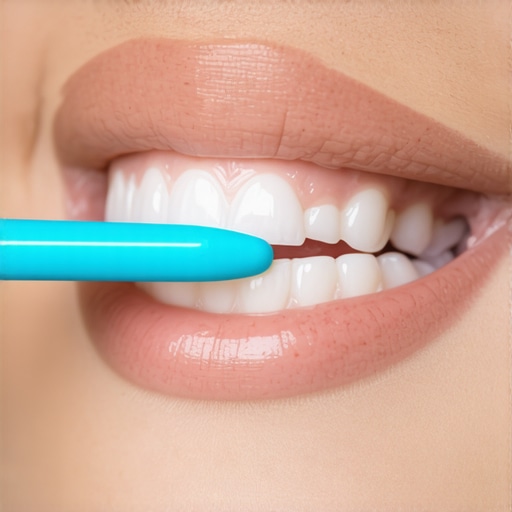
Why Flossing Matters More When Your Teeth Are Clean
It sounds counterintuitive, but flossing is actually more effective right after a visit to the hygienist. Because the ‘walls’ of tartar have been cleared away, your floss can finally reach the base of the tooth without obstruction. If you notice why your gums feel sore after flossing for the first time in weeks, don’t take it as a signal to quit. I used to make the mistake of stopping when I saw a little pink in the sink, thinking I was causing damage. In reality, that is just the last of the inflammation exiting. Consistent flossing now prevents the plaque from mineralizing into stone again.
Shield Your Crowns and Fillings from Becoming Plaque Magnets
If you have restorative work, you have extra seams that require your attention. Those tiny junctions where the porcelain meets your natural enamel are prime real estate for bacteria. Following expert advice on crowns and teeth cleaning for lasting results means paying special attention to these margins. I once had a crown that felt ‘thick’ or ‘tight’ just weeks after a cleaning. It turned out I was neglecting the back edge, allowing a new layer of biofilm to settle in. Now, I treat caring for crowns essential tips for longevity and shine as the blueprint for my nightly habit.
Don’t Rinse Away Your Most Expensive Ingredient
Here is the ‘meat’ of the routine that most people miss: stop rinsing with water immediately after you brush. Your toothpaste contains concentrated fluoride and minerals designed to harden your enamel. When you learn why you should stop rinsing with water immediately after brushing, you realize that a quick water rinse basically flushes your investment down the drain. Spit out the excess paste, but let the residue sit on your teeth for at least ten minutes.
Watch Out for the Invisible Staining Window
For the first two days after a scale and polish, your teeth are slightly more porous because the ‘pellicle’ (a thin natural film) has been removed. This is the danger zone for stains. If you can’t live without your morning brew, use the secret to preventing coffee stains on your front teeth, which often involves drinking through a straw or rinsing with plain water immediately after your last sip. This is even more critical for dental work; knowing how to keep your porcelain crown from staining over time ensures that your smile remains uniform and bright. Also, be careful with sticky snacks that can tug on older work; mastering how to keep your dental crown from popping off while chewing starts with choosing the right foods in those first 48 hours.
Stop Assuming Your Crown Is a Suit of Armor
Most people believe that once a tooth is capped, it is essentially ‘invincible.’ I used to think this too. I figured that since porcelain can’t decay, I could relax my guard. However, this is the most dangerous myth in restorative dentistry. While the crown itself won’t get a cavity, the natural tooth structure underneath it is still very much alive and vulnerable. In fact, the most common reason for crown failure isn’t the porcelain breaking; it’s ‘recurrent decay’ at the margin—that tiny seam where the crown meets your gum. When we talk about how crowns can transform your dental confidence, we have to include the reality that they require more precision, not less. If you treat your crown like a ‘set it and forget it’ solution, you’re likely to face a nasty surprise during a future X-ray.
Can a tooth with a crown still get a cavity underneath the porcelain?
Absolutely, and it’s often harder to detect until it’s a major problem. According to the American College of Prosthodontists, secondary caries (new cavities) at the crown margin are a leading cause of restoration replacement. Because the crown covers the top of the tooth, you might not feel the sensitivity that usually warns you of a cavity. This is why mastering how to prevent cavities between teeth where you can’t see is even more critical for those of us with dental work. You have to be surgical with your floss, wrapping it around the base of the crown to clear out the biofilm that loves to congregate at that junction. 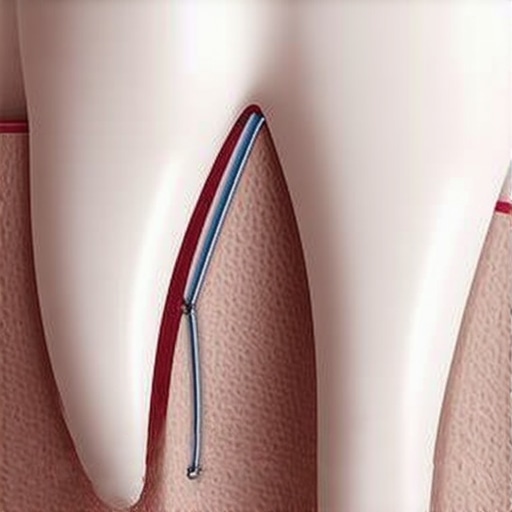
The Abrasive Trap That Dulls Your Expensive Dental Work
Here is a nuance most people miss: your choice of toothpaste matters more after a crown than before. A common ‘oops’ factor I see is people switching to highly abrasive whitening toothpastes to keep their new smile bright. These pastes often contain silica or other gritty particles that can actually microscopically scratch the glaze on your porcelain. Once that smooth glaze is gone, the crown becomes a magnet for stains and plaque. When looking at maintaining your dental crowns dos and donts for best results, stick to a low-abrasive fluoride paste. You want to preserve the ‘seal’ of that crown for as long as possible. If you’ve noticed a strange scent when you floss around a specific tooth, you need to learn how to stop your crown from smelling like old food, as this is a major red flag that the seal might be compromised.
Family Hygiene is a Team Sport Not a Solo Mission
In my journey through family dentistry focus building a lifetime of healthy smiles, I’ve realized that oral health is contagious—both the good and the bad. We often focus so much on oral health tips every family should follow in 2025 for our kids that we forget our own restorations need an example-setting level of care. If you aren’t protecting your investment, how can you expect the next generation to value theirs? Remember, the impact of regular teeth cleaning on overall oral wellness isn’t just about the teeth you were born with; it’s about the longevity of every repair you’ve ever had. Have you ever fallen into the trap of thinking your dental work was ‘one and done’? Let me know in the comments. For more personalized help, you can always visit our contact us page.
Upgrade Your Arsenal with Tools That Work
After years of trial and error, I’ve learned that the standard manual toothbrush is like using a broom to clean a Persian rug—it works, but it’s not precise. I personally transitioned to a high-end sonic toothbrush with a built-in pressure sensor. This was a game-changer because I discovered I was a ‘scrubber.’ If you are like me, you probably don’t realize that why hard brushing actually makes your teeth look darker is due to enamel wear. Authority in oral health doesn’t come from brute force; it comes from technology. According to a comprehensive meta-analysis by the Cochrane Oral Health Group, power toothbrushes (especially those with oscillating-rotating technology) provide a 21% reduction in plaque after three months compared to manual brushing. I use the pressure sensor as my personal coach to ensure I’m never damaging the gums surrounding my dental work.
How do I maintain professional-level cleanliness over time?
The answer lies in the ‘triple threat’ approach: mechanical vibration, hydro-pressure, and interdental spacing. You cannot rely on a single tool. To maintain that impact of regular teeth cleaning on overall oral wellness, you need a rotation. I use my electric brush for the surfaces, a water flosser for the deep pockets, and specialized interdental brushes for those stubborn gaps. If you’ve ever struggled with how to clean between teeth if you have tight spacing, you know that standard floss can shred. Switching to small, coated interdental brushes allows you to ‘scrub’ the sides of the teeth where the most dangerous bacteria hide.
Stop Blasting Your Gums on the Highest Setting
When I first bought a water flosser, I thought ‘more power equals more clean.’ I turned it up to ten and nearly bruised my gum tissue. For those caring for crowns essential tips for longevity and shine, the goal is gentle irrigation, not power washing. I recommend starting at a level three or four. The pulsating water is designed to disrupt the biofilm, not blast it into the stratosphere. This is particularly important for teeth cleaning secrets effective home practices for family dental health—kids often find the high settings painful, which discourages them from using the tool at all. 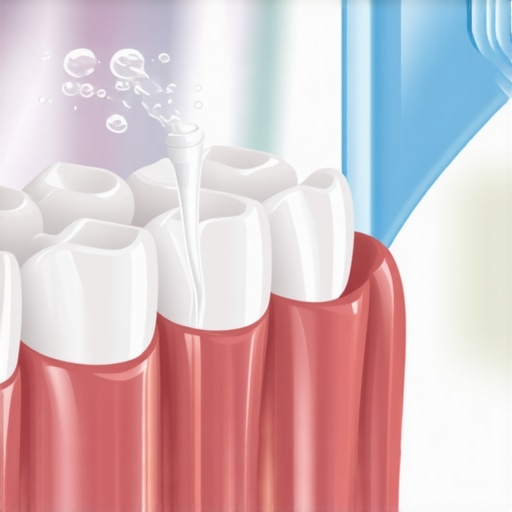
AI Cameras Are the Next Frontier for Your Bathroom Mirror
Looking ahead, the biggest trend in oral health isn’t a new chemical; it’s data. I predict that within the next three years, we will see a surge in ‘smart mirrors’ and toothbrush-mounted cameras that use AI to highlight missed plaque in real-time. We are moving away from guessing and toward visual proof. This will be a massive win for family dentistry focus building a lifetime of healthy smiles because it turns hygiene into a visual ‘score’ that kids can understand. For now, we have to be our own detectives. My challenge to you: Try the ‘no-rinse’ rule for exactly seven days. Stop rinsing with water after you brush and let that fluoride sit. You will notice a visible difference in the ‘slickness’ of your teeth by the end of the week. If you have questions about which specific brush head is best for your unique dental work, feel free to reach out via our contact us page to get the conversation started. Protecting your oral health routine strengthening your smile every day is the best investment you’ll ever make.
What I Finally Realized About That Post-Cleaning Glow
After years of trial and error, I had a few ‘lightbulb’ moments that changed everything for me. First, I realized that the ‘fuzzy’ feeling on my teeth isn’t just a nuisance; it is an early warning system. If you catch it with a brush within hours, it disappears. If you wait days, it turns into concrete that only a professional can move. Second, I learned that how crowns can transform your dental confidence depends entirely on how well you clean the margins—that porcelain isn’t a shield, it’s a responsibility. Lastly, consistency beats intensity every time. A gentle two-minute session twice a day is infinitely better for your oral health routine strengthening your smile every day than a twenty-minute ‘guilt scrub’ once a week.
The Gear That Actually Keeps My Smile Glassy
I’ve narrowed my toolkit down to three essentials that I trust implicitly. First, an electric toothbrush with oscillating-rotating technology. It removes significantly more plaque than I ever could by hand. Second, a high-quality water flosser, which is my secret weapon for maintaining your dental crowns dos and donts for best results. It reaches the junctions that standard floss simply misses. Finally, I always keep a pack of coated interdental brushes for my travel bag. These are the gold standard for family dentistry focus building a lifetime of healthy smiles because they make cleaning between the back molars effortless for both adults and kids.
Your Smile Is a Living Story Worth Protecting
At the end of the day, your oral health isn’t just about avoiding the drill; it’s about the freedom to enjoy your life without dental pain or embarrassment. Whether you are following oral health tips every family should follow in 2025 or just trying to get through the week with your first crown, remember that every small effort counts. The impact of regular teeth cleaning on overall oral wellness is a lifelong journey, and you are the one in the driver’s seat. Treat that professional cleaning as a fresh start, and use these tips to keep that pristine feeling alive until we see you again. Have you ever struggled with keeping that ‘dentist-clean’ feeling for more than a few days? Let me know below.