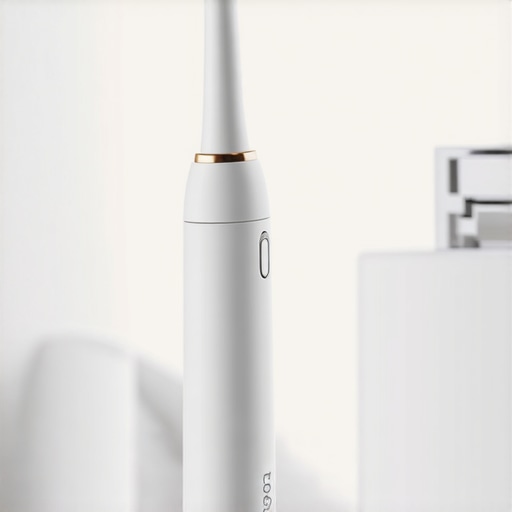
I still remember the exact morning I decided to upgrade my life. I had just come back from a routine checkup where my dentist gave me that look—the one of mild disappointment—and gently suggested that my manual brushing wasn’t cutting it. So, I went online and bought the highest-rated, most powerful sonic toothbrush I could find. It felt like a magic wand for my oral hygiene. That night, I pasted it up, pressed the power button, and pressed it against my teeth. Within three seconds, I felt like I was holding a tiny jackhammer to my jaw. My gums burned, my teeth throbbed, and the next morning, a splash of cold water felt like an electric shock. I had fallen victim to the classic rookie mistake of treating a high-powered device like a manual plastic brush, scrubbing aggressively while the motor did 40,000 brush strokes per minute. It was absolute agony.
The Transition Shock is Real
If you are currently staring at your sleek new charging base with a mix of dread and regret, you are not alone. When we think about strengthening your smile every day, we often assume that more power equals better results. It does, but only if you know how to handle the horse power. The truth is, switching to an electric model is the absolute best move for your mouth, but the initial phase can trigger intense, temporary sensitivity if your technique is off. Today, we are going to fix that. I am going to share exactly how I tamed my high-powered brush so you can get that dentist-clean feeling without the blinding pain. We will look at how to protect your enamel, how to adjust your grip, and how to keep your gums from receding in protest.
Is a vibrating brush actually worth the pain?
It is completely normal to wonder if you should just throw the expensive gadget in the drawer and go back to your trusty manual brush. Many people assume their teeth are simply “too sensitive” for advanced tech. But according to a landmark study published by the Cochrane Database of Systematic Reviews, electric toothbrushes reduce plaque by 21% and gingivitis by 11% compared to manual brushes over a three-month period. The device isn’t the enemy; it’s our habit of pressing too hard. We have spent decades compensating for weak plastic bristles by scrubbing with brute force. When you bring that same heavy-handed habit to a sonic motor, you end up doing real damage, which is why hard brushing actually makes your teeth look darker and hurts your gum line. Have you ever felt that sudden, sharp sting after upgrading your toothbrush? I would love to hear your experiences in the comments below as we dive into how to finally make the switch pain-free.
Ditch the Manual Scrubbing Motion Entirely
The single biggest hurdle I had to overcome was unlearning my lifelong brushing style. With a manual toothbrush, your hand does all the work in sawing motions. If you do that with an electric brush, you are doubling the friction and practically sanding down your protective enamel. The motor is already doing thousands of micro-movements per second. Your only job now is to guide the brush head gently from tooth to tooth, letting it rest on each surface for a couple of seconds. Think of it like guiding a miniature lawnmower—you don’t need to push down to make the blades cut the grass, you just steer. By changing your grip from a fist to a light pencil hold, you instantly reduce the pressure you exert, saving your gums from friction-induced throbbing.
Slow Down and Shift Your Angle
Once you stop the manual sawing motion, the next vital adjustment is the physical angle of the brush head against your gum line. Most people place the bristles flat against the flat face of the tooth. This is a mistake because plaque loves to hide in the microscopic trench where your gums meet your enamel. Instead, tilt the brush head at a precise 45-degree angle toward your gum line. This technique ensures the vibrating bristles sweep away debris from under the collar of the gum tissue without blunt-force trauma.
Why the 45-degree angle protects your delicate gum tissue
When I first tried this angle with my ultra-fast sonic brush, I made the mistake of pressing down. The sensation was terrible. I realized that the bristles must gently tickle the gum line, not stab it. By angling the brush, you let the tips of the bristles do the micro-cleansing work in the sulcus. This simple shift in positioning is a core pillar of teeth cleaning secrets effective home practices for family dental health because it targets the precise areas where gum disease begins. If you have prosthetic work, this angle is also how you prevent plaque buildup around margins, which is essential when studying how to caring for crowns essential tips for longevity and shine over many years.
Divide Your Mouth into Four Power Zones
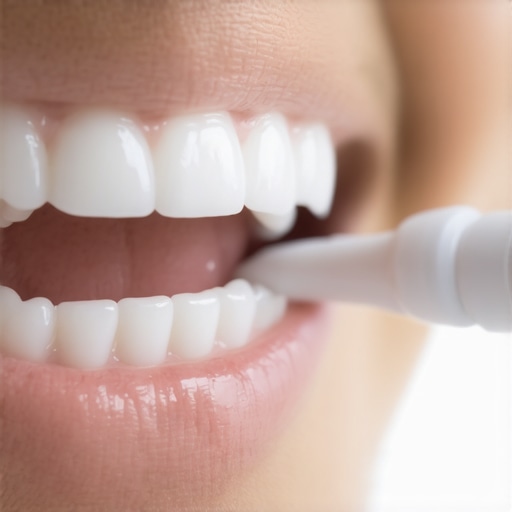
To ensure you don’t over-brush one sensitive area while completely ignoring another, adopt the quadrant system. Mentally split your mouth into four sections: upper left, upper right, lower left, and lower right. Spend exactly 30 seconds on each zone. Most premium electric brushes have a built-in stutter timer that signals when it is time to move. Do not rush this process. If you spend too much time on your front teeth because they are easier to reach, you run the risk of wearing down your enamel, while your back molars suffer from neglect.
How to handle tricky back molars and dental restorations
I used to struggle with the very back of my mouth because my cheeks would squeeze tight against the brush head, forcing me to press harder. The trick is to partially close your mouth while brushing those rear molars. This relaxes your cheek muscles, giving the bulky brush head plenty of room to glide. Gently guiding the brush around those back areas is crucial because it keeps your natural teeth clean and protects any restorative work. For instance, maintaining clean margins around your restorations prevents the costly issues outlined in how to fix the gap between your gum and your crown 2. By letting the motor do the work in these tight spaces, you avoid the heavy scrubbing that causes your gums to recede.
Use the Right Brush Head for Your Needs
Not all electric brush heads are created equal. When you buy a new device, it often comes with a standard ‘deep clean’ or ‘plaque control’ head. These brush heads typically feature stiffer bristles designed to maximize stain removal, but they can feel like sandpaper on sensitive gums. If you are struggling with the transition, switch to a ‘sensitive’ brush head immediately. These heads feature thinner, tapered bristles that bend easily, absorbing excess pressure before it reaches your tooth surface. This simple switch is one of the most effective oral health tips every family should follow in 2025 to maintain comfort while reaping the benefits of modern sonic technology.
When we talk about maintaining pristine oral health, most of us fall victim to the belief that the harder we work, the cleaner our mouth gets. But the truth is, many of the habits we rely on are actually counterproductive. We tend to think of plaque as a stubborn crust that needs to be sanded off with aggressive scrubbing. In reality, mature plaque is a soft, sticky biofilm. It doesn’t require brute force to disrupt; it requires precise, gentle agitation. If you are using your high-powered sonic brush like a manual scraper, you are not only risking gum recession, but you are also accelerating enamel wear, which is 5 dental habits that are actually ruining your enamel and leaving your teeth vulnerable to decay.
The Fallacy of the Post-Brush Rinse
Everyone does it: you brush your teeth, spit out the excess foam, and immediately rinse your mouth with cold water or a harsh mouthwash. It feels clean, refreshing, and complete. However, this is one of the most common mistakes in modern home care. When you rinse immediately, you wash away the highly concentrated fluoride from your toothpaste before it has a chance to integrate with your enamel. The therapeutic benefits of your toothpaste require time to work. By rinsing, you eliminate the protective barrier that helps rebuild weakened enamel throughout the day. Have you ever fallen into this trap? Let me know in the comments if you’ve been rinsing your protection away.
Why does rinsing immediately after brushing minimize your cavity protection?
A comprehensive clinical review published in the British Dental Journal confirms that skipping the post-brush water rinse significantly reduces dental caries because it leaves a residual layer of fluoride on the teeth. Instead of rinsing with water, simply spit out the excess toothpaste and let the remaining film sit on your teeth. This is especially vital when practicing consistent teeth cleaning secrets effective home practices for family dental health. It might feel unusual at first to leave that minty residue behind, but your teeth will thank you for the prolonged mineral exposure. This advanced habit is also crucial for protecting dental work, aligning perfectly with expert advice on crowns and teeth cleaning for lasting results over the long term.
The Secret Hazard of Micro-Movements Around Restorations
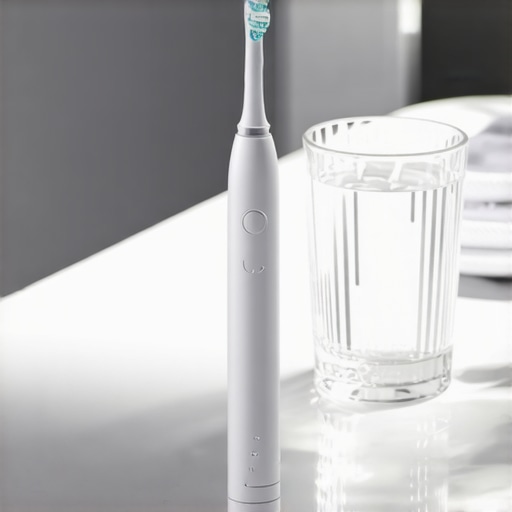
If you have crowns, veneers, or bridges, aggressive scrubbing isn’t just bad for your gums; it can physically compromise your dental work. Many people believe that because artificial teeth cannot get cavities, they don’t require the same delicate care. This assumption is a fast track to structural failure. High-powered sonic vibrations can stress micro-bonds over time if you press too hard against the margins. Instead of forcing the bristles under the edges of your restorations, let the fluid dynamics of your sonic brush gently flush out the debris. Keeping those margins clean without mechanical trauma is the absolute key to caring for crowns essential tips for longevity and shine. Treat your dental investments with the same light, guiding touch you would use on sensitive natural teeth to ensure they last for decades.
My Personal Toolkit for Unbeatable Oral Health
Once you master the light touch and correct angles, the hardware you choose makes all the difference. I don’t believe in buying the most expensive sonic system just for the sake of Bluetooth tracking apps that you will stop using after a week. Instead, I focus entirely on motor stability and pressure sensor responsiveness. Personally, I use the Philips Sonicare ProtectiveClean 6100 series. I chose this specific model because its built-in pressure sensor physically pulses the handle when you press too hard—giving you immediate, tactile feedback that protects your delicate gums. When managing a household, investing in reliable systems with interchangeable color-coded heads simplifies family dentistry focus building a lifetime of healthy smiles because everyone can use the same high-quality base while keeping their individual hygiene pristine.
How do I maintain my dental tools over time?
An advanced electric toothbrush is only as good as its maintenance routine. The most common mistake I see people make is leaving the wet brush head on the charging base in a damp bathroom. This creates a breeding ground for black mold inside the plastic shaft. Every single night, after I finish my routine, I pull the brush head off the metal peg, rinse both pieces under warm water, and dry them thoroughly with a clean towel. Furthermore, you must replace your brush head every three months without exception. Over time, the individual nylon bristles split at the microscopic level, turning them from smooth polishers into sharp needles that scrape your enamel. This deterioration is why your teeth might start feeling sensitive again out of nowhere.
The Future of Home Dentistry and Smarter Biofilms
Looking ahead, the dental industry is moving far beyond simple mechanical vibration. We are already seeing the integration of targeted blue-light therapy directly into the brush heads to safely oxidize food stains and neutralize anaerobic bacteria. According to technical documentation from the American Dental Association (ADA) Science & Research Institute, the next decade will focus heavily on diagnostic smart-brushes that analyze your saliva’s pH level in real-time to warn you of acidic spikes before cavities can even form. This constant monitoring will completely change how we look at preventive care, making it incredibly easy to maintain your natural teeth and prevent the breakdown of restorative work, which aligns with the best maintaining your dental crowns dos and donts for best results.
If you want to experience immediate improvement tonight, I challenge you to try just one advanced shift: change your grip to the pencil hold and commit to spitting out your toothpaste without rinsing with water. Let those active minerals sit on your enamel overnight and see how much stronger your teeth feel in the morning.
Making the leap to advanced dental technology doesn’t have to be a painful trial. Once you adjust your technique, you will notice a profound shift in how your mouth feels every single day. Let’s look at the final, crucial pieces of the puzzle to ensure your new routine delivers maximum results with zero discomfort.
The Hardest Lessons I Learned Transitioning to Sonic Tech
Reflecting on my own painful trial-and-error phase, I realized that my initial discomfort wasn’t a hardware failure; it was a lack of guidance. Here are the core insights that completely changed my approach to modern oral care:
- Brushing harder does not mean cleaner: Biofilm is highly structured but physically fragile. It requires gentle disruption, not heavy scrubbing. Over-brushing with brute force is why your gums recede even if you brush twice a day.
- Water is the enemy of fluoride: Rinsing immediately after brushing is a hard habit to break, but you must resist. The longer the active ingredients in your toothpaste sit on your teeth, the better they can rebuild microscopic weak spots. This is why you should stop rinsing with water immediately after brushing.
- Gums need stimulation, not irritation: Angling the brush head at 45 degrees allows the micro-vibrations to flush out plaque below the gumline without causing physical trauma to delicate tissues.
The Ultimate Toolset for Pristine Dental Habits
You do not need a bathroom cabinet filled with expensive gadgets to achieve exceptional results. Instead, focus on a few highly effective tools that work in harmony with your body:
- Philips Sonicare ProtectiveClean (6100 Series): I trust this specific handle because its pressure sensor provides immediate tactile feedback, making it virtually impossible to scrub too hard.
- Ultra-Soft Tapered Brush Heads: Always swap out the standard stiff heads for sensitive or ultra-soft alternatives. This small change makes a massive difference in protecting your enamel and gums.
- Interdental Brushes: Even the most advanced sonic brush cannot reach the tight spaces between your teeth. Learning the proper way to use interdental brushes for best results will prevent hidden cavities and keep your gum tissue healthy.
Take Control of Your Oral Health Journey Today
Investing in your smile is one of the most rewarding commitments you can make for your overall well-being. By letting go of the aggressive habits of the past and embracing a gentle, precise technique, you will achieve that incredible fresh-from-the-dentist feeling without any of the pain. Combined with consistent home habits, this approach forms the cornerstone of family dentistry focus building a lifetime of healthy smiles. Your teeth are designed to last a lifetime—treat them with the gentle care they deserve, and they will keep you smiling confidently for decades to come.
Have you ever struggled with tooth sensitivity after upgrading to an electric toothbrush? Let me know your experience in the comments below!