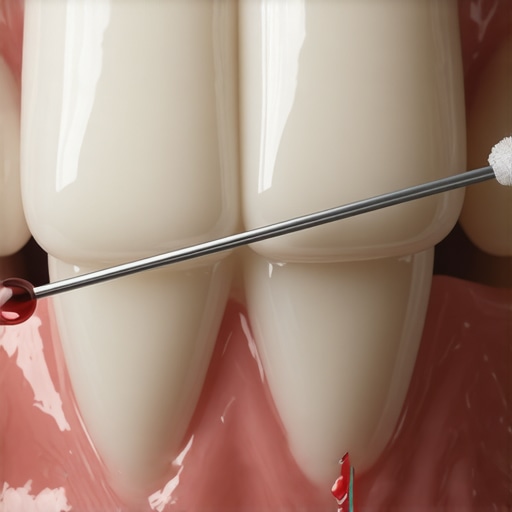
I remember standing over my bathroom sink three years ago, staring at a pink-tinged splash of water. My first thought? I’m scrubbing too hard. My second thought? I should probably just stop flossing altogether before I lose a tooth. It sounds ridiculous now, but at that moment, it felt like my body was telling me that flossing was the enemy. I fell for the classic trap: I assumed the tool was the problem, not the underlying health of my mouth. If you’ve ever felt that sharp sting or seen blood after a quick flossing session, you aren’t alone, and you aren’t necessarily doing it ‘wrong.’ [image]
Stop panicking when you see red in the sink
The truth is that your gums are surprisingly resilient, but they are also incredible communicators. When they bleed, they aren’t crying out because you’re hurting them; they are signaling that there’s a localized infection or inflammation they can’t fight on their own. I spent years making the mistake of ‘resting’ my gums whenever they got sensitive. I thought I was being gentle, but I was actually letting the bacteria throw a party. This led to the hidden reason your gums still throb after flossing—it’s the inflammation, not the floss, that’s causing the discomfort. We’re going to get to the bottom of this today. I want to show you why those tiny spots of blood are actually a call to action and how you can transition to a pain-free oral health routine strengthening your smile every day. Believe me, if I could go from a ‘once-a-month flosser’ who bled like a stuck pig to someone with healthy pink gums, you can too.
Is flossing actually damaging my gums?
This is the big fear, right? You think you’re cutting into the tissue. But according to the American Academy of Periodontology, bleeding is usually a sign of gingivitis, a mild form of gum disease, rather than physical trauma from the floss itself. Unless you are using the floss like a hacksaw, you aren’t the one causing the damage. The real culprit is the biofilm—that sticky layer of bacteria—that has set up camp between your teeth. When you first start back up after a break, it’s totally normal for things to feel a bit tender. You might even find why your gums feel sore after flossing for the first time in weeks is just your body reacting to the sudden removal of irritants. Have you ever skipped a week of flossing only to be shocked by the ‘crime scene’ in your sink the next time you tried? I’ve been there, and I know how tempting it is to just throw the floss in the trash.
Why your gums only bleed when you bother them
It’s a bit like an old injury that only hurts when you move a certain way. Your gums might look ‘fine’ in the mirror, but the space between the tooth and the gum line is where the drama happens. If you aren’t consistent, the tissue becomes engorged with blood vessels as part of an immune response. This is often one of those 5 dental habits that are actually ruining your enamel and your gum health—ignoring the early warning signs of inflammation. We need to talk about why this happens specifically when you floss and not when you brush. Brushing is like cleaning the front yard; flossing is like cleaning out the gutters. If the gutters are clogged, they’re going to overflow the moment it rains. We’re going to dive into how to fix those ‘clogged gutters’ without the pain.
Hug your teeth with the C-shape technique
To get the results you want, you need to stop thinking of flossing as a ‘search and destroy’ mission for food chunks. Instead, think of it as a gentle squeegee for the sides of your teeth. The biggest game-changer for me was learning the C-shape method. Instead of just snapping the string up and down—which, let’s be honest, is how most of us were taught—you need to wrap the floss around the tooth so it creates a ‘C’ curve. This allows the string to dip slightly below the gum line, where the bacteria actually hide. It’s like using a towel to dry your back; you don’t just pull it up and down, you wrap it around to get every spot. When you do this, you’re physically disrupting the biofilm that causes that annoying bleeding. If you find your hands are too big or the string is too slippery, following teeth cleaning secrets effective home practices for family dental health can help you find tools that work better for your specific grip. 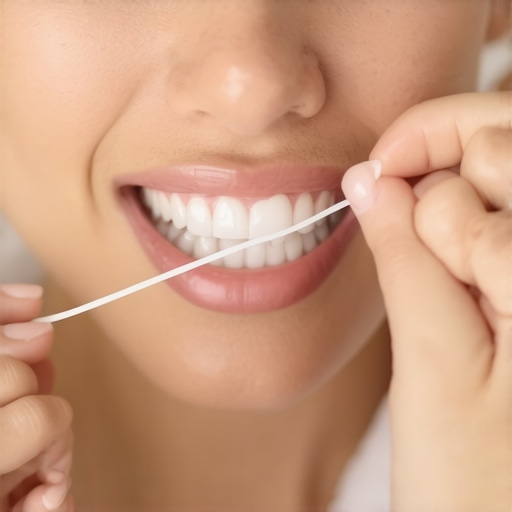
The trick for tight gaps and stubborn molars
I used to skip my back molars because getting the floss back there felt like trying to thread a needle in a dark room. If your teeth are crowded, you’ve likely experienced the frustration of floss shredding or getting stuck. This is where you need to learn how to clean between teeth if you have tight spacing without causing a bloodbath. The secret is a ‘sawing’ motion to get past the contact point, but once you’re through, go back to that gentle C-shape. If traditional string feels like a lost cause, don’t sleep on interdental brushes. I started using them last year, and they are essentially tiny pipe cleaners for your mouth. Knowing the proper way to use interdental brushes for best results can save you ten minutes of frustration and keep your gums from feeling like they’ve been in a boxing match.
Don’t forget the hardware in your mouth
If you have dental work, your flossing routine needs an upgrade. I remember when I first got a porcelain crown on my back molar. I was terrified of flossing it because I thought the floss would catch on the edge and rip the whole thing out. I actually stopped flossing that one tooth for a month. When I finally went back for a checkup, my dentist showed me that a tiny bit of plaque had already started causing inflammation right at the margin. I had to learn that maintaining your dental crowns involves more than just brushing; you have to get right up into that ‘ditch’ between the crown and the gum line. Once I started flossing it properly—sliding the floss out sideways instead of snapping it up—the bleeding stopped within three days. This is part of the expert advice on crowns and teeth cleaning for lasting results that most people ignore until they have a problem.
Stop the snap and start the slide
The most common way people hurt themselves is by ‘snapping’ the floss through a tight contact point and slamming it into their gum tissue. That sharp ‘pop’ is what causes the sting. To avoid this, use a back-and-forth sawing motion as you move through the tightest part of the teeth. Once the floss is through, let it glide. If you’re struggling with work you’ve already had done, remember that caring for crowns essential tips for longevity and shine often comes down to this exact mechanical movement. It takes about two weeks for the tissue to stop reacting with blood. If you stay consistent, those blood vessels will eventually retreat as the infection clears, leaving you with gums that are firm, pink, and resilient.Now that we’ve covered the C-shape technique, let’s talk about the mistakes even the pros at home make. Most people think that once they’ve brushed and flossed, they need to rinse their mouth until it’s crystal clear. I used to do this religiously; I’d finish brushing and then gulp down water or use a heavy-duty mouthwash to get that squeaky clean feeling. But here is the contrarian truth: you are likely sabotaging your enamel. When you rinse immediately, you’re washing away the concentrated fluoride that needs time to bond with your teeth. There is a specific reason why you should stop rinsing with water immediately after brushing—you’re essentially paying for premium toothpaste and then pouring it down the drain before it can work. Have you ever fallen into this trap? Let me know in the comments. 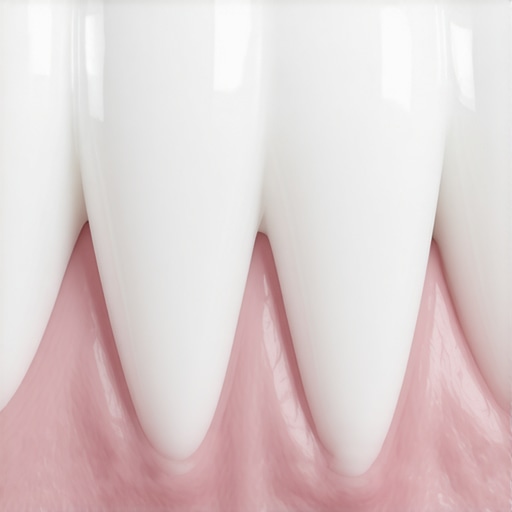
Stop washing your toothpaste down the drain
It feels counterintuitive to leave that filmy residue in your mouth, but that’s where the remineralization magic happens. While we’re on the subject of doing too much, let’s address the scrub-brush mentality. Many of my friends think that if their teeth don’t feel like polished glass, they aren’t clean. They use stiff bristles and high pressure, but why hard brushing actually makes your teeth look darker is a lesson in basic anatomy. You’re wearing down the translucent white enamel and exposing the yellowish dentin underneath. It’s an oops factor that can lead to permanent sensitivity and a smile that looks aged before its time.
Why does my crown smell like old food even though I floss?
This is the advanced question I get all the time from people who take their dental work seriously. You’ve invested in a beautiful smile, but suddenly you notice a faint, metallic, or off scent. Most assume the restoration is failing, but often it’s a failure of technique at the margin. Even with the best maintaining your dental crowns dos and donts for best results, if you aren’t cleaning the sulcus—the tiny pocket where the crown meets the gum—bacteria will colonize. A study in the Journal of Clinical Periodontology confirms that subgingival biofilm can become pathogenic in as little as 24 to 48 hours if not physically disrupted. This is often why your new crown smells and how to fix it; it’s rarely the porcelain itself, but rather the microscopic party happening in the crevice underneath it.
Consistency beats intensity every single time
We often overcomplicate the impact of regular teeth cleaning on overall oral wellness by looking for the latest high-tech gadget, when the real nuance lies in the frequency and gentleness of the disruption. A deep clean once a week doesn’t make up for six days of neglect. Think of your mouth as a high-performance engine. You don’t just change the oil once every three years and expect it to run forever; you need small, consistent checks and the right fluids. By avoiding the trap of over-brushing and the mistake of rinsing too early, you allow your body’s natural defenses and your dental work to last a lifetime.
I’ve spent thousands of dollars on my mouth over the years, and if there is one thing I’ve learned, it’s that a five-dollar plastic toothbrush is often the quickest way to waste that investment. We’ve talked about technique, but let’s be honest: your tools matter just as much as your tempo. When I transitioned from manual scrubbing to a high-quality electric brush, my hygienist actually asked if I had started seeing another professional on the side. The difference wasn’t just in the surface stain removal; it was in the gum line health. I personally swear by brushes with a built-in pressure sensor. Why? Because even after years of practice, I still have a tendency to press too hard when I’m stressed. That little red light is my cue to back off before I do permanent damage.
Keep your smile working without the constant stress
For those of us with restorations, the stakes are higher. You can’t just ‘brush’ a crown and hope for the best. I’ve integrated a water flosser into my nightly routine, specifically for the areas where my porcelain meets the natural tooth. It flushes out the microscopic debris that even the best string might miss. If you are balancing a busy household, oral health tips every family should follow in 2025 suggest that simplifying these tools—like getting a shared water flosser base with individual tips—can make the routine stick for everyone from toddlers to grandparents. It turns a chore into a high-tech habit that actually feels satisfying.
How do I maintain my dental work over time?
Maintenance isn’t about one-off deep cleans; it’s about micro-habits. According to a systematic review published by the Cochrane Library, oscillating-rotating power brushes were found to reduce plaque by 21% more than manual brushes over a three-month period. This isn’t just marketing hype; it’s mechanical reality. For my crowns, I make sure I am using a non-abrasive gel rather than a gritty whitening paste. The goal is longevity and shine, not just temporary brightness. I also suggest looking into the proper way to use interdental brushes for best results, especially for those wider gaps that seem to act like magnets for steak or spinach. These tiny brushes are my ‘secret weapon’ for preventing that dreaded pocket inflammation.
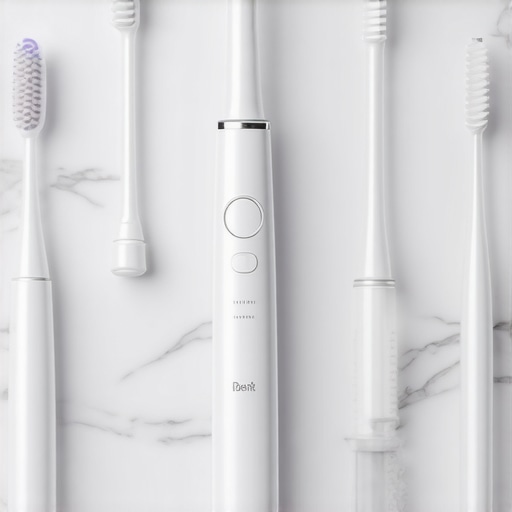
When we look at the impact of regular teeth cleaning on overall oral wellness, we see that it’s a cumulative effect. If you’re doing the work at home, your professional visits become mere ‘oil changes’ rather than ‘engine rebuilds.’ For families, this means shifting to a family dentistry focus building a lifetime of healthy smiles where everyone is using the same evidence-based methods. I predict that in the next five years, we’ll see bathroom mirrors with integrated AI that scans our plaque levels in real-time. Until then, we have to rely on our own diligence and the right gear.
The future of your bathroom mirror
The trend is moving away from ‘aggressive cleaning’ and toward ‘biofilm management.’ We are learning that a healthy mouth isn’t a sterile mouth; it’s a balanced one. This is why caring for crowns essential tips for longevity and shine now includes things like pH-balanced rinses instead of harsh alcohols. My advice? Don’t wait for your next cleaning to upgrade. Go out today and buy a pack of interdental brushes in three different sizes. Start with the largest one that fits comfortably between your back molars and see what comes out. It’s a wake-up call, but it’s the best thing you can do for your long-term health. Try this for just one week, and I promise you’ll never go back to string alone.
Lessons from the sink that changed my smile forever
Looking back at my journey, the biggest lightbulb moment was realizing that gums are the foundation of everything—including those expensive crowns. I learned that avoidance is the enemy; the more you ignore a bleeding spot, the more the bacteria settle in for the long haul. Another game-changer was understanding the proper way to use interdental brushes for best results, which reached areas my string floss simply couldn’t touch. Finally, I realized that my quest for white teeth was actually backfiring because I was scrubbing too hard; learning why hard brushing actually makes your teeth look darker saved me from permanently thinning my enamel. It’s about working with your biology, not against it.
The toolkit I actually use every night
I’ve narrowed my routine down to a few high-impact items that make maintaining your dental crowns dos and donts for best results feel effortless. First, a pressure-sensing electric toothbrush is non-negotiable to prevent gum recession. Second, I trust high-quality interdental brushes for those tight back molars where traditional string often shreds or gets stuck. Finally, I’ve found that expert advice on crowns and teeth cleaning for lasting results usually points toward using a water flosser for that final, refreshing flush of the gum pockets. These tools aren’t just gadgets; they are the frontline defense for your dental investment. #IMAGE_PLACEHOLDER_E#
Your path to a pain-free smile
Mastering your oral health routine strengthening your smile every day doesn’t happen overnight, but the results are visible in the mirror within just a few weeks. When you prioritize the impact of regular teeth cleaning on overall oral wellness, you aren’t just avoiding the dentist’s drill—you’re investing in your long-term confidence and health. Don’t let a little initial sensitivity stop you from starting today; your future self will thank you for the consistency. Have you ever felt like giving up on flossing because of the ‘blood in the sink’ fear? Let me know your biggest hurdle in the comments below!