Snap. That’s the sound of another piece of expensive dental floss shredding into a million tiny fibers between my molars. I remember standing in front of my bathroom mirror, face red, trying to fish out a piece of waxed string that was hopelessly stuck. My teeth are so close together they might as well be one solid bone. For years, I just assumed my [oral health routine strengthening your smile every day](https://periodontistcare.com/oral-health-routine-strengthening-your-smile-every-day) would always be a battle. I’d pull the floss with so much force that when it finally popped through the contact point, it would slam into my gums like a guillotine. Sound familiar? If you are tired of bleeding gums and broken string, I promise there is a better way. Today, we are going to fix your flossing frustrations for good.
Stop Forcing the Floss and Start Saving Your Gums
Most of us with crowded teeth make the same mistake: we think more force equals a better clean. I learned the hard way that brute force leads to recessed gums and a lot of unnecessary pain. When you have tight spacing, you are at a much higher risk for [how to prevent cavities between teeth where you can’t see](https://periodontistcare.com/how-to-prevent-cavities-between-teeth-where-you-cant-see) because standard brushes just can’t reach those hidden pockets. According to the American Dental Association, interdental cleaners like floss are essential because they remove plaque that eventually hardens into tartar, which no toothbrush can touch. But if you can’t get the floss in there, what do you do? The secret isn’t more muscle; it’s about the material of the floss and the technique of the glide.
Can a water flosser actually replace the real thing?
I used to be a total skeptic about gadgets. I figured a water flosser was just a messy way to spray my bathroom mirror. However, when you have teeth that are essentially fused together, a pressurized stream of water can reach gaps that even the thinnest PTFE tape might struggle with. Have you ever felt like your teeth were simply too close for any tool to work? You aren’t alone, but skipping this step is how we end up with [why your gums feel sore after flossing for the first time in weeks](https://periodontistcare.com/why-your-gums-feel-sore-after-flossing-for-the-first-time-in-weeks) once we finally do get back into the habit. We need to move away from the ‘sawing’ motion and toward tools designed for friction-free entry.
Slide Instead of Snap with the Right Material
If your teeth are packed together like commuters on a rush-hour subway, standard nylon floss is your worst enemy. Nylon is made of multiple strands twisted together; when it hits a tight spot, those strands fray and snag. I remember my first time using a PTFE “tape” floss after a week of gum-shredding nylon. I braced myself for the usual impact, but the tape glided through my back molars with a soft “whoosh” instead of a violent “pop.” No blood. No shredded fibers. It was the moment I realized that teeth cleaning secrets effective home practices for family dental health aren’t just about effort—they’re about having the right gear. PTFE is a monofilament, meaning it is one single, slippery strand that cannot shred, making it the gold standard for crowded mouths.
Ditch the Nylon and Grab Tape Instead
Think of nylon floss like a thick hemp rope and PTFE tape like a silk ribbon. If you have overlapping teeth, you need that ribbon. When you use a thinner, flatter material, you reduce the friction required to pass the contact point. This protects your enamel and, more importantly, prevents you from slamming the floss into your delicate gum tissue. If you are teaching kids with tight spacing, starting them with tape is a core part of family dentistry focus building a lifetime of healthy smiles because it removes the fear of pain associated with flossing.
Master the Zig Zag Entry
The biggest mistake I see is people trying to pull the floss straight down. That’s how you get the “guillotine effect.” Instead, use a sawing motion—moving the floss back and forth horizontally—as you gently apply downward pressure. This “zig-zag” allows the floss to work its way through the tightest contact point gradually. Once you are past the tight spot, don’t just pull it out. Wrap the floss into a “C” shape around the side of one tooth, sliding it gently under the gumline. This is the only way to effectively tackle the plaque that causes how to prevent cavities between teeth where you can’t see.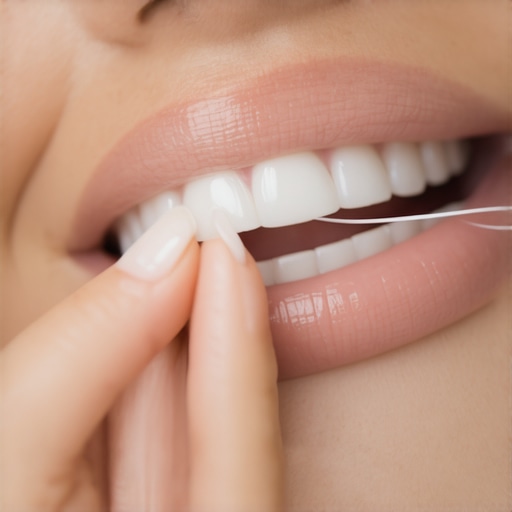
Hug Your Teeth with the C Shape
Imagine you are using a towel to buff the back of your leg. That wrapping motion is exactly what you want for your teeth. By curving the floss, you increase the surface area being cleaned. This is especially vital for the back molars, which are notorious for trapping food. If you find this manual dexterity difficult, a water flosser is a fantastic supplement. However, many pros suggest that doing a manual floss is the one thing you must do before your next dental cleaning to ensure the hygienist doesn’t find any stubborn tartar.
Protect Your Professional Work
If you have dental work, your flossing technique needs an upgrade. For those with restorations, caring for crowns essential tips for longevity and shine include being careful not to “pop” the floss back up. If a contact is extremely tight, it is often safer to pull the floss through the side rather than snapping it back up, which could potentially snag the edge of the crown. I once made the mistake of yanking upward on a piece of stuck floss and felt a terrifying click; luckily, the crown held, but it taught me to always slide the floss out horizontally if the fit feels too snug. Using these friction-free methods ensures you are cleaning the gaps without compromising the integrity of your smile.Let’s dig deeper into the stuff most people miss. You’ve probably been told since kindergarten to brush right after every meal. It sounds logical, right? Get the food out before it causes trouble. But here is the contrarian truth: if you just finished a cup of coffee or a citrusy snack, your enamel is currently in a softened state. Brushing immediately actually scrubs that acid deeper into your teeth, leading to premature wear. I fell into this trap for years, thinking I was being ‘extra clean’ when I was actually thinning my enamel. Have you ever fallen into this trap? Let me know in the comments. Instead, rinse with water and wait thirty minutes. This allows your saliva to neutralize the pH and remineralize the surface. This kind of expert advice on crowns and teeth cleaning for lasting results is what separates a basic routine from a professional-grade one.
Stop Brushing Like You Are Scrubbing a Tiled Floor
Another mistake is the ‘harder is better’ mentality. We tend to think that if we don’t feel a bit of friction, we aren’t getting the plaque off. The reality is that plaque is soft; it doesn’t need a scouring pad. This is exactly why your dentist wants you to stop using hard bristles. Over time, aggressive brushing leads to gum recession, which exposes the sensitive roots of your teeth. For those of us with crowded teeth, this recession is even more dangerous because the bone support is already spread thin. According to a study published in the Journal of the American Dental Association (JADA), mechanical wear from over-brushing is a leading cause of non-carious cervical lesions. 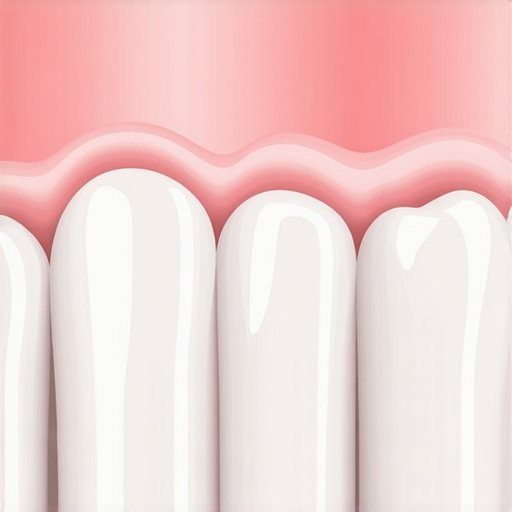
Does mouthwash actually reach the places floss misses?
Many people use mouthwash as a ‘safety net,’ assuming the liquid will penetrate the tight gaps between crowded teeth where the floss didn’t go. While antimicrobial rinses are great for lowering the total bacterial count, they are not a substitute for mechanical biofilm disruption. In fact, if you rely on high-alcohol rinses, you might notice why your gums sting when you use alcohol-based mouthwash—that sting is often a sign of tissue irritation or dryness, not ‘cleanliness.’ Dry mouth is a playground for bacteria, so you might be accidentally making the problem worse.
The Hidden Tension in Your Dental Work
When you have tight contacts and dental restorations, you have to be even more strategic. If you have a crown, the margin where the ceramic meets your natural tooth is the most vulnerable spot. If you are too aggressive, you risk how to keep your dental crown from popping off while chewing by weakening the cement seal over time through constant lateral pressure. Staying updated on oral health tips every family should follow in 2025 means moving toward ‘micro-movements’—short, vibratory strokes rather than long, sweeping ones. This protects the integrity of your restorations while ensuring that the the impact of regular teeth cleaning on overall oral wellness isn’t undermined by poor technique at home. True expertise isn’t just about showing up for your checkup; it’s about the precision of the minutes you spend at your own sink.
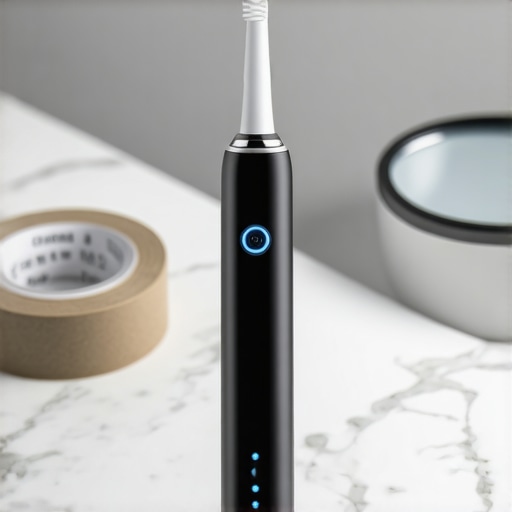
I’ll be honest: I used to think the “smart” features on modern electric toothbrushes were just a way to charge an extra fifty bucks. I was wrong. When I finally switched to a high-end oscillating-rotating brush with a pressure sensor, I realized I had been “scrubbing” my way toward gum recession for years. The brush literally turns red when I press too hard. It’s that immediate feedback that changes your behavior faster than any lecture from a hygienist ever could. A landmark study from the Cochrane Database of Systematic Reviews (Yaacob et al., 2014) confirmed this, showing that powered toothbrushes resulted in an 11% reduction in plaque compared to manual brushing after one to three months of use, and a 21% reduction after three months. If you are serious about the impact of regular teeth cleaning on overall oral wellness, investing in a tool that corrects your technique in real-time is the single best move you can make.
How do I keep my dental work looking brand new for decades?
Maintenance isn’t just about the teeth you were born with. If you’ve invested in restorations, you need to understand maintaining your dental crowns dos and donts for best results. One thing I’ve learned is that the “margin”—the tiny line where your crown meets your gum—is the most critical battlefield. This is where bacteria love to hide, and if decay starts there, the whole crown has to come off. When discussing understanding the role of crowns in modern smile makeovers, we often focus on the aesthetics, but the longevity of that beauty depends on your daily diligence. I personally use a dedicated end-tuft brush for the back of my crowned molars. It’s a tiny, pointed brush that gets into the nooks and crannies that a standard brush head simply misses. It feels like a “detail job” for your mouth, and it’s the only way to ensure your oral health routine strengthening your smile every day is actually working where it counts.
Why Your Bathroom Mirror is the Best Diagnostic Tool You Own
We often treat our mouths like a “black box” that only the dentist can look inside. I recommend getting a small dental mirror and a high-intensity flashlight. Once a week, do a self-exam. Look for any “shadows” around your gum line or any areas where the tissue looks puffy or red compared to the rest. This isn’t about playing doctor; it’s about early detection. By catching minor inflammation early, you can adjust your flossing technique before it turns into a larger issue requiring professional intervention. Staying proactive is a core part of family dentistry focus building a lifetime of healthy smiles. If you spot a problem, don’t ignore it—early action is the difference between a simple cleaning and a root canal.
Look Forward to the Rise of Personal Dental Tech
Looking ahead, I predict we are going to see a massive shift toward bio-feedback sensors built directly into our dental hardware. We are already seeing brushes that map your mouth in 3D on your smartphone, but soon, we’ll likely have sensors that can detect the acidity of your saliva or early markers of gum disease right at the sink. Staying on top of oral health tips every family should follow in 2025 means embracing these data-driven tools. My challenge to you tonight: don’t just brush on autopilot. Look closely at your margins in the mirror, and if your brush doesn’t have a pressure sensor, use the “eggshell test”—brush with the same lightness you’d use to clean a fragile eggshell without cracking it. Your gums will thank you ten years from now.
Lessons from a Decade of Tight Gaps and Crowns
Looking back at my years of dental frustration, the biggest lightbulb moment was realizing that pain isn’t a requirement for cleanliness. I used to think if my gums weren’t throbbing, I hadn’t done a good job. Now I know that consistency is far more powerful than intensity. Here are a few things I learned the hard way:
- Bleeding is a signal, not a failure. If you notice blood, it’s usually an invitation to be more gentle and consistent, especially if you find why your gums bleed when you switch to an electric toothbrush. It’s your body asking for better biofilm management, not a sign to stop flossing altogether.
- The mirror is your coach. I started using a magnifying mirror to actually see where the floss was going. It changed everything. Suddenly, I could see the plaque I was missing behind my back molars.
- Materials dictate your success. You can have the best technique in the world, but if you’re using thick, shreddable nylon on crowded teeth, you’re going to fail. Switching to PTFE tape was the single best decision for my dental health.
Tools That Stopped My Bleeding Gums for Good
If you want to move beyond the struggle, you need a toolkit that works with your anatomy rather than against it. I personally rely on a high-quality PTFE tape for those razor-thin gaps because it never shreds. For the areas around my restorations, I follow the specific maintaining your dental crowns dos and donts for best results by using an end-tuft brush to sweep the gumline. This small, pointed brush is a game-changer for cleaning the back-side of crowns where regular brushes fail. Lastly, I cannot recommend an electric toothbrush with a pressure sensor enough. It provides the immediate feedback needed to prevent the aggressive scrubbing that leads to recession. These tools transform a chore into a precise, professional-grade routine.
Consistency Beats Perfection Every Time
You don’t need to be perfect every single day, but you do need to be present. Your oral health routine strengthening your smile every day is a long-term investment that pays off in fewer uncomfortable procedures and more confidence. When you use the right materials and the zig-zag technique, you take the anxiety out of the process. You might even find that you stop dreading your checkups because you know you’ve already done the hard work at home. If you’ve been putting off a visit because of past discomfort, remember there is the most comfortable way to get a professional deep cleaning available today that focuses on your comfort. Take it one tooth at a time, be patient with your gums, and enjoy the feeling of a truly clean smile. What is the biggest hurdle keeping you from flossing every single night? Let me know in the comments below!