I was leaning in to whisper a secret to my wife when she instinctively pulled back. It wasn’t a joke about my breath—it was the actual realization that my brand-new, expensive porcelain crown was emitting a scent reminiscent of a damp locker room. I had just spent a small fortune on modern smile makeovers, and here I was, feeling like I had a piece of rotting garbage permanently glued into my jaw. I felt cheated, embarrassed, and honestly, a little grossed out. If you’ve ever experienced that sudden, sour “whiff” when you floss or even just breathe the right way, you know the panic. But here is the good news: I fixed it, and you can too. Today, we are going to dive into the messy reality of dental odors and how to regain your confidence.
That Weird Metallic Funk Isn’t Just in Your Head
When I first got my crown, I made a massive mistake. I assumed that because the crown itself was made of porcelain, it was basically invincible. I figured I could slack off on flossing that specific area because, hey, porcelain doesn’t decay, right? Wrong. That arrogance led me straight to a world of smelly gum lines. The truth is, the crown might be artificial, but the tooth structure and the gums around it are very much alive and susceptible to bacteria. If you are struggling with this, you need to know how to stop your crown from smelling like old food before the underlying tooth pays the price. Have you ever noticed a strange taste or smell specifically around one tooth, even after a thorough brushing? Let me know in the comments—I definitely felt like I was the only one for a while.
Is it actually possible to get rid of the stench for good?
You might be wondering if you should just have the whole thing ripped out and start over. I’ve been there. But before you book a major surgery, understand that most of the time, the odor is caused by trapped bacteria at the margin—the tiny “shelf” where the crown meets your gum. Surprisingly, research shared by the American Dental Association highlights that dental biofilm can begin to reform on any surface in your mouth within mere minutes of cleaning. This means even a tiny gap is a Five-Star hotel for bacteria. By focusing on caring for crowns with the right tools, like interdental brushes or water flossers, you can usually clear out the source of the stench without a trip to the oral surgeon. We’re going to walk through the dos and donts for best results so you never have to worry about your breath during a close-up conversation again.
Flush Out the Hidden Bacteria Trap
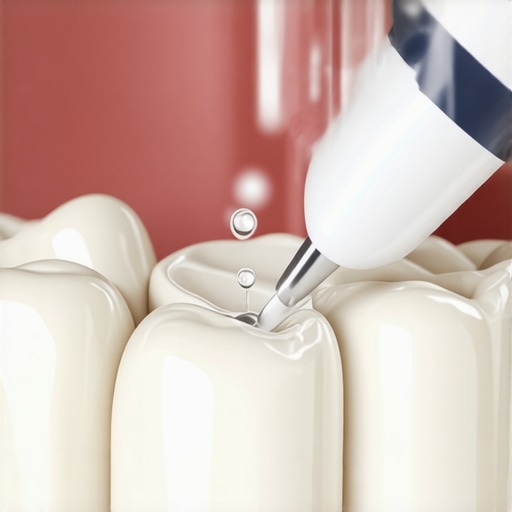
Imagine your dental crown as a high-end waterproof watch. Even if the watch face is indestructible, the space where the strap meets the casing can still collect grime. In your mouth, that ‘strap’ is your gum line. To effectively clear out the stench, you have to master the proper way to use interdental brushes for best results. Standard flossing often glides right over the most problematic areas—the concave curves of the tooth root underneath the crown. I found that switching to a specialized interdental brush was a total game-changer. It reaches into those microscopic divots where a string simply can’t go, scrubbing away the biofilm before it has a chance to rot.
Ditch the Alcohol Before Your Gums Burn
For a long time, I thought the stinging sensation of my mouthwash meant it was working. I was wrong. If you have sensitive tissue around a restoration, you might wonder why your mouth stings when you use alcohol-based mouthwash. Alcohol dries out your oral mucosa, reducing the saliva that naturally cleanses your mouth. This dryness actually allows odor-causing bacteria to thrive. Instead, look for pH-balanced, alcohol-free rinses that neutralize sulfur compounds without turning your mouth into a desert. This is a vital part of expert advice on crowns and teeth cleaning for lasting results because it maintains a healthy ecosystem rather than just nuking everything in sight.
Stop Poking Your Gums With Random Objects
I’ll admit it: one night at a steakhouse, I felt a piece of fiber get lodged right under my crown. In a moment of desperation, I used a sharp wooden toothpick to dig it out. Not only did I cause a bloody mess, but the area smelled significantly worse the next morning because I had pushed the bacteria deeper and irritated the tissue. This taught me the hard way about maintaining your dental crown dos and donts for best results. Now, I rely on a water flosser. It’s like a power washer for your teeth; it flushes out the ‘food traps’ without the trauma of physical picking. If the smell persists even after these steps, it might be time for the most comfortable way to get a professional deep cleaning to ensure there isn’t a deep-seated infection at the root.
The 30-Second Margin Scrub Technique
When you brush, don’t just focus on the shiny porcelain surfaces. You need to angle your brush at a 45-degree angle toward the gums. Think of it as ‘tucking’ the bristles slightly under the edge of the crown. This prevents the buildup that leads to the ‘old food’ smell. Learning how to stop your crown from smelling like old food is really just a matter of consistent, mechanical disruption of the bacteria at the margin. When I finally committed to this 30-second extra focus every morning, the ‘locker room’ scent vanished within three days. It turns out, I didn’t need a new crown; I just needed better aim.
Most people view their bi-annual visit to the dentist as a glorified car wash. They think they’re just there to ‘get the plaque off.’ But here is the nuance: for those of us with restorations, the impact of regular teeth cleaning on overall oral wellness goes way beyond aesthetics. A study published in the Journal of Prosthetic Dentistry suggests that the micro-gap between a crown and a natural tooth is the single most vulnerable point in your entire mouth. If your hygienist isn’t specifically checking the integrity of that cement seal using tactile exploration, they’re missing the forest for the trees. This isn’t just about ‘cleaning’; it is about structural monitoring.
The Whitening Toothpaste Trap
I’ve seen people—myself included—try to ‘brighten’ their crowns with high-abrasion whitening toothpastes. This is a massive mistake. The logic seems sound: if it works for enamel, it should work for porcelain. However, why hard brushing actually makes your teeth look darker applies double to porcelain. Those tiny abrasive particles create microscopic scratches in the porcelain glaze. Once that glaze is compromised, it becomes a magnet for coffee stains and, you guessed it, more odor-causing bacteria. It’s much better to focus on how to keep your porcelain crown from staining over time through gentle, non-abrasive care rather than trying to scrub away the problem.
Can a perfectly fitted crown still harbor a ‘phantom’ smell?
Even with expert advice on crowns and teeth cleaning for lasting results, some patients report a lingering scent. This often isn’t the crown at all; it’s what’s happening underneath the gum line or even within the adjacent teeth. If you’ve had a root canal, your dentist likely recommended a crown to protect the remaining structure. But if that seal is even slightly compromised, anaerobic bacteria can thrive in the dark, oxygen-free environment. This is why why your dentist recommends a crown after a root canal—to provide a hermetic seal. If that seal fails, you aren’t just dealing with a smell; you’re dealing with a ticking time bomb for the underlying tooth structure. Have you ever felt like you were doing everything right but still noticed a weird taste? Let me know in the comments—it might be more common than you think.
The Family Health Nuance Most Parents Skip
In our family dentistry focus building a lifetime of healthy smiles, we often talk about prevention as a blanket term. But the ‘advanced’ mistake is assuming your child’s hygiene routine should mirror your own. For example, the mistake most parents make with baby bottle tooth decay is thinking that because ‘baby teeth fall out anyway,’ the bacteria don’t matter. Those specific strains of bacteria can actually migrate to the developing adult teeth underneath or colonize the gums, making future restorations like crowns more likely to fail early. Establishing an oral health routine strengthening your smile every day means understanding that the microbiome of a child is the foundation for the dental health of the adult. Don’t let a simple oversight today become a costly crown replacement tomorrow.
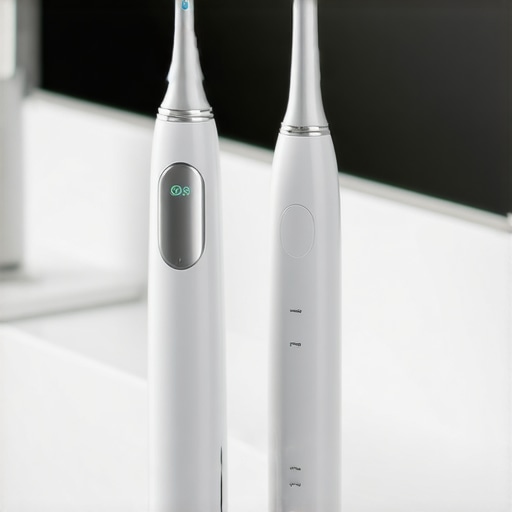
Maintaining the status quo is where most people fail. I used to think that once the dentist cemented that porcelain cap into place, my job was done. But the reality is that a crown is an investment, and like any high-end piece of equipment, it requires a specific maintenance schedule to avoid a total system failure. If you want to avoid that sour smell returning or, worse, having the crown pop off during a dinner party, you need to upgrade your toolkit. I personally moved away from cheap manual brushes and invested in a high-quality sonic toothbrush because the micro-bubbles it creates actually penetrate the tiny gaps we discussed earlier. This is one of the most teeth cleaning secrets effective home practices for family dental health that actually works because it compensates for human error.
Stop Guessing and Upgrade Your Bathroom Counter Gear
I cannot stress the importance of a water flosser enough. For years, I struggled with traditional string floss getting shredded on the edges of my crown. When I switched to a pressurized water stream, it was like a pressure washer for my gum line. Dr. Gordon Christensen, a world-renowned prosthodontist and founder of the Clinicians Report, has often highlighted that the mechanical disruption of biofilm is far more effective when you can reach the subgingival areas that string simply misses. I use my water flosser on a medium setting specifically around my restorations to ensure no food debris is left to ferment. It is the single most effective way of caring for crowns without accidentally irritating the tissue. If you aren’t using one yet, you’re essentially leaving 40% of your tooth surfaces dirty every single day.
How do I maintain my dental investment for decades?
The secret isn’t just in the cleaning; it’s in the protection. Many of us are “closet grinders,” especially during stressful work weeks. I realized that my crown was starting to feel sensitive not because of decay, but because I was putting hundreds of pounds of pressure on it every night. Now, I never go to sleep without a custom-fit night guard. However, keep in mind that the guard itself can become a breeding ground for the same bacteria that cause crown odor. I’ve had to learn how to clean a night guard without damaging the plastic using non-abrasive cleaners to keep everything fresh. This protective layer is a core part of expert advice on crowns and teeth cleaning for lasting results because it prevents the porcelain from fracturing under pressure.
What 2025 looks like for your oral microbiome
Looking ahead, the trend is shifting from “sterilizing” the mouth to “balancing” it. In the near future, we will likely see more widespread use of oral probiotics specifically designed to colonize the area around dental restorations with healthy bacteria. I predict that oral health tips every family should follow in 2025 will focus heavily on genetic testing of your saliva to see which bacteria you are prone to. This allows for a hyper-personalized approach to the impact of regular teeth cleaning on overall oral wellness. We are moving away from the one-size-fits-all model of dentistry and into an era where we treat the cause, not just the symptom. My advice? Start by implementing one advanced tool this week—grab a water flosser and spend two minutes focused entirely on the margins of your dental work. You will feel the difference in the freshness of your breath by morning.
I was leaning in to whisper a secret to my wife when she instinctively pulled back. It wasn’t a joke about my breath—it was the actual realization that my brand-new, expensive porcelain crown was emitting a scent reminiscent of a damp locker room. I had just spent a small fortune on modern smile makeovers, and here I was, feeling like I had a piece of rotting garbage permanently glued into my jaw. I felt cheated, embarrassed, and honestly, a little grossed out. If you’ve ever experienced that sudden, sour “whiff” when you floss or even just breathe the right way, you know the panic. But here is the good news: I fixed it, and you can too. Today, we are going to dive into the messy reality of dental odors and how to regain your confidence.
That Weird Metallic Funk Isn’t Just in Your Head
When I first got my crown, I made a massive mistake. I assumed that because the crown itself was made of porcelain, it was basically invincible. I figured I could slack off on flossing that specific area because, hey, porcelain doesn’t decay, right? Wrong. That arrogance led me straight to a world of smelly gum lines. The truth is, the crown might be artificial, but the tooth structure and the gums around it are very much alive and susceptible to bacteria. If you are struggling with this, you need to know how to stop your crown from smelling like old food before the underlying tooth pays the price. Have you ever noticed a strange taste or smell specifically around one tooth, even after a thorough brushing? Let me know in the comments—I definitely felt like I was the only one for a while.
Is it actually possible to get rid of the stench for good?
You might be wondering if you should just have the whole thing ripped out and start over. I’ve been there. But before you book a major surgery, understand that most of the time, the odor is caused by trapped bacteria at the margin—the tiny “shelf” where the crown meets your gum. Surprisingly, research shared by the American Dental Association highlights that dental biofilm can begin to reform on any surface in your mouth within mere minutes of cleaning. This means even a tiny gap is a Five-Star hotel for bacteria. By focusing on caring for crowns with the right tools, like interdental brushes or water flossers, you can usually clear out the source of the stench without a trip to the oral surgeon. We’re going to walk through the dos and donts for best results so you never have to worry about your breath during a close-up conversation again.
Flush Out the Hidden Bacteria Trap
Imagine your dental crown as a high-end waterproof watch. Even if the watch face is indestructible, the space where the strap meets the casing can still collect grime. In your mouth, that ‘strap’ is your gum line. To effectively clear out the stench, you have to master the proper way to use interdental brushes for best results. Standard flossing often glides right over the most problematic areas—the concave curves of the tooth root underneath the crown. I found that switching to a specialized interdental brush was a total game-changer. It reaches into those microscopic divots where a string simply can’t go, scrubbing away the biofilm before it has a chance to rot.
Ditch the Alcohol Before Your Gums Burn
For a long time, I thought the stinging sensation of my mouthwash meant it was working. I was wrong. If you have sensitive tissue around a restoration, you might wonder why your mouth stings when you use alcohol-based mouthwash. Alcohol dries out your oral mucosa, reducing the saliva that naturally cleanses your mouth. This dryness actually allows odor-causing bacteria to thrive. Instead, look for pH-balanced, alcohol-free rinses that neutralize sulfur compounds without turning your mouth into a desert. This is a vital part of expert advice on crowns and teeth cleaning for lasting results because it maintains a healthy ecosystem rather than just nuking everything in sight.
Stop Poking Your Gums With Random Objects
I’ll admit it: one night at a steakhouse, I felt a piece of fiber get lodged right under my crown. In a moment of desperation, I used a sharp wooden toothpick to dig it out. Not only did I cause a bloody mess, but the area smelled significantly worse the next morning because I had pushed the bacteria deeper and irritated the tissue. This taught me the hard way about maintaining your dental crown dos and donts for best results. Now, I rely on a water flosser. It’s like a power washer for your teeth; it flushes out the ‘food traps’ without the trauma of physical picking. If the smell persists even after these steps, it might be time for the most comfortable way to get a professional deep cleaning to ensure there isn’t a deep-seated infection at the root.
The 30-Second Margin Scrub Technique
When you brush, don’t just focus on the shiny porcelain surfaces. You need to angle your brush at a 45-degree angle toward the gums. Think of it as ‘tucking’ the bristles slightly under the edge of the crown. This prevents the buildup that leads to the ‘old food’ smell. Learning how to stop your crown from smelling like old food is really just a matter of consistent, mechanical disruption of the bacteria at the margin. When I finally committed to this 30-second extra focus every morning, the ‘locker room’ scent vanished within three days. It turns out, I didn’t need a new crown; I just needed better aim.
Most people view their bi-annual visit to the dentist as a glorified car wash. They think they’re just there to ‘get the plaque off.’ But here is the nuance: for those of us with restorations, the impact of regular teeth cleaning on overall oral wellness goes way beyond aesthetics. A study published in the Journal of Prosthetic Dentistry suggests that the micro-gap between a crown and a natural tooth is the single most vulnerable point in your entire mouth. If your hygienist isn’t specifically checking the integrity of that cement seal using tactile exploration, they’re missing the forest for the trees. This isn’t just about ‘cleaning’; it is about structural monitoring.
The Whitening Toothpaste Trap
I’ve seen people—myself included—try to ‘brighten’ their crowns with high-abrasion whitening toothpastes. This is a massive mistake. The logic seems sound: if it works for enamel, it should work for porcelain. However, why hard brushing actually makes your teeth look darker applies double to porcelain. Those tiny abrasive particles create microscopic scratches in the porcelain glaze. Once that glaze is compromised, it becomes a magnet for coffee stains and, you guessed it, more odor-causing bacteria. It’s much better to focus on how to keep your porcelain crown from staining over time through gentle, non-abrasive care rather than trying to scrub away the problem.
Can a perfectly fitted crown still harbor a ‘phantom’ smell?
Even with expert advice on crowns and teeth cleaning for lasting results, some patients report a lingering scent. This often isn’t the crown at all; it’s what’s happening underneath the gum line or even within the adjacent teeth. If you’ve had a root canal, your dentist likely recommended a crown to protect the remaining structure. But if that seal is even slightly compromised, anaerobic bacteria can thrive in the dark, oxygen-free environment. This is why why your dentist recommends a crown after a root canal—to provide a hermetic seal. If that seal fails, you aren’t just dealing with a smell; you’re dealing with a ticking time bomb for the underlying tooth structure. Have you ever felt like you were doing everything right but still noticed a weird taste? Let me know in the comments—it might be more common than you think.
The Family Health Nuance Most Parents Skip
In our family dentistry focus building a lifetime of healthy smiles, we often talk about prevention as a blanket term. But the ‘advanced’ mistake is assuming your child’s hygiene routine should mirror your own. For example, the mistake most parents make with baby bottle tooth decay is thinking that because ‘baby teeth fall out anyway,’ the bacteria don’t matter. Those specific strains of bacteria can actually migrate to the developing adult teeth underneath or colonize the gums, making future restorations like crowns more likely to fail early. Establishing an oral health routine strengthening your smile every day means understanding that the microbiome of a child is the foundation for the dental health of the adult. Don’t let a simple oversight today become a costly crown replacement tomorrow.
Maintaining the status quo is where most people fail. I used to think that once the dentist cemented that porcelain cap into place, my job was done. But the reality is that a crown is an investment, and like any high-end piece of equipment, it requires a specific maintenance schedule to avoid a total system failure. If you want to avoid that sour smell returning or, worse, having the crown pop off during a dinner party, you need to upgrade your toolkit. I personally moved away from cheap manual brushes and invested in a high-quality sonic toothbrush because the micro-bubbles it creates actually penetrate the tiny gaps we discussed earlier. This is one of the most teeth cleaning secrets effective home practices for family dental health that actually works because it compensates for human error.
Stop Guessing and Upgrade Your Bathroom Counter Gear
I cannot stress the importance of a water flosser enough. For years, I struggled with traditional string floss getting shredded on the edges of my crown. When I switched to a pressurized water stream, it was like a pressure washer for my gum line. Dr. Gordon Christensen, a world-renowned prosthodontist and founder of the Clinicians Report, has often highlighted that the mechanical disruption of biofilm is far more effective when you can reach the subgingival areas that string simply misses. I use my water flosser on a medium setting specifically around my restorations to ensure no food debris is left to ferment. It is the single most effective way of caring for crowns without accidentally irritating the tissue. If you aren’t using one yet, you’re essentially leaving 40% of your tooth surfaces dirty every single day.
How do I maintain my dental investment for decades?
The secret isn’t just in the cleaning; it’s in the protection. Many of us are “closet grinders,” especially during stressful work weeks. I realized that my crown was starting to feel sensitive not because of decay, but because I was putting hundreds of pounds of pressure on it every night. Now, I never go to sleep without a custom-fit night guard. However, keep in mind that the guard itself can become a breeding ground for the same bacteria that cause crown odor. I’ve had to learn how to clean a night guard without damaging the plastic using non-abrasive cleaners to keep everything fresh. This protective layer is a core part of expert advice on crowns and teeth cleaning for lasting results because it prevents the porcelain from fracturing under pressure.
What 2025 looks like for your oral microbiome
Looking ahead, the trend is shifting from “sterilizing” the mouth to “balancing” it. In the near future, we will likely see more widespread use of oral probiotics specifically designed to colonize the area around dental restorations with healthy bacteria. I predict that oral health tips every family should follow in 2025 will focus heavily on genetic testing of your saliva to see which bacteria you are prone to. This allows for a hyper-personalized approach to the impact of regular teeth cleaning on overall oral wellness. We are moving away from the one-size-fits-all model of dentistry and into an era where we treat the cause, not just the symptom. My advice? Start by implementing one advanced tool this week—grab a water flosser and spend two minutes focused entirely on the margins of your dental work. You will feel the difference in the freshness of your breath by morning.
The Small Truths My Dentist Finally Shared with Me
After years of navigating my own dental anxieties, I realized that a smelly crown isn’t always a sign of a failed procedure—sometimes it is just a sign that your cleaning technique is outdated. I learned that the microscopic “shelf” where porcelain meets the gum line is the most critical real estate in your mouth. Additionally, I discovered that structural stress from grinding can actually weaken the cement seal over time. By learning how to keep your dental crown from popping off while chewing, I was also reducing the micro-gaps that allow bacteria to hide in the first place.
#IMAGE_PLACEHOLDER_A#
The Three Tools I Refuse to Travel Without
If you want to maintain a fresh, healthy smile, you need to look beyond the basic manual toothbrush. First, I never skip my water flosser; it is the only way to reach those subgingival areas effectively. Second, I keep a stash of soft interdental brushes for mid-day cleanings after meals. Third, I prioritize a non-abrasive approach to care. I’ve spent time mastering the secret to preventing coffee stains on your front teeth to ensure that my natural teeth stay as bright as my crown without using harsh chemicals that irritate my gums.
Taking Back Control of Your First Impression
Your smile should be a source of pride, not a reason to keep your distance from others. By establishing a robust oral health routine strengthening your smile every day, you are protecting a significant financial and personal investment. Whether you are dealing with a new restoration or trying to save an old one, the power is in the consistent, daily habits you form. If you’re ever in doubt about the health of your gums or the fit of your crown, don’t hesitate to contact us for expert guidance. Your journey to optimal oral health is worth the effort.
Have you ever noticed a strange scent when flossing your dental work, or has a specific tool finally solved that “phantom smell” for you? Let me know in the comments below!