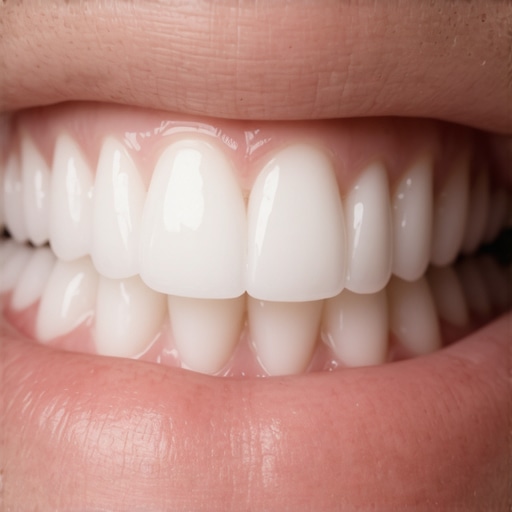
It was a crisp, clear January morning when I stepped onto my porch, took a deep, refreshing breath of winter air, and immediately dropped my coffee mug. A sharp, lightning-bolt pain shot straight from my front teeth up into my skull. I stood there shivering, clutching my jaw, wondering if a tooth had just cracked wide open in the cold. It was terrifying. Early in my journey of understanding oral health, I made the mistake of thinking this was just a minor quirk of nature and ignored it, only to find out later that my enamel was wearing thin. If you have ever felt that sudden, icy stab during a winter walk, you are definitely not alone, and you do not have to just live with it.
The Shocking Truth About Winter Air and Sensitive Enamel
When the temperature drops, our teeth actually contract. Because your outer enamel layer and the inner dentin layer expand and contract at slightly different rates, microscopic stress fractures can occur, exposing the sensitive nerve pathways inside. This explains why your teeth feel sensitive after your morning run in the cold. Today, we are going to dive into exactly why this happens, how to shield your smile from the freezing elements, and when that wintry bite is actually signaling a deeper issue that needs attention.
Is cold-weather tooth pain actually worth worrying about?
You might think that a little winter tooth ache is just a normal physical reaction, like shivering or getting goosebumps. However, ignoring this seasonal discomfort can mask serious underlying issues like gum recession, hidden decay, or failing dental restorations. According to research published by the Academy of General Dentistry, extreme temperature changes can stress existing microscopic cracks in your teeth, which can eventually lead to structural damage if the underlying cause of sensitivity is left untreated. Whether you are dealing with exposed roots or trying to figure out how to tell if your tooth sensitivity is actually a secret cavity, paying attention to these early winter warnings can save you from a major dental emergency down the road.
Have you ever had to cut a fun winter walk short because the cold air felt like needles on your teeth? Let me know in the comments below! Let’s look at how we can start protecting your enamel before the next freeze hits.
Practical Habits to Shield Your Smile from Freezing Temperatures
Protecting your teeth during the winter months does not require complex medical procedures; it is about adjusting how you interact with the cold environment. Just as you would put on a heavy coat before stepping outside, your teeth need a physical barrier against thermal shock. When you walk out into freezing weather, the instinct is to breathe heavily through your mouth, but this exposes your teeth to instant temperature drops. By training yourself to breathe strictly through your nose, you use your nasal passages to pre-warm the air before it ever reaches your throat or your oral cavity. For added protection, wrapping a thick scarf over your mouth creates a warm microclimate that traps your exhaled breath, keeping your enamel at a much more stable temperature.
I remember a winter weekend years ago when I went skiing and spent the whole afternoon breathing through my mouth. By the time I got back to the cabin, the throbbing in my front teeth was so intense I could not even enjoy my warm soup. The next day, I wore a high-quality neck gaiter pulled over my mouth and focused entirely on nasal breathing. The difference was night and day—absolutely zero pain. If you are already dealing with weakened teeth or thinning enamel, the cold will find those weak spots quickly, making daily defense absolutely vital.

Switch to a Soft-Bristled Toothbrush and the Right Technique
Many people mistakenly believe that scrubbing harder with a firm brush is the best way to get a clean smile. In reality, aggressive scrubbing combined with a hard brush wears down your protective enamel, exposing the highly sensitive dentin layer beneath. To prevent this, make the switch to a soft-bristled brush and practice gentle, circular motions. If you have recently upgraded your dental tech, it is also important to learn how to manage sensitivity when you switch to a high-powered electric brush so you do not accidentally aggravate your gums. Over-brushing can cause your gum tissue to recede, exposing the vulnerable roots of your teeth which lack the protective shield of enamel.
Use Desensitizing Toothpaste Correctly
Desensitizing toothpaste is highly effective, but most people do not use it correctly. These toothpastes contain active compounds, like potassium nitrate, which act as tiny shields to block the microscopic pathways leading to your tooth nerves. However, these compounds need time to build up a protective barrier. Do not just brush and rinse immediately; instead, spit out the excess toothpaste but leave the remaining film on your teeth. You should also why you should stop rinsing with water immediately after brushing to let the active desensitizing ingredients fully penetrate and soothe those sensitive nerve pathways. For particularly troublesome spots, you can even dab a small amount of desensitizing toothpaste directly onto the sensitive area before bed and leave it overnight.
Evaluate Your Existing Dental Work
Sometimes, cold-weather pain is not just about thin enamel; it can be an early warning sign that your dental work is failing. Extreme temperature drops cause different materials to contract at different rates. If you have older crowns or fillings, the micro-gaps between the restoration and your natural tooth can expand in the cold, letting freezing air or liquid seep straight to the nerve. If you notice a persistent ache around an older restoration, it is wise to learn how to tell if your dental crown needs a simple adjustment before the cold weather turns a minor irritation into a cracked tooth or a failed crown.
When we deal with winter tooth sensitivity, our immediate reaction is often to double down on our daily habits. We brush longer, we rinse harder, and we look for quick fixes. But after years of analyzing oral health trends and speaking with leading clinical researchers, I have realized that much of the conventional wisdom surrounding family dentistry and standard hygiene is actually making our teeth more vulnerable to the cold. Let’s dig deeper into the nuances that most people, and even some general practitioners, tend to get wrong.
The Counterintuitive Danger of Over-Cleaning Sensitive Teeth
Everyone tells you that keeping your mouth clean is the ultimate shield against decay and discomfort. In my experience, however, an aggressive cleaning routine during the winter months often does far more harm than good. When your enamel is already contracting from the cold, the absolute worst thing you can do is subject it to abrasive scrubbing. Many well-meaning people fall into the trap of using charcoal-based or heavy whitening formulas in the winter to lift coffee stains, but these are highly abrasive. According to a landmark study published in the Journal of the American Dental Association (JADA), overusing highly abrasive dentifrices stripped protective micro-layers of enamel, directly accelerating dentin hypersensitivity. If you want to keep your smile bright without stripping your defense, it is much safer to learn the best way to whiten teeth if you have thin enamel rather than scrubbing blindly.
Another massive “oops” factor is the timing of your oral hygiene. If you step inside from a freezing run and immediately brush your teeth with warm water, you are subjecting your contracting enamel to a rapid thermal shock. This sudden expansion can worsen microscopic stress fractures. Always let your mouth return to its natural temperature before you brush.
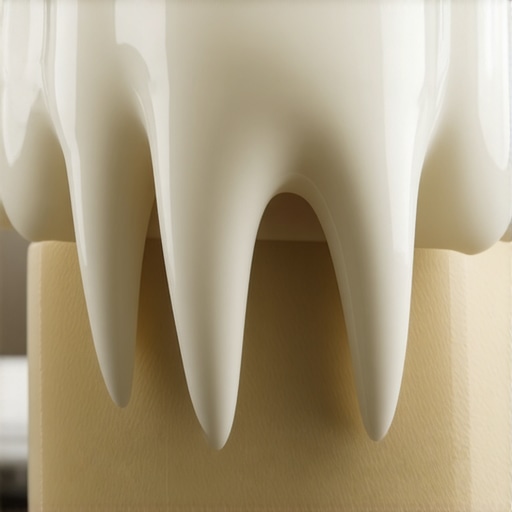
Why does my dental crown feel like it contracts more than my natural teeth?
This is one of the most sophisticated questions I get from readers who notice that their cold-weather pain seems isolated to a single tooth with older restoration work. The answer lies in the coefficient of thermal expansion. Materials like dental porcelain, gold, composite resin, and natural tooth structure all expand and contract at different rates when exposed to freezing air. If you have an older restoration, this differential movement can break the marginal seal, allowing freezing air to penetrate. It is a common myth that once a tooth is crowned, it is permanently protected from decay or external sensitivity. In reality, maintaining the margins of your restoration is a continuous job. To prevent painful winter surprises, you must prioritize targeted home care and learn the essentials of caring for crowns properly.
The Prophylaxis Misconception and Long-Term Wellness
Another major mistake is viewing professional cleanings merely as a cosmetic luxury or a quick stain-removal session. Many patients skip their winter appointments because their teeth feel too sensitive to handle the metal instruments. However, avoiding the hygienist’s chair allows hardened tartar to build up along the gumline, causing inflammation and recession that exposes the highly sensitive root surfaces. Rather than skipping your maintenance, you should understand the impact of regular teeth cleaning on overall oral wellness. A professional can apply targeted desensitizing treatments and fluoride varnishes that insulate your nerve pathways against the freezing winter air, actually making your outdoor walks much more comfortable.
Have you ever fallen into the trap of brushing extra hard or skipping a dental cleaning because of cold-weather sensitivity? Let me know in the comments below, and let’s get your smile winter-proofed together!
When we look at the long-term reality of protecting our smiles from seasonal cold-weather sensitivity, it becomes clear that general, off-the-shelf advice simply is not enough. You need an active plan built around high-quality tools and deliberate habits. Over the years, I have tested countless devices, from standard drugstore brushes to ultra-high-end dental tech, in search of the perfect balance that keeps my enamel fully insulated and my restorations firmly sealed against the freezing elements.
My Private Arsenal of Oral Maintenance Tools
The single most important upgrade I made to my routine was switching to an sonic toothbrush with a built-in pressure sensor. I personally use the Philips Sonicare ProtectiveClean series. Why? Because when the weather gets cold, your instinct is to scrub harder to clear away that winter buildup, but that only strips your protective enamel. The pressure sensor immediately pulses when I push too hard, forcing me to let the micro-vibrations do the work. If you want to replicate this success at home, it helps to understand the reason your dentist wants you to switch to an electric toothbrush so you can protect your sensitive dentin before the temperature drops.
Along with my sonic brush, I rely heavily on a clinical-grade water flosser filled with warm—never cold—water. Cold water from the tap during a winter flossing session can cause agonizing thermal shock to your nerve endings. By using lukewarm water mixed with a capful of alcohol-free fluoride rinse, I get a soothing, deep clean that strengthens the margins around my dental crowns without causing a single flinch.
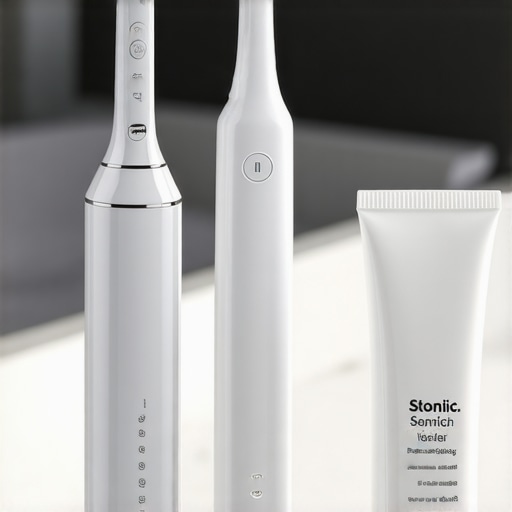
How do I maintain my crowns and enamel over time?
Long-term maintenance of your oral health relies on maintaining the tight seals of your restorations and preventing gum recession. First, you must establish an oral health routine strengthening your smile every day. For my dental crowns, I use a specific low-abrasive paste and a super-soft manual brush to clean the margins gently. According to Dr. Gordon Christensen of Clinicians Report, a leading independent dental research organization, over 90% of localized crown failures are due to recurrent decay at the margin caused by poor home plaque control. To keep my restorations immaculate without wearing away the surrounding tooth structure, I practice targeted plaque removal daily. If you are struggling with keeping yours clean, read up on teeth cleaning secrets effective home practices for family dental health to perfect your technique.
The Future of Home Oral Care
Looking ahead, I predict we will see smart toothbrushes integrated with saliva-analyzing sensors that can detect changes in your mouth’s pH and mineral levels in real-time. This means your brush will alert you when your enamel is softening before you ever feel that first icy sting of winter wind. For now, the best strategy is to stay ahead of the game with regular preventive care. Do not wait for a cold day to realize your teeth are vulnerable. I highly recommend trying this advanced tip tonight: swap your standard rinse for a targeted fluoride varnish or leave a thin film of desensitizing paste on your teeth before bed. Your enamel will thank you tomorrow morning.
When the temperature drops, keeping your smile safe is about more than just dodging temporary discomfort. It is about protecting the structural integrity of your teeth and ensuring your expensive restorations stay intact. Let us look at the deeper clinical lessons and daily tools that will help you maintain a resilient, pain-free smile through the coldest months of the year.
The Hardest Lessons I Learned About Restorations and Cold Air
Over years of navigating winter tooth sensitivity, I have uncovered a few hard truths that completely changed how I approach my daily oral hygiene:
- Enamel loss is cumulative and quiet: You do not realize your protective layer is thinning until a single gust of January wind feels like a shockwave. Regular maintenance is about preservation, not just reacting to pain.
- Dental work is dynamic: A crown is not a set-it-and-forget-it shield. Because materials expand and contract differently than your natural tooth, ignoring slight sensitivity can lead to structural failures at the margins. Always monitor these changes and know maintaining your dental crowns dos and donts for best results to avoid costly repairs.
- Prevention is always cheaper than repair: Applying protective varnishes and prioritizing gentle habits now prevents the need for emergency crown adjustments or deep fillings later.
My Personal Winter Survival Kit for Sensitive Enamel
To keep my teeth and restorations insulated from thermal shock, I rely on a carefully selected toolkit. These are the tools that have made the biggest difference in my personal routine:
- The Philips Sonicare ProtectiveClean Toothbrush: Its built-in pressure sensor is my primary defense against aggressive scrubbing, which is the easiest way to wear down enamel and expose sensitive dentin.
- Lukewarm Water Flossing: Filling my water flosser with warm water rather than freezing tap water prevents agonizing thermal shock while keeping the margins of my crowns pristine.
- High-Quality Desensitizing Paste: Using a low-abrasion paste containing potassium nitrate blocks the microscopic tubules that lead directly to the tooth nerves.
- Regular Professional Cleanings: Professional care is the foundation of winter defense. If you want your smile to withstand the elements, you must prioritize the impact of regular teeth cleaning on overall oral wellness to clear away hardened plaque that causes gum recession.
Your Next Steps to a Fully Insulated Smile
You do not have to dread the winter wind or hide your smile behind a scarf all season. By transitioning to a soft-bristled brush, keeping your tap water lukewarm, and committing to a structured daily routine, you can build a resilient barrier against the cold. Protecting your oral health is an investment in your daily comfort and confidence. Start implementing these small adjustments today, and keep your teeth fully shielded through the winter freeze.
Have you ever noticed your dental crowns feeling particularly sensitive during cold winter walks? Let me know in the comments below!