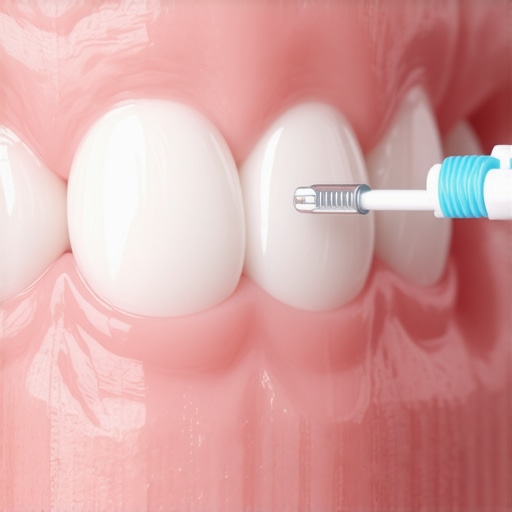
I used to think I was a total dental hygiene hero. I’d brush for a full two minutes, floss until my fingers turned purple, and rinse with enough mouthwash to kill a bear. I walked into my checkups expecting a gold star, but instead, my dentist would always point out the same ‘problem areas’ between my back molars. It felt like I was failing a test I’d spent all night studying for. Then, he handed me a tiny, weird-looking brush that resembled a miniature pipe cleaner. He told me that for someone with my specific tooth shape, traditional floss was just glomming over the most important spots. That was my lightbulb moment. Today, I’m going to show you how to master the interdental brush so you can finally stop guessing and start seeing real results in your oral health routine.
Why Standard Floss Leaves the Most Dangerous Plaque Behind
Most of us are taught that string floss is the only way to clean between teeth, but it has one major flaw: it’s straight. Your teeth, however, are not. They have little dips and curves near the gum line that a taut piece of string simply cannot reach. I spent years making the mistake of thinking if I just pulled harder, I’d get a better clean, but that usually just leads to the kind of irritation people feel when their gums feel sore after flossing. Interdental brushes are different because the bristles actually expand to fill those hidden gaps. It’s like using a specialized scrub brush instead of a thin wire. Have you ever tried using one of these brushes only to have it bend or poke you the wrong way? Let me know, because I struggled with that for weeks before I learned the ‘wiggle’ technique.
Are these little brushes actually worth the extra effort?
It is totally normal to be skeptical about adding yet another step to your morning. You might be wondering if this is just a marketing gimmick for more plastic waste. However, research cited by the American Academy of Periodontology suggests that interdental brushes are significantly more effective at removing plaque than floss in most patients with sufficient space between their teeth. It’s not just a trend; it’s about using the right tool for the geometry of your mouth.
Avoid the Beginner Mistake of Choosing the Wrong Size
When I first started, I bought a ‘one size fits all’ pack and nearly gave up. I was trying to jam a brush that was way too big into tight spacing between my front teeth, and it was a bloody mess—literally. The secret is that you often need two different sizes: a super-fine one for the front and a slightly larger one for the back. If you have to force it, stop immediately. We are aiming for a gentle friction, not a power-drill situation. Once you find that perfect fit, you’ll uncover teeth cleaning secrets that make your professional cleanings go so much faster. Trust me, your hygienist will notice the difference within a month.
Master the One-Pass Glide for Maximum Plaque Removal
Once you have the right size, it is time to focus on the motion. Most people treat this like a toothbrush and try to scrub back and forth fifty times. You don’t actually need to do that. Think of it more like a precision detailer for a car. You want to insert the brush at a slight angle—pointing slightly toward the gum—and then level it out as it passes through the gap. One smooth push in and one pull out is usually all it takes to disrupt the sticky biofilm that causes decay. If you commit to doing this once a day, you are effectively mastering how to prevent cavities between teeth where you cant see. It is much more efficient than the back-and-forth sawing motion many beginners try.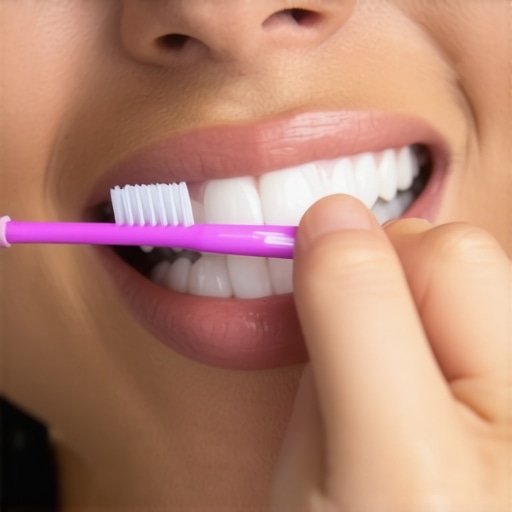
Angle the Brush to Avoid the Dreaded Poke
When I first started, I would just jam the wire straight into the gap, and I’d inevitably hit the roof of my mouth or the sensitive skin of my inner cheek. The trick is to use your index finger as a steady guide. For your bottom teeth, look in the mirror and tilt the brush head slightly downward. For the top teeth, tilt it upward. It’s a lot like threading a needle; once you find the ‘path of least resistance,’ it slides right through without any resistance. This simple adjustment is key to a pain-free experience and enhances the impact of regular teeth cleaning on overall oral wellness.
Clean Around Crowns Without the Fear of Popping Them Off
I used to be terrified of my back right molar. I have a porcelain crown there, and every time I used traditional string floss, it felt like I was playing a high-stakes game of Jenga. One wrong tug and I feared the whole thing would fly out across the bathroom sink. Switching to an interdental brush changed that game entirely. Because the brush doesn’t hook under the margin or ‘snap’ like floss can, I could scrub the area safely. It feels more like a soft pipe cleaner and less like a dangerous wire. If you have restorative work, caring for crowns essential tips for longevity and shine often include using these non-abrasive brushes to clear away bacteria that loves to hide right at the seal.
Why Bleeding Is Actually a Sign to Keep Going
It sounds totally counterintuitive, but if your gums bleed a little when you first start this routine, don’t panic. My first week looked like a scene from a horror movie. I almost called my dentist in a panic, thinking I’d done permanent damage to my gums. He explained that the bleeding wasn’t because of the brush itself, but because of the chronic inflammation already sitting in those hard-to-reach spots. Within four days of consistent use, the bleeding stopped entirely as the tissue healed. This is a common hurdle in family dentistry focus building a lifetime of healthy smiles—learning that the tool isn’t the enemy, the hidden plaque is. If you’re worried, looking into expert advice on crowns and teeth cleaning for lasting results can help you distinguish between normal adjustment and actual irritation. Once the bleeding stops, you know you’ve successfully cleared the ‘trash’ from between your teeth, which is one of the secrets to making your professional cleaning last longer.One of the biggest myths I encounter in the world of family dentistry is the idea that once a tooth is capped, it is basically immortal. I used to think my crown was like a bulletproof vest; if the tooth is covered in high-strength porcelain, how could it possibly decay? This is a dangerous trap. The most vulnerable part of your restoration isn’t the ceramic top; it is the ‘margin’—that tiny, invisible seam where the porcelain meets your natural tooth at the gum line. If you are not meticulous, plaque builds up right at that junction, leading to what we call recurrent decay. This is precisely why the reason your coffee habit is ruining your crowns sealant matters so much; the acids and sugars from your favorite drinks love to seep into those microscopic gaps. Research published in the Journal of Dentistry highlights that marginal integrity and consistent plaque disruption are the two most critical factors in the longevity of restorative work. If you ignore the base of the tooth, you are essentially building a luxury house on a crumbling foundation.
Stop the ‘Heavy Hand’ Habit Before It Ruins Your Enamel
Many people, in an attempt to be extra thorough with their teeth cleaning, fall into the ‘power scrub’ trap. They assume that more pressure equals a cleaner mouth, but this is a classic beginner mistake. Aggressive scrubbing doesn’t actually disrupt more biofilm; it just sandpapered your gums and enamel. This is a primary reason why hard brushing actually makes your teeth look darker—you are wearing away the bright white enamel to reveal the yellowish dentin underneath. For those with crowns, this pressure can cause the gums to recede, exposing the dark metal or opaque edge of the restoration. This is one of the most common reasons the reason your teeth look longer than they used-to becomes a concern during checkups. Have you ever caught yourself scrubbing so hard your toothbrush bristles look like a frayed broom after just a week? Let me know in the comments, because that was my biggest hurdle to overcome. 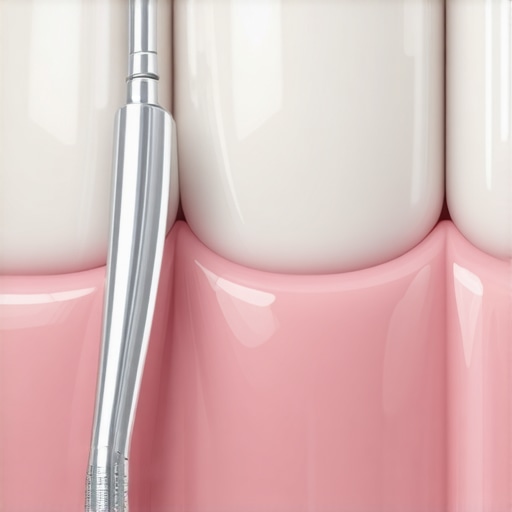
Can you actually use interdental brushes too frequently?
A sophisticated question I often get from my more dedicated readers is whether the constant ‘poking’ of an interdental brush can cause permanent gaps or ‘black triangles’ between the teeth. The answer is a nuanced no—provided you are using the correct size. The brush should slide in with slight resistance from the bristles, but the wire should never touch your teeth. If you use a brush that is too large, you risk mechanical trauma to the interdental papilla (the little triangle of gum). However, when done correctly, these tools are vastly superior to string floss for oral health. A systematic review in the Cochrane Database confirms that interdental brushes are more effective at reducing gingivitis than floss alone. This is a vital part of an oral health routine strengthening your smile every day.
Don’t Ignore the ‘Old Food’ Smell Around Your Dental Work
If you notice a persistent metallic or sour taste, or if you feel like your breath is off despite brushing, don’t just reach for more mouthwash. This is often a sign of ‘micro-leakage’ where bacteria have colonized the space under your crown. Learning how to stop your crown from smelling like old food involves more than just surface cleaning; it requires those interdental tools we talked about to flush out the bacteria before they cause a full-blown infection. This level of detail is what separates a basic routine from true expertise in teeth cleaning secrets. By mastering these nuances, you are not just cleaning your teeth; you are performing essential maintenance on a complex biological system. Keeping up with oral health tips every family should follow in 2025 means moving past the basics and respecting the geometry of your dental work. Have you ever fallen into the trap of thinking your crowns didn’t need special attention? Let me know in the comments!To keep your oral health at its peak, you have to move beyond the drugstore basics and invest in tools that actually respect the biology of your mouth. I personally swear by electric toothbrushes with built-in pressure sensors because they solve the ‘heavy hand’ problem I mentioned earlier. If you find that your gums bleed when you switch to an electric toothbrush, it is usually because the micro-vibrations are finally reaching the plaque that your manual brush missed for years. I use the ‘sensitive’ setting on my Sonicare specifically around my crowns to ensure I’m not vibrating the cement seal too aggressively.
The Tech That Actually Saves Your Enamel
Beyond the brush, if you clench your teeth at night, your crowns are under a constant state of siege. I finally started using a custom-molded night guard, which acts like a shock absorber for my dental work. The trick is keeping it pristine; I learned the hard way that how to clean a night guard without damaging the plastic is vital for preventing bacterial buildup that can lead to thrush or further decay around your restorations. When you protect the physical structure of your teeth from grinding, you’re effectively doubling the lifespan of your dental work. 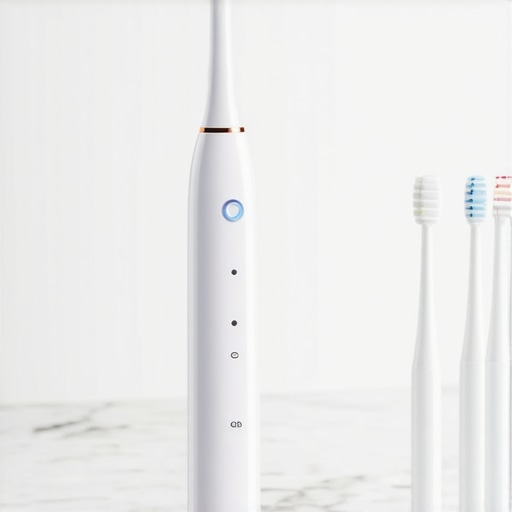
How do I maintain my dental work effectively over time?
Consistency is the only ‘magic’ pill in family dentistry. You cannot make up for six months of neglect with one week of intense scrubbing before your appointment. Maintenance means integrating these tools into an oral health routine strengthening your smile every day. According to the FDI World Dental Federation, the mechanical disruption of biofilm every 12 to 24 hours is the primary defense against the localized infections that cause crowns to fail. I recommend setting a recurring calendar reminder for every six months to review your maintaining your dental crowns dos and donts for best results.
Why professional cleanings remain your non-negotiable insurance policy
No matter how good your interdental brush technique is, there will always be a microscopic percentage of plaque that mineralizes into tartar. Once it is hard, you cannot brush it off. This is why you must understand what actually happens if you skip your dental cleaning for too long. That tartar acts like a ladder, allowing bacteria to climb deeper into your gum pockets, eventually reaching the roots of your teeth. I predict that in the next few years, we will see home-based ‘bio-scanners’ that can detect these mineralized spots before we even feel them. For now, we rely on the hygienist’s eagle eye. If you want to keep your smile intact for 2025 and beyond, following oral health tips every family should follow in 2025 is a great place to start. My challenge to you this week: try using your electric toothbrush on its lowest power setting for a full three minutes, focusing entirely on the gum line. It’s a game-changer for sensitivity.
Lessons Learned After Years of Dental Guesswork
Looking back at my journey from bleeding gums to a clean bill of health, a few lightbulb moments stand out. First, blood isn’t always an alarm; it is often just the result of a long-overdue cleaning in deep pockets. If you stick with it, the tissue toughens up within days. Second, don’t be afraid of the variety pack. My mouth isn’t a uniform grid, and yours likely isn’t either. Most importantly, I realized that family dentistry focus building a lifetime of healthy smiles is less about expensive treatments and more about the small, daily habits you do when no one is watching.
#IMAGE_PLACE_HOLDER_E#
The High-Performance Gear I Trust Every Morning
I do not recommend products lightly, but these tools changed the way I approach teeth cleaning. I always keep a pack of multi-sized interdental brushes in my travel kit—specifically the soft-bristled ones that do not scratch enamel. I also swear by pressure-sensor electric brushes that prevent the damage caused by a heavy hand. Finally, for those with complex dental work, the maintaining your dental crowns dos and donts for best results guide has been my go-to resource for keeping my restorations looking brand new. These are not just gadgets; they are the frontline of your defense against bacteria.
Walk Into Your Next Checkup with Confidence
The goal is not just to avoid the drill; it is to walk into your next appointment with the confidence that there are no surprises between your molars. By refining your oral health routine strengthening your smile every day, you turn a chore into a lifestyle. It takes less than two minutes a day to master the glide-and-wiggle, but the payoff is a lifetime of natural-looking smiles. Have you ever tried an interdental brush and found it too difficult to navigate the back of your mouth? Let me know below and I will help you troubleshoot!