I’ll never forget the sensation of finally stepping out of the clinic after a marathon three-hour session to get a new crown. My mouth felt like it had been propped open by a car jack for half a day. But the real surprise came later that evening. As I took my first bite of dinner, a loud, sharp *click* echoed in my head. It wasn’t just a sound; it was a physical shift that felt like a gear slipping in my skull. I honestly panicked, thinking I’d somehow broken my face during a routine visit. If you’ve ever walked out of a regular teeth cleaning or a more complex procedure only to find your jaw clicking, popping, or feeling generally ‘off,’ you aren’t alone. I’ve been there, and today, I want to walk you through exactly why this happens and how you can get your jaw back to its happy, silent self. [image_placeholder]
My Jaw Snapped Every Time I Took a Bite
For a long time, I thought this was just my luck. I assumed my family dentistry visits were destined to end in soreness. I even made the rookie mistake of trying to ‘pop’ it back in by wiggling my jaw aggressively from side-to-side—a move that definitely made the inflammation worse. The reality is much simpler: your jaw muscles and the temporomandibular joint (TMJ) are incredibly sensitive to being held in an unnatural, wide-open position for an hour or more. According to the Mayo Clinic, TMJ symptoms can be triggered or aggravated by the prolonged muscle strain associated with long dental procedures, which causes the protective disc inside the joint to temporarily shift or the muscles to go into a protective spasm. It is essentially the dental equivalent of a charley horse in your face.
Is my jaw permanently damaged now?
That is the big fear, isn’t it? You start wondering if you need surgery or if you’ll never be able to eat an apple again. I felt that same dread. However, for the vast majority of us, this clicking is just a sign of temporary inflammation or muscle guarding. Your body is trying to protect the joint after it was stretched beyond its usual comfort zone during your teeth cleaning or restorative work. Have you ever felt that terrifying ‘pop’ after leaving the dentist? I’d love to hear your story—did it go away on its own, or did you have to take action? Reach out and let me know at our contact page. Understanding the ‘why’ is the first step toward making sure your next appointment doesn’t leave you clicking for a week.
How to Quiet the Squeaky Hinge in Your Jaw
The most important thing to realize is that your jaw isn’t just a bone; it’s a complex system of ligaments and muscles. When you spend an hour in the chair for crowns or a teeth cleaning, those muscles are essentially performing a heavy lifting session they weren’t trained for. You have to treat the recovery like any other sports injury.
Stop Testing the Joint Every Five Minutes
I know the temptation. Every time I’ve had jaw clicking, I find myself opening and closing my mouth just to see if it’s still there. This is the worst thing you can do. Every time you force that ‘click,’ you’re rubbing inflamed tissues together. Think of it like picking at a scab. Instead, stick to a ‘soft food diet’ for 48 hours. I learned this the hard way after my first big restorative session. I thought I could handle a hard-shell taco, but one bite sent a jolt of pain that made me realize I needed to be eating mush for a while. If you aren’t sure what’s safe, check out the best foods to eat after getting a dental crown to avoid aggravating the joint further.

Use Heat and Ice Strategically
Most people aren’t sure whether to go hot or cold. Use ice for the first 24 hours to bring down that initial swelling from the procedure. After that, switch to moist heat. A warm washcloth draped over the side of your face helps relax the masseter muscle—the heavy-hitter muscle that does most of the chewing. This is often where the tension hides. If you find yourself clenching because of the discomfort, you might wake up with a sore jaw and a headache the next morning. Heat breaks that cycle by telling the muscles it’s okay to let go.
Check Your Bite Alignment Immediately
Sometimes the clicking isn’t just about muscle strain; it’s about physics. If you just got a new crown, it might be ‘high.’ Imagine walking with a small pebble in only one of your shoes. Eventually, your hip and knee are going to hurt because your gait is off. A crown that is even a fraction of a millimeter too tall will throw your entire bite out of alignment, forcing the TMJ to shift every time you close your teeth.
Look for the High Spots
Tap your teeth together gently. Does one side hit before the other? If so, that’s your culprit. You shouldn’t try to ‘wear it down’ by chewing. Instead, call your provider for a quick bite adjustment. While you wait for that appointment, follow the maintaining your dental crowns dos and donts for best results to ensure you don’t crack the new porcelain while your bite is uneven. A simple adjustment can often stop the clicking instantly because it allows the joint to return to its neutral home base.
Manage Stress to Protect the Joint
If the clicking persists, it’s often because of ‘micro-trauma’ from clenching during the day or grinding at night. Stress from the dental visit itself can trigger this. You need to learn how to stop clenching your teeth when you are stressed to give the TMJ a chance to heal. I once spent three weeks clicking until I realized I was bracing my jaw every time I sat at my computer. Once I started consciously resting my tongue on the roof of my mouth and letting my teeth hang slightly apart, the clicking vanished within days. For those who can’t stop the grind, even after a routine teeth cleaning, a night guard might be the next logical step to protect those expensive crowns from the sheer force of your own jaw muscles. Before your next visit, remember that preparation helps. There is one thing you must do before your next dental cleaning to ensure your jaw is ready for the stretch.
Let’s dig deeper into what’s actually happening when you sit in that chair for your annual maintenance. Most people view the impact of regular teeth cleaning on overall oral wellness as a simple aesthetic ‘reset’ or a way to remove coffee stains, but that is a dangerous oversimplification. In my experience, a cleaning is actually a high-stakes diagnostic disruption of biofilm that your toothbrush simply cannot touch. If you’re only going in for the ‘shine,’ you’re missing the critical health markers your hygienist is looking for. 
Your Dental Crown is Not a Suit of Armor
One of the biggest mistakes I see—and one I’ve made myself—is assuming that a crown provides total immunity to the tooth underneath. We tend to treat it like a permanent, indestructible shield. But here is the nuance: the most critical point of failure isn’t the porcelain; it’s the margin where the crown meets your natural tooth. A study published in the Journal of Clinical Periodontology highlights that subgingival plaque accumulation at these margins is significantly higher if the fit isn’t microscopically perfect, leading to localized gingivitis even if the rest of your mouth is pristine. If you notice how to fix the gap between your gum and your crown is becoming a topic of conversation with your dentist, you need to act immediately. Ignoring that tiny space is the ‘oops’ factor that leads to why your new crown smells and how to fix it down the road. This isn’t just about bad breath; it’s about the structural integrity of the tooth beneath the porcelain.
Stop Scrubbing Like You’re Cleaning a Kitchen Floor
We are culturally conditioned to think that pressure equals cleanliness. In reality, ‘aggressive’ brushing is the enemy of longevity for both your natural tissue and your crowns. When you use a hard-bristled brush or apply too much force, you aren’t just removing plaque; you are physically pushing your gum line back. This is why your gums recede even if you brush twice a day. Once those gums move, they expose the sensitive root surface or the dark metal margin of an older crown, which might explain why your gums are blue or purple in certain spots. A soft touch is always superior for protecting the delicate attachment of the gum to the tooth.
Why does my crown feel tight after a long flight?
This is a sophisticated question I get from frequent flyers who are terrified their expensive dental work is failing. It’s usually not your crown shrinking or moving; it’s a phenomenon called ‘barodontalgia.’ Changes in cabin pressure can cause tiny, microscopic pockets of air trapped under a crown or in a micro-cavity to expand and contract. If you feel this, it’s actually a brilliant (if uncomfortable) diagnostic tool—it’s telling you that your seal might be compromised. You can read more about why your crown feels tight after a long flight to understand the physics of it. Another subtle trap is the way we finish our routine. Why you should stop rinsing with water immediately after brushing is because most of us rinse away the concentrated fluoride that is meant to sit on the tooth and remineralize the enamel. It’s a tiny habit change that makes a massive difference in your oral health routine. Have you ever fallen into this ‘over-cleaning’ trap or noticed your jaw acting up after a flight? Let me know in the comments below—I’d love to hear how you handled it with your family dentistry provider.
Once you’ve moved past the initial recovery and the ‘weird’ clicking has subsided, the real work begins. We often view family dentistry as a series of reactive fixes—filling a hole here, capping a tooth there—but the long game is all about micro-maintenance. If you want those crowns to last twenty years instead of seven, you have to upgrade your toolkit. I used to be a ‘string floss or bust’ person until I realized that string often glides right over the concave surfaces of back molars where plaque actually hides. This is where most people fail at caring for crowns: essential tips for longevity and shine involve realizing that the texture of your tools matters as much as the frequency of use.
The Tools That Actually Save Your Smile
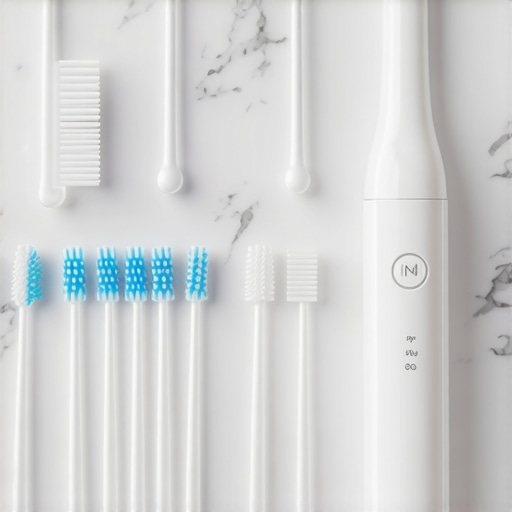
I’m a massive advocate for interdental brushes, especially the ones with plastic-coated wires to avoid scratching any metal substructures. These tiny ‘pipe cleaners’ for your teeth are far superior for cleaning the ‘tunnel’ under a bridge or the wide base of a crown. According to research published in Clinical Oral Investigations, interdental brushes are significantly more effective at reducing gingival inflammation than flossing alone, particularly because they mechanically disrupt the biofilm in areas where the tooth contour changes. When you learn the proper way to use interdental brushes for best results, you’re not just cleaning; you’re preventing the bone loss that eventually causes crowns to fail. I keep a pack of various sizes in my travel bag because how to clean between teeth if you have tight spacing becomes a different challenge when you’re dealing with the wider margins of restorative work.
How do I keep my crowns and gums healthy for the next decade?
Consistency is the boring answer, but the way you maintain that consistency is the secret. You need to integrate teeth cleaning secrets and effective home practices for family dental health into a ritual that doesn’t feel like a chore. For me, that meant switching to a high-end electric toothbrush with a pressure sensor. It literally flashes red when I’m pushing too hard—a feature that saved my receding gums from further damage. This kind of immediate feedback is essential for an effective oral health routine. If you are still using a manual brush, you are essentially guessing at your cleaning quality. Expert advice on crowns and teeth cleaning for lasting results almost always points toward these tech-assisted tools because they remove the human error of ‘aggressive scrubbing’ we discussed earlier.
What the Future of Home Dental Care Looks Like
Looking ahead, I suspect we are moving toward a world where ‘smart’ home monitoring becomes the norm. We already have toothbrushes that map our mouths via Bluetooth, but the next step—which is already appearing in niche tech circles—is AI-driven cameras that scan for early signs of demineralization or margin gaps before they become painful. This will change how we approach family dentistry, shifting us from ‘detecting problems’ to ‘optimizing health’ in real-time. Until then, my best advice is to treat your evening routine like a professional service. Try this tonight: instead of rushing, spend one full minute just on your interdental cleaning before you even touch your toothbrush. You’ll be shocked at what you’ve been leaving behind.
What My Clicking Jaw Finally Taught Me About My Bite
After years of navigating the world of family dentistry, I’ve realized that a clicking jaw isn’t a sign of failure—it’s a signal. Here are the lightbulb moments that changed how I approach my oral health:
- Rest is active recovery. I used to think I had to ‘stretch’ my jaw to fix the click. The truth? Complete rest is usually the only way to let the TMJ settle.
- Small adjustments matter. Don’t ignore that tiny ‘high spot’ on a new crown. Even a fraction of a millimeter can cause a cascade of muscle tension that leads to a sore jaw and a headache.
- Communication is your best tool. Your provider isn’t a mind reader. If you feel a strain during expert advice on crowns and teeth cleaning for lasting results, speak up immediately so they can adjust your chair or give you a break.
The Gear That Actually Protects Your Restorative Work
Maintaining the investment of crowns requires more than just a standard toothbrush. Here is the toolkit I personally rely on to keep everything silent and stable:
- Coated Interdental Brushes: These are non-negotiable for cleaning the margins of restorative work. Using the proper way to use interdental brushes for best results prevents the inflammation that makes your jaw feel tight.
- Gentle Mouthguard Maintenance: If you use a guard to stop clenching, learn how to clean a night guard without damaging the plastic to prevent bacterial buildup that can irritate your gums and cause further discomfort.
- Pressure-Sensitive Electric Brushes: To ensure you are caring for crowns with essential tips for longevity, these tools stop you from scrubbing your gums away.
Take Control of Your Next Appointment
Your journey with family dentistry should be a partnership, not a source of anxiety. Whether you are getting a new crown or a routine teeth cleaning, you have the power to protect your jaw and your smile. By building a solid oral health routine, you’re not just fixing problems—you’re investing in a lifetime of comfort. Have you ever felt that sharp click after leaving the dentist office? Let me know in the comments below!