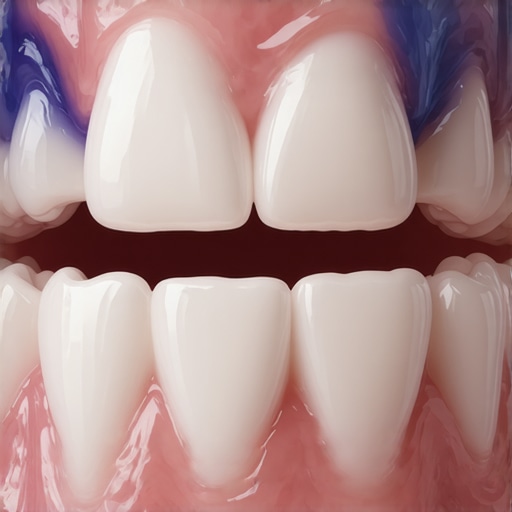
I was standing in front of my bathroom mirror last Tuesday, humming a tune while flossing—a habit I’ve finally mastered—when I saw it. A deep, purplish-blue smudge right along the gumline of my upper premolar. My heart did a slow, heavy thud. I poked it. It didn’t hurt. I brushed it harder, which was a huge mistake because I ended up causing more irritation than I started with. I spent the next twenty minutes spiraling down a search engine rabbit hole, convinced my tooth was dying or my body was failing me. We’ve all been there, right? That sudden “what is that?” moment that makes you want to cancel your weekend plans and hide under a blanket. But after a quick chat with my favorite hygienist and some deep-diving into oral pathology, I realized that those mysterious spots usually have a very logical (and often harmless) explanation. Today, I want to share that peace of mind with you and help you figure out exactly what’s going on in your mouth.
That Weird Dark Spot Isn’t Always a Crisis
When I first saw that purple patch, I panicked because I thought all healthy gums had to be perfectly coral pink. I’ve since learned that why your gums look pale instead of pink is just as important as why they might turn dark. One of the biggest mistakes I made early on was trying to “scrub” the color away with a stiff-bristled brush. I thought it was a stain I could just remove with elbow grease, but why your dentist wants you to stop using hard bristles became very clear once my gums started throbbing. These spots are often below the surface. According to the Cleveland Clinic, many localized blue-grey discolorations are actually “amalgam tattoos,” which are tiny, harmless particles of silver from old fillings that have embedded themselves in the tissue. It sounds like science fiction, but it’s incredibly common. We also need to consider things like expert advice on crowns and teeth cleaning for lasting results, as old metal-based crowns can sometimes cast a dark shadow or leach a bit of color into the surrounding area. Have you ever noticed a dark spot and immediately feared the worst? Drop a comment below; I’d love to hear how you handled that first moment of panic!
Is this something I can just ignore?
The short answer is: maybe, but let’s be smart about it. While many purple spots are just bruises from a rogue corn chip or natural melanin, you shouldn’t just brush it off—literally or figuratively. I’ve learned the hard way that ignoring changes in your mouth can lead to unnecessary stress. We’re going to break down the differences between a simple bruise, a harmless tattoo, and the rare occasions where your body is actually waving a red flag for something more serious like why your gums are swollen but your teeth dont hurt. By the end of this, you’ll know exactly what to look for before your next check-up.
Give Your Gums the Gentle Touch Test
When you first spot a dark patch, your instinct is probably to poke it or, if you’re like me, scrub it with a toothbrush until it bleeds. Stop right there. The very first step is to gently feel the area with a clean finger. Is it flat and smooth, or is it raised? A bruise from a sharp piece of crusty bread or a rogue popcorn kernel usually feels slightly swollen and tender. If the spot is completely flat and doesn’t change when you press on it, you’re likely looking at an amalgam tattoo. This happens when a tiny bit of silver from a filling gets trapped in the tissue. I once spent three days panicking over a smudge near my molar, only to find out it was a ‘dental birthmark’ from a cavity I had filled in high school. This is why teeth cleaning secrets effective home practices for family dental health involve more than just brushing; they involve actually knowing the landscape of your own mouth. 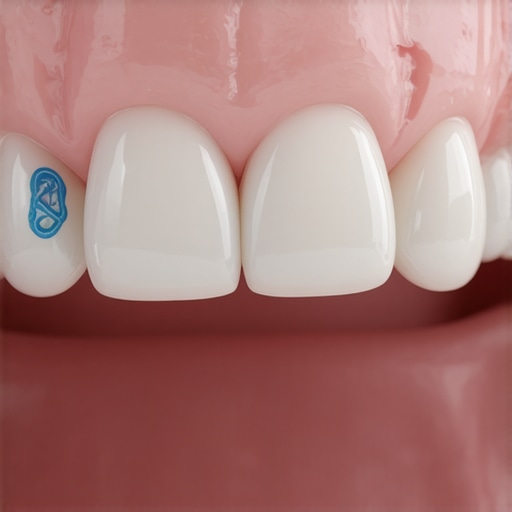
Watch Out for the Shadow of Old Dental Work
Sometimes that purple tint isn’t a bruise or a tattoo at all—it’s a shadow. If you have an older porcelain-fused-to-metal crown, the metal substructure can occasionally show through the gumline as the tissue thins or recedes slightly over time. This is especially common in the back of the mouth because why we use different materials for front crowns versus back molars usually comes down to durability versus aesthetics. If you see a dark line right where your crown meets the gum, it’s often just the metal ‘collar’ of the restoration. In my case, I was convinced my tooth was rotting under the cap, but my dentist showed me that my crown was perfectly intact; the gum had simply moved a fraction of a millimeter. If you’re worried about the integrity of your work, learning how to tell if your dental crown is cracked or just the cement can save you a lot of middle-of-the-night Googling.
Track the Color for One Full Week
Bruises have a very specific lifecycle. Just like a bruise on your arm, a gum bruise should transition from deep purple to a lighter brown or yellowish hue within 7 to 10 days. If the spot hasn’t budged in color or size after a week, it’s definitely not a simple injury. During this observation period, you need to be incredibly careful with your tools. I learned the hard way that why your dentist wants you to stop using hard bristles is because they can turn a tiny irritation into a full-blown sore. Stick to a soft-bristled brush and maintain a consistent oral health routine strengthening your smile every day without adding extra pressure to the area.
Identify the Source of the Trauma
Think back to your last few meals. Did you have something particularly crunchy or sharp? A ‘pizza burn’ on the roof of the mouth or a gum scrape from a tortilla chip can look surprisingly scary. If the purple spot is accompanied by a slight ‘itchy’ feeling, it could even be a localized reaction. However, if the spot is persistent, it might be time to look into expert advice on crowns and teeth cleaning for lasting results to ensure that any old restorations aren’t causing chronic irritation to the surrounding tissue.
Most people think that if their gums aren’t screaming in pain, everything is fine. But here’s the contrarian truth: silent inflammation is the real enemy, and that purple smudge might just be the tip of the iceberg. We often treat dental care like a simple household chore, but it’s actually about managing a complex microscopic ecosystem. One of the biggest mistakes I’ve seen—and I’ve definitely been guilty of this myself—is assuming that if you floss daily, you’re magically immune to issues. In reality, if your technique is slightly off, you might just be pushing bacteria deeper into the pocket rather than removing it. Have you ever fallen into this trap where you thought you were helping but actually caused a new problem? Let me know in the comments!
Stop scrubbing your way to gum recession
Everyone tells you to brush more to keep things clean, but in my experience, the ‘over-brusher’ is actually at higher risk for localized discoloration than the person who is a bit more relaxed. When you apply too much pressure, you aren’t just cleaning teeth; you are traumatizing the delicate vascular network of your gums. This can lead to micro-bruising that looks like those mysterious purple spots. This is also why the truth about the charcoal whitening trend is so controversial among professionals—those abrasive particles can act like sandpaper on both your enamel and your gum tissue. Instead of focusing on power, focus on precision. If you are struggling with a persistent spot, it might be time to ask how often you actually need a professional scaling to prevent bone loss, because sometimes the ‘stain’ is actually tartar hiding beneath the surface that no amount of home scrubbing will fix.
Why do my gums bleed even when I floss every single day?
This is the most common question for those of us who are obsessive about our routines. You’re doing the work, yet you still see red in the sink. The nuance here is that systemic factors are often at play. A study published by the American Heart Association (AHA) suggests a significant link between periodontal inflammation and cardiovascular health, proving that your mouth isn’t an island. If your gums are perpetually sensitive or purple-tinted despite great hygiene, it could be the hidden reason your gums still bleed even if you floss every day, such as Vitamin C deficiency or even hormonal shifts. Don’t just ignore it because you ‘flossed already.’ It’s your body’s way of signaling that something in the balance is off.
Your crowns won’t change color even if you use the strongest bleach
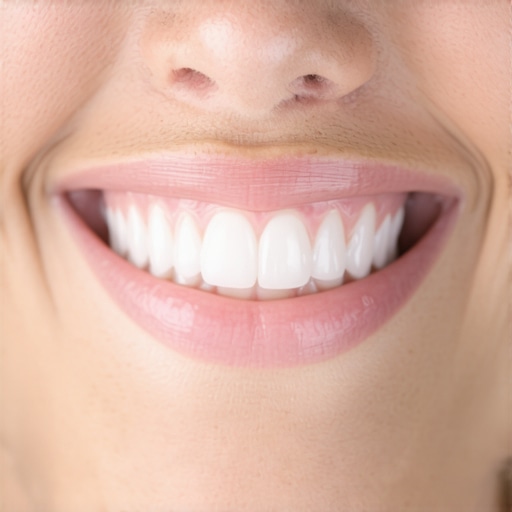
Here is a massive ‘oops’ factor: the whitening trap. Many people see a dark spot or a slightly yellowed tooth and reach for the strongest whitening strips they can find. If you have a crown, this is a recipe for a multi-colored disaster. Porcelain does not respond to peroxide. If you whiten the surrounding teeth, that crown—and any metal-based shadow it casts on the gum—will only stand out more prominently. This is a critical part of caring for crowns essential tips for longevity and shine. You have to maintain the health of the tissue around the restoration to keep that seamless look. If you notice a dark line, it’s usually not the tooth decaying; it’s a sign that you need to prioritize the connection between your heart health and your last dental cleaning, as healthy blood flow keeps those gums tight against the porcelain edge, preventing that dreaded ‘gray-purple’ shadow from appearing in the first place.
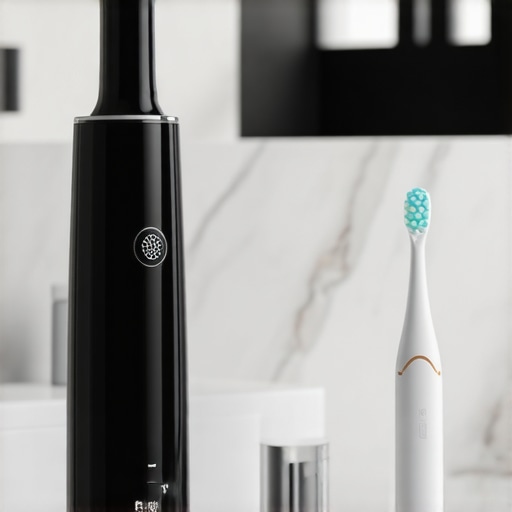
If you’re serious about making sure those purple spots never come back, you have to move beyond the basic dollar-store toothbrush. I personally switched to the Waterpik Ion last year, and it’s been a total game-changer for my oral health routine strengthening your smile every day. Unlike the bulky versions that take up your whole counter, this one is cordless and uses a magnetic charging dock. Why do I swear by it? Because it allows for incredibly precise pressure control. When you have dental work, you need enough pressure to clear out debris but not so much that you’re risking how to prevent your crown from popping off while eating. It’s about being a surgeon in your own bathroom, not a demolition crew.
The tech that actually keeps my gums from turning purple
I also stopped relying purely on manual scrubbing after reading a study in the Journal of Periodontology, which highlights that piezoelectric ultrasonic scalers used in professional settings are significantly more efficient at biofilm removal with less surface trauma than hand tools. Since I can’t have an ultrasonic scaler at home, I do the next best thing: I use a sonic toothbrush with a built-in pressure sensor. This sensor is the only reason my gums have stopped looking irritated. It flashes red the second I press too hard, which is a constant reminder that why your dentist wants you to stop using hard bristles is rooted in preventing actual physical trauma to your tissue. If you aren’t using a tool that talks back to you when you’re being too aggressive, you’re likely doing more harm than good.
How do I keep my crowns and gums healthy for decades?
Maintenance is a marathon, not a sprint. To really nail caring for crowns essential tips for longevity and shine, you have to look at the interface where the crown meets the gum. This is the ‘hot zone’ for bacteria. I recommend using an interproximal brush—those tiny little Christmas tree-looking things—dipped in a non-alcohol mouthwash once a week to gently sweep that margin. It’s far more effective at reaching the nooks and crannies than standard floss. Also, don’t skip your professional appointments. Knowing how often you actually need a professional scaling to prevent bone loss is the difference between keeping your natural teeth until you’re ninety or facing expensive implants in your fifties. Consistency in family dentistry focus building a lifetime of healthy smiles means your dentist catches the ‘shadows’ before they become ‘holes.’
Smart brushes are just the beginning of dental tech
Looking ahead, I predict we are about to see a massive shift toward bio-sensing toothbrushes. Imagine a brush that doesn’t just tell you where you missed a spot, but actually analyzes your saliva for markers of inflammation or Vitamin C deficiency in real-time. We are moving toward a world where your bathroom mirror will give you a daily health report before you’ve even had your coffee. This kind of expert advice on crowns and teeth cleaning for lasting results will become automated. For now, my best advice is to stop guessing. Buy a high-quality water flosser this week and commit to using it on the ‘low’ setting for 30 days. Your gums will look firmer, flatter, and that healthy coral pink we’re all aiming for.
A Few Hard Lessons From My Personal Dental Panic
Looking back at that Tuesday morning in front of the mirror, I wish I could tell my past self to put down the hard toothbrush and breathe. One of the most significant shifts in my mindset occurred when I realized that oral health, family dentistry, crowns, and teeth cleaning are not just chores, but an act of self-care. I used to think a purple spot was a sign of failure, but now I see it as a signal to pay closer attention to the the impact of regular teeth cleaning on overall oral wellness. It turns out that most issues aren’t emergencies; they are simply invitations to refine your technique and check in with your provider. I’ve learned to trust the process of family dentistry focus building a lifetime of healthy smiles rather than trying to fix everything in a single night of aggressive scrubbing.
The Exact Items I Use to Maintain This Smile
Consistency is much easier when you actually enjoy the tools you’re using. I’ve narrowed my daily routine down to a few items that I trust implicitly because they focus on gentleness rather than force. First, I never skip my water flosser; it is the only way I can truly manage maintaining your dental crowns dos and donts for best results without irritating the tissue. Second, I’ve adopted the oral health tips every family should follow in 2025 by switching to an enzymatic toothpaste that helps break down plaque without harsh abrasives. Lastly, I keep a small stash of interproximal brushes in my travel kit, because the gaps between crowns are where trouble usually likes to hide when you are away from home.
The Future of Your Healthy Smile Starts With One Small Step
Don’t let a small discoloration or a moment of uncertainty keep you from showing off your grin. Whether you are dealing with a simple bruise or a more complex issue involving oral health, family dentistry, crowns, and teeth cleaning, the most important thing you can do is stay observant and kind to your gums. You have the power to transform your dental anxiety into confidence by staying informed and using the right tech. It is time to stop Googling in the dark and start smiling in the light. Have you ever found a mysterious spot in your mouth that turned out to be something totally harmless? I would love to hear your story in the comments below!