The first time I forgot to wash my night guard for a few days, I woke up to a smell that I can only describe as morning breath on steroids. It was visceral. I’d spent a small fortune on that custom piece of plastic because my dentist told me it was the only way to save my enamel from my midnight grinding habit. I remember standing in my bathroom, looking at the cloudy, yellowish film forming on the surface, and feeling a wave of genuine disgust. I didn’t want that anywhere near my mouth, but I also didn’t want to shell out another few hundred dollars for a replacement. It felt like a losing battle between hygiene and my bank account. We use these devices to protect our investment in our smiles, but if we don’t treat the material with respect, we end up doing more harm than good.
Stop Before You Reach for the Boiling Water
Like any reasonable person panicked by germs, my first instinct was to kill it with fire—or at least, boiling water. I thought I was being clever. I dropped my expensive guard into a mug of tea-temp water, thinking I’d achieve hospital-grade sterilization in seconds. Five minutes later, I pulled out a limp, twisted piece of translucent taffy. It didn’t fit anymore. It was a $500 mistake that I don’t want you to repeat. I learned the hard way that while how a simple night guard can save you thousands in future dental work is absolutely true, that value disappears the moment you compromise the structural integrity of the plastic. Today, I’m going to show you exactly how to keep that guard crystal clear and smelling like nothing at all, without needing to buy a replacement every six months.
Is regular toothpaste actually ruining the finish?
You might think, ‘I brush my teeth with it, why not my guard?’ This was my second big mistake. Most toothpastes are abrasive—they contain tiny particles designed to scrub stains off hard enamel. But your night guard is made of a porous, softer acrylic or thermoplastic. When you scrub it with a standard brush and paste, you’re essentially sanding it down, creating microscopic scratches where bacteria love to hide. According to a study published by the American Dental Association, these micro-scratches can lead to a higher accumulation of biofilm, making the device significantly harder to clean over time and potentially causing irritation to your gums. If you’ve been struggling with how to stop clenching your teeth when you are stressed, the last thing you need is a funky-smelling piece of plastic making your morning routine miserable. Have you ever accidentally warped or scratched your dental appliances trying to get them clean? Tell me your horror stories in the comments! We’re going to build a better oral health routine strengthening your smile every day by treating our tools with the care they deserve.
Rinse It Immediately or Regret the Buildup
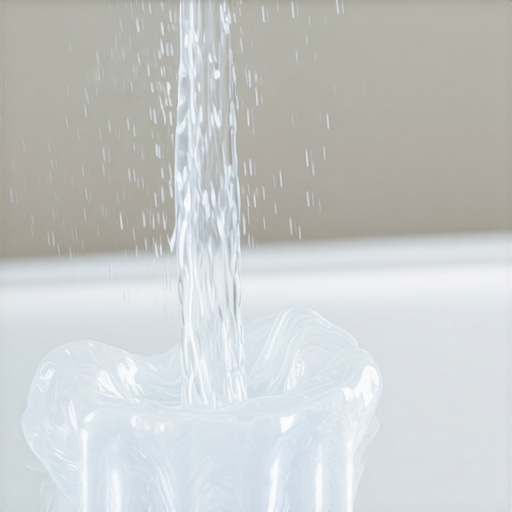
The absolute best time to clean your night guard is the second it leaves your mouth. While it’s still wet with saliva, a quick rinse under lukewarm water will wash away most of the loose debris and bacteria. If you let it sit on the nightstand for even twenty minutes, that saliva dries into a sticky film called biofilm, which eventually hardens into tartar. Think of it like a dinner plate; it is ten times easier to rinse off pasta sauce while it is wet than to scrub it off once it has turned into a crust. This simple habit is the foundation of a solid family dentistry focus building a lifetime of healthy smiles because it prevents the ‘ick’ factor from ever starting. I used to be lazy and just toss mine in the case immediately, but I soon realized that trapped moisture without a rinse was just a petri dish for smells. Now, it’s rinse first, breathe later.
Choose the Right Brush for the Job
You need a dedicated toothbrush for your night guard—and no, it shouldn’t be the same one you use on your teeth. I prefer a soft-bristled brush because it’s gentle enough not to leave those microscopic scratches I mentioned earlier. Instead of abrasive toothpaste, I use a tiny drop of clear, unscented dish soap or even a mild hand soap. 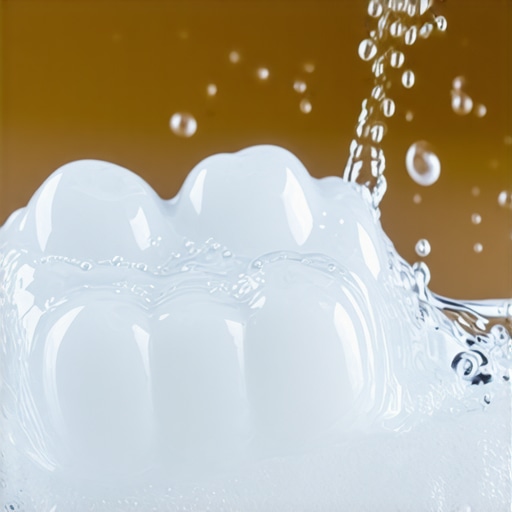 I learned this lesson the hard way when I once used a heavy, peppermint-scented antibacterial soap. I thought I was being thorough, but for the next three nights, I felt like I was sucking on a chemical-flavored candy. It was overwhelming. Now, I stick to a gentle, dye-free soap that breaks down oils without leaving a perfume-heavy residue. This level of care is similar to how you would approach caring for crowns essential tips for longevity and shine; you want to remove the grime without compromising the surface of the restoration. Gently scrub all the nooks and crannies, especially the deep grooves where your molars sit, as that’s where the most bacteria hide.
Give It a Weekly Spa Day
Even with daily brushing, your guard needs a deeper level of disinfection at least once a week. You don’t need a fancy ultrasonic cleaner, though they are great if you have the budget. A simple soak in a mixture of distilled white vinegar and water (1:3 ratio) for about 30 minutes works wonders. The acidity of the vinegar breaks down mineral deposits that a brush simply can’t reach. If you skip this, you’ll eventually see white, chalky spots forming—that’s calcium buildup, and it’s a magnet for more bacteria. This routine is a vital part of understanding the impact of regular teeth cleaning on overall oral wellness. When your appliance is clean, your gums stay healthy.
Air It Out Like a Pro
The biggest mistake people make after cleaning is putting a wet guard into a closed plastic case. Bacteria thrive in dark, damp environments. After you’ve brushed and rinsed your guard, lay it out on a clean towel to air dry completely before snapping it into its case. It usually takes about 20 to 30 minutes. If you are a parent, teaching your kids this step is a great addition to teeth cleaning secrets effective home practices for family dental health. Keeping the guard dry ensures that when you put it back in at night, you aren’t just reintroducing old bacteria. If you’ve been waking up with discomfort, remember that the signs your dull morning headache is actually a dental emergency often stem from grinding, but a dirty guard can add gum irritation to that list of problems. Keep it dry, keep it clean, and your investment will last for years.Most people believe that if their night guard looks clear to the naked eye, it is perfectly hygienic. I used to be one of them, but I’ve since learned that visual inspection is the biggest lie in dental hygiene. Even when a guard appears spotless, it can be home to a thriving colony of Candida albicans and Streptococcus mutans. A study published in the Journal of Clinical Periodontology found that porous dental materials can harbor significant bacterial biofilms within just hours of use, even if they don’t look ‘dirty.’ This is why simply rinsing isn’t enough for long-term health; we have to think about the microscopic level. If you are already invested in the impact of regular teeth cleaning on overall oral wellness, you cannot ignore the chemistry of your night guard. Have you ever fallen into the ‘it looks clean enough’ trap? Let me know in the comments if you’ve noticed your guard changing texture over time!
Stop soaking your guard in mouthwash immediately
This is the most common ‘advanced’ mistake I see. People think they are being extra thorough by letting their guard sit in a bowl of blue or green mouthwash all day. Here is the trap: most commercial mouthwashes contain alcohol. While alcohol is a great disinfectant for your skin, it is a solvent for the plastics used in night guards. Over time, alcohol leaches the plasticizers out of the guard, making it brittle and prone to cracking. I’ve seen custom guards that should have lasted five years crumble in eighteen months because of this ‘clean’ habit. Instead of reaching for the Listerine, focus on teeth cleaning secrets effective home practices for family dental health that involve non-alcoholic solutions.
How do different guard materials react to long-term chemical cleaning?
Not all plastics are created equal. If you have a ‘soft’ night guard made of ethylene-vinyl acetate (EVA), it is much more porous than a ‘hard’ acrylic guard. These soft guards absorb odors like a sponge. If you use a heavy chemical cleaner on a soft guard, you aren’t just cleaning the surface; you are infusing the material with those chemicals. 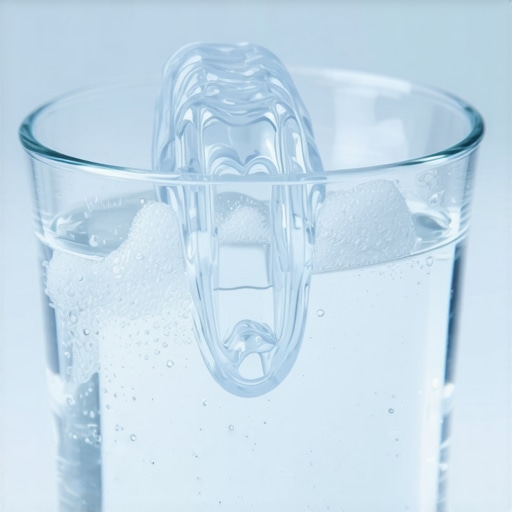 This nuance is rarely discussed, but it is as important as knowing expert advice on crowns and teeth cleaning for lasting results. For hard guards, you can be slightly more aggressive with white vinegar, but for soft guards, a neutral, pH-balanced soap is your best friend to prevent the material from breaking down prematurely.
The hidden danger of hard-bristled scrubbing
Many people think they need to ‘scrub’ the grime away, but this is counterproductive. Using a stiff brush is one of the reasons why your dentist wants you to stop using hard bristles on your teeth—and the same logic applies here. Those bristles create micro-fissures in the guard’s surface. These tiny canyons become the perfect breeding ground for the very bacteria you are trying to remove. If you have other dental work, like a bridge or a cap, remember that caring for crowns essential tips for longevity and shine involves the same gentle touch. If you treat your guard like a delicate piece of jewelry rather than a piece of sports equipment, it will reward you with years of odorless, crystal-clear protection. Always remember that your oral environment is a delicate balance; introducing a dirty or chemically-damaged guard every night can undo all the hard work you put into your oral health routine strengthening your smile every day.
Invest in a high-frequency cleaner for a pro-level finish
After years of manual scrubbing, I finally bought a small ultrasonic cleaner, and honestly, it changed my life. These devices use high-frequency sound waves to create millions of microscopic bubbles that implode against the surface of your guard, a process called cavitation. This isn’t just fancy tech; it is the same principle behind why ultrasonic cleaning is faster and more comfortable than hand scaling in a clinical setting. I use mine twice a week with just plain water, and it reaches the deep crevices that my toothbrush simply can’t touch. If you’ve invested in expensive restorations, this level of care is non-negotiable. It is much like expert advice on crowns and teeth cleaning for lasting results: the more consistent you are with the right tools, the less likely you are to face a costly replacement.
How do I keep my dental appliances pristine for years?
The secret to long-term maintenance is actually ‘dry storage.’ Most people leave their guard in a puddle of water, thinking it keeps the plastic supple. In reality, stagnant water is an invitation for mold. I recommend using a ventilated case and keeping it in a dry area of your home, rather than the humid bathroom. This habit goes hand-in-hand with maintaining your dental crowns dos and donts for best results. You want to avoid any environment that encourages bacterial growth. According to Dr. Gordon Christensen of Clinicians Report, professional-grade ultrasonic vibration is the only way to truly disrupt the mature matrix of a fungal biofilm that common rinsing misses. If you notice any stubborn white spots, it is time for a professional check-up to ensure your the impact of regular teeth cleaning on overall oral wellness isn’t being compromised by a contaminated device. 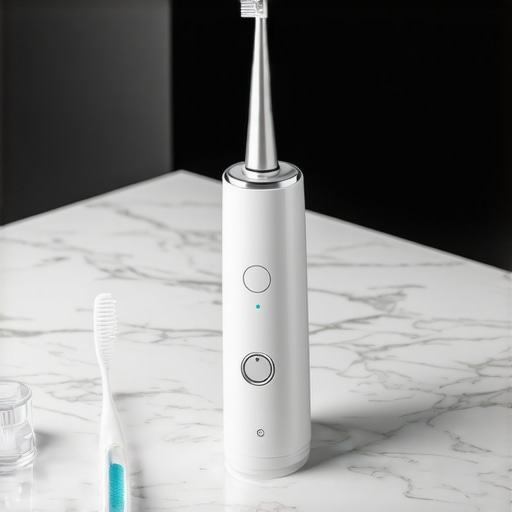
The future of guards is digital and 3D printed
We are moving toward a world where your ‘impression’ is a digital file stored in the cloud. I predict that in the next five years, most of us will have a 3D-scanned model of our teeth on our smartphones. If you lose your guard or it finally wears out, you won’t need to go back for a gooey mold; your dentist will just hit ‘print.’ This shift is already revolutionizing family dentistry focus building a lifetime of healthy smiles because it makes high-end protection more accessible and replaceable. It’s similar to how understanding the role of crowns in modern smile makeovers has shifted toward digital precision. If you haven’t yet, I strongly encourage you to try the white vinegar soak this weekend. It’s a low-cost, high-reward move that will immediately freshen your morning routine and protect your hard-earned smile.
Hard Truths from My Years of Night Guard Fails
Looking back at my drawer full of warped and stained appliances, I’ve realized that the small, boring habits are the ones that actually save your wallet. First, the rinse-or-regret rule is non-negotiable; if you don’t rinse it immediately, you’re essentially baking bacteria into the plastic. Second, I learned that texture is a better health indicator than color. If your guard feels slightly ‘slimy’ even after a quick wash, you’ve got a mature biofilm that requires a deep vinegar soak. Finally, never overlook your storage case. Keeping a clean guard in a damp, unventilated case is like putting on clean socks after walking through mud. These realizations have been a game-changer for my oral health routine strengthening your smile every day.
The Only Three Tools You Actually Need
You don’t need a shelf full of expensive chemicals to keep your device pristine. Here is my vetted ‘shortlist’ for success. I swear by unscented liquid Castile soap; it’s gentle enough for daily use and leaves zero chemical aftertaste. For those tough-to-reach spots, a dedicated denture brush with dual-length bristles is far superior to a standard toothbrush. Lastly, for that weekly deep clean, plain distilled white vinegar is more effective and safer for your enamel than many ‘whitening’ foams. Using these simple tools is consistent with teeth cleaning secrets effective home practices for family dental health that prioritize long-term safety over quick fixes. I also keep a bookmark for the impact of regular teeth cleaning on overall oral wellness to stay updated on how appliance hygiene affects my heart and gum health.
Take the First Step Toward a Cleaner Mouth
Your night guard is an extension of your body for eight hours every night. Treating it with care isn’t just about making the plastic last; it’s about respecting your own health and the investment you’ve made in your teeth. Whether you are managing natural teeth or maintaining your dental crowns dos and donts for best results, a clean environment is the foundation of a pain-free life. Start the vinegar soak tonight and feel the difference in the morning. Have you noticed a specific smell or stain on your guard that just won’t go away no matter how hard you scrub? Let me know in the comments and let’s troubleshoot it together!