
I still remember the sharp, sickening ‘clack’ of my daughter’s teeth hitting the hardwood during what was supposed to be a low-key gymnastics practice. There were no pads, no helmets, and definitely no heavy lifting—just a simple floor routine that went sideways in a split second. I was that parent who figured mouthguards were strictly for the bruising world of tackle football or ice hockey. Why would she need one for a ‘safe’ sport? That mistake cost us a frantic weekend trip to the dentist and a lesson in how to keep your childs teeth safe during school sports that I’ll never forget. Today, I’m going to show you why those ‘safe’ sports are often the ones where dental disasters happen most frequently and how you can prevent a lifetime of expensive repairs with one simple piece of gear.
Stop Assuming Your Child Is Safe on the Sidelines
We tend to categorize sports into ‘dangerous’ and ‘safe.’ We see a kid in a football helmet and think, ‘He’s protected.’ Then we see a kid on a tennis court or a volleyball court and think, ‘What’s the worst that could happen?’ The reality is that gravity and elbows don’t care about the rules of the game. I learned the hard way that why your childs baby teeth matter more than you think isn’t just about cavities; it’s about preserving the space for their adult smile. According to the American Academy of Pediatric Dentistry, sports-related dental injuries account for up to 39% of all dental emergencies in children, and a surprising number of these occur in non-contact activities like gymnastics or baseball. If your child is moving fast or competing near other kids, their teeth are at risk.
Is a mouthguard actually worth the hassle for casual sports?
I get it. You’re worried your kid will complain it’s uncomfortable, or they’ll lose it within a week. I used to think the same thing until I saw the bill for an emergency dental crown. My biggest mistake early on was prioritizing convenience over prevention. I thought ‘it’s just a hobby,’ but a chipped tooth is a permanent problem. When you look at the best way to protect your teeth during contact sports, the principles are exactly the same for non-contact ones: a physical barrier is the only thing standing between a stray ball and a broken smile. Have you ever had a heart-stopping moment where your kid took a tumble during a game and you immediately checked their front teeth? Let me know, because I’ve definitely been there! We need to stop viewing dental protection as an optional extra and start seeing it as essential equipment for every athlete.Think of a mouthguard like a high-quality phone case. You wouldn’t drop a thousand-dollar smartphone on concrete without a bumper, yet we often let our kids hit the field with zero dental protection. Choosing the right gear is the first hurdle in how to keep your childs teeth safe during school sports. I used to buy the cheapest ‘boil-and-bite’ guards from the big-box store, thinking they were all the same. They aren’t. A guard that doesn’t fit properly is just a piece of plastic they’ll spit out or chew on, which does nothing for impact absorption.
Pick the Guard They Will Actually Wear
You have two main paths: the over-the-counter version and the professional custom-fit. Store-bought options are better than nothing, but they are often bulky and make it hard for kids to breathe or speak. This is where the ‘convenience’ trap happens. If your child is constantly adjusting it, it’s not protecting them. For athletes in high-intensity sports, expert advice on crowns and teeth cleaning for lasting results often highlights that preventing the trauma in the first place is cheaper than any repair. A custom-made guard from a dentist fits like a second skin, allowing them to communicate with teammates without the guard falling out.
Master the Boil-and-Bite Technique
If you’re starting with a store-bought version, the fit is everything. Most parents just dunk it in water for a second and call it good. You need to follow the ‘suck-down’ method. After heating it, have your child bite down firmly while simultaneously sucking the air out of their mouth and using their tongue to press the guard against the back of their teeth. I remember doing this with my son’s first guard; we did it three times before it stayed up on its own. If it doesn’t ‘snap’ into place, it’s too loose. 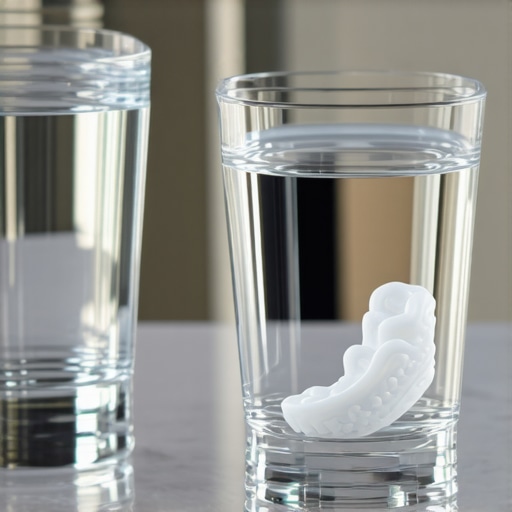
Don’t Let Their Mouthguard Become a Science Project
A mouthguard is a magnet for bacteria. I learned this the hard way when I found my daughter’s guard at the bottom of her gym bag, smelling like a locker room and covered in a film that looked like it belonged in a lab. To maintain oral health, you must treat the guard like a toothbrush. Rinsing with water isn’t enough. You should use a soft-bristle brush and non-abrasive soap. Knowing how to clean a night guard without damaging the plastic is vital because harsh chemicals or boiling water can warp the shape, ruining that perfect fit you worked so hard to get.
Know Exactly What to Do When a Tooth Gets Knocked Out
Even with the best gear, accidents happen. You need a 60-minute game plan. If a tooth is knocked out completely, do not touch the root—only the crown (the chewing part). Rinse it gently with water, but don’t scrub it. The best move is to try and place it back in the socket immediately, but if that’s too scary for your child, place it in a container of cold milk. Following the best way to handle a knocked out tooth in an emergency can be the difference between a simple re-implantation and a lifetime of needing caring for crowns. If you can’t get to a dentist within the hour, you’re likely looking at more complex emergency steps for a broken tooth on the weekend. Speed is the only factor that matters when the tooth is out of the mouth.I used to think that the minty-fresh rinse right after brushing was the ‘gold standard’ of a job well done. It turns out, most of us are actually sabotaging our enamel every single morning. The biggest contrarian truth in modern dentistry is simple: you need to stop rinsing your mouth with water immediately after you brush. According to experts at the Oral Health Foundation, rinsing washes away the concentrated fluoride in the remaining toothpaste, which needs time to bond with your enamel. By reaching for that cup of water, you are essentially Diluting your defense system. If you want to maximize the impact of regular teeth cleaning on overall oral wellness, you have to let that fluoride sit for at least thirty minutes. Have you ever fallen into this trap of rinsing right away? Let me know in the comments! 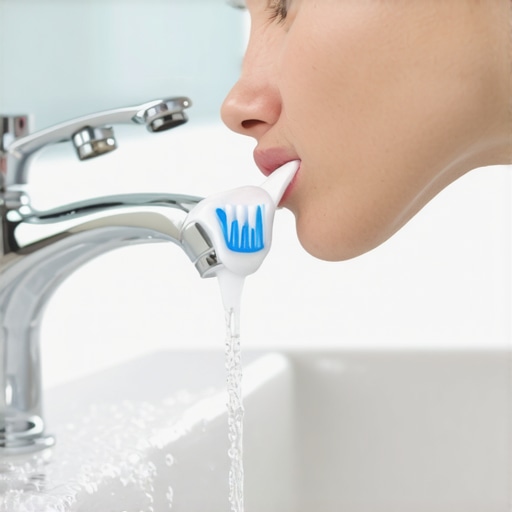
The Hidden Danger of Post-Game Scrubbing
We often feel the urge to brush immediately after our kids finish a sugary sports drink or a soda, thinking we are ‘cleaning’ the sugar away. This is actually a dangerous ‘oops’ factor that can lead to permanent damage. The acids in these drinks temporarily soften the tooth enamel. If you brush while the enamel is in this vulnerable state, you are effectively scrubbing the protective layer right off your teeth. This is one of the 5 dental habits that are actually ruining your enamel without you even realizing it. Instead, have your child rinse with plain water to neutralize the acid and wait at least an hour before picking up the toothbrush. This nuance is a cornerstone of a truly effective oral health routine strengthening your smile every day.
Can your cleaning habits actually make your teeth look darker?
It sounds backward, but it is a common reality for those who try too hard. Many parents encourage ‘vigorous’ brushing to get teeth white, but why hard brushing actually makes your teeth look darker is a matter of anatomy. Aggressive scrubbing wears down the bright white enamel, revealing the yellowish dentin underneath. This is especially critical for those with restorations, where expert advice on crowns and teeth cleaning for lasting results emphasizes gentle, circular motions over brute force. When caring for crowns, the goal isn’t just to remove debris but to protect the margin where the crown meets the gumline. A ‘trapped’ bit of bacteria here can lead to recession, making the best dental work look aged and neglected. Real expertise isn’t about how hard you brush; it’s about the timing and the technique you use to preserve what you have.It took a few expensive repair bills before I realized that my basic manual toothbrush was actually my biggest liability. If you want expert advice on crowns and teeth cleaning for lasting results, look at the tool in your hand. I’ve switched entirely to an oscillating-rotating electric toothbrush with a visible pressure sensor. Why? Because as I mentioned earlier, we tend to scrub too hard. The sensor flashes red the second I apply too much pressure, which is the only way I’ve been able to stop receding my gums. It’s about precision, not power.
Swap Your Manual Brush for a Sensor-Driven Upgrade
I personally use a high-end electric model because the micro-vibrations feel less like a jackhammer and more like a gentle polish. This is a game-changer for family dentistry focus building a lifetime of healthy smiles because even my kids can see the light change color when they are doing it right. According to the Cochrane Database of Systematic Reviews, electric toothbrushes lead to a 21% reduction in plaque after just three months of use compared to manual brushing. That’s a massive margin when you’re trying to prevent a $1,500 crown replacement. 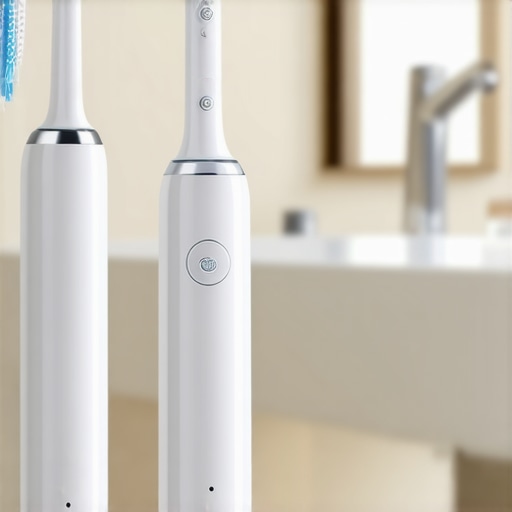
Why Water Flossing is the Secret to Crown Longevity
If you have dental work, traditional floss can sometimes snag or even pull at the edges of a restoration. When I’m maintaining your dental crowns dos and donts for best results, I reach for my cordless water flosser every single night. It flushes out the ‘biofilm’ that builds up at the margin of the crown where a normal brush can’t reach. For those tight spots, I still use the proper way to use interdental brushes for best results to make sure nothing is left behind. It’s a multi-tool approach that has kept my oldest crown looking brand new for nearly a decade.
How do I maintain my dental work over the next decade?
The key is to stop treating your dental visits as ‘check-ups’ and start treating them as ‘preventative maintenance.’ I schedule my cleanings every six months like clockwork because the impact of regular teeth cleaning on overall oral wellness is cumulative. If you miss one, the tartar hardens into calculus, and no amount of home brushing will get it off.
A Glimpse into the Future of High-Tech Smiles
Looking ahead, I predict we are moving toward ‘Smart Dentistry’ where our toothbrushes will analyze our saliva for biomarkers of inflammation or early-stage decay before we ever feel a twinge of pain. We are already seeing AI integration that maps where you’ve missed a spot in real-time. This level of data will turn teeth cleaning secrets effective home practices for family dental health into a literal science. If you really want to level up, try this: switch to a high-fluoride prescription toothpaste for just one month and see how much less sensitive your teeth feel. It’s a simple upgrade that makes a world of difference.
The Hard Truths I Discovered After That First Dental Bill
Looking back at that gymnastics practice, I realize my biggest mistake wasn’t just forgetting a mouthguard; it was misunderstanding the value of proactive protection. I’ve learned that a tooth saved today is thousands of dollars kept in your pocket tomorrow. My lightbulb moment came when I stopped viewing the dentist as a repair shop and started seeing them as a partner in family dentistry focus building a lifetime of healthy smiles. Another realization? You don’t need a harder brush; you need a smarter one. Impact absorption and timing are the true secrets to longevity, especially when dealing with younger, developing smiles.
Gear and Habits That Earned My Permanent Trust
After testing dozens of products, I’ve narrowed my toolkit down to three essentials that I now recommend to every parent I meet. First, a sensor-driven electric toothbrush is non-negotiable for protecting enamel from the ‘scrubbing’ damage I mentioned earlier. Second, for anyone with restorations, following maintaining your dental crowns dos and donts for best results by using a water flosser is much safer than aggressive string flossing which can snag delicate margins. Finally, I stay informed by checking oral health tips every family should follow in 2025 to keep up with new research on fluoride and saliva health. These aren’t just gadgets; they are the foundation of a modern home routine. #IMAGE_PLACEHOLDER_E#
Take Control of Your Family’s Dental Future Today
You don’t have to overhaul everything overnight to see a difference. Start by making one small change—maybe it’s waiting 30 minutes after brushing to rinse, or finally ordering that custom mouthguard for soccer season. Building a solid oral health routine strengthening your smile every day is a marathon, not a sprint. Your future self (and your kids) will thank you for the effort and care you put in today. Which part of your dental routine is getting an upgrade first—the brush or the mouthguard? Let me know in the comments below!