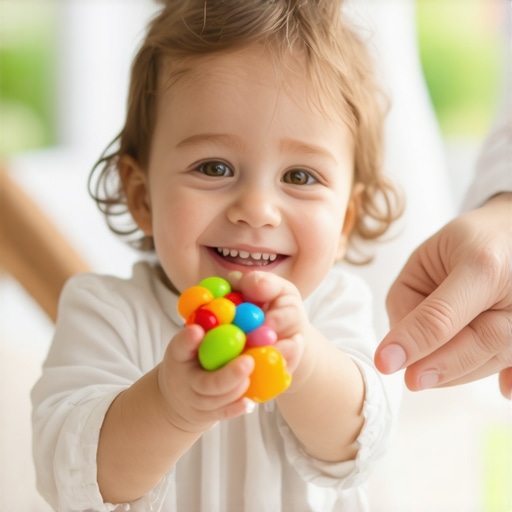
I remember the exact moment I saw it. The sun was hitting my son’s face during his afternoon nap, and as his thumb slipped out of his mouth, I saw the gap. It wasn’t just a cute baby tooth gap; it was a flare, a literal ‘V’ shape forming in his bite. I’ve spent years reading about oral health routines, yet here I was, failing the basic test of structural integrity. My kid’s thumb was his best friend and his sleep aid, and I was terrified of taking it away. I didn’t want to be the ‘mean’ parent, but I also didn’t want to face a massive orthodontic bill later because I let a ‘cute’ habit go too far. [image]
Why You Can’t Just Wait for Them to Grow Out of It
If you’re like me, you probably told yourself ‘it’s just a phase’ for about six months too long. I made a huge mistake early on by thinking he’d just stop when he felt like it. I even tried those nasty-tasting polishes, which just resulted in a very upset toddler and a very sticky pillowcase. The truth is, early family dentistry focus isn’t just about avoiding cavities; it’s about protecting the jaw’s shape. According to the American Dental Association, prolonged thumb sucking can actually cause the upper teeth to tip outward and the lower teeth to tip inward, essentially reshaping the roof of the mouth and the way they speak. We’re going to find the best way to stop a toddler from sucking their thumb without causing a household mutiny.
Is This Habit Actually Worth the Stress Right Now?
You might be thinking, ‘Heck, they’re only two, do I really need to wage this war today?’ I get it. Life is loud enough without taking away a child’s primary soothing mechanism. But the ‘wait and see’ approach often leads to much tougher conversations later. If we can pivot now, we might avoid the need for understanding the role of crowns or complex braces before they even hit middle school. Have you already tried the ‘gentle reminders’ only to have them ignored the second you turn your back? Tell me I’m not the only one who felt like they were talking to a brick wall. It’s time to move past the frustration and use a strategy that actually sticks.
Turn the Habit Into a Game Instead of a Battle
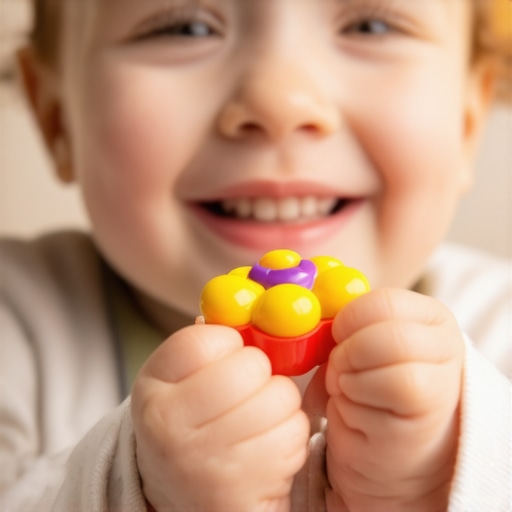
The first thing I learned is that ‘stop that’ is a useless phrase. Imagine if someone told you to stop blinking; you’d only become more aware of it. Instead, we shifted to a ‘thumbs-up’ reward system. We treated his thumb like a little athlete that needed ‘rest days’ to stay strong. To make this work, you have to be consistent during the day when they are distracted. This is a core part of family dentistry focus: building habits that don’t feel like chores. I started by giving him a specific sensory toy that required two hands whenever I saw the thumb drift toward his mouth. It’s about replacing the comfort with a new activity, not just removing it. We found that the best way to stop a toddler from sucking their thumb was to make the ‘replacement’ toy more exciting than the thumb itself.
Stop the Passive Suction Before It Reshapes the Jaw
Think of your child’s developing jaw like wet cement. A thumb pressing against the roof of the mouth is like a heavy finger dragging through that cement before it sets. If we don’t intervene, we’re looking at more than just crooked teeth; we’re looking at a narrow palate that might eventually complicate the bite. One afternoon, I sat Leo down and used a handheld mirror to show him how his teeth looked like a little ‘garage door’ that wasn’t closing right. It wasn’t about scaring him; it was about showing him the physical reality. This visual aid worked better than any lecture I’d given. We also made sure to keep up with his oral health tips every family should follow in 2025 to ensure his gums stayed healthy during the transition. By explaining that his thumb was pushing his teeth ‘out of their homes,’ he started to take ownership of the process.
The Nighttime Challenge and Why Consistency Wins
Nights are the true final boss. For Leo, the thumb was his anchor to sleep. I tried the ‘gentle glove’ approach, which he hated, so we pivoted to a special ‘sleep buddy’—a weighted stuffed animal that he had to hug with both arms to keep it ‘warm.’ I remember the third night vividly; he woke up crying at 2 AM, reaching for that familiar comfort. My instinct was to just let him have it so we could all sleep, but I knew that one slip-up would reset the progress clock. Instead, I sat by his bed and practiced the same soothing techniques we used when we were how to transition your toddler to a real toothbrush—patience, calm voices, and zero judgment. If you are still in the early stages, you might also be looking at how to protect your babys teeth while they are still nursing, which is the perfect time to start these boundary-setting habits. We even discussed the benefits of the truth about fluoride varnish for young children with our dentist to make sure his enamel was strong enough to handle the structural shifts. It wasn’t a linear path, but seeing that ‘V’ shape slowly start to soften made every sleepless hour worth the effort.
I used to think that being a ‘good’ dental patient meant being aggressive. I’d scrub my teeth until my gums turned pale, and I’d rinse my mouth out with water until every trace of minty foam was gone. I thought I was being thorough, but I was actually falling into a classic trap that even seasoned health enthusiasts miss. We often focus so much on the act of cleaning that we ignore the chemistry of the mouth. If you’ve ever felt like you’re doing everything right and still seeing issues, you might be surprised by the nuances of modern oral hygiene.
Stop Washing Your Hard Work Down the Drain
Here is a contrarian truth: that refreshing rinse with water after you brush is actually a mistake. Most of us grew up thinking we needed to ‘clean out’ the toothpaste, but why you should stop rinsing with water immediately after brushing is rooted in science. When you rinse, you are diluting and removing the concentrated fluoride that is meant to sit on your enamel and remineralize it. The Oral Health Foundation explicitly recommends ‘spitting, not rinsing’ to keep that protective layer intact. It felt ‘wrong’ the first week I tried it, but it’s a non-negotiable part of a truly effective oral health routine.
Does Your Nightly Routine Actually Protect Your Dental Crowns?
If you have restorative work, the ‘wait and see’ approach is even more dangerous. Many people assume that because a crown is artificial, it doesn’t need the same level of care as a natural tooth. This is a massive ‘oops’ factor. While the crown won’t decay, the tooth underneath it certainly can if the margin—where the crown meets the gum—isn’t kept pristine. I’ve learned that caring for crowns requires specific techniques, like avoiding the ‘sawing’ motion with floss which can catch on the edges. Instead, you need to be surgical with your precision, often utilizing the proper way to use interdental brushes to clear out debris that a standard brush simply cannot reach.
Why Your Aggressive Brushing Makes Teeth Look Yellow
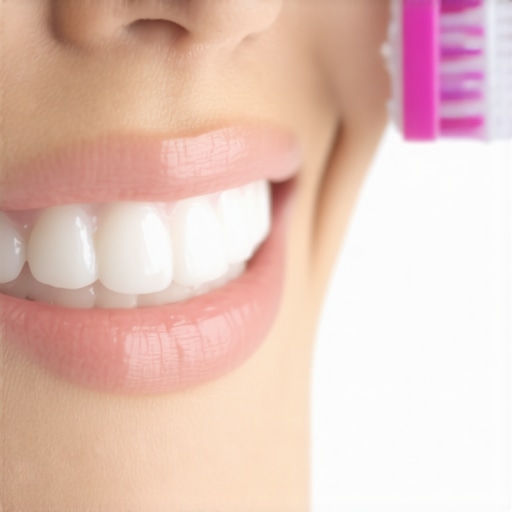
Another common mistake is equating ‘hard’ with ‘clean.’ I fell into this trap for years. I thought if I didn’t feel a slight sting, I wasn’t doing it right. In reality, why hard brushing actually makes your teeth look darker is because it thins the white enamel, revealing the yellowish dentin underneath. It’s one of those 5 dental habits that are actually ruining your enamel without you even realizing it. You want to use a soft-bristled brush and hold it like a pencil, not a hammer. This gentle approach is central to expert advice on crowns and teeth cleaning, ensuring you don’t cause gum recession while trying to be healthy.
The hidden nuance of family dentistry is that what worked for us twenty years ago has been refined by better data. Whether it’s the timing of your brush or the way you handle your dental work, small tweaks make the biggest difference in the long run. Have you ever fallen into the trap of rinsing immediately after brushing or scrubbing too hard? Let me know in the comments. We’re all learning to do better for our smiles.
My Personal Gear for a Lifetime of Results
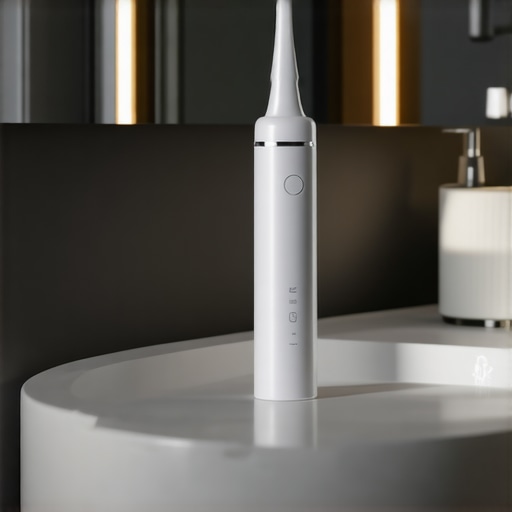
Once you’ve mastered the technique, the tools you choose act as the force multipliers for your health. I used to think a five-dollar manual brush was enough, but after investing in a high-quality electric toothbrush with a pressure sensor, I realized I’d been over-brushing for decades. These sensors are a game-changer; they flash red the second you press too hard, protecting your enamel from the damage we discussed earlier. I’ve found that teeth cleaning secrets often come down to the precision of your equipment rather than the duration of the scrub.
Another non-negotiable in my cabinet is the water flosser. If you have any restorative work, you know the anxiety of something getting stuck. According to a study published in the Journal of Clinical Dentistry, pulsating water flossers are significantly more effective at reducing gingival bleeding than traditional string floss. This is especially vital for expert advice on crowns and teeth cleaning, as the water can reach deep into the sulcus where bacteria love to hide. I also keep a stash of GUM Proxabrush cleaners for travel, as mastering the proper way to use interdental brushes is the single best defense against ‘hidden’ cavities between teeth.
How do I maintain my dental work over time?
Consistency isn’t about being perfect every day; it’s about having a system that prevents small issues from becoming catastrophes. For those of us with restorations, following maintaining your dental crowns dos and donts for best results is about physical awareness. I’ve learned to feel for that ‘fuzzy’ sensation on the back of my molars—a sign that plaque is building up. To prevent emergencies, I’m always careful with sticky foods, often reviewing how to keep your dental crown from popping off while chewing before a big steak dinner or a holiday party. Long-term success is simply the sum of these tiny, mindful choices made daily.
AI and Tele-Dentistry Are Changing the Game
Looking ahead, I see a shift toward ‘proactive’ rather than ‘reactive’ care. We are already seeing toothbrushes that sync with apps to map your mouth in 3D, showing exactly where you missed a spot. In the next few years, I expect home-use intraoral cameras to become standard, allowing us to send a quick scan to our dentist for a ‘tele-checkup’ before an actual problem arises. This technology will make the impact of regular teeth cleaning on overall oral wellness even more visible to the average person. My challenge to you: tonight, swap your standard floss for an interdental brush or a water flosser and see just how much debris you’ve been leaving behind. You’ll be shocked at the difference in how ‘clean’ your mouth actually feels.
The Hardest Lessons My Dentist Finally Beat Into Me
[image]
Looking back on my journey with my son’s thumb sucking and my own crown care, I’ve realized that oral health is less about perfection and more about small, sustainable shifts. One lightbulb moment for me was realizing that why waiting for monday is a mistake when you need 24hr dental care in culpeper often stems from ignoring the subtle warning signs your body gives you. I also had to unlearn the idea that brushing harder means cleaning better—it’s actually one of the 5 dental habits that are actually ruining your enamel. Finally, I’ve learned that pain isn’t the only indicator of a problem; sometimes why your teeth hurt more when you lie down at night is a signal that things are moving in the wrong direction long before a visible cavity appears.
The Gear That Actually Made My Routine Stick
I don’t believe in buying every gadget on the shelf, but a few specific tools have completely changed how I approach my oral health routine. I personally trust my pressure-sensing electric toothbrush because it keeps my “aggressive” tendencies in check. I’ve also become an advocate for the proper way to use interdental brushes; they reach spots that even the best water flosser might miss. If you are struggling with home care, reading up on teeth cleaning secrets can give you the technical edge you need to avoid those long, uncomfortable sessions in the dentist’s chair. These tools aren’t just luxuries—they are investments in avoiding more invasive procedures later.
Your Smile Deserves the Long Game
At the end of the day, your family’s dental journey is about building confidence that lasts a lifetime. Whether you are navigating the toddler years or focusing on maintaining your dental crowns dos and donts for best results, remember that every small adjustment adds up. A strong family dentistry focus ensures that your kids grow up with a positive relationship with their health, rather than a fearful one. Don’t be afraid to change your habits today—your future self (and your bank account) will thank you for the extra effort you put in now.
Have you tried the ‘spit, don’t rinse’ rule yet, or does it still feel too strange to leave the toothpaste on? Let me know your thoughts in the comments!