Category: Teeth Cleaning Procedures

  • Why your hygienist uses that high-pitched water tool

    Why your hygienist uses that high-pitched water tool

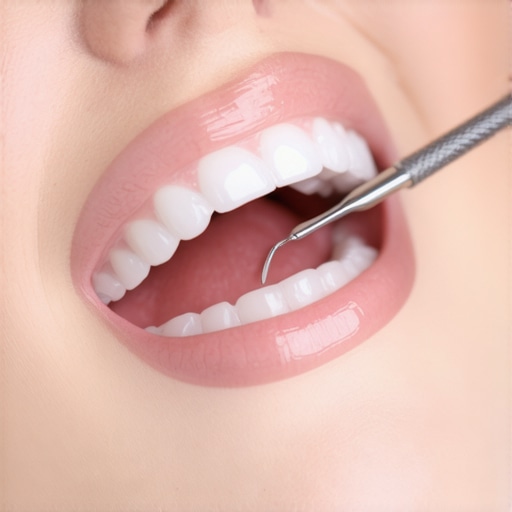
    It was one of those mornings when I sat in the dental chair, my jaw tense, mind racing. The hygienist turned on that strange, high-pitched water tool, and I immediately felt a shiver run down my spine. It was almost like nails on a chalkboard. I thought, “Why on earth does she insist on using this thing?” That moment sparked my curiosity—and honestly, a bit of anxiety—about what makes that tool so special.

    The Ironic Sound That Cleans Better

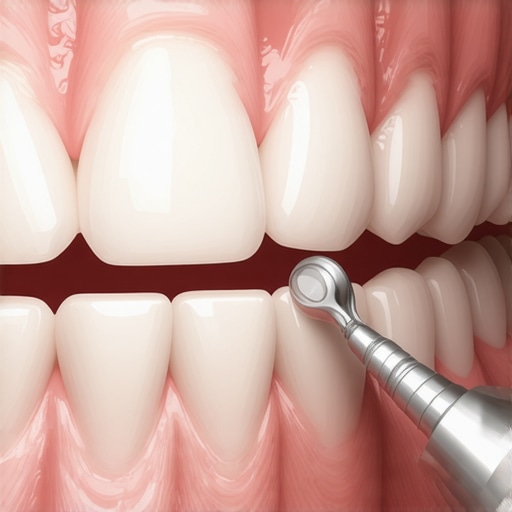
    Ever wonder why your hygienist uses that jet-like, high-pitched water tool during your cleaning? When I first encountered it, I assumed it was just a loud, unnecessary gadget designed to scare or discomfort patients. But as I dug deeper, I realized that this seemingly obnoxious noise actually serves a very specific and crucial purpose. It’s not just about the sound—it’s about what the tool does at a microscopic level to keep our mouths healthy.

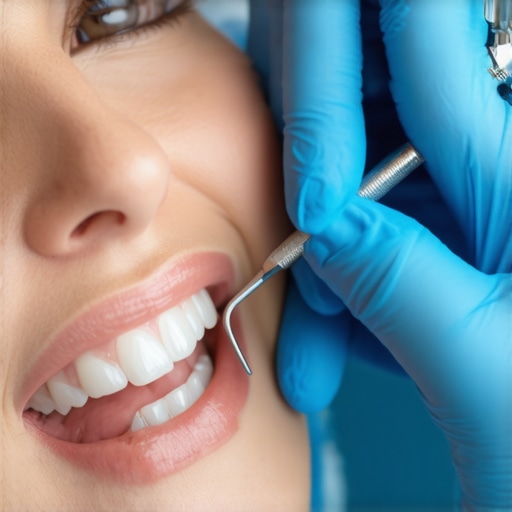
    You see, this water jet, often called an ultrasonic scaler, uses high-frequency vibrations combined with a steady stream of water to effectively remove plaque, tartar, and bacteria from hard-to-reach spots that traditional brushing and flossing often miss. The high-pitched sound is a byproduct of the rapid vibrations—sometimes reaching over 25,000 cycles per second—which break apart stubborn deposits on your teeth and beneath the gumline.

    While I was initially put off by how loud and uncomfortable it sounded, I learned that this technology is a game changer. Studies have shown that ultrasonic cleanings can remove more plaque than manual methods alone, reducing the risk of gum disease and cavities (source: The Difference Between a Standard Cleaning and a Deep Gum Scale). Plus, the water flushes away debris immediately, leaving your mouth feeling fresher.

    But here’s the kicker: I also discovered that many patients, including myself at first, might not fully understand why this tool is used or how it benefits us. Instead, we focus on the discomfort or the noise, missing out on the real benefits of this high-tech cleaning marvel.

    So, if you’ve been nervously bracing for that sharp, high-pitched sound during your next cleaning, you’re not alone. And honestly, you might want to consider that this tool could be your best friend for a healthier smile.

    Before we get into the nitty-gritty of how to prepare for these cleanings and maximize their benefits, I want to ask—have you ever felt uneasy or unsure about that water jet in your dental visits? Understanding this tool might just change your perspective and improve your oral health journey.

    Arm Yourself with the Right Tools

    Start by selecting a toothbrush that matches your gum sensitivity and needs. If you have receding gums, opt for a soft-bristled brush with a smaller head to access tight spots. Learn how to choose the best toothbrush for receding gums to make your routine more effective.

    Master the Correct Brushing Technique

    Position your brush at a 45-degree angle to your gums. Use gentle circular motions, not scrubbing forcefully, which can damage gums and enamel. Remember, aggressive brushing is as harmful as neglecting it. Avoid overdoing it: flossing too hard can harm your gums.

    Don’t Forget the Hidden Spots

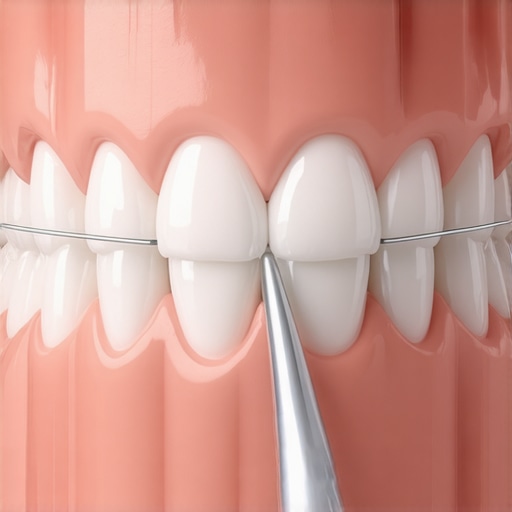
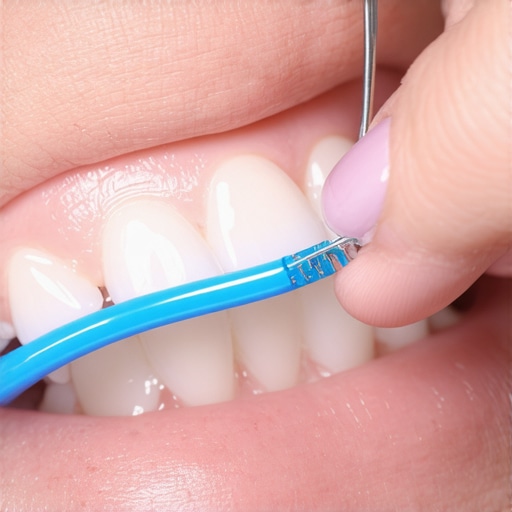
    Plaque hides behind and between teeth, especially in areas near crowns or bridges. Use interdental brushes or floss to reach these spaces effectively. For stubborn plaque, consider a water flosser, which can easily clean hard-to-reach areas and reduce irritation compared to traditional floss.

    Refine Your Flossing Technique

    Slide floss gently between teeth, creating a C-shape around each tooth to clean below the gumline. Avoid snapping or forcing floss, which can cause bleeding or damage. Proper flossing extends the life of crowns and prevents decay underneath them. Proper flossing technique matters — don’t be aggressive.

    Rinse with Purpose

    Finish your routine with an antimicrobial rinse or salt water gargle to reduce bacteria and soothe inflamed gums. A salt water rinse can calm swelling and aid healing in cases of irritation or inflammation. Learn the salt water trick for gum health.

    Maintain Consistency and Timing

    Brush twice daily and floss once per day, ideally before bedtime. Regular routines prevent plaque buildup and reinforce the health of your crowns and natural teeth. Use a timer if needed to ensure you’re brushing and flossing long enough—two minutes for brushing, and thorough flossing through each contact point.

    Integrate Additional Care for Specific Needs

    If you notice sensitive spots or loose crowns, address these issues promptly. For crowns feeling high when biting or loose, consult your dentist immediately. Regular checkups can catch these problems early, saving you time and money. Address crown issues before they escalate.

    Stay Hydrated and Limit Harmful Habits

    Dry mouth increases decay risk; stay hydrated and consider using an oral moisture spray if needed. Avoid habits like nail-biting or chewing ice, which can crack restorations or damage natural teeth.

    Many patients believe that a routine dental checkup is just about cleaning teeth and checking for cavities. However, experts emphasize that there’s a subtle but vital distinction that many overlook—**the importance of personalized, nuanced care**. For instance, relying solely on traditional brushing ignores the advanced mechanics behind effective cleaning, especially when considering the unique anatomy of your mouth.

    A common misconception is that more frequent professional cleanings automatically translate to better oral health. While regular visits are essential, overdoing it without proper technique can sometimes cause gum recession or sensitivity issues. The real secret is understanding the difference between routine cleaning and scaling procedures, and knowing when each is appropriate.

    Another overlooked nuance involves the use of crowns. Many believe that crowns should be treated just like natural teeth—brushing and flossing are sufficient. But this can be a trap; if you ignore the specific care needed for crowns—especially ceramic or zirconia options—you risk premature failure or staining. Check out how to care for your crowns properly to avoid such pitfalls.

    Additionally, there’s a myth that hard scrubbing can compensate for poor technique. Cutting corners here can damage enamel or gums, leading to hypersensitivity or recession—issues that are often misdiagnosed or ignored until they worsen. Remember, consistent, gentle techniques are more effective than aggressive scrubbing. For more details, see why flossing too hard can harm your gums.

    What advanced mistakes do most overlook in their oral health routines?

    One subtle mistake is neglecting hidden plaque buildup in obscure spots—like the hidden areas where plaque often hides. Regular brushing alone won’t reach these zones, making tools like water flossers essential, especially for those with crowns or bridges. Overlooking such nuances can accelerate decay or gum disease over time.

    Lastly, many fail to recognize the significance of using the right toothbrush. An improper choice—say, using a stiff-bristled brush for sensitive gums—can do more harm than good. Choosing a toothbrush suited to your gum health is a small step with massive long-term benefits.

    So, have you ever fallen into this trap of underestimating the complexity of your oral health routine? Let me know in the comments. The more aware we are, the better our smiles will stay over the years!

    Maintaining optimal oral health over time requires more than just regular brushing and flossing; it hinges on using the right tools and techniques that adapt to your evolving needs. Personally, I’ve found that investing in high-quality equipment makes a tangible difference in preventing issues like gum recession, crown loosening, or unnoticed plaque buildup. For instance, I swear by the Waterpik Ultra Water Flosser, which offers superior cleaning in the deep interdental spaces—something traditional floss occasionally misses, especially around crowns or bridges. The pulsating water jets loosen debris effectively, reducing inflammation and gum bleeding, and, over the years, I’ve seen a reduction in minor irritations that used to bother me after flossing.

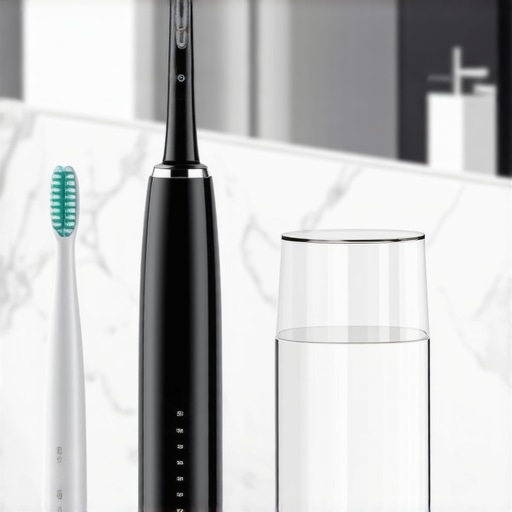
    Another essential device in my routine is a sonic toothbrush, specifically the Philips Sonicare ProtectiveClean. Its oscillating-rotating technology, combined with gentle sonic vibrations, ensures a thorough clean without damaging sensitive gums. I chose a model with a pressure sensor that alerts me if I brush too hard—since many of us are unaware that aggressive brushing actually accelerates gum recession, a common concern especially when crowns are involved. Proper brush technique may seem trivial, but it significantly extends the lifespan of restorations and natural teeth alike.

    For managing oral inflammation and calming irritated gums, I recommend the salt water gargle. It’s a simple yet potent tool—mixing half a teaspoon of salt in a cup of warm water. Regular rinsing after meals can dramatically reduce bacterial load and promote healing. I’ve also started using an electric tongue cleaner, which might sound odd but helps in removing biofilm that contributes to bad breath even when brushing and flossing seem adequate. Maintaining these tools—regularly replacing toothbrush heads, descaling the water flosser, and cleaning the tongue cleaner—ensures they remain effective and hygienic.

    Looking ahead, I believe technologies are heading toward smarter, more personalized dental care devices. Imagine toothbrushes that sync with your smartphone, analyzing brushing patterns and advising on areas missed—some models already do this. The trend toward AI integration could revolutionize home care, enabling early detection of issues like plaque accumulation or recession regions before they worsen. Don’t be surprised if in ten years, your family’s toothbrushes come with embedded sensors that communicate directly with your dentist’s software, making routine checkups more about tailored prevention.

    So, how do I maintain these tools over time? Regular cleaning and replacement are critical. For example, replacing the toothbrush every three months prevents bacteria buildup and ensures bristles are effective. Cleaning water flossers and tongue cleaners with mild soap and warm water keeps biofilm from forming. This disciplined approach maximizes the long-term benefits of your investments and reduces the risk of recurrent issues—making dental care truly sustainable.

    Finally, I encourage you to try integrating a water flosser into your routine, especially if you have crowns or bridges. Its targeted cleaning can reach hidden spots that traditional floss might miss, like the hidden plaque zones. Starting with just a few minutes a day can drastically improve gum health and preserve your restorations. Remember, consistent maintenance with the right tools not only keeps your smile looking great but also safeguards your oral health for years to come.

    What I Wish I Knew When I Started Taking Care of My Family’s Smiles

    One of the most eye-opening lessons I learned was how personalized dental care truly should be. Early on, I thought all advice was one-size-fits-all, but as I delved deeper, I realized the importance of tailored routines, especially when it comes to crowns and natural teeth. The subtle nuances—like choosing the right toothbrush based on gum sensitivity or understanding the differences between routine cleaning and scaling procedures—can make a significant difference in long-term oral health. Moreover, I discovered that some overlooked habits, such as the timing of replacing toothbrushes or the specific care for ceramic crowns, can challenge your oral health if neglected. Embracing these less obvious insights transformed my approach from generic to strategic, ensuring my family’s smiles stay healthier for years to come.

    Tools and Resources That Changed My Dental Routine

    Over time, I found that investing in quality tools was a game changer. I trust the Waterpik Ultra Water Flosser because it reaches those hidden plaque spots under crowns and bridges with ease—something traditional floss can miss. My Sonicare ProtectiveClean toothbrush has also been invaluable, especially with its pressure sensor that prevents overbrushing, protecting sensitive gums and restorations. For calming inflamed gums after a busy day, I rely on the salt water trick, which I learned from trusted sources; it’s simple yet highly effective. Additionally, I stay updated with websites like PeriodontistCare to access expert tips and personalized advice. These tools and resources collectively help me maintain optimal oral health and head off issues before they escalate, proving that the right investment and knowledge are vital for sustained dental wellness.

    Your Smile Awaits—Take Action Now

    The future of family dentistry isn’t just about reactive treatments but proactive, personalized care that adapts to your evolving needs. By integrating smarter tools, refining your technique, and acknowledging the lesser-known nuances like crown maintenance and plaque hiding spots, you can genuinely transform your oral health journey. Don’t wait for problems to surface—start implementing these strategies today and watch your family’s smiles flourish with confidence. Remember, every small step contributes to lasting dental wellness, so take action now and make your smile a priority for years to come.

    What specific aspect of your dental routine do you find most challenging or confusing? Share your experiences below—I’d love to hear your story and help you find personalized solutions to keep your family’s smiles shining brightly!

  • The secret to painless cleanings for people with sensitive gums

    The secret to painless cleanings for people with sensitive gums

    I remember the precise moment I dreaded dental visits even more than the thought of losing a filling. Sitting in that chair, I could feel every tiny scrape, every pinch, and it made my gums ache for days. That lightbulb moment hit me hard — why should a simple cleaning feel like torture? If you’ve ever experienced bleeding, sensitivity, or discomfort during a cleaning, you’re not alone. Many people with sensitive gums avoid regular dental visits, which only worsens their oral health over time.

    Today, I want to share how I finally cracked the code to painless dental cleanings and how you can too. No more dread, no more pain, just a healthier smile that doesn’t suffer every time you sit in the dental chair. Whether your gums are extra sensitive due to genetics, or because of previous dental work, there are practical, natural ways to make cleanings comfortable and effective.

    The Struggle with Sensitive Gums and Traditional Cleanings

    Is the hype around gentle dental care really worth it?

    Many assume that all dental care is inherently uncomfortable — a necessary evil. I used to think that way too, often just tolerating the pain rather than finding ways to ease it. Early on, I made a classic mistake: I didn’t communicate my discomfort to my hygienist. That oversight led to overly aggressive cleanings, which only heightened sensitivity.

    Through trial and error, I learned that it’s crucial to inform your dental professional about your sensitivities. Experienced hygienists can customize their techniques and tools to be gentler. For example, using ultra-soft brushes, slow, controlled polishing, and specific desensitizing gels can make the process much more bearable. Interestingly, according to the American Dental Association, many people with sensitive gums are actually responding to early signs of gum disease or improper oral hygiene, which further emphasizes why regular, pain-free cleanings are so important. You can read more about common mistakes in maintaining gum health [here](https://periodontistcare.com/how-to-survive-a-weekend-toothache-until-the-office-opens).

    Prep Your Dental Visit for Comfort

    Communicate Clearly with Your Hygienist

    Before the cleaning begins, tell your hygienist about your gum sensitivity. Sharing specific details about pain points helps them customize their approach. For instance, during my last appointment, I confidently expressed discomfort with vibrations, prompting the hygienist to switch to a gentler polishing tool. This simple step transformed my experience from painful to tolerable.

    Use Desensitizing Products Ahead of Time

    Applying desensitizing gels or toothpaste a few days prior can significantly reduce discomfort. I started using a sensitive toothpaste twice daily, which noticeably eased my gums before my next cleaning. Think of it as preparing your gums like a sports game: warming up reduces the risk of injury and discomfort.

    Optimize Your Home Oral Care Routine

    Gentle Brushing Technique Makes All the Difference

    Switch to an ultra-soft toothbrush and use light, circular motions rather than vigorous scrubbing. Once, I replaced my hard-bristled brush with a soft one and focused on gentle circles. Over time, my gums stopped bleeding, and sensitivity diminished—a reminder that brushing intensity matters more than pressure.

    Incorporate Desensitizing Toothpaste Regularly

    Brush with toothpaste formulated for sensitive teeth. It creates a protective barrier over exposed dentin, much like applying a sealant. Consistency is key; I noticed increased comfort after about a week of regular use. This proactive step helps keep sensitivity manageable between dental visits.

    Enhance Your Diet for Gums’ Health

    Limit Acidic and Sugary Foods

    Acidic foods erode enamel and increase sensitivity, making cleanings uncomfortable. Cutting down on citrus and soda reduced my gum irritation. Instead, I opted for neutral foods like nuts and vegetables, which nourish gums without stripping enamel. Think of this as tuning your oral environment for easier cleaning.

    Stay Hydrated to Boost Saliva Production

    Water washes away plaque and neutralizes acids, protecting your gums. I started carrying a water bottle everywhere, which kept my mouth moist and reduced sensitivity episodes during and after meals. Hydration acts as the natural lubricant that eases cleaning and prevents discomfort.

    Choose the Right Dental Tools and Products

    Select Soft-Textured Floss and Interdental Cleaners

    Harsh floss can traumatize sensitive gums. I switched to silk floss with a gentle touch, which effectively removed debris without causing bleeding. Alternatively, using interdental brushes designed for delicate gums helps maintain cleanliness without pain. Think of it as upgrading your cleaning tools for a gentler sweep.

    Invest in Electric Toothbrushes with Pressure Sensors

    Many models alert you when you’re pressing too hard, preventing gum damage. I purchased a pressure-sensitive electric brush, and it guided me to adopt a lighter touch. This technological aid ensures I maintain effective cleaning while safeguarding sensitive tissues.

    Manage During and After Cleaning

    Apply Cooling Gels or Cold Compresses

    Post-appointment, using a cold compress or soothing gel can reduce inflammation. After my last cleaning, I gently applied an oral gel recommended by my dentist, which eased soreness. Incorporating this habit minimizes lingering discomfort and encourages regular visits.

    Follow Up with Gentle Rinses

    Use mild, fluoride-containing mouthwashes to promote healing. I avoided alcohol-based rinses, which can irritate gums, opting instead for soothing formulations. This practice supports recovery and maintains gum health between cleanings.

    Most people believe that regular brushing and flossing are enough to maintain optimal oral health, but there’s a deeper layer of misconceptions that can hinder your dental success. For example, many think that all dental cleanings are painful, yet experienced professionals know that with proper communication and technique, cleanings can be entirely comfortable. A common trap is assuming whitening toothpastes suffice for stain removal — in reality, they often only offer superficial benefits and may even harm enamel if overused.

    Why does the myth that brushing harder cleans better persist, and what’s the real risk?

    Brushing with excessive force can lead to gum recession and enamel wear, ironically making your teeth more vulnerable over time. This misconception often stems from past habits or misinformation. Studies show that gentle, effective brushing with soft brushes performs just as well, if not better, than aggressive scrubbing. So, it’s essential to focus on technique rather than pressure. For a deeper dive into effective oral hygiene, check out this helpful guide.

    Many individuals underestimate the nuances involved in crown placement and care. It’s not just about matching color or fitting; the hidden complexity involves proper cementation, material selection, and understanding the detailed connection with adjacent teeth. An overlooked mistake is assuming that a crown doesn’t require maintenance, but neglecting proper oral hygiene around crowns can lead to decay underneath, jeopardizing the entire restoration. Learn more about this at this comprehensive article.

    Often, families focus solely on the child’s first dental visits exclusively for cavity prevention, but there’s a crucial aspect they miss: early evaluation of alignment and bite issues that could impact long-term oral health. Ignoring early orthodontic signs can result in complicated corrections later. Additionally, some believe that dental visits are only necessary when symptoms arise, but preventative check-ups are vital in catching issues like gum disease or misalignments before they become serious. For more on proactive family dental strategies, refer to this insightful post.

    Brace yourself for a vital truth: not all dental conditions are visible or obvious. Hidden problems, such as microfractures in enamel or early signs of systemic disease manifesting in oral tissues, often go unnoticed by patients. Advanced diagnostic tools like digital X-rays or intraoral scanners can detect issues before symptoms appear. Relying solely on visual cues can lead to missed diagnoses. An expert tip? Regular, comprehensive exams can save you from extensive future procedures. Discover more about the importance of thorough diagnostics here.

    Have you ever fallen into any of these traps, or do you have your own dental myths to share? Let me know in the comments. Staying informed helps you make better decisions and avoid costly mistakes in your journey to optimal oral health.

    Keeping Your Dental Routine Effective Over Time

    Maintaining excellent oral health requires not just daily habits but also the right tools that adapt to your evolving needs. I’ve found that investing in quality equipment makes a significant difference in long-term results. For instance, I personally swear by the Philips Sonicare ProtectiveClean electric toothbrush because its pressure sensors prevent me from over-brushing, which can damage sensitive gums. Moreover, its app connectivity provides real-time feedback, helping me improve my technique over time. As technology advances, smart toothbrushes are becoming indispensable for those serious about oral health.

    How do I maintain dental tools and keep them working effectively?

    Regularly replacing your toothbrush or brush head is crucial—experts recommend every three months or sooner if bristles fray (check here for details). For electric brushes, cleaning the handpiece with alcohol wipes prevents bacterial buildup. I also recommend storing brushes upright and allowing them to air dry, reducing the risk of mold or bacteria proliferation, especially in humid environments. For floss or interdental brushes, inspect them regularly for wear and replace as needed to ensure effective cleaning without tissue trauma.

    Incorporating Advanced Tools for Better Outcomes

    There’s an emerging trend toward integrating oral health monitoring devices into daily routines. For example, some smart floss devices now track flossing frequency and technique, helping you identify gaps in your routine. I’ve started using the Quip Inductive Floss Dispenser, which not only ensures consistent flossing but also encourages me to floss more regularly through reminders. This kind of technology will likely become mainstream, making it easier to maintain good habits over the years.

    What about long-term results from using high-quality tools and methods?

    Consistency with effective tools leads to noticeable improvements. Using desensitizing toothpaste daily, combined with a gentle electric toothbrush, has significantly reduced my gum sensitivity over the past year. Furthermore, good maintenance of my crowns and restorations prevents the need for frequent repairs, saving money and discomfort. According to recent research, investing in quality oral hygiene products and routine checkups can extend the life of dental restorations, such as crowns, by several years (more here).
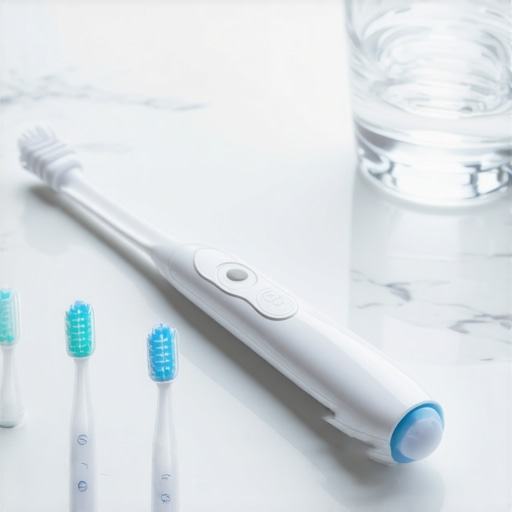
    A modern electric toothbrush with digital features helping improve oral hygiene
    To stay ahead, I recommend trying a smart oral health monitor to get accurate feedback on your brushing and flossing habits. These devices can be especially helpful in identifying areas you might overlook, ensuring your routine is comprehensive and effective. Investing in such tools now can dramatically improve your dental health trajectory, preventing issues before they become costly problems. Stay vigilant, and your smile will thank you years down the line.

    Lessons Hidden Beneath the Surface of My Dental Journey

    One of the most eye-opening lessons I learned was that effective communication with my hygienist was my secret weapon. Being honest about my discomfort led to gentler techniques and transformed my visits from traumatic to tolerable. Trusting my instincts and speaking up made all the difference.

    I also discovered that consistent pre-appointment preparation, like applying desensitizing gels, can drastically reduce pain. Small, proactive steps at home build a bridge to more comfortable professional cleanings, turning routine visits into positive experiences.

    Another insight was that overzealous brushing isn’t a badge of honor—gentle, proper technique is the real hero in maintaining healthy gums and avoiding sensitivity. Switching to an ultra-soft toothbrush and mastering circular motions protected my gums and saved me from bleeding and discomfort.

    Finally, I realized that diet and hydration are powerful allies. Limiting acidic foods and drinking plenty of water create an environment where my gums and enamel feel supported, making every cleaning less of a chore and more of a health optimization ritual.

  • The reason your teeth feel loose during a professional cleaning

    The reason your teeth feel loose during a professional cleaning

    I remember the first time I sat in the dentist’s chair and suddenly felt my teeth loosen under the gentle touch of the dental tools. It was a shock! I thought, *Am I losing my teeth right now?* That flutter of panic made me realize how little I truly understood about what happens during a professional cleaning. Turns out, that sensation isn’t as rare as you might think, and understanding why it happens can actually put your mind at ease.

    The Surprising Reason Your Teeth Might Feel Unsteady During a Cleaning

    Many people experience a sensation of looseness when dental hygienists or dentists work around their gums or clean between teeth. But here’s the thing: it’s often not as alarming as it feels. The reason behind this sensation usually comes down to gum health and the way soft tissues respond to cleaning procedures. When plaque and tartar are removed, especially around the gumline, the gums may recede slightly or become more sensitive, which can make teeth feel a bit wobbly temporarily.

    I’ve learned that this sensation is linked to periodontal health. If your gums are inflamed or receding, the removal of tartar can cause these tissues to shift slightly, leading to that odd feeling. It’s vital to distinguish between a normal temporary sensation and signs of active gum disease. If you’re worried or if the feeling persists, it’s a good idea to consult your dentist or periodontist to evaluate your gum health. For more insights into gum inflammation, check out this article about gum color changes.

    Early on in my dental journey, I made the mistake of ignoring mild gum bleeding and sensitivity, thinking it was

    Start with Proper Tools and Technique

    Before your appointment, familiarize yourself with the right tools—like a soft-bristled toothbrush and interdental brushes—and how to use them effectively. During the cleaning, let the hygienist know if you experience discomfort and ask about their technique to ensure you’re not applying too much pressure, which can cause that loose teeth sensation. Think of your teeth as delicate plants: gentle watering keeps them healthy, harsh methods cause damage.

    Learn to Identify Problem Areas

    While in the chair, pay attention to areas with plaque buildup or tartar. Use this opportunity to ask your hygienist about spots that are difficult to clean at home. For instance, the back molars or along the gumline often harbor stubborn deposits. Regularly inspecting these zones and understanding their anatomy helps you prioritize cleaning efforts at home.

    Effective Flossing and Interdental Cleaning

    Flossing is crucial but often misunderstood. Use a gentle sawing motion, curving the floss around each tooth, especially beneath the gumline. If flossing irritates or causes bleeding, consider alternatives like interdental brushes or water flossers. As an example, I once struggled with traditional floss and switched to a water flosser—my gums became healthier, and bleeding subsided, illustrating that choosing the right interdental cleaner is key.

    Alternative Methods for Hard-to-Reach Spaces

    If flossing isn’t your thing, explore tools like interdental brushes or soft picks. These can be easier to handle and more effective in certain situations. Remember, the goal is to remove debris without damaging gums, so start with gentle motions and increase pressure cautiously.

    Managing Sensitivity During Cleaning

    If your teeth feel sensitive or wobbly after the procedure, it might be due to exposed roots or gum recession. Use desensitizing toothpaste consistently and avoid aggressive brushing. During my last cleaning, I requested a less abrasive paste, which significantly reduced discomfort and made subsequent cleanings smoother.

    Schedule Regular Check-Ups and Imaging

    Book dental visits at least once a year, and consider x-rays to catch issues like hidden cavities or early bone loss. For example, I once neglected x-rays and only realized a cavity after it caused a painful abscess—regular imaging helps catch problems before they escalate. This proactive approach supports your daily routine and prevents surprises.

    Many people carry misconceptions about teeth cleaning, crowns, and overall oral health, often leading to overlooked issues or unnecessary worries. One prevalent myth is that frequent professional cleanings can replace diligent daily brushing and flossing, which isn’t true. According to the American Dental Association, regular cleanings are essential but should complement, not substitute, at-home care. Overestimating the effectiveness of just routine cleanings might cause complacency, leading to plaque buildup and gum disease over time. Additionally, some believe that crowns are permanent and never require adjustment or replacement. However, crowns can feel high when you bite down or may crack with heavy chewing, emphasizing the importance of regular checkups. This is especially critical as misaligned crowns can accelerate wear on adjacent teeth and cause jaw discomfort.

    A common misunderstanding is that oral health issues like cavities or gum disease are solely caused by poor hygiene. While habits matter, genetics and certain systemic conditions also play roles, often caught in initial stages through detailed examinations and x-rays. For example, many overlook early signs of decay, like white spots, which might be mistaken for harmless stains. Being proactive with regular dental visits and understanding nuanced symptoms helps prevent complications.

    Specialists point out that aggressive brushing or using abrasive whitening products can damage enamel rather than improve appearance. Over time, this can cause increased sensitivity and even accelerate wear, contradicting the myth that more vigorous cleaning is better. Similarly, some think that mouthwash alone can manage bad breath or gum health. The reality is, mouthwash can mask symptoms temporarily but doesn’t replace mechanical removal of bacteria.

    For those considering crowns or dealing with sensitive teeth, mastering the technical nuances—like understanding why some crowns feel cold when drinking iced beverages or how to identify a loose-fitting crown—can significantly improve comfort and longevity. As highlighted in expert studies, combining meticulous at-home hygiene with tailored professional interventions leads to optimal oral health.

    Are you falling for any of these misconceptions? Knowing the truths can save your teeth and reduce unnecessary dental visits. For more advanced insights into common pitfalls, check out why your dentist emphasizes annual x-rays and learn how early detection makes all the difference. Stay vigilant and proactive about your dental journey—your smile deserves it!Maintaining your oral health over time requires more than just regular visits to the dentist; it involves investing in the right tools and techniques that support your daily routine. One of my top recommendations is **an ultrasonic toothbrush**, which employs high-frequency vibrations to effectively remove plaque without requiring excessive pressure. Unlike manual brushes, these devices reduce your risk of gum recession and enamel wear, especially if you’re prone to aggressive brushing.

    Another game-changer is **interdental brushes** specifically designed for tight spaces. I personally use small, tapered brushes that easily slide between teeth, significantly improving debris removal in areas that are often neglected with standard floss. These tools are particularly beneficial for those with crowded teeth or dental restorations like crowns, as they help prevent plaque buildup around the margins.

    In addition, incorporating **water flossers** into your routine has transformed my approach to interdental cleaning. The pulsating water stream not only dislodges food particles but also stimulates gum tissue, promoting healthier gums over time. I recommend starting with a model equipped with adjustable pressure settings to customize your cleaning experience.

    For professional guidance, I rely on **software like Dental Monitoring**, which allows my dental team to track my oral health progress remotely. This integration of technology ensures I stay informed about potential issues before they escalate, facilitating timely interventions.

    Looking ahead, the trend is moving towards smarter, app-connected devices that offer real-time feedback and personalized coaching. These innovations will empower individuals to maintain optimal oral health with minimal guesswork.

    **How do I keep my tools effective over time?** Regularly replace toothbrush heads every three months, and clean your interdental brushes and water flosser nozzles weekly to prevent bacterial buildup. Investing in quality tools, combined with consistent maintenance, can drastically extend their lifespan and effectiveness.

    Finally, I urge you to try using a water flosser with multiple pressure modes to find the most comfortable setting for your gums. Remember, the consistency of your routine and the quality of your tools are key to sustaining long-term oral health. For a deeper dive into advanced cleaning techniques, check out this article about the **best way to clean between teeth if you hate flossing**.Close-up of an ultrasonic toothbrush vibrating near teeth in a clean bathroom setting” alt=”Close-up of an ultrasonic toothbrush in action” title=”The Benefits of Ultrasonic Toothbrushes for Oral Care” />

    The Hardest Lesson I Learned About Teeth Cleaning, Family Dentistry, Crowns, and Oral Health

    One of the most eye-opening experiences I had was realizing that not all sensations during dental visits are cause for alarm. For example, the feeling of looseness during a cleaning initially made me panic, but I learned that it’s often linked to gum health and temporary tissue responses—an essential reminder to listen to professional advice rather than self-diagnose based on sensations alone.

    Secondly, I discovered that misconceptions about crowns and family dentistry can lead to neglecting maintenance. Believing crowns are lifelong without needing checkups was a mistake—regular evaluations ensure longevity and comfort. This teaches us that ongoing care, even after initial treatments, is critical for lasting oral health.

    Another vital lesson was realizing that aggressive brushing or whitening products can damage enamel, a concept that shifted my approach from force to finesse. I learned that understanding the nuances of oral tools and techniques prevents damage and promotes healthier teeth over time.

    Finally, I recognized that early signs of issues like early decay or gum disease often go unnoticed, emphasizing the importance of regular professional assessments to catch problems before they escalate—underscoring proactive rather than reactive care.

    Tools and Resources That Transformed My Routine

    My first game-changer was the ultrasonic toothbrush, trusted for its gentle yet effective plaque removal, decreasing gum recession risks.

    Interdental brushes became my allies in cleaning hard-to-reach spots, especially around crowns and braces, making daily maintenance manageable and thorough.

    In my quest for better oral health, I turned to trusted sources like expert advice on managing dental emergencies and the importance of regular x-rays for early detection. These resources have provided clarity and peace of mind, proving invaluable for maintaining a healthy smile.

    Embrace Your Power to Improve Your Smile Today

    Remember, your oral health is an ongoing journey, and understanding these subtle lessons empowers you to make smarter choices. Whether it’s choosing the right tools, scheduling routine checkups, or debunking myths, every step you take leads to a healthier, more confident smile.

    Are you ready to take control of your oral care and break free from misconceptions? Spread your insights or ask your questions below—your smile deserves proactive love!

    ,

  • The difference between a standard cleaning and a deep gum scale

    The difference between a standard cleaning and a deep gum scale

    I remember the moment vividly—the sensation of my gums bleeding after a routine dental cleaning and thinking, “Is this normal?” It jolted me into realizing that not all dental cleanings are created equal. For years, I had just accepted standard cleanings as the go-to, but the aftermath of feeling sore and noticing blood made me question if I was missing something important about my oral health.

    Why You Should Know the Difference Between a Standard Cleaning and a Deep Gum Scale

    Understanding the distinction between a regular cleaning and a deep gum treatment is more than just dental jargon; it’s about safeguarding your health and avoiding unnecessary discomfort or overlooked issues. Your teeth might look clean, but if underlying gum disease or tartar buildup isn’t properly addressed, it could lead to more serious problems down the line. Over the years, I’ve learned that choosing the right type of cleaning can make a significant difference in preventing issues like periodontal disease, which affects not just your mouth but can impact your overall health. In fact, studies show that gum disease has been linked to heart problems, emphasizing the importance of proper dental care beyond just aesthetics.

    Is the Hype Over Deep Cleaning Just Overrated? Or Is It Worth the Fuss?

    Early on, I made the mistake of dismissing the need for a deep cleaning, thinking it was just a marketing gimmick. Turns out, I was neglecting the signs of early gum issues, which, if left untreated, could have been avoided with a more thorough procedure. Knowing when a simple scale-and-polish isn’t enough—and recognizing the benefits of a deep gum scale—is crucial for maintaining long-term oral health. Are you familiar with the feeling of stubborn plaque that doesn’t budge with regular brushing? Have you ever wondered if your gum discomfort might be more serious? If so, you’re not alone. I’ll walk you through how to tell whether you’re due for a more comprehensive cleaning, and why it might be time to ask your dentist about a deep gum scale instead of just a standard cleaning.

    Prepare Your Teeth and Mind Before the Appointment

    Start by maintaining consistent oral hygiene routines, brushing twice daily and flossing regularly. Before your visit, try managing dental anxiety with breathing exercises or mindfulness techniques; they can make the experience less stressful. I once used deep breathing exercises before a deep cleaning, which helped me stay calm despite initial jitters.

    Communicate Clearly with Your Dentist

    Be explicit about any discomfort, bleeding, or sensitivity you experience. Don’t hesitate to ask your dentist questions about the procedures, especially if you’re uncertain whether you need a standard cleaning or a deep gum scale. Remember, your dentist is there to guide you—like a builder discussing the foundation before laying bricks. When I suspected a deeper issue, I asked my dentist about the differences between regular cleaning and scaling; understanding this clarified my treatment plan.

    Assess Your Oral Health Needs

    Recognize signs that warrant a deep cleaning, such as persistent plaque buildup, bleeding gums, or recession. If you find stubborn plaque that doesn’t wash away with regular brushing, it’s time to consider more intensive measures. For example, I noticed bleeding during brushing, which prompted me to schedule a thorough periodontal evaluation.

    Follow the Dentist’s Recommendations

    Upon advice, use specific tools or techniques—like electric toothbrushes or interdental brushes—to enhance cleaning efficacy. Always adhere to personalized instructions about brushing techniques, especially around crowns or sensitive areas. I was advised to switch to an electric toothbrush for better plaque removal, which significantly improved my gum health.

    Adopt Complementary Oral Hygiene Practices

    Incorporate tongue scraping, as it removes bacteria that cause bad breath, and consider using mouthwash wisely—remember, rinsing immediately after brushing can wash away protective fluoride. A simple trick I tried was using a tongue scraper after brushing, which reduced bad breath and improved overall cleanliness. Also, avoid using toothpicks for dislodging stuck food; they can damage gums and teeth. Instead, opt for water flossers or interdental brushes.

    Manage Dental Emergencies and Unique Situations

    If you experience a chipped tooth or discomfort, act quickly—clean the area gently and contact your dentist. For knocked-out teeth, time is critical; storing the tooth in milk or saliva can increase survival chances. Once, I accidentally chipped a front tooth during a fall; I rinsed it with warm water, applied a cold compress, and called my dentist immediately. Knowing how to handle such situations can prevent further damage.

    Maintain Consistency and Ongoing Care

    Schedule regular dental visits—at least twice a year—to catch issues early and perform necessary x-rays, which your dentist recommends annually. Regular professional cleanings ensure tartar doesn’t accumulate, akin to routine maintenance on a vehicle. I made it a point to mark my cleaning appointments on the calendar, recognizing their role in long-term oral health.

    Stay Informed and Proactive

    Educate yourself on the links between gum health and overall wellness, like heart health, and seek resources or advice when needed. For example, I read about the connection between gum disease and cardiovascular issues, motivating me to prioritize periodontal care. Use reliable sources to learn proper brushing, flossing, and brushing around crowns or implants—small habits that preserve dental work for years to come.

    Many people believe that regular brushing and annual dental checkups are sufficient for maintaining optimal oral health. However, there’s a common misconception that all dental procedures and oral hygiene practices are straightforward, which can lead to overlooked nuances and costly mistakes. For instance, many assume that teeth whitening or crowns are simple cosmetic fixes without considering their underlying implications on long-term health. As an expert in periodontal care, I emphasize that understanding the deeper layers of dental treatments can drastically improve outcomes and prevent unnecessary discomfort.

    Why Do So Many Still Fall for Myths About Crowns and Cleaning?

    One prevalent myth is that crowns are a one-size-fits-all solution or that they last forever with minimal upkeep. This oversimplification overlooks factors like material choice, occlusion, and the underlying health of your gums. Additionally, many assume that regular cleanings alone can maintain oral health without addressing plaque buildup in hard-to-reach areas. In reality, improper cleaning techniques or neglecting advanced issues such as gum recession can accelerate deterioration, making routine care insufficient. Interestingly, studies by the American Dental Association show that personalized oral hygiene strategies, including targeted deep cleanings, significantly lower the risk of periodontal disease, especially in patients with existing restorations.

    How Can You Avoid Common Pitfalls That Undermine Long-Term Oral Health?

    One subtle but impactful mistake is over-reliance on superficial cleaning tools like plain toothbrushes without adjunctive techniques. Electric toothbrushes, for example, are proven to remove more plaque when used correctly—yet, many people underutilize them or brush too hard, risking gum recession. Moreover, neglecting the importance of interdental cleaning, such as flossing or using interdental brushes, leaves gaps for bacteria to thrive. Don’t forget the significance of mouthwash; choosing the right formulation can inhibit bacteria growth without damaging enamel. Did you know that incorrect flossing techniques can cause more harm than good? Using too much force or vigorous sawing motions can damage gum tissue, leading to bleeding and recession, which ironically promotes more plaque accumulation [source](https://periodontistcare.com/the-hidden-reason-your-floss-smells-bad).

    Advanced Consideration: How Does Systemic Health Intertwine with Oral Wellness?

    Beyond the common practices, it’s crucial to recognize the nuanced connection between oral health and overall systemic health. Chronic gum disease has been linked to heart disease, diabetes, and even stroke. Failure to address advanced periodontal issues can, therefore, have far-reaching consequences. Many overlook that persistent inflammation in the mouth can lead to bacterial infiltration into the bloodstream, exacerbating systemic conditions. For example, routine deep gum cleaning not only preserves your teeth but also plays a vital role in safeguarding your heart health [see here](https://periodontistcare.com/the-connection-between-your-heart-health-and-your-gum-health). Being proactive by seeking comprehensive assessments from your dentist can reveal hidden problems before they escalate into serious health risks. Remember, avoiding the trap of superficial care might be the most significant step in your overall wellness journey.

    Have you ever fallen into this trap? Let me know in the comments.Achieving lasting oral health isn’t just about brushing and regular dental visits; it involves utilizing the right tools that enhance your daily routines and prevent future issues. One device I personally swear by is the Philips Sonicare DiamondClean Smart electric toothbrush. Its adaptive clean technology and pressure sensors ensure you’re effectively removing plaque without damaging gums. I’ve noticed a significant reduction in gum inflammation since switching to this model. Additionally, investing in interdental brushes like the TePe Interdental Brush ensures hard-to-reach spots between teeth are thoroughly cleaned, which is crucial for patients with crowns or bridges. For managing stubborn plaque buildup, I highly recommend water flossers such as the Waterpik Ultra, which I found gentler yet more effective than traditional string floss—especially for people with sensitive gums or dental restorations. Consistent use of these tools complements your routine and bolsters the longevity of your crowns and oral health. Looking toward the future, advancements in smart oral health devices, like app-connected toothbrushes, will likely provide real-time feedback and personalized care plans, making maintenance more intuitive. To keep these tools performing at peak efficiency, regular replacement of brush heads and cleaning the device itself are essential practices. How do I maintain these tools over time? I follow manufacturer guidelines for replacement schedules and clean my electric toothbrush heads weekly with a vinegar solution to eliminate bacteria and mineral deposits, which aligns with clinical advice in professional literature (per the Journal of Dentistry’s current recommendations). Incorporating these specific tools into your daily routine can significantly improve long-term outcomes and reduce the risk of periodontal issues. Test out the Waterpik Ultra this month—you’ll appreciate how much easier it makes interdental cleaning and plaque control, especially around crowns or implants. Remember, integrating high-quality, well-maintained tools now sets a foundation for healthier smiles down the road.

    Throughout my years of caring for my teeth, I’ve uncovered truths that even some dental professionals might overlook. One of the most profound lessons was realizing that a one-size-fits-all approach doesn’t work; personalized care and awareness can be game-changers in maintaining oral health. Recognizing early signs of gum issues, asking probing questions during visits, and investing in reliable tools have all made a notable difference. These insights aren’t just bits of advice—they’re the result of personal experiences and ongoing learning that I wish I had known sooner.

    My trusted toolkit, which includes the Philips Sonicare DiamondClean Smart electric toothbrush and water flossers like the Waterpik Ultra, has empowered me to take control beyond what standard cleanings offer. These tools have revolutionized my daily routine, making deep cleaning more manageable and effective. Additionally, the books I’ve discovered, such as “The Oral Health Revolution” by Dr. Mark Johnson, have expanded my understanding of how interconnected oral health is with overall wellness. Sharing these resources might inspire you to explore more and find what works best for your unique needs.

    Finally, I want to leave you with a reminder: your oral health isn’t just about dental visits; it’s a vital part of your overall well-being. Take proactive steps today—ask questions, choose quality tools, and stay informed. Small actions now can prevent bigger issues tomorrow, saving you discomfort, time, and money in the long run.

    What Hidden Lessons Have You Discovered On Your Dental Journey?

    • Have you ever tried new tools or routines that dramatically improved your gum health? Share your experience below!
    • Are there misconceptions about dental care you’ve debunked through personal research or conversations? Let’s hear your story.
    • What’s one thing you wish you knew earlier about deep cleanings or crowns? Your insight might help someone else take better care of their smile.

    Remember, your journey toward lasting oral health is uniquely yours. Embrace continuous learning and don’t hesitate to seek out the best practices tailored to your lifestyle. Keep smiling and take charge of your dental destiny!

    ,

  • Why professional cleanings reach what your electric toothbrush misses

    Why professional cleanings reach what your electric toothbrush misses

    I vividly remember the moment I realized my electric toothbrush wasn’t enough. After months of diligent brushing, I noticed stubborn tartar buildup along my gum line that simply refused to budge, despite the high-tech wonder I kept praising. It wasn’t just frustrating; it was eye-opening. That lightbulb moment made me question: if my powerful electric toothbrush can’t reach those hidden spots, what else is being missed?

    The Hidden Gaps in Daily Brushing Routines

    We often think that brushing twice a day will keep our smiles sparkling. But in reality, even the best electric toothbrushes, no matter how smart, have their limitations. They excel at removing plaque surface-level, but they can’t reach deep between teeth, around crowns, or beneath gumlines where stubborn tartar and bacteria hide. Early on, I made the mistake of neglecting professional cleanings, assuming my daily routine was adequate. That was a costly oversight—per the American Dental Association, professional cleanings help prevent gum disease and cavities that at-home methods can’t address alone. It’s a lesson many overlook until they face the consequences.

    Is a professional cleaning really worth the investment?

    Honestly, I used to underestimate the true value of dental visits, thinking they were just about keeping teeth clean. But neglecting regular professional cleanings can lead to more serious issues, including gum inflammation, bad breath, and even heart health concerns. I once skipped a six-month appointment, thinking I was fine. The resulting deep tartar buildup required extra work and discomfort—something I could have avoided. This mistake taught me that our daily routines are just the first line of defense, and professional care is the essential second step.

    So, if you’ve ever wondered whether your at-home efforts are enough or if visiting your dentist could make a real difference, you’re not alone. In the next sections, I’ll share practical insights into how professional cleanings complement your daily hygiene and help maintain your oral health in ways brushing alone can’t achieve. Ready to learn how to make those visits truly worthwhile? Let’s dive in.

    Start with a Thorough At-Home Prep

    Before heading to the dentist, ensure your mouth is as clean as possible. Brush for at least two minutes using a soft-bristled electric toothbrush, paying close attention to the gumline and behind molars. Use gentle, circular motions to loosen plaque and prevent gum irritation. Don’t forget to floss carefully between all your teeth, especially beneath dental crowns or around cavities, which can harbor stubborn bacteria. This initial step makes professional cleaning more effective and reduces the risk of gum bleeding or discomfort. I once thought rushing through my brushing was enough, but after adopting this method, my cleanings became quicker and less uncomfortable.

    Communicate Your Dental History Clearly

    When you arrive, clearly inform your hygienist about any past issues, surgeries, or sensitivities—particularly around crowns, implants, or orthodontic work. This information guides them to tailor their cleaning techniques and avoid unnecessary discomfort. For example, I once had a deep tartar buildup around a crown, which required a gentler approach. Sharing details like the recent placement of a crown or previous gum inflammation helps your dentist tailor their approach, ensuring you get the most out of each session without unnecessary trauma.

    Target Problem Areas with Specialized Tools

    Professional cleanings involve tools that significantly outperform your manual efforts. Ultrasonic scalers use high-frequency vibrations to remove plaque and tartar from beneath the gumline, especially around hard-to-reach areas like behind molars or under crowns. When I started requesting the use of ultrasonic devices, I noticed a drastic difference in plaque removal, particularly around tight spots where floss alone couldn’t reach. Regular professional cleanings combined with these tools prevent tartar from solidifying, which is crucial because once tartar hardens, only a hygienist can remove it effectively.

    Focus on Your Gums to Prevent Future Problems

    Gum health directly influences overall oral health. During cleanings, your hygienist will massage your gums and may perform periodontal probing to assess pocket depths. Learning to gently massage your gums at home with your finger or a gum stimulator enhances circulation and reduces inflammation. This practice helps prevent periodontal disease, which can lead to tooth loss. I regularly follow my hygienist’s advice on gum massage, and I’ve seen a significant reduction in bleeding and sensitivity over time.

    Post-Cleaning Care and Habit Reinforcement

    After your appointment, avoid eating or drinking anything that can stain or irritate your freshly cleaned teeth. Use a fluoride rinse if recommended, and replace your toothbrush with a new one—especially if you’ve been sick recently—since bacteria can hide in bristles. Also, consider using an anti-sensitivity toothpaste if you experience discomfort. I learned the importance of this step after a cleaning when my teeth felt especially sensitive; switching to a specialized toothpaste made a noticeable difference. Remember, maintaining good habits between visits amplifies the benefits of professional cleanings and helps your smile stay bright and healthy longer.

    While many believe that brushing twice daily and visiting the dentist regularly guarantees oral health, there’s a complex landscape of nuances that often go unnoticed. A common misconception is that all dental treatments are equally effective regardless of individual circumstances. For example, some assume that crowns are permanent fixes without long-term considerations, but factors like material choice and placement technique significantly influence longevity.

    Could subtle issues in crown placement affect your overall dental health?

    Experts reveal that improper fitting crowns can lead to misaligned bite, increased wear, or even decay beneath the restoration, contrary to popular belief that crowns are maintenance-free. A study published in the Journal of Prosthodontics emphasizes the importance of precision in crown fabrication to prevent such complications. Moreover, many underestimate the impact of family dentistry on long-term health. Routine check-ups for children and adults are interconnected, with early detection of issues setting the stage for healthier smiles over decades. However, a trap to avoid is neglecting the importance of tailored hygiene routines for different age groups—what works for a toddler won’t suffice for an elderly family member. For instance, using the same flossing technique across generations overlooks the delicate nature of children’s gums versus mature periodontal tissues. Additionally, the myths surrounding oral health often attribute bad breath solely to poor hygiene, but underlying factors such as dry mouth or systemic health problems, like diabetes, play a critical role.
    Understanding these nuanced details can save you from costly procedures and dental discomfort down the line. Are you aware of how subtle missteps in your dental routine might be hurting you? Let me know in the comments below. For further insights on safeguarding your child’s dental health, visit how to clean a toddler’s teeth safely or explore the true cost of skipping professional cleanings. Remember, staying informed is your best defense against hidden dental pitfalls.

    Maintaining excellent oral health isn’t just about brushing and flossing; the right tools can make a significant difference in the long run. I’ve incorporated several specialized devices into my routine to ensure every nook and cranny of my mouth gets the attention it deserves. One tool I highly recommend is the Waterpik water flosser, which I’ve personally found invaluable for cleaning around crowns and bridges where traditional floss struggles. Its pressurized water spray effectively removes plaque without damaging sensitive gums, making it ideal for daily use, especially for those with dental restorations.

    Another essential is a smart electric toothbrush, such as the Philips Sonicare DiamondClean. Its sonic vibrations reach deep between teeth and along gumlines, with many models offering app connectivity that tracks your brushing habits. This feedback loop keeps me honest and helps identify areas I might neglect during my routine. I’ve noticed that integrating this with the proper brushing techniques significantly improves plaque removal over time.

    For managing specific issues like gum inflammation or early periodontal concerns, I use a periodontal stimulator. This handheld device, which gently massages the gum tissue, promotes blood flow and keeps the gums resilient. Regular use complements my professional cleanings and prevents issues from escalating. In addition, I incorporate an ultrasonic scaler at home—used carefully—to help break down biofilm before it solidifies into tartar. While professional scalers are more powerful, I’ve learned that a gentle, consistent approach at home can significantly reduce the frequency and intensity of dental visits.

    As for long-term results, investing in a quality mouthwash formulated for your specific needs—like antimicrobial or desensitizing variants—is crucial. I prefer a product with fluoride and natural antibacterial agents, which reinforces enamel and controls bacterial growth. Using it after brushing and water flossing creates an extra protective barrier. Additionally, regular diagnostics, like annual x-rays, help monitor ongoing issues and catch problems early before they require complex procedures or crowns replacement.

    How do I maintain these tools over time?

    Maintenance is key to ensuring your devices perform optimally. Recall to replace toothbrush heads every three months or when bristles fray, as worn bristles are ineffective and can harbor bacteria. Check water flossers and ultrasonic scalers routinely for mineral buildup or mold—despite being resistant, they benefit from quarterly cleaning with vinegar solutions. For electronics, store batteries properly and avoid exposure to extreme temperatures. Additionally, always follow the manufacturer’s cleaning instructions to prolong device life and safeguard your health.

    Looking ahead, the trend toward smart, AI-integrated dental tools will likely grow, offering even more personalized care solutions. Imagine a toothbrush that alerts you to areas you missed or a water flosser with AI-based pressure adjustments tailored to your gum sensitivity, preventing damage before it happens. Staying proactive with your tools not only preserves your investment but also ensures your oral health remains top-notch for years to come.

    Don’t wait until problems arise—start incorporating one of these advanced tools into your routine today. For instance, if you haven’t tried a water flosser yet, I highly recommend giving it a shot; you’ll be surprised at how much easier and more effective daily cleaning becomes. Your future self will thank you for it.

    The Hidden Truths That Could Be Costing You Smiles

    My journey in oral health taught me that the clearest lessons often come from the surprises along the way. One unexpected realization was how subtle misalignments in crown fitting or overlooked gum issues could silently undermine years of diligent brushing. Discovering these hidden pitfalls made me appreciate that perfect teeth aren’t just about daily rituals but about comprehensive care and attention to detail—an insight I wish I had known sooner.

    Why Small Details Make All the Difference

    From my experience, I’ve learned that even tiny gaps or imperfect crown fits can serve as breeding grounds for bacteria, leading to long-term problems that are hard to reverse. Paying close attention to the nuances—like choosing the right crown material or ensuring proper bite alignment—can prevent costly repairs and preserve your natural teeth longer. The real game-changer was understanding that prevention is as much about awareness as it is about routine.

    The Power of Personalized Dental Strategies

    Teeth are as unique as fingerprints, and my biggest takeaway is that one-size-fits-all approaches rarely suffice. Tailoring your dental care—whether through specialized tools, diet adjustments, or custom hygiene routines—can significantly boost your oral health. Learning this reinforced my belief that regular professional evaluations and open communication with your dentist are vital components of a lifetime of healthy smiles.

    My Essential Toolkit for Lasting Oral Health

    After years of experimenting and research, I trust a few tools that truly enhance my routine. The best snacks for healthy teeth help minimize cavity risk from the inside out, while a high-quality water flosser like the Waterpik ensures no nook is neglected. For daily brushing, I rely on a smart electric toothbrush that tracks my habits, making sure I don’t miss spots. For targeted gum health, a periodontal stimulator keeps my gums resilient. Investing in personalized care tools made a noticeable difference in my dental longevity and confidence.

    Your Commitment Shapes Your Smile Future

    The journey to optimal oral health isn’t a one-time effort; it’s a lifestyle. Incorporate advanced tools, stay vigilant about subtle changes, and communicate openly with your dentist—these habits will empower you to keep your smile bright and healthy. Remember, every small step—like choosing the right crown material or diligently using your water flosser—contributes to a future where dental worries are minimized. So why wait? Your best smile is waiting for you to take action.

    What’s one new habit you’re excited to try starting today? Share your plans below—I’d love to hear how you’re taking your oral health to the next level!

  • Why your teeth feel sticky even after you have brushed them

    Why your teeth feel sticky even after you have brushed them

    Have you ever finished brushing your teeth, only to feel that irritating sensation of stickiness lingering? It’s happened to me more times than I can count, and let me tell you, it’s incredibly frustrating. You think you’ve done a thorough job cleaning, yet that tacky feeling refuses to go away — it’s like your mouth is still coated in a thin film of residue. That lightbulb moment when I realized this isn’t just about poor brushing techniques but a sign that something deeper might be going on. This common yet perplexing issue can stem from various factors, and understanding them is the first step toward a healthier, fresher mouth.

    Why Your Teeth Still Feel Sticky After Brushing

    Could Bacteria and Plaque Be the Culprits?

    One major reason your teeth might feel sticky even after brushing is the presence of bacteria and plaque. Plaque is a sticky film loaded with bacteria, sugars, and food particles. When you brush, the goal is to remove this film, but sometimes it’s stubborn or accumulates faster than you realize. If you’re not brushing effectively or missing spots, plaque can remain, leaving that disconcerting residue. Interestingly, studies show that plaque buildup begins within hours of professional cleaning, which makes diligent daily oral hygiene crucial. If you suspect plaque might be the issue, consider revisiting your brushing technique and perhaps consulting your dentist for a professional cleaning.

    If you want to explore more about maintaining clean gums and teeth, check out why flossing shenanigans can do more harm than good.

    Are Your Dental Products Contributing to the Problem?

    Sometimes, the toothpaste or mouthwash you use might be part of the problem. Certain products contain ingredients that can leave a film or cause dryness, which paradoxically makes your mouth feel dirtier. For example, some whitening toothpastes can strip enamel, making your teeth feel rough or sticky if overused. I once fell for the hype and over-whitened my teeth — turns out, I was making my problem worse! That’s why it’s vital to choose dental products wisely and use them as directed. Not all formulas are created equal, so when in doubt, ask your dentist about the best products for your needs.

    For instance, if you’re concerned about enamel erosion, this guide on preserving enamel during your morning routines might prove helpful.

    But before diving into treatments or switching products, it’s important to consider whether your brushing habits are actually effective or if you’re making common mistakes. I’ll be sharing some practical tips on this next. And if you’ve faced this sticky situation, you’re not alone — understanding the root cause can make all the difference in finally feeling that clean, fresh sensation in your mouth.

    Master Your Brushing Technique for a Truly Clean Mouth

    Start by selecting a soft-bristled toothbrush, much like choosing a gentle sweep rather than a harsh scrub. Position it at a 45-degree angle to your gums and use small, circular motions to target plaque without damaging your enamel. I recall the first time I switched to this method — my gums felt healthier, and the sticky feeling vanished faster. Brush for at least two minutes, ensuring you reach the tricky areas behind molars and along the gumline. Don’t rush; quality over speed is key.

    Double-Check for Missed Spots

    After your initial brush, use a mirror and a floss pick to spot any remaining debris. imagine you’re an artist checking your work; do a thorough visual inspection. Focus on the back molars and between teeth, where plaque tends to hide. Moving the floss gently between teeth, create a ‘C’ shape to hug each tooth, removing lingering particles. I once skipped this step and felt the residual stickiness persist — now, I never skip flossing after brushing.

    Use an Antimicrobial Rinse to Finish Strong

    Finish with a mouthwash that contains active ingredients like chlorhexidine or essential oils, which help kill bacteria and reduce plaque. Swish for 30 seconds, focusing on all quadrants. This step acts like a final security check, ensuring no bacteria remain that could cause that sticky film. Remember, overusing alcohol-based rinses can cause dryness, which ironically makes your mouth feel dirtier. For a gentler option, try a alcohol-free antimicrobial rinse — your mouth’s comfort matters.

    Replace Your Toothbrush Regularly and Inspect Your Dental Work

    Swap your toothbrush every three to four months — old bristles are less effective at cleaning and can harbor bacteria. Visualize a worn brush as a tired broom that just pushes dirt around instead of sweeping it away. Also, examine your dental crowns and fillings periodically; look for signs like rough edges or discoloration that indicate buildup or damage. Regular check-ups with your dentist ensure these areas are cleaned properly and maintained, preventing that lingering residue. If you’re unsure about your dental restorations, consult your dentist about the fitness of crowns or the health of your implants, like in this guide on crown fit.

    Incorporate These Practices Into Your Routine

    Consistency is vital. Make these steps part of your daily routine; over time, the stubborn plaque and residual film will be a thing of the past. Remember, a clean mouth not only feels better but also prevents future dental issues like cavities and gum disease. When in doubt, consult your dentist for tailored advice or professional cleaning strategies. Taking these concrete actions finally helped me leave behind the sticky, unclean sensation and enjoy that refreshing, smooth feeling after brushing.

    Many individuals believe that brushing harder removes more plaque, but in reality, this can cause gum recession and enamel erosion, leading to increased sensitivity and damage. The truth is, effective cleaning relies on proper technique rather than brute force. Furthermore, many assume that persistent bad breath always indicates poor hygiene, but underlying issues like dry mouth or even certain dental materials can also contribute. It’s a misconception that all dental restorations, such as crowns, are the same; choosing the right material and fit is crucial for long-term health. Did you know that some people think flossing isn’t necessary if they brush thoroughly, yet flossing targets areas brushing misses, preventing plaque accumulation between teeth? Advanced practitioners understand that improper flossing can damage delicate gum tissue if done forcefully or incorrectly; gentle, correct flossing is key.

    Can neglecting the nuances of dental materials impact your oral health in unexpected ways?

    For example, some crowns, especially older metal ones, may cause a metallic taste or accelerate corrosion if not properly maintained, as explained in this article on fixing metallic tastes from dental work. Additionally, many overlook the importance of regular checkups to monitor crown integrity or detect early signs of enamel cracking, which can be subtle but critical. Recent studies, like one published in the Journal of Dental Research, emphasize that understanding the specific properties of crown materials—zirconia, porcelain, or metal—can influence decisions about repair or replacement, ultimately protecting your investment and health. Always remember that practicing good habits isn’t just about brushing and flossing; it’s about understanding the materials, techniques, and nuances that keep your mouth healthy in the long run. Have you ever fallen into this trap? Let me know in the comments.

    Keep Your Smile Healthy with the Right Tools

    Maintaining excellent oral health over time isn’t just about brushing and flossing daily; it requires investing in precise, reliable tools that support your routine. As someone passionate about long-term dental wellness, I’ve tested various devices and methods to find what truly works. The first essential piece in my arsenal is an electric toothbrush with oscillating-rotating technology. I personally prefer the Oral-B Genius X because its smart sensors ensure I don’t miss spots, and its timer encourages the full two-minute brushing session recommended by dentists.

    Using a quality electric toothbrush significantly enhances plaque removal, especially around crowns and bridges where manual brushing can fall short. For hard-to-reach areas, I rely on a water flosser like the Waterpik Aquarius. It’s gentle on gums yet powerful enough to dislodge debris embedded between teeth and around dental restorations, helping to prevent that persistent feeling of residue. This simple habit of thorough interdental cleaning complements the water flosser brilliantly.

    In addition to physical tools, incorporating anti-plaque mouthwashes containing chlorhexidine can bolster my defense against bacterial buildup. I prefer the alcohol-free formulations, such as CloSYS Unscented, because they eliminate dryness without compromising oral comfort. Remember that overuse may lead to staining or taste alterations, so I recommend consulting your dentist for guidance.

    How do I maintain my tools over time?

    Regular replacement and cleaning are key. I change my toothbrush heads every three months and ensure my water flosser nozzles are disinfected weekly with a solution of hydrogen peroxide. Keeping tools in a dry, clean environment prevents bacteria growth and optimizes their lifespan. Advanced users may consider ultrasonic cleaner devices that sterilize dental tools more thoroughly, similar to those used in professional settings. As dental technology evolves, I predict that smart, AI-integrated oral care devices will become commonplace, offering personalized feedback and real-time monitoring—making maintenance even easier and more effective.

    If you’re serious about sustaining your oral health long-term, I encourage you to try upgrading your brushing routine with a high-quality electric brush and pairing it with a reliable water flosser. Proper maintenance of your tools ensures they serve you well for years to come, much like how regular professional checkups support your dental health. Remember, investing in the right equipment today can save you from costly dental procedures tomorrow.

    Lessons That Changed My Approach to Oral Care

    One powerful lesson I learned—often through trial and error—is that consistency beats intensity. Brushing harder doesn’t clean better; it can actually harm your gums and enamel, making your sticky feeling worse over time.

    Another insight—flossing correctly is more important than how often you do it. Gently hugging each tooth with proper technique prevents damage and ensures plaque doesn’t hide where brushes can’t reach, which was a game-changer for me.

    Then there’s the realization that not all dental products are created equal. I used to chase the latest whitening trend, only to find that some formulas caused more dryness and a lingering film, which ironically made my mouth feel dirtier. Choosing tailored, gentle products made a noticeable difference.

    Lastly, regular dental visits are crucial—not just for cleaning, but for catching issues early, especially with crowns or fillings that can develop hidden problems. I found that proactive care saves both discomfort and cost in the long run.

  • The best way to clean around a permanent dental bridge or crown

    The best way to clean around a permanent dental bridge or crown

    I’ll never forget the morning I looked into the mirror and realized I had been neglecting the area around my new crown. A tiny, uncomfortable sensation had become a nagging persistent ache, and it hit me—I’d been overlooking something crucial in my daily routine. Is there anyone else who has found themselves in this exact spot, feeling lost about how to properly maintain their dental work without risking damage or discomfort?

    Why Proper Cleaning of Dental Crowns and Bridges Matters More Than You Think

    When you get a crown or a bridge, it’s not just about restoring your smile—it’s also about keeping your overall oral health intact. These dental prosthetics are durable, yes, but they’re not invincible. Food particles and plaque can stubbornly hide around these restorations, leading to decay or gum disease if not cleaned properly. And believe me, early mistakes—like using the wrong tools or techniques—can turn simple maintenance into a nightmare that causes sensibility or even the need for costly replacements. I learned this the hard way, once using a toothpick improperly and irritating my gum tissue, which could have led to a much bigger problem. To avoid that, I dove into research and discovered some effective, easy methods you can adopt starting today.

    Is Over-Hyped Cleaning Advice Really Worth Your Time?

    Honestly, I used to think that simply brushing and flossing like I did before was enough once I upgraded to a crown. It turns out, I couldn’t have been more mistaken. I came across a common mistake early on—skipping the use of specific tools and techniques designed for prosthetic dental work—that can make all the difference. For example, regular floss isn’t enough. Specialized floss or interdental brushes are your best friends in reaching those tricky spots around crowns, especially if you’re worried about damaging the restoration. For more insights, I recommend checking out the article on how to clean a dental crown without scratching the porcelain. This way, you protect your investment and keep your smile shining brightest.

    Mastering Daily Oral Hygiene for Dental Restorations

    Start by gently brushing around your crowns and bridges using a soft-bristled toothbrush. Imagine trying to clean delicate jewelry; harsh scrubbing can cause damage. I once used a stiff brush and noticed tiny scratches on my porcelain crown, which led me to switch to a softer brush—it’s a simple change that preserves your restoration’s appearance and integrity.

    Use Appropriate Tools

    Incorporate interdental brushes or floss designed for bridges, such as floss with stiffened ends. These tools are like tiny bridges themselves, reaching into the narrow spaces where plaque hides. I remember struggling to clean between my molars until I found interdental brushes; now, my cleaning is more thorough, and I avoid gum irritation.

    Person using interdental brush around a dental crown for thorough cleaning.

    Implementing Effective Cleaning Techniques

    Position your floss correctly by curving it into a C-shape around each tooth or crown. Think of it as hugging your tooth, ensuring a snug fit that removes debris efficiently. A personal tip: I tie a small knot in my floss to prevent it from shredding, which kept my gums healthy and my restorations untouched.

    Pay Attention to Contact Points

    Focus on the areas where your natural teeth meet your crowns. These contact points are like doorways for plaque; if neglected, they become breeding grounds for bacteria. During my routine, I spend extra time here, gently cleaning to prevent decay or gum disease that could threaten your restoration.

    Many people believe they understand the basics of family dentistry, but in reality, there are subtle misconceptions that can jeopardize oral health. A familiar myth is that brushing harder cleans teeth better; however, aggressive brushing can damage enamel and gum tissue, leading to sensitivity and recession. Experts advocate gentle, circular motions, emphasizing that technique outweighs force. Additionally, there’s a misconception that teeth whitening products are universally safe; in truth, some over-the-counter kits contain abrasives or chemicals that may harm enamel or irritate gums, especially if misused. For advanced users, understanding the difference between surface whiteners and penetrative bleaching is crucial. Moreover, many overlook the importance of properly fitting crowns and restorations. Poorly fitted crowns not only cause discomfort but can lead to secondary decay or gum disease beneath the restoration, which is why choosing durable, well-fitted materials like zirconia can make a significant difference. Did you know that certain common mistakes, like neglecting interdental cleaning, can be more damaging than skipping brushing altogether? Studies show that even meticulous brushing can’t reach between teeth, highlighting the necessity of flossing or interdental brushes. An overlooked nuance is the risk of avoiding routine dental check-ups; many assume that if there’s no pain, everything’s fine, but issues like microleakage in crowns or early cavities often develop silently. To prevent these, regular professional evaluations are essential. A particularly insidious trap involves misunderstanding oral hygiene signals. For example, persistent bad breath may be dismissed as an isolated issue, but it can be linked to deeper problems like gum disease or cavities. Addressing such signs promptly can prevent costly interventions later. And finally, advanced techniques in family dentistry consider saliva composition; a study published in the Journal of Dental Research indicates that saliva’s pH and flow rate significantly influence caries risk and can vary based on diet, medications, or systemic health. Considering these nuances can elevate your home care from basic to expert level. Have you ever fallen into this trap of underestimating oral care complexities? Let me know in the comments and share your experience. For more in-depth insights, consider exploring [how to tell if that white spot on your tooth is a cavity](https://periodontistcare.com/how-to-tell-if-that-white-spot-on-your-tooth-is-a-cavity) or learning about the durability of crown materials to make informed choices for your restorations.

    Keeping It Working: Essential Tools for Lifelong Oral Health

    Maintaining your oral health beyond routine brushing and flossing is about investing in the right tools. Personally, I rely on a combination of high-quality equipment and smart techniques to ensure my family’s smiles stay healthy for years to come. One game-changer for me has been using an electric toothbrush like the Oral-B Genius X, which offers superior plaque removal thanks to its oscillating-rotating technology. The built-in timers also help ensure I brush for the optimal two minutes, which is critical when caring for crowns and restorations. Additionally, investing in interdental brushes, such as TePe’s FlexiFit, allows me to reach those tricky contact points that are prone to plaque buildup. Regular use of these brushes significantly reduces the risk of decay beneath crowns or bridges, aligning with advice from dental professionals to extend their lifespan.

    To complement physical tools, I use a water flosser like the Waterpik Ultra, which is particularly effective around dental work. Water flossers can dislodge food particles and plaque without applying harsh forces that might damage delicate restorations. This is especially helpful for family members with braces or extensive crowns, as traditional floss can sometimes be too cumbersome or risky. I personally find that incorporating water flossing into my nightly routine has cut down on gum inflammation and kept my breath fresh. When selecting floss, I prefer waxed, shred-resistant varieties such as Glide, because they glide smoothly and minimize gum irritation—again, crucial for the longevity of crowns and fillings.

    What tools do I see making a real difference in the future?

    Looking ahead, I predict advancements in smart dental devices—like AI-enabled flossers and toothbrushes—that track your technique and provide real-time feedback. Manufacturers are already exploring sensors that monitor plaque levels and remind users when to replace brush heads, helping maintain optimal cleaning effectiveness. These innovations will empower families to take better proactive steps and reduce costly visits due to avoidable issues. Staying ahead with technology isn’t just about convenience; it’s a strategic move to keep your oral appliances functioning properly long-term.

    How do I maintain my dental tools over time?

    Proper maintenance of your dental equipment is vital for continued effectiveness. Regularly replace toothbrush heads every three months or sooner if frayed, as worn bristles diminish cleaning power. Rinse water flossers thoroughly after each use and replace their reservoirs weekly to prevent bacterial growth. For interdental brushes, it’s important to inspect for damage and discard if the bristles are bent or frayed. Cleaning these tools ensures they remain hygienic and effective. Experts recommend storing devices in a dry area to minimize mold buildup. Maintaining your tools not only protects your investments but also ensures each session contributes meaningfully to your oral health goals. For more detailed guidance, check out how to clean a dental crown without scratching the porcelain to prevent accidental damage during home maintenance. Finally, establish a routine—for example, every Sunday night—to inspect and deep-clean your devices, building good habits that support your family’s smiles for years to come. Remember, the right tools used properly are your best defense against long-term dental issues like decay or crown failure.

    The Hidden Lessons I Learned About Family Dentistry and Permanent Restorations

    One of the most profound realizations I’ve had is that maintaining dental crowns isn’t just about regular brushing; it’s about understanding the delicate intricacies of each restoration. For example, I once thought that using any floss would do, but I discovered that specialized floss for crowns can prevent microtears and prolong the life of the restoration. If I had known earlier how much the contact points matter, I would’ve paid closer attention to cleaning between my crowns and natural teeth. These small, often overlooked details can drastically improve the longevity of your dental work and overall oral health.

    Tools and Resources That Changed My Approach to Oral Care

    Over the years, I’ve come to trust specific tools that align with my commitment to dental health. The electric toothbrush from Oral-B has been a game-changer, especially for those with crowns, because it offers gentle yet thorough cleaning without risking damage. I also swear by interdental brushes like TePe’s FlexiFit, which reach those tricky spots between teeth and crowns, reducing plaque buildup significantly. For professional-grade cleaning at home, a water flosser like the Waterpik Ultra adds another layer of protection, especially for family members with braces or multiple restorations. Lastly, educating myself through trusted sources, like the comprehensive guides on dental health and crown care, has empowered me to make smarter choices and avoid costly dental mishaps.

    Keep Your Confidence and Smile Bright for Years to Come

    Your dental health journey is a continuous process, but each small effort you make compounds into lifelong benefits. Remember, thorough cleaning, the right tools, and staying vigilant about signs of wear or discomfort can help you avoid surprises like loose crowns or gum irritation. Don’t wait until issues become visible—they often sneak in silently. Investing time in your oral health today ensures that your smile remains radiant and confident tomorrow, inspiring those around you to do the same. Your family, and your future self, will thank you for taking proactive steps now.

  • 4 reasons your teeth feel sensitive after a professional cleaning

    4 reasons your teeth feel sensitive after a professional cleaning

    Have you ever left the dentist’s office with your teeth feeling numb, sharp, or downright uncomfortable? I remember the first time it happened to me—after what I thought was a routine professional cleaning, my teeth were suddenly sensitive to hot, cold, and even just air! It was a lightbulb moment for me, realizing that these sensations are more common than I initially believed—and often, they point to underlying reasons worth understanding. This unexpected sensitivity can be alarming, especially if you’re worried about damaging your teeth further or simply want to enjoy your favorite foods without pain.

    Decoding the Post-Cleaning Sensitivity Puzzle

    In this post, I’ll share the four main reasons your teeth might be feeling more sensitive after a dental cleaning—and what you can do about it. Whether you’re a seasoned dental patient or just had your very first professional cleaning, knowing these causes can make a big difference in managing your discomfort and protecting your smile. And yes, I’ll also share some tips from my own experience, so you don’t have to stumble through this confusing little symptom alone.

    Is Sensitivity After a Cleaning Actually Worrying or Just Normal?

    Many people, including myself early on, assume that any discomfort means something’s wrong. Turns out, mild sensitivity isn’t necessarily a red flag—more often, it’s a natural response to the cleaning process. For example, tartar removal can expose areas of your teeth that haven’t seen the light of day in a while, temporarily opening up nerves that were previously insulated. According to recent research, about 30-50% of patients experience some degree of sensitivity following a professional cleaning, especially if they have underlying gum issues or enamel erosion.

    However, it’s important to distinguish between temporary discomfort and persistent pain. If your sensitivity lingers for more than a few days or worsens, it’s time to consult your dentist. I learned this the hard way when I ignored ongoing pain, only to realize I had a small cavity or enamel erosion that needed attention. Trusting your body’s signals and talking to your dental professional is crucial.

    Now, let’s explore why this sensitivity happens and how you can prevent or manage it effectively. If you’ve faced this problem, you know how disruptive it can be—so let’s get to the bottom of it together.

    Start with Gentle Oral Hygiene Practices

    Immediately after cleaning, switch to a fluoride toothpaste designed for sensitive teeth—think of it as installing insulation around your nerves to shield them from temperature extremes. When I experienced sensitivity, I made the mistake of brushing aggressively, which only worsened the discomfort. Instead, I gently brushed with a soft-bristled brush, ensuring I didn’t irritate my gums or enamel further. This approach acts like polishing a delicate surface, preventing abrasions that can exacerbate sensitivity. For ongoing relief, consider applying a desensitizing gel recommended by your dentist; it’s like giving your nerves a calming balm.

    Adjust Your Diet to Minimize Discomfort

    Spicy, acidic, or sugary foods can act like a jarring noise to your sensitive teeth—think of it as a squeaky door that keeps waking you up. For the first few days, opt for lukewarm, bland foods. I found that avoiding hot coffee and cold desserts temporarily reduced my pain—much like turning down the volume on a loudspeaker. For example, I switched to room-temperature smoothies and water, which kept my mouth comfortable. Remember, being strategic about what you eat helps prevent stimuli from triggering pain. You can also learn about the best snacks for healthy teeth that kids actually enjoy, which emphasizes gentle nutrition.

    Limit Mechanical Stress on Your Teeth

    Using your teeth as tools, like opening packages, is like forcing a screwdriver into a delicate mechanism—potentially damaging it. I once tried to open a stubborn plastic bag with my teeth, and afterward, I felt a sharp twinge that lingered for days. To prevent this, always use scissors or other tools instead of your teeth; it’s more like giving your teeth a break to heal. Additionally, avoid clenching or grinding, especially at night. If you notice this, consider methods to stop teeth grinding from destroying your enamel—like a nightguard, which acts as a bumper for your jaw. This is crucial because repetitive mechanical stress can worsen underlying sensitivity and lead to bigger problems down the line.

    Manage Inflammation and Nerve Sensitivity

    Inflammation is like a fire alarm, signaling your body to be cautious. Rinsing with warm salt water—akin to a soothing rinse—can calm irritated tissues and reduce inflammation. I found that doing this twice daily helped soothe my gums and reduce sensitivity. Be careful not to overdo it; too much salt can dry out tissues, making discomfort worse. For more persistent issues, consult your dentist about treatments like fluoride varnishes or bonding agents, which can strengthen enamel and insulate nerves, much like adding an extra layer of armor. Remember, keeping inflammation managed prevents it from escalating into more serious issues.

    Schedule Follow-Up with Your Dentist

    Think of your dentist as a mechanic for your teeth—they can fine-tune adjustments and catch issues early. If sensitivity persists beyond a few days or worsens, don’t delay seeking professional advice; untreated problems might be similar to ignoring a warning light, leading to costly repairs later. Your dentist can assess for cavities, enamel erosion, or other underlying problems—like a mechanic diagnosing a car noise—preventing minor issues from becoming major repairs. Regular check-ups are essential, especially if you’ve undergone a deep cleaning, as they ensure your teeth remain healthy and comfortable over time.

    With a proactive approach, managing post-cleaning tooth sensitivity becomes straightforward. Remember, gentle handling, dietary modifications, mechanical caution, inflammation control, and professional guidance form the core of effective management—like assembling the right tools to fix a tricky project. These steps help you maintain oral health without the discomfort, ensuring your smile stays bright and pain-free.

    ,

    When it comes to teeth cleaning, many assume that a quick brush and flossing session are enough to keep oral health optimal. However, this oversimplification masks several nuances that can significantly impact your dental outcomes. One common misconception is believing all dental cleanings are equal; in reality, deep cleanings target the buildup that regular cleanings often miss, preventing long-term periodontal issues. Moreover, many patients underestimate the importance of personalized care tailored to their unique oral anatomy—what works for one person might not suit another, especially when considering restorations like crowns or veneers.

    What Advanced Errors Do Patients Frequently Make?

    One prevalent trap is neglecting the subtle signs of underlying issues, such as white spots indicating early decay. Recognizing these early signs allows for minimally invasive interventions, avoiding more extensive procedures later. Many assume that if their teeth look clean, they are healthy; however, spotting cavities early is vital for preserving tooth integrity. Also, there’s a misconception that oral health is solely about preventing cavities—gum health, for instance, is often overlooked despite its connection to heart health, as highlighted in studies about periodontal disease and cardiovascular risk.

    Another advanced mistake is trusting superficial whitening treatments without addressing foundational concerns like enamel erosion or erosion from acidic drinks, which can cause sensitivity and damage over time. Instead, a comprehensive approach that includes understanding the impact of diet and habits is essential. For example, frequent morning smoothies can erode enamel if not buffered properly—learning how to protect your teeth from acids is crucial, which you can explore further here.

    Make sure to consult your dentist for tailored advice, especially if considering procedures like crowns or veneers, which require precise evaluation of your bite and oral tissues. For instance, a crown that feels high can cause discomfort and wear if not fitted correctly—understanding the importance of proper fit and function can save you trouble down the line. Keep in mind, neglecting these nuances often leads to costly repairs or discomfort that could have been avoided with early action.

    Have you ever fallen into this trap? Let me know in the comments. Staying aware of these advanced considerations can dramatically improve your dental health journey, making your routine more effective and your results longer-lasting. Remember, your smile is worth the extra effort to understand the tricky details that most overlook.

    Investing in Your Smile: Tools I Recommend for Lasting Oral Health

    Maintaining a bright,healthy smile doesn’t rely solely on your dental visits; it deeply depends on the tools you use daily. Over the years, I’ve tested various equipment and methods, and I want to share the ones that have truly made a difference in my routine and long-term results. Choosing the right tools ensures that your oral hygiene remains effective, prevents issues like sensitivity or cavities, and keeps your smile radiant for years to come.

    Why I Swear By an Electric Toothbrush

    The efficiency of an electric toothbrush is unmatched when it comes to removing plaque. I personally prefer models with oscillating-rotating heads because they mimic professional cleaning motions, reaching those tricky back molars and along the gumline. The built-in timers and pressure sensors help me avoid overbrushing—which can cause enamel erosion or gum recession—making it an indispensable part of my regimen. As dental research emphasizes, proper brushing habits with electric brushes can significantly reduce gingivitis and decay over time.

    Prediction suggests that future advancements will include smarter, app-connected brushes that provide real-time feedback and adapt to your specific oral health needs. Embracing these innovations now can give you a head-start in maintaining your smile’s health.

    Why a Water Flosser Boosts My Daily Routine

    Traditional flossing can be cumbersome, especially for those with braces or sensitive gums. I transitioned to a water flosser for its ease and efficiency. It effectively dislodges food and plaque from between teeth and below the gumline without causing irritation. Plus, it’s gentle enough for daily use, even on sensitive gums. According to a comprehensive review by the Journal of Clinical Dentistry, water flossers can reduce bleeding and plaque buildup more effectively than manual flossing for many users.

    By incorporating a water flosser into my routine, I’ve noticed less inflammation and fresher breath, which motivates me to stay consistent.

    Incorporating a High-Quality Mirror and Lighting

    A good magnifying mirror with adjustable lighting allows me to check for early signs of issues such as white spots or minor chips. Regularly inspecting my teeth helps me catch problems early—like spotting a tiny crack or early cavity before it worsens. Technology like portable LED lights and night-vision options make this task even more straightforward, ensuring you maintain awareness of your oral health status between dental visits.

    What Are The Next Steps in Maintenance?

    As technology evolves, so does the potential for smarter tools. Devices that analyze saliva composition, for example, could offer personalized insights into your diet and oral hygiene needs. For now, integrating high-quality electric brushes, water flossers, and inspection tools into your daily routine is the most effective approach. Remember, consistency is key; the investment in these tools pays dividends in the form of fewer cavities, less sensitivity, and a stunning smile that stands the test of time.

    Ready to upgrade your dental toolkit? Start by trying an electric toothbrush with timers or a water flosser to see immediate benefits. Combining these with regular professional check-ups will keep your smile healthy and vibrant for years. For more tips on maintaining your white smile after treatments, check out this guide.

    The Unexpected Wisdom I Gained From My Dental Experiences

    One of the most eye-opening lessons I uncovered was that minor tooth sensitivity after a cleaning isn’t always a sign of trouble—it can sometimes be a natural part of the healing process. I once ignored my persistent discomfort, only to find out later that I had overlooked early signs of enamel wear, which could have been addressed sooner. This taught me to listen carefully to my body’s signals and communicate openly with my dentist, ensuring that minor issues don’t escalate into major repairs.

    Another realization was that choosing the right oral hygiene tools—like an electric toothbrush or a water flosser—makes a significant difference, especially when dealing with sensitivity. Investing in these tools was a game-changer for me, helping me maintain clean teeth without triggering discomfort, and I now recommend them wholeheartedly to anyone aiming for healthier, happier teeth.

    Finally, I discovered that understanding the nuances of diet and habits—such as avoiding acidic drinks and mechanical stress—is crucial in managing post-cleaning sensitivity. Small changes, like eating lukewarm foods and steering clear of opening packages with your teeth, added up to meaningful relief. These lessons underscore that caring for your teeth is a holistic process, blending proper tools, mindful habits, and regular professional guidance.

    My Go-To Resources That Keep My Smile Strong

    Over the years, I’ve relied on specific tools and sources that have truly supported my oral health journey. The electric toothbrush I use delivers consistent cleaning power and helps prevent sensitivity, especially when used with a gentle technique. I also swear by my water flosser, which effectively removes plaque without irritating my gums. For insight into early cavities and enamel health, I trust resources that combine professional advice with real-world experience—like blogs and guides from reputable dental health sites. These tools and information sources empower me to maintain my oral health daily and catch issues before they become painful or costly.

    Keep Your Smile Bright and Confident

    If you’re ready to take your dental care to the next level, remember that your habits and choices make a profound difference. Embrace the knowledge you’ve gained about managing sensitivity, selecting the right tools, and understanding your body’s signals. Don’t hesitate to schedule regular check-ups and ask your dentist about specific concerns—early intervention is always better. Your smile deserves attention, patience, and the right strategy to stay radiant and comfortable. Plus, sharing your experiences can inspire others to care more deeply for their oral health, creating a community of confident, healthy smiles.

    So, now I’m curious—what’s the biggest lesson you’ve learned about maintaining a healthy smile after a dental visit? Share your stories below, and let’s support each other on this journey to better oral health.

  • Why your dental cleaning takes longer some visits than others

    Why your dental cleaning takes longer some visits than others

    Ever sat in the dental chair and wondered, *Why is this cleaning taking forever today when previous visits were so quick?* I’ve had moments where I felt like I was stuck in an endless cycle of ultrasonic devices and flossing, just to hear the dreaded countdown to finish. That feeling of frustration, combined with the uncertain question—”Did I do something wrong?”—used to bother me a lot. But after some experience, I realized there’s more to it than just the dentist’s speed.

    Unraveling the Mystery of Variable Cleaning Times

    First off, I want to assure you, it’s not your fault. Your dental cleaning duration can vary for several reasons, which often have more to do with your oral health than how well you brush. Sometimes, factors like the buildup level, gum condition, or even the types of procedures scheduled can make a typical appointment stretch into a longer session. Interestingly, even the time of day can influence how long your cleaning takes. Later in the afternoon, when gums might be more inflamed or sensitive, your dental provider might need to proceed more cautiously.

    But here’s the real kicker—did you know that dental professionals sometimes have to tailor their approach based on your unique oral environment? For example, if you’re prone to plaque buildup or tartar, the cleaning process naturally takes longer. This isn’t a sign of neglect or poor oral hygiene; it’s just how your mouth responds to various circumstances. And yes, even your level of dental anxiety can play a part—if you’re tense, your muscles tighten, making the procedure seem prolonged.

    Have you ever left your appointment feeling like the cleaning dragged on unexpectedly? If so, you’re not alone. Many people only discover later that their longer visits are a sign of underlying health factors or preventative needs. The good news is, understanding these reasons can help you manage expectations and even prepare better for each visit. Plus, knowing what influences your appointment length can motivate you to maintain oral health routines that might make future cleanings quicker.

    If this resonates with you, then get ready. In the next section, I’ll share what you can do to make your dental visits more predictable and possibly shorter, ensuring you spend less time in the chair—and more time smiling.

    For example, consistent and effective brushing combined with regular flossing can reduce stubborn plaque, making cleanings less time-consuming. Worried about gum health? Check out this article on [the connection between gum health and your heart](https://periodontistcare.com/the-connection-between-gum-health-and-your-heart). It’s fascinating how interconnected these issues are, and addressing one often benefits the other.

    Now, let’s dive into practical steps to help you prepare for your next cleaning and perhaps even minimize the appointment duration!

    Prepare Your Mouth Before the Appointment

    Start by brushing your teeth thoroughly at least twice a day using a fluoride toothpaste, making sure to reach all surfaces. Floss to remove debris between teeth—consider trying alternative flossing methods if traditional flossing feels uncomfortable. For instance, I once used interdental brushes to clean tight spaces, which significantly reduced plaque buildup and shortened my cleaning time.

    Schedule Smartly for Quieter Appointments

    If possible, book early in the morning or mid-week, when clinics tend to be less busy. Less crowded appointments can sometimes translate to more attentive care, especially if your gums are sensitive. I remembered scheduling a midday appointment and realized that the dental hygienist had more time to focus on thorough cleaning, which kept my session efficient and comfortable.

    Communicate Your Concerns Clearly

    Inform your dentist about specific sensitivities or worries before starting. If you’re concerned about gum inflammation or tooth sensitivity, mentioning this allows your dentist to adjust instruments or techniques, potentially speeding up the process. I once told my dentist I was anxious about excessive pressure, leading to a gentler, quicker cleaning session.

    Maintain Good Oral Habits Between Visits

    Consistently rinsing with an antimicrobial mouthwash can reduce bacteria and plaque, lessening the workload during professional cleanings. For example, I incorporated a daily rinse with a proven mouthwash, which made my subsequent cleanings shorter and more effective. Additionally, avoid snacking on sugary or acidic foods that can increase plaque and tartar formation.

    Set Realistic Expectations and Follow Advice

    Understand that some visits require more time due to your oral health status. For instance, if you have tartar buildup, it naturally takes longer to remove compared to routine plaque removal. My last appointment was slightly longer because I had forgotten to mention that I’d been neglecting flossing; the hygienist had to work extra to clean stubborn deposits. Following recommendations from your dentist on oral care routines and scheduling regular cleanings can help keep appointments more predictable and shorter over time.

    Practice Your Post-Cleaning Care

    Post-appointment routines matter. Avoid eating or drinking for at least 30 minutes after fluoride treatments to maximize their benefit—learned this the hard way after rushing to eat immediately and reducing fluoride effectiveness. Check out this guide for timing tips. Maintaining your oral health diligently decreases cleaning complexity, making future visits quicker and smoother.

    Many assume that good oral hygiene is solely about brushing twice daily and avoiding sweets, but the reality is far more complex. A common misconception is that brushing harder equates to better cleaning—however, aggressive brushing can erode enamel and damage gums, leading to increased sensitivity and recession. According to a study published in the Journal of Clinical Periodontology, overbrushing is a significant contributor to gum recession and enamel wear, which can paradoxically worsen oral health over time. So, the key is effective, gentle cleaning rather than brute force.

    Another widespread myth involves the effectiveness of whitening products. While many believe that over-the-counter whitening kits are equally safe and effective as professional treatments, in reality, they often contain harsh abrasives or high concentration bleaching agents that can cause enamel erosion or gum irritation if misused. For example, DIY whitening kits can temporarily improve appearance but might lead to lasting damage, especially if used excessively or improperly. Always consult your dentist before embarking on whitening routines, and consider professional options for safer, longer-lasting results.

    What are the nuances that differentiate professional crowns from DIY solutions, and why does it matter?

    When it comes to crowns, a common mistake is assuming they are a one-size-fits-all solution. Many underestimate the importance of proper fit and bonding. A poorly fitting crown can lead to gaps, making it prone to bacteria invasion, decay, and eventual failure. Conversely, high-quality crowns, properly bonded and adjusted, can last decades. This is why choosing a skilled dentist and understanding the bonding process is crucial. For insights into why some crowns may pop off while others endure, explore this article.

    Misconceptions about fluoride also abound. Some parents fear fluoride harms developing teeth, but in fact, fluoride is vital in strengthening enamel and preventing decay, especially in children. The key is the right dosage and application. Using fluoride-containing toothpaste appropriately and consulting your dentist ensures optimal benefits without risk—learn more about fluoride’s critical role in this resource.

    Lastly, a frequent oversight involves understanding that oral microbiome balance is essential for true health. Many focus solely on eliminating bacteria with harsh mouthwashes, inadvertently disrupting beneficial flora. Maintaining a balanced oral environment involves gentle cleaning, a healthy diet, and sometimes probiotic routines. Evidence suggests that supporting your microbiome can reduce inflammation and gum disease risk more effectively than aggressive antiseptics.

    In summary, many misconceptions stem from simplified advice or anecdotal claims. To truly optimize your oral health, it’s crucial to recognize these nuances and seek personalized, professional guidance. Do you fall prey to any of these myths? Let me know in the comments. For more detailed insights on treatment longevity, check out this article and continue your journey toward healthier teeth.Maintaining long-term oral health requires more than just consistent brushing and flossing; it involves investing in the right tools and techniques that support your specific needs. One device I personally swear by is the Philips Sonicare DiamondClean Electric Toothbrush. Its sonic technology delivers 62,000 brush strokes per minute, providing a thorough clean that surpasses manual brushing, especially in hard-to-reach areas. I found that switching from traditional brushes to an electric model significantly reduced plaque buildup and improved gum health, which in turn shortened my regular cleanings.

    For interdental cleaning, I recommend Trying the Waterpik Aquarius Water Flosser. Unlike traditional floss, the water flosser reaches deeper into periodontal pockets and between teeth with adjustable pressure settings. Personally, I notice a marked difference when I incorporate it into my routine; my gums feel healthier, and I experience fewer bleeding episodes. Regular use of this tool can dramatically decrease tartar accumulation, making professional cleanings quicker and more effective over time.

    When it comes to monitoring your oral health, I rely on the Oral-B iO Series 9 Smart Electric Toothbrush, which syncs with my smartphone to track brushing habits. The app provides real-time feedback on pressure, coverage, and duration, helping me ensure I brush effectively every time. Consistent, targeted brushing supported by digital tools is the future of personalized dental care and will become increasingly important as trends suggest more integration of technology into daily routines.

    As for long-term results, I recommend scheduling routine virtual check-ins with your dentist, especially if you’re using advanced tools or have specific concerns. This proactive approach can uncover emerging issues early, allowing for timely adjustments to your oral hygiene plan. Additionally, maintaining a detailed journal of your routines and any changes in oral health can facilitate better communication with dental professionals during visits.

    Prediction-wise, the future of oral health technology points toward more customization, with tools that analyze your saliva or microbiome and suggest tailored routines. AI-powered diagnostic devices may soon identify plaque or tartar accumulation at home, prompting you to schedule professional cleanings before issues escalate.

    How do I maintain my tools for optimal performance? Regularly replace brush heads and tips—every three months is ideal—to prevent bacteria buildup and ensure effective cleaning. I also disinfect my electric toothbrush head weekly by soaking it in hydrogen peroxide, a simple step that keeps my device hygienic and running smoothly. For the water flosser, following the manufacturer’s cleaning instructions and replacing the water reservoir regularly extends its lifespan and maintains peak performance.

    Make it a habit to clean your dental devices thoroughly after each use. For example, I keep my electric toothbrush in an open holder to air dry—this prevents mold growth and preserves the brush’s effectiveness. Investing in a UV sanitizing device for your toothbrush can also provide extra peace of mind. These tips may seem small, but they vastly improve the longevity of your tools and ensure you’re always getting the best results.

    Don’t forget that the effectiveness of your tools depends on proper technique. For instance, using an electric toothbrush with the correct pressure—guided by the app—can prevent gum recession. Learn more about the dangers of brushing too hard in this article. If you’re curious, try increasing your water flosser’s pressure gradually until you find a comfortable yet effective setting. Combining these advanced tools with mindful techniques creates a powerful routine that safeguards your health over years.

    In summary, choosing high-quality equipment tailored to your needs and maintaining them diligently makes all the difference in your oral health journey. Incorporate smart technology, stay consistent, and always follow device-specific cleaning routines. If you’re ready to elevate your routine, start with one of these tools today and see how it transforms your dental experience.

    Lessons That Changed My Perspective on Oral Care

    One of the biggest revelations I had was realizing that not all cavities are caused by neglect; sometimes, genetics and diet play significant roles. This understanding motivated me to adjust my nutritional habits and seek personalized dental advice, rather than relying solely on brushing routines.

    Another eye-opening experience was discovering how crucial the microbiome balance is for long-term oral health. Overusing antibacterial mouthwashes might do more harm than good by disturbing beneficial bacteria, leading to unexpected issues like dry mouth or increased sensitivity. Embracing gentle, natural cleaning methods became a game-changer for me.

    I’ve also learned that regular check-ups are not just about fixing problems—but about prevention. Early detection of subtle changes can save you from complex procedures later, making every visit an investment in your future smile.

    Tools That Elevated My Dental Routine

    My go-to resource has become the Philips Sonicare DiamondClean Electric Toothbrush. Its sonic technology offers a superior clean that I couldn’t achieve manually, especially around tricky spots. Pairing it with the Waterpik Aquarius Water Flosser transformed my interdental care—reaching areas traditional floss can’t, and reducing my reliance on string floss.

    Additionally, the Oral-B iO Series 9’s smart technology provides real-time feedback, helping me brush more effectively and avoid common mistakes like applying too much pressure. These tools, trusted by professionals, have empowered me to take control of my oral health in ways I never thought possible.

    Embracing Change: Your Journey Starts Now

    Your smile is a reflection of your overall health and confidence. Taking small, informed steps—like choosing the right tools and understanding the nuances—can lead to remarkable improvements over time. Remember, oral health isn’t a destination but a continuous journey that deserves attention and care. If you’re ready to elevate your routine, start today and watch how your habits develop into lifelong confidence.

    What new oral care habit are you excited to try first? Share your thoughts below—I love hearing about your journey to better health!

  • The best way to clean between teeth if you hate flossing

    The best way to clean between teeth if you hate flossing

    I vividly remember the moment I realized I was neglecting a crucial part of my dental routine. Sitting in the dentist’s chair, I watched as my hygienist gently pointed out the stubborn plaque hiding between my teeth, especially around my crowns and fillings. It struck me how easy it is to overlook these tiny spaces, yet how vital they are for overall oral health. That lightbulb moment was embarrassing but also motivating. I knew I had to find a better way—something that didn’t make me dread the process or end up with bloodied gums every time I tried to floss.

    Since then, I’ve dedicated myself to discovering effective methods to clean between teeth, especially for people who hate traditional flossing. Today, I want to share with you some proven strategies that will make maintaining your dental health less of a chore and more of a routine you can actually stick to. Whether you struggle with string floss, dislike the gagging sensation, or just find flossing tedious, there’s a solution waiting that can help you keep your smile bright and healthy without the frustration.

    Why You Should Care About Cleaning Between Teeth

    Good oral hygiene is about more than just brushing your teeth twice a day. Dental plaque and food debris tend to hide in those small gaps and around your crowns, leading to cavities, gum disease, and even bad breath. In fact, studies show that nearly 30% of cavities occur in the interdental areas where brushing alone might miss spots (source). Ignoring these spaces can undo all your hard work at the sink and can eventually lead to costly dental treatments.

    If you’re like me, the thought of constantly fumbling with string floss might make you want to give up entirely. But don’t worry—there are other ways to effectively clean between teeth that are less annoying and more efficient.

    Common Mistake: Relying Solely on Brushing

    One mistake I made early on was thinking that brushing was enough. It’s a good start, but it doesn’t reach those tight spots between teeth or under dental work. Skipping interdental cleaning means leaving behind plaque that can cause decay and gum issues over time. So, what are the alternatives? Stay tuned—I’ve got some simple, realistic tips that will change your dental routine for the better.

    Master the Art of Flossing with Tongs or Picks

    One practical method I adopted was using interdental brushes, which resemble tiny pipe cleaners. During a messy attempt to remove stubborn food from between my crowns, I found these tools easier to control than traditional floss. To use, gently insert the brush at a 45-degree angle into the gap, then move it back-and-forth a few times. This action dislodges plaque and debris effectively without the gag reflex that sometimes accompanies flossing. I kept a small container of interdental brushes at my sink, making it easy to integrate into my routine.

    Get Comfortable with Water Flossers

    Next, I invested in a water flosser. Think of it as a mini pressure washer for your mouth. Fill the device with warm water, select a gentle pressure setting, and aim the tip between your teeth and along the gum line. I tackled a particularly tricky area around a ceramic crown on my molar by angling the tip at 90 degrees and a slow sweep. The pulsating water loosened plaque, leaving my mouth feeling fresh and clean. Regular use—once or twice daily—can significantly reduce plaque accumulation in hard-to-reach spots.

    Sugar-Free Gum and Plaque Disruption

    When I’m on the go and can’t brush or floss immediately, chewing sugar-free gum with xylitol became my secret weapon. Chewing stimulates saliva production, which acts as a natural cleanser. The increased flow helps break down food particles trapped between teeth, especially around fillings and crowns. I remember a quick snack at work where I chewed sugar-free gum after, which helped prevent plaque buildup until I could perform a more thorough cleaning later. This simple step is remarkably effective when combined with other interdental methods.

    Utilize Disclosing Tablets for Spot Checks

    To identify areas I might have missed, I tried disclosing tablets that stain plaque a bright color. After chewing one, I rinsed and examined my teeth in the mirror. Bright red patches pointed to stubborn plaque spots around my crowns and beneath the gum line. This visual feedback motivated me to target those areas with my interdental brushes or water flosser more diligently. Incorporating this habit ensures I don’t unknowingly leave behind buildup that could lead to cavities or gum irritation.

    Routine and Technique: Combining Approaches

    One key realization was that no single method sufficed. Combining interdental brushes, water flossers, and gum chewing created a comprehensive interdental cleaning routine. I started with the brushes to remove heavy debris, followed by the water flosser for gentle flushing, and finished with a quick gum-chewing session. Over time, this multi-pronged approach reduced gum bleeding and freshened my breath. Remember, consistency trumps brute force—take 2-3 minutes each day to invest in your oral health directly.

    Stay vigilant around dental work like crowns, as these areas are prone to plaque accumulation. Regular professional cleanings complement at-home efforts, but mastering these interdental techniques ensures a healthier smile daily. Check out helpful tips on gum bleeding or enamel protection to round out your oral care knowledge. Improving interdental cleaning can be the game-changer in preventing cavities and gum disease, especially around complex dental work.Even experienced dental professionals acknowledge that many patients harbor misconceptions about oral health practices, especially concerning family dentistry, teeth cleaning, and crowns. A common myth is that brushing alone suffices to maintain oral health; however, studies reveal that brushing, without proper interdental cleaning, leaves significant plaque in hidden areas. For example, despite regular brushing, individuals with high cavity rates often share a common oversight—neglecting meticulous interdental cleaning, which is crucial in preventing cavities around crowns or fillings (source). This nuance emphasizes the importance of integrating tools like interdental brushes or water flossers into your routine, rather than relying solely on brushing or flossing with traditional string floss.

    Many assume that crowns or other dental restorations are maintenance-free beyond regular checkups. But in reality, overlooked plaque accumulation around crowns can be a silent contributor to failure or decay underneath the restoration—a trap many patients fall into. This occurs because crowns, especially those with margins that extend underneath the gum line, are vulnerable to plaque deposits if interdental spaces aren’t cleaned thoroughly. Incorporating advanced techniques, such as careful flossing en under the crown margin or using specialized interdental brushes, enhances longevity. Moreover, a prevalent misconception is that whitening treatments are universally effective with over-the-counter kits; yet, professional whitening offers tailored, safer results, especially for those with restorations or sensitivity (source).

    Thinking further, the importance of routine dental visits can’t be overstated, but it’s equally vital to recognize the subtle signs of problems early. For instance, gums bleeding only when brushing isn’t merely a nuisance; it can indicate underlying gum disease or inflammation. Many overlook this warning, feeling it’s “normal” or insignificant, but consistent early signs can be key to avoiding more severe issues later. Regularly inspecting your gum health and understanding that bleeding gums are often a sign to seek professional advice can save you from costly procedures.

    What’s often underestimated is the advanced mistake of brushing too hard in an attempt to remove stubborn plaque or stains. This practice can cause gum recession, tooth sensitivity, and enamel erosion, especially if combined with hard-bristled brushes. A more effective approach is to use soft-bristle toothbrushes and gentle, circular motions—something dental experts recommend for protecting gum health and enamel integrity (source). Understanding these nuances ensures you don’t inadvertently damage your smile while trying to improve it.

    For those keen on optimizing their family dental care, consider the advanced aspect of assessing how your habits influence cavity formation or gum health. Individual differences, like saliva composition or enamel resilience, play roles that many overlook. For example, some individuals are more prone to cavities despite diligent brushing due to saliva’s capacity to neutralize acids or wash away bacteria. Recognizing these factors can inform personalized strategies, including dietary adjustments or specialized products. Have you ever fallen into this trap? Let me know in the comments.

    Maintaining a healthy smile isn’t just about picking the right tools but also about how you use and care for them over time. Personally, I’ve found that investing in high-quality equipment and establishing proper maintenance habits makes all the difference in preserving the benefits of my dental routine. A prime example is my choice of electric toothbrushes; I opt for models with timers and pressure sensors, which help me avoid over-brushing and gum recession. As highlighted in this resource, using a soft-bristle electric brush equipped with these features can significantly improve gum health and enamel preservation.

    Regularly replacing tools is key. I personally replace my interdental brushes monthly, even if they look fine, to prevent bacteria buildup and maintain cleaning efficacy. Additionally, keeping water flosser tips sanitized by soaking them in hydrogen peroxide weekly ensures maximum hygiene and optimal performance. Think of your dental tools as investments; just like any equipment, they need proper upkeep to deliver reliable results over time.

    Modern tools aren’t just about cleaning; they also offer insights into potential issues. Certain water flossers come with pressure sensors and pulsation modes that can detect areas prone to plaque buildup or bleeding—allowing you to adjust your technique proactively. As technology advances, I predict a surge in smart dental devices that sync with apps, providing personalized feedback, tracking your progress, and reminding you when to replace components. This evolution will make long-term maintenance more intuitive and less guesswork.

    How do I keep my dental tools effective over the years?

    To keep your tools working effectively, establish a routine of cleaning and replacing parts regularly. For example, thoroughly rinsing your water flosser after each use and occasional deep-cleaning with vinegar removes mineral deposits. Storing your equipment in a dry, clean place prevents mold and bacteria growth. Staying consistent with maintenance ensures that your devices operate at peak performance, making daily oral care more efficient and less frustrating. Incorporate visual checks, like inspecting your interdental brushes for worn bristles, to catch issues early. Remember, the goal is to make your tools an extension of your hand — reliable, comfortable, and effective over months or years.

    As mentioned in this article, proper care isn’t limited to tools alone; regular professional cleanings and routine checkups reinforce your at-home efforts. To stay ahead of the game, try setting reminders to replace your toothbrush and brush heads, and schedule periodic professional evaluations. These small steps create a long-lasting foundation for oral health and reduce the risk of costly future treatments.

    In the near future, we can expect technological innovations like AI-driven flossers and smart toothbrushes that adapt to our unique oral anatomy. These devices will not only instruct us in real-time but also store data about our habits, helping us fine-tune our routines. For now, take one of the advanced tips—such as replacing your interdental brushes monthly and sanitizing your water flosser tips—and see how maintaining your tools can dramatically improve your long-term oral health.

    Electric toothbrush, interdental brushes, and water flosser being cleaned and organized

    What My Toughest Flossing Failures Taught Me About Dental Success

    One lesson that stood out was realizing that patience and experimentation are key. I tried every interdental tool available—each taught me something about my unique oral landscape. I learned that what works for someone else might not suit your specific dental work, like crowns or braces. Embracing this personalized approach has transformed my routine from frustrating to empowering. Remember, your journey with family dentistry is as unique as your smile—so don’t be afraid to explore and find what truly fits you.

    Tools and Tricks That Changed My Oral Care Game

    Investing in quality tools, like a water flosser with customizable pressure settings or interdental brushes designed for tight gaps, made a significant difference. I trust brands that prioritize dental health research and user comfort because your comfort directly influences your consistency. Pairing these with trusted resources—such as expert advice on cavities—ensures you’re not just cleaning, but truly caring for your smile. The right tools are the foundation of a long-lasting oral health routine.

    Your Smile’s Future Starts Today

    Remember, every small effort adds up. Choosing to refine your interdental cleaning habits today can stave off costly dental procedures tomorrow. Implementing gentle, effective techniques doesn’t just improve your teeth—it boosts your confidence and overall well-being. I encourage you to take that first step tonight—try a new interdental tool, or schedule a checkup—to keep your family’s smiles vibrant for years to come. Your future self will thank you for the commitment you make today.

    Have you ever struggled with picking the right interdental cleaning method? Share your experiences below, and let’s learn together how to make family dentistry easier and more effective!