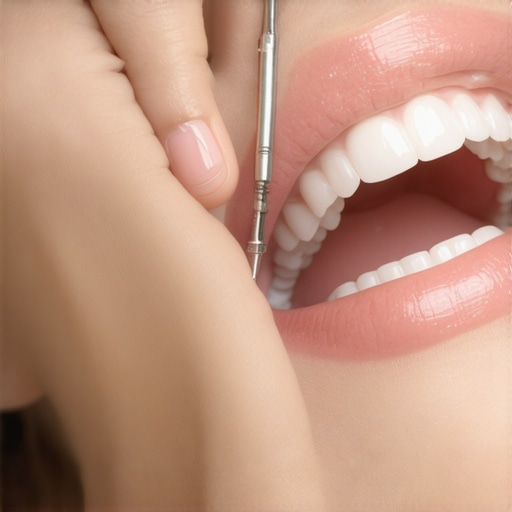
I remember the first time I sat in the dentist’s chair and suddenly felt my teeth loosen under the gentle touch of the dental tools. It was a shock! I thought, *Am I losing my teeth right now?* That flutter of panic made me realize how little I truly understood about what happens during a professional cleaning. Turns out, that sensation isn’t as rare as you might think, and understanding why it happens can actually put your mind at ease.
The Surprising Reason Your Teeth Might Feel Unsteady During a Cleaning
Many people experience a sensation of looseness when dental hygienists or dentists work around their gums or clean between teeth. But here’s the thing: it’s often not as alarming as it feels. The reason behind this sensation usually comes down to gum health and the way soft tissues respond to cleaning procedures. When plaque and tartar are removed, especially around the gumline, the gums may recede slightly or become more sensitive, which can make teeth feel a bit wobbly temporarily.
I’ve learned that this sensation is linked to periodontal health. If your gums are inflamed or receding, the removal of tartar can cause these tissues to shift slightly, leading to that odd feeling. It’s vital to distinguish between a normal temporary sensation and signs of active gum disease. If you’re worried or if the feeling persists, it’s a good idea to consult your dentist or periodontist to evaluate your gum health. For more insights into gum inflammation, check out this article about gum color changes.
Early on in my dental journey, I made the mistake of ignoring mild gum bleeding and sensitivity, thinking it was
Start with Proper Tools and Technique
Before your appointment, familiarize yourself with the right tools—like a soft-bristled toothbrush and interdental brushes—and how to use them effectively. During the cleaning, let the hygienist know if you experience discomfort and ask about their technique to ensure you’re not applying too much pressure, which can cause that loose teeth sensation. Think of your teeth as delicate plants: gentle watering keeps them healthy, harsh methods cause damage.
Learn to Identify Problem Areas
While in the chair, pay attention to areas with plaque buildup or tartar. Use this opportunity to ask your hygienist about spots that are difficult to clean at home. For instance, the back molars or along the gumline often harbor stubborn deposits. Regularly inspecting these zones and understanding their anatomy helps you prioritize cleaning efforts at home.
Effective Flossing and Interdental Cleaning
Flossing is crucial but often misunderstood. Use a gentle sawing motion, curving the floss around each tooth, especially beneath the gumline. If flossing irritates or causes bleeding, consider alternatives like interdental brushes or water flossers. As an example, I once struggled with traditional floss and switched to a water flosser—my gums became healthier, and bleeding subsided, illustrating that choosing the right interdental cleaner is key.
Alternative Methods for Hard-to-Reach Spaces
If flossing isn’t your thing, explore tools like interdental brushes or soft picks. These can be easier to handle and more effective in certain situations. Remember, the goal is to remove debris without damaging gums, so start with gentle motions and increase pressure cautiously.
Managing Sensitivity During Cleaning
If your teeth feel sensitive or wobbly after the procedure, it might be due to exposed roots or gum recession. Use desensitizing toothpaste consistently and avoid aggressive brushing. During my last cleaning, I requested a less abrasive paste, which significantly reduced discomfort and made subsequent cleanings smoother.
Schedule Regular Check-Ups and Imaging
Book dental visits at least once a year, and consider x-rays to catch issues like hidden cavities or early bone loss. For example, I once neglected x-rays and only realized a cavity after it caused a painful abscess—regular imaging helps catch problems before they escalate. This proactive approach supports your daily routine and prevents surprises.
Many people carry misconceptions about teeth cleaning, crowns, and overall oral health, often leading to overlooked issues or unnecessary worries. One prevalent myth is that frequent professional cleanings can replace diligent daily brushing and flossing, which isn’t true. According to the American Dental Association, regular cleanings are essential but should complement, not substitute, at-home care. Overestimating the effectiveness of just routine cleanings might cause complacency, leading to plaque buildup and gum disease over time. Additionally, some believe that crowns are permanent and never require adjustment or replacement. However, crowns can feel high when you bite down or may crack with heavy chewing, emphasizing the importance of regular checkups. This is especially critical as misaligned crowns can accelerate wear on adjacent teeth and cause jaw discomfort.
A common misunderstanding is that oral health issues like cavities or gum disease are solely caused by poor hygiene. While habits matter, genetics and certain systemic conditions also play roles, often caught in initial stages through detailed examinations and x-rays. For example, many overlook early signs of decay, like white spots, which might be mistaken for harmless stains. Being proactive with regular dental visits and understanding nuanced symptoms helps prevent complications.
Specialists point out that aggressive brushing or using abrasive whitening products can damage enamel rather than improve appearance. Over time, this can cause increased sensitivity and even accelerate wear, contradicting the myth that more vigorous cleaning is better. Similarly, some think that mouthwash alone can manage bad breath or gum health. The reality is, mouthwash can mask symptoms temporarily but doesn’t replace mechanical removal of bacteria.
For those considering crowns or dealing with sensitive teeth, mastering the technical nuances—like understanding why some crowns feel cold when drinking iced beverages or how to identify a loose-fitting crown—can significantly improve comfort and longevity. As highlighted in expert studies, combining meticulous at-home hygiene with tailored professional interventions leads to optimal oral health.
Are you falling for any of these misconceptions? Knowing the truths can save your teeth and reduce unnecessary dental visits. For more advanced insights into common pitfalls, check out why your dentist emphasizes annual x-rays and learn how early detection makes all the difference. Stay vigilant and proactive about your dental journey—your smile deserves it!Maintaining your oral health over time requires more than just regular visits to the dentist; it involves investing in the right tools and techniques that support your daily routine. One of my top recommendations is **an ultrasonic toothbrush**, which employs high-frequency vibrations to effectively remove plaque without requiring excessive pressure. Unlike manual brushes, these devices reduce your risk of gum recession and enamel wear, especially if you’re prone to aggressive brushing.
Another game-changer is **interdental brushes** specifically designed for tight spaces. I personally use small, tapered brushes that easily slide between teeth, significantly improving debris removal in areas that are often neglected with standard floss. These tools are particularly beneficial for those with crowded teeth or dental restorations like crowns, as they help prevent plaque buildup around the margins.
In addition, incorporating **water flossers** into your routine has transformed my approach to interdental cleaning. The pulsating water stream not only dislodges food particles but also stimulates gum tissue, promoting healthier gums over time. I recommend starting with a model equipped with adjustable pressure settings to customize your cleaning experience.
For professional guidance, I rely on **software like Dental Monitoring**, which allows my dental team to track my oral health progress remotely. This integration of technology ensures I stay informed about potential issues before they escalate, facilitating timely interventions.
Looking ahead, the trend is moving towards smarter, app-connected devices that offer real-time feedback and personalized coaching. These innovations will empower individuals to maintain optimal oral health with minimal guesswork.
**How do I keep my tools effective over time?** Regularly replace toothbrush heads every three months, and clean your interdental brushes and water flosser nozzles weekly to prevent bacterial buildup. Investing in quality tools, combined with consistent maintenance, can drastically extend their lifespan and effectiveness.
Finally, I urge you to try using a water flosser with multiple pressure modes to find the most comfortable setting for your gums. Remember, the consistency of your routine and the quality of your tools are key to sustaining long-term oral health. For a deeper dive into advanced cleaning techniques, check out this article about the **best way to clean between teeth if you hate flossing**.” alt=”Close-up of an ultrasonic toothbrush in action” title=”The Benefits of Ultrasonic Toothbrushes for Oral Care” />
The Hardest Lesson I Learned About Teeth Cleaning, Family Dentistry, Crowns, and Oral Health
One of the most eye-opening experiences I had was realizing that not all sensations during dental visits are cause for alarm. For example, the feeling of looseness during a cleaning initially made me panic, but I learned that it’s often linked to gum health and temporary tissue responses—an essential reminder to listen to professional advice rather than self-diagnose based on sensations alone.
Secondly, I discovered that misconceptions about crowns and family dentistry can lead to neglecting maintenance. Believing crowns are lifelong without needing checkups was a mistake—regular evaluations ensure longevity and comfort. This teaches us that ongoing care, even after initial treatments, is critical for lasting oral health.
Another vital lesson was realizing that aggressive brushing or whitening products can damage enamel, a concept that shifted my approach from force to finesse. I learned that understanding the nuances of oral tools and techniques prevents damage and promotes healthier teeth over time.
Finally, I recognized that early signs of issues like early decay or gum disease often go unnoticed, emphasizing the importance of regular professional assessments to catch problems before they escalate—underscoring proactive rather than reactive care.
Tools and Resources That Transformed My Routine
My first game-changer was the ultrasonic toothbrush, trusted for its gentle yet effective plaque removal, decreasing gum recession risks.
Interdental brushes became my allies in cleaning hard-to-reach spots, especially around crowns and braces, making daily maintenance manageable and thorough.
In my quest for better oral health, I turned to trusted sources like expert advice on managing dental emergencies and the importance of regular x-rays for early detection. These resources have provided clarity and peace of mind, proving invaluable for maintaining a healthy smile.
Embrace Your Power to Improve Your Smile Today
Remember, your oral health is an ongoing journey, and understanding these subtle lessons empowers you to make smarter choices. Whether it’s choosing the right tools, scheduling routine checkups, or debunking myths, every step you take leads to a healthier, more confident smile.
Are you ready to take control of your oral care and break free from misconceptions? Spread your insights or ask your questions below—your smile deserves proactive love!
,