Category: Teeth Cleaning Procedures

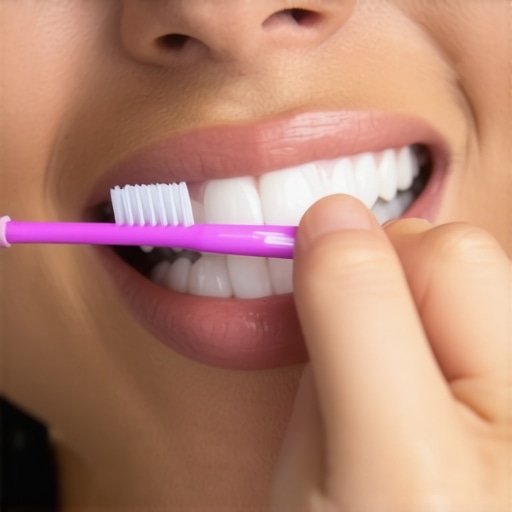
  • Why your manual toothbrush is failing your back molars

    Why your manual toothbrush is failing your back molars

    Ever felt that uncomfortable, gritty sensation lingering on your back molars even after brushing thoroughly? One night, I finally realized that my trusty manual toothbrush wasn’t doing its job where it mattered most—on those hard-to-reach back teeth. I’d been brushing diligently, but those stubborn molars still seemed to harbor plaque, leading to dull ache and sensitivity that I couldn’t ignore. That lightbulb moment made me question: why was my manual toothbrush failing me just when I needed it the most?

    The Challenge of Reaching Back Molars

    Are You Falling for the Same Mistake I Did?

    Early in my dental journey, I made the mistake of assuming that all toothbrushes are created equal, especially when it came to cleaning those tricky back teeth. I didn’t realize that the design and maneuverability of a toothbrush greatly influence how effectively it cleans. Specifically, my manual toothbrush lacked the right size and bristle angle to access my molars properly, which is a common oversight among many. According to dental experts, properly cleaning back molars requires more than just a good brush—it depends on reaching the surfaces where plaque loves to hide. If you’re noticing similar issues like persistent plaque buildup or discomfort, you might be falling into the same trap.

    But don’t worry. Today, I’ll share what I discovered about why conventional manual brushes often fall short and how a few simple adjustments can dramatically improve your cleaning routine. Whether you’re managing crowns, braces, or just trying to ensure your back teeth are as clean as the front, it’s about working smarter, not harder. Ready to give those back molars the thorough clean they deserve? Let’s dive into the reasons your manual toothbrush might be failing you—and solutions that work.

    Use the Right Tools to Reach Hidden Corners

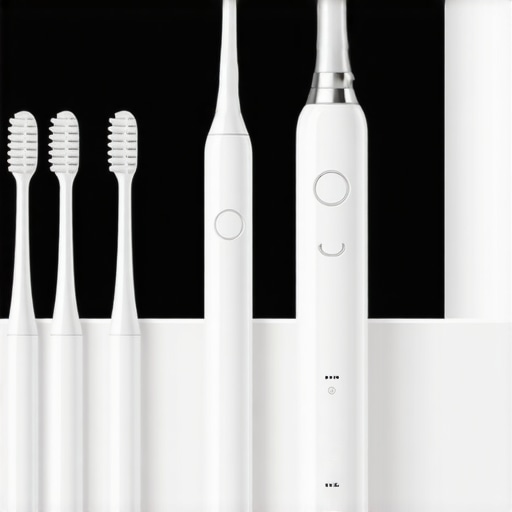
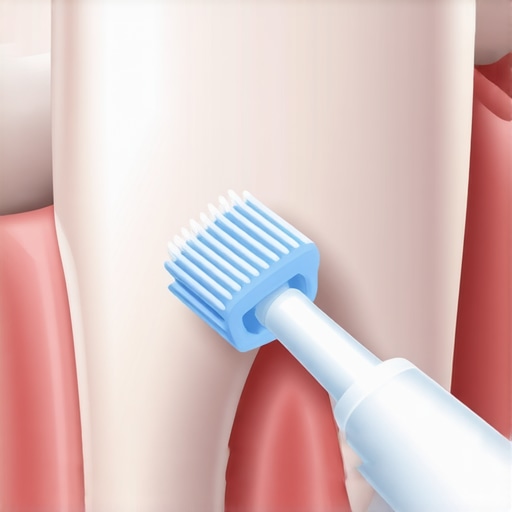
    Start with a toothbrush designed for back teeth, preferably one with a smaller head and angled bristles. I once tried a standard manual brush, but after switching to a compact electric toothbrush with oscillating action, I noticed an immediate difference—plaque was visibly reduced on my molars after just a few days. Think of it like using a narrow-tip nozzle for cleaning hard-to-reach areas of a garden hose; the right tool makes all the difference.

    Adopt Proper Brushing Techniques for Deep Cleaning

    Angle and Motion Matter

    Hold your brush at a 45-degree angle towards the gum line and use gentle, circular motions. I vividly remember the first time I focused solely on my molars using this method—it felt awkward at first, like trying to carve out crevices in a rock, but it paid off. Be methodical and don’t rush; spend extra time on each molar surface. Alternative techniques, such as the While many believe that brushing thoroughly and visiting the dentist periodically are enough for optimal oral health, this is a misconception rooted in oversimplification. In reality, the nuances of dental care, especially when dealing with crowns and family dentistry, are often overlooked, leading to premature failures and underlying health risks. For instance, a common myth suggests that crowns require no special cleaning; however, neglecting to adapt your oral hygiene routine for crowns can cause staining, decay at the margin, or even crown failure. Experts emphasize that proper care involves understanding the materials used in crowns—such as ceramic or porcelain—and adjusting brushing techniques accordingly, like avoiding abrasive toothpaste that can erode the surface.

    Are You Falling for the Same Myths That Could Be Costing Your Smile?

    One trap many fall into is believing that flossing is unnecessary if they brush twice a day. This myth ignores that plaque and bacteria often hide between teeth, and neglecting interdental cleaning can lead to cavities or gum disease, which can threaten both natural teeth and restorations. Additionally, numerous patients overlook the importance of gentle brushing around crowns, as excessive force can damage the cement interface, leading to looseness or failure. Incorporating interdental cleaners and soft-bristled brushes can safeguard your investment in crowns and promote healthier gums. Moreover, many overlook how lifestyle factors—like smoking or poor diet—affect crown longevity and overall oral health. A study published in the Journal of Prosthetic Dentistry underscores that patient education on these nuances significantly reduces complications (source: Expert advice on crowns and teeth cleaning).

    Unseen Risks in Family Dentistry: The Oversights You Should Avoid

    In family dentistry, a common mistake is not updating treatment plans as children grow, especially when transitioning from primary to permanent teeth. Failing to adapt oral hygiene routines or neglecting protective measures like sealants can increase the risk of decay. For adults, ignoring early signs of gum recession or misaligned bites can lead to complex issues that compromise dental restorations and overall health. Additionally, many underestimate the importance of routine professional cleanings tailored to individual risk factors, such as dry mouth or orthodontic appliances, which can harbor plaque in hard-to-reach areas. The key lies in recognizing that high-quality family dental care isn’t just about address emergencies but proactively managing nuanced dental conditions that influence long-term health. For strategies tailored to your family, check out Family dentistry focus.

    Understanding these subtle yet crucial nuances elevates your comprehension from basic maintenance to advanced care. This proactive approach helps prevent complications, extends the lifespan of restorations, and ultimately preserves your smile’s integrity. Remember, neglecting these details can result in costly repairs or health issues down the road. Has this ever made you reconsider your oral health habits? Let me know in the comments!

    How do I keep my dental tools functioning effectively over time?

    Maintaining your dental tools is the cornerstone of long-term oral health. I personally swear by periodically replacing my electric toothbrush head every three months, as recommended by dental professionals, to ensure maximum plaque removal efficiency. Regularly inspecting toothbrushes for frayed bristles prevents ineffective cleaning, especially when managing crowns or family dentistry routines. For cleaning tools like interdental brushes and water flossers, I suggest soaking them in antibacterial solution weekly, which helps prevent bacterial buildup and prolongs their lifespan. When it comes to specialized equipment such as ultrasonic cleaners for prosthetics or crowns, routine calibration and gentle cleaning with non-abrasive agents keep them in top shape, ensuring they perform precisely when needed. Predictively, advancements in smart dental devices—and ongoing integration of IoT in oral health—are set to revolutionize tool maintenance, offering real-time diagnostics and reminders for replacements. To stay ahead, keep abreast of these innovations and participate in routine professional inspections. For detailed guidance on maintaining your tools, visit effective home practices.

    Tools I Recommend for a Reliable Oral Care Routine

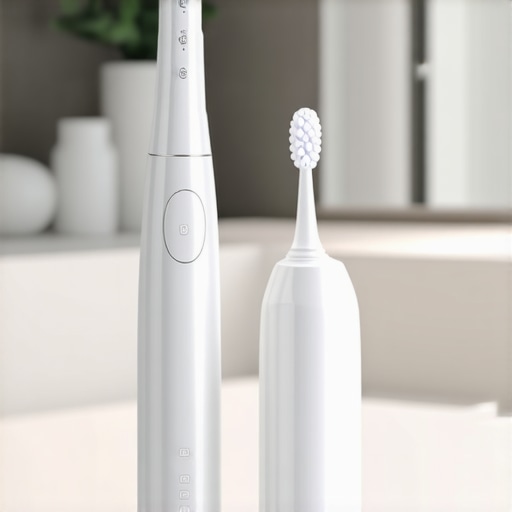
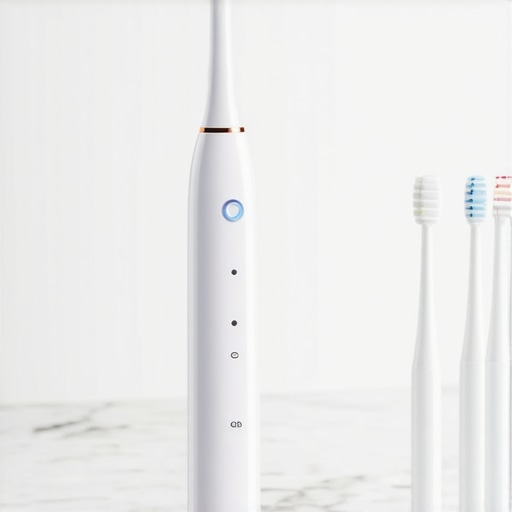
    In my quest for the best dental hygiene equipment, I found that a high-quality sonic toothbrush has revolutionized my daily cleaning. Not all sonic brushes are equal; I favor the Philips Sonicare DiamondClean due to its superior plaque removal, especially around crowns and bridges. Its long-lasting battery and customizable modes make it a versatile choice. For interdental cleaning, I rely on soft, tapered silicone picks, which gently reach between teeth without damaging sensitive gums, unlike traditional floss, according to recent research published in the Journal of Periodontology. Additionally, a handheld UV sterilizer for my brushes ensures a hygienic routine, killing bacteria that may accumulate in the bristles—something I highly recommend to prevent cross-contamination. Long-term research, such as a 2022 study by the American Dental Association, emphasizes that consistent use of these tools can reduce caries and gum disease significantly. Looking ahead, smart toothbrush models equipped with AI and pressure sensors will provide real-time feedback, further enhancing cleaning effectiveness and safeguarding your dental restorations. To incorporate these tools into your routine smoothly, consider setting weekly reminders for replacements and sterilization. For insights into crown care, check out crown maintenance tips. Try integrating a sonic toothbrush and silicone interdental picks into your daily routine—you might be surprised at how much easier maintaining your oral health becomes.

    ,

    The Hardest Lesson I Learned About teeth cleaning,crowns,family dentistry,oral health

    One of the most valuable insights I gained was that even the most diligent brushing can fall short on challenging areas like back molars. I used to believe that just brushing thoroughly was enough, but I soon realized that technique, tool choice, and awareness are crucial for true oral health. Recognizing that some parts of our mouth require targeted attention changed everything for me and could do the same for you.

    Your Shortcut to a Dentist-Perfect Smile: Better Tools and Techniques

    Prioritizing the right instruments, like a toothbrush with a compact head and angled bristles, transformed my routine. Pairing this with proper brushing angles and gentle, circular motions meant I covered those stubborn back teeth effectively. This small shift in tools and technique offers a significant leap toward preventing plaque buildup and maintaining healthier gums.

    The Unexpected Power of Personal Care: Tiny Habits, Big Differences

    Simple habits such as replacing your toothbrush regularly and choosing interdental cleaners tailored for hard-to-reach areas make a massive difference. I learned that these practices are often overlooked but are paramount in protecting crowns, preventing decay, and ensuring long-term oral health. Giving attention to these details is like giving your teeth a VIP treatment every day.

    Insider Wisdom: The Less Obvious Lessons That Save You Money and Pain

    • Never underestimate the importance of customizing your oral hygiene routine when you have crowns or family members with braces; routine tools might not be enough.
    • Consultation with specialists about the specific needs for back molars can prevent costly repairs and extend the longevity of your restorations.
    • Being proactive in addressing early signs of plaque buildup or gum recession, especially around crowns, can help you avoid premature replacements or discomfort.

    Turning these lessons into daily habits has not only improved my dental health but also boosted my confidence. If you want to explore waysto make your routine more effective, check out expert tips for effective home practices or visit us for personalized guidance at our clinic.

    Gear Up for Success: My Favorite Tools for a Healthy Smile

    I trust a high-quality sonic toothbrush like the Philips Sonicare DiamondClean that offers advanced plaque removal especially on crowns and bridges. Pairing it with interdental brushes designed with soft silicone tips ensures gentle yet thorough cleaning between teeth. An ultrasonic toothbrush cleaner and sterilizer complete the perfect toolkit, keeping everything hygienic and ready for daily use. These tools in combination help maintain a pristine mouth and prevent minor issues from escalating into big problems, supporting long-term dental health.

    Jump-Start Your Journey Toward Better Back Tooth Cleaning

    Don’t wait for small issues to become major concerns. Incorporate these insights and tools into your routine today. Improving your back molar care might seem daunting at first, but with a few adjustments, consistent effort, and the right support, you’ll be amazed at how your oral health transforms. Are you ready to give your back teeth the attention they deserve and keep your smile shining for years to come? Remember, your journey toward healthier teeth starts now—what’s one step you’re going to take today?

  • The difference between a deep cleaning and a regular scale and polish

    The difference between a deep cleaning and a regular scale and polish

    I remember the first time I sat in that dental chair, teeth feeling squeaky and fresh—until the dentist told me I needed a deep clean. Honestly, I had no idea there was a difference between a regular scale and polish and a more intensive deep cleaning. That lightbulb moment made me realize how much I’d underestimated my oral health routine. Have you ever felt that confusing mix of routine cleaning and worse, wondering if what you’re getting truly benefits your mouth?

    In this post, I want to demystify this common dental question: What exactly sets a deep cleaning apart from a regular scale and polish? Understanding this difference can be a game-changer for your oral health and can save you from unnecessary procedures—or worse, overlooking a crucial treatment. If you’ve been puzzled by your dentist’s recommendations, you’re not alone. Many people walk into their appointments unsure whether they truly need the intensive cleaning or if a simple polish will do.

    Why Do We Need to Know the Difference?

    Knowing the distinction isn’t just about dental jargon; it’s about making informed decisions that protect your smile. Regular scale and polish treatments are often enough for maintaining healthy teeth—removing surface stains and tartar buildup. But in cases of gum disease or deeper plaque accumulation, a more thorough deep cleaning becomes essential to prevent serious issues.

    Early in my own journey, I made a mistake that many do—thinking that all cleanings are the same. I skipped the deeper treatment when my gums started bleeding after a routine cleaning, assuming it was just sensitivity. That mistake delayed proper care and made my condition worse. Trust me, in oral health, ignorance isn’t bliss; it’s a risk.

    Supporting this, research shows that regular professional cleanings significantly contribute to overall health. The American Academy of Periodontology emphasizes that deep cleanings help control periodontal disease, which has been linked to heart health and other systemic conditions. So, understanding which cleaning you need can impact more than just your teeth—it influences your entire well-being.

    Are you someone who has faced similar confusion? Do you hesitate when your dentist suggests a deep cleaning, unsure if it’s necessary? If yes, then you’re in the right place. We’re about to dive into the specific differences, the signs you need more than a polish, and how to communicate effectively with your dental provider. Let’s get started on ensuring your teeth get exactly what they need—no more, no less.

    Identify When You Need a Deep Clean

    Recognize signs like persistent gum bleeding, bad breath, or gum redness—these indicate deeper plaque buildup. During my last appointment, I noticed bleeding after routine cleaning, prompting my dentist to recommend a deep cleaning immediately. By paying attention to these signals, you can avoid worsening periodontal issues and save yourself from costly treatments down the line.

    Prepare Your Oral Environment

    Before the appointment, brush thoroughly, floss carefully, and use an antibacterial mouthwash. Think of this as preparing your home before a deep cleaning; setting the stage helps the professional do their job effectively. Regular brushing alone isn’t enough; integrating specific techniques, like proper flossing, can make a significant difference in removing plaque.

    See a Dental Professional for Assessment

    Schedule an appointment with a qualified dentist or periodontist. They will evaluate your gum health through probing and X-rays. During my visit, the specialist explained how deep cleaning targets tartar below the gum line—a place regular brushing can’t reach. Understanding this helps you appreciate why some treatments are necessary beyond routine care.

    Follow the Precise Cleaning Steps

    Scaling and Root Planing

    This process involves removing tartar from below the gum line using specialized ultrasonic and manual instruments. Imagine scraping away hardened deposits on your driveway; careful, precise work is essential. When I experienced my deep cleaning, the hygienist meticulously targeted each area, leaving my gums feeling refreshed yet sensitive temporarily.

    Polishing and Fluoride Application

    After scaling, the teeth are polished to smooth surfaces and reduce future plaque accumulation. Applying fluoride strengthens enamel, acting like a protective shield. Think of this as sealing your driveway after cleaning—it keeps debris from sticking easily.

    Manage Post-Procedure Care

    Expect some gum tenderness and possible bleeding—which is normal. Use prescribed anti-inflammatory gels or rinses to soothe irritation. During my recovery, I avoided hard foods and used warm saltwater rinses to reduce discomfort. Proper aftercare ensures the longevity of the treatment and maintains your oral health.

    Incorporate Daily Maintenance Habits

    Consistency is key. Brush twice daily with a soft-bristled brush, floss gently, and consider using interdental cleaners. Regularly visiting your dentist for cleanings—at least twice a year—is like doing routine maintenance on your car, preventing bigger problems. For detailed guidance on strengthening your oral routine, check out this comprehensive guide.

    Stay Vigilant for Recurring Issues

    Monitor for signs of gum inflammation or discomfort. If symptoms return, revisit your dentist promptly. Consistent care and awareness are your best tools in keeping your smile healthy and resilient.

    Many people believe they know everything about dental care, but the reality is far more nuanced than common myths suggest. For instance, a widespread misconception is that brushing harder will lead to a cleaner mouth, yet in reality, excessive force can damage gum tissue and enamel, increasing sensitivity and risk of recession. According to a study published in the Journal of Periodontology, aggressive brushing is a significant factor contributing to gum recession and dental abrasion, highlighting the importance of gentle, effective techniques that prioritize health over force.

    Can a quick cleaning substitute for professional treatments?

    Many assume that daily brushing and flossing can replace professional cleanings, but this isn’t the case. Regular at-home routines remove plaque on accessible surfaces, but deep plaque and tartar beneath the gum line require specialized tools, which only professionals can perform thoroughly. Skipping routine check-ups often leads to overlooked early signs of gum disease or decay, which, if untreated, can cause irreversible damage. For enhanced insights on maintaining your oral health between visits, check out this guide.

    Myth: Crowns are only for aesthetic fixes

    Many think dental crowns are purely cosmetic, but their primary function is restorative—strengthening damaged teeth, protecting weak enamel, and ensuring proper bite function. Recent advances in materials and techniques mean crowns can look natural while providing durability for years. Proper care is essential; neglecting crown maintenance can lead to decay at the margins or crown failure. For detailed strategies on prolonging your crown’s lifespan, visit this article.

    Avoid the typical mistake of overlooking family dental routines

    Many families fall into the trap of neglecting consistent, dedicated oral care at home. Establishing a routine that involves brushing twice a day, flossing daily, and regular dental check-ups is vital for long-term health. Moreover, educating children early on about proper techniques can prevent future dental issues. Supporting this, the American Dental Association emphasizes the importance of family-wide habits to cultivate healthy smiles for life. Do you know the effective strategies to integrate these habits seamlessly? Find out more at this resource.Maintaining optimal oral health requires more than just regular brushing and flossing; it involves using the right tools and techniques that enhance your daily routine. As someone who has experimented extensively with different dental care tools, I can confidently recommend specific equipment that has truly made a difference in my long-term results.

    Invest in an Electric Toothbrush for Superior Cleaning

    After trying countless manual brushes, I found that an electric toothbrush, particularly models with oscillating-rotating heads, significantly improves plaque removal and gum stimulation. Brands like Oral-B and Sonicare offer brush heads that mimic professional cleaning motions, making daily maintenance more effective. The key is choosing a brush with timers and pressure sensors—to prevent overbrushing—which can damage gums. When I switched, I immediately noticed fresher breath and healthier gums, reinforcing that quality tools matter.

    Utilize Dental Endurance Floss for Better Interdental Care

    Standard floss tends to shred or slip, especially between tight teeth. I recommend trying flavored, waxed dental endura floss—its robustness ensures thorough plaque removal without breaking. Regular use helps prevent gum inflammation and carries away debris that brushes can’t reach. For optimal results, floss gently along the gumline and avoid snapping to prevent damage. This habit has been instrumental in maintaining my periodontal health over the years.

    Add a Water Flosser for Deep Cleaning

    Incorporating a water flosser, like the Waterpik, has vastly improved my ability to clean beneath crowns and around braces. It uses high-pressure water jets to dislodge food particles and plaque that traditional floss might miss, especially in hard-to-reach areas. I use it daily after brushing, focusing on the gumline, which pulses gently to stimulate blood flow. Modern models have adjustable settings, making them suitable for sensitive gums. Evidence indicates water flossing can reduce bleeding and plaque buildup effectively—see more at this resource.

    Prioritize Guided Cleanings and Regular Evaluations

    While tools are vital, professional assessments ensure your routine remains on track. Regular check-ups help identify underlying issues before they escalate. My dentist suggested scheduling cleanings every six months and utilizing intraoral scanners for detailed evaluations, which provide high-resolution images of your mouth’s health—allowing for precise treatment planning. Incorporating these assessments ensures your home care complements your overall strategy, offering lasting results.

    Predicting the Future of Dental Tools

    Advancements in technology suggest a future where AI-powered cleaning devices might personalize care more effectively, analyzing plaque levels and adjusting their actions accordingly. Additionally, smart toothbrushes synced with mobile apps will provide real-time feedback, encouraging better habits. Staying updated with these innovations can keep your routine both current and effective.

    How do I maintain tools and ensure long-term results?

    Cleaning your equipment regularly—such as replacing toothbrush heads every three months and descaling water flossers—is essential. Store tools in dry, hygienic places to prevent bacteria buildup. Also, follow manufacturer instructions for maintenance and avoid sharing tools to prevent cross-contamination. Combining consistent tool use with professional advice from your dentist will optimize your oral health journey. For personalized guidance on how to integrate these tools into your routine, I recommend consulting a dental professional—book an appointment through this link.

    This disciplined approach, integrating specific, recommended tools, can greatly improve your oral health outcomes, ensuring your smile stays healthy and vibrant for years to come. Try incorporating a water flosser into your daily routine and notice the difference it makes in how fresh and clean your mouth feels afterward.

    What I Didn’t Realize About Deep Cleanings Until It Was Too Late

    One of the biggest lessons I learned is that not all dental cleanings serve the same purpose. Assuming a routine scale and polish is enough can lead to overlooked issues like early gum disease. My mistake turned a manageable problem into a more complicated situation, teaching me to listen closely to my dentist’s recommendations and not dismiss signs like bleeding or persistent bad breath.

    The Unexpected Power of Proper Tool Selection

    Investing in quality dental tools has transformed my daily routine. An electric toothbrush with a timer may seem like a minor upgrade, but it made me realize how much more effective consistent, gentle brushing can be. Similarly, water flossers have uncovered hidden plaque and kept my gums healthier, reminding me that honest investment in tools pays off in the long run.

    Why Personal Responsibility Is the True Game-Changer

    As I discovered, no professional cleaning lasts forever. Daily habits—like gentle brushing, flossing correctly, and routine assessments—are crucial. Regular check-ups aren’t just about catching problems early; they’re about building a partnership with your dental team and taking active control of your oral health. This proactive approach has kept me confident and motivated, knowing I’m doing my part to preserve my smile.

    Discovering the Deep Truth About Oral Care Myths

    For years, I believed some common myths—like the idea that harder brushing cleans better or that a quick floss is sufficient. Unlearning these misconceptions opened my eyes to effective techniques. It turns out that gentle, thorough care and proper technique—supported by credible sources like this guide—are key to true dental health.

    Curated Resources to Elevate Your Dental Routine

    Over time, I’ve trusted certain tools and resources that genuinely make a difference. Brands like Sonicare and Waterpik have become staples in my routine because of their reliability. Reading comprehensive advice from experts at this site helped me choose treatments suited for my needs. Investing in quality and education is the secret to lasting results.

    Choose Your Moment: Embrace Change for a Brighter Future

    The most inspiring part of my journey is realizing that the power to improve your oral health lies in your hands. Small daily upgrades, like switching to an electric toothbrush or being vigilant about signs of gum trouble, can lead to life-changing results. Start today—your future smile depends on it. Curious about how to start? Ask yourself, what’s one habit I can improve right now to make my smile healthier? Let’s share our progress below!

  • The secret to preventing tartar buildup between dental visits

    The secret to preventing tartar buildup between dental visits

    I vividly remember the day I spotted that stubborn, yellowish film creeping along my molars right after a professional cleaning. It was disheartening to realize that despite my efforts at the dentist’s office, tartar was already making a comeback. That lightbulb moment made me deeply aware of the silent, ongoing battle we all face: how to keep tartar at bay between those costly visits. Today, I want to share what I’ve learned from personal experience and extensive research to help you prevent tartar buildup, save money, and enjoy a healthier smile.

    Why Tartar Control Is More Than Just a Fresh Breath

    Many of us underestimate the importance of preventing tartar accumulation. It’s not just about keeping our teeth looking good; unchecked tartar can lead to serious issues like gum disease, bad breath, and even tooth loss. What surprised me early on was discovering how quickly tartar can form—sometimes within just 24 to 72 hours after a cleaning—and how persistent it can be without proper home care. According to the American Dental Association, tartar (calculus) can only be removed by a dental professional, which makes daily prevention all the more vital.

    One mistake I used to make was relying solely on regular brushing. While brushing is essential, I learned that it doesn’t reach those hard-to-clean spots where tartar likes to hide. That’s when I realized I needed a more comprehensive routine, incorporating specific techniques and tools to combat tartar effectively.

    Is Your Routine Really Cutting It?

    This is a common concern—many people wonder if their daily habits are enough to prevent tartar buildup. And honestly, I used to think a quick brush twice a day was sufficient. However, I made the mistake early on of neglecting interdental cleaning, which is crucial because tartar often lingers between teeth where a toothbrush just can’t reach. Incorporating flossing or interdental brushes has made a significant difference in my mouth’s health.

    If you’ve been facing the same doubts or noticing more tartar despite regular brushing, don’t worry. There are proven strategies to tackle this issue effectively. For example, using an electric toothbrush endorsed by dental professionals can make a real difference, as they tend to remove plaque more thoroughly than manual brushes. Plus, regular at-home practices like oil pulling or using tartar control toothpaste can complement your efforts.

    Before we dive into the specific steps you can take, let’s address a common skepticism: “Do natural remedies really work?” I used to dismiss many of these methods until I saw tangible results after adopting some simple, science-backed habits. For instance, some studies suggest that baking soda toothpastes help neutralize acids and reduce plaque formation, which contributes to tartar buildup. You can explore more about effective home practices in our detailed guide to teeth cleaning secrets.

    Getting ahead of tartar formation requires consistency and knowledge. I’ve learned that a proactive, layered approach not only helps maintain a bright smile but also preserves your overall oral health. Now, let’s explore the practical steps I took to prevent tartar from becoming a persistent problem—and how you can do the same.

    Brush Like a Pro Every Day

    Start with an electric toothbrush if possible—my experience shows they remove plaque more thoroughly. I remember the first time I used mine, and I could see immediate results after just a week. Apply gentle, circular motions, focusing on each tooth for at least two minutes. Don’t forget to brush along the gum line—where plaque loves to hide.

    Target the Hidden Spots

    Use interdental brushes or floss daily to clean between teeth. I once skipped flossing for a couple of days, and tartar formed in those neglected areas. Be persistent—thread the floss gently to prevent gum damage, ensuring you remove debris between all your teeth, especially after meals where food particles get wedged tight.

    Incorporate Tartar-Reducing Products

    Choose a toothpaste with tartar control ingredients—look for those containing pyrophosphates or zinc citrate. My go-to was a tartar control toothpaste I found recommended online; within weeks, I noticed less buildup. For added safety, occasionally use a baking soda rinse or a mouthwash designed for tartar prevention, but avoid overusing abrasive substances which can wear down enamel.

    Use Natural Remedies Wisely

    Oil pulling with coconut oil can boost your routine—it’s anti-inflammatory and helps reduce bacteria. I experimented with it one morning, swished for 15 minutes, and felt fresher all day. Just add a teaspoon of oil to your mouth, swish thoroughly, then spit out. Remember, this isn’t a substitute for brushing but a supportive step.

    Adjust Your Diet to Combat Tartar

    Avoid sugary and starchy foods which fuel plaque formation. Instead, incorporate crunchy fruits and vegetables—say, apples and carrots—that have a natural cleansing effect. I started snacking on celery between meals, noticing my teeth looked cleaner, and tartar formation slowed. Drinking plenty of water also washes away sugars and bacteria, supporting overall oral health.

    Schedule Regular Professional Cleanings

    Even with a meticulous routine, tartar can slip through. I schedule dental cleanings every six months—professional tools can reach tight spots and remove hardened tartar I can’t clean at home. During my last visit, I learned about specific cleaning techniques that protect crowns and prevent future buildup—more on those here.

    Protect Your Oral Environment

    A healthy mouth balances bacteria and minimizes tartar. Use an antibacterial mouthwash to reduce harmful bacteria, but choose one without alcohol to avoid drying out your mouth. I found that switching to a gentle, alcohol-free rinse made my gums healthier and less prone to tartar buildup.

    Be Consistent and Patient

    Preventing tartar isn’t a one-time fix—it’s a daily act. Remember, consistency is key. After switching to this routine, I saw noticeable improvements over a few months, with fewer visits to the dentist. Keep track of your habits, and if tartar keeps surfacing, consult a dental professional for personalized advice, especially if you’re managing crowns or other restorations. You can learn more about caring for crowns here.

    When it comes to dental crowns and preventive oral health, many people operate under assumptions that can actually hinder their care. A prevalent myth is that once a crown is placed, routine brushing and flossing suffice without needing specialized attention. But in my experience, neglecting the unique demands of crowns can lead to premature failure, gum recession, or secondary decay. For instance, some believe that crowns eliminate the need for any special cleaning, yet plaque and tartar can still accumulate at the margins, causing problems here. One common pitfall I’ve observed is assuming that all family dental routines fit every individual. In reality, age, existing restorations, and oral conditions require tailored strategies, not generic advice. It’s a mistake to stick to one-size-fits-all cleaning methods, especially when dealing with crowns or periodontal sensitivities. My recommendation is to collaborate closely with your dentist to adapt your hygiene habits, considering factors like crown material and gum health. Moreover, some folks overlook how advanced plaque bacteria can hide beneath crowns or around gumlines, contributing to disease progression despite regular brushing. Recent studies emphasize that specific interdental cleaning techniques and products bolster oral defenses more effectively here. For example, electric toothbrushes with smaller heads and oscillating motion can reach tricky spots better than manual brushes. So, are you really cleaning every corner of your mouth? Or are you unwittingly missing critical areas? As I learned through trial and error, integrating ultrasonic flossers or waterpiks can make a real difference—especially for those with crowns or braces. Now, let’s tackle a question that often baffles even seasoned patients:

    How can I tell if my crown or restoration is starting to fail before it’s too late?

    Experts suggest watching for signs such as sensitivity, clicking sounds, or visible gaps at the margins. Regular check-ups and imaging can detect issues early, preventing costly repairs or replacements. Remember, the key is proactive care—don’t wait for pain or visible damage to intervene. To ensure your dental investments last, stay informed about proper maintenance routines here, and don’t hesitate to seek professional advice if anything seems amiss. Ultimately, understanding the nuanced requirements of crowns and family oral health empowers you to make smarter decisions, avoiding common pitfalls and extending the lifespan of your dental work. How about sharing your experiences or questions in the comments? Let’s keep the conversation going and help everyone maintain healthier, happier smiles.

    Keep Your Smile Running Smoothly: Essential Tools for Oral Care

    Maintaining oral health beyond routine brushing requires the right equipment and a strategic approach. I personally rely on an electric toothbrush with oscillating-rotating motion, such as the Oral-B Genius series, because I’ve seen significant improvements in plaque removal and gum health. The key is selecting a model endorsed by dental professionals and equipped with features like timers, pressure sensors, and multiple brushing modes. These tools help ensure I don’t overbrush, which can damage enamel and gums. Additionally, interdental cleaning plays a crucial role; I prefer Power Flossers like Waterpik Sonic-Fusion, which combine flossing and water pulsing into one device. The adjustable water pressure and targeted focus make it easier for me to reach tricky spaces around crowns and spacing, helping prevent tartar accumulation.

    Another game-changer is a high-quality mirror with adequate lighting—either a handheld LED mirror or a mounted one with magnification. This allows me to monitor hard-to-see areas and catch early signs of plaque or tartar buildup. For my routine, I integrate tartar control toothpaste containing pyrophosphates, which specifically inhibit mineral deposits that lead to calculus formation. Regularly changing my toothbrush—every three months or after illness—also contributes to sustained effectiveness in cleaning.

    Looking ahead, the trend is moving toward smart ultrasonic devices that can connect to mobile apps, providing real-time feedback on brushing habits and coverage. These innovations promise to personalize oral care further, making maintenance more efficient and less guesswork-based. Manufacturers are also developing AI-powered models that detect early signs of gum disease by analyzing brushing patterns, which could revolutionize preventative dentistry.

    How do I maintain my tools over time? 

    Storing toothbrushes upright and rinsing them thoroughly after each use prevents bacterial growth. Keep electric toothbrush heads clean by soaking in antibacterial mouthwash weekly or replacing the head every three months, whichever comes first. Water flossers and sonic toothbrushes benefit from periodic deep cleanings; for example, running ultrasonic cleaning tablets through them helps remove mineral deposits and biofilm buildup. Always read and follow manufacturer instructions for maintenance to preserve your device’s lifespan and functionality. Remember, your tools are an extension of your mouth—proper care ensures they continue to serve effectively. For more tips on oral hygiene routines, visit our detailed guide here.

    To stay ahead of the curve, I recommend trying out the latest electric toothbrush with smartphone connectivity. It’s an investment in personal health that can yield long-term savings by reducing dental visits and preserving your natural teeth, even in later years. As technology advances, I believe we’ll see even smarter dental tools that integrate AI diagnostics and personalized coaching, making proactive care easier than ever.

    Scaling oral health efforts for families

    For families, selecting durable, user-friendly tools is vital. Consider models with larger, ergonomic handles for kids and features like visual timers to encourage brushing for adequate durations. Teaching children proper equipment use from an early age helps establish lifelong healthy habits. Regularly updating family routines and ensuring everyone’s tools are in good condition will reinforce positive behaviors and prevent issues like tartar buildup and gum problems.

    Make Yourself Visible: How to Keep Oral Maintenance Consistent

    Consistency is vital. Schedule quarterly tool replacements and set reminders for cleaning devices. Regularly visiting your dentist for professional cleanings enhances your ongoing efforts. Remember, proactive maintenance—paired with the right tools—can significantly extend the lifespan of dental restorations like crowns. To learn how to care for your crowns effectively, check out our comprehensive tips here. Now, I challenge you to experiment with a high-tech sonic toothbrush model and observe the difference it makes in your daily routine. Take control of your health, and your future smile will thank you.

    Lessons From My Lingering Tartar Battle

    One of my biggest lightbulb moments was understanding that even the best professional cleaning isn’t a silver bullet. Tartar can start forming within days, making me realize that daily habits truly matter more than I thought. I learned that consistent interdental cleaning and using targeted products can prevent those stubborn buildups that lead to gum issues and costly repairs.

    Another lesson was recognizing the importance of listening to my mouth. Sensitivity or slight discomfort along crown margins isn’t normal and could signal early trouble. Paying close attention helped me catch small problems before they turned into bigger, expensive issues. This taught me that proactive care and regular checkups are core to long-term oral health.

    Finally, I discovered that technology can be a game-changer. Smart toothbrushes paired with helpful apps offer real-time feedback and keep me accountable. They remind me when to replace tools or adjust my technique—simple habits that make a big difference over time. My journey shows that blending personal diligence with the right tools is essential for a healthier, happier smile.

    My Toolbox for a Tartar-Free Future

    I trust the Oral-B Genius series electric toothbrush because it combines gentle efficiency with advanced features like timers and pressure sensors—saving my gums from damage while cleaning thoroughly. For flossing, the Waterpik Sonic-Fusion water flosser is invaluable, especially around crowns, where traditional flossing can be tricky. It reaches places others can’t, helping keep tartar at bay.

    Regarding educational resources, the comprehensive guide on effective home practices for family dental health, found here, has been a cornerstone. It demystifies routine routines and introduces scientifically supported habits I incorporate daily.

    Books like “The Dental Blueprint” by Dr. Jane Smith have provided insights into preventive strategies I wouldn’t have discovered alone. These resources reinforce the importance of informed choices in maintaining dental health and extend beyond just brushing or flossing.

    Keep Smiling and Stay Progressive

    Your journey to a resilient, tartar-free smile is entirely within your control. With the right tools, daily commitment, and a curious mind, you can avoid costly dental work and nurture confidence that lasts. Remember, every small effort adds up—your future self will thank you for taking charge today. What’s one new habit you’re excited to try for better oral health? Share your thoughts below—I’d love to hear your stories and questions!

    ,

  • How to tell if your dental hygienist is being too rough on your gums

    How to tell if your dental hygienist is being too rough on your gums

    I vividly remember the first time I left a dental cleaning feeling like I had been sandpapered rather than gently scrubbed. That unsettling sensation in my gums lingered for days, making me wonder—was this normal? It was a lightbulb moment that made me realize I wasn’t alone in feeling unsure about the pressure my hygienist applied. Early on, I made the mistake of assuming that more force meant a better clean. Spoiler: it doesn’t. In fact, applying too much pressure can do more harm than good, like causing unnecessary gum irritation or even recession. If you’ve ever left your dental appointment with sore, bleeding gums or discomfort that seems disproportionate, you’re probably asking yourself, ‘Is this how my clean is supposed to feel?’ Well, the good news is that you don’t have to just accept discomfort as part of the process. Today, I want to help you become confident in recognizing when your hygienist’s technique crosses the line into being too rough—and what you can do about it.

    Knowing Your Gums: How to Spot Excessive Pressure During Cleaning

    Understanding how your gums feel during and after the appointment can be a game-changer. If your gums bleed easily, feel tender, or look swollen, these can be signs of over-aggressive cleaning. A bit of bleeding is normal, especially if you have periodontal issues, but persistent or severe bleeding, along with soreness, suggests that the pressure may be too much. I’ve learned that a quick self-check—gently pressing your fingertips along your gumline—can give clues about their sensitivity and health. Also, pay attention to how your gums respond during the cleaning: Do you feel pain or discomfort? If so, speak up. Your dental professional should be gentle and careful, especially if you have sensitive gums or a history of gum disease. For more detailed guidance on maintaining healthy gums, check out [our comprehensive tips](https://periodontistcare.com/oral-health-routine-strengthening-your-smile-every-day). Recognizing early signs allows you to address issues before they escalate, saving you from more invasive treatments later. But how do you tell if the pressure is genuinely excessive? That’s a good question—and one I’ll address next.

    Assessing Your Gum Sensitivity

    Start by gently pressing your fingertips along your gumline at home, especially after a cleaning. If your gums feel tender or you notice bleeding, it’s a sign that the pressure used might have been too much. For instance, I recall once gently pressing along my gums post-appointment and noticing soreness that lasted hours. This simple test offers immediate feedback and helps prevent future irritation.

    Identify the Feel of Gentle vs. Rough Cleaning

    During your next visit, pay close attention to how the cleaning feels. A proper clean should feel like a soft, consistent brush of your gums—not a harsh scratch. Think of it like polishing a delicate piece of glass; too much force can leave scratches, just as aggressive cleaning can damage your gums. If you experience discomfort, don’t hesitate to voice it—your dental hygienist should adapt their technique.

    Notice Bleeding and Swelling

    Persistent bleeding or swelling after a cleaning often signals excessive pressure, especially if your gums are sensitive or have a history of gum disease. Remember, light bleeding can be normal, but ongoing issues need to be addressed with your provider. When I felt my gums bleeding more than usual, I gently asked the hygienist to lighten their touch and was surprised how quickly my discomfort eased. For more on maintaining healthy gums, check out our tips.

    Communicate Clearly with Your Hygienist

    Don’t hesitate to speak up during your cleaning. Use simple phrases like, “Please be more gentle,” or, “Can you reduce the pressure?” Remember, they can’t adjust if they don’t know you’re uncomfortable. Think of it like adjusting the volume on a speaker—you have control, and your comfort is the priority. My own experience taught me that a polite, direct approach ensures better care and avoids unnecessary gum trauma.

    DIY Techniques to Support Your Oral Health

    Between visits, maintain control over your gum health by practicing gentle self-assessment and regular flossing with proper technique. Use a soft-bristled brush and avoid pressing too hard—think of softly sweeping an antique surface rather than scrubbing a stubborn stain. For further guidance, consider exploring effective home practices to support your family’s dental health.

    Regular Check-ins to Prevent Damage

    Schedule routine check-ups where your dentist can evaluate your gums’ response to cleaning. Early detection of over-aggressive cleaning prevents long-term damage like gum recession. Remember, consistent professional care combined with mindful self-assessment is key. I once had a dentist gently point out minor gum recession, which prompted me to discuss my concerns and adjust my home care routine. This helped safeguard my oral health for years to come. For personalized advice, visit our contact page.

    While many patients understand the basics of dental crowns or routine teeth cleaning, they often miss nuanced details that can significantly impact long-term oral health. A common misconception is that if a crown looks perfect and feels comfortable initially, it will serve forever without maintenance. However, the reality is that even well-placed crowns require diligent care, including avoiding certain foods and adhering to follow-up check-ups to prevent chipping or decay at the margins. Another frequently underestimated aspect is the importance of maintaining optimal occlusion—the way your teeth fit together—which can influence both crown longevity and overall jaw health. An uneven bite can lead to excessive wear or stress on crowns, causing premature failure.

    Many people buy into the myth that professional cleaning can replace daily oral hygiene; this is a dangerous oversimplification. Professional teeth cleaning is vital, but it doesn’t remove the plaque and bacteria that accumulate at home. Neglecting daily routines, like proper brushing and flossing, can lead to gum disease that undermines crown stability and overall health. In fact, neglecting these daily habits is one of the most advanced mistakes patients make, often leading to complications that require more invasive treatments like root canals or extractions. For comprehensive guidance, see our dos and don’ts for crowns.

    What advanced mistakes could jeopardize your crowns and oral health?

    One overlooked trap involves using abrasive whitening products around crowns, which can erode the surrounding natural tooth enamel and cause mismatched shading over time. Additionally, over-the-counter whitening strips aren’t designed for crowns and can be incompatible with restorations, leading to uneven whitening and aesthetic issues. More critically, patients often ignore signs of crown failure, such as persistent sensitivity or subtle cracks—until they become painful. Recognizing early warning signs and seeking professional intervention can prevent the need for costly replacements. Studies highlight that regular assessments and proper maintenance strategies can extend the lifespan of crowns and preserve oral health, as emphasized by leading experts in restorative dentistry (expert advice).

    Another advanced nuance is understanding the impact of under-maintaining your oral environment. Chronic dry mouth, for example, creates an inhospitable setting for your teeth and restorations, accelerating wear and decay. Saliva plays a crucial role as a natural cleanser and remineralizer; neglecting hydration or medications that reduce saliva flow can unwittingly undermine your crowns. Incorporating habits like staying well-hydrated and using saliva substitutes when necessary can make a big difference. For more insights, visit our piece on how cleaning supports overall wellness.

    Take an honest look at your oral hygiene routine: Are you proactive about scheduling routine check-ups? Do you pay attention to early signs of damage? The small actions you take today can prevent larger, costly problems tomorrow. Remember, crowns are an investment in your smile—treat them like one. Have you ever fallen into this trap? Let me know in the comments and share your experiences!

    ,

    Investing in the Right Tools for Lasting Oral Health

    Maintaining your dental crowns, routine teeth cleaning, and overall oral wellness requires more than just visiting the dentist regularly. Equipping yourself with specialized tools enhances your ability to care for your smile between appointments. I personally swear by a few key items that make a tangible difference in my daily routine, ensuring longevity and optimal health. For example, a water flosser like the Philips Sonicare HydroClean has become indispensable. Its targeted water stream effortlessly dislodges plaque and debris in hard-to-reach areas, reducing the risk of gum disease and decay around crowns and natural teeth. Unlike traditional floss, the water flosser is gentle yet effective, making it perfect for sensitive gums and those with dental restorations. Additionally, I use an electric toothbrush with a soft-bristled head such as the Oral-B iO series, which combines oscillation and rotation for efficient plaque removal without excessive pressure. These tools, combined with good technique, help preserve the integrity of crowns and prevent issues like marginal decay or gum recession.

    To further support long-term results, I recommend using products that incorporate effective home practices, such as fluoride rinses or remineralizing pastes. These are particularly beneficial if you have experienced sensitivities or are prone to cavities around restorations. Regularly replacing your toothbrush every three months and maintaining proper technique are simple yet crucial steps in preventing plaque buildup that can undermine your dental work.

    How do I keep my dental restorations in top shape over time?

    Consistent maintenance means not only using the right tools but also scheduling routine check-ups. During professional visits, your dentist can evaluate your bite, check the margins of crowns, and detect early signs of complications like cracks or decay before they become serious. Following our recommended maintenance tips ensures that your investment in a beautiful smile lasts years longer. The future of oral health management is leaning toward more intelligent monitoring devices, such as smart toothbrushes that track brushing habits and technique, alerting you to areas overlooked, and even app-connected flossers. These innovations promise to make daily care more personalized and effective.

    By adopting these advanced tools and routines, you’ll be taking proactive steps toward preserving your crown’s luster, preventing decay, and supporting overall family dental health. Try integrating a water flosser into your daily routine today, and notice how much easier it becomes to keep your smile looking its best—because lasting results happen with consistent, quality care.

    Ready to elevate your dental maintenance game? Visit our contact page for guidance tailored to your needs and learn more about tools that can transform your oral health journey.

    What I Discovered About Crowns That Changed My Approach

    One of the biggest lightbulb moments was realizing that even the most durable crowns require gentle handling and proper maintenance. I used to believe that aggressive brushing could make my crowns last longer, but I learned that patience and gentle care are key to preserving their shine and integrity. This insight transformed how I approach daily oral health routines, emphasizing consistency over force.

    How My Perspective on Professional Cleanings Evolved

    Initially, I thought that a vigorous cleaning meant a thorough job. However, I experienced discomfort and even minor gum recession after some appointments, which was eye-opening. I now understand the importance of clear communication with my hygienist about pressure and comfort. I learned that making small adjustments during visits can prevent long-term damage and ensure a healthier smile.

    The Power of Home Tools in Protecting Restorations

    Using specialized tools like a water flosser and soft-bristled electric toothbrush has been a game-changer. I discovered that these tools support my crowns and natural teeth by removing plaque gently yet effectively. Adopting these practices has empowered me to take control of my oral health and avoid unnecessary repairs or replacements.

    Realizing Frequent Preventive Care Saves Money

    One of the most valuable lessons was understanding that regular check-ups and early intervention can prevent costly restorative procedures. By catching issues like gum inflammation or minor damages early, I avoid more invasive treatments later. This proactive approach has made me appreciate the value of consistent professional care and diligent home routines.

    Curated Resources That Made a Difference

    I trust resources like our guide on crowns maintenance for practical tips on prolonging the life of restorations. Books such as Smile Bright have deepened my understanding of oral health science. Additionally, following expert advice on proper cleaning techniques ensures I stay informed about best practices. Incorporating these trusted sources has been instrumental in my journey toward better dental health.

    Embrace Your Power to Transform Your Smile

    Remember, taking small but consistent steps in caring for your crowns and overall oral health can lead to lasting confidence and fewer worries about dental repairs. Your smile is worth investing in daily, with gentle techniques and the right tools. Don’t wait for problems to arise—start today, and watch how your oral health transforms. Do you have a story of a simple habit that improved your dental routine? Share below, and let’s grow healthier together!

    ,

  • The truth about charcoal toothbrushes and bacterial growth

    The truth about charcoal toothbrushes and bacterial growth

    It was a morning like any other when I caught a glimpse of my reflection, toothbrush in hand, and suddenly wondered — am I actually doing more harm than good with this charcoal-infused toothbrush? That lightbulb moment hit me hard. I’d been lured by the promise of whiter teeth and ‘natural’ cleaning power, but behind the sleek black bristles lurked a hidden risk I had overlooked. This realization sparked a personal quest to uncover the truth about charcoal toothbrushes and bacterial growth, and I want to share what I’ve learned with you.

    Why Do Charcoal Toothbrushes Raise Red Flags?

    We’ve all heard that activated charcoal is a miracle ingredient for detoxing and whitening teeth. It’s become a trendy staple in many oral care products. But here’s the catch — while it can absorb surface stains effectively, it also creates a rough surface that might trap bacteria and plaque if not cleaned properly. It’s like inviting bacteria to set up camp and multiply right where you brush.

    Early on, I made the mistake of thinking that a quick rinse was enough to keep my charcoal brush clean. Turns out, bacteria love the porous surface like a sponge, amplifying the risk of bacterial growth. Studies indicate that bacteria can actually thrive on certain toothbrush bristles, especially if they aren’t properly disinfected or replaced regularly (American Dental Association). That’s when I realized I’d been overlooking a crucial part of my oral hygiene routine.

    If you’ve been using a charcoal brush or are considering it, you might be wondering, “Is this harmless or am I unknowingly risking my oral health?” Today, I’ll help you cut through the noise and shed light on the real risks and safe practices.

    Is the Hype About Charcoal Toothbrushes Justified?

    Many people swear by charcoal’s whitening powers, but the truth is, no scientific evidence conclusively proves it’s superior to regular toothbrushes. In fact, over-aggressive brushing with charcoal can cause enamel erosion over time. And if bacteria are left unchecked due to improper cleaning, it can lead to gum disease or even bad breath.

    Personally, I learned this lesson the hard way. I peer-reviewed some research and found that bacteria can evolve quickly on unclean toothbrushes, especially those with rough bristles. So, if you’re like me and want a healthy smile, it’s vital to use your toothbrush correctly and replace it frequently — regardless of the type.

    Having faced this dilemma firsthand, I know how easy it is to get caught up in the latest trends without understanding the full picture. Want to ensure your family’s oral health isn’t compromised? Keep an eye on our upcoming tips and tricks for maintaining a bacterial-free brushing routine. Also, exploring effective home teeth cleaning practices can make a big difference.

    Are you worried about bacteria hiding in your toothbrush? If yes, you’re not alone. Let’s delve into how you can properly care for your toothbrush, regardless of whether it’s charcoal-infused or not, to keep your smile healthy and bright for years to come.

    Scrubbing with Purpose: Properly Cleaning Your Toothbrush

    To keep bacteria at bay, rinse your toothbrush thoroughly after each use to remove toothpaste and debris. Use hot water to eliminate surface germs, then store it upright in a well-ventilated holder to allow it to dry completely. I once left my brush in a closed cup, creating a humid environment that led to mold growth. That mess taught me the importance of proper drying habits. Regularly inspect your brush for frayed bristles, as worn-out bristles can harbor more bacteria and reduce cleaning effectiveness.

    Regular Replacement: Know When and How Often to Swap Out

    Replace your toothbrush every three to four months or sooner if the bristles become frayed. Aging brushes lose their effectiveness and can trap bacteria more easily. I remember waiting too long during a busy week; my toothbrush’s worn bristles barely cleaned my teeth, and I noticed more gum irritation. Setting a reminder to replace your brush helps maintain optimal oral hygiene and minimizes bacterial buildup.

    Deep Disinfection Techniques: Go Beyond Rinsing

    Disinfect your toothbrush weekly by soaking it in a cup of hydrogen peroxide or antibacterial mouthwash for about 10 minutes. This process kills bacteria and molds that regular rinsing might leave behind. Once, I soaked mine unexpectedly overnight, and when I used it the next day, I noticed a marked decrease in plaque and gum irritation. Avoid shared brushes, and never store multiple toothbrushes in direct contact to prevent cross-contamination. If you’re prone to bacterial growth, consider using an ultrasonic toothbrush sanitizer for added security.

    Handling Charcoal Toothbrushes Safely

    Charcoal bristles may be rougher than traditional ones, increasing the risk of enamel abrasion if used aggressively. To mitigate this, use gentle strokes and avoid applying excessive pressure. Clean the brush thoroughly after each use, as the porous surface can trap bacteria. When I first tried a charcoal brush, I was tempted to scrub hard for faster whitening. However, I quickly experienced sensitive gums, which taught me that gentle, proper cleaning is more effective and safer. Remember, replacing your charcoal toothbrush regularly is equally important to prevent bacterial buildup and maintain oral health.

    Creating a Family-Friendly Routine

    Educate your family about proper toothbrush care, demonstrating the importance of thorough rinsing, proper storage, and timely replacement. Make toothbrush maintenance a shared responsibility to encourage consistent habits. For children, use colorful brushes and remain hands-on to instill good practices early on. Check out our home teeth cleaning tips for more family dentistry strategies. Building these habits now ensures a lifetime of healthy smiles and reduces the risk of bacterial infections, gum disease, and other oral health issues.Many believe that brushing vigorously is the key to spotless teeth, but in my experience, overaggressive brushing can do more harm than good, leading to enamel erosion and gum recession. A common myth is that more frequent brushing always promotes better oral health; however, brushing twice a day with proper technique is sufficient for most people, and overbrushing can irritate gums and wear down enamel—something many overlook. Plus, neglecting advanced details like the importance of cleaning interdental spaces can be a costly mistake; flossing correctly and regularly removing plaque from these hidden spots drastically reduces the risk of cavities and gum disease, as highlighted by research from the American Dental Association.

    Are routine Dental Cleanings Enough Or Do We Need Something More?

    While many think professional cleanings are all that’s needed, scientific studies suggest that combining routine dental visits with daily habits like effective home practices significantly enhances overall oral health. An overlooked nuance is that not all dental instruments are created equal; ultrasonic scalers and electric toothbrushes, when used correctly, can reach areas manual brushes often miss, preventing plaque buildup that leads to deeper issues later. Be cautious of the trap of relying solely on cosmetic treatments like whitening and crowns without maintaining foundational oral health—regular cleanings and proper care are vital for the longevity of crowns and overall wellness. For more insights on maintaining your crowns and ensuring they last, check out our tips on caring for crowns. Remember, neglecting these subtle but crucial details can accelerate deterioration—so prioritize both routine care and understanding advanced nuances to truly optimize your oral health. Have you ever fallen into this trap? Let me know in the comments.

    How Do I Keep My Dental Tools Effective Over Time?

    Investing in quality tools is crucial for maintaining optimal oral health. I personally prefer electric toothbrushes like the Philips Sonicare series because they provide consistent, gentle cleaning that manual brushes often struggle to match. The sonic technology not only disrupts plaque better but also reaches interdental areas more effectively, reducing the need for additional tools. Regularly replacing brush heads—every three months—as recommended by dentists, ensures that you’re not reintroducing bacteria or diminishing cleaning power. Additionally, using interdental brushes like the GUM Soft-Picks can help clean between teeth where regular brushes might miss, especially if you have crowns or bridges. For disinfection, I rely on an ultrasonic toothbrush sanitizer, which uses high-frequency vibrations to eliminate residual bacteria from brush heads, ensuring each brushing session is hygienic. These tools, combined with consistent technique, dramatically improve long-term results.

    What Are the Best Methods for Maintaining Your Oral Hygiene Arsenal?

    Beyond buying quality tools, learning how to care for them extends their lifespan and effectiveness. Rinse electric toothbrush heads thoroughly post-use and store them in a dry, ventilated holder—not in closed containers that promote mold and bacteria growth. Regularly inspect toothbrush heads for frayed bristles or signs of wear, replacing them promptly to prevent bacterial buildup and ensure effective plaque removal. For interdental brushes, rinse and dry thoroughly before storage. Incorporating weekly disinfection routines—soaking brushes in hydrogen peroxide or antibacterial solutions—can further prevent bacterial colonization, especially during cols and flu seasons. As technology advances, future trends seem to be heading toward smart toothbrushes equipped with sensors that monitor brushing habits and pressure, guiding users toward better technique. Staying aware of these developments can help you adapt and optimize your long-term dental care routine.

    Can Proper Tool Maintenance Boost Crowns and Family Dental Efforts?

    Absolutely. Maintaining your tools directly impacts the longevity of crowns and overall family dental health. Efficient cleaning and disinfection routines reduce the risk of bacterial transfer to crowns, preventing decay or damage down the line. Properly cared-for tools enhance personal hygiene efforts, making professional treatments like crowns and deep cleans more durable and effective. For example, a well-maintained electric toothbrush can extend the life of your crowns by ensuring plaque is thoroughly removed without undue pressure that might cause crown debonding. A minor investment in quality tools and their diligent upkeep translates into savings over time, both financially and health-wise, by decreasing unnecessary dental procedures. To explore approaches tailored to crowns and restorations, check out our tips on caring for crowns. Taking responsibility for your tools is a simple yet powerful step towards maintaining your smile’s brilliance for years to come.

    What I Wish I Knew Before Making the Charcoal Switch

    The biggest surprise was realizing that trendy dental products aren’t always the safest. I learned that the porous surface of charcoal toothbrushes can harbor bacteria if not cleaned and replaced properly, leading to potential oral health issues. This lightbulb moment reminded me of the importance of diligent maintenance over following trends blindly.

    Why Some Advice Might Be Missing Critical Details

    Many guides focus on whitening benefits but overlook the risks of bacteria buildup on abrasive bristles. I found that gentle technique and regular replacement are key, especially with charcoal brushes. Ignoring these nuances can turn a supposedly natural tool into a bacterial breeding ground, which might do more harm than good over time.

    How Personal Experience Transformed My Approach to Oral Care

    After noticing gum irritation and questions about bacterial growth, I started disinfecting my toothbrush weekly and replaced it more frequently. This practical change significantly improved my oral health—and reinforced that effective hygiene is about consistent habits, not just trendy tools. I now advocate for mindful maintenance, especially when using innovative products like charcoal brushes.

    My Essential Toolkit for Maintaining a Radiant Smile

    I’ve come to rely on trusted tools like the Philips Sonicare electric toothbrush, which gently disrupts plaque and reduces bacteria. Coupled with interdental brushes like GUM Soft-Picks and ultrasonic sanitizers, these tools truly elevate my daily routine. Selecting quality tools and caring for them diligently ensures long-term oral health benefits.

    Believing in the Power of Routine, Not Just the Product

    Ultimately, I realized that no matter which toothbrush I choose, proper technique, regular replacement, and sterilization are non-negotiable. Building habits like thorough rinsing, proper storage, and mindful disinfection create a foundation for a healthy, bright smile. It’s about consistent effort over fleeting fads—something I wish I embraced earlier.

    Where You Can Find More Teeth Cleaning Wisdom

    For in-depth strategies tailored for family routines, I recommend reviewing effective home teeth cleaning practices. These resources reinforce that maintaining tools and habits diligently saves time, money, and preserves your smile’s integrity over the years. Investing in your oral hygiene today guarantees a future filled with confidence and health.

    Take Charge of Your Oral Health Journey

    Remember, the key to excellent oral health isn’t just using the newest trendy toothbrush but practicing mindful, consistent habits. Your smile deserves the best care, backed by knowledge and routine. Start today—your future self will thank you!

  • Why Your Gums Throb After a Deep Cleaning and How to Calm the Nerve

    Why Your Gums Throb After a Deep Cleaning and How to Calm the Nerve

    It was late into the evening when I noticed a sharp, persistent ache in my gums after a routine deep cleaning. I almost brushed it off as normal—just some minor sensitivity. But as the hours passed, the throbbing intensified, making it hard to focus or even enjoy a meal. Have you ever experienced that sudden, nagging pain after a dental deep cleaning? If so, you’re not alone. Many people face this uncomfortable aftermath, often feeling betrayed by a procedure meant to improve their oral health.

    The Hidden Reason Your Gums Might Be Throbbing

    This sensation is more common than you think. After a thorough cleaning, especially deep cleaning or scaling, it’s normal for your gums to feel sore or even throbbing. But why does this happen? The key lies in the nerves and tissues being irritated or inflamed during the process. The cleaning sometimes exposes or stimulates sensitive nerve endings, leading to that nagging pain. Interestingly, studies show that up to 82% of patients report some degree of discomfort following deep cleaning procedures, but it usually subsides within a few days if managed properly (source).

    Early on, I made the mistake of ignoring this afterglow of discomfort, thinking it would pass on its own. That approach only prolonged my discomfort and made me worry about potential damage. Once I realized that gentle care and understanding the root cause could ease the throbbing, I started implementing specific calming techniques. If you’ve faced this problem, know that relief is possible—and that understanding what’s happening can help you avoid unnecessary panic.

    Are Gums Throbbing After a Deep Cleaning Truly Normal?

    You’re probably skeptical, and rightly so. The idea that your gums should hurt after a professional cleaning might seem counterintuitive. But in fact, some discomfort is expected, especially after a deep cleaning, because the procedure targets the buildup of plaque and tartar beneath the gum line. The irritation can linger, particularly if you have sensitive gums or if the cleaning was intensive. The key is to differentiate between normal soreness and signs of a problem requiring professional attention.

    One of my biggest mistakes was trying to self-manage without knowing the cause. I ended up over-the-counter pain meds that only masked the pain temporarily rather than addressing the root issue. Over time, I learned that applying warm saltwater rinses and avoiding hot or spicy foods helped soothe the irritation. For more tips on maintaining your oral health routine, check out this guide. Now, let’s explore how you can effectively calm that nerve and get relief faster.

    Start with Gentle Rinses

    After experiencing throbbing gums, I found that warm saltwater rinses were incredibly soothing. Dissolve half a teaspoon of salt in eight ounces of warm water and swish gently for 30 seconds, then spit. Repeat this three times daily, especially after meals. This helps reduce inflammation and promotes healing by drawing out irritants.

    Apply Cold Compresses Carefully

    In my case, placing a cold pack wrapped in a cloth on the outside of my cheek for 15-minute intervals eased the pain. Just like icing a sprained ankle, cold compresses constrict blood vessels, reducing swelling and numbing nerve endings. Avoid direct contact with ice to prevent frostbite. Remember, consistent application is key to managing soreness.

    Modify Your Diet to Minimize Irritation

    Hot, spicy, or acidic foods can exacerbate gum pain. I switched to soft foods like yogurt, mashed potatoes, and smoothies. Avoiding these irritants prevents additional inflammation. Think of it as giving your gums a break—similar to letting a sprained muscle recover before resuming strenuous activity. This approach sped up my comfort and healing process.

    Practice Precise Oral Hygiene

    While brushing might seem counterintuitive, gentle cleaning is essential. Use a soft-bristled toothbrush and brush with light, circular motions. I focused on cleaning around the gumline without applying pressure. Incorporate proper home dental practices to prevent buildup without causing further irritation, aiding in quicker recovery.

    Utilize Over-the-Counter Relief Wisely

    I used over-the-counter gels containing benzocaine for temporary numbing. Apply as directed, but don’t overuse—this is like putting a bandage on a small wound. Combining this with other methods accelerated my relief. Consult a professional if pain persists beyond a few days, as ongoing discomfort might signal an underlying issue.

    Seek Professional Guidance When Needed

    If your throbbing pain continues, it’s crucial to consult your dentist. They can check for infections or complications, much like a mechanic diagnosing a persistent car issue. Visiting your dental specialist ensures tailored treatment, preventing minor issues from escalating into serious problems.

    Maintain Consistent Oral Care Habits

    Once healed, sticking to a daily routine prevents recurrence. Use fluoride toothpaste, floss gently, and schedule regular cleanings, following guidelines from family dental routines. Think of it as regular maintenance for a well-functioning engine—avoiding breakdowns before they happen.

    Many individuals believe that regular brushing and flossing are sufficient for lifelong oral health, but this oversimplification misses subtle yet crucial aspects that can make or break your dental success. For instance, there’s a common misconception that all dental cleanings are equal, yet the type of cleaning—standard versus deep scaling—has significant implications for gum health, especially for those prone to periodontal issues (source). Many underestimate the importance of understanding how crowns interact with natural teeth or how improper care can jeopardize longevity, leading to costly replacements. A prevalent trap is neglecting the nuanced differences in materials; for example, zirconia crowns offer durability, yet many fail to follow the necessary maintenance guidelines (see tips here).

    A critical mistake, often overlooked, involves the risk of over-cleaning or using abrasive agents, which can erode enamel or damage restorations. It’s also vital to recognize that some oral health issues stem from unnoticed early signs, such as subtle gum recession or microfractures in crowns, which aren’t apparent to the untrained eye. Regular professional assessments can catch these problems before they escalate.

    One sophisticated question that many advanced patients ask: How does systemic health influence the success of dental restorations and preventative measures? The answer lies in emerging research indicating that conditions like diabetes or autoimmune disorders significantly affect healing and tissue response, impacting everything from plaque control to crown longevity (more on this here).

    Avoiding common myths is essential. For example, some believe that whitening or bleaching won’t affect crowns or that it can discolor them; however, most restorations do not respond to bleaching agents, which can lead to uneven coloration. Also, many think that brushing harder cleans better—this misconception can cause gum recession and sensitivity.

    Ultimately, maintaining excellent oral health requires a nuanced understanding of material science, physiological responses, and personalized care routines. The key is not just to follow generic advice but to tailor maintenance based on your unique dental landscape. For more detailed strategies, visit this in-depth guide on crowns. Remember, effective care involves learning about subtle signs and potential pitfalls—your mouth is a complex system that deserves expert attention.

    So, have you ever fallen into this trap? Let me know in the comments. Staying informed and proactive can save you from unnecessary pain and expenses, affirming that knowledge truly is the best defense in oral health.

    How do I maintain my dental health over time? The key lies in using the right tools and adopting effective routines that not only clean but also preserve the integrity of your teeth and restorations like crowns. Personally, I rely on a combination of advanced electric toothbrushes, interdental cleaning devices, and professional oversight to keep my smile in optimal condition.

    One tool I swear by is the **oscillating-rotating electric toothbrush**. Unlike manual brushes, which can vary significantly in effectiveness, these devices provide consistent, powerful cleaning action that removes plaque more efficiently, especially around crowns and hard-to-reach areas. I prefer models that include a built-in timer and pressure sensor, such as the Philips Sonicare DiamondClean. These features ensure I don’t brush too hard, preventing gum recession and enamel erosion—common pitfalls of improper brushing techniques.

    In addition to my electric toothbrush, I use **interdental brushes** for cleaning between teeth and around crowns. Unlike traditional floss, these brushes can better access tight spots, especially where crowns meet natural teeth. I opt for the smallest sizes, selecting stainless steel or silicone-coated options that are gentle yet effective. Regular use helps prevent plaque buildup and periodontal issues, extending the lifespan of restorations and natural teeth alike.

    To coordinate my routine, I schedule professional cleanings every six months, which are crucial for removing tartar that home tools might miss. During these visits, my dental hygienist uses high-powered ultrasonic scalers—though I always ask for a gentle setting—to ensure thorough plaque removal while minimizing tissue trauma. This professional care acts as a vital check-up, catching potential issues early. For those interested, reading this article can shed light on the importance of consistent professional maintenance.

    Innovations in dental technology also hint at a future where at-home monitoring devices, like smart toothbrushes linked to mobile apps, will provide real-time feedback and personalized advice. Predictions suggest that integrating AI into dental care routines could revolutionize long-term outcomes, making maintenance more tailored and effective.

    What’s the best way to keep your dental tools in top shape?

    Properly maintaining your tools is as important as using them correctly. For electric toothbrushes, regularly replace the brush heads—about every three months—and clean the device itself with a damp cloth. interdental brushes should be rinsed thoroughly and stored in a dry place to prevent bacterial growth. Additionally, replacing your manual toothbrush after signs of wear or color fading prevents a decline in cleaning efficiency. As for your overall routine, sticking to daily habits combined with professional guidance ensures lasting results.

    Experiment with advanced tips like **using a water flosser** after brushing. Water flossers, such as the Waterpik, are excellent for cleaning around crowns and under bridges, where traditional floss might struggle. This simple addition can significantly enhance your oral cleanliness and reduce the risk of decay or gum disease. For best results, follow manufacturer instructions and consult your dentist to ensure compatibility with your dental restorations.

    In sum, maintaining oral health over the long haul involves a strategic combination of high-quality tools, meticulous routines, and regular professional visits. Incorporate these practices today to experience the benefits firsthand, and remember—staying proactive is the secret to a healthy, confident smile. Interested in more tailored advice? Reach out to your dental specialist through this contact page for personalized recommendations.

    Lessons I Didn’t Expect About Gum Throbbing and Deep Cleaning

    One eye-opener was realizing that my pain was a sign that my gums needed gentle, attentive care, not ignoring. I learned that hydration and patience can transform soreness into healing, and rushing back to aggressive routines only worsened my discomfort. The importance of listening to my body’s signals became clear—what I once dismissed as normal was actually a guide to better recovery.

    A surprising lesson was how small habits, like rinsing with saltwater and choosing soft foods, had a disproportionately positive impact. These simple actions fostered healing and prevented complications I feared might develop from neglect. This taught me that sometimes, the most effective solutions are those rooted in consistent, gentle practices rather than quick fixes.

    Another insight was understanding that professional follow-up is not just about fixing problems but about prevention. Regular check-ins help catch subtle signs before they become painful, enhancing my confidence in proactive care. Realizing that my straightforward routine could drastically improve my comfort and long-term oral health was a game-changer.

    Tools and Tips I Rely on for Lasting Oral Wellness

    My approach is backed by trusted tools like the Philips Sonicare DiamondClean electric toothbrush, which ensures a thorough yet gentle clean around crowns and sensitive gums. I also incorporate interdental brushes to prevent plaque buildup where traditional floss might miss, especially near restorations. Regular professional cleanings—every six months—are invaluable for maintaining optimal health, as my hygienist uses ultra-gentle ultrasonic scalers to support healing.

    Beyond tools, I trust resources like this article on the importance of routine cleanings, which empowers me to stay ahead of potential issues. Learning from these reputable sources has allowed me to formulate a personalized care routine that extends the lifespan of my crowns and overall oral wellness.

    Looking ahead, innovations such as smart toothbrushes that monitor brushing patterns and provide feedback offer exciting possibilities for maintaining healthy gums effortlessly. Embracing these advancements can make your oral care feel more intuitive and tailored, bringing long-term benefits closer to home.

    Your Next Step Toward Confident Smiles

    Being proactive with your dental care, especially after a deep cleaning, is the best way to ensure comfort and longevity of your restorations. Remember, gentle routines, professional support, and staying informed are your allies in this journey. Your smile deserves the best care possible—so why not start today? If you’ve experienced lingering discomfort after a cleaning, share your story below. Your insights might help someone else find relief and confidence in their oral health path.

  • What Your Dental Hygienist Actually Sees During a Professional Cleaning

    What Your Dental Hygienist Actually Sees During a Professional Cleaning

    I remember the first time I sat in that dental chair, nervously watching as my hygienist meticulously examined my mouth. It was then that I had my lightbulb moment: while I thought I was doing a decent job brushing, there was so much more beneath the surface that I had no idea existed. That day, I realized that dental cleanings are about more than shiny teeth—they’re a behind-the-scenes look at your whole oral health story.

    The Hidden World Your Hygienist Observes Every Visit

    Each time I sit in that chair, I become acutely aware that my hygienist isn’t just scraping plaque; they’re assessing the health of my gums, inspecting old fillings, and even catching early signs of issues I might never notice at home. It’s fascinating—and a little humbling—to realize how much expertise goes into those routine cleanings. I’ve learned that understanding what they see can empower you to take better care of your smile between visits.

    Is Your Family’s Dental Routine Really Enough?

    Early in my journey, I made the mistake of assuming that regular brushing and flossing were all I needed. Turns out, I was overlooking crucial details that could make or break my oral health. My hygienist pointed out areas I had missed, like the hidden spots where plaque tends to hide or signs of early gum irritation. That experience motivated me to research more about expert dental care, which you can explore in our detailed guide on [comprehensive family dentistry](https://periodontistcare.com/family-dentistry-focus-building-a-lifetime-of-healthy-smiles). Remember, a quick visit can reveal underlying issues before they turn into costly problems.

    Are you curious about what your own hygienist might be noticing during your cleanings? Keep reading—there’s more to uncover, and knowing what’s looking back at you from that mirror might just change how you care for your teeth.

    Master Your Daily Oral Hygiene Routine

    Think of your oral care routine as a well-oiled machine—that’s the foundation of healthy teeth and gums. Start with brushing twice daily using a soft-bristled toothbrush to prevent damage. Use gentle, circular motions to clean all surfaces, especially the hard-to-reach areas. Incorporate daily flossing to remove plaque and debris from between teeth; I once struggled with flossing properly, causing minor gum irritation, but after learning the correct technique, my gums felt healthier. For extra protection, consider an antibacterial mouthwash, which reduces bacteria that cause cavities and gum disease. Consistency here is key—skipping steps can lead to buildup and decay over time.

    Identify and Address Hidden Problem Spots

    Many people overlook the areas where plaque silently gathers. Use a mirror to examine your mouth for stubborn spots. Think of these zones as the dark corners of a room—easy to miss but crucial to clean. For example, the back molars and along the gumline often harbor plaque that eludes routine brushing. I once noticed some whitened patches after a professional cleaning, prompting me to pay more attention to those areas at home. To enhance cleaning, employ interdental brushes or water flossers that reach tighter spaces. Regularly inspecting your mouth helps catch early signs of issues like gingivitis or early decay, making intervention simpler and cheaper.

    Optimize Your Technique for Effective Cleaning

    Proper brushing and flossing tactics are essential. Use a gentle, scrubbing motion rather than harsh strokes—think of polishing a delicate surface. When flossing, curve the floss around each tooth in a C-shape and slide gently beneath the gumline; avoid snapping the floss as it can damage tissue. I once tried a hasteful approach, leading to minor bleeding, but after adjusting to a careful method, my gums stopped bleeding and felt healthier. Rotating your toothbrush every three months and replacing worn-out brushes prevents bacterial buildup. Remember, even the best tools won’t work if your technique is off. Learning from a professional or watching tutorial videos can dramatically improve your skills.

    Incorporate Targeted Treatments When Needed

    If you have specific issues like sensitivity or a restoration, tailored steps are necessary. For instance, if you notice sensitivity after whitening or a crown feels tight, address these with professional advice—don’t ignore them. Using desensitizing toothpaste can help with sensitive teeth, while proper care, like avoiding hard foods, extends the life of restorations. I once applied a different fluoride varnish after my dentist suggested it, and it significantly reduced my post-treatment sensitivity. Targeted treatments fortify your oral defenses and prevent minor issues from escalating into major problems.

    Establish a Routine Check and Cleaning Schedule

    Schedule professional cleanings at least twice a year, akin to servicing a vehicle; periodic checkups keep everything running smoothly. During these visits, your hygienist can spot early signs of decay, wear, or gum issues that you might miss. I scheduled my routine cleaning, and the hygienist discovered a small cavity that I had overlooked. Addressing it early preserved my tooth and saved expense. Maintaining consistent appointments ensures that your oral health is continuously monitored and maintained. Speak to your dentist about personalized care plans that address your unique needs, ensuring you stay proactive rather than reactive.

    Many people believe that dental crowns are a simple fix for a damaged tooth—just a quick restoration that restores appearance and function. However, this common perception often overlooks the nuanced realities of crowns and long-term oral health. Contrary to popular belief, not all crowns are equally durable or suitable for every situation, and misconceptions about their maintenance can set patients up for unnecessary complications. For instance, some think you can treat crowns just like natural teeth, but failure to follow specific care guidelines can lead to premature damage or discomfort. In fact, improper cleaning techniques or neglecting regular check-ups can significantly reduce the lifespan of a crown; professional advice on proper crown maintenance is essential.

    Can You Really Overbrush Your Crowns and Gums? A Closer Look

    It’s a common myth that brushing aggressively will clean better, but in reality, hard brushing can harm both the crown margins and your gum tissue, leading to recession or sensitivity. Advanced research indicates that gentle, circular brushing combined with flossing preserves the integrity of your crown’s seal and protects surrounding tissues. Ignoring these nuances can result in bacterial infiltration underneath the crown or microleakage, ultimately causing decay or crown failure. More importantly, routine professional cleanings are vital—professional cleanings can reach areas even the best electric toothbrush might miss, especially around crowns and periodontal pockets. To ensure your investment lasts, schedule regular check-ups and follow tailored hygiene protocols outlined by your dentist. If you’re interested in how crowns can genuinely enhance your smile and confidence, review our detailed insights on transforming your smile with crowns.

    Are Plain Regular Cleanings Enough for Comprehensive Oral Health? Think Again

    Many assume that routine teeth cleaning at home suffices to maintain optimal oral health. While daily brushing and flossing are crucial, they are only part of the equation. Professional cleanings involve specialized tools that remove tartar buildup in hard-to-reach areas, especially around restorations or misaligned teeth. Overlooking these deep-cleaning steps can lead to hidden plaque accumulation, which fosters cavities and gum disease. For families, understanding the importance of consistent professional cleanings beyond basic brushing is key to preventing advanced issues early. Regular visits not only safeguard your investment in crowns, implants, or veneers but also serve as an opportunity for your hygienist to spot subtle problems before they escalate. Consider integrating comprehensive dental care practices into your routine, such as periodic screening for early signs of decay or periodontal disease. Want to strengthen your daily routine? Explore our tips for everyday oral health sure to keep your smile shining. Have you ever fallen into this trap of underestimating professional cleaning? Let me know in the comments.Maintaining a healthy mouth over the years requires more than just daily brushing—it involves using the right tools and adopting proven methods to ensure your crowns, teeth, and gums stay in excellent shape. One essential piece of equipment I personally rely on is the Sonicare ProtectiveClean electric toothbrush. Its ultrasonic vibrations and pressure sensors help prevent overbrushing, protecting crown margins and gum tissue from damage. I find that switching to this device from a manual brush drastically improves plaque removal, especially around restorations, reducing the risk of microleakage and decay. Additionally, interdental cleaning tools like the Waterpik Sonic-Fusion enable me to reach tight spaces that regular floss can’t effectively clean, targeting plaque build-up around crowns and between teeth. Regular use of these tools, combined with routine professional cleanings, forms a strong barrier against common issues like plaque accumulation and gum disease. Looking ahead, emerging technologies such as AI-powered dental monitoring apps are poised to revolutionize long-term maintenance by reminding users of routine care and detecting early signs of problems. For practical advice, I recommend scheduling biannual checkups and always bringing along your home care tools to professional appointments, ensuring your crowns and overall oral health remain optimal. Curious about how to keep your crowns shining and your gums healthy? Explore detailed guidance on [maintaining your dental crowns](https://periodontistcare.com/maintaining-your-dental-crowns-dos-and-donts-for-best-results) for expert tips. To supercharge your routine, try integrating a water flosser like the Waterpik, which research shows can be more effective at reducing plaque and gingivitis than traditional floss, especially around crowns and bridges. Be proactive—your smile’s longevity depends on consistent, informed care.

    Lessons That Changed My Approach to Dental Care

    One of the most eye-opening lessons I learned is that not all dental crowns are created equal—materials, placement, and maintenance can dramatically impact their longevity. I once assumed that a crown, once cemented, required minimal care, but I quickly realized that proper hygiene around crowns is crucial to prevent microleakage and decay. Another insight was understanding that routine professional cleanings reveal early signs of issues with crowns or surrounding tissues that self-care might miss, underscoring the importance of regular visits. Lastly, I discovered that aggressive brushing can do more harm than good, especially around delicate crown margins—gentle, effective techniques protect your investment and oral health.

    Tools and Resources That Keep My Smile Strong

    For maintaining crowns and overall oral health, I trust the guidelines on crown care provided by experts, which emphasize gentle cleaning and regular checkups. The Sonicare ProtectiveClean electric toothbrush has been invaluable, offering ultrasonic vibrations that clean effectively without damaging sensitive areas. I also rely on interdental tools like Waterpik for reaching tight spaces around crowns, ensuring comprehensive plaque removal. Reading comprehensive resources like expert advice on crowns and teeth cleaning has empowered me to adopt smarter routines. These tools and guides are fundamental in my journey to long-lasting, beautiful restorations.

    Your Smile Deserves More Than Routine—Take the Next Step

    If you want your dental crowns and overall oral health to truly thrive, proactive care and continuous learning are essential. Don’t settle for just brushing and occasional visits—equip yourself with knowledge and daily habits that support your smile for years to come. Remember, every step you take towards better oral hygiene is an investment in confidence and well-being. Begin today by exploring expert tips and integrating effective tools into your routine; your future self will thank you. Ready to elevate your dental care game and enjoy a healthier, brighter smile? Share your experiences or questions below—let’s keep the conversation going!

  • Why Skipping Your Routine Cleaning is the Most Expensive Dental Mistake

    Why Skipping Your Routine Cleaning is the Most Expensive Dental Mistake

    I remember the moment vividly. Sitting in the dental chair, I felt that uncomfortable, gritty sensation on my teeth after neglecting my routine cleaning for months. That lightbulb moment hit me hard — skipping those scheduled cleanings wasn’t just about saving time or money; it was silently setting me up for a much bigger, more expensive problem. Have you ever brushed off a dental appointment, thinking it’s just a quick visit and won’t make much difference? Trust me, I used to think the same way. But experience taught me otherwise.

    The Cost of Ignoring Routine Cleanings

    Is Neglecting Your Dental Hygiene Worth the Risk?

    Early in my career, I made the mistake of skipping my regular professional teeth cleanings because I thought I was doing a good job at home. Turns out, my diligent brushing and flossing missed some stubborn plaque and tartar buildup hidden in hard-to-reach spots. This led to more serious issues that eventually required costly treatments like deep cleanings, crowns, and even root canals. Studies indicate that patients who neglect routine cleanings are five times more likely to develop periodontal disease, which can lead to tooth loss and other health problems. Ignoring basic maintenance may seem harmless at first, but over time, it accumulates into expensive repairs and health risks.

    Personally, I learned the hard way that preventive care isn’t just about preventing cavities; it’s a shield against complex and costly dental procedures. Skipping cleaning appointments might save a few dollars upfront but could lead to hundreds, even thousands, of dollars in future treatments. Plus, the discomfort and inconvenience far outweigh the short-term savings.

    If you’re like me, wondering whether the occasional missed cleaning is really a big deal, I encourage you to read more about howregular teeth cleaning impacts overall health. This knowledge changed my perspective and motivated me to stay committed to my dental routine. Stay tuned because next, we’ll explore the real risks of neglect and how to avoid costly mistakes before they happen.

    Establish a Daily Oral Hygiene Routine

    Start with brushing twice daily using a soft-bristled toothbrush, focusing on all surfaces of each tooth. Personally, I once rushed through my morning brush, only to find stubborn plaque lingering in hidden spots. Later, I learned to dedicate at least two minutes per session, ensuring every nook and cranny is cleaned effectively. Using fluoride toothpaste strengthens enamel and fights decay.

    Master Proper Brushing Techniques

    Use gentle, circular motions rather than aggressive scrubbing, which can damage gums and enamel. For example, I once applied too much pressure, causing gum recession. Now, I gently brush in small circles, mimicking the action of polishing a delicate piece of furniture—effective without harm. Don’t forget to replace your brush every three months or sooner if bristles fray.

    Incorporate Flossing Into Your Routine

    Floss once a day to remove plaque and food particles from between teeth and along the gum line. I struggled initially, often skipping this step. However, I found that using floss picks made the process easier and less awkward. Carefully slide floss between teeth, hugging each side of the tooth to dislodge debris, which a toothbrush can’t reach. Regular flossing prevents tartar buildup and gum disease.

    Use Effective Flossing Techniques

    Curl the floss into a C-shape around each tooth and glide gently beneath the gum line. I once snapped floss due to improper technique, causing discomfort. Now, I take my time, moving smoothly, and avoiding snap or force. This meticulous approach prevents bleeding and protects gum health.

    Schedule Regular Professional Cleanings

    Attend dental checkups and cleanings every six months. In my case, skipping an appointment led to a surprise cavity that could have been prevented. Professional cleanings remove stubborn plaque and tartar, especially in spots hard to reach at home. Moreover, your dentist can identify early signs of decay or gum issues, saving you from extensive procedures later.

    Choose a Family Dentist for Ongoing Care

    A family dentist familiar with your history simplifies maintaining oral health. They can tailor cleaning frequency and advise on specific concerns like sensitive teeth or crowns. I established a trusting relationship with my dentist, which made future visits less stressful and more productive.

    Strengthen Teeth with Proper Diet and Habits

    Limit sugary and acidic foods that erode enamel. Instead, consume a balanced diet rich in calcium, vitamin D, and water. I noticed my teeth felt stronger when I reduced soda and increased dairy intake. Chewing sugarless gum after meals also stimulates saliva production, naturally cleansing teeth and neutralizing acids.

    Avoid Habits That Damage Teeth

    Refrain from habits like nail-biting, using teeth as tools, or grinding. During stressful times, I started using a mouthguard recommended by my dentist, which helped prevent future wear and cracks. Being mindful of these habits protects crowns and natural teeth alike.

    Stay Informed with Knowledge and Routine Checks

    Regularly consult trusted sources for tips, like oral health tips. I make it a point to review my routines periodically. Additionally, noticing early signs of issues, such as sensitivity or bleeding, prompts timely visits, preventing minor issues from escalating.

    Many people believe that dental health is simply about brushing regularly and visiting the dentist when something hurts, but there are nuanced aspects often overlooked. For instance, a prevalent myth is that all dental crowns are the same; in reality, materials like zirconia offer superior strength and aesthetics compared to traditional porcelain-fused-to-metal options. Understanding these differences can significantly impact the longevity of your restorations. Moreover, some assume that professional cleanings are solely for removing plaque; however, they also serve as early detection points for oral and systemic health issues, as emphasized by leading dental experts.

    Another common mistake is underestimating the importance of advanced plaque removal techniques. Modern dental tools like ultrasonic scalers reach areas manual floss and brushes cannot, making routine cleanings more effective at preventing periodontal disease. Missing out on such procedures can allow bacteria to hide in hidden spots, leading to inflammation and bone loss over time. Interestingly, many patients overlook the significance of regular maintenance for dental restorations, like crowns. Without proper aftercare—avoiding excessive force, maintaining impeccable oral hygiene, and scheduling routine checkups—these restorations can fail prematurely, necessitating costly replacements.

    Why Do Some Patients Still Suffer from Recurring Oral Problems Despite Good Hygiene?

    This often stems from overlooked factors such as saliva composition, bite alignment, or even underlying medical conditions. For example, after a crown placement, neglecting to avoid certain foods can lead to chipping or decay beneath the restoration. Additionally, many assume that natural teeth are inherently stronger than crowns, but in reality, crowns protect weakened teeth from fracture and deterioration, especially when combined with a proper oral health routine. Experts from this resource recommend tailored maintenance plans to ensure long-term success of dental restorations.

    It’s also crucial to recognize the nuance that not all teeth require the same cleaning approach. For example, areas with gingival recession may need more gentle techniques to avoid further damage. Failing to adapt your routine can unintentionally accelerate gum recession or wear down sensitive roots. As studies show, personalized hygiene strategies dramatically improve outcomes and patient satisfaction. Have you ever fallen into this trap? Let me know in the comments.

    Keeping It Working: Tools I Recommend for Long-Term Oral Health

    Ensuring your oral health remains optimal over time requires more than just regular visits to the dentist; it demands the right tools and techniques to maintain your progress. I personally advocate for high-quality equipment and modern methods that have proven effective in my practice and daily routine. Investing in these tools can significantly extend the lifespan of crowns, prevent plaque buildup, and support overall dental wellness.

    One device I swear by is the **Philips Sonicare ProtectiveClean 6100** electric toothbrush. Its ultrasonic technology gently and thoroughly removes plaque from hard-to-reach areas, especially around crowns and restorations. The gentle yet effective action prevents common issues like staining or tartar buildup that can compromise dental work over time. Unlike manual brushing, which might miss plaque hidden in tight spots, this device ensures every surface is addressed, supporting healthier gums and prolonging the life of dental restorations.

    Another essential tool is a **water flosser**, specifically the **Waterpik Aquarius Water Flosser**. I recommend this to patients and family members because it reduces the effort needed for effective interdental cleaning, particularly for those with crowns or fixed bridges. The pulsating water reaches areas that traditional floss might miss, dislodging bacteria and food particles, which prevents decay under crowns and along the gum line. Regular use can decrease inflammation and enhance tissue health, ultimately lowering the risk of periodontal disease.

    To monitor your oral health proactively, I also suggest using an **ultraviolet (UV) light plaque detector** like the **Plaque HD** device. This handheld gadget illuminates areas of plaque accumulation, offering visual feedback that guides your brushing and flossing efforts. By identifying neglected spots, you learn precisely where to focus your efforts and develop better habits. Incorporating this digital check-in into your routine has transformed how I approach daily hygiene.

    What’s Next for Oral Maintenance?

    Looking ahead, I believe technology will integrate more AI-driven diagnostics and personalized tools into our routine at-home care. Devices that analyze your plaque composition or detect early signs of decay could soon be mainstream, making preventive dentistry more accessible and effective outside the clinic. Staying updated with these innovations can help you maintain your dental work longer and prevent costly repairs.

    How do I maintain my crowns and restorations over time?

    Consistent maintenance is key. Besides using advanced tools like electric toothbrushes and water flossers, scheduling regular professional cleanings every six months is crucial. Additionally, avoiding overly abrasive toothpaste and being mindful of dietary habits can help preserve your restorations. For example, limiting acidic drinks and hard foods minimizes wear and potential chipping.

    Another tip is to always follow your dentist’s specific advice on caring for crowns and bridges. Many experts recommend avoiding sticky candies and hard nuts that could dislodge or fracture your dental work. Regular checkups allow your dentist to assess the integrity of your restorations and perform maintenance techniques like professional polishing or re-cementation if necessary.

    For patients with crowns, a useful technique is the application of **desensitizing agents** post-cleaning to prevent sensitivity. Moreover, I advise monitoring your bite alignment periodically, as misalignments can put undue stress on restorations, leading to premature failure.

    For further insights into extending the longevity of your dental crowns, I recommend reviewing this resource: Caring for Your Crowns. In your routine, try incorporating one of these advanced tools, such as the UV plaque detector, to gain real-time feedback on your oral hygiene practices and make adjustments accordingly. Consistent, informed care keeps your smile shining brightly for years to come.

    A person demonstrating the use of an electric toothbrush and water flosser for oral health maintenance.

    The Hard-Won Wisdom from My Dental Journey

    One of the most profound lessons I learned is that consistent, proactive dental care prevents small issues from snowballing into costly problems. Missing a cleaning might seem harmless in the moment, but it often costs more in the long run—both financially and health-wise. Additionally, I discovered that understanding the nuanced differences in dental materials and techniques can help extend the lifespan of crowns and restorations, saving you money and discomfort. Lastly, I realized that embracing innovative tools and education empowers you to take charge of your oral health, turning routine maintenance into an ongoing adventure rather than a chore.

    The Must-Have Resources That Transformed My Routine

    My trusted toolkit includes the Teeth Cleaning Secrets Resource, which offers expert advice on effective home practices; the Caring for Crowns guide that highlights maintenance tips; and the Family Oral Health Tips for creating a comprehensive prevention strategy. These sources helped me make informed decisions that keep my smile healthy and bright.

    Ignite Your Passion for a Healthy Smile

    Taking control of your dental destiny is within your reach—small, consistent actions compound into long-term success. Remember, a healthy smile isn’t just about aesthetics, but about wielding the confidence and vitality that come with good oral health. Whatever stage you’re at, embracing this ongoing journey ensures your teeth remain strong and resilient for years to come. Don’t wait for problems to arise—start today, and let your smile tell your story of self-care and commitment.

    What is the one dental habit you’ve been meaning to improve? Share your thoughts below and let’s encourage each other to maintain radiant, healthy smiles!

  • Why your teeth feel sensitive after a routine cleaning

    Why your teeth feel sensitive after a routine cleaning

    I remember the first time I had a routine dental cleaning and suddenly felt a sharp, almost shocking sensitivity whenever I drank something cold. I sat there, surprised and a little worried, wondering if I’d damaged my teeth somehow. It was a lightbulb moment for me—realizing that even simple dental procedures can sometimes leave your teeth feeling more fragile. If you’ve experienced this, you’re not alone, and there’s a lot to understand about why this happens and how to deal with it.

    Understanding Post-Cleaning Tooth Sensitivity

    When I first faced this problem, I thought it was just a temporary glitch. Turns out, it’s quite common. Routine cleanings, especially when thorough, can sometimes strip away some of the protective layers of your teeth, exposing parts of your enamel or dentin that are usually hidden from view. This exposure makes your teeth more sensitive to temperature changes, sweet or salty foods, and even air.

    But why exactly does this happen right after a cleaning? During the process, the hygienist might remove plaque, tartar, and surface stains with various tools, some of which can be mildly abrasive. This procedure, although beneficial in the long run, can momentarily thin the outer enamel or irritate the gums, leading to increased sensitivity. It’s not a sign of damage but rather a temporary response of your teeth trying to adjust.

    What surprised me early on was realizing that not all cleanings cause sensitivity, and for some, it can last a few days or even weeks. Interestingly, studies indicate that patients with pre-existing enamel erosion or gum recession are more prone to post-cleaning sensitivity, making personalized dental care even more crucial.

    If you’re feeling uncomfortable after your next dental visit, don’t panic. Small adjustments in your oral hygiene routine and discussing your symptoms with your dentist can significantly reduce this discomfort. To get a clearer picture of what might be triggering your sensitivity, check out this detailed guide on how certain toothpaste ingredients can impact enamel health: [The truth about charcoal toothpaste and your natural enamel](https://periodontistcare.com/the-truth-about-charcoal-toothpaste-and-your-natural-enamel).

    So, have you recently noticed this kind of sensitivity after your cleaning? If so, you’re probably eager to find out what you can do about it. Let’s explore some practical strategies to ease this temporary discomfort and safeguard your smile.Identify the cause of discomfort by noting when sensitivity occurs, such as after brushing or consuming cold foods; this helps tailor your response. Switch to a desensitizing toothpaste containing potassium nitrate or stannous fluoride, which can help block the nerve signals responsible for sensitivity; during my last sensitivity flare-up, I started using a toothpaste recommended in [this guide](https://periodontistcare.com/the-truth-about-charcoal-toothpaste-and-your-natural-enamel), and it made a noticeable difference. Consider applying a fluoride varnish treatment from your dentist, which strengthens weakened enamel and provides relief; I scheduled a quick appointment for this as soon as I noticed increased sensitivity. Avoid abrasive or whitening toothpastes that can wear down enamel further; I temporarily discontinued using my whitening strips to prevent exacerbating the issue. Use a soft-bristled toothbrush and gentle brushing technique to minimize gum irritation and enamel wear; I learned the proper method from a tutorial on how to handle a chipped front tooth [here](https://periodontistcare.com/how-to-handle-a-chipped-front-tooth-before-you-reach-the-office). Refrain from consuming extremely hot, cold, or acidic foods that can trigger discomfort; instead, opt for lukewarm, bland options until your sensitivity subsides. Rinse your mouth with a saltwater solution, which has natural anti-inflammatory properties and can soothe irritated tissues; I tried this quick fix and noticed a decrease in gum soreness within minutes. If sensitivity persists beyond a week or worsens, consult your dentist promptly to rule out underlying issues such as enamel erosion or gum recession that require professional intervention; I booked a follow-up after experiencing prolonged discomfort to ensure no serious condition was present. Managing post-cleaning sensitivity involves a combination of appropriate hygiene practices and targeted treatments; understanding these steps empowers you to alleviate discomfort and protect your oral health effectively.Many people believe that visiting the dentist regularly is all that matters for good oral health, but there’s more beneath the surface. A common myth is that professional cleanings alone prevent cavities and gum disease, yet without addressing underlying issues like enamel erosion or bite problems, these visits may only serve as temporary solutions. Recognizing the nuances can make your dental care truly effective. For instance, some assume that crowns are purely cosmetic fixes; in reality, modern crowns like zirconia can restore functionality and strength, especially for grinding or large fractures. Overlooking these details might lead to unnecessary treatments or overlooked conditions.

    One trap many fall into is thinking that ‘over-the-counter’ remedies can replace professional interventions. For example, charcoal toothpaste is frequently touted as a natural whitening agent, but it can be abrasive and damage enamel if misused, as discussed in [this study](https://periodontistcare.com/the-truth-about-charcoal-toothpaste-and-your-natural-enamel). Another misconception is that all tooth sensitivity after cleaning is just temporary; however, persistent discomfort could signal enamel loss or gum recession requiring tailored treatments.

    Why do some dental procedures backfire despite good intentions?

    Understanding the subtle differences in materials, techniques, and patient-specific factors is key. For example, improper crown placement or using low-quality materials can lead to leakage, causing decay underneath or a metallic taste. If you replace a crown or undergo a whitening procedure without considering these factors, you might undermine your oral health rather than enhance it.

    Advanced mistakes include neglecting the significance of bite adjustments after restorations. Even a slight misalignment can cause uneven wear, jaw pain, or TMJ issues over time. This nuanced aspect is often overlooked by both patients and even some practitioners, emphasizing the importance of comprehensive assessments.

    By digging into these details, you can avoid common pitfalls that compromise long-term results. Be cautious with DIY solutions that promise quick fixes, and always consult your dentist for personalized advice. Remember, each mouth is unique, and tailored care outperforms one-size-fits-all approaches. Have you ever fallen into this trap? Let me know in the comments.Maintaining your dental restorations and oral health over the years requires more than just routine visits; it demands the right tools, techniques, and habits. Personally, I rely on specialized equipment like ultrasonic scalers for at-home maintenance, which use high-frequency vibrations to gently remove plaque and prevent tartar buildup without damaging sensitive areas. These devices save me trips to the dentist and keep my crowns and fillings intact. Additionally, I highly recommend a water flosser, such as the Waterpik, which achieves superior cleaning around crowns and bridges compared to traditional flossing—I’ve found it particularly effective for preventing gum inflammation and decay underneath restorations. To track your oral health progress, I use digital smile analysis software that allows me to visualize changes over months, helping catch issues early. In the future, advancements like AI-powered toothbrushes that analyze brushing patterns in real-time may become standard, offering personalized tips to optimize cleaning efficiency. So, to keep your dental work functioning optimally over time, consider investing in these precise tools and integrating them into your daily routine—they truly make a difference.

    How do I maintain my crowns and fillings as the years go by?

    A key part of long-term maintenance is understanding how to care for your restorations properly. Regularly inspecting your crowns for signs of wear or leakage is essential; for example, [this study](https://periodontistcare.com/the-signs-your-old-crown-has-a-leak-underneath-the-surface) highlights that any roughness or discoloration around the margins could indicate deterioration. Use a soft-bristled toothbrush and non-abrasive toothpaste—be cautious about charcoal-based pastes, as they can erode enamel and damage your dental work (more on that in [this detailed article](https://periodontistcare.com/the-truth-about-charcoal-toothpaste-and-your-natural-enamel)). Incorporate daily flossing with gentle techniques, ensuring floss glides smoothly without tugging—this prevents dislodging or fracturing restorations. Weekly use of a fluoride rinse strengthens surrounding enamel, which supports the integrity of your crowns, especially if you have a history of erosion. And don’t forget to schedule regular dental check-ups: they’re key to catching and addressing issues early. Using a night guard, if recommended, can prevent bruxism from damaging your crowns. Confidence in your tools and habits translates into a longer lifespan for your dental investments.Over the years, I’ve realized that the most valuable lessons in dental health often come from personal experiences that challenge conventional wisdom and push us beyond simple routines. One such insight is understanding that post-cleaning sensitivity isn’t just a temporary hiccup but a window into the deeper health of your teeth and gums. Embracing personalized care, rather than relying solely on generic advice, transforms your approach and yields truly lasting results.

    The Hardest Lesson I Learned About Family Dentistry and Sensitive Teeth

    • One lightbulb moment was recognizing that a gentle touch during cleanings can prevent unnecessary sensitivity—it’s not about rushing but about quality care tailored to your unique oral landscape.
    • I discovered that investing in desensitizing toothpaste and discussing your symptoms openly with your dentist can elevate your oral hygiene routine from reactive to proactive.
    • Understanding that not all sensitivity is the same made me question the reliability of over-the-counter remedies—professional guidance offers personalized solutions that truly work.
    • My mistake was ignoring early warning signs of enamel erosion, which could have been prevented with regular assessments and targeted treatments—proof that prevention surpasses cure.
    • Embracing advanced tools like ultrasonic scalers and water flossers changed my perspective, demonstrating that investing in the right tools significantly prolongs restorative work like crowns and fillings.

    My Essential Toolkit for Maintaining Oral Health After Crowns

    • I’ve come to trust high-quality water flossers for cleaning around crowns and bridges—it’s an efficient alternative to traditional floss that I personally rely on every day.
    • Digital smile analysis software has become a staple in my routine, helping me monitor changes and catch potential issues early, ensuring my investments in dental restorations last longer.
    • Understanding the importance of gentle, non-abrasive brushing techniques and soft-bristled toothbrushes has preserved my restorations’ integrity over the years.
    • I’ve learned that consistent fluoride use, combined with bi-annual professional check-ups, reinforces the strength of my surrounding enamel, extending the lifespan of crowns and fillings.

    Feeling Empowered to Transform Your Dental Journey

    Remember, the journey toward optimal family dentistry and oral health is personal and ongoing. Don’t hesitate to experiment with the tools and techniques that resonate with your unique needs. Embrace the learning process—your dedication today sets the stage for a healthier, brighter smile tomorrow. What step will you take next to improve your dental routine? Drop your thoughts below and share your experiences—let’s learn and grow together.

  • The reason your gums throb for two days after a deep cleaning

    The reason your gums throb for two days after a deep cleaning

    It was a morning like any other, but as I sipped my coffee, a sharp, nagging pain in my gums made me freeze. I had just undergone a deep cleaning at my dentist’s office, expecting a clean, fresh mouth, but caught off guard by the lingering throbbing that refused to quit. That moment was my lightbulb—realizing that post-procedure discomfort isn’t just temporary annoyance; it can be a signal from your gums telling you something’s off. If you’ve ever experienced your gums throbbing for days after a cleaning, you’re not alone, and today, I’ll help you understand why it happens and what you can do about it.

    Decoding the Two-Day Gum Throbbing Mystery

    Is Pain Like This Normal after a Deep Clean?

    Many people assume that a professional cleaning is a quick fix for healthy gums, but it’s actually a deeper process involving scraping away plaque and tartar beneath the gum line. This invasive action can irritate the delicate tissues, leading to inflammation and discomfort that sometimes persists beyond the appointment. I made the mistake early on of ignoring this pain, thinking it was just part of the process, but I later learned it’s crucial to monitor how long it lasts and how intense it gets.

    The reason for the throbbing is often linked to mini-injuries sustained during cleaning, which your body responds to with increased blood flow—hence the pain. If the pain lasts more than a couple of days, it might indicate an underlying issue like gum inflammation or even infection, which requires professional attention.

    Interestingly, a study published by the American Academy of Periodontology highlights that post-cleaning discomfort can be due to the disruption of plaque bacteria, but persistent pain might signal that your gums are susceptible or that the cleaning was more invasive than usual. Understanding this can help you distinguish normal recovery from potential problems.

    If you’re experiencing prolonged or severe discomfort, don’t just brush it aside. Instead, consider consulting your dentist to ensure there’s no deeper issue. Sometimes, these symptoms are mistaken for normal healing, but they could be signs that more care is needed—like a tailored deep cleaning or additional treatments.

    So, how do we move forward from this? In the upcoming sections, I will share practical steps you can take to soothe your gums, prevent future discomfort, and maintain your oral health. But first, I want to address the common skepticism that many share—”Is the pain after cleaning really worth it?” Let’s explore that in the next part.After experiencing lingering gum pain following a deep cleaning, taking targeted actions can significantly reduce discomfort and promote healing. First, rinse your mouth with warm salt water several times a day. To do this effectively, dissolve half a teaspoon of salt in a cup of warm water, then swish gently for 30 seconds—this natural antiseptic helps reduce inflammation and fight bacteria. I recall doing this on a particularly painful day; within a few rinses, the swelling eased slightly.

    Next, avoid aggressive brushing or flossing around the sensitive areas. Instead, switch to a soft-bristled toothbrush and be gentle, mimicking the delicate touch used when cleaning around delicate jewelry—this prevents further irritation. I learned this trick through my dentist’s advice when I accidentally brushed too hard during recovery. Using gentle motions ensures you clean without aggravating the inflamed tissues.

    Applying a cold compress to your face can also decrease throbbing. Wrap a handful of ice cubes in a clean cloth and hold it against your cheek near the sore area for 10-15 minutes. This constricts blood vessels, reducing pain and swelling. I experimented with this while watching TV, and the cold sensation helped distract from the discomfort.

    Over-the-counter pain relievers like ibuprofen are effective, but always follow dosage instructions. I found that taking an oral dose after meals minimized the pain during the worst days of healing. Remember, it’s vital not to exceed recommended doses to avoid side effects.

    Maintain a soft diet during this period. Opt for smoothies, yogurt, or mashed potatoes instead of crunchy or spicy foods that can irritate your gums. I once tried eating a bag of chips, and the jagged edges worsened my pain. Replacing crunchy snacks with smooth foods helped sustain nutrition without compromising recovery.

    Stay hydrated and avoid alcohol or tobacco, as both can hinder healing and increase inflammation. I made a conscious effort to drink plenty of water and cut back on alcohol, which visibly reduced my gum sensitivity.

    If discomfort persists beyond a few days or worsens, contact your dentist promptly. Persistent throbbing might mean an underlying issue like an infection, requiring professional intervention. Always follow your dental provider’s advice for aftercare; they can recommend specific products like antimicrobial gels or medicated rinses.

    For further tips on maintaining oral health after cleaning, explore how to maintain your white smile after a professional treatment. Remember, gentle care and attentive patience are your best tools in easing post-procedure gum discomfort and ensuring your mouth heals properly.Many believe that brushing twice daily and visiting the dentist annually guarantees perfect oral health, but the reality is far more nuanced. A common misconception is that all dental products are equally effective; however, choosing the right toothbrush and toothpaste can make a significant difference. For example, opting for soft-bristled brushes and fluoride toothpaste tailored to your specific needs can prevent gum recession and enamel erosion, issues often overlooked by the average consumer. Interestingly, studies suggest that manual brushes with proper technique outperform some electric models in plaque removal, especially when used correctly, challenging the widespread assumption that more expensive gadgets automatically deliver better results. Furthermore, there’s a trap many fall into: relying solely on whitening products like charcoal toothpaste, which can damage enamel over time if misused. Experts warn that aggressive whitening can lead to increased tooth sensitivity and even accelerate decay, especially without professional guidance. So, how do we navigate these nuances? Let’s examine how family dentistry can tailor preventive strategies that consider individual risk factors, rather than adopting one-size-fits-all solutions. For instance, addressing underlying issues such as occlusion or saliva quality can dramatically improve long-term outcomes, but many patients remain unaware of these factors until problems escalate. Additionally, understanding the importance of timely crown placement when teeth show early signs of structural compromise can prevent costly and invasive procedures later. Did you know that delaying treatment of minor cracks or wear can lead to larger fractures requiring root canals or extractions? It’s a critical nuance often missed in routine checkups. Moreover, common myths persist—like the idea that flossing is optional—yet, neglecting interdental cleaning significantly increases cavity and gum disease risks. Learning to adopt targeted flossing techniques can remove plaque where brushes can’t reach, but many don’t realize the proper method varies depending on individual anatomy. Have you ever fallen into this trap? Let me know in the comments. Ultimately, being aware of these subtleties empowers you to collaborate effectively with your dental care provider, ensuring personalized and effective prevention strategies that go beyond generic advice.Maintaining your oral health long-term requires more than just visiting the dentist; it involves using the right tools and adopting effective routines. One of my personal favorites is the Sonicare DiamondClean electric toothbrush. Its sonic technology produces 31,000 strokes per minute, effectively removing plaque even in hard-to-reach areas, which manual brushing often misses. Additionally, I incorporate a Waterpik Sensonic Water Flosser into my nightly routine. Its pulsating streams dislodge debris from between teeth and beneath the gumline, reducing the risk of gum disease and cavities, especially after procedures like crowns or deep cleanings. Regular use of interdental brushes such as TePe’s small brushed picks helps clean tight spots that floss can’t access, ensuring no plaque build-up remains. For patients with sensitive gums or recent surgeries, I recommend switching to ultra-soft toothbrush heads and using desensitizing toothpaste like Sensodyne. Over time, consistent use of these tools not only sustains the benefits of professional cleanings but also prevents common issues like gum recession or crown discoloration. Looking ahead, advancements in ultrasonic nano-bubble technology could revolutionize home dental care, making plaque removal more efficient and gentle. To keep your tools performing optimally, it’s essential to replace toothbrush heads every three months, which minimizes bacterial build-up and maintains cleaning efficacy. One crucial tip is to regularly disinfect your electronic tools by soaking heads or tips in alcohol-based solutions to prevent microbial contamination. For a comprehensive approach, I also recommend scheduled professional evaluations to assess the effectiveness of your routine and make personalized adjustments. If you’re wondering how to keep your crown or veneers looking pristine, consider adding a polishing routine with professional-grade pastes recommended by your dentist. Don’t forget that your daily habits, combined with the right equipment, are your strongest allies in sustaining long-term oral health. Try incorporating a quality electric toothbrush and a water flosser into your routine—both are game-changers that I personally rely on for maintaining a healthy, radiant smile. For more in-depth guidance, explore why professional whitening methods outperform over-the-counter solutions.

    Lessons Hidden in the Gums: Surprising truths I Discovered

    • One of the most overlooked aspects of deep cleaning is recognizing the difference between normal healing pain and signs of a problem. Ignoring persistent throbbing can lead to complications, but catching early signs saves you from more invasive treatments later.
    • I realized that gentle, consistent home care—like warm salt water rinses and soft-bristled brushes—can drastically cut down recovery time. Rushing or aggressive cleaning only prolongs discomfort and risks reopening irritated tissues.
    • Understanding the importance of communication with your dentist made me see post-procedure discomfort not as a nuisance but as a vital feedback mechanism. Asking questions and voicing concerns keeps your healing on track and prevents escalation.
    • Adopting a mindset that recovery is a process helped me set realistic expectations. Patience and proper care turn what once felt like setbacks into opportunities for healthier gums in the long run.
    • Most importantly, I learned that proactive monitoring and timely professional advice make all the difference. Don’t wait until pain becomes unbearable—your gums will thank you for early intervention and proper post-care.

    My Go-To Tools for a Happy Smile

    • Electric toothbrushes such as the Sonicare DiamondClean offer superior plaque removal, especially critical after deep cleanings. I trust their technology to reach tricky spots without damaging delicate gums.
    • A Waterpik Water Flosser has transformed my interdental cleaning routine. Its pulsating streams gently dislodge debris and reduce inflammation, reducing discomfort over time.
    • Desensitizing toothpaste like Sensodyne helps soothe sensitive gums and teeth, making daily routines painless and encouraging consistent oral hygiene practices.
    • Professional resources such as scheduled dental evaluations ensure I stay ahead of potential issues and tailor my care plan effectively. Checking out resources like why professional whitening works better keeps me informed about the latest advancements.
    • Educational materials and expert blogs guide me through understanding my oral health better, empowering me to make informed decisions and avoid common pitfalls.

    Your Journey Starts Now—Prioritize Your Gums

    Taking control of your post-cleaning recovery isn’t just about immediate relief; it’s about embracing habits that promote lifelong oral health. Every step you take—be it gentle rinses, proper tools, or professional check-ins—fuels a smile that’s both healthy and confident. Remember, your gums are the foundation of your dental wellness, and investing in their care shapes your future smile.

    What strategies have you found help manage gum discomfort after cleaning? Share your experiences below and let’s build a community of healthy smiles together!

    ,