I remember the moment clearly—sitting in the bathroom mirror, squinting at what I thought was just a tiny, harmless white dot on one of my molars. It looked so innocuous, but a whisper of worry crept in. Could this be the start of a cavity? That feeling of uncertainty hit hard, especially since I knew dental issues can sneak up and cause bigger problems if ignored. Honestly, I spent way too long debating whether to book an appointment or just hope it would go away on its own.
Spotting That White Dot: The First Step to Preventing Big Problems
Is a White Spot on Your Tooth Actually Worth Worrying About?
Looking back, one common mistake I made early on was dismissing these small changes as nothing serious. But that tiny white spot? It could be a sign of demineralization, which might develop into a cavity if left untreated. The truth is, most of us underestimate how quickly minor dental changes can escalate. When I started educating myself, I learned that early identification can save you pain, time, and money. So, today, I want to help you understand how to tell if that white spot is just a harmless spot or something that needs professional attention. If you’re uncertain, don’t ignore it—your smile deserves that extra bit of attention.
Assess the White Spot Carefully
Start by examining the size, color, and texture of the white spot. Is it raised or flat? Has it changed over time? When I noticed a small, chalky patch on my molar, I took a photo and compared it weekly. This simple step helped me determine if it was static or growing, guiding whether to see a dentist. Use gentle lighting and a mirror to get the clearest view. If the spot is spreading or becoming more opaque, it’s time to move to the next step.
Revisit Your Oral Hygiene Routine
Improve your brushing technique
Ensure you’re brushing twice daily with proper technique—gentle circular motions, not hard scrubbing. Replace your toothbrush every three months. I once noticed my gums bleeding after aggressive brushing; switching to soft bristles and a correct method stopped the irritation. This reduces enamel erosion and prevents white spots caused by demineralization.
Incorporate fluoride treatment
_use fluoride toothpaste and consider fluoride rinses to promote remineralization. If your white spot is early demineralization, fluoride strengthens enamel. I started using a fluoride rinse recommended by my dentist, which significantly improved the spot over a few months. Check out this guide to learn about fluoride’s benefits.
Adjust Your Dietary Habits
Avoid acidic and sugary foods that can weaken enamel, fueling white spot development. Limiting soda, citrus, and candies helps protect your teeth. I reduced my soda intake and began drinking more water, which not only kept me hydrated but also minimized acid attacks on enamel. Remember, frequent snacking on sugary foods creates an environment conducive to cavity formation and spots.
Enhance Your Cleaning Methods
Consider supplemental tools like interdental brushes or water flossers to clean between teeth thoroughly. This reduces plaque build-up near vulnerable areas. I added a water flosser to my routine, which cleaned areas my toothbrush missed, preventing further demineralization. For detailed tips, visit this resource.
Seek Professional Evaluation Promptly
If the white spot persists after optimizing your home care, schedule an appointment with your dentist. They can perform diagnostic tests, such as laser fluorescence or radiographs, to assess whether decay or early enamel erosion is present. During my visit, my dentist identified early demineralization and applied a fluoride varnish, which halted progress. Ignoring this step risks the development of cavities requiring fillings or crowns that could have been avoided.
 Many people believe they’ve got dental health all figured out after a few routine visits, but the truth is, some widespread beliefs can hinder your progress and even cause harm. For instance, many think that professional cleanings alone are enough to maintain oral health, but in reality, daily care with the right tools and knowledge delivers long-lasting results. Relying solely on brushing and neglecting flossing or mouthwash is a common mistake that can leave plaque unnoticed, leading to gum disease or cavities. Additionally, there’s a misconception that all dental products are interchangeable; however, choosing the wrong mouthwash or toothpaste geared to your specific needs can do more harm than good. For example, using abrasive whitening pastes on sensitive teeth can wear down enamel over time, making teeth more vulnerable to decay. Stay aware of these nuances to prevent costly treatments later. Have you ever fallen into this trap? Let me know in the comments.
What Advanced Techniques Are Overrated or Underappreciated in Modern Dentistry?
When considering advanced approaches like dental lasers or CAD/CAM crowns, some believe they are purely marketing hype or only for cosmetic purposes. But according to recent studies, technologies like laser dentistry can reduce discomfort and enhance healing times, making procedures less invasive and more effective. Yet, many practitioners still underutilize these tools due to lack of training or equipment costs. It’s crucial to differentiate between hype and substantive benefits. Moreover, some patients underestimate the importance of custom-fit crowns; ill-fitting crowns can lead to gaps, increasing decay risk or causing discomfort. Investing in proper planning and understanding the latest developments ensures you’re not missing out on essential advancements that truly make a difference. For instance, research indicates that modern crown materials like zirconia offer superior durability while maintaining aesthetics, which can prolong their lifespan significantly. Remember, being informed about these subtle distinctions empowers you to advocate confidently for your oral health.
Maintaining optimal oral health isn’t just about brushing twice a day; it involves investing in the right tools and methods that deliver long-term results. As someone passionate about family dentistry, I personally rely on a combination of advanced equipment and effective routines to ensure my loved ones’ smiles stay healthy for years to come.
Choose Your Electric Toothbrush Wisely
While manual brushes do the job, I swear by high-quality electric toothbrushes like the Sonicare DiamondClean. They feature oscillating-rotating technology that removes more plaque than manual brushing, especially in hard-to-reach areas. I opted for one with a pressure sensor—this helps avoid over-brushing that can wear down gums and enamel. When I teach families about oral maintenance, I emphasize replacing brush heads every three months, as worn bristles diminish cleaning efficacy. Additionally, models with customizable modes for sensitive teeth ensure comfort, encouraging consistent use.
The Power of Interdental Tools
Flossing is crucial, but I’ve shifted towards using water flossers like Waterpik Ultra. They are particularly effective for children and adults with braces or dental crowns, offering superior plaque removal between teeth. I appreciate their adjustable pressure settings and ease of use. Incorporating these tools into daily routines helps me address areas traditional floss often misses, reducing the risk of gum disease and white spots caused by plaque accumulation. For precise cleaning, I recommend discovering which water pressure level feels gentle yet effective—your gums will thank you.
Advanced Mouthwashes Make a Difference
Most people overlook mouthwash, but selecting the right formulation can enhance your oral hygiene game. I prefer using fluoride rinses with added antibacterial properties, which strengthen enamel and suppress plaque growth. For families, I suggest choosing alcohol-free options to prevent dryness and discomfort. Regular use, especially after meals, can prevent early-stage demineralization that leads to white spots and cavities. The key is consistency—make mouth rinsing a daily ritual, and you’ll notice the benefits in your long-term dental health.
Implementing Routine and Tracking Progress
It’s not just about tools but maintaining a routine. I recommend keeping a cleaning log or setting reminders to replace tools like toothbrush heads and flossers. For children, making this practice fun and engaging encourages lifelong habits. Additionally, periodic professional checkups reinforce the effectiveness of your home care. Combining these strategies ensures long-term success—preventing issues before they develop into costly treatments like crowns or root canals.
Forecasting Future Trends in Dental Maintenance
Looking ahead, I believe digital monitoring devices and smart toothbrushes will become more mainstream. These gadgets can track brushing habits, pressure applied, and coverage, providing real-time feedback. They may even connect to apps that recommend personalized routines, making oral health maintenance more convenient and precise. Embracing these innovations can revolutionize how we care for family teeth, leading to healthier smiles and fewer visits for complex procedures.
How do I maintain my dental tools over time?
Proper maintenance of your dental devices ensures their longevity and effectiveness. Regularly clean electric toothbrush heads and water flosser nozzles with warm, soapy water. Replace worn-out parts promptly—most manufacturers recommend every three months for brushes and annually for water tips. Store tools in dry, open-air environments to prevent bacterial growth. For more insights on maintaining your oral care arsenal, visit this guide. Implementing these simple steps can extend the lifespan of your tools and safeguard your family’s dental health.
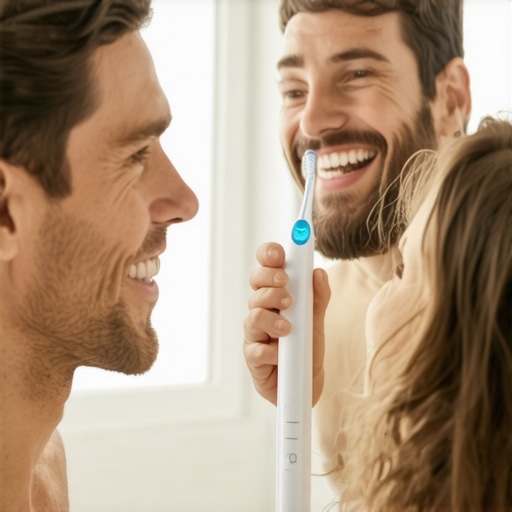
Image showing a family using an electric toothbrush and water flosser together, emphasizing modern oral hygiene tools for family dentistry.
Enhancing your family’s routine with reliable, high-tech tools is a game changer — don’t hesitate to give them a try today.
What No One Told Me About White Spots on Teeth
One of the most eye-opening lessons I learned was that not every white spot indicates trouble, but many are early signs of enamel demineralization. Recognizing the subtle cues can empower you to take swift action before more invasive procedures are needed. My personal experience taught me that patience and regular check-ins with your dentist can reveal silent issues that might otherwise go unnoticed.
My Go-To Tools That Transformed My Oral Care Routine
Switching to an electric toothbrush and investing in a high-quality water flosser revolutionized my approach. These tools not only enhanced cleaning efficacy but also made daily routines feel less like chores and more like self-care. I trust brands recommended by dental professionals because they blend innovation with proven results, ensuring my family’s smiles stay vibrant.
How I Turned Dental Anxiety Into Confidence
For years, I dreaded dental visits, fearing discomfort or judgment. Over time, I discovered that choosing professionals who prioritize patient comfort and communicate openly made all the difference. Building a relationship of trust transformed each appointment into a partnership rather than an ordeal, ultimately motivating me to stay proactive about my oral health.
My Unexpected Revelation About Prevention and Savings
Routine cleaning and early intervention aren’t just about health—they’re financially smart. I realized that regular visits and diligent home care could prevent costly procedures like crowns or root canals. Investing in prevention pays off in both peace of mind and wallet, and I encourage everyone to see dental care as a vital form of self-investment rather than an occasional luxury.
Curated Recommendations for Your Smile Journey
My trusted toolkit includes the Sonicare DiamondClean electric toothbrush, which I personally use daily for superior plaque removal. I also rely on fluoride rinses recommended by my dentist to strengthen enamel, and I never skip routine checkups—these appointments are crucial for catching issues early. For educational resources and product reviews, I often visit this site that emphasizes practical, family-friendly tips.
Your Smile Deserves More Than Routine
Embracing advanced tools, staying informed, and maintaining consistent habits can truly transform your dental health. Remember, each small step adds up—think of it as a long-term investment in your confidence and well-being. Don’t wait for problems to surface; start today, and watch your smile flourish.
What has been your biggest breakthrough in maintaining your family’s oral health? Share your experiences below—I’d love to hear how you’re protecting those precious smiles!