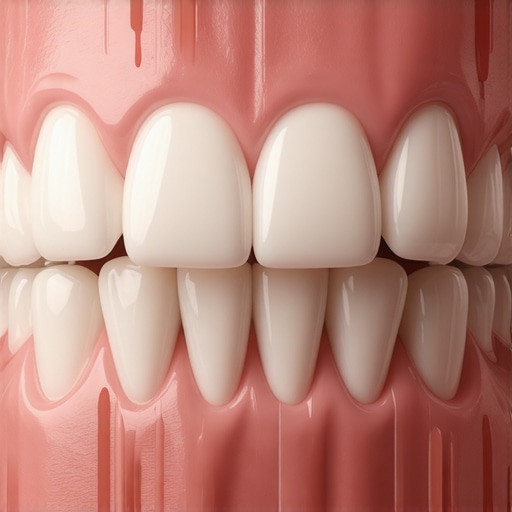
Imagine biting into your favorite apple, only to realize that something feels off. You notice a strange pressure, almost like your new dental crown is pushing against your other teeth. At first, you might dismiss it as normal discomfort, but soon it becomes clear—something’s not quite right. I remember the first time I experienced this sensation after getting a crown; it was confusing and a little worrying. That lightbulb moment made me dig deep into what’s really going on, and I want to share that insight with you today.
Understanding Why Your New Crown Might Feel Like It’s Making Other Teeth Ache
First things first, you’re not alone in this experience. Many people notice an unusual push or high bite sensation after receiving a dental crown. It’s more common than you might think and often fixable once you understand the cause. Your oral health journey is unique, but there are some shared hurdles—like that sensation of being awkwardly jostled, which can make eating or speaking uncomfortable. Trust me, I’ve been there, and I want to help you navigate this with confidence.
Could This Be Just a Temporary Adjustment?
Most of the time, this feeling occurs because the crown is slightly high or the bite isn’t perfectly aligned. When a crown is too tall, it can make your other teeth respond by shifting or feeling pressure. Early on, I mistakenly thought that biting harder would help “settle” things, but that only made things worse. That’s a common mistake—trying to fix it with more force instead of seeking professional help. Instead, a gentle readjustment by your dentist usually solves the problem quickly. If you’re wondering how to identify if this is normal and what steps to take, keep reading. We’ll go over the practical solutions soon.
Before jumping to conclusions, remember that some sensations can also be caused by underlying issues like misaligned crowns or even inadequate occlusion. For a more detailed look at how to manage such problems, I recommend visiting this guide on high crowns. It’s a valuable resource that helped me understand the importance of proper fitting, which can prevent these uncomfortable sensations and improve your overall experience.
Now that we’ve unpacked the why behind this strange push, let’s move on to how you can address it effectively. The key is awareness and timely actions, so you’re not left uncomfortable or, worse, causing further damage. Ready to discover the practical steps that helped me and many others restore comfort and confidence in our smiles? Let’s dive in!
Assessing and Identifying the Issue
Begin by observing how your bite feels when you chew or speak. If you notice a sharp or pushing sensation on certain teeth, gently bite down on a piece of clean tissue or floss to check if one side feels different. Recall my experience when I first suspected a high crown: I noticed it felt like a pebble under my tooth, causing uneven pressure. This simple test helps determine if your crown is causing an imbalance that needs correction.
Smoothing Out the Bite at Home (Temporary Fix)
If the crown feels uncomfortably high but you can’t see your dentist immediately, you can temporarily adjust your bite. Use a fine-grit nail file or an orthodontic wax designed for dental use to gently buff down the raised areas of the crown. Imagine it as smoothing out a rough edge on a piece of jewelry—just enough to alleviate discomfort without damaging the crown. Be cautious: this is a short-term fix and not a permanent solution. For detailed techniques, refer to this guide on cleaning crowns.
Scheduling a Professional Adjustment
Contact your dentist promptly to schedule an appointment. Explain your symptoms clearly: the uncomfortable pressure and uneven bite. When you arrive, your dentist will examine your bite and the crown’s fit. They may use articulating paper—a special dye that marks contact points—to identify high spots. Think of this as a map highlighting problem areas for precise correction.
Preparing for the Adjustment
During the appointment, the dentist may remove a tiny amount of material from the crown’s underside or refine the tooth preparation underneath. It’s similar to trimming a piece of furniture to fit better; small adjustments make a significant difference. Rest assured, modern technology allows for high-precision reshaping, ensuring your bite feels natural again. I personally watched as my dentist used a fine diamond burr to carefully contour the crown, resulting in immediate relief.
Follow-Up Care to Ensure Comfort
After adjustment, your dentist will check the bite using articulating paper, asking you to gently bite and then guiding you to avoid high spots. Once satisfied, they will polish the crown to smooth any rough edges. Remember, proper aftercare is essential: avoid sticky or hard foods for a couple of days and maintain diligent oral hygiene. Regularly cleaning your crown helps prevent plaque buildup that can affect fit and comfort. For cleaning tips, see this article on crown maintenance.
Monitoring and Prevention Tips
Pay attention to how your crown feels during daily activities. If discomfort persists, revisit your dentist promptly. Avoid habits that can damage crowns, such as chewing on ice or opening packages with your teeth. Consider a mouthguard if you grind your teeth at night, as this can prevent crown misalignment over time. Consistent dental visits and good oral hygiene form a proactive approach, reducing the risk of discomfort or complications. For preventative care strategies, explore this resource on cleaning methods.
By understanding the core steps—from initial assessment to professional correction—you can effectively manage a high crown issue and restore comfortable function to your smile. Remember, quick action and professional guidance are key to avoiding further dental problems and maintaining optimal oral health.
Why the Popular Myth That Crowns Are Permanent is Misleading
Many believe that once a dental crown is placed, it will last a lifetime with minimal upkeep. While crowns are durable, the myth neglects the nuances of material quality, patient habits, and maintenance. In reality, crowns can last 10-15 years, but compromises in oral hygiene or misuse can significantly shorten their lifespan. Recognizing that crowns aren’t invincible encourages proactive care, including regular check-ups. I emphasize that understanding the type of crown material and its limitations is crucial; for instance, zirconia crowns tend to be more durable than porcelain, which is prone to chipping. Studies, such as those published in the Journal of Prosthetic Dentistry, support the importance of choosing appropriate materials for longevity, especially for molars subjected to heavy chewing.
Investing in the Right Tools for Long-Term Success
Maintaining a healthy and functional smile over the years requires more than just routine brushing and flossing. I personally swear by specific tools that help me monitor and improve my oral health consistently. One key device I recommend is a quality ultrasonic water flosser, such as the Waterpik Ultra. Unlike traditional floss, it delivers pulsating water pressures that dislodge plaque deep between teeth and around crowns, reducing the risk of decay or gum issues around restorations. I use it twice daily, especially around my crowns, to keep the margins clean and prevent buildup—it’s a game-changer.
Complementing this, I rely on a high-frequency electric toothbrush like the Oral-B Genius X. Its smart sensors alert me to apply enough pressure—helping avoid damage from brushing too hard—and its oscillating head ensures thorough cleaning around crowns and bridges. Regularly replacing the brush heads, roughly every three months, ensures optimal plaque removal, which is critical for long-lasting restorations.
Smart Software and Tracking for Teeth Care
Staying on top of overall oral health isn’t just about physical tools. I strongly advocate using a mobile app integrated with your electric toothbrush—like the Oral-B app—to track brushing habits. It provides reminders and feedback, ensuring I don’t neglect certain areas, especially around crowns and difficult-to-reach spots. Over time, these insights help me identify patterns—such as areas I might be brushing too hard or missing—and adjust accordingly. Such proactive monitoring can really extend the lifespan of crowns and prevent complications.
Cleaning and Maintenance of Your Restorations
Proper cleaning techniques are essential for prolonging the effectiveness of crowns. I frequently refer to trusted resources, like this step-by-step guide on crown maintenance. Using a soft-bristled toothbrush and fluoride-containing toothpaste, I avoid abrasive powders that can scratch crown surfaces. For interproximal areas, I employ interdental brushes—small, wire-based tools that clean effectively without damage.
Additionally, I apply a topical fluoride gel weekly, which helps strengthen natural enamel and minimizes decay risk at the margins of crowns. This practice aligns with recommendations from dental research emphasizing the importance of reinforcement in vulnerable areas.
Scaling Up: Regular Professional Care
While personal tools are vital, they work best when complemented with professional cleanings and check-ups. I schedule deep cleanings—sometimes called deep scaling—at least twice a year, especially if I have crowns or previous periodontal issues. These visits reveal hidden problems like micro-leaks or gum recession that can threaten restorations and overall health.
Future Trends and Broader Strategies
Looking ahead, dental technology is rapidly evolving, with AI-powered diagnostics and advanced imaging becoming more accessible. These innovations promise even better preventive care, catching issues before they become serious. As these tools become mainstream, you’ll be able to tailor your home care routines even more precisely, further extending the longevity of crowns and preserving your oral health for decades. I advise staying informed about these developments and working closely with your dentist to incorporate new techniques into your routine.
If you’re serious about maintaining your dental work and natural teeth, I recommend trying out a smart water flosser combined with an app-enabled toothbrush. Not only do these tools help remove plaque more efficiently, but they also empower you with data to optimize your habits. Remember, consistent, targeted maintenance is the best way to keep your smile looking and feeling great for years to come.
Lessons from the Front Lines of Dental Care That Changed My Perspective
- Most issues with crowns aren’t due to faulty materials but often stem from overlooked bite adjustments, which can be subtle yet impactful if ignored.
- Patience is key—allowing your mouth to adapt after a crown placement can prevent discomfort, but rushing to fix issues without professional guidance can cause additional problems.
- Understanding that crowns require ongoing care, not just a one-time fix, helped me realize the importance of routine check-ups and proper home maintenance.
- Investing in quality tools like water flossers and soft-bristled toothbrushes has been transformative, making daily maintenance more effective and less stressful.
- Learning about the limitations of crowns, even the most durable ones like zirconia, reminded me that proactive care is essential to prolong their lifespan and preserve overall oral health.
My Go-To Resources That Deepen My Dental Knowledge
- Deep cleaning vs. regular cleaning: This taught me the importance of tailored dental maintenance and when to seek advanced care.
- Crown cleaning tips: Practical advice helps me keep my restorations in top shape.
- Fitting and comfort: Understanding fit issues has empowered me to communicate better with my dentist and advocate for comfort.
- Material science: Learning about different crown materials helps me appreciate the durability and aesthetics of my dental restorations.
Keep Your Smile Bright and Healthy—It’s Within Your Reach
Taking charge of your crowns and oral health isn’t just about fixes—it’s about cultivating a mindset of proactive care and continuous learning. Every small step, from selecting quality tools to understanding your dental needs, makes a tangible difference over time. Remember, your smile is an invaluable asset—treat it with the respect it deserves, and stay vigilant to ensure long-term health. What playful or clever methods have you tried to keep your crowns comfortable and your mouth healthy? Share your experiences below, and let’s grow stronger together in this journey toward radiant oral health!
,