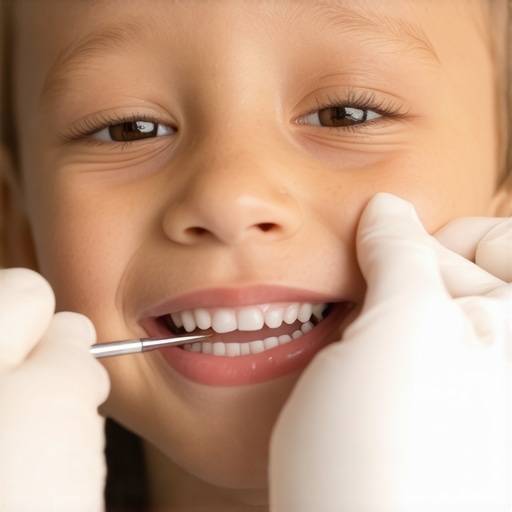
The moment the hygienist leaned in with that tiny, sticky brush, I felt like a failure. My toddler was squirming, and I was internally screaming, Is this even safe? I’d spent years obsessing over organic snacks and BPA-free bottles, only to be told my kid needed a chemical “varnish” to keep his teeth from rotting. I felt like I was being cornered into a choice between toxins and cavities. It was a visceral, heart-thumping moment of parenting guilt. I almost grabbed my son and walked out of the office right then.
Why I Panicked the First Time I Saw That Yellow Goo
Looking back, my fear came from a place of love but was fueled by a lack of real-world information. I’ve been there—scouring the internet at 2 AM, trying to figure out the mistake most parents make with baby bottle tooth decay. I thought brushing twice a day was enough. It wasn’t. My early mistake was assuming that “natural” meant “no intervention.” Because I waited and hesitated, those tiny, translucent teeth started showing why your child’s teeth have white chalky patches. Those spots were a wake-up call that my child’s enamel needed more help than I was giving it. Today, I want to clear the air. We’re going to talk about what that sticky stuff actually is, why your dentist is so obsessed with it, and how it fits into the broader oral health tips every family should follow in 2025. I’m not here to lecture you; I’m here to tell you what I wish someone had told me before I saw my first dental bill for a toddler’s filling.
Is this stuff actually worth the risk?
This is the big one that keeps parents up at night. Most of us worry about our kids swallowing the varnish or it being “too much” for their tiny systems. It’s a valid fear! But here’s the kicker: unlike the fluoride treatments we had as kids—those foam trays that made you gag—varnish is used in tiny amounts and sets instantly on contact with saliva. According to a major study cited by the American Dental Association (ADA), fluoride varnish is highly effective, preventing approximately 33% of cavities in primary teeth when applied twice a year. That’s a huge margin of safety for a kid who might still be learning how to stop swallowing their toothpaste.
What Varnish Does That Your Toothbrush Can’t
Brushing is great for removing plaque, but it’s not always enough to rebuild enamel that’s already under attack from fruit sugars or snacks. I realized this the hard way when I started researching why your child’s baby teeth matter more than you think—they aren’t just practice teeth; they are placeholders for a lifetime of health. The varnish acts like a temporary shield, slowly releasing minerals back into the tooth structure over several hours. Have you ever felt that surge of anxiety when the dentist mentions preventative treatments? You aren’t alone. Drop a comment below and let me know—did you say yes the first time, or did you need a few days to think about it? Understanding the why behind the sticky residue is the first step toward building a lifetime of healthy smiles.
Give That Force Field Time to Harden
Thinking of fluoride varnish as a ‘wet paint’ sign is the best way to handle the hour after the dentist. I remember the first time my daughter got her treatment; she was starving the second we hit the car. I panicked, thinking one bite of a granola bar would strip away the whole treatment. My dentist gave me a piece of advice that stuck: ‘Think of it like a protective seal on a wood deck—it needs a few hours to really cure.’ To make it work, you don’t actually have to starve them, but you do have to avoid the ‘crunch.’ Soft foods like yogurt or applesauce are your best friends here. The best snacks for kids that won’t cause cavities during this window are the ones that slide right past the teeth without scrubbing the varnish off.
Wait Until Tomorrow to Brush the Goo Away
The most common mistake I see—and one I definitely made—is trying to scrub those yellow spots off before bedtime. You want that varnish to sit there as long as possible. By leaving it overnight, you’re allowing those minerals to perform a slow-motion rescue of the enamel. It’s basically a deep-conditioning treatment for teeth. If you can get through one night of ‘fuzzy’ teeth, you’re setting them up for effective home practices for family dental health that actually yield results.
Stop Rinsing Away Your Hard Work
This is a habit I had to break myself, and it’s a game-changer for kids. After they brush, their instinct is to rinse with water and spit. Don’t let them! When you rinse immediately, you’re washing away the concentrated minerals that need to sit on the tooth surface. There is a specific reason why you should stop rinsing with water immediately after brushing: it keeps the protective barrier in place much longer. I tell my kids to ‘spit, don’t rinse,’ and we treat it like a game. It feels weird at first, but that lingering toothpaste is doing the heavy lifting while they sleep.
When to Move from Prevention to Protection
Sometimes, despite our best efforts, a tooth needs more than just a mineral boost. If a cavity has already gone too deep, that’s when we start talking about restorations. I used to think of crowns as something only ‘old people’ got, but in family dentistry, they are essential for saving a tooth that’s structurally compromised. Getting expert advice on crowns and teeth cleaning is vital because it helps you understand that a crown isn’t a failure—it’s a helmet. For instance, why your dentist recommends a crown after a root canal is the same reason you’d put a case on a phone: to prevent it from shattering under pressure. If your kid is active, you might even need to consider how to keep your child’s teeth safe during school sports to avoid these big fixes altogether. Monitoring their teeth isn’t just about the ‘now’; it’s about making sure their adult teeth have a healthy foundation to grow into.Now that we’ve covered the basics of varnish, we need to talk about the more is better fallacy. Most parents—myself included—think that if we just scrub harder, we’re doing a better job. This is one of those 5 dental habits that are actually ruining your enamel. When you use a medium or hard-bristled brush with the intensity of someone scrubbing a stained carpet, you aren’t just removing plaque; you’re literally sanding away your child’s (or your own) tooth structure. This leads to a counterintuitive result where hard brushing actually makes your teeth look darker. By stripping the bright white enamel, you’re revealing the yellowish dentin underneath. It’s a cosmetic and health nightmare. The American Academy of Periodontology warns that this mechanical trauma is a leading cause of gum recession. If you’ve ever wondered about the hidden reason your gums still throb after flossing, it might actually be that you’re being too aggressive with the brush, not the floss.
The Dental Crown Trap Nobody Warns You About
If your dentist has recommended a crown for your child or yourself, don’t assume it’s a set it and forget it solution. This is where the real expertise comes in. A crown is only as good as its margin—the place where the porcelain meets your real tooth. If you don’t master caring for crowns essential tips for longevity and shine, bacteria will move into that tiny seam like uninvited houseguests. This is why your new crown smells and how to fix it: it’s often the scent of decay happening underneath the expensive restoration. Have you ever fallen into this trap where you thought a crown made the tooth invincible? Let me know in the comments.#IMAGE_PLACE_HOLDER_C#
Is your whitening routine actually eating your enamel?
This is the sophisticated question I get from parents who want that perfect smile for family photos. We see those ads for magic whitening powders, but the scary truth about buying DIY whitening kits online is that many of them are highly abrasive or use unregulated peroxide levels. You’re trading a few shades of brightness for permanent sensitivity. Instead, focus on expert advice on crowns and teeth cleaning which prioritizes the health of the enamel over a quick bleached look. True building a lifetime of healthy smiles comes from knowing when to stop, rather than when to do more.I’ll be honest: after the first time I paid for a porcelain crown, I treated my mouth like a museum exhibit. I was terrified to eat anything harder than a banana. But true maintenance isn’t about fear; it’s about having the right kit in your drawer. If you’ve invested in restorations, maintaining your dental crowns dos and donts for best results starts with a water flosser. I personally swear by my Waterpik, but here is the secret—I never turn it above level three. High-pressure streams can actually disrupt the delicate gum seal around a crown if you aren’t careful. Instead, I focus on the angle, aiming the tip at the gumline to flush out what my brush missed. This is especially important for how to clean between teeth if you have tight spacing, where traditional floss might shred or get caught on the edge of a restoration.
How can I make my expensive dental work last for decades?
Consistency is your only real superpower here. I’ve started incorporating the proper way to use interdental brushes for best results into my nightly routine because they reach the ‘concave’ areas of your teeth that flat floss just skims over. According to Dr. Gordon Christensen, a world-renowned expert in restorative dentistry and founder of the Clinicians Report, the success of a crown depends heavily on the patient’s ability to keep the margin clean. If you let plaque sit at that junction, you’re basically inviting a failure. This is why I also keep a stash of tiny GUM Proxabrush cleaners in my car. They are my go-to for strengthening your smile every day when I’m on the move.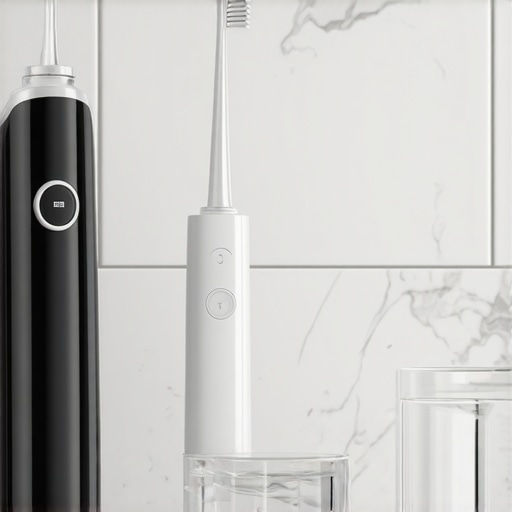
Your Bathroom Sink Is About to Get Smarter
Looking ahead, I predict we are moving away from ‘guessing’ if our teeth are clean. We’re already seeing the rise of smart brushes that map your mouth in real-time, but the real game-changer will be diagnostic saliva strips. Imagine swabbing your cheek and knowing instantly if your pH levels are too acidic before a cavity even starts. This tech will revolutionize oral health tips every family should follow in 2025. For now, we have to rely on the basics and expert advice on crowns and teeth cleaning to keep things on track.
Protect the Foundation First
If you have kids, scaling this routine means making it accessible. We’ve transitioned to an electric brush because it does the work for them, but we make sure they know how to transition your toddler to a real toothbrush properly so they don’t lose that manual dexterity. It’s all about building a lifetime of healthy smiles by giving them tools that feel like toys but work like professional equipment. My challenge for you tonight: don’t just brush. Use a water flosser or an interdental brush on just your ‘problem’ areas—usually why your back molars always get the most cavities—and see how much ‘stuff’ your toothbrush left behind. It’s a wake-up call you can’t ignore.
The three hard truths I learned about toddler dental care
After years of trial and error, I realized that my initial hesitation was actually a lack of perspective. First, I learned that fluoride varnish isn’t a ‘chemical dump’ but a mineral bank account for their teeth. Second, I discovered that baby teeth aren’t just ‘practice’—they are the blueprints for adult jaw alignment. If you lose them too early, you’re looking at years of orthodontics. Finally, I realized that my own family dentistry habits were being mirrored by my kids. If I didn’t take my the impact of regular teeth cleaning on overall oral wellness seriously, they wouldn’t either.
The small kit that saved me thousands in dental bills
If you want to keep your dental bills low and your smile bright, you don’t need a thousand products. I’ve narrowed our family routine down to a few essentials that actually work. I swear by soft-bristled electric brushes with pressure sensors to prevent that aggressive scrubbing that ruins enamel. For my own work, I’ve found that how to clean between teeth if you have tight spacing is best handled by a high-quality water flosser on a low setting. I also keep a pack of interdental brushes in my travel bag. Knowing the proper way to use interdental brushes for best results has saved me from at least two potential cavities in the last year alone. This simple kit is the backbone of our oral health routine strengthening your smile every day.
#IMAGE_PLACEHOLDER_E#
Why your child’s smile is worth the awkward questions
It’s okay to be the parent who asks the dentist a dozen questions about varnish, sealants, or crowns. Your curiosity is your child’s best defense. By staying informed and following expert advice on crowns and teeth cleaning, you are giving them a gift that lasts long after the tooth fairy stops visiting. We are building a lifetime of healthy smiles one bedtime brush at a time. Don’t be afraid to try a new technique or switch to a ‘spit-don’t-rinse’ rule tonight. Your future self (and your wallet) will thank you. Did you ever feel that surge of ‘mom-guilt’ when the dentist suggested a treatment you weren’t ready for? Let me know in the comments how you handled it!