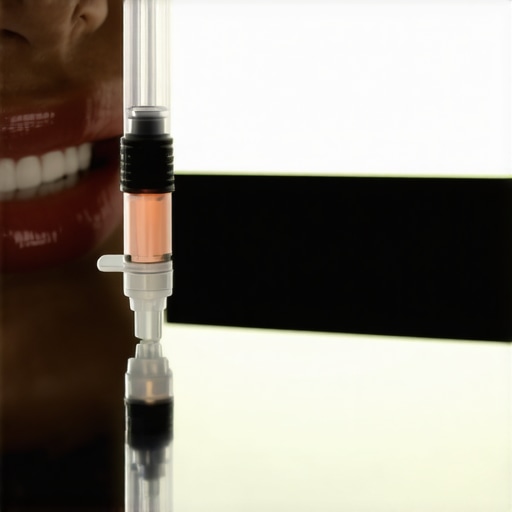
I’ll never forget the metallic, chemical taste that flooded my mouth as I bit down on a plastic tray I’d bought from a late-night social media ad. I wanted that “Hollywood smile” for my sister’s wedding, but within five minutes, my gums weren’t just tingling—they were screaming. I rushed to the mirror and saw a ghostly white line where my pink gums used to be. It was terrifying. I’d fallen for the “instant results” trap, and my oral health routine was about to take a massive hit because of my impatience.
My Bathroom Sink Became a Dental Danger Zone
[image_placeholder]
We’ve all seen the ads. Influencers with impossibly white teeth holding a little blue LED light like it’s a magic wand. It’s tempting. I thought I was being savvy, but I was actually bypassing the safety protocols that keep our enamel intact. The truth is, many of these DIY kits contain concentrations of carbamide peroxide that are completely unregulated. In fact, the American Dental Association (ADA) warns that over-the-counter products can lead to significant gum irritation and tooth sensitivity if the tray does not fit your mouth perfectly. If you’ve ever wondered the reason your gums turned white after using whitening strips, it’s usually because the bleach has migrated off the tooth and onto the soft tissue.
I spent the next three days unable to drink anything colder than room-temperature water. Every breath of air felt like a lightning bolt hitting my molars. It was a wake-up call that professional teeth cleaning secrets and expert-led whitening aren’t just about aesthetics; they’re about safety. I promise that by the end of this, you’ll know exactly how to navigate the “whitening aisle” without hurting yourself.
Will my teeth actually fall out if I use a cheap kit?
That was my biggest fear when the sensitivity wouldn’t go away. While your teeth likely won’t drop out of your head overnight, the damage to your enamel can be permanent. Enamel doesn’t grow back. When you use a kit that’s too strong, you’re basically stripping away the protective layer of your smile. I learned the hard way that finding the secret to keeping your smile white without expensive kits usually involves consistency and professional-grade products, not mystery gels from overseas. Have you ever tried a whitening product that made your teeth throb for hours? It’s a miserable experience that nobody tells you about in the five-star reviews. I realized that I was focusing so much on the shade of my teeth that I ignored the foundation. Whether it’s understanding the role of crowns or just basic family dentistry, professional guidance is there for a reason. Today, we’re going to look at the red flags you should watch out for before you click ‘Buy Now’ on that discount whitening gel.
How to get the glow without the burn
Think of your teeth like a high-end sports car. You wouldn’t take a Brillo pad to the paint job just because there’s a little mud on the bumper, right? Yet, that’s exactly what most of us do when we get desperate for a whiter smile. Before you touch another whitening gel, you have to stabilize the ‘paint.’ My biggest mistake was trying to bleach teeth that were covered in a microscopic layer of plaque. The chemicals couldn’t reach the tooth; they just sat on the gunk and seeped into my gums.
Schedule a professional baseline first
You cannot effectively whiten a dirty tooth. It sounds harsh, but it’s the truth. The one thing you must do before your next dental cleaning is to document any sensitivity areas you already have. A professional scaling removes the ‘tarter wall’ that prevents whitening agents from working evenly. If you skip this, you’ll end up with ‘leopard-print’ teeth—bright in some spots and dull in others where the plaque was thickest.
Stop scrubbing like you are cleaning a grout line
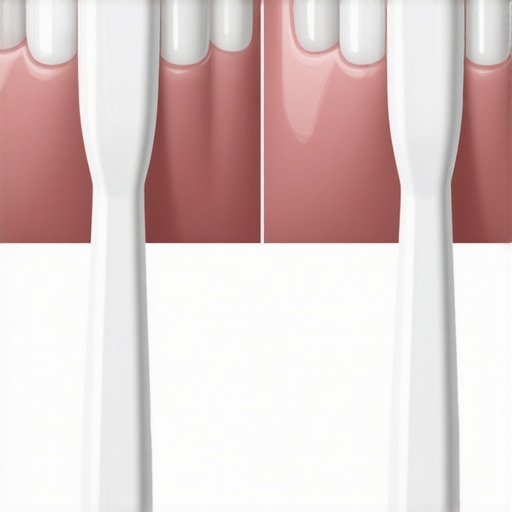
I used to think that ‘hard’ bristles meant ‘better’ cleaning. I was wrong. I spent years essentially sanding down my enamel with a brush that felt like a wire sponge. This is a cruel irony: why hard brushing actually makes your teeth look darker is because you are wearing away the white enamel and revealing the yellowish dentin underneath. It’s like wearing out the white fabric on a pillow until the yellow foam inside shows through. This is exactly why your dentist wants you to stop using hard bristles and switch to soft or extra-soft options immediately. Your gums will thank you, and your teeth will actually stay whiter longer.
Master the art of the ‘Dry Fit’
When you do decide to use over-the-counter products, you have to be tactical. Most people just slap a strip on and hope for the best. Instead, learn the safest way to use whitening strips without damaging your gums: use a cotton swab to dry your teeth first. This creates a vacuum seal so the gel stays on the enamel and doesn’t slide up into your soft tissue. If you have naturally delicate structure, you should look into the best way to whiten teeth if you have very thin enamel, which often involves shorter sessions spread out over weeks rather than a 30-minute blast.
Shield your existing dental work
If you have crowns or veneers, remember they don’t change color. Bleaching the teeth around them will only make the dental work look like a dark thumb. You need to focus on maintenance rather than transformation for those areas. Knowing how to keep your porcelain crown from staining over time is mostly about surface management. I found that the secret to preventing coffee stains on your front teeth isn’t giving up caffeine; it’s a quick water rinse after every cup. This prevents the tannins from ‘setting’ into the micro-pores of your crowns and natural teeth alike.
The Dangerous Illusion of a Bright Smile
Let’s pull back the curtain on a common misconception: just because your teeth look like they belong in a toothpaste commercial doesn’t mean your mouth is actually healthy. In fact, focusing purely on shade is the ultimate ‘rookie mistake’ in modern dentistry. I’ve seen people with blindingly white smiles who were actually on the verge of losing teeth because they ignored what was happening beneath the surface. We tend to treat our oral health routine as a cosmetic chore rather than a medical necessity. The real enemy isn’t a yellow tint; it’s the microscopic biofilm that hardens into tartar, creating a bacterial fortress that your toothbrush simply cannot penetrate.
Why doesn’t my dentist care as much about whitening as I do?
Your dentist is looking at the ‘architecture,’ not just the ‘paint.’ While you’re looking for stains, they are looking for pocket depths and bone density. Most people assume that if nothing hurts, nothing is wrong. This is the ‘no pain’ trap. Periodontal disease is often silent until it’s advanced. This is exactly the impact of regular teeth cleaning on overall oral wellness—it’s about preventing systemic inflammation. A landmark study published in the Journal of Periodontology confirms that the chronic inflammation found in gum disease is directly linked to an increased risk of heart disease and diabetes. By the time you feel a throb, you might already be looking at bone loss. Knowing how often you actually need a professional scaling to prevent bone loss is the difference between keeping your natural teeth at eighty or needing a full set of implants.
The Hidden Vulnerability of High-End Dental Work
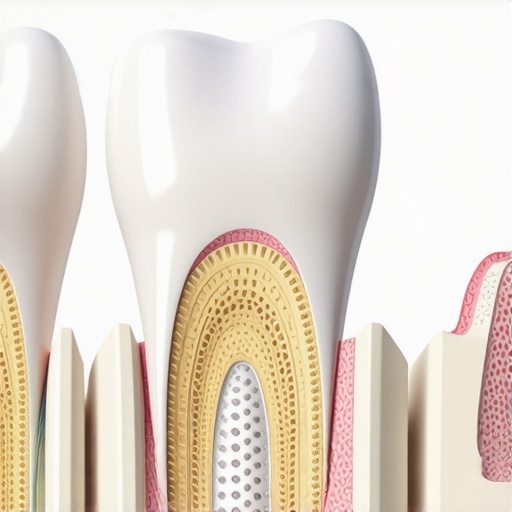
If you’ve invested in a ‘Hollywood smile’ through restorations, you might think you’re safe from decay. This is a dangerous myth. Many patients believe that because a crown is made of porcelain, it is indestructible. While the crown itself won’t get a cavity, the tiny sliver of natural tooth structure at the gum line is more vulnerable than ever. If you don’t follow maintaining your dental crowns dos and donts for best results, bacteria can seep under the margin, rotting the tooth from the inside out while the crown still looks perfect on the outside.
Can a crown actually fail without me noticing?
Absolutely. This is the ‘Oops’ factor that catches people off guard. You might be focused on how to keep your porcelain crown from staining over time, but the real threat is ‘recurrent decay’ at the base. This is why expert advice on crowns and teeth cleaning for lasting results emphasizes cleaning the margin with surgical precision. If that seal fails, you’re not just losing a crown; you’re potentially losing the entire tooth. I learned that how to prevent your crown from popping off while eating is less about what you chew and more about the health of the gum tissue holding everything in place. Have you ever fallen into the trap of thinking your dental work was ‘set it and forget it’? Let me know in the comments—I’d love to hear your experiences with long-term dental maintenance.
We also have to talk about the ‘hidden’ areas. Most decay doesn’t start on the flat surfaces we brush; it starts in the tight corners. Learning how to prevent cavities between teeth where you can’t see is the final piece of the puzzle. It’s about more than just flossing; it’s about understanding the chemistry of your saliva and the the connection between your heart health and your last dental cleaning. Your mouth is a gateway, not an island. When you treat it like the complex biological system it is, the ‘white’ part of the smile becomes a natural byproduct of health, not a forced, fragile mask.
Upgrade your gear to save your enamel
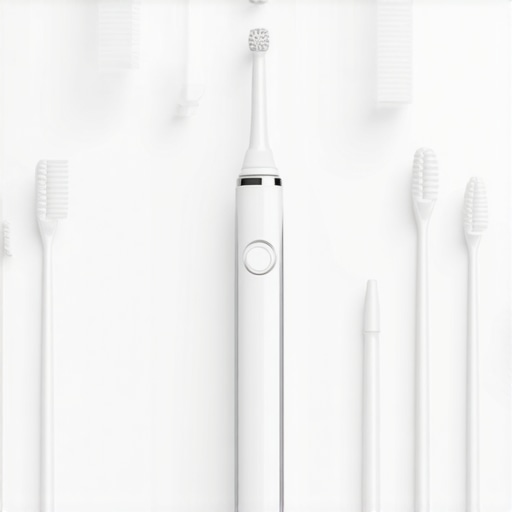
After my DIY whitening disaster, I realized I was using 19th-century methods for a 21st-century mouth. I had to build a personal ‘dental armory.’ The first thing I threw away was my manual toothbrush. If you are still using one, you are likely missing 30% of the plaque surface. I switched to a sonic brush with a pressure sensor because it physically stops me from grinding down my gums. This is the only way to avoid why hard brushing actually makes your teeth look darker. I also integrated a high-quality water flosser. If you’ve ever struggled with how to clean under a permanent retainer without the struggle, you know that traditional floss feels like trying to thread a needle in a dark room. The pressurized water stream gets into the ‘blind spots’ that even the best family dentistry checkups can’t fix if you aren’t doing the daily work.
How do I keep my dental work from failing prematurely?
Maintenance isn’t a one-size-fits-all game. For my crowns, I had to get specific. I started using interdental brushes—those tiny little ‘Christmas tree’ brushes—to clean the base of the porcelain. According to the Gordon J. Christensen Clinicians Report, the leading cause of ceramic failure isn’t the material breaking, but the marginal seal failing due to localized plaque buildup. This is why expert advice on crowns and teeth cleaning for lasting results always emphasizes the ‘gum-to-crown’ junction. I also realized that my stress was literally grinding my investment away. I finally invested in a custom orthotic because learning how a simple night guard can save you thousands in future dental work was the best financial advice I’ve ever received. If you wake up with a tight jaw, you might be cracking your modern smile makeovers without even knowing it.
Look forward to smarter smiles in 2025
The future of oral care isn’t just about better bleach; it’s about bio-integration. We are moving toward a world where oral health tips every family should follow in 2025 will include smart brushes that sync with your dentist’s office to flag inflammation before it becomes a cavity. I predict we will see the rise of ‘bio-active’ crowns that actually release minerals to strengthen the surrounding tooth. But until the future arrives, you have to master the basics of caring for crowns and natural teeth alike. We often forget the impact of regular teeth cleaning on overall oral wellness until something goes wrong. Don’t wait for a throb or a white gum line to take action. My challenge to you: tonight, instead of just brushing, try the ‘double-clean’ method—water floss first to loosen the debris, then use your sonic brush to sweep it away. It’s a total game-changer for that ‘just-left-the-dentist’ feeling.
What the Glossy Ads Forget to Mention
After my DIY disaster, I realized that a white smile without a healthy foundation is just a mask. The most expensive kit in the world won’t fix poor family dentistry habits. I learned that sensitivity is actually a loud signal from your nerves, not a side effect to be powered through. If you chase a shade of white that doesn’t exist in nature, you’re usually just stripping away the very enamel that keeps your teeth strong. Real brilliance comes from health, which is why the impact of regular teeth cleaning on overall oral wellness is so much more significant than a 30-minute bleach session.
Building Your Own Smile Protection Kit
[image_placeholder]
I don’t trust every dental gadget that pops up on my feed anymore, but I do swear by a few core tools. A high-quality sonic brush is non-negotiable to avoid the damage of why your dentist wants you to stop using hard bristles. For those with restorations, interdental brushes are the gold standard for caring for crowns and keeping those margins clean. Staying ahead of oral health tips every family should follow in 2025 means moving beyond manual scrubbing and embracing tools that protect your gums. I also recommend checking in for expert advice on crowns and teeth cleaning for lasting results at least twice a year to ensure your investment stays intact.
A Healthier Smile Starts Tonight
You don’t need to spend thousands to have a smile you’re proud of; you just need to respect the biology of your mouth. By refining your oral health routine and partnering with professionals who look at your bone and gums—not just your enamel—you’re securing a lifetime of confidence. You’ve got this, and your future self will thank you for the extra five minutes you spend on your gums tonight. Have you ever experienced that “lightning bolt” sensitivity after a whitening treatment? I’d love to hear your story in the comments below!