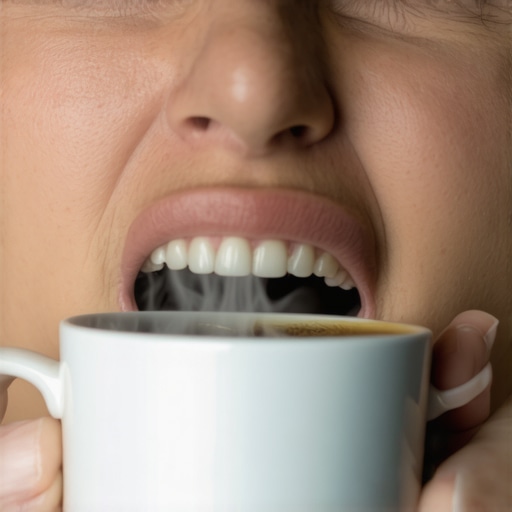
I’ll never forget the rainy Tuesday morning my favorite mug of Earl Grey turned into a weapon of mass destruction. I took one normal sip, and suddenly, a sharp, white-hot flash of pain shot straight through my jaw and seemed to vibrate behind my eye. It wasn’t that familiar ‘ice cream headache’ zing I got from cold stuff. This was deeper, more thumping, and it lingered way longer than it had any right to. At first, I tried to play it off as a one-time fluke, but by lunchtime, even a warm bowl of soup felt like a personal attack. If you are sitting there right now, staring at a steaming cup of coffee with absolute dread, I know exactly where you are. You aren’t just dealing with ‘sensitive teeth’; you’re dealing with a specific signal from your body that something under the hood needs a mechanic. Today, we are going to dive into why heat is the ultimate alarm bell and the exact steps you need to take to save your smile before a minor ache turns into a major procedure.
That Searing Sip of Morning Coffee Was My Wake-Up Call
My biggest mistake back then was thinking all sensitivity was created equal. I figured if my daily oral health routine was solid, I could just tough it out. I spent weeks swapping to different toothpastes, hoping the ‘repair and protect’ labels would work their magic on my throbbing molar. I even thought I could skip my next check-up because I was ‘taking care of it’ at home. Big error. While cold sensitivity is often just exposed roots or worn enamel, heat sensitivity is a different beast entirely. It usually means the pulp—the soft tissue inside your tooth containing nerves and blood vessels—is in trouble. I remember thinking I was just getting older or that my regular teeth cleaning from a month prior had just left things a bit tender. But the truth was much more urgent. According to the American Association of Endodontists, if heat sensitivity lingers for more than 30 seconds after the trigger is gone, it is frequently a sign of irreversible pulpitis. This means the nerve is effectively dying and won’t recover on its own. I learned the hard way that waiting for it to ‘just go away’ is like waiting for a flat tire to inflate itself while you’re driving on the interstate. Eventually, I needed a professional to step in, which is where understanding the role of crowns becomes vital for protecting what is left of your natural tooth.
Wait, is this actually worth the worry?
I get it. Dental visits can be stressful, and nobody wants to rush into a chair if they don’t have to. You might be wondering if you can just avoid hot drinks forever and call it a day. But ignoring it usually leads to an abscess, which is a whole other level of pain that no amount of ibuprofen can touch. Have you ever felt that specific, lingering pulse after a hot meal and hoped it was just a fluke? Let me know in the comments—I am curious how many of us have tried the ‘ignore it until it screams’ method. If you are currently in pain, checking out how to deal with a tooth that is sensitive to heat is a great first step, but we need to look at the long-term fix. Often, this is the stage where why your dentist recommends a crown starts to make a lot of sense. Before we get into the nitty-gritty of the solutions, let’s talk about what is actually happening inside that enamel of yours.
Heat Expands the Problem Inside Your Tooth
Think of your tooth as a pressure cooker. When you take a sip of hot tea, that heat causes the gases and fluids trapped inside the pulp chamber to expand. If the tooth is healthy, this isn’t an issue. But if the nerve is inflamed or dying, there is nowhere for that extra volume to go. It’s like trying to squeeze a gallon of water into a quart-sized jar—something has to give, and that something is your nerve. This is why heat sensitivity is so much more concerning than a quick zing from a cold ice cube. I remember when I first felt this; I tried to numb the area with over-the-counter gels, thinking I could just freeze the pain away. All I got was a mouth that tasted like artificial cherries and a jaw that still felt like it was being hit with a hammer. The reality was that my regular teeth cleaning couldn’t save me from an internal infection that had already taken hold. 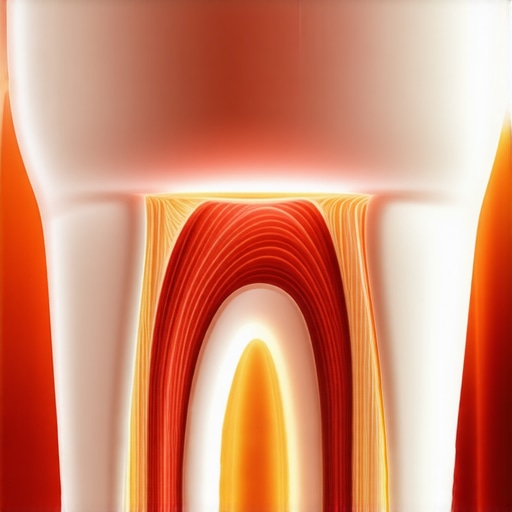
Stop the Pain at the Source Before It Spreads
The first step in execution is a simple diagnostic test you can do at home: the 30-second rule. If you drink something hot and the pain lingers for more than half a minute after you’ve swallowed, the pulp is likely in a state of ‘irreversible pulpitis.’ At this point, you aren’t just looking for sensitivity toothpaste; you are looking for professional intervention. You need to spot an infected root before it becomes an abscess because once an abscess forms, the infection can migrate to your jawbone. This is exactly what happened to my brother. He ignored a hot-coffee ache for a month until his cheek swelled up like he was hiding a golf ball in there. What could have been a straightforward fix turned into an emergency visit. Proper family dentistry focus emphasizes catching these signals early to avoid that specific kind of trauma.
Secure the Structure With a Permanent Crown
Once a dentist clears out the infection—usually through a root canal—the tooth becomes brittle. It’s no longer ‘alive’ with blood flow, making it prone to cracking like an old piece of wood. This is why your dentist recommends a crown almost immediately after the procedure. A crown acts as a protective helmet, distributing the force of your bite so the weakened tooth doesn’t shatter. I’ve seen people skip the crown to save a few dollars, only to have the tooth split right down the middle a year later while eating a piece of toast. Once you have that restoration, your job shifts to maintenance. Knowing the maintaining your dental crowns dos and donts is the difference between a fix that lasts five years and one that lasts twenty. You have to treat that crown with the same respect as a natural tooth, ensuring your oral health routine includes flossing around the base to prevent new decay from sneaking in underneath the porcelain edge.
Don’t Wait for the Ache to Schedule That Cleaning
Many people assume that if they aren’t in active pain, their mouth is perfectly healthy. This is the first major mistake I see people make in their family dentistry focus. In reality, by the time you feel that heat sensitivity I mentioned earlier, the problem has likely been brewing for months. We often treat the impact of regular teeth cleaning as an optional aesthetic choice, but it is actually a diagnostic preventative measure. Most ‘deep’ issues start as microscopic biofilm that your toothbrush simply cannot reach. Once that biofilm calcifies, it creates a bridge for bacteria to march straight toward your pulp. If you wait for the ‘scream’ of a dying nerve, you are no longer in the realm of prevention; you are in the realm of damage control. Have you ever fallen into this trap of skipping a cleaning because ‘nothing hurts’? Let me know in the comments—I am curious how many of us have been there.
The Invisible Trap of Marginal Leakage
Everyone says that a crown is a permanent shield, but in my experience, the ‘margin’—where the crown meets your natural gum line—is where the real battle happens. A common ‘oops’ factor is neglecting this specific area because we think the porcelain can’t decay. While the crown itself won’t get a cavity, the tiny sliver of natural tooth underneath it is incredibly vulnerable. A study published in the International Journal of Dentistry notes that marginal leakage, often caused by improper cleaning or aggressive brushing, is a leading cause of secondary decay. This is why maintaining your dental crowns dos and donts focuses so heavily on interdental care. If you are using a hard-bristle brush, you might actually be pushing your gums away from that margin, inviting bacteria to set up camp under your expensive restoration. 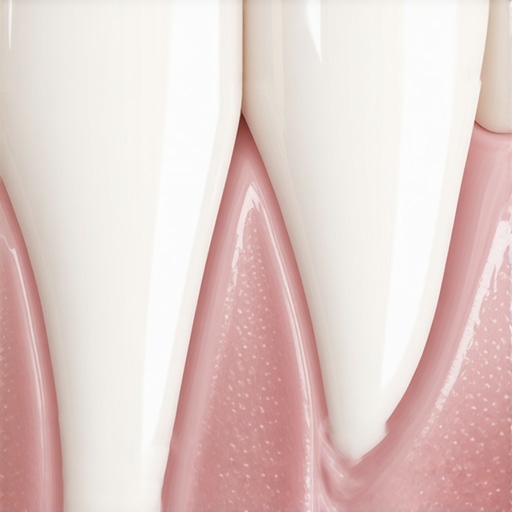
Can a tooth actually rot under a porcelain crown?
It is a sophisticated question that many people don’t ask until it’s too late. The answer is a resounding yes. Because the crown covers the top of the tooth, a cavity can grow silently underneath it, undetected by a mirror or a quick tongue check. This is often why your new crown smells or tastes funny despite you brushing twice a day. To avoid this, expert advice on crowns and teeth cleaning suggests using a high-quality electric brush and being mindful of your technique. Another trap is the post-brushing rinse. Why you should stop rinsing with water immediately after brushing is simple: you want the fluoride in your toothpaste to sit on those margins as long as possible to keep the natural tooth structure hard and resistant to acid. If you’re serious about your oral health routine, small nuances like this make the difference between a crown that lasts ten years and one that lasts thirty. If you’re currently feeling that thumping pain or a strange taste, don’t wait for Monday—reach out via our contact us page to get a professional eye on it before it escalates into an emergency.
Why Traditional Flossing Just Doesn’t Cut It Anymore
I spent years thinking a quick snap of string between my teeth was enough to satisfy my dentist. It wasn’t until I saw the microscopic debris left behind on an intraoral camera that I realized I was leaving half the job unfinished. If you have a crown, standard floss often glides right over the most critical area: the gingival sulcus where the crown meets the gum. To combat this, I’ve switched my personal routine to a ‘double-cleanse’ method. First, I use a high-pressure water flosser to blast out the bulk of the biofilm. Then, I follow up with the most underrated tool in the world: the interdental brush. Learning the proper way to use interdental brushes for best results changed everything for me. These tiny, mascara-wand-like brushes physically scrub the concave surfaces of your roots that floss simply cannot reach. If you are struggling with how to clean between teeth if you have tight spacing, look for the ‘ISO 0’ or ‘ISO 1’ sizes; they are specifically designed for those narrow gaps. A study published in the Journal of Clinical Periodontology found that interdental brushes are significantly more effective at removing interproximal plaque than floss alone, which is the gold standard for preventing that secondary decay under your restoration. 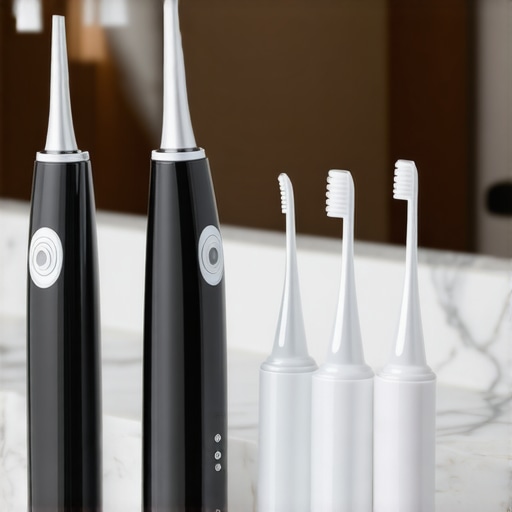
How do I keep my dental restoration working perfectly for decades?
The secret isn’t just brushing harder; it is about maintaining a neutral pH in your mouth. Bacteria that cause decay under crowns thrive in acidic environments. I personally recommend using an alkaline, fluoride-rich mouthwash right after meals to reset your mouth’s chemistry. This is a core part of expert advice on crowns and teeth cleaning that most people ignore. You also need to be vigilant about physical wear. If you find yourself waking up with a tight jaw, you might be grinding your porcelain into dust. This is why caring for crowns essential tips for longevity and shine always includes the use of a custom night guard. By protecting the physical structure and the chemical environment, you’re not just ‘having’ a crown; you’re managing a long-term medical device.
Prepare for the Era of Bathroom AI Diagnostics
Looking ahead, I predict that our oral health tips every family should follow in 2025 will shift toward home-based AI imaging. We are already seeing toothbrushes equipped with small cameras that sync to your smartphone, using machine learning to spot early signs of marginal leakage or gum recession before they ever trigger a ‘heat-sensitive’ alarm. This level of family dentistry focus will move us from reactive treatments to proactive management. Instead of waiting for a thumping ache, your phone will simply ping you to schedule a regular teeth cleaning because it detected a 0.5mm shift in your gum line. Until those tools are in every home, your best bet is a disciplined oral health routine. I challenge you to try the ‘double-cleanse’ method tonight—use a water flosser followed by an interdental brush—and see how much ‘extra’ your string floss has been missing. If you’re noticing any strange shadows around your modern smile makeovers, don’t hesitate to use our contact us page to get a professional evaluation before the pressure builds.
Why That One Specific Molar Keeps Pulsing After Lunch
After years of navigating dental chairs and recovery rooms, I’ve realized that oral health isn’t just about avoiding sugar; it is about listening to the body’s volume levels. First, remember that cold sensitivity is a whisper, but heat sensitivity is a scream—if it lasts more than 30 seconds, the nerve is likely already past the point of no return. Second, many people wonder why your dentist recommends a crown so insistently, and the reason is structural survival; a root-canal-treated tooth is essentially a shell that can’t withstand daily pressure. Finally, always trust your nose and taste buds. If you notice a metallic or ‘off’ flavor, it is often the first sign of marginal leakage, which is why your new crown smells or tastes strange before it actually starts to ache.
#IMAGE_PLACEHOLDER_E#
The Simple Gear Swap for Better Crown Longevity
When it comes to longevity, my oral health routine shifted dramatically when I stopped relying on string floss alone. I personally swear by interdental brushes; they reach the concave spots that flat floss misses entirely, and mastering the proper way to use interdental brushes for best results has been a game-changer for my gum health. I also recommend a high-quality electric toothbrush with a pressure sensor—this prevents you from scrubbing away the enamel at the gum line where your crown meets the natural tooth. Lastly, I always suggest keeping a bottle of alkaline, fluoride mouthwash in your bag for after-lunch rinses, but remember why you should stop rinsing with water immediately after brushing at night to let the minerals truly sink into your enamel.
Reclaim Your Morning Coffee Without the Dread
Your smile is a lifetime investment, and while a sudden flash of pain from a hot coffee can feel like a disaster, it is actually an opportunity to intervene before things get worse. By focusing on expert advice on crowns and teeth cleaning, you can ensure that your restorations last for decades rather than just a few years. Don’t let fear of the chair keep you from the peace of mind you deserve. If you’re feeling that tell-tale pulse or just haven’t had a check-up in a while, visit our contact us page to get a professional look at your smile. Have you ever tried using an interdental brush instead of traditional floss? Let me know your results in the comments below!