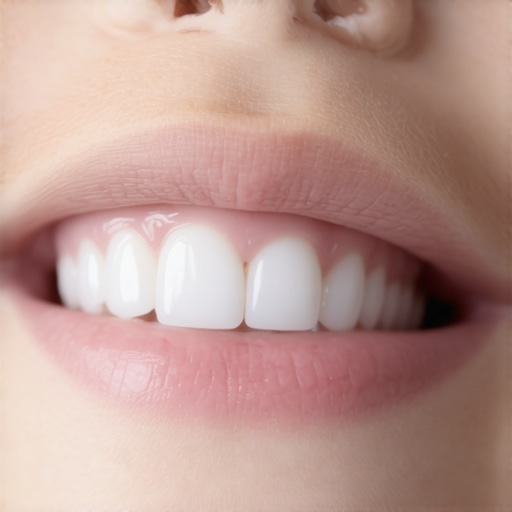
I still remember the sinking feeling in my gut when my youngest finally let me get a good look at her new adult molars. There they were: weird, opaque, white chalky patches that looked like someone had touched up her teeth with a correction pen. My mind went straight to the worst-case scenario. I’d spent years obsessing over effective home practices for family dental health, so how could this happen? I felt like I’d failed the “mom test” of oral hygiene. It wasn’t until I sat down with our dentist that I realized I wasn’t alone, and more importantly, it wasn’t my fault. Today, I want to walk you through exactly why those spots appear and how we can protect those little smiles before things get complicated.
Those Strange White Spots Aren’t Just Leftover Milk
When you first see those patches, your instinct is probably the same as mine was: grab the toothbrush and scrub. I actually made the mistake of thinking it was just stubborn plaque or maybe a bit of yogurt that hadn’t washed away. I brushed so hard I probably irritated her poor gums. But here is the reality: those chalky spots are often a sign of Enamel Hypomineralization. Essentially, the enamel didn’t form quite right while the tooth was still “underground.” This makes the tooth surface softer and more porous than it should be. It is a common hurdle in building a lifetime of healthy smiles, and catching it early is the difference between a simple fix and a future of expensive repairs. According to the American Academy of Pediatric Dentistry, nearly 1 in 6 children worldwide suffer from Molar Incisor Hypomineralization (MIH), so you are definitely in good company.
Is This Actually Something to Worry About?
You might be thinking, “It’s just a color difference, right? Can’t we just leave it alone?” I wish it were that simple. Because that enamel is “chalky” and porous, it’s much weaker than the shiny, translucent enamel we’re used to. This is why some children get cavities despite never eating candy—the tooth structure itself just doesn’t have the same defenses. If left untreated, these spots can lead to “crumbly” teeth or extreme sensitivity. Have you noticed your child wincing when they drink cold water or eat ice cream? That was my first real clue that those white spots were more than just a cosmetic fluke.
Why Your Standard Brushing Routine Might Not Be Enough
When I first noticed the patches, I doubled down on our usual routine, but I was fighting the wrong battle. I didn’t realize that teeth that feel brittle need more than just a standard scrub; they need remineralization and protection. If you’ve seen these spots on your kid’s teeth, have you found yourself brushing more often only to see no change? It’s frustrating, I know. We’re going to look at the professional treatments and the specific at-home tweaks that actually move the needle, rather than just wearing down the enamel further.
Stop the Scrub and Start Building Back
When I first saw those white patches on my daughter’s molars, I thought I could simply clean the problem away. I was wrong. If the enamel foundation is weak, aggressive brushing is like scrubbing a sandcastle with a wire brush—you’re just speeding up the erosion. The first real step is shifting your mindset from cleaning to reinforcing. Think of hypomineralized enamel like a dry, porous sponge compared to the hard, glazed tile of a healthy tooth. To protect that sponge, we need to fill the pores before bacteria move in. This is where the reason your child might need a sealants on their molars becomes so clear; these medical-grade coatings act as a literal shield, smoothing out the pitted surface so food and plaque can’t get trapped.
Put a Shield on Those Molars Before They Crumble
During our first specialized visit, I was terrified the dentist would have to use the drill. Instead, she showed me how a simple sealant application could buy us years of safety. She painted a thin resin over the chalky areas, effectively ‘sealing’ the vulnerable spots from the acid in my daughter’s favorite juices. It was a five-minute process that saved us from a potential root canal down the road. If your child has those opaque spots, asking about sealants early is the most proactive move you can make. 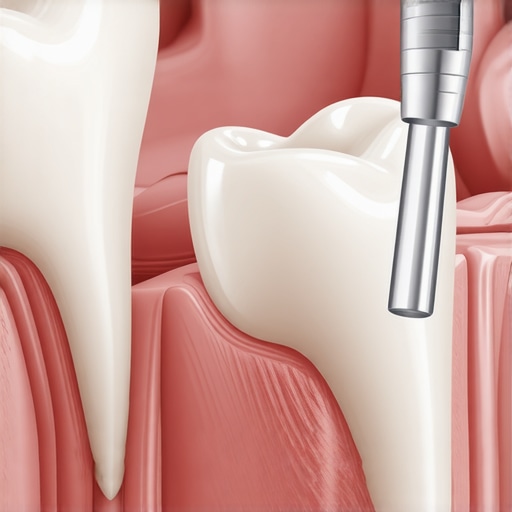
Why Your Choice of Toothpaste Matters More Than You Think
I used to be a sucker for those ‘all-natural’ toothpastes in the pretty tubes, but I learned the hard way that why natural toothpastes without fluoride might be a risk for your kids is a very real concern for children with weak enamel. These teeth need more than just a pleasant flavor; they need remineralization. Your dentist might prescribe a high-fluoride paste or a calcium-phosphate cream. When I started applying a pea-sized amount of specialized paste directly to the white spots before bed—and told my daughter not to rinse—we actually saw the sensitivity decrease within two weeks. Also, check your tools; this is exactly why your dentist wants you to stop using hard bristles, as soft bristles are essential for cleaning without further wearing down the brittle enamel.
When a Simple Filling Just Won’t Cut It
Sometimes the hypomineralization is so advanced that the tooth starts to break under the pressure of chewing. I remember the panic when a tiny piece of my daughter’s molar actually flaked off during lunch. In these cases, you have to look beyond a patch job. While we often think of them for adults, understanding the role of crowns in pediatric care is vital. For a child, a stainless steel or ceramic crown provides a 360-degree ‘helmet’ for the tooth, preventing it from shattering. It’s a durable solution that keeps the space held until the adult tooth is ready to take over.
Watch Out for the Hidden Enamel Eaters
You can have the best clinical treatments in the world, but if the lunchbox is full of acid, you’re fighting a losing battle. I had to realize that why fruit snacks are often worse for kids than chocolate bars comes down to the ‘sticky factor.’ Those gummy treats lodge themselves into the porous white spots and stay there for hours, slowly dissolving what little mineral is left. Swapping those out for cheese or nuts was a small change that made a massive difference in our follow-up exams. If you do catch a minor break, knowing how to fix a small chip in your front tooth without a full crown through bonding can be a great intermediate step to keep the smile intact while you wait for more permanent solutions.Most parents view dental visits as a simple checklist item—something to do every six months to avoid a lecture from the hygienist. But there’s a nuance many miss: the impact of regular teeth cleaning on overall oral wellness goes far beyond just preventing holes. In fact, research published in the Journal of Clinical Periodontology suggests that the inflammation caused by neglected biofilm can impact systemic health even in young children. I used to think that as long as we were ‘cleaning’ at home, we were safe. But what a professional prophy cleaning removes that your toothbrush cant touch—specifically hardened tartar and deep-seated bacterial colonies—is the real key to preventing that ‘crumbly tooth’ syndrome I was so afraid of. Home brushes simply cannot reach the microscopic crevices where enamel is most porous.
Can you actually reverse the damage of chalky enamel?
The short answer is: you can’t grow new enamel once it’s gone, but you can certainly change its chemistry. This is where many parents fall into the ‘wait and see’ trap, thinking the spots might just go away or that they are purely cosmetic. They won’t, and they aren’t. However, advanced treatments like resin infiltration or high-concentration fluoride varnishes can ‘recharge’ the mineral content of those white spots before they turn into cavities. Resin infiltration is particularly clever; it uses a liquid plastic that seeps into the pores of the ‘chalky’ tooth and hardens, essentially rebuilding the structure from the inside out without a single drill bit touching the tooth. If you are looking at oral health tips every family should follow in 2025, you’ll see that the trend is shifting away from traditional drilling and toward this kind of early chemical reinforcement. 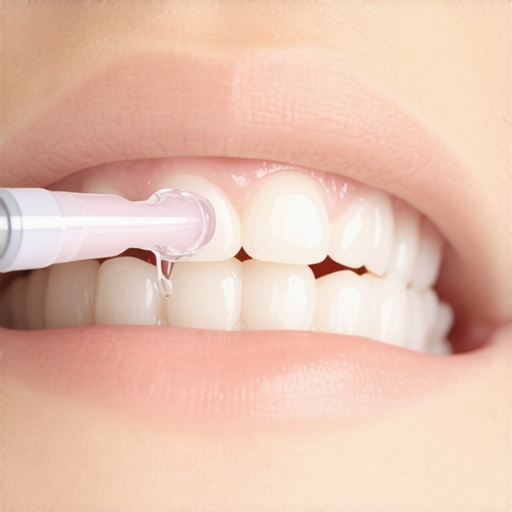
The Hidden Danger of the Charcoal Trend
Here is the ‘oops’ factor that almost cost me a fortune: the charcoal toothpaste trend. In our house, we briefly tried a ‘natural’ charcoal paste because I thought it would help with the slight staining on my daughter’s porous enamel. It was a massive mistake. The truth about charcoal toothpaste and why it might be ruining your enamel is that it acts like sandpaper on already vulnerable surfaces. For kids with hypomineralization, it’s like using a wire brush on a wet paper towel. These abrasive particles lodge into the white spots and can actually cause more staining and structural loss. Stick to the science-backed remineralization pastes instead; they aren’t as ‘trendy,’ but they actually work.
Why Your Cleaning Is a Whole-Body Shield
Finally, don’t overlook the bigger picture. We often focus on the tooth in isolation, but there is a profound connection between your heart health and your last dental cleaning. Chronic gum irritation from trapped bacteria in those molar grooves can stress the entire body’s immune system, leading to low-grade inflammation. This isn’t just about a pretty smile; it’s about reducing the overall bacterial load in your child’s body. Have you ever fallen into the trap of thinking a cleaning was ‘just a cleaning’ and skipped it because life got too busy? Let me know in the comments—I’ve definitely been there, and I’d love to hear how you manage the family schedule without sacrificing those vital checkups.
Give Your Daily Routine a Professional Upgrade
I’ve spent way too much time testing dental gadgets to find what actually moves the needle for my family. After our own “white spot” scare, I realized that our manual brushes just weren’t cutting it anymore. If you are struggling with a resistant toddler, learning how to transition your child to an electric toothbrush without a fight is worth the effort because the oscillating motion does the heavy lifting that their little hands haven’t mastered yet. I personally use the Sonicare for Kids because of its built-in timer, ensuring they reach those tricky back molars every single time. This is a foundational part of an oral health routine strengthening your smile every day. By using technology, we remove the “human error” factor that leads to plaque buildup in those most vulnerable, porous spots. I noticed a visible difference in the “glossiness” of my daughter’s healthy teeth within just a month of making the switch.
How Can You Protect These Fragile Smiles as They Grow?
Maintaining the integrity of hypomineralized teeth is a marathon, not a sprint. Once we moved past the initial treatment, I had to get serious about expert advice on crowns and teeth cleaning for lasting results. One tool I cannot live without is the water flosser. According to research published in the Journal of Clinical Dentistry, water flossing is significantly more effective at reducing gingival bleeding and plaque than traditional string floss, especially for kids who might have restorations. For a child with porous enamel, removing every bit of biofilm is non-negotiable because that bacteria creates the acid that eats away at their already thin protection. If your child has already had restorative work, maintaining your dental crowns involves using that water flosser to clear out the microscopic gap where the crown meets the gumline. 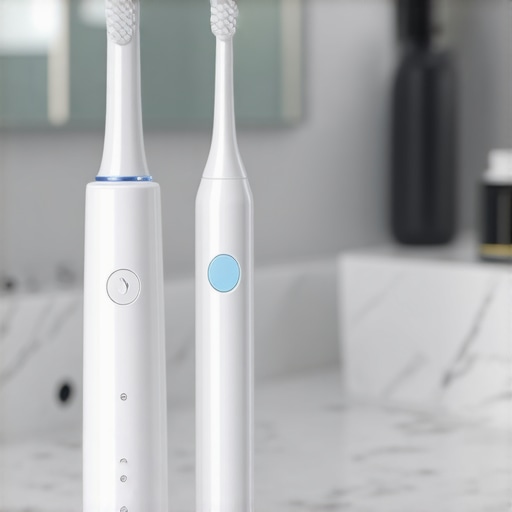
Looking ahead, I believe we are entering an era of “preventative monitoring.” Some high-end pediatric clinics are already using Near-Infrared Transillumination (NITI) technology, which allows dentists to see through the enamel to find early demineralization without any radiation. This will be a total game-changer for kids with MIH. Until that technology is in every local office, we have to be the first line of defense at home. If you’re worried about the look of your child’s teeth, seeing how crowns can transform your dental confidence was a huge relief for me—my daughter stopped hiding her smile once the “chalky” spots were covered by durable ceramic. For those of you managing crowns at home, remember that essential tips for longevity and shine include avoiding the “crunch test” of ice-chewing. My challenge for you this week: Try the “smear and stay” method. Apply a pea-sized amount of fluoride or remineralizing toothpaste to the back molars right before bed and tell your child not to rinse. It gives those minerals all night to soak in and strengthen that foundation!
The Hard Truth About My Initial Mom-Guilt
Looking back, the biggest hurdle wasn’t the dental bill; it was the guilt. I had to learn that some dental challenges start before the first tooth even breaks the surface. One major takeaway from our journey into building a lifetime of healthy smiles is that you cannot brush away a developmental issue. If the enamel didn’t mineralize correctly in the womb or during infancy, no amount of manual scrubbing will fix it. I also realized that the ‘wait and see’ approach is often a recipe for disaster. With hypomineralized teeth, a tiny spot can turn into a full-blown fracture in a matter of weeks. Lastly, I learned that professional cleanings aren’t just for shine; they are diagnostic windows. Seeing the impact of regular teeth cleaning on overall oral wellness firsthand showed me that my hygienist could spot a softening area long before my untrained eyes could see it.
What I Keep in My Medicine Cabinet Now
I’ve completely overhauled our dental kit to focus on reinforcement rather than just cleaning. My essential toolkit now includes a water flosser, which is far more gentle on porous teeth than traditional string. I also rely heavily on expert advice on crowns and teeth cleaning for lasting results, which helped me understand that we aren’t just protecting the tooth—we are protecting the nerve underneath. If your child already has restorations, remember that essential tips for longevity and shine often include switching to non-abrasive, fluoride-rich gels. I also keep a stock of pH-balancing mouthwashes to neutralize the acids from snacks before they can attack the ‘chalky’ areas. #IMAGE_PLACEHOLDER_E#
You Are Already Winning the Battle for Their Smile
It is easy to feel overwhelmed by the technicalities of enamel density and mineral content, but the fact that you are even looking for answers puts you miles ahead. Your child’s oral health is a long-term project, and these early hurdles are just part of the blueprint. By staying proactive with oral health tips every family should follow in 2025, you are setting them up for a future free of dental pain and complex surgeries. Whether you are currently managing a few white spots or you are deep in the process of understanding the role of crowns for your little one, know that every small adjustment to your routine is a victory. Keep advocating for those little molars—the confidence in their future adult smile will be your greatest reward. What was the first thing you thought when you noticed a white spot on your child’s tooth—did you think it was just plaque like I did?