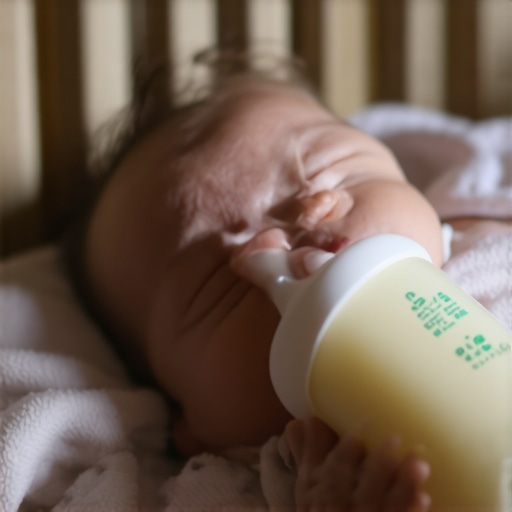
I’ll never forget the evening I finally noticed it. I was tickling my youngest, Leo, on the changing table when the light hit his upper front teeth just right. There it was—a tiny, chalky white line along the gumline. I felt a cold pit in my stomach. Like most parents, I thought I was doing everything right. He wasn’t eating candy, after all! But I was making the one classic mistake that keeps experts in family dentistry up at night: I was sending him to bed with a “comfort bottle” of milk every single evening. [image placeholder]
The Night My Heart Dropped in the Bathroom
In my house, that bottle was a peace treaty. It meant twenty extra minutes of sleep for me and a soothing routine for him. But what I didn’t realize was that I was essentially bathing his brand-new teeth in sugar for twelve hours straight. It is a total gut-punch when you realize your “good” parenting habit is actually causing harm. We often focus on the big things, but it’s the quiet habits that do the damage. I had to learn that the hard way, sitting in a waiting room feeling like a failure.
Is it really that bad to let them sleep with milk?
You might be thinking, “It is just milk, not soda!” I thought the same thing. But according to the American Academy of Pediatrics, liquids like milk and formula contain natural sugars that cling to teeth when a child sleeps, allowing bacteria to produce acid all night long. It is exactly why some children get cavities despite never eating candy. If you have ever felt that twinge of guilt seeing a spot on your toddler’s tooth, you are not alone—I have been in those exact shoes, wondering where I went wrong.
How the Comfort Bottle Becomes a Dental Nightmare
The truth is, baby bottle tooth decay happens much faster than adult decay because primary enamel is incredibly thin. I had to learn quickly that oral health tips every family should follow aren’t just suggestions; they are the primary line of defense. Today, I am going to show you how to break the bottle habit without losing your mind (or your sleep) and how to transition toward a healthy oral health routine that actually sticks. Have you ever noticed a strange spot on your little one’s teeth and wondered if you were overreacting? Tell me your story in the comments.
Dilute the Sugar to Save the Smile
When I realized the bottle was the culprit, I didn’t just take it away. That would have been a recipe for a sleepless week. Instead, I used the ‘dilution method.’ Every two nights, I replaced one ounce of milk with one ounce of water. By the end of ten days, Leo was drinking straight water. He didn’t love it at first, but it stopped the overnight acid bath. You see, oral bacteria thrive on the lactose in milk just as much as they do on gummy bears; in fact, why fruit snacks are often worse for kids than chocolate bars is the same reason milk is a hidden danger—the stickiness and the duration. If the sugar stays on the enamel for hours, it eats through it like rust on an old car.
The Night of the Screams and What It Taught Me
I remember the third night of the water-only experiment vividly. Leo realized the ‘treat’ was gone and threw his bottle across the room. It was messy, and I almost gave in. But I realized that a few nights of crying was better than a lifetime of dental anxiety. During this phase, I focused on teeth cleaning secrets effective home practices for family dental health, specifically using a damp washcloth to wipe his gums and teeth even if he fell asleep during the transition. Think of it like this: leaving milk on a tooth overnight is like leaving a dirty plate with dried syrup on the counter; it gets harder to clean the longer it sits.
Scrubbing Away the Sleepy-Time Bacteria
Once the bottle is gone, the routine has to become non-negotiable. Many parents wait until the child is ‘ready’ for a toothbrush, but you should start the moment that first tooth peeks through. I found that using how to transition your child to an electric toothbrush without a fight helped immensely once he hit the toddler stage because the vibration felt like a game rather than a chore. Consistency is the backbone of family dentistry. If you skip one night, the bacteria start colonizing.
What Happens if the Damage is Already Done?
If you are already seeing those chalky white spots, you aren’t just looking at a cosmetic issue. Those are early signs of decay. In some cases, if the cavity is deep, a dentist might suggest a crown. I used to think crowns were only for adults who didn’t floss, but in pediatric care, they act like a protective helmet for a weakened tooth. For front teeth, why ceramic crowns are the best choice for your front teeth is a common conversation because they blend in naturally and provide the strength needed for a child to eat and speak properly. Don’t let the word ‘crown’ scare you; it’s often the best way to save the spacing for their permanent teeth. Combining these repairs with the impact of regular teeth cleaning on overall oral wellness ensures that once the bottle habit is broken, the rest of their childhood stays cavity-free.
After the bottle fiasco, I went to the other extreme. I became what some might call a ‘wellness-obsessed’ parent. I thought I was protecting Leo by purging every chemical from our bathroom, but I fell into a sophisticated trap that many experts in family dentistry see every single day. I swapped our standard toothpaste for a trendy, fluoride-free version, thinking I was doing him a favor. I felt so proud of myself until our next check-up. The hard truth is that why natural toothpastes without fluoride might be a risk for your kids is a conversation every parent needs to have before the damage is done. Without fluoride, that ‘organic’ brushing session isn’t actually rebuilding the enamel we worked so hard to save after the bottle habit.
The Abrasive Mistake Most Social Media Trends Ignore
Then there was my brief flirtation with the charcoal trend. I saw it on Instagram and figured if it worked for me, it would help keep Leo’s teeth pearly white. This is the ‘oops’ factor that haunts many modern families. The reality is that the truth about charcoal toothpaste and why it might be ruining your enamel is that it is essentially like using sandpaper on a fine porcelain plate. It’s too abrasive for developing teeth. While we focus on whitening, we are actually thinning the protective layer, making teeth more susceptible to the very decay we’re trying to prevent. A study published by the American Dental Association (ADA) warns that many of these ‘natural’ whitening agents lack the necessary clinical evidence to prove they are safe for long-term use on primary or young permanent teeth.
Why do some crowns fail even if you brush religiously?
If your child already has a crown, you might think the battle is over. I certainly did. But the hidden nuance most parents miss is ‘marginal leakage.’ Even with a perfect oral health routine, bacteria can sometimes find a microscopic way under the edges of a restoration. Understanding how to tell if your dental crown is cracked or just the cement is vital. If there is a tiny gap, that tooth is actually more at risk because you can’t scrub under the porcelain. This is why expert advice on crowns and teeth cleaning for lasting results emphasizes professional check-ups over just home care. You simply can’t see what a dentist sees with high-powered magnification.
The Long Game of Pediatric Dental Maintenance
I used to think a crown was a ‘set it and forget it’ solution, but that is a dangerous myth. You have to be proactive about maintaining your dental crowns dos and donts for best results to ensure the gum tissue stays healthy around the base. If the gums recede due to poor the impact of regular teeth cleaning on overall oral wellness, the underlying tooth structure becomes exposed and vulnerable. Furthermore, the truth about how long a porcelain crown actually lasts before replacement depends entirely on how well you manage the acidity in your child’s diet and their physical habits, like grinding. Have you ever fallen into the ‘all-natural’ trap thinking it was better for your kids’ teeth? Let me know in the comments.
Why My Kids Can’t Brush Without a Pressure Sensor Anymore
Once we moved past the ‘milk bottle’ phase and the ‘natural toothpaste’ experiment, I realized that the equipment we use is just as important as the technique. I used to think a toothbrush was just a toothbrush, but after watching Leo scrub his gums raw, I invested in brushes with built-in pressure sensors. In the world of family dentistry, we often overlook the mechanical damage we do to our own mouths. These sensors flash red the second you press too hard, which is a lifesaver for protecting the margins of any restorations. If you are maintaining your dental crowns dos and donts for best results include being gentle; aggressive scrubbing can actually lift the gum line away from the crown, exposing the vulnerable tooth underneath.
Beyond the brush, the real game-changer for our family was the water flosser. I’ll be honest: getting a toddler to sit for traditional string floss is like trying to gift-wrap a live squirrel. But a water flosser? It’s a ‘water toy’ in his eyes. For those of us with work done, it is the most effective way of caring for crowns essential tips for longevity and shine. It flushes out the bacteria that a brush simply cannot reach. This isn’t just my opinion; a meta-analysis published in the Cochrane Database of Systematic Reviews suggests that powered toothbrushes, especially those with oscillating-rotating technology, provide a statistically significant reduction in plaque and gingivitis compared to manual brushing over both short and long terms.
How do I maintain my family’s dental work over time?
Maintenance is a marathon, not a sprint. It requires a mix of high-tech home tools and professional intervention. I’ve learned to stop viewing the dentist as a ‘fix-it shop’ and start seeing them as a maintenance crew. For example, understanding why ultrasonic cleaning is faster and more comfortable than hand scaling changed how I approached our bi-annual visits. These tools use high-frequency vibrations to blast away tartar that has calcified, something no amount of home brushing can fix. By combining these professional cleanings with teeth cleaning secrets effective home practices for family dental health, you create a double-layered shield for your family’s smiles.
The Future of Your Bathroom Countertop
I predict that in the next five years, we won’t just be ‘guessing’ if we brushed well enough. We are already seeing the rise of AI-integrated brushes that map your mouth in real-time on your phone. This technology will become the standard in oral health tips every family should follow in 2025. Imagine an app that tells you exactly which molar you missed before you even leave the bathroom. This kind of data-driven care is where the industry is heading, and it’s going to make understanding the role of crowns in modern smile makeovers much easier because we will have the tools to prevent the decay that necessitates them in the first place. If you want to get ahead of the curve, I challenge you to try this today: swap your manual brush for an oscillating electric one for just one week and feel the difference in the ‘smoothness’ of your teeth. You’ll never go back.
Lessons Learned From the Front Lines of Toddler Tooth Decay
Looking back at those first white spots on Leo’s teeth, I realized that dental health isn’t about achieving a Pinterest-perfect life; it’s about constant course correction. One major lightbulb moment was realizing that silence at night—bought with a bottle—is never worth the price of a future cavity. I also learned that ‘natural’ marketing can be a dangerous distraction from what enamel actually needs to stay strong. A restoration or a crown isn’t a badge of parental failure; it is a tool that allows your child to eat, speak, and smile while you rebuild their habits. I now see these dental visits as a partnership rather than a judgment seat.
The Gear That Saved Our Bedtime Routine
If you are ready to upgrade your family’s defense system, I recommend starting with tools that remove the guesswork. An oscillating electric toothbrush with a pressure sensor is the single best investment we made to prevent over-brushing. For cleaning the tricky gaps, especially around dental work, a water flosser is a game-changer for caring for crowns essential tips for longevity and shine. I also keep a stash of soft-bristled manuals for travel, because why manual toothbrushes are still effective if you use the right technique is a skill every child should master. These tools, paired with the latest oral health tips every family should follow in 2025, have turned our bathroom from a battleground into a wellness hub.
Take the First Step Toward a Cavity-Free Future
We are all just doing our best to navigate the complexities of modern parenting. Whether you are currently transitioning away from the bottle or looking into how crowns can transform your dental confidence for yourself or your child, remember that it is never too late to start fresh. Consistency is the magic ingredient in family dentistry. You have the tools and the knowledge now to ensure those smiles stay bright for decades to come. If you have questions about your child’s specific needs, feel free to contact us to set up a consultation. Have you ever discovered a ‘healthy’ snack or habit that was secretly hurting your child’s teeth? Let me know your story in the comments below!