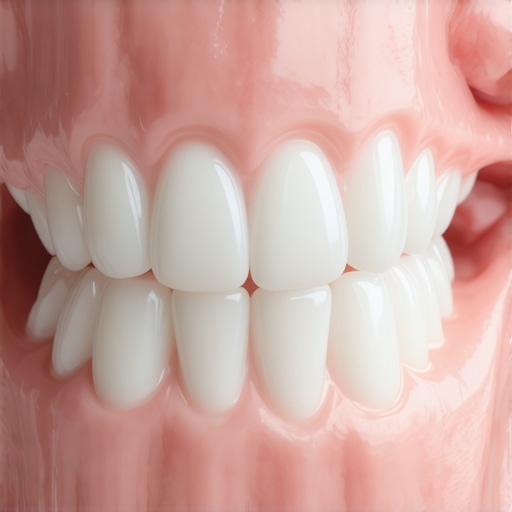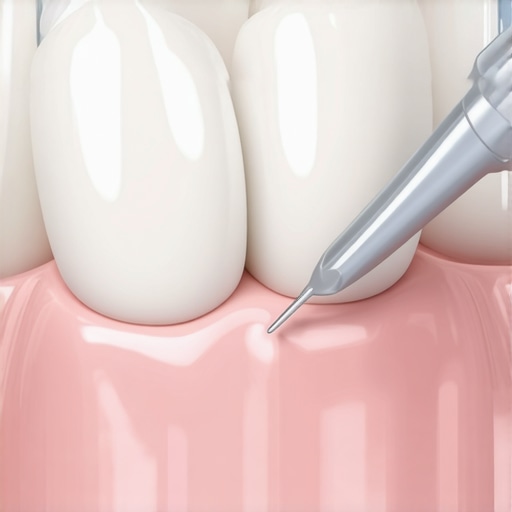
I remember sitting down to a steak dinner—the kind I’d been dreaming of for weeks—only to have my entire jaw seize up the moment I took the first bite. It wasn’t a sharp, agonizing pain. It was more like my tooth was a tiny bit too tall, hitting the upper teeth before everything else. I spent the rest of the meal chewing on one side like a lopsided chipmunk. I actually made the classic mistake of waiting three weeks to call my dentist because I didn’t want to be a ‘difficult’ patient. I told myself I just needed to break it in. Spoiler alert: you can’t break in a porcelain crown like a pair of leather boots. By the time I went in, my jaw was throbbing and I was convinced the whole procedure was a failure. In reality, it just needed a five-minute tweak.
That Tiny High Spot is a Massive Problem for Your Jaw
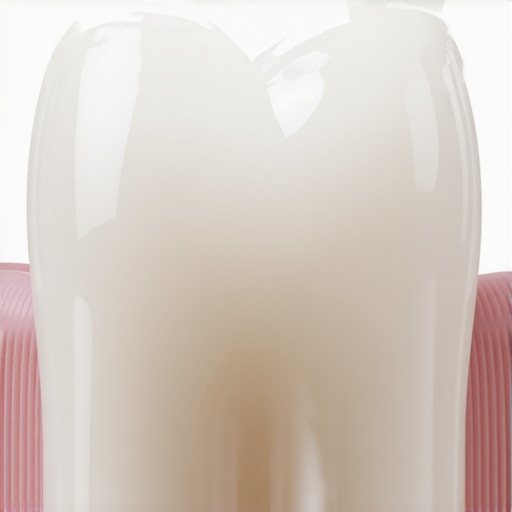
Your mouth is incredibly sensitive to even the smallest changes. We are talking about microns here. When a crown is even a hair too high, it throws off your entire bite alignment, leading to what we call occlusal trauma. If you are feeling that weird ‘thud’ when you close your mouth, it’s not in your head. You might even find yourself wondering about the reason your tooth hurts only when you bite down hard. Today, I want to show you exactly how to spot these signs early so you don’t end up with a week-long tension headache like I did. We are going to separate the normal post-procedure ‘newness’ from the actual alignment issues that require a professional touch.
Is this actually worth another trip to the dentist?
I get it. You’ve already spent hours in the chair and probably a good chunk of change. You don’t want to go back. But here is the thing: ignoring a high crown is one of the worst 5 dental habits that are actually ruining your enamel and your jaw joint. According to research published in the Journal of Prosthetic Dentistry, even a discrepancy as small as 20 microns can lead to significant muscle fatigue and even tooth mobility over time. A simple adjustment isn’t a sign that your dentist messed up; it’s a routine part of ensuring caring for crowns results in a long-lasting restoration. Have you ever felt like your new tooth was just ‘in the way’ of the others? Let me know in the comments if you’ve been ‘toughing it out’—I’d love to hear your story.
When I finally sat back in that chair, my dentist used a tiny piece of blue articulating paper, had me tap my teeth together, and shaved off a microscopic amount of material. The relief was instantaneous. It felt like my jaw finally found its home again. If you are currently browsing through the best foods to eat after getting a dental crown because you’re too afraid to chew something hard, it’s time to look closer at your alignment.
Perform the 24-Hour Bite Check at Home
Think of your bite like a perfectly balanced set of scales. When one side is heavy, the entire mechanism fails. After the numbness wears off, you need to conduct a deliberate ‘clench test.’ Close your mouth slowly and notice which tooth touches first. If that new porcelain surface is the lone contact point, you have a high spot. I once tried to convince myself that a slight ‘pinging’ sound when I ate was just the cement settling. I was wrong. I spent three nights tossing and turning, which is a classic reason why you wake up with a sore jaw and a headache. If you feel pressure on that specific tooth while your mouth is at rest, your jaw muscles are working overtime to compensate for a few microns of extra material.
Listen for the Thud Instead of the Click
When teeth meet normally, they produce a sharp, crisp ‘click.’ A high crown creates a dull ‘thud’ or a sliding sensation as your jaw tries to find a comfortable spot to land. This misalignment isn’t just annoying; it puts immense pressure on the ligament surrounding the tooth. If you ignore it, you might start noticing the connection between stress and your worn down teeth, as clenching becomes a subconscious habit to ‘level out’ the high point. During my own trial with a faulty crown, I actually took a piece of thin sewing thread and tried to see if it snagged differently on that side—a messy, desperate DIY test that only confirmed I needed the pro tools.
What Happens During a Professional Bite Adjustment
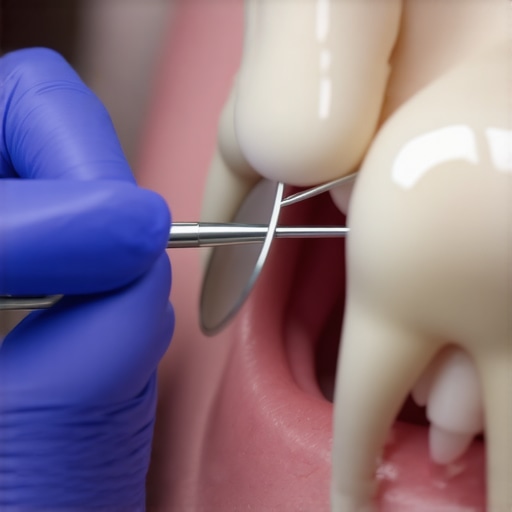
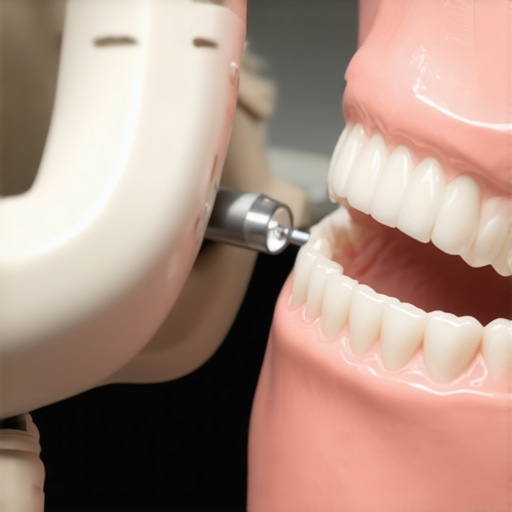
When you finally head back to the office, the process is surprisingly low-tech but incredibly precise. The dentist uses articulating paper—thin strips of colored film—to map out exactly where your teeth are hitting. You’ll be asked to tap-tap-tap and grind side-to-side. This reveals the ‘high’ marks that need to be buffed away. It is a much faster process than the initial placement, and it is vital for ensuring that caring for crowns remains your only concern rather than dealing with a cracked restoration. Understanding the mechanics of how the material is shaved down helps demystify the real difference between a bridge and a crown and how each interacts with your natural bite pressure.
Keep the Area Clean While It Heals
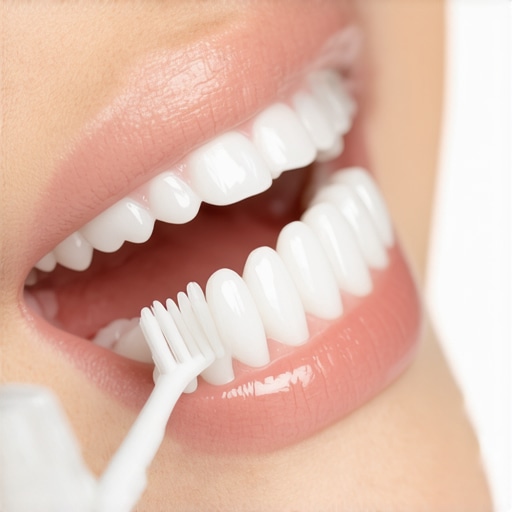
Once the bite is leveled, the surrounding gum tissue might still be tender from the initial trauma of the ‘high’ contact. This is the stage where many people slack off on hygiene because they are afraid to touch the tooth. However, plaque accumulation at the margin can lead to inflammation. Learning how to stop your crown from smelling like old food starts with diligent cleaning immediately after the bite is corrected. Use a soft-bristled brush and gentle circular motions to soothe the area without irritating the newly adjusted surface. In my experience, once the physical ‘wall’ of the high crown was gone, my gums stopped throbbing within forty-eight hours because they weren’t being slammed every time I swallowed.
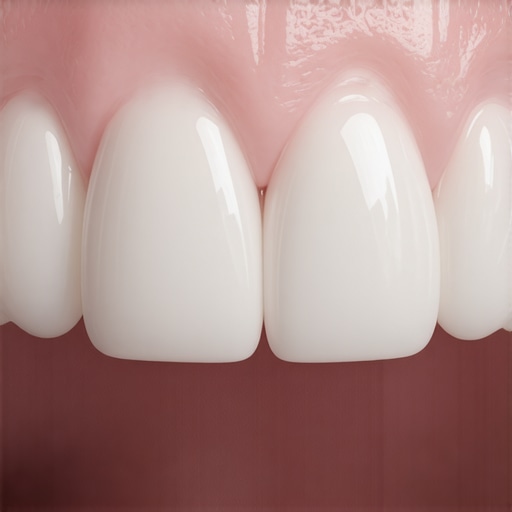
The biggest mistake I see—and one I’ve been guilty of myself—is the ‘set it and forget it’ mentality. We treat crowns like high-tech armor, but the contrarian truth is that a crowned tooth requires significantly more focus during your daily hygiene than a natural one. Most patients think that because porcelain cannot rot, the tooth is suddenly invincible. However, research published in the Journal of Oral Rehabilitation highlights that secondary caries at the crown margin is the primary reason for restoration failure, occurring in nearly 10% of cases within the first decade if hygiene is suboptimal. If you slack on maintaining your dental crowns, you are essentially inviting bacteria to colonize the only vulnerable spot left: the microscopic seam where the crown meets your natural tooth.
Stop Treating Your Crown Like Bulletproof Armor
When we get a restoration, we often stop ‘worrying’ about that tooth. But I’ve learned that the tooth under the crown is actually more susceptible to quick-spreading decay because you can’t see what’s happening beneath the surface. I once ignored a slight ‘fuzzy’ feeling on the back of my molar, thinking the porcelain would protect me. That was a mistake. Even expert advice on crowns and teeth cleaning emphasizes that biofilm doesn’t care if the surface is natural enamel or high-grade ceramic; it will still produce acid that can seep under the margin. If that seal is compromised, you might not even feel the cavity until it reaches the nerve.
The Vulnerable Seam Most Patients Ignore
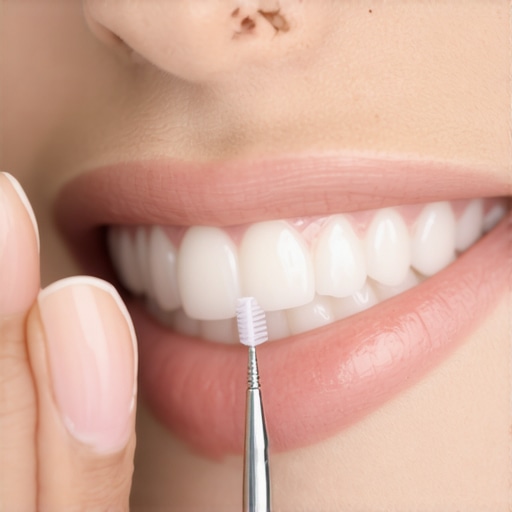
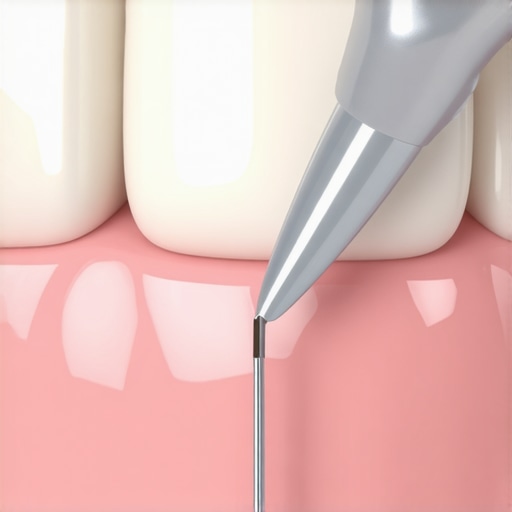
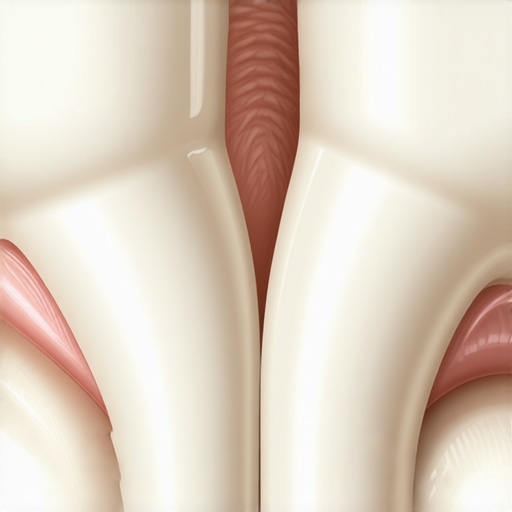
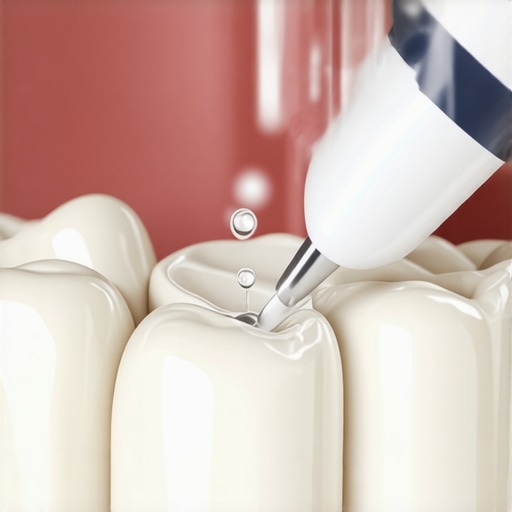
The ‘Oops’ factor here is a classic dental trap: neglecting the gum line because you’re afraid of dislodging the crown. In reality, the margin—the area where the crown meets the gum—is the most critical zone to scrub. If you don’t clean it properly, you’ll soon be searching for why your new crown smells, which is almost always a sign of trapped bacteria or early-stage gingivitis around the restoration. I’ve found that using an interdental brush or a water flosser is much more effective than traditional string floss for navigating the slightly different contours of a crown. If you notice a visible space starting to form, you need to address how to fix the gap between your gum and your crown before the structural integrity of the tooth is lost.
Does your crown react differently to altitude or exercise?
This is a nuance many people find confusing. Have you ever noticed that your crown feels ‘tight’ during a flight or sensitive when you’re out for a jog? It’s not just in your head. Because of the way different materials expand and contract—and how pressure changes affect the tiny pockets of air that can sometimes exist in the dental cement—you might experience physical sensations that your natural teeth don’t. For instance, why your crown feels tight after a long flight is often related to barodontalgia, or pressure-related tooth pain. Similarly, if your sinuses are inflamed, you might find why your teeth feel sensitive after your morning run in the cold is actually the crown putting pressure on the sinus floor. Understanding these mechanical quirks helps you distinguish between a temporary environmental reaction and a genuine dental emergency like how a small chip can lead to a massive tooth crack. Have you ever fallen into the ‘set it and forget it’ trap with your dental work? Let me know in the comments—I’d love to hear how you keep your smile in check.
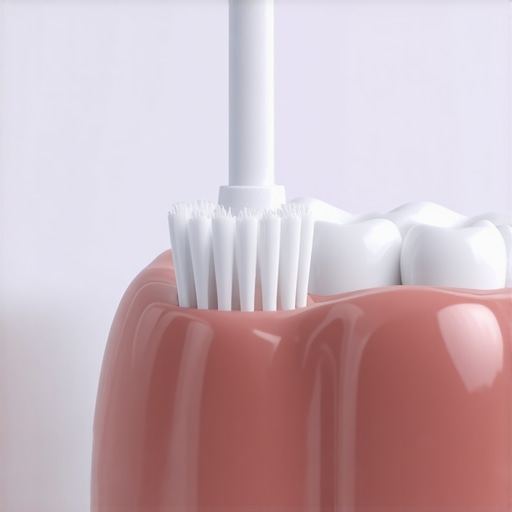
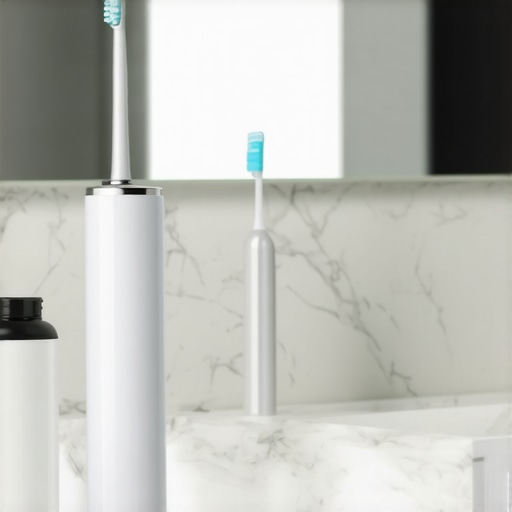
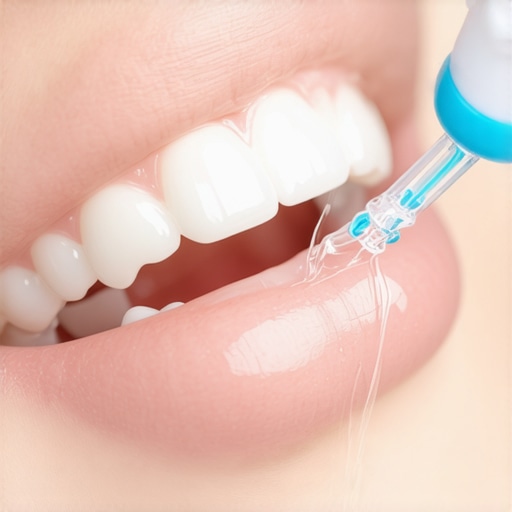
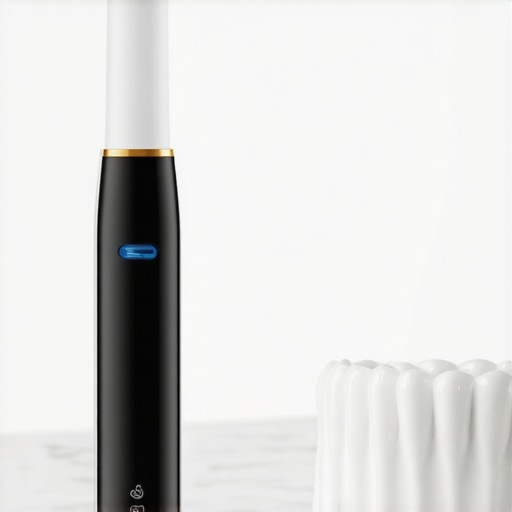
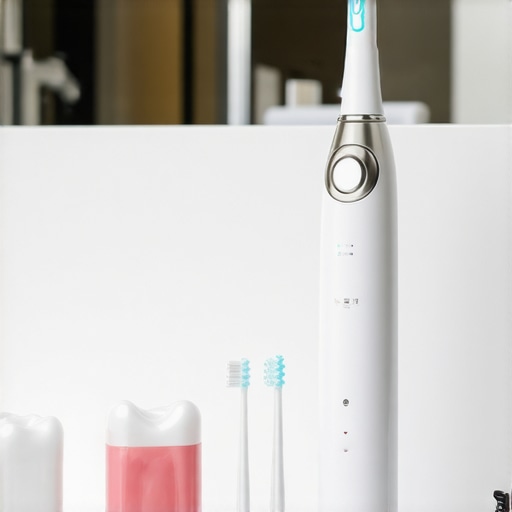
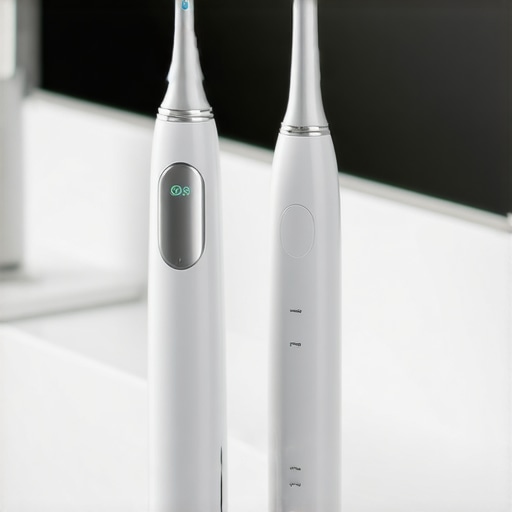
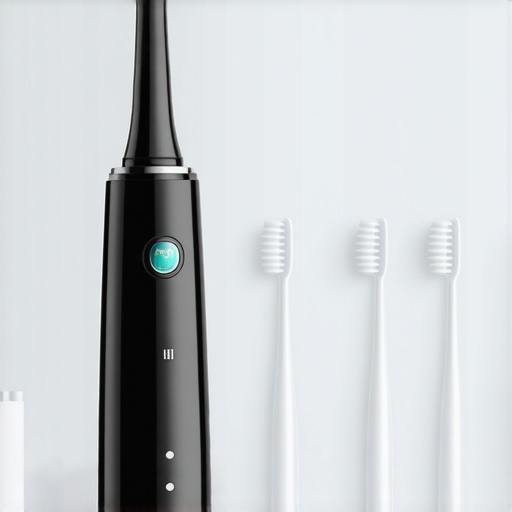
I used to think my morning routine was ironclad until I realized I was treating my dental work like a finished project rather than a living part of my anatomy. To truly keep your smile intact, you have to move beyond the basics. I personally swear by the water flosser for one reason: it flushes out the microscopic debris that regular string simply slides over. If you struggle with how to clean between teeth if you have tight spacing, a high-pressure stream is the only way to effectively clear the margin of a crown. I’ve found that using an oscillating electric toothbrush, specifically one with a pressure sensor, prevents me from scrubbing too hard and causing gum recession around my porcelain work.
The High-Tech Toolkit That Saves Your Gums
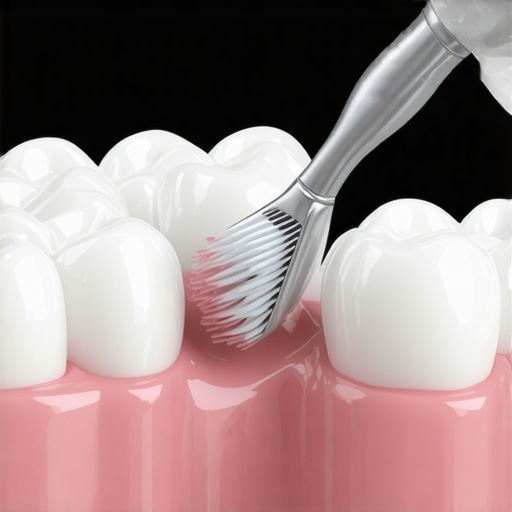
While many people stick to a manual brush, the precision of a modern electric tool is unmatched for crown care. I recommend a brush that offers a ‘gum care’ mode, which vibrates at a lower frequency to stimulate blood flow without abrasive force. If you’re already following an oral health routine strengthening your smile every day, adding a dedicated sulcus brush can be a game changer. These tiny, single-tufted brushes allow you to trace the exact line where the crown meets the gum, ensuring no biofilm is left behind to cause trouble. This is especially vital for family dentistry focus building a lifetime of healthy smiles, as teaching kids and teens the right tools now prevents expensive replacements later.
How can I keep my dental crown from failing over time?
The secret isn’t just what you do at home, but how often you let a professional look under the hood. Even the most diligent brusher can’t see the tiny fractures or cement washouts that a hygienist can spot during a deep clean. If you’re curious about the impact of regular teeth cleaning on overall oral wellness, consider this: professional scaling removes the calcified tartar that acts as a bridge for bacteria to enter the space beneath your crown. A study published in Clinical Oral Investigations found that patients with regular supportive periodontal therapy had a significantly lower rate of abutment tooth loss compared to those who only sought care when they felt pain. Don’t wait for a twinge; that’s usually the sign that what actually happens if you skip your dental cleaning for too long is already underway.
Why Professional Eyes See What You Miss
I’ve noticed that many patients view their six-month checkup as an optional ‘polishing’ session, but for someone with crowns or bridges, it’s a structural inspection. Your dentist uses specialized instruments that won’t scratch the porcelain—something you can’t replicate at home. This level of expert advice on crowns and teeth cleaning is what keeps a ten-year restoration looking like a two-year one. Furthermore, if you’re managing maintaining your dental crowns for the long haul, you should consider using the proper way to use interdental brushes for best results between your professional visits to keep those hard-to-reach zones pristine.
The Future of Crown Care is Smarter Than You Think
I predict we are only a few years away from ‘smart crowns’—restorations embedded with pH sensors that can alert your smartphone the moment the environment around the tooth becomes acidic enough to cause decay. For now, we rely on mechanical excellence and high-grade materials. As technologies like digital scanning and 3D printing continue to evolve, the fit of these restorations will only get tighter, making them even easier to clean. To stay ahead of the curve, I challenge you to try the ‘marginal scrub’ tonight: spend thirty seconds just on the gum line of your crown with a soft brush. It’s a simple switch that can add years to your restoration’s life.
Three Reality Checks for Your New Porcelain Companion
Over the years, I’ve realized that the most expensive restoration in the world is only as good as the bite it sits in. My biggest ‘lightbulb moment’ was realizing that discomfort isn’t a rite of passage. If you are constantly wondering about the reason your tooth hurts only when you bite down hard, your body is sounding an alarm, not just settling in. Second, I learned that a crown is a partnership between you and your dentist; they provide the engineering, but you provide the daily maintenance. Finally, don’t overlook how how crowns can transform your dental confidence once that physical ‘thud’ is gone and you can smile without hesitation. Waiting for the tooth to ‘adjust itself’ is a myth that only leads to cracked ceramics or jaw strain.
The Zero-Stress Maintenance Kit
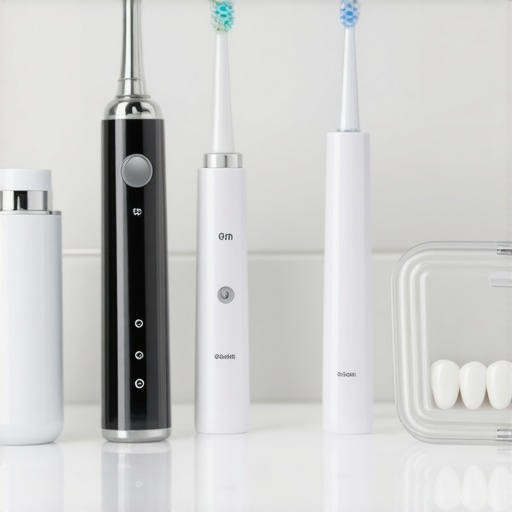
To keep your restoration in top shape, I rely on a few specific tools that go beyond the standard manual brush. I highly recommend an electric toothbrush with a pressure sensor to ensure you aren’t accidentally wearing down the gum line near the margin. If you deal with how to clean between teeth if you have tight spacing, a water flosser is non-negotiable for flushing out the debris where the porcelain meets the natural tooth. I also swear by the proper way to use interdental brushes for best results—they reach the concave areas of the molars that flat string floss simply skips over. These tools aren’t just gadgets; they are the frontline defense for your investment.
#IMAGE_PLACEHOLDER_E#
Building a Future Where You Forget It’s Even There
The ultimate goal of any restoration is for you to forget it even exists. When your bite is perfectly aligned and your oral health routine strengthening your smile every day is consistent, that tooth becomes a seamless part of your anatomy again. Proper caring for crowns isn’t about obsession; it’s about making small, smart choices that protect your bite and your jaw health. You deserve a smile that feels as natural as it looks, free from the distraction of alignment issues. Have you noticed a difference in how your crown feels after a professional adjustment? Let me know in the comments below!
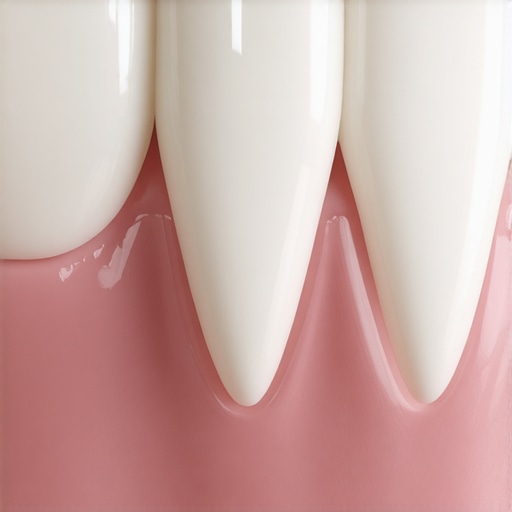


 Another hidden danger is nocturnal grinding. If you have ever wondered about
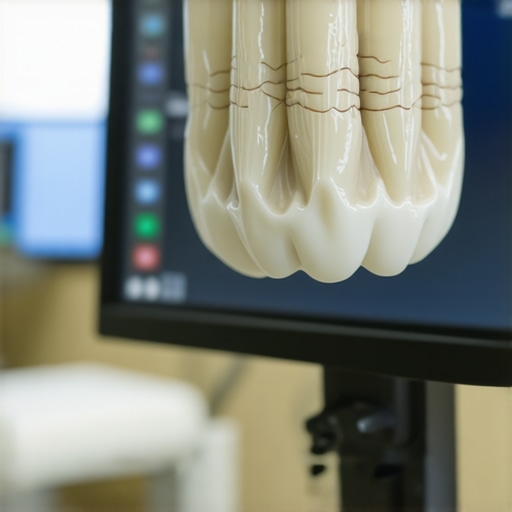
  As I look toward the future, I see the landscape of