I remember sitting in a coffee shop three years ago, laughing at a friend’s joke, and catching my reflection in the window. My natural teeth looked decent enough, but my expensive front crown—the one I’d saved up months to afford—looked like it had been marinating in soy sauce. I was devastated. It felt like I was walking around as a living ‘before’ picture in a dental commercial. I’d spent all that money on modern smile makeovers only to feel like my smile was failing me. The truth is, while porcelain itself is fairly resistant to discoloration, the tiny scratches we accidentally create and the buildup around the edges can turn a bright restoration into a dull eyesore faster than you can say ‘double espresso.’ Today, I want to share exactly how I turned things around and what I do now to keep that pearly luster from fading into a dingy yellow.
Stop Scouring Your Smile With Gritty Pastes
When I first noticed the dullness, I made the classic rookie mistake: I grabbed the most aggressive whitening toothpaste I could find and started scrubbing like I was cleaning a cast-iron skillet. I thought I could just buff the stains away. I was wrong. Porcelain crowns have a delicate glazed finish that acts as a shield. When you use abrasive ‘whitening’ pastes, you’re basically using sandpaper on your investment. I learned the hard way that charcoal toothpaste and other abrasives can microscopically scratch that glaze. Once that smooth surface is compromised, it becomes a magnet for tannins and pigments. A surprising study in the Journal of Esthetic and Restorative Dentistry confirms that once the surface roughness of dental ceramics increases due to abrasive cleaning, the material becomes significantly more prone to external staining. Nowadays, I stick to a gentle, non-abrasive gel, and the difference is night and day. If you want lasting results, you have to treat the porcelain like fine china, not a sidewalk.
Will This Actually Save My Smile?
I know what you’re thinking—you’ve already got a stain, or you’re worried it’s too late. You might be skeptical that ‘gentle’ care can really prevent the dark edges we all fear. But the secret isn’t just in the brush; it’s in the dos and donts of daily maintenance. By protecting the integrity of the crown’s seal and the smoothness of its surface, you prevent the ‘wicking’ of stains into the material itself. Have you ever looked in the mirror and realized your crown no longer matches the teeth next to it? It’s a sinking feeling, but it is almost always preventable if you catch the bad habits early. We are going to dive into the specific foods and cleaning techniques that actually work, rather than the ones that just damage your dental work further. Before we get into the nitty-gritty, let me ask: have you ever felt like your crown was ‘different’ or more prone to catching food than your natural teeth? That’s often the first sign that your care routine needs a Neighborly tweak. Let’s look at why your coffee habit might be doing more damage than you think.
Swap Your Brush for Something Softer
I once bought a pack of ‘extra-firm’ toothbrushes from a discount bin, thinking I was being efficient. I spent a week scouring my teeth with the intensity of someone cleaning a grout line. By Friday, my gums were raw, and my crown looked strangely cloudy. I’d effectively matte-finished my expensive dental work. The lesson? You must treat your restoration like a luxury car’s paint job, not a patio. Switching to a soft-bristled electric brush is the single best move for caring for crowns. These devices use rapid vibrations rather than brute force to break up plaque. When you transition to an electric toothbrush, you let the machine do the work, ensuring you aren’t putting too much pressure on the delicate margin where the porcelain meets your gumline. 
Master the Pull-Through Floss Move
Most people are ‘snappers’ when it comes to flossing—they pop the string down and snap it back up. If you have a crown, this is a dangerous game. I learned this the hard way at a wedding when a piece of steak got stuck; I pulled up too hard and felt that sickening ‘click’ of a seal breaking. To avoid a disaster, always pull the floss through the side rather than pulling it back out the way it came. This simple tweak is a core part of maintaining your dental crowns because it prevents the upward tension that can snag the edge of the porcelain. If you find flossing difficult, effective home practices like using a water flosser can also flush out debris from under a bridge or around a crown without any mechanical tugging.
How to Drink Your Coffee Without the Stains
You don’t have to give up your morning ritual, but you do need a strategy. Porcelain is glazed, but the cement and the natural tooth structure underneath are vulnerable. I started using a reusable glass straw for my iced coffees, and the difference in my six-month check-up was night and day. If you prefer hot drinks, get into the habit of ‘the water chaser.’ For every three sips of coffee, take one sip of water to rinse the pigments away before they can settle into the micro-crevices. This is one of the easiest secrets to keeping your smile white. Remember, avoiding stains with green tea or coffee isn’t about restriction; it’s about minimizing the contact time between the liquid and your dental work.
Watch for the Tell-Tale Leak
Even with perfect care, things can shift. I remember a few months ago, I felt a tiny, sharp zing when I drank a cold smoothie. It wasn’t a full-blown ache, but it was a warning. If you know how to tell if your dental crown has a small leak, you can save yourself a root canal later. Look for sensitivity to temperature or a slight metallic taste; these are signs the ‘sealant’ is failing. Catching these early through expert advice on teeth cleaning ensures that your dentist can rebond the crown before bacteria set up shop underneath. Think of it as a routine oil change for your mouth—small maintenance today prevents a total engine failure tomorrow.
Stop Obsessing Over Scrubbing and Start Focusing on the Seal
We’ve been conditioned to believe that ‘cleaner is better,’ but when it comes to high-end dental work, that mindset can be your worst enemy. Most people think they need to brush harder around a crown to keep it from staining, yet this is where the most common mistakes happen. In my experience, over-cleaning is just as dangerous as neglect. When you apply too much pressure, you aren’t just cleaning; you are physically pushing the gum tissue away from the margin of the restoration. This is often the reason your teeth look longer as you get older—it isn’t just age, it’s mechanical trauma. A study published in the International Journal of Periodontics & Restorative Dentistry highlights that excessive vertical brushing can lead to significant gingival recession around ceramic margins, exposing the underlying cement which is far more porous and prone to decay than the porcelain itself. 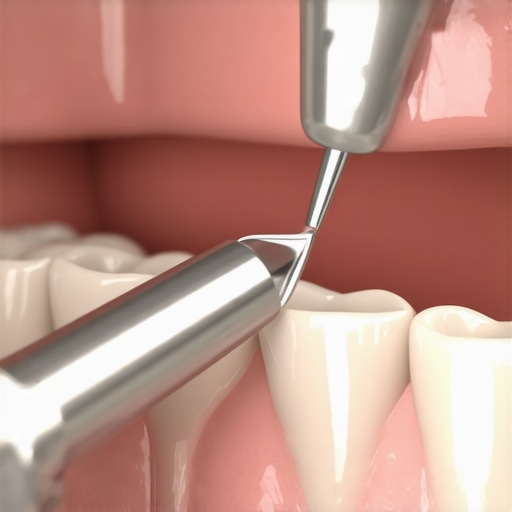
The Dangerous Trap of DIY Whitening on Porcelain
Here is a nuanced ‘oops’ factor that many of my friends have fallen for: trying to use whitening strips to brighten an old crown. It sounds logical, right? If the rest of your teeth are getting whiter, you want the crown to match. But here is the catch—porcelain does not respond to peroxide. While you are busy whitening your natural enamel, your crown stays the exact same shade. This creates a glaring mismatch that makes the restoration look even more obvious. Even worse, the acidic nature of some over-the-counter kits can irritate the gums around the crown’s base. Instead of reaching for a box of strips, the secret to keeping your smile white lies in professional-grade polishing that removes surface debris without altering the chemical structure of your teeth. Have you ever fallen into this trap of trying to whiten a crown with over-the-counter strips? Let me know in the comments.
How Do I Know if My Crown is Reaching its Expiration Date?
It’s an advanced question that many patient-readers ask once they’ve had their work for a decade. The truth is, how long a porcelain crown actually lasts depends less on the material and more on the environment. You should look for a ‘shadow’ at the gumline. If you notice a dark line appearing, it might not be a stain; it could be the metal substructure showing through or, more commonly, a sign that the gum has receded enough to reveal the tooth-crown interface. This is why expert advice on crowns always emphasizes the ‘marginal integrity.’ If you can feel a tiny catch with your fingernail at the base of the tooth, the seal is likely compromised.
Why Your Nightly Habits Matter More Than Your Morning Brush
You can have the best oral health routine in the world, but if you are a night-time grinder, you are slowly pulverizing your investment. I didn’t realize I was clenching my jaw until I noticed tiny ‘craze lines’ in my front crown. Understanding how a simple night guard can save you thousands is the difference between a crown lasting five years or twenty. We often think of family dentistry as just getting a cleaning every six months, but a lifetime of healthy smiles requires looking at the mechanical stresses we put on our teeth while we sleep. If your crown feels ‘tall’ or sensitive when you first wake up, don’t ignore it; it’s your body’s way of saying the porcelain is under siege.
That ‘tall’ feeling is usually a sign of inflammation in the periodontal ligament, and if you let it go, you aren’t just risking a sore jaw; you’re risking a fractured restoration. For years, I thought a ‘boil-and-bite’ guard from the local pharmacy was good enough. It wasn’t. Those bulky, soft guards can actually encourage you to chew more in your sleep, putting even more pressure on your dental work. I finally invested in a custom-fabricated hard acrylic guard, and it’s the primary reason my original porcelain work is still intact. When you understand how a simple night guard can save you thousands, the upfront cost of a professional fitting feels like a bargain.
Stop Fighting Your Floss and Use a Water Flosser
I used to avoid flossing around my back crowns because the string would always snag or shred, leaving me frustrated and worried I was pulling the crown off. Then my hygienist introduced me to the concept of ‘hydro-kinetic’ cleaning. Using a high-quality water flosser allows you to flush out the gingival sulcus—the little pocket where the crown meets the gum—without any mechanical tugging. It is arguably the best way to clean plaque from under a dental bridge or around a complex crown. I personally use mine on the ‘pulse’ setting every single night. It doesn’t just remove food; it oxygenates the gums, which prevents the anaerobic bacteria that cause ‘crown breath’ from ever taking hold. If you’re serious about an oral health routine that actually works, this tool is non-negotiable.
As we look at how crowns can transform your dental confidence, we have to talk about the long game. I recently read a fascinating technical bulletin from the Clinicians Report Foundation, where researchers noted that even ‘stain-resistant’ zirconia can lose its luster if the surface is exposed to acidic mouthwashes daily. I switched to an alcohol-free, pH-neutral rinse immediately after reading that. It’s these tiny, specific adjustments that keep your smile looking like a million bucks ten years down the line.
How do I maintain my dental crowns over time?
Consistency is your superpower, but your equipment matters just as much. Beyond the water flosser, I highly recommend a sonic toothbrush with a built-in pressure sensor. We often think we’re being gentle when we aren’t. A sensor that flashes red when you press too hard is the only way to guarantee you aren’t contributing to the recession that causes those ugly dark lines at the base of your tooth. By maintaining your dental crowns with precision tools rather than brute force, you ensure the ‘glaze’ stays intact. I predict that in the next few years, we’ll see smart-brushes that use AI to map out the exact wear patterns on our restorations, alerting us to leaks long before a physical exam. For now, the impact of regular teeth cleaning and home vigilance remains our best defense. If you’re ever in doubt about how long a porcelain crown actually lasts, remember that the answer is usually ‘as long as the gum and bone stay healthy.’ My challenge for you today is to ditch the manual scrubbing and try the ‘water chaser’ trick after your next coffee—your crowns will thank you. For more personalized advice, you can always contact us to discuss your specific dental goals.
Hard Lessons from a Decade of Dental Porcelain
I spent years thinking that once my crown was in place, the hard work was over. I couldn’t have been more wrong. My biggest ‘lightbulb moment’ was realizing that while the porcelain is artificial, the foundation underneath is very much alive. If I ignored the impact of regular teeth cleaning on overall oral wellness, I was essentially building a mansion on a swamp. Another myth I had to bust was the idea that any tiny imperfection meant a total redo. I eventually learned how to fix a small chip in your front tooth without a full crown, which saved me both time and thousands of dollars. Lastly, don’t assume the real reason some teeth are naturally yellower than others applies to your porcelain work; if your restoration is changing color, it is almost always surface-level buildup that a professional can gently polish away. #IMAGE_PLACEHOLDER_E#
The Essential Kit for Every Crown Owner
To keep my smile looking like it did on day one, I have narrowed my routine down to three non-negotiable tools. First, a high-quality water flosser is a game-changer; it is arguably the best way to clean plaque from under a dental bridge or around the tight margins of a crown without snagging the edges. Second, I avoid harsh, alcohol-based mouthwashes that can dry out the mouth and potentially weaken the crown’s bond; instead, I prioritize the benefit of using an alcohol-free mouthwash for dry mouth to keep the oral environment balanced. Finally, I follow oral health tips every family should follow in 2025, which includes using a sonic toothbrush with a pressure sensor to ensure I never scrub too hard.
Step Into Your New Confidence
At the end of the day, remember the feeling you had when you first saw your restored smile in the mirror. We have seen how crowns can transform your dental confidence, but that transformation is a gift you have to protect every single day. You have invested in yourself, and by taking these small, deliberate steps, you are ensuring that investment pays off for decades to come. Don’t be afraid to treat your dental work with a bit of extra grace—your smile is worth the effort. Have you ever felt a ‘click’ or a snag while flossing around your dental work? Let me know in the comments below!