
I remember the exact moment I realized my ‘tough it out’ strategy for dental visits had failed miserably. I was sitting in a sterile room, gripped by the kind of anxiety that makes your palms sweat against the leather chair, all because I could hear the metal scaler clinking against the tray. For years, I avoided what I called ‘the big scrape’—that deep cleaning everyone whispered about. I even convinced myself that what actually happens if you skip your dental cleaning for too long wouldn’t be that bad as long as I brushed twice a day. I was wrong. My gums were tender, my breath was consistently off, and I was staring down the barrel of potential bone loss because I was too scared of a little discomfort. [image]
Stop Dreading the Dental Chair for Good
I made a classic mistake early on: I thought ‘professional cleaning’ was a one-size-fits-all torture session. I didn’t realize that options like why ultrasonic cleaning is faster and more comfortable than hand scaling were available to help people exactly like me. In fact, research from the Centers for Disease Control and Prevention (CDC) suggests that nearly 47.2% of adults aged 30 years and older have some form of periodontal disease. Ignoring it only makes the eventual treatment more complex and, frankly, more expensive. I used to wait until my gums felt sore after flossing before I’d even consider calling the office. But here’s the secret I learned after finally biting the bullet: a deep cleaning, or scaling and root planing, doesn’t have to be a nightmare if you know how to ask for the right tools and comfort measures. We live in an era where patient comfort is a priority, not an afterthought.
Does a Deep Cleaning Actually Have to Hurt?
This is the hurdle most of us can’t seem to clear. We imagine a medieval chisel and a lot of blood, but modern family dentistry has evolved beyond that. I used to think the pain was just the ‘tax’ I paid for not being perfect with my oral hygiene. It’s not. Between specialized numbing gels and high-frequency tools, the ‘deep’ part of the cleaning refers to the reach beneath the gum line, not the intensity of the sensation. If you’ve ever worried that your teeth feel sensitive right after a professional cleaning, you know that temporary zing, but the procedure itself should be manageable and nearly painless with the right approach. Have you ever delayed an appointment because you were genuinely afraid of the scaling process? I want to hear your story, because I’ve been there, and I promise there is a better way to handle your overall oral wellness without the white-knuckle stress. Stay with me as we walk through the exact steps to make your next visit the most relaxing one yet.
Ask for Numbing Gel Before the Work Begins
The first step I took in conquering my fear was learning to speak the language of the dental office. I used to think that saying ‘that hurts’ was a sign of weakness, but it is actually the most important data point your hygienist has. Before they even pick up a tool, you should ask about topical anesthetics. I remember one specific Tuesday where I was so tense my knuckles were white. My hygienist, Sarah, noticed and stopped. She applied a simple numbing gel to the gum line, and suddenly, that sharp scraping feeling turned into mere dull pressure. This is the one thing you must do before your next dental cleaning if you struggle with sensitivity. The result was that I walked out of the office without a tension headache for the first time in years because I had not spent sixty minutes clenching my jaw. It sets a new tone for the entire appointment.
Why Ultrasonic Scaling Beats Manual Scraping
Once you are comfortable, the core of the procedure begins. Think of scaling and root planing like detailing a car. A standard cleaning is like a drive-through car wash for the surface, but a deep cleaning is like cleaning the undercarriage where the salt and grime hide. Using ultrasonic scalers—which vibrate at high frequencies to shake loose tartar—is a total game changer. It is far more efficient than the old-school manual scraping that sounds like a fingernail on a chalkboard. Understanding how often you actually need a professional scaling to prevent bone loss is vital because once that bone is gone, it does not just grow back like a fingernail. It is the foundation of your smile, and keeping it clean is the only way to keep it stable. 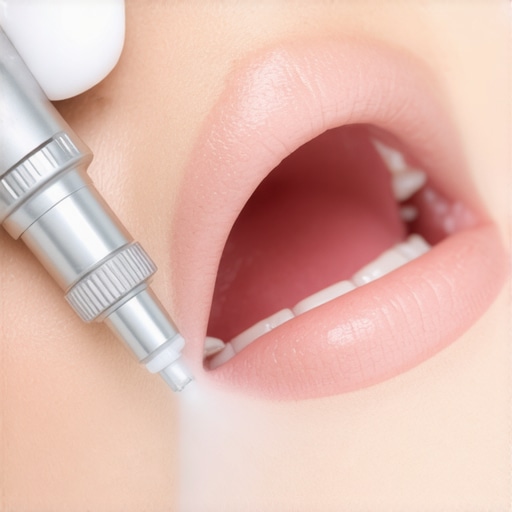
Protect the Life of Your Dental Crowns
If you already have restorations, you have to be even more diligent during these sessions. I have a crown on my back molar, and I learned the hard way that bacteria love to hide right at the margin where the porcelain meets the gum. Reviewing maintaining your dental crowns dos and donts for best results ensures that your deep cleaning does not turn into an expensive replacement appointment. When you invest in your teeth, whether through understanding the role of crowns in modern smile makeovers or regular scaling, you are essentially buying insurance for your future self. I once ignored a small catch in my crown, only to find out later that a little extra attention during a cleaning could have saved me a week of discomfort.
Build a Daily Routine That Actually Sticks
Finally, you have to look at your oral health routine strengthening your smile every day as a non-negotiable habit rather than a chore. This means switching to tools that do the work for you and stopping the use of equipment that causes trauma; that is exactly why your dentist wants you to stop using hard bristles that can wear down your enamel and irritate your gums. When I switched to a soft-bristle brush, my gum bleeding stopped almost overnight. Applying these teeth cleaning secrets effective home practices for family dental health ensures that when you do go back for your next professional visit, the ‘deep’ part of the cleaning is faster and easier because you have done the heavy lifting at home.One of the biggest myths I encounter in the world of oral health is the belief that once a tooth is crowned, it is somehow ‘finished’ or safe from future trouble. In my experience, a crown is a fresh start, not a permanent ending. While many focus on how crowns can transform your dental confidence, they often forget that the biological tooth structure underneath remains susceptible to decay. If you treat your crown like a suit of armor that doesn’t require maintenance, you are falling into a classic trap. The American Academy of Periodontology notes that the ‘margin’—the tiny interface where the crown meets your gum—is a magnet for plaque. Without expert advice on crowns and teeth cleaning, you might ignore this area, leading to a cavity that grows hidden beneath the porcelain. Have you ever fallen into this trap? Let me know in the comments.
Does Having a Crown Mean the Tooth Can’t Decay Anymore?
The short answer is a resounding no. In fact, a crowned tooth requires more strategic care than a natural one. I’ve seen patients who are meticulous brushers still lose a restoration because they didn’t understand the nuance of cleaning the ‘cervical margin.’ This is where caring for crowns with essential tips for longevity becomes a daily requirement rather than a suggestion. When bacteria seep under that edge, the decay can become extensive before you even feel a twinge of pain. 
Your Crown Is Not a Bulletproof Shield
Another hidden nuance involves the systemic stakes of your professional maintenance. We often talk about ‘the big scrape’ as a way to avoid tooth loss, but the connection between your heart health and your last dental cleaning is far more direct than most realize. A study published in the Journal of Periodontology suggests that treating periodontal disease can significantly reduce systemic inflammation markers throughout the body. When you skip that scaling appointment, you aren’t just risking a loose tooth; you’re potentially taxing your entire cardiovascular system. This is why family dentistry focus isn’t just about pretty smiles—it’s about comprehensive longevity.
Why a Perfect Brushing Routine Might Still Fail You
Here is the contrarian truth: you can brush three times a day and still end up needing a deep scaling. Why? Because manual or even electric brushing cannot reach the depths of a periodontal pocket once it exceeds three millimeters. This is the ‘oops’ factor that catches even the most diligent patients off guard. They assume their overall oral wellness is guaranteed by their home routine, but professional intervention is the only way to disrupt the biofilm that hardens into calculus beneath the gum line. Relying solely on yourself is a mistake; true oral health is a partnership between your home habits and the specialized tools used in the office. If you’ve been avoiding the chair because you think your ‘good enough’ routine is working, it might be time to look deeper.Once you decide to commit to that deeper level of care, the conversation shifts from fixing problems to preventing them with precision tools. I’ve realized that the standard drugstore aisle is a minefield of hard bristles and abrasive pastes that do more harm than good. To keep the results of that deep cleaning and protect my investment, I’ve had to upgrade my toolkit.
The Gear That Actually Saves Your Gums
My personal must-have is the Philips Sonicare series with a built-in pressure sensor. Why? Because most of us are aggressive brushers without knowing it. If you’ve wondered why your gums bleed when you switch to an electric toothbrush, it’s often because you’re applying manual-brush pressure to a tool that’s doing 62,000 brush movements per minute. For my crowns, I ditched traditional string floss for TePe interdental brushes. A meta-analysis published in the Journal of Clinical Periodontology confirms that interdental brushes are significantly more effective for plaque removal in wider spaces than floss alone. This is the level of expert advice on crowns and teeth cleaning that transformed my check-ups from nerve-wracking to boring, which is exactly what you want. 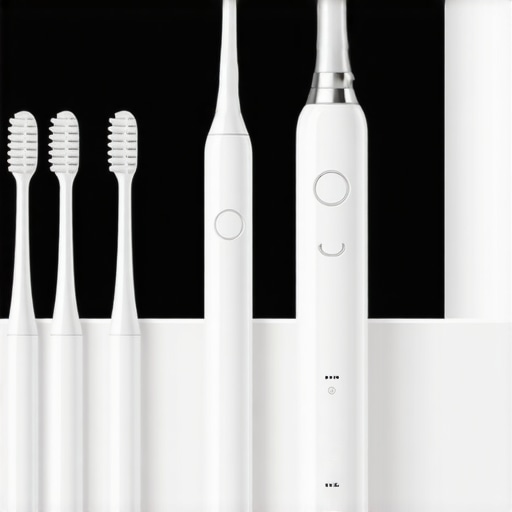
How do I maintain my dental work over the next decade?
Consistency is the obvious answer, but the specific technique matters more than the minutes spent. I follow the oral health tips every family should follow in 2025, which emphasize the modified Bass technique—angling the bristles at 45 degrees toward the gum line. This ensures you are disrupting the bacteria that cause bone loss. If you have restorations, remember that maintaining your dental crowns dos and donts includes avoiding the ice-chewing habit that can micro-fracture porcelain over time.
Smart Tech and the Future of Your Mouth
Looking ahead, I predict that smart oral care is going to move beyond just tracking how long you brush. We are already seeing the emergence of AI-powered mirrors that highlight plaque in real-time and saliva diagnostic kits that can identify specific bacterial strains before they cause a cavity. This shift toward data-driven family dentistry focus means we’ll catch issues in the warning phase rather than the emergency phase. For now, your best bet is to master the tools you have. I challenge you to try one advanced tip: swap your string floss for a set of interdental brushes for one week. Focus specifically on the gaps between your molars. You’ll be surprised—and perhaps slightly horrified—at what your standard brush has been missing. This small change is the secret to strengthening your smile every day.
The Hard Truths I Learned While Saving My Smile
After years of trial and error, I finally realized that my dental health was not a series of isolated emergencies, but a reflection of my daily habits. I learned that the margin of a crown is its most vulnerable point, and ignoring it is the fastest way to a replacement. I also discovered that the impact of regular teeth cleaning on overall oral wellness reaches far beyond just having a white smile; it protects your heart and your confidence. My biggest lightbulb moment was realizing that a ‘good enough’ brushing routine is often just a mask for underlying issues. If you aren’t disrupting the biofilm beneath the gum line, you aren’t really cleaning.
The Tools That Turned My Check-ups Into Easy Wins
I’ve tested dozens of products, but only a few have earned a permanent spot in my bathroom cabinet. I swear by a high-quality electric toothbrush with a pressure sensor because it protects my gums from my own aggressive tendencies. For anyone with restorations, following maintaining your dental crowns dos and donts for best results is non-negotiable. I also rely on interdental brushes rather than traditional floss for those tricky spaces between molars. For more personalized strategies, I always look for teeth cleaning secrets effective home practices for family dental health to keep my technique sharp between professional visits. If you ever feel stuck or notice a change in your mouth, do not hesitate to contact us for expert guidance.
Your Future Smile Starts with a Single Decision
Transforming your relationship with the dentist doesn’t happen overnight, but it starts the moment you decide to be an active participant in your care. By embracing a modern family dentistry focus, you move from a cycle of pain and repair to one of health and longevity. Don’t let fear or past neglect dictate the future of your smile. You have the power to implement an oral health routine strengthening your smile every day starting right now. What is the one thing about your cleaning routine that still worries you? Let me know in the comments below!