
I remember the exact moment I realized my new lifestyle was having a… let’s call it a “fragrant” side effect. I was mid-conversation with a neighbor over the fence, feeling lean and mean after two weeks of high-protein perfection, when I saw them subtly take a half-step back. It is a gut-punch to your confidence. You are doing everything right for your body—hitting the gym, meal prepping like a pro—but your mouth smells like you have been snacking on old pennies and overripe pears. I will be honest: my first instinct was to panic and scrub my teeth until my gums bled, but that was my first big mistake. You cannot brush away a metabolic shift. Today, I want to share exactly why this happens and how you can keep your gains without losing your friends. [IMAGE_PLACEHOLDER]
That Metallic Funk is Actually a Sign Your Body is Changing
When you pivot to a high-protein or ketogenic style of eating, your body eventually enters a state called ketosis. It is the holy grail for weight loss, but the byproduct is a group of chemicals called ketones. One specific ketone, acetone, is the same stuff found in nail polish remover, and your body gets rid of it through your breath. I remember thinking I could just use a stronger mouthwash, but why your mouth stings when you use alcohol-based mouthwash is something I learned the hard way—it just dries you out and makes the smell worse. A dry mouth is a smelly mouth, especially when you are processing all that extra protein. Whether it is a fruity scent or a metallic tang, it is a sign of your internal engine running differently, not a failure of your oral health routine. You need a strategy that addresses the chemistry, not just the surface.
Is this diet actually worth the social cost?
I get the skepticism. Is a six-pack worth having breath that clears a room? It is a hurdle that almost made me quit. According to the Healthline medical review, this ‘keto breath’ is a very common biological byproduct of burning fat instead of glucose. You might feel like you are doing something wrong, but you are just in the middle of a metabolic transition. I used to worry that I was causing permanent damage, but after focusing on the impact of regular teeth cleaning on overall oral wellness, I realized that with the right tweaks, you can have both a fit body and a fresh smile. Have you ever felt that weird ‘fuzzy’ feeling on your teeth along with the smell? That is often the hidden reason your teeth feel fuzzy after lunch—a combination of diet-induced dry mouth and protein residue. Do not let it discourage you; we are going to fix it by looking at how you hydrate and how you handle your dental hygiene. Have you struggled with this metallic taste since starting your fitness journey?
Flush the Acetone with Targeted Hydration
I used to think drinking water was just about staying ‘wet,’ but when you are in ketosis, water is your primary transport for flushing out those metallic-smelling ketones. If you let your mouth get dry, you are basically concentrating the smell. I learned that why your saliva is your best defense against decay isn’t just a dental slogan; it is the literal truth. Saliva neutralizes the acids that high-protein diets can exacerbate. One Tuesday, I forgot my water bottle during a back-to-back meeting schedule. By 2 PM, I could actually taste the ‘nail polish remover’ in my own mouth, and I could tell my colleagues noticed it too. The fix isn’t just chugging a gallon at once; it is consistent sips to keep the oral environment alkaline and the tissues hydrated.
Ditch the Standard Floss for Interdental Brushes
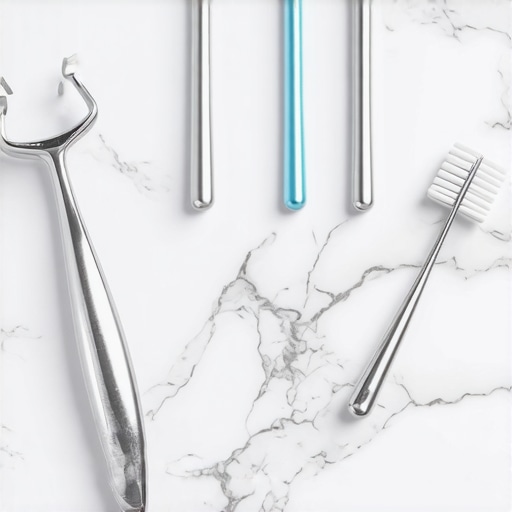
Protein fibers from steak, chicken, or pork are notoriously stubborn. They wedge themselves into tight spots where standard string floss often just slides right over them. This trapped debris eventually rots and contributes to a biological smell that mixes with the chemical keto scent to create something truly offensive. I switched to small, pro-style brushes and the difference was immediate. Knowing the proper way to use interdental brushes for best results helped me clear out those hidden pockets that were making my breath twice as bad as it needed to be. If you have tight spacing, do not force a thick brush in, but definitely look for tools that actually scrub the sides of the teeth rather than just snapping through the contact point.
Keep an Eye on Your Existing Dental Work
If you have crowns or older fillings, they can act as magnets for the ‘diet film’ that builds up when your body is processing high levels of protein. I have a crown on my back left molar that started acting like a trap for every protein shake I drank. If you do not clean around those specific margins, you will deal with a very specific, sour odor that lingers regardless of how much you brush. Learning how to stop your crown from smelling like old food saved me from a lot of social anxiety during gym sessions. It is all about precision. You aren’t just brushing the porcelain surface; you are cleaning the junction where the restoration meets your natural gum line. This is also why maintaining your dental crowns is critical when your body chemistry is shifting; while the materials are durable, your gums may react differently to the new pH levels in your mouth.
Master the Tongue Scrape to Kill the White Film
Have you noticed a thick, pale coating on your tongue since starting your fitness journey? That is a collection of bacteria, dead cells, and protein byproducts. Brushing your tongue with a standard toothbrush just moves the gunk around without actually removing it. You need a dedicated scraper. I was horrified the first time I used one; the amount of residue I removed explained exactly the real reason your tongue turns white even after brushing. It isn’t just about the way it looks; that film holds onto the metallic smell like a sponge. I make it a strict rule now: scrape every morning before the first cup of coffee. It takes ten seconds but removes about 80% of the morning-breath ‘funk’ that high-protein eating tends to amplify. If you are still feeling that fuzzy sensation on your tongue after lunch, it is a sign you need to be more aggressive with mechanical cleaning, not just relying on mints.
Stop Rinsing Away Your Progress Right After You Brush
Most of us were taught to brush, rinse with a cup of water, and move on. It feels ‘clean,’ right? But here is the nuance that most beginners miss: you are literally washing away the medicine. If you are using a fluoride-based paste to combat the metabolic acidity of a high-protein diet, you need that fluoride to stay in contact with the enamel for as long as possible. According to the Oral Health Foundation, rinsing immediately after brushing can reduce the effectiveness of fluoride by nearly half. This is why you should stop rinsing with water immediately after brushing. Just spit out the excess toothpaste and let the residual film do its work while you go about your day. It is a tiny change, but for someone in ketosis, it is the difference between active enamel protection and leaving your smile vulnerable to those ketone-fueled pH shifts.
Don’t Fall for the Aggressive Scrubbing Trap
I fell into this trap early on during my transformation. I thought if I could just brush harder, I would scrub away that metallic ‘keto’ taste and any extra protein film. The reality is that you cannot clean a chemical byproduct off your teeth with brute force. In fact, why hard brushing actually makes your teeth look darker is a painful lesson in dental biology. You wear down the translucent enamel, exposing the yellowish dentin underneath, which makes your smile look dull and aged despite your fitness gains. This is why the impact of regular teeth cleaning on overall oral wellness relies on consistent technique, not muscle. If you feel like your teeth are ‘fuzzier’ on this diet, reach for a soft-bristled brush or an sonic tool that breaks up plaque without the friction. Have you ever fallen into this trap of over-brushing when you were stressed about your breath? Let me know in the comments if you’ve noticed your teeth looking a bit yellow after a few weeks of heavy scrubbing.
Is your heavy lifting session actually hurting your molars?
This is a sophisticated problem often seen in the fitness community. You finish your last heavy set of squats, and suddenly your molars feel like they are pulsing. Many people assume it is a sign of a new cavity, but it is often a sign of exercise-induced pressure. Understanding why your teeth throb after you finish a workout is key to avoiding unnecessary dental anxiety. However, if you have existing dental work, this pressure can highlight mechanical issues. If you are maintaining your dental crowns, you must ensure they aren’t catching extra pressure if you are a ‘clencher’ at the gym. Also, please, why you should never use a toothpick as a dental tool cannot be overstated—protein fibers from your meal prep are best removed with interdental brushes, not a wooden spike that can damage the seal on your restoration. This isn’t just for your own vanity; practicing teeth cleaning secrets effective home practices for family dental health ensures you are not passing bad habits down to your kids. For the best long-term outcomes, I always recommend seeking expert advice on crowns and teeth cleaning for lasting results. When your body chemistry is changing, your family dentistry focus building a lifetime of healthy smiles approach needs to adapt with you.
Make Professional Cleanings Your Quarterly Performance Review
Even with the most disciplined home routine, the metabolic shift of a high-protein diet creates a unique type of mineralized buildup. I used to think I could ‘biohack’ my way out of the dentist’s chair, but I quickly learned that what actually happens if you skip your dental cleaning for too long is a recipe for disaster. The keto-induced dry mouth makes plaque more ‘sticky,’ and if you aren’t careful, that plaque hardens into tartar that no amount of home scrubbing can touch. I now treat my dental visits like a performance review. Seeing how a professional scale and polish brightens your smile isn’t just about aesthetics; it is about resetting the pH balance of your mouth. Think of it as an oil change for your body’s most important intake valve. If you want to stay in the game long-term, you need to know the secrets to making your professional cleaning last longer, which involves using the right tools the moment you get home.
Invest in a Sonic Brush That Does the Heavy Lifting
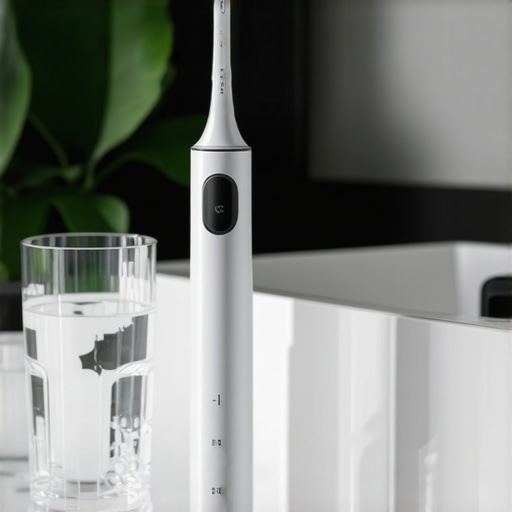
I switched to a high-end sonic toothbrush last year, specifically one that offers at least 62,000 brush movements per minute. Why? Because manual brushing simply cannot create the ‘fluid dynamics’ needed to flush out protein residue from between tight teeth. Research published in the Journal of Clinical Periodontology confirms that power toothbrushes can reduce plaque by up to 21% more than manual alternatives over a three-month period. For those of us eating 150g+ of protein a day, that 21% is the difference between healthy gums and chronic inflammation. I personally use the pressure-sensor models because, as I mentioned earlier, we fitness enthusiasts tend to over-scrub. This tool acts as a safeguard, ensuring I’m caring for crowns and natural enamel with precision rather than force. It’s the most important piece of ‘gym equipment’ I own that never actually enters the gym.
How do I maintain a healthy smile while staying in deep ketosis?
Consistency is your only path forward. You have to view your oral health routine as a non-negotiable part of your macros. Just as you wouldn’t skip your protein shake after a heavy lift, you cannot skip the alkaline rinse or the interdental cleaning. I recommend a ‘stacking’ method: immediately after your last meal of the day, do the full circuit—scrape, brush (no rinse!), and interdental floss. This prevents the ‘metallic funk’ from settling in while you sleep. If you have existing restorations, remember that maintaining your dental crowns requires you to be extra vigilant about the gumline where bacteria love to hide during fat-burning phases. This long-term commitment is what separates a temporary diet from a sustainable lifestyle change.
Expect to See Smart Sensors Inside Your Next Crown
Looking ahead, I believe the intersection of dental tech and fitness is going to explode. We are already seeing the role of crowns in modern smile makeovers shifting from simple repairs to functional upgrades. In the next decade, I predict we will see ‘smart crowns’ equipped with micro-sensors that track your oral pH and ketone levels in real-time, syncing directly to your fitness watch. This would allow us to adjust our hydration or electrolyte intake the second our breath starts to turn. Until then, we have to rely on the best available oral health tips every family should follow in 2025 to keep our progress on track. My challenge to you: try the ‘spit don’t rinse’ rule for just one week. I bet you’ll notice your teeth feel smoother and less sensitive by day seven.
I remember the exact moment I realized my new lifestyle was having a… let’s call it a “fragrant” side effect. I was mid-conversation with a neighbor over the fence, feeling lean and mean after two weeks of high-protein perfection, when I saw them subtly take a half-step back. It is a gut-punch to your confidence. You are doing everything right for your body—hitting the gym, meal prepping like a pro—but your mouth smells like you have been snacking on old pennies and overripe pears. I will be honest: my first instinct was to panic and scrub my teeth until my gums bled, but that was my first big mistake. You cannot brush away a metabolic shift. Today, I want to share exactly why this happens and how you can keep your gains without losing your friends. [IMAGE_PLACEHOLDER]
That Metallic Funk is Actually a Sign Your Body is Changing
When you pivot to a high-protein or ketogenic style of eating, your body eventually enters a state called ketosis. It is the holy grail for weight loss, but the byproduct is a group of chemicals called ketones. One specific ketone, acetone, is the same stuff found in nail polish remover, and your body gets rid of it through your breath. I remember thinking I could just use a stronger mouthwash, but why your mouth stings when you use alcohol-based mouthwash is something I learned the hard way—it just dries you out and makes the smell worse. A dry mouth is a smelly mouth, especially when you are processing all that extra protein. Whether it is a fruity scent or a metallic tang, it is a sign of your internal engine running differently, not a failure of your oral health routine. You need a strategy that addresses the chemistry, not just the surface.
Is this diet actually worth the social cost?
I get the skepticism. Is a six-pack worth having breath that clears a room? It is a hurdle that almost made me quit. According to the Healthline medical review, this ‘keto breath’ is a very common biological byproduct of burning fat instead of glucose. You might feel like you are doing something wrong, but you are just in the middle of a metabolic transition. I used to worry that I was causing permanent damage, but after focusing on the impact of regular teeth cleaning on overall oral wellness, I realized that with the right tweaks, you can have both a fit body and a fresh smile. Have you ever felt that weird ‘fuzzy’ feeling on your teeth along with the smell? That is often the hidden reason your teeth feel fuzzy after lunch—a combination of diet-induced dry mouth and protein residue. Do not let it discourage you; we are going to fix it by looking at how you hydrate and how you handle your dental hygiene. Have you struggled with this metallic taste since starting your fitness journey?
Flush the Acetone with Targeted Hydration
I used to think drinking water was just about staying ‘wet,’ but when you are in ketosis, water is your primary transport for flushing out those metallic-smelling ketones. If you let your mouth get dry, you are basically concentrating the smell. I learned that why your saliva is your best defense against decay isn’t just a dental slogan; it is the literal truth. Saliva neutralizes the acids that high-protein diets can exacerbate. One Tuesday, I forgot my water bottle during a back-to-back meeting schedule. By 2 PM, I could actually taste the ‘nail polish remover’ in my own mouth, and I could tell my colleagues noticed it too. The fix isn’t just chugging a gallon at once; it is consistent sips to keep the oral environment alkaline and the tissues hydrated.
Ditch the Standard Floss for Interdental Brushes
Protein fibers from steak, chicken, or pork are notoriously stubborn. They wedge themselves into tight spots where standard string floss often just slides right over them. This trapped debris eventually rots and contributes to a biological smell that mixes with the chemical keto scent to create something truly offensive. I switched to small, pro-style brushes and the difference was immediate. Knowing the proper way to use interdental brushes for best results helped me clear out those hidden pockets that were making my breath twice as bad as it needed to be. If you have tight spacing, do not force a thick brush in, but definitely look for tools that actually scrub the sides of the teeth rather than just snapping through the contact point.
Keep an Eye on Your Existing Dental Work
If you have crowns or older fillings, they can act as magnets for the ‘diet film’ that builds up when your body is processing high levels of protein. I have a crown on my back left molar that started acting like a trap for every protein shake I drank. If you do not clean around those specific margins, you will deal with a very specific, sour odor that lingers regardless of how much you brush. Learning how to stop your crown from smelling like old food saved me from a lot of social anxiety during gym sessions. It is all about precision. You aren’t just brushing the porcelain surface; you are cleaning the junction where the restoration meets your natural gum line. This is also why maintaining your dental crowns is critical when your body chemistry is shifting; while the materials are durable, your gums may react differently to the new pH levels in your mouth.
Master the Tongue Scrape to Kill the White Film
Have you noticed a thick, pale coating on your tongue since starting your fitness journey? That is a collection of bacteria, dead cells, and protein byproducts. Brushing your tongue with a standard toothbrush just moves the gunk around without actually removing it. You need a dedicated scraper. I was horrified the first time I used one; the amount of residue I removed explained exactly the real reason your tongue turns white even after brushing. It isn’t just about the way it looks; that film holds onto the metallic smell like a sponge. I make it a strict rule now: scrape every morning before the first cup of coffee. It takes ten seconds but removes about 80% of the morning-breath ‘funk’ that high-protein eating tends to amplify. If you are still feeling that fuzzy sensation on your tongue after lunch, it is a sign you need to be more aggressive with mechanical cleaning, not just relying on mints.
Stop Rinsing Away Your Progress Right After You Brush
Most of us were taught to brush, rinse with a cup of water, and move on. It feels ‘clean,’ right? But here is the nuance that most beginners miss: you are literally washing away the medicine. If you are using a fluoride-based paste to combat the metabolic acidity of a high-protein diet, you need that fluoride to stay in contact with the enamel for as long as possible. According to the Oral Health Foundation, rinsing immediately after brushing can reduce the effectiveness of fluoride by nearly half. This is why you should stop rinsing with water immediately after brushing. Just spit out the excess toothpaste and let the residual film do its work while you go about your day. It is a tiny change, but for someone in ketosis, it is the difference between active enamel protection and leaving your smile vulnerable to those ketone-fueled pH shifts.
Don’t Fall for the Aggressive Scrubbing Trap
I fell into this trap early on during my transformation. I thought if I could just brush harder, I would scrub away that metallic ‘keto’ taste and any extra protein film. The reality is that you cannot clean a chemical byproduct off your teeth with brute force. In fact, why hard brushing actually makes your teeth look darker is a painful lesson in dental biology. You wear down the translucent enamel, exposing the yellowish dentin underneath, which makes your smile look dull and aged despite your fitness gains. This is why the impact of regular teeth cleaning on overall oral wellness relies on consistent technique, not muscle. If you feel like your teeth are ‘fuzzier’ on this diet, reach for a soft-bristled brush or an sonic tool that breaks up plaque without the friction. Have you ever fallen into this trap of over-brushing when you were stressed about your breath? Let me know in the comments if you’ve noticed your teeth looking a bit yellow after a few weeks of heavy scrubbing.
Is your heavy lifting session actually hurting your molars?
This is a sophisticated problem often seen in the fitness community. You finish your last heavy set of squats, and suddenly your molars feel like they are pulsing. Many people assume it is a sign of a new cavity, but it is often a sign of exercise-induced pressure. Understanding why your teeth throb after you finish a workout is key to avoiding unnecessary dental anxiety. However, if you have existing dental work, this pressure can highlight mechanical issues. If you are maintaining your dental crowns, you must ensure they aren’t catching extra pressure if you are a ‘clencher’ at the gym. Also, please, why you should never use a toothpick as a dental tool cannot be overstated—protein fibers from your meal prep are best removed with interdental brushes, not a wooden spike that can damage the seal on your restoration. This isn’t just for your own vanity; practicing teeth cleaning secrets effective home practices for family dental health ensures you are not passing bad habits down to your kids. For the best long-term outcomes, I always recommend seeking expert advice on crowns and teeth cleaning for lasting results. When your body chemistry is changing, your family dentistry focus building a lifetime of healthy smiles approach needs to adapt with you.
Make Professional Cleanings Your Quarterly Performance Review
Even with the most disciplined home routine, the metabolic shift of a high-protein diet creates a unique type of mineralized buildup. I used to think I could ‘biohack’ my way out of the dentist’s chair, but I quickly learned that what actually happens if you skip your dental cleaning for too long is a recipe for disaster. The keto-induced dry mouth makes plaque more ‘sticky,’ and if you aren’t careful, that plaque hardens into tartar that no amount of home scrubbing can touch. I now treat my dental visits like a performance review. Seeing how a professional scale and polish brightens your smile isn’t just about aesthetics; it is about resetting the pH balance of your mouth. Think of it as an oil change for your body’s most important intake valve. If you want to stay in the game long-term, you need to know the secrets to making your professional cleaning last longer, which involves using the right tools the moment you get home.
Invest in a Sonic Brush That Does the Heavy Lifting
I switched to a high-end sonic toothbrush last year, specifically one that offers at least 62,000 brush movements per minute. Why? Because manual brushing simply cannot create the ‘fluid dynamics’ needed to flush out protein residue from between tight teeth. Research published in the Journal of Clinical Periodontology confirms that power toothbrushes can reduce plaque by up to 21% more than manual alternatives over a three-month period. For those of us eating 150g+ of protein a day, that 21% is the difference between healthy gums and chronic inflammation. I personally use the pressure-sensor models because, as I mentioned earlier, we fitness enthusiasts tend to over-scrub. This tool acts as a safeguard, ensuring I’m caring for crowns and natural enamel with precision rather than force. It’s the most important piece of ‘gym equipment’ I own that never actually enters the gym.
How do I maintain a healthy smile while staying in deep ketosis?
Consistency is your only path forward. You have to view your oral health routine as a non-negotiable part of your macros. Just as you wouldn’t skip your protein shake after a heavy lift, you cannot skip the alkaline rinse or the interdental cleaning. I recommend a ‘stacking’ method: immediately after your last meal of the day, do the full circuit—scrape, brush (no rinse!), and interdental floss. This prevents the ‘metallic funk’ from settling in while you sleep. If you have existing restorations, remember that maintaining your dental crowns requires you to be extra vigilant about the gumline where bacteria love to hide during fat-burning phases. This long-term commitment is what separates a temporary diet from a sustainable lifestyle change.
Expect to See Smart Sensors Inside Your Next Crown
Looking ahead, I believe the intersection of dental tech and fitness is going to explode. We are already seeing the role of crowns in modern smile makeovers shifting from simple repairs to functional upgrades. In the next decade, I predict we will see ‘smart crowns’ equipped with micro-sensors that track your oral pH and ketone levels in real-time, syncing directly to your fitness watch. This would allow us to adjust our hydration or electrolyte intake the second our breath starts to turn. Until then, we have to rely on the best available oral health tips every family should follow in 2025 to keep our progress on track. My challenge to you: try the ‘spit don’t rinse’ rule for just one week. I bet you’ll notice your teeth feel smoother and less sensitive by day seven.
Small Wins for Your Smile While Chasing a Six-Pack
I wish someone had told me early on that my oral health was going to be the first indicator of my metabolic success. Here are the lightbulb moments that changed everything for me: First, you can’t out-brush a bad diet, but you can definitely manage the chemistry by understanding why your breath smells like fruit when you are dieting. Second, that metallic taste isn’t a permanent condition; it’s a signal to stay on top of professional teeth cleaning to manage sticky plaque. Third, if you have crowns, they need specialized care because protein-heavy diets change the bacterial landscape. Finally, consistency beats intensity—don’t scrub harder, just clean smarter.
The Fitness Enthusiast’s Dental Arsenal
I don’t leave my routine to chance. I personally swear by a stainless steel tongue scraper and keeping a pack of interdental brushes in my gym bag for post-meal cleanup. For my digital resources, I constantly refer back to oral health tips every family should follow in 2025 to make sure my whole household stays protected. I also prioritize the impact of regular teeth cleaning on overall oral wellness by scheduling quarterly visits rather than waiting for problems to arise, especially when I’m in a heavy bulking or cutting phase.
Go Get Those Results with Confidence
Your fitness journey shouldn’t be a trade-off between a lean body and a healthy mouth. By focusing on a dedicated oral health routine, you can keep your body in peak condition without dreading social interactions. You’ve put in the work at the gym; now just give your oral health the few minutes of daily attention it deserves. Your future self will thank you for the confidence and the fresh smile. Have you noticed a change in your breath or the way your teeth feel since you started your high-protein diet? Let me know in the comments how you’re handling it!