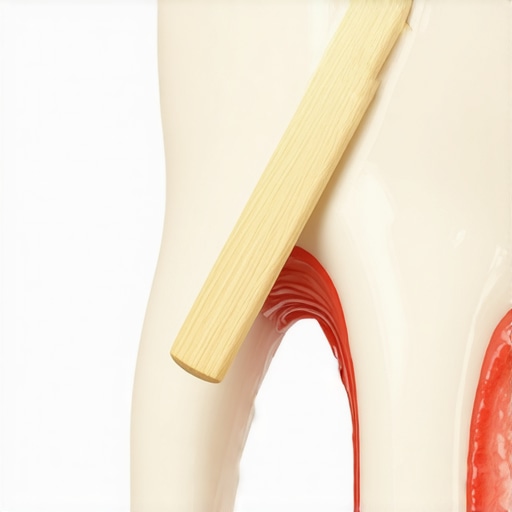
I’ll never forget the evening I nearly ruined a perfectly good steak dinner because of a stubborn piece of fiber and a cheap wooden stick. It seemed so innocent at the time—reaching for a toothpick to clear a gap. But as I fished around, I felt a sharp, sickening crunch that wasn’t the food. It was the toothpick splintering against my gum. I spent the rest of the night with a pair of tweezers and a flashlight in front of the bathroom mirror, feeling absolutely ridiculous. That was my wake-up call. We often treat our teeth like they’re indestructible tools, but the truth is, your gums are incredibly delicate living tissue. I thought I was being ‘hygienic,’ but I was actually inviting bacteria into a fresh wound. Today, I want to walk you through why that splintery habit needs to stay in the past and how you can save yourself a very expensive, very painful trip to the dentist.
Stop Using Your Gums as a Pincushion
We’ve all been there—that nagging, annoying sensation of something wedged between your molars that you just can’t ignore. It drives you crazy, doesn’t it? But reaching for a toothpick is essentially trying to do precision surgery with a blunt twig. When I finally sat down with my dentist after my ‘splinter incident,’ I realized that many of us are stuck in 5 dental habits that are actually ruining your enamel, and the toothpick is often the primary culprit. Wood is abrasive and rigid, which is the exact opposite of what should be near your sensitive gum line. Instead of gently lifting debris, you’re often just jamming it further into the pocket or, worse, creating micro-tears in the tissue. Those tiny tears are like open doors for bacteria. If you’ve ever wondered the hidden reason your gums still throb after flossing, it’s quite possible you’ve already traumatized them with a wooden pick earlier in the day, leaving them raw and reactive.
Is a quick toothpick fix actually worth the risk?
I know the temptation. It’s right there on the table, it’s free, and it feels like a quick fix. But let’s be real: how often do you stop after one gentle poke? Usually, we keep digging until we feel ‘relief,’ which often comes at the price of blood. The American Dental Association explicitly warns that toothpicks are not recommended for cleaning teeth because they can easily break and become lodged in the gum tissue, leading to infections or even abscesses. I made this exact mistake early on, thinking I was being thorough. In reality, I was just setting myself up for a localized infection. Your oral health routine should be about preservation, not excavation. Have you ever had a toothpick snap off in your mouth in the middle of a dinner party? It is an embarrassing nightmare I wouldn’t wish on my worst enemy. Tell me, have you ever had a close call like that, or are you still a ‘frequent flier’ with the wooden picks?
Why Wood and Teeth Are a Bad Match
The anatomy of your tooth is designed to withstand a lot of pressure, but your gums are a different story entirely. When you use wood, you risk blunt-force trauma to the interdental papilla—that little triangle of gum tissue between your teeth. If you blunt or flatten that area too many times with a toothpick, it won’t just ‘bounce back.’ It can lead to permanent recession, leaving ‘black triangles’ that trap even more food than before. This is why I always tell my neighbors about the impact of regular teeth cleaning by a professional; they use specialized instruments that clear debris without destroying your natural architecture. I used to be the guy with a toothpick in his mouth after every meal, but once I saw the microscopic damage under a dental camera, I threw the box away. [IMAGE_PLACEHOLDER] If you’re currently dealing with a ‘popcorn emergency,’ please put the stick down and check out how to remove a popcorn hull stuck under your gum line safely using methods that won’t leave you bleeding. Your smile deserves better than a piece of a tree branch.
Switch to Tools That Don’t Splinter
If you’re serious about ditching the wooden picks, the first thing you need to do is upgrade your arsenal. Think of your mouth like a high-performance engine; you wouldn’t jam a twig into the gears to clear out grit, would you? You’d use a tool designed for the job. Floss picks are a great transitional step because they give you the handle-reach of a toothpick but with the gentle, gliding power of nylon. However, the real game-changer for me was discovering the proper way to use interdental brushes for best results. These little tools look like tiny mascara wands or miniature bottle brushes, and they are specifically designed to fill the gap between your teeth and sweep out plaque without the blunt force of wood.
Master the Soft Sweep Technique
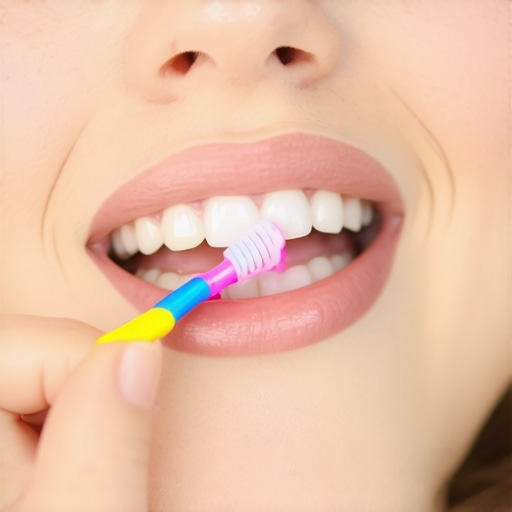
When I first tried an interdental brush, I was skeptical. I thought it would be too thick for my “tight” teeth. I remember standing in front of the mirror, carefully sliding a size-zero brush into a gap that usually traps every piece of steak I eat. Unlike a toothpick, which just pokes, the bristles of the brush fanned out and grabbed everything. It was a revelation—no blood, no sharp pain, just a clean sensation. If you’re struggling with crowded areas, learning how to clean between teeth if you have tight spacing is essential. You want to insert the brush at a slight angle, following the natural curve of the gum, and move it back and forth just two or three times. That’s all it takes to disrupt the biofilm that leads to cavities.
Wash Away Debris with Water Pressure
If the idea of sticking anything—even a soft brush—into your gums still makes you flinch, it’s time to look at water flossing. I like to call this the “pressure washer” for your smile. A toothpick is like trying to clean a muddy sidewalk with a rake; a water flosser is like hitting it with a high-pressure hose. It flushes out the gaps where your toothbrush can’t reach and where a toothpick would only cause damage. This is particularly vital if you have restorative work. I’ve seen people accidentally pop off a perfectly good restoration with a wooden pick. Learning how to keep your dental crown from popping off while chewing is one thing, but you also need to make sure you aren’t prying it off during your “cleaning” sessions. A water flosser provides a deep clean that is incredibly gentle on the margins of your dental work.
Guard Your Crowns and Bridges
If you’ve invested in your smile, you know that how crowns can transform your dental confidence is no joke. But that investment requires specific maintenance. Toothpicks are notorious for catching on the “ledge” of a crown where it meets the gum line. I once had a neighbor who spent three thousand dollars on a beautiful porcelain bridge only to chip the edge while aggressively “picking” at a piece of crusty bread. Instead of a stick, use a dedicated oral health routine that focuses on soft-touch cleaning. Following caring for crowns: essential tips for longevity and shine means using non-abrasive tools that won’t scratch the porcelain or irritate the surrounding tissue. It’s about being a guardian of your dental work, not its worst enemy.
Refine Your Daily Maintenance Strategy
Good habits aren’t just about what you stop doing; they’re about what you start doing consistently. We often think of dental care as a chore, but once you find the right tools, it becomes a satisfying ritual. I found that my home care improved significantly when I looked into teeth cleaning secrets and effective home practices. It’s not just about flossing; it’s about the timing and the tools. For example, using a soft-bristled brush in tandem with an interdental cleaner after your biggest meal of the day can prevent that “stuck food” feeling from ever becoming an emergency. This proactive approach is the cornerstone of family dentistry focus on building a lifetime of healthy smiles. When you stop the toothpick habit and start using tools that respect your biology, your gums will finally have a chance to heal and tighten back up around your teeth.
One of the biggest misconceptions I see—and I was guilty of this too—is the belief that once you have a crown, that tooth is ‘safe.’ We treat it like a suit of armor that shields the tooth from everything. But here’s the contrarian truth: a crowned tooth is actually more vulnerable to specific types of decay than a natural one. The junction where the porcelain meets your gum is a microscopic ledge where plaque loves to hide. If you aren’t careful, you might find yourself searching for maintaining your dental crowns: dos and don’ts for best results because that expensive restoration is suddenly failing from the inside out. While how crowns can transform your dental confidence is undeniable, the maintenance is what keeps that confidence from turning into a dental crisis.
Why Your Crown Isn’t a Get-Out-of-Flossing-Free Card
The ‘trap’ many people fall into is thinking that ‘firm’ brushing is ‘better’ cleaning. In reality, why hard brushing actually makes your teeth look darker is a lesson in how we inadvertently scrub away our own protection. When it comes to crowns, aggressive brushing can actually recede the gum line, exposing the metal or ceramic margin. This doesn’t just look bad; it invites bacteria to colonize the root area. A study published in the Journal of Dentistry highlights that the marginal fit of a crown is the single most critical factor for its long-term survival. Even a gap of 100 microns—thinner than a human hair—is enough for biofilm to take hold and cause secondary decay. 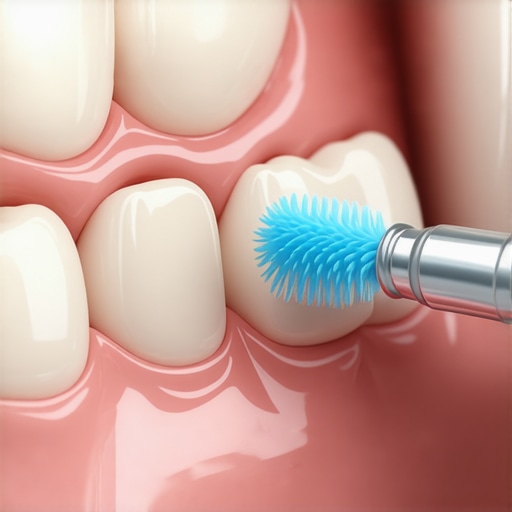
Can a ‘perfect’ crown actually hide a brewing infection?
It absolutely can. Because the crown is so strong, it can mask internal decay until the tooth structure underneath is significantly compromised. Many people assume the truth about why your gums bleed only when you floss is simply ‘tough luck,’ but around a crown, it is a major red flag for gingivitis or localized pocketing. If you’re constantly worried about how to keep your dental crown from popping off while chewing, there might be a structural or fit issue that needs immediate professional attention rather than a ‘wait and see’ approach. I learned the hard way that a silent crown isn’t always a healthy one.
Stop Ignoring the Fuzzy Feeling on Your Molars
Advanced oral health isn’t just about avoiding cavities; it’s about managing the microscopic ecosystem of your mouth. If you’ve been avoiding the chair out of fear, looking into the most comfortable way to get a professional deep cleaning can change your entire perspective on family dentistry. These cleanings aren’t just for aesthetics; they are the only way to reset the bacterial load that your toothbrush and floss—or heaven forbid, a toothpick—simply cannot reach. A professional scale and polish targets the specific areas where crowns and natural teeth meet, ensuring your investment lasts decades rather than years. Have you ever fallen into this trap? Let me know in the comments.
Get Obsessed with Your Marginal Integrity
If you want your dental work to last twenty years instead of five, you have to look at the ‘margin’—that tiny seam where the crown meets your tooth. I personally use an end-tufted brush, which looks like a tiny, pointed toothbrush. It allows me to sweep specifically along that gum line without irritating the surrounding tissue. This is the level of detail required for expert advice on crowns and teeth cleaning for lasting results. When I switched from a standard manual brush to a high-end oscillating-rotating electric brush, the ‘fuzzy’ feeling disappeared entirely. Why? Because the micro-vibrations are physically more effective at breaking up the sticky biofilm that mineralizes into calculus.
How do I keep my crowns and gums healthy for the long haul?
Consistency is your only defense. You can’t ‘makeup’ for a week of lazy hygiene on a Sunday night. I recommend following caring for crowns: essential tips for longevity and shine by integrating an oxygenating mouthwash that doesn’t contain alcohol. Alcohol dries out your mucosa, reducing your natural saliva flow. As we know, why your saliva is your best defense against decay is a crucial concept because saliva buffers the acids that would otherwise eat away at the tooth structure underneath your crown. If you’re really serious, look into the 2025 trends for oral health tips every family should follow in 2025, which emphasize the use of pH-balancing rinses after consuming acidic foods like coffee or wine. 
According to Dr. Gordon Christensen, a world-renowned expert in restorative dentistry and founder of Practical Clinical Courses, the leading cause of crown failure is not the material of the crown itself, but the lack of adequate oral hygiene at the margin. He suggests that patients who utilize both mechanical brushing and chemical adjuncts see a significantly higher longevity rate. This is why the secrets to making your professional cleaning last longer involve a multi-pronged approach. You aren’t just cleaning teeth; you are managing a biological seal. If you want to scale this for your household, focusing on a family dentistry focus on building a lifetime of healthy smiles means teaching these ‘micro-cleaning’ habits early.
The Future of Your Bathroom Countertop
I predict that in the next few years, we are going to see a massive shift toward AI-integrated oral care. We’re already seeing toothbrushes that map your mouth in real-time, but soon, we’ll have handheld cameras that allow for ‘tele-checks’ of your crown margins. This will revolutionize maintaining your dental crowns: dos and don’ts for best results because you won’t have to guess if that spot is stained or decaying. For now, my top advanced tip is this: start using a high-concentration fluoride gel once a week before bed. Don’t rinse it off; let it sit. This ‘soaks’ the vulnerable margins in minerals while you sleep. Give it a try tonight and feel the difference in your gum sensitivity by next week.
Lessons My Gums Taught Me the Hard Way
Over the years, I’ve realized that the most common mistake we make is equating ‘firmness’ with ‘cleanliness.’ I used to think that if I didn’t feel a slight ache after my routine, I hadn’t done enough. This led to a cycle where the reason your tooth hurts only when you bite down hard was actually inflammation I caused myself. Here are three lightbulb moments that changed my perspective: First, your gums are not a ‘door’ to be forced open; they are a delicate seal to be preserved. Second, the ‘fuzz’ we feel is actually a complex bacterial biofilm that requires gentle disruption, not aggressive excavation. Finally, investing in the right tools today is significantly cheaper than replacing a failed crown in five years.
The Minimalist Kit for Maximum Dental Longevity
If you want to move beyond the toothpick era, I recommend a few specific tools that have genuinely saved my smile. First, a set of size-specific interdental brushes is non-negotiable for anyone with dental work; they provide expert advice on crowns and teeth cleaning for lasting results by cleaning the concave surfaces of the roots that flat floss simply misses. Second, an oscillating-rotating electric toothbrush does the heavy lifting for you, preventing the recession caused by manual scrubbing. Lastly, I cannot recommend a pH-balanced, non-alcoholic mouthwash enough. One of the best tips I ever received was why you should stop rinsing with water immediately after brushing—it allows the remineralizing agents to actually work. [IMAGE_PLACEHOLDER]
Commit to a Future Without Dental Emergencies
Taking control of your dental health isn’t about being perfect; it’s about being consistent. When you transition from ‘picking’ to ‘cleaning,’ you’re not just saving your gums; you’re protecting your financial and physical well-being. By following the oral health tips every family should follow in 2025, you can ensure that your natural teeth and your restorations stand the test of time. Your smile is the first thing the world sees—treat it with the respect it deserves. Have you ever accidentally damaged a crown or stuck a toothpick where it didn’t belong? Let me know your close calls below.