
I remember crossing the finish line of my first local 5k, dripping with sweat and feeling that rush of endorphins. But as I slowed to a walk, the euphoria was interrupted by a rhythmic, heavy pulsing right in my upper molars. Thump. Thump. Thump. It felt like my heartbeat had literally migrated into my jaw. I panicked, wondering if a tooth was about to shatter or if I was having some kind of dental meltdown. It wasn’t a one-off thing, either. For months, every time I pushed my limits at the gym, my mouth would start throbbing the second I hit the locker room. I spent far too long ignoring it, chalking it up to “just being tired.” That was my first big mistake. Today, I am going to show you exactly why this happens and how you can stop that distracting pulse from ruining your post-gym glow.
Stop the Thump: Getting to the Bottom of Post-Workout Pain
I used to think my teeth were just sensitive to the cold air I was gulping down during sprints. While that can be a factor, my real issue was much more sneaky. I was clenching my jaw like a vice during every heavy lift and uphill climb. This habit—one I didn’t even realize I had—was putting immense pressure on my periodontal ligaments. If you have ever felt a sensitive tooth flare-up before your next appointment, you know how quickly that dull ache can turn into a sharp reminder that something is wrong.
Another surprising culprit is your sinuses. When your heart rate is up and your blood is pumping, any inflammation in your sinus cavities can press directly onto the roots of your upper teeth. I learned this the hard way when I realized the reason your teeth hurt when you lean forward is often the same reason they throb after a jog: simple physics and pressure.
Is this actually a sign of a real dental emergency?
It’s easy to be skeptical. You might think, “It’s just a little pulsing, it goes away in ten minutes, so why worry?” But that throb is often a messenger. In my case, I was ignoring a minor crack that only made itself known when my blood pressure spiked. According to the Journal of Clinical Periodontology, heavy exercisers often have a different saliva composition during workouts, which can actually increase the risk of enamel erosion and sensitivity over time.
If you’ve been reaching for a neon-colored drink to recover, keep in mind the hidden sugar in sports drinks that causes rapid tooth decay can make existing sensitivities feel ten times worse when your mouth is dry after a session. I had to learn to balance my hydration and my jaw tension to finally get some relief. Have you ever felt that weird, rhythmic pulsing in your teeth after a hard set of squats or a long run? It’s more common than you think, and usually, it’s a sign that your body—or your dentist—is trying to tell you something important. Before you just brush it off, let’s look at the mechanical and biological reasons your mouth is reacting to your movement.To stop the pulsing, you have to treat your mouth like any other muscle group—it needs a warm-up and a release. The first thing I changed was my tongue position. I used to jam my teeth together when straining for that last rep of a heavy lift. Now, I practice keeping my tongue pressed against the roof of my mouth, just behind my front teeth, which naturally keeps the jaw slightly open and prevents clenching. Think of it like a shock absorber for your skull. If you find yourself clenching all night after an intense evening session, how a simple night guard can save you thousands in future dental work is by preventing that micro-trauma from escalating into a hairline fracture. 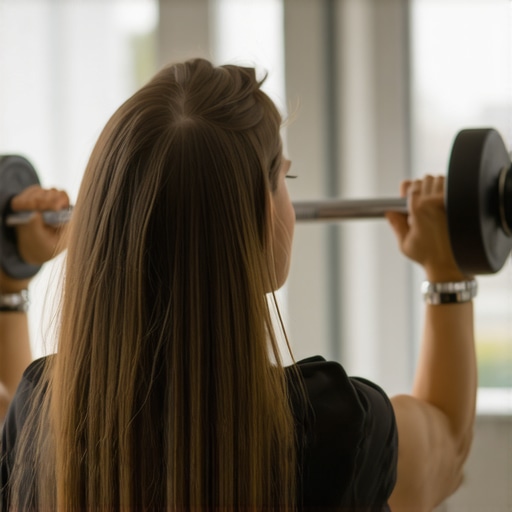 Next, look at your hydration and breathing patterns. When you are gasping for air during a sprint, you are drying out your oral tissues. This dryness concentrates acids and makes any underlying sensitivity feel sharper. I started carrying a dedicated water bottle instead of grabbing those electrolyte bombs at the gym vending machine. I realized the hidden sugar in sports drinks that causes rapid tooth decay was essentially marinating my teeth in acid while my saliva was too thick and sticky to offer any protection.
Differentiate Sinus Pressure from Nerve Pain
If the throb only happens on your upper teeth, your sinuses are the prime suspect. Your upper roots are essentially neighbors with your sinus cavities. When your blood pressure rises, those vessels dilate and can press directly against the dental nerves. You can test this easily: if your teeth hurt more when you bend over to tie your shoes or stretch your hamstrings, it is likely sinus-related rather than a decayed tooth. Learning how to tell if your dental pain is actually a sinus infection versus exercise-induced inflammation can save you a lot of anxiety and unnecessary dental visits.
Check Your Existing Dental Work
Sometimes the workout is not the root cause; it is just the stress test that reveals a failing restoration. I once had a molar that only acted up during high-intensity interval training. It felt fine during lunch, but the second my heart rate hit 150 BPM, it would start a rhythmic pounding. It turns out the cement on an old crown was aging, allowing the pressure of my increased blood flow to irritate the nerve underneath. If you notice a specific tooth reacting, it is worth investigating why your crown might feel sensitive to cold even years after placement, as the vibration of your footsteps or the impact of a run can aggravate a loose or aging cap.
Maintain Your Foundation Daily
You cannot expect your teeth to handle the physical stress of a marathon if you are not doing the basic maintenance. I used to skip flossing on heavy leg days because I was too exhausted, but that is exactly when inflammation in the body peaks. Consistent maintenance like the impact of regular teeth cleaning on overall oral wellness ensures that your gums are not already slightly swollen before you even start your first set. A clean mouth handles blood pressure spikes much better than one struggling with plaque buildup. I even had to re-evaluate my tools; switching away from a stiff brush helped because why your dentist wants you to stop using hard bristles is often about protecting that thin layer of enamel that keeps the pulsing nerves shielded from the elements and internal pressure.Let’s dig deeper. Most people treat a professional cleaning like a car wash—a nice-to-have scrub that makes things look shiny. But here is the contrarian truth: your cleaning is less about your teeth and more about your entire cardiovascular system. We often think of gum disease as a localized issue, but the bacteria found in deep pockets can enter the bloodstream, triggering systemic inflammation. In fact, a landmark study published in the Journal of Periodontology suggests that treating periodontal disease can significantly reduce levels of C-reactive protein, a key marker for heart disease. This is why the impact of regular teeth cleaning on overall oral wellness isn’t just marketing fluff; it’s preventative medicine for your heart. One ‘oops’ factor I see constantly is the DIY whitening or repair trap. I’ve had patients come in with damaged gums because they fell for the truth about charcoal toothpaste and why it might be ruining your enamel. Charcoal is highly abrasive; it’s like using sandpaper on a finished wood floor. You get a temporary brightness because you’ve scrubbed away the top layer of stained enamel, but you’re literally thinning your protection. Even worse is the ‘superglue’ fix for a loose cap. The reason why you should never use superglue to fix a broken dental bridge or crown is because the chemicals are toxic to the living pulp and can turn a simple re-cementing into a mandatory root canal. 
Why does my dentist insist on different materials for different crowns?
It isn’t just about the price point. A crown on your front tooth needs to mimic the translucency of natural enamel, whereas a back molar needs the sheer strength of zirconia to handle hundreds of pounds of bite pressure. This is why we use different materials for front crowns versus back molars. If you put a delicate porcelain-fused-to-metal crown on a heavy-duty grinder, you’ll be searching for the truth about how long a porcelain crown actually lasts before replacement much sooner than you’d like. We also need to talk about the ‘silent’ failure. A crown can look perfect on the surface but have a microscopic leak at the margin. If you’ve ever wondered how to tell if your dental crown is cracked or just the cement, you know that ‘phantom’ sensitivity is often the first sign of an underlying issue. Don’t wait for the throb to become a scream. Have you ever fallen into the trap of thinking a dental issue would just ‘go away’ on its own? Let me know in the comments below.It’s not enough to just fix the problem; you have to defend the solution. To keep my smile functioning at peak performance, I’ve had to overhaul my entire tool kit. I transitioned from a manual approach to a system that prioritizes an oral health routine strengthening your smile every day. I personally use a water flosser with a tapered nozzle specifically designed for orthodontic work or crowns, because the best way to clean plaque from under a dental bridge or behind a tight crown margin isn’t with string—it’s with pressurized water that can reach the microscopic crevices where bacteria hide. I’ve found that standard flossing often just pushes debris further into the gum pocket when you have complex dental work.
Stop Scrubbing and Start Cleaning Properly
One of the biggest shifts I made was embracing expert advice on crowns and teeth cleaning for lasting results. I switched to an electric toothbrush with a pressure sensor. Why? Because I used to be a ‘scrubber,’ unknowingly wearing away my gum line and thinning my enamel. If the light on my brush turns red, I know I’m being too aggressive. This is vital for caring for crowns essential tips for longevity and shine, as you want to avoid scratching the surface of your restorations or causing recession. I also advocate for ‘family-style’ dental health where everyone uses similar high-quality tools, making family dentistry focus building a lifetime of healthy smiles a collective effort rather than a solo chore.
How do I maintain my dental work over time?
Maintaining your dental investment requires looking at the long game. I’ve started using a high-fluoride toothpaste at night to remineralize the edges where my natural tooth meets the crown. This ‘margin’ is the most vulnerable spot for new decay. I also keep a log of any ‘clicks’ or ‘shifts’ I feel, which sounds obsessive until you realize understanding the role of crowns in modern smile makeovers includes knowing that they aren’t ‘set and forget’ devices. Even the best how crowns can transform your dental confidence stories require active participation from the patient. 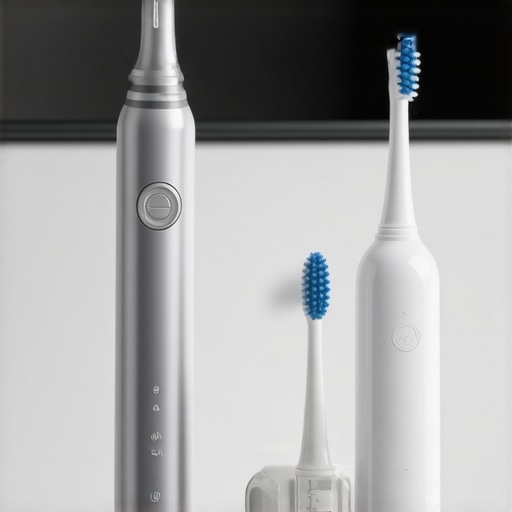 I predict that in the next few years, we will see smart night guards with built-in sensors that sync to our phones to track bruxism intensity in real-time, allowing us to adjust our stress management before a tooth actually cracks or a crown pops off. According to Dr. Gordon Christensen, a leading authority in restorative dentistry and founder of Clinicians Report, the marginal fit of a crown is the single most important factor for its longevity—something that only professional-grade hygiene and consistent maintaining your dental crowns dos and donts for best results can protect. I encourage you to try one thing this week: swap your manual floss for a high-quality water flosser and spend an extra 60 seconds on those crown margins to see how much less ‘pulsing’ you feel after your next high-intensity gym session.
I used to think that the pulsing in my molars was just a sign of a good workout, a sort of ‘dental badge of honor’ for my intensity. I was wrong. It was actually my body signaling a breakdown in my defense system. If you are experiencing that rhythmic thud, you aren’t alone, but you shouldn’t ignore it either.
The Dental Lessons I Learned the Hard Way Between Miles
Training for a half-marathon taught me more about my mouth than I ever expected. First, I realized that mouth breathing isn’t just inefficient for cardio; it’s a direct attack on your enamel. When your mouth dries out, you lose the buffering capacity of saliva, making every acidic sports drink twice as damaging. Second, I discovered that why your dental crown feels like it has a click when you bite is often the first sign that your high-impact running is literally vibrating a restoration loose. Finally, I learned the importance of checking my jaw position during ‘the burn.’ If your teeth are touching while you lift, you are failing your periodontal ligaments.
My Personal Gear for Maintaining a High-Performance Smile
I’ve refined my routine to ensure my teeth can handle the physical stress of my lifestyle. Here are the three non-negotiables in my kit:
• The Pressure-Sensitive Electric Brush: I used to be an aggressive brusher, but stopping the ‘scrub’ is essential for caring for crowns essential tips for longevity and shine.
• High-Volume Water Flosser: This is the only way I truly manage the best way to clean plaque from under a dental bridge or tight crown margins after a dehydrating workout.
• Magnesium and a Night Guard: To combat the clenching that causes that morning throb, especially if the reason your crown feels loose when you wake up is related to nighttime grinding.
#IMAGE_PLACEHOLDER_E#
Build a Smile That Can Keep Up With Your Pace
Your oral health is a dynamic part of your fitness journey, not a separate entity. When you prioritize the connection between your heart health and your last dental cleaning, you are investing in your ability to perform at your peak without the distraction of pain. By implementing teeth cleaning secrets effective home practices for family dental health, you ensure that your smile remains as strong and resilient as the rest of your body. Don’t let a preventable throb stop your momentum; listen to what your teeth are telling you and take action today.
Have you ever noticed your teeth clicking or pulsing during a particularly heavy lifting set or a long run? Let me know your experience in the comments below!