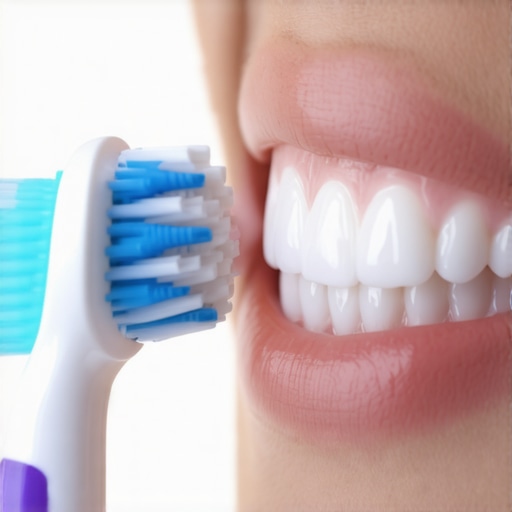
I stood there staring at the bathroom mirror, clutching my brand-new vibrating gadget like it was a magic wand that would solve all my problems. I’d spent more than I’d like to admit on this “sonic” wonder, convinced it was the key to a perfect oral health routine. But within sixty seconds, the white foam turned a terrifying shade of pink. My first thought? I have clearly broken my mouth. It is a visceral, unsettling moment when you realize your attempt at self-improvement is literally making you bleed. If you are here, you are probably seeing red in the sink too. Don’t toss that expensive brush in the trash just yet. Today, I am going to share exactly why your gums are revolting and how I fixed my own bloody mess by changing just two tiny habits.
Is an electric toothbrush actually worth the hype?
It is a fair question to ask when you are staring at a blood-stained sink. When your mouth hurts, it is hard to believe this vibrating tool is actually better than your old three-dollar manual brush. But the truth is, most of us have been brushing wrong for decades. I made the classic mistake of scrubbing with my electric brush the same way I did with a manual one. That is a recipe for disaster. The transition takes more than just a battery; it takes a completely new mindset about how we treat our gum line.
Stop Scrubbing Like You Are Cleaning a Garage Floor
Here is the big secret: an electric toothbrush does the work for you. My biggest early mistake was applying way too much pressure. I was pushing that spinning head into my gums like I was trying to buff out a scratch on a car. This is why hard bristles and heavy hands are the enemy of a happy mouth. Research from the American Dental Association highlights that while electric brushes are superior for plaque removal, the mechanical action is far more intense than what your delicate gum tissue is used to. You only need the weight of the brush itself to get the job done. If you have been a manual brusher your whole life, your gums might even be slightly inflamed without you even realizing it. Sometimes, that bleeding is actually just the brush finally reaching the bacterial pockets that your old brush missed—not unlike what you might experience during a deep cleaning at the dentist. Have you noticed blood the very first time you hit the ‘on’ button, or did it start after a few days of use? Drop a comment below, because the timing of the bleeding usually tells us exactly what your technique is missing. We need to look at how your tissue reacts to this new stimulation before we can get those gums back to a healthy pink.
Aim for the Gum Line at a Forty-Five Degree Angle
I learned the hard way that hitting your teeth head-on with a vibrating brush is a recipe for disaster. To stop the bleeding, you need to tilt the brush head so the bristles can tuck slightly under the gum flap at a forty-five degree angle. Think of it like a pool vacuum—it works best when it is making direct contact with the debris-filled corners, not just hovering over the middle of the floor. If you hold it flat against the tooth, you are missing the very spot where bacteria hide out and cause that annoying inflammation. #IMAGE_PLACE_HOLDER_B#
Let the Vibrations Do the Heavy Lifting
I remember one Tuesday morning I was running late and tried to speed brush by moving my hand back and forth like a manual scrub. All I got for my effort was a raw spot on my gums and a brush head that felt like it was rattling my brains. You have to park the brush on each tooth for about three to five seconds and then glide to the next. No scrubbing is required. This slow-and-steady approach is one of the biggest teeth cleaning secrets for maintaining home oral health without causing unnecessary trauma to your tissues.
Watch Your Pressure Near Sensitive Dental Work
If you have restorations, you might be nervous about the sonic power. I have one crown on my back molar, and I used to skip over it because I was afraid the vibration would shake it loose. That is a total myth. In fact, keeping that margin clean is vital for caring for crowns and ensuring they stay shiny and secure for years. The key is to be even lighter with your touch here. The brush should just kiss the surface of the porcelain while the bristles do the micro-work of removing plaque at the base.
Make It a Game for the Whole House
Getting my kids to slow down was the hardest part of our morning. We started using the built-in timers that pulse every thirty seconds to tell you to switch quadrants. It turned a boring chore into a timed challenge. Following these oral health tips every family should follow ensures that no one is cheating the clock and everyone is giving their gums time to adapt to the new tool. If you rush, you are far more likely to apply heavy, frustrated pressure, which leads right back to that pink foam in the sink. Change the pace, and your gums will change their color from angry red to healthy pink.
I used to think that the ‘squeaky clean’ feeling after a vigorous scrub was the ultimate sign of success. However, that obsession with friction is exactly what was keeping my gums in a state of chronic irritation. Most people believe that more frequent brushing is the universal fix for a white smile, but in reality, timing and chemical biology play a much bigger role than raw elbow grease. Let’s dig deeper into the nuances that even seasoned electric brush users often overlook.
The Post-Breakfast Scrub is Actually Destroying Your Enamel
Here is a common scenario: you drink a glass of orange juice or a healthy fruit smoothie and immediately head to the bathroom to brush away the sugar. It sounds like the responsible thing to do, right? Wrong. This is one of the most common traps in modern dental care. A study published in the Journal of Dentistry highlights that brushing immediately after an acidic challenge leads to significantly higher enamel loss compared to waiting thirty to sixty minutes. When you consume acids, your enamel softens temporarily. If you hit it with a high-vibration electric brush right then, you are literally sanding away your protective layer. To maintain a truly oral health routine, you must give your saliva time to remineralize your teeth. If you can’t wait, at least use the salt water trick that calms gum inflammation to neutralize the pH first.
Why Charcoal Toothpaste is a Trap for Your Smile
Everyone says charcoal is the ‘natural’ way to whiten, but in my experience, it often causes more harm than good for those of us with sensitive gums. While it might lift surface stains, the truth about charcoal toothpaste and long-term enamel wear is that it acts like sandpaper on your teeth. When combined with the high RPMs of a sonic brush, you risk wearing down the neck of the tooth near the gum line, leading to recession that no amount of fancy family dentistry can easily reverse. If you want a brighter look, it is far safer to follow expert advice on crowns and teeth cleaning for lasting results rather than relying on abrasive trends that compromise your structural integrity.
Is that tiny click in your crown a sign of a hidden leak?
For those of us with restorations, there is a sophisticated nuance we often ignore: the ‘micro-leak.’ If you feel a slight clicking sensation or a strange metallic taste when your electric brush passes over a molar, you might need to investigate how to tell if your dental crown has a small leak. The high-frequency vibrations can sometimes reveal a failing cement seal before it becomes a full-blown emergency. Keeping these areas clean requires a delicate balance; you need to remove the plaque biofilm without dislodging the restoration if it’s already compromised. This is where a family dentistry focus becomes essential, as early detection of a loose crown can save you a root canal later. 
Understanding these subtle shifts—from when you brush to what you use—is the difference between a mouth that just ‘looks’ clean and one that is actually healthy. Have you ever fallen into the ‘clean-freak’ trap and brushed immediately after a glass of orange juice? Let me know in the comments, and let’s get your oral routine back on track.
Don’t Let Your Interdental Spaces Become a Graveyard
We often focus so much on the front of the tooth because it’s what we see in the mirror. However, the real damage usually happens in the dark, tight spaces between your molars. I’ve found that even the best electric brush leaves behind a significant amount of biofilm in those gaps. According to a 2019 review by the Cochrane Library, interdental brushes are statistically more effective at removing plaque than traditional string flossing alone. This was a game-changer for me. I swapped my painful flossing ritual for a set of varied-size interdental brushes, and the difference in my gum health was immediate. This isn’t just about avoiding a cavity; it’s about the impact of regular teeth cleaning on overall oral wellness. When you leave bacteria to fester between teeth, it enters the bloodstream, affecting your heart and systemic health.
The Tech I Swear By for Hard-to-Reach Places
If you have bridge work or tight contacts, a water flosser is non-negotiable. I use mine every single night before bed because it flushes out the debris that physical bristles simply cannot reach. It is especially vital when maintaining your dental crowns dos and donts for best results. A water flosser uses a targeted stream of pressurized water to clean the sulcus—the space between the gum and the tooth—where bacteria love to hide. Since I started this, my dental hygienist noticed that my pocket depths improved significantly. 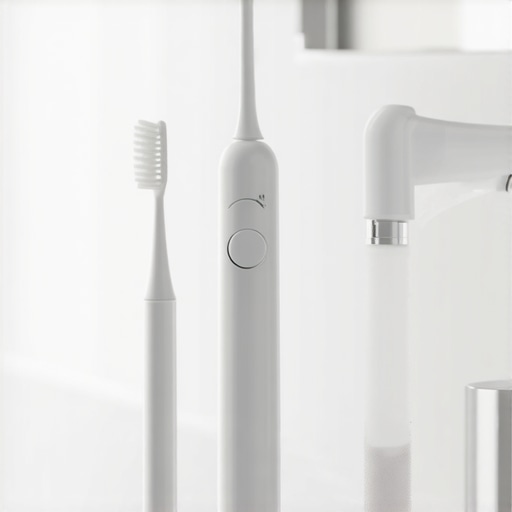
How do I keep my smile stable for the next decade?
Long-term success isn’t just about the tools; it’s about the frequency of professional oversight. You might think you’re doing great at home, but microscopic tartar can still build up. Knowing how often you actually need a professional scaling to prevent bone loss is the cornerstone of a sustainable plan. For most, that’s every six months, but for some with a history of gum issues, it might be every three. Beyond the chair, I’ve realized that how a simple night guard can save you thousands in future dental work cannot be overstated. If you grind your teeth at night, you’re essentially undoing all the good work of your expensive sonic brush by micro-fracturing your enamel and restorations.
Why Your Next Brush Might Be Smarter Than Your Phone
The future of oral health is moving toward hyper-personalization. I predict that within the next five years, we will see smart brushes integrated with AI that analyze your saliva in real-time to detect early signs of inflammation or vitamin deficiencies. We are already seeing the rise of bioactive glass toothpastes that don’t just protect enamel but actively work to repair it. This shift from reactive treatment to proactive, data-driven family dentistry focus will make the pink foam moments a thing of the past. If you really want to take control today, here is my advanced tip: buy a dental disclosing tablet once a month. Use it after you think you’ve finished brushing. It will highlight the spots you’re consistently missing, giving you a roadmap of where to focus your efforts tonight.
I stood there staring at the bathroom mirror, clutching my brand-new vibrating gadget like it was a magic wand that would solve all my problems. I’d spent more than I’d like to admit on this “sonic” wonder, convinced it was the key to a perfect oral health routine. But within sixty seconds, the white foam turned a terrifying shade of pink. My first thought? I have clearly broken my mouth. It is a visceral, unsettling moment when you realize your attempt at self-improvement is literally making you bleed. If you are here, you are probably seeing red in the sink too. Don’t toss that expensive brush in the trash just yet. Today, I am going to share exactly why your gums are revolting and how I fixed my own bloody mess by changing just two tiny habits.
Is an electric toothbrush actually worth the hype?
It is a fair question to ask when you are staring at a blood-stained sink. When your mouth hurts, it is hard to believe this vibrating tool is actually better than your old three-dollar manual brush. But the truth is, most of us have been brushing wrong for decades. I made the classic mistake of scrubbing with my electric brush the same way I did with a manual one. That is a recipe for disaster. The transition takes more than just a battery; it takes a completely new mindset about how we treat our gum line.
Stop Scrubbing Like You Are Cleaning a Garage Floor
Here is the big secret: an electric toothbrush does the work for you. My biggest early mistake was applying way too much pressure. I was pushing that spinning head into my gums like I was trying to buff out a scratch on a car. This is why hard bristles and heavy hands are the enemy of a happy mouth. Research from the American Dental Association highlights that while electric brushes are superior for plaque removal, the mechanical action is far more intense than what your delicate gum tissue is used to. You only need the weight of the brush itself to get the job done. If you have been a manual brusher your whole life, your gums might even be slightly inflamed without you even realizing it. Sometimes, that bleeding is actually just the brush finally reaching the bacterial pockets that your old brush missed—not unlike what you might experience during a deep cleaning at the dentist. Have you noticed blood the very first time you hit the ‘on’ button, or did it start after a few days of use? Drop a comment below, because the timing of the bleeding usually tells us exactly what your technique is missing. We need to look at how your tissue reacts to this new stimulation before we can get those gums back to a healthy pink.
Aim for the Gum Line at a Forty-Five Degree Angle
I learned the hard way that hitting your teeth head-on with a vibrating brush is a recipe for disaster. To stop the bleeding, you need to tilt the brush head so the bristles can tuck slightly under the gum flap at a forty-five degree angle. Think of it like a pool vacuum—it works best when it is making direct contact with the debris-filled corners, not just hovering over the middle of the floor. If you hold it flat against the tooth, you are missing the very spot where bacteria hide out and cause that annoying inflammation. #IMAGE_PLACE_HOLDER_B#
Let the Vibrations Do the Heavy Lifting
I remember one Tuesday morning I was running late and tried to speed brush by moving my hand back and forth like a manual scrub. All I got for my effort was a raw spot on my gums and a brush head that felt like it was rattling my brains. You have to park the brush on each tooth for about three to five seconds and then glide to the next. No scrubbing is required. This slow-and-steady approach is one of the biggest teeth cleaning secrets for maintaining home oral health without causing unnecessary trauma to your tissues.
Watch Your Pressure Near Sensitive Dental Work
If you have restorations, you might be nervous about the sonic power. I have one crown on my back molar, and I used to skip over it because I was afraid the vibration would shake it loose. That is a total myth. In fact, keeping that margin clean is vital for caring for crowns and ensuring they stay shiny and secure for years. The key is to be even lighter with your touch here. The brush should just kiss the surface of the porcelain while the bristles do the micro-work of removing plaque at the base.
Make It a Game for the Whole House
Getting my kids to slow down was the hardest part of our morning. We started using the built-in timers that pulse every thirty seconds to tell you to switch quadrants. It turned a boring chore into a timed challenge. Following these oral health tips every family should follow ensures that no one is cheating the clock and everyone is giving their gums time to adapt to the new tool. If you rush, you are far more likely to apply heavy, frustrated pressure, which leads right back to that pink foam in the sink. Change the pace, and your gums will change their color from angry red to healthy pink.
I used to think that the ‘squeaky clean’ feeling after a vigorous scrub was the ultimate sign of success. However, that obsession with friction is exactly what was keeping my gums in a state of chronic irritation. Most people believe that more frequent brushing is the universal fix for a white smile, but in reality, timing and chemical biology play a much bigger role than raw elbow grease. Let’s dig deeper into the nuances that even seasoned electric brush users often overlook.
The Post-Breakfast Scrub is Actually Destroying Your Enamel
Here is a common scenario: you drink a glass of orange juice or a healthy fruit smoothie and immediately head to the bathroom to brush away the sugar. It sounds like the responsible thing to do, right? Wrong. This is one of the most common traps in modern dental care. A study published in the Journal of Dentistry highlights that brushing immediately after an acidic challenge leads to significantly higher enamel loss compared to waiting thirty to sixty minutes. When you consume acids, your enamel softens temporarily. If you hit it with a high-vibration electric brush right then, you are literally sanding away your protective layer. To maintain a truly oral health routine, you must give your saliva time to remineralize your teeth. If you can’t wait, at least use the salt water trick that calms gum inflammation to neutralize the pH first.
Why Charcoal Toothpaste is a Trap for Your Smile
Everyone says charcoal is the ‘natural’ way to whiten, but in my experience, it often causes more harm than good for those of us with sensitive gums. While it might lift surface stains, the truth about charcoal toothpaste and long-term enamel wear is that it acts like sandpaper on your teeth. When combined with the high RPMs of a sonic brush, you risk wearing down the neck of the tooth near the gum line, leading to recession that no amount of fancy family dentistry can easily reverse. If you want a brighter look, it is far safer to follow expert advice on crowns and teeth cleaning for lasting results rather than relying on abrasive trends that compromise your structural integrity.
Is that tiny click in your crown a sign of a hidden leak?
For those of us with restorations, there is a sophisticated nuance we often ignore: the ‘micro-leak.’ If you feel a slight clicking sensation or a strange metallic taste when your electric brush passes over a molar, you might need to investigate how to tell if your dental crown has a small leak. The high-frequency vibrations can sometimes reveal a failing cement seal before it becomes a full-blown emergency. Keeping these areas clean requires a delicate balance; you need to remove the plaque biofilm without dislodging the restoration if it’s already compromised. This is where a family dentistry focus becomes essential, as early detection of a loose crown can save you a root canal later. #IMAGE_PLACE_HOLDER_C#
Understanding these subtle shifts—from when you brush to what you use—is the difference between a mouth that just ‘looks’ clean and one that is actually healthy. Have you ever fallen into the ‘clean-freak’ trap and brushed immediately after a glass of orange juice? Let me know in the comments, and let’s get your oral routine back on track.
Don’t Let Your Interdental Spaces Become a Graveyard
We often focus so much on the front of the tooth because it’s what we see in the mirror. However, the real damage usually happens in the dark, tight spaces between your molars. I’ve found that even the best electric brush leaves behind a significant amount of biofilm in those gaps. According to a 2019 review by the Cochrane Library, interdental brushes are statistically more effective at removing plaque than traditional string flossing alone. This was a game-changer for me. I swapped my painful flossing ritual for a set of varied-size interdental brushes, and the difference in my gum health was immediate. This isn’t just about avoiding a cavity; it’s about the impact of regular teeth cleaning on overall oral wellness. When you leave bacteria to fester between teeth, it enters the bloodstream, affecting your heart and systemic health.
The Tech I Swear By for Hard-to-Reach Places
If you have bridge work or tight contacts, a water flosser is non-negotiable. I use mine every single night before bed because it flushes out the debris that physical bristles simply cannot reach. It is especially vital when maintaining your dental crowns dos and donts for best results. A water flosser uses a targeted stream of pressurized water to clean the sulcus—the space between the gum and the tooth—where bacteria love to hide. Since I started this, my dental hygienist noticed that my pocket depths improved significantly. #IMAGE_PLACE_HOLDER_D#
How do I keep my smile stable for the next decade?
Long-term success isn’t just about the tools; it’s about the frequency of professional oversight. You might think you’re doing great at home, but microscopic tartar can still build up. Knowing how often you actually need a professional scaling to prevent bone loss is the cornerstone of a sustainable plan. For most, that’s every six months, but for some with a history of gum issues, it might be every three. Beyond the chair, I’ve realized that how a simple night guard can save you thousands in future dental work cannot be overstated. If you grind your teeth at night, you’re essentially undoing all the good work of your expensive sonic brush by micro-fracturing your enamel and restorations.
Why Your Next Brush Might Be Smarter Than Your Phone
The future of oral health is moving toward hyper-personalization. I predict that within the next five years, we will see smart brushes integrated with AI that analyze your saliva in real-time to detect early signs of inflammation or vitamin deficiencies. We are already seeing the rise of bioactive glass toothpastes that don’t just protect enamel but actively work to repair it. This shift from reactive treatment to proactive, data-driven family dentistry focus will make the pink foam moments a thing of the past. If you really want to take control today, here is my advanced tip: buy a dental disclosing tablet once a month. Use it after you think you’ve finished brushing. It will highlight the spots you’re consistently missing, giving you a roadmap of where to focus your efforts tonight.
The Hard Lessons My Gums Had to Teach Me
After years of trial and error, I’ve realized that bleeding is often just a signal, not a catastrophe. First, I learned that your gums need a literal ‘break-in’ period. Just like starting a new gym routine, your soft tissue needs about two weeks to toughen up against the new mechanical stimulus. Second, the ‘clean’ feeling shouldn’t come at the cost of your comfort. If you are struggling with the switch, knowing how to transition your child to an electric toothbrush without a fight can give you perspective on the patience required for your own mouth. Lastly, remember that your brush head isn’t eternal; the truth about how often you should really replace your toothbrush is that worn bristles become jagged and cause more micro-tears than you’d think.
The Bare Essentials for a Pro-Level Smile
I don’t believe in cluttering the bathroom cabinet, but three things are non-negotiable for me. I swear by interdental brushes for those tight gaps where even sonic waves can’t reach. I also recommend a high-quality fluoride toothpaste to strengthen your enamel against the daily acids of coffee and fruit. Finally, for those who have invested in their appearance, seeing how crowns can transform your dental confidence makes you realize that the right tools are an insurance policy for your investment. I personally use a water flosser every evening to ensure that my role of crowns in modern smile makeovers stays looking pristine and healthy.
Don’t Give Up on Your Electric Upgrade Just Yet
It is easy to feel defeated when your attempts at better oral health result in discomfort. But that pink foam in the sink is usually just a temporary milestone on the road to a much stronger smile. By slowing down, adjusting your angle, and respecting your enamel, you are setting the stage for a lifetime of easier teeth cleaning appointments and fewer emergency visits. You have the right tools in your hand; now you just need the right touch to let them work their magic. Have you experienced that ‘pink foam’ panic when you first started using a sonic brush, or did you find the transition easy? Let me know your story in the comments below!